 Seeking LED
are all flood lights dimmable?
0No. A flood light is dimmable only when its LED driver and control system support a compatible dimming method.
View detailsSearch the whole station
An ATEX Zone 1 floodlight is a certified lighting fixture specifically designed for hazardous areas where explosive gas atmospheres are likely to occur during normal operations. It combines ATEX-compliant safety protection with powerful illumination, helping operators maintain visibility without creating an ignition risk.
Most buyers discover the term during a project specification review.
The first time I encountered it was not in an office.
It was standing on a refinery pipe rack at dusk, waiting for daylight to disappear.
The facility was preparing for a maintenance shutdown. Operators were checking valves, contractors were setting up temporary barriers, and overhead, a row of floodlights slowly took over the job from the setting sun.
Nobody on site was discussing lumen output.
The conversation revolved around certification.
That experience taught me something important: in hazardous environments, lighting is not simply an electrical product. It becomes part of the facility’s risk management system.
Many industrial environments handle substances that most people never think about.
Natural gas.
Hydrogen.
Propane.
Butane.
Ethanol vapors.
Under normal conditions these materials are managed safely. The challenge arises when flammable gases mix with oxygen and create potentially explosive atmospheres.
According to the European Commission’s ATEX Directive, equipment used in explosive atmospheres must be designed and certified to operate safely within those environments.
Source:
https://single-market-economy.ec.europa.eu
An ATEX Zone 1 floodlight is engineered specifically for these conditions.
Unlike standard industrial lighting, it is designed to prevent the fixture itself from becoming an ignition source.
One misconception I encounter regularly is that Zone 1 describes a type of product.
It doesn’t.
Zone 1 describes the environment.
According to IECEx guidance, a Zone 1 location is an area where an explosive gas atmosphere is likely to occur occasionally during normal operation.
Source:
That definition sounds simple.
In practice, it covers a huge range of industrial facilities.
Examples include:
These locations require equipment that can continue operating safely even when flammable gases are present.
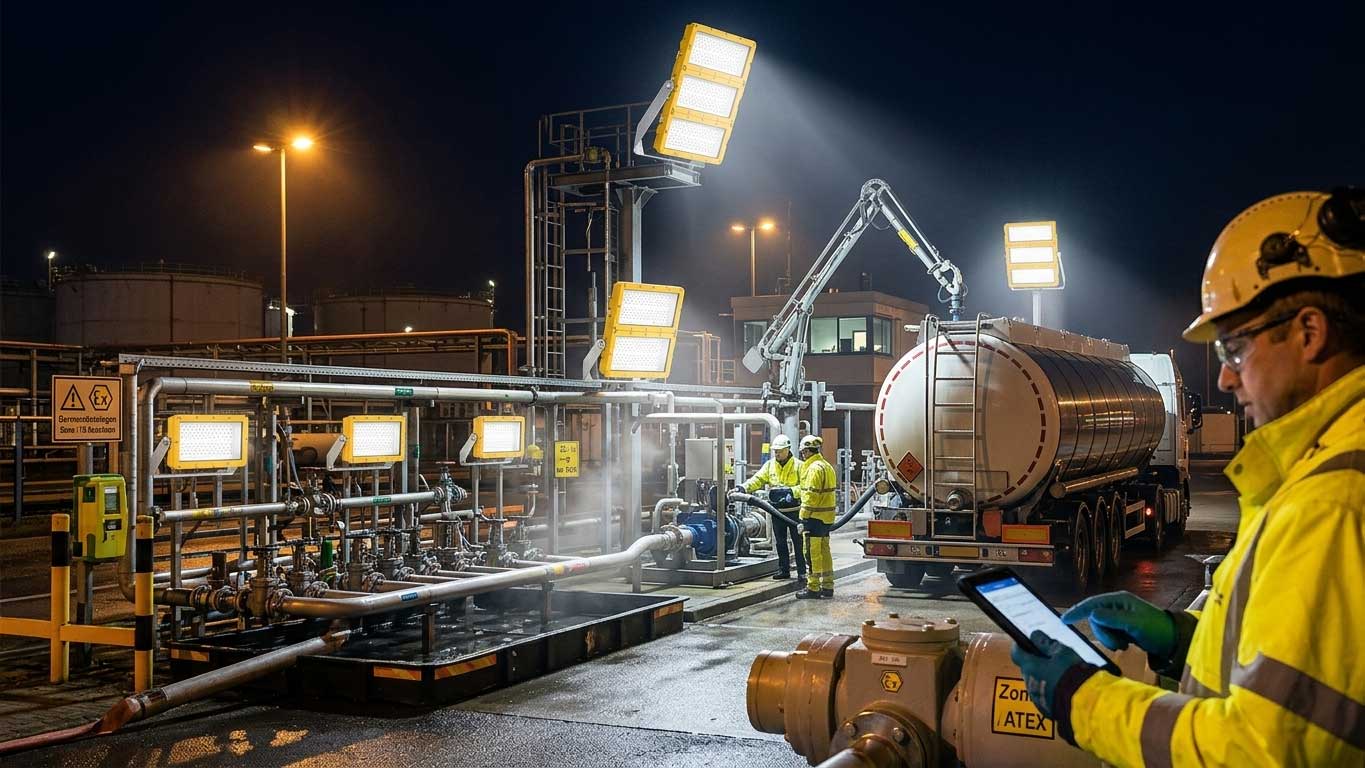
About eight years ago, I joined a site inspection at a coastal fuel terminal.
The shift started just before sunset.
By midnight, humidity had risen dramatically. Condensation covered guardrails. Offshore winds carried salt through the facility.
The floodlights above the loading area became the most important equipment in sight.
Not because they looked impressive.
Because operators relied on them completely.
Inspection teams moved between tanker loading arms and transfer pumps without carrying portable lighting.
The visibility was uniform.
No dark zones.
No harsh glare.
No blind spots around instrumentation.
What struck me most was how little attention anyone paid to the fixtures.
When hazardous-area lighting works properly, people forget it’s there.
One of the most overlooked engineering challenges is heat management.
LEDs generate less heat than traditional light sources, but they still require effective thermal control.
An ATEX-certified floodlight must ensure external surface temperatures remain within safe limits.
This becomes critical when flammable gases may be present.
The housing is far more than a protective shell.
It must withstand:
A floodlight that performs well in a factory environment may fail quickly in an offshore installation.
Depending on the design, Zone 1 floodlights may use:
The objective remains the same.
Prevent ignition.
Fifteen years ago, many hazardous facilities relied on metal halide floodlights.
Today, most new projects specify LED technology.
The reasons are practical.
According to the U.S. Department of Energy, LED systems can reduce energy consumption significantly while offering longer service life compared with conventional technologies.
Source:
Energy savings matter.
But maintenance savings matter even more.
In hazardous locations, replacing a single floodlight often requires:
Reducing maintenance events lowers operational costs dramatically.
The specification process is rarely about brightness alone.
Experienced engineers typically review the following areas first.
| Evaluation Area | Why It Matters |
|---|---|
| ATEX Certification | Confirms legal suitability |
| Zone Rating | Ensures correct area classification |
| Corrosion Resistance | Extends service life |
| Thermal Design | Maintains safe operation |
| Optical Distribution | Improves visibility |
| Maintenance Accessibility | Reduces service costs |
Interestingly, lumen output often comes later in the evaluation process.
That surprises many first-time buyers.
I have seen floodlights installed less than fifty meters apart produce dramatically different results after several years.
The difference was not certification.
It was material quality.
One fixture retained its appearance and structural integrity.
The other showed corrosion around mounting hardware and cable entries.
This happens more frequently than manufacturers admit.
Particularly in:
Certification is essential.
Durability remains equally important.
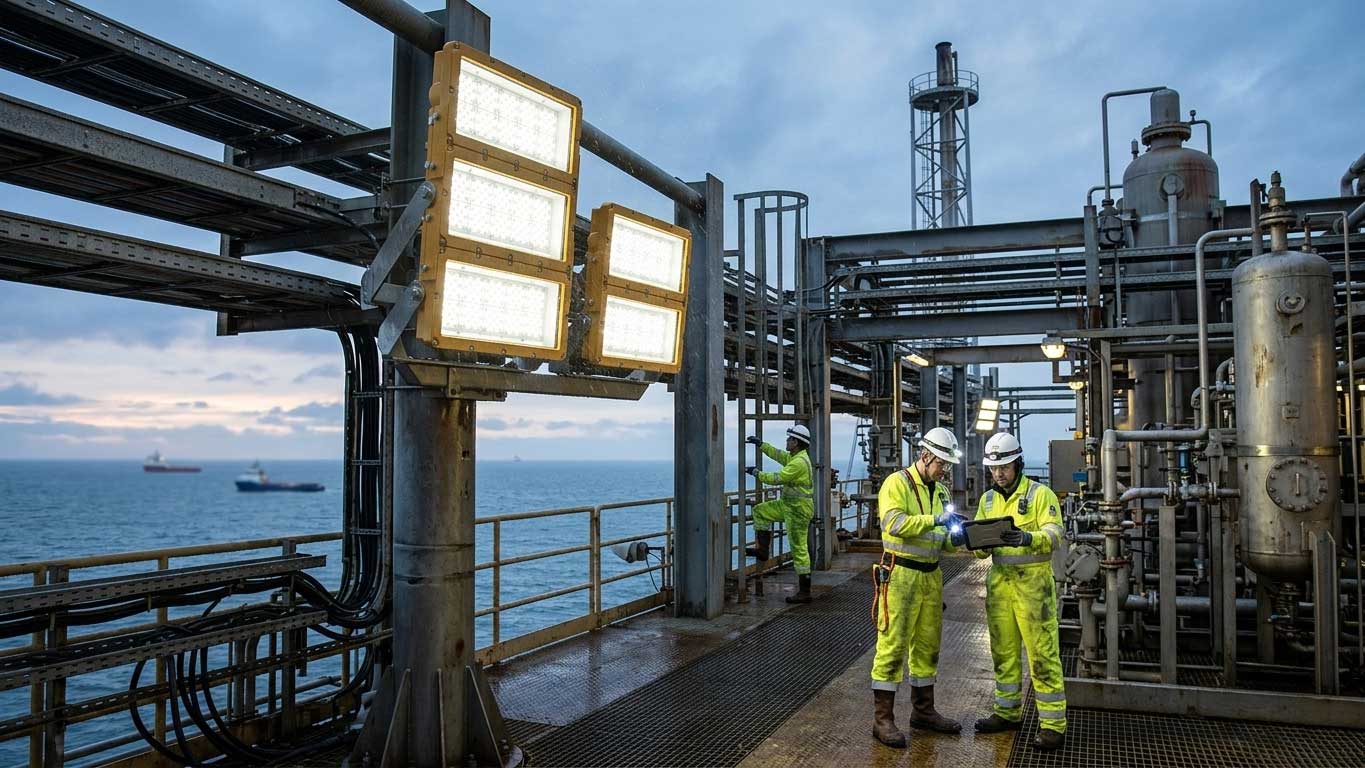
ATEX Zone 1 floodlights are commonly installed in:
Each environment introduces different operational challenges.
Yet the safety requirement remains constant.
After years of walking through refineries, terminals, and offshore facilities, I have noticed a pattern.
The best floodlights rarely receive attention.
Maintenance crews don’t complain about them.
Operators don’t mention them during inspections.
They simply continue operating.
That may sound like faint praise.
In hazardous locations, it is actually one of the strongest compliments a lighting system can receive.
At SEEKINGLED, we design hazardous-area lighting around actual industrial environments rather than ideal laboratory scenarios.
Product development considers:
Because field conditions are often more demanding than certification testing alone.
The true measure of an ATEX Zone 1 floodlight begins after installation.
Not before.
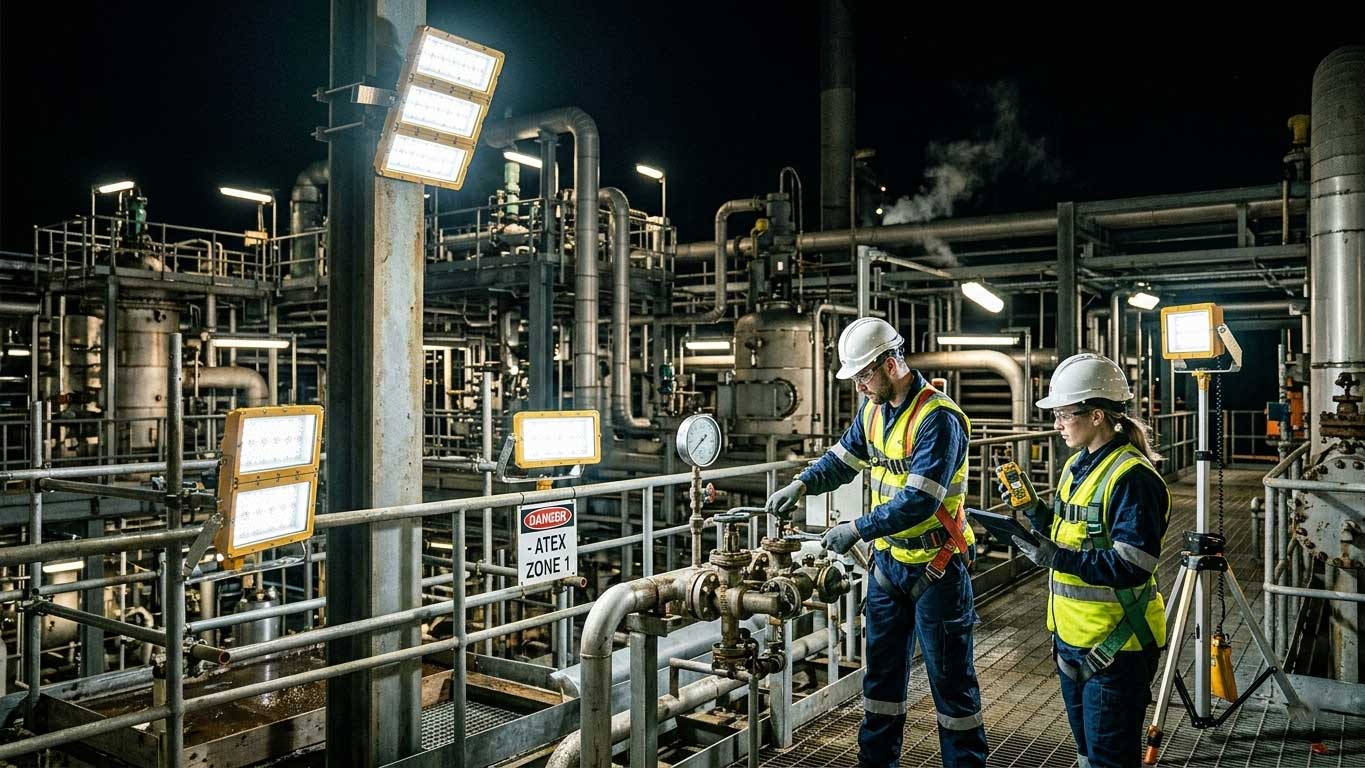
An ATEX Zone 1 floodlight is a certified hazardous-area lighting fixture designed for locations where explosive gas atmospheres may occur during normal operation.
They are commonly used in refineries, chemical plants, offshore platforms, fuel depots, LNG facilities, and petrochemical processing sites.
For many installations within Europe and ATEX-regulated environments, certified equipment is required to comply with safety regulations.
High-quality industrial LED floodlights are typically designed for service lives exceeding 50,000 hours when properly maintained.
Zone 1 areas are locations where explosive gas atmospheres are likely during normal operations, while Zone 2 areas experience such conditions less frequently.
The best ATEX Zone 1 floodlight does more than illuminate equipment.
It supports inspections, improves operational visibility, helps facilities maintain compliance, and quietly contributes to workplace safety every day.
Most operators never think about the floodlight above them.
That usually means it is doing exactly what it was designed to do.
An ATEX Zone 1 floodlight remains one of the most important pieces of infrastructure in
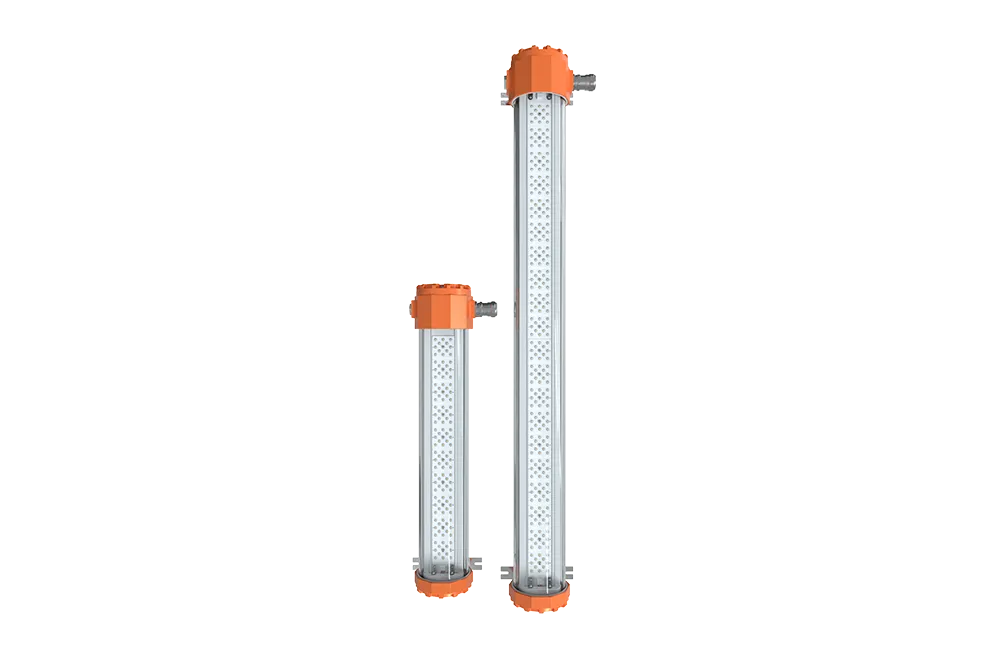
SEEKINGLED LED Linear Explosion Proof Light and Explosion Proof lighting is ATEX and IECEx certified for Zone 1, Zone 2, Zone 21 and Zone 22 hazardous locations, built for long-term industrial use.
View details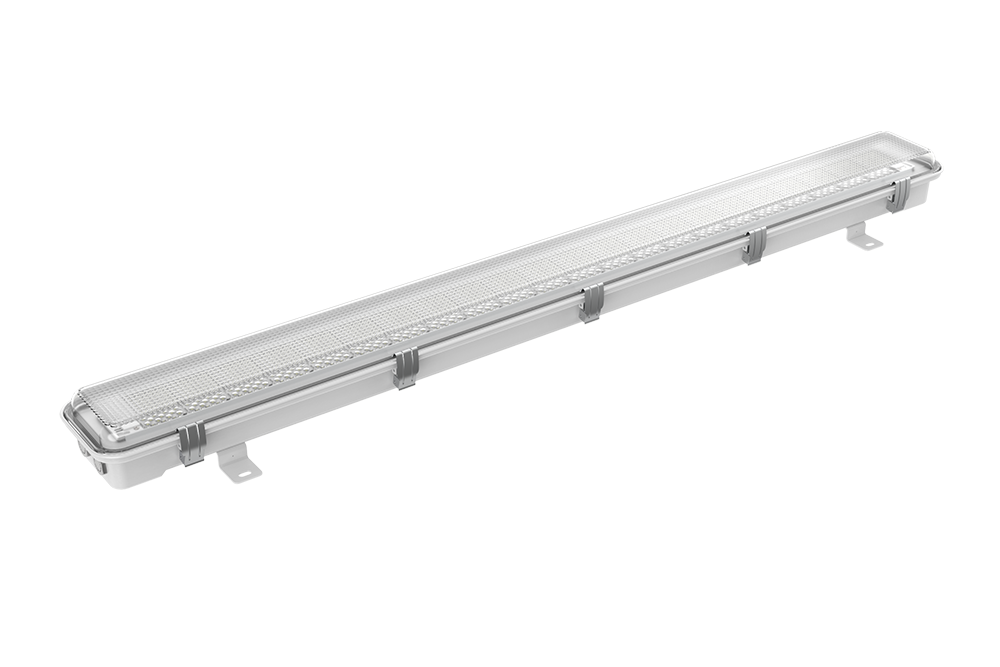
LED Linear Explosion Proof Lights and EX Proof lights for Zone 1, Zone 2, Zone 21 and Zone 22 hazardous areas. ATEX & IECEx certified explosion proof LED linear lighting with emergency function, adjustable power and IP67 protection by SEEKINGLED.
View details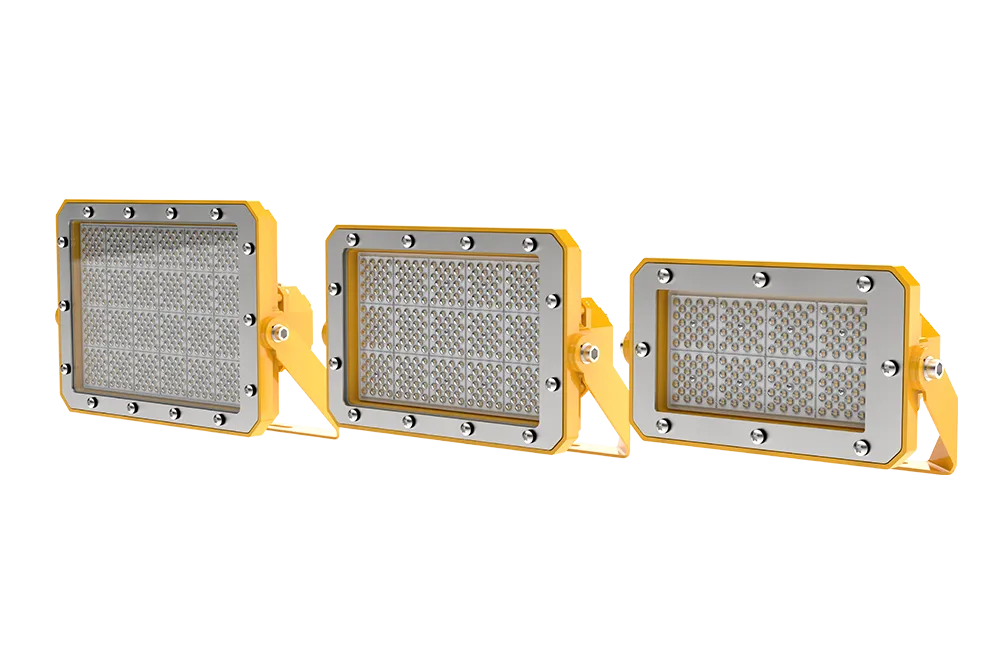
SEEKINGLED LED Explosion Proof Flood Lights are ATEX certified for Zone 2 and Zone 22 hazardous areas, offering high efficiency, adjustable power and integrated junction box.
View details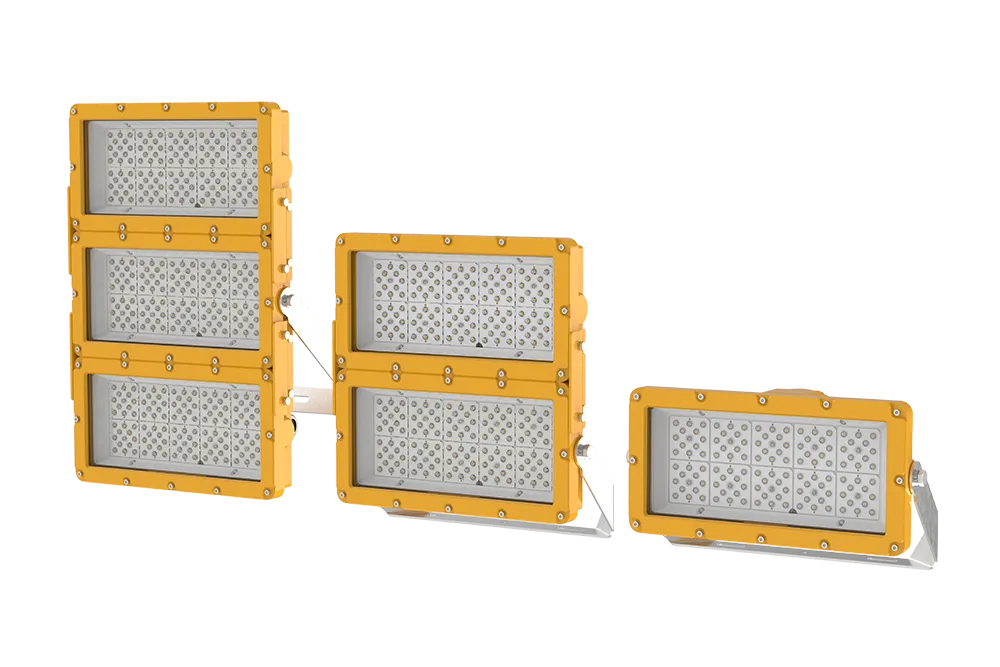
SEEKINGLED LED Explosion Proof Flood Lights are flameproof ATEX and IECEx certified for Zone 1 and Zone 2 hazardous areas, offering high power, adjustable output and long service life.
View details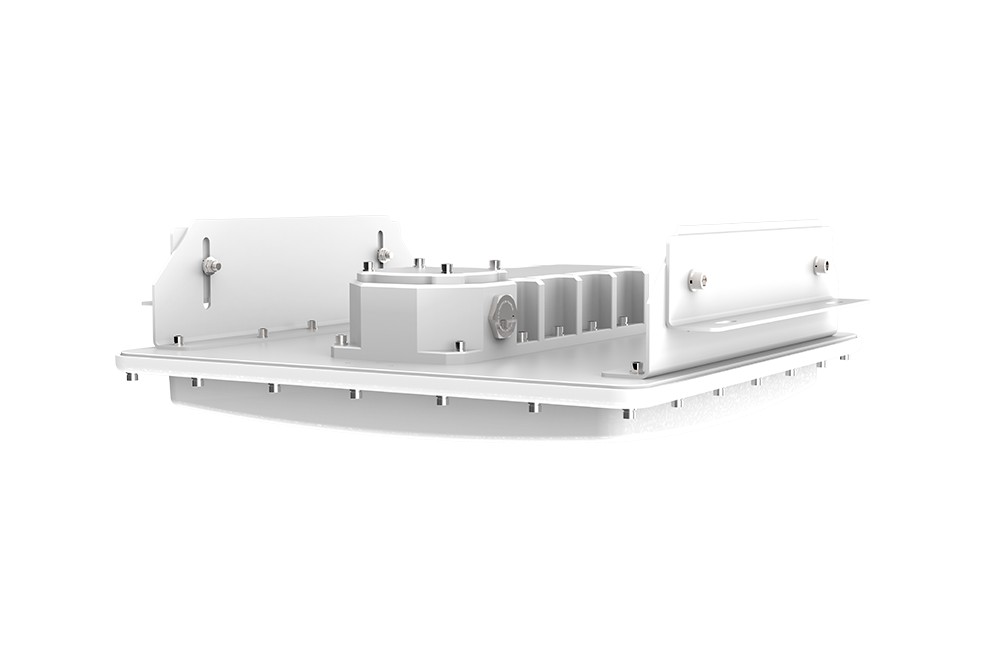
SEEKINGLED LED Gas Station Canopy Lights are ATEX certified for Zone 2 and Zone 22 hazardous areas, featuring adjustable power and built-in explosion-proof junction box.
View details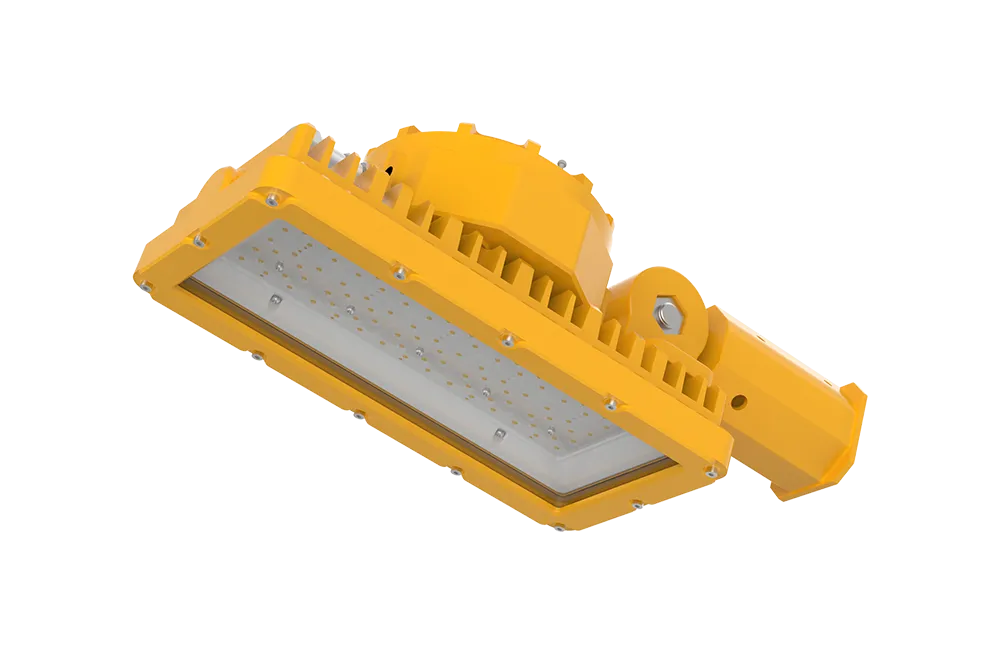
ATEX: Ex II 2G Ex db IIB T6/T5 GbEx II 2D Ex tb IIIC T80°C/ T95°C Db IECEx Ex db IIB T6 Gb;Ex tb IIIC T80°C Db Feature: ● For Zone 1,2 and Zone 21,22● Flameproof type, the strongest● 100W can replace 250W HID,energy saving● Power:60W,80W,100W Application: Oil and gas, marine, Chemical, pharmaceutical, semiconductor,mining,military industr…
View details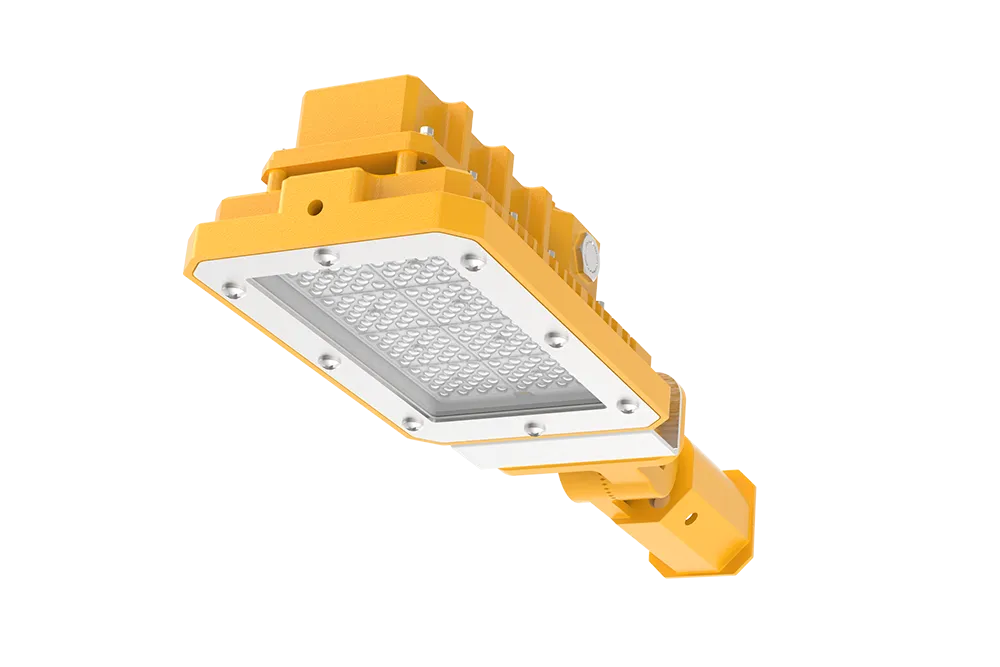
ATEX: II 3G Ex nR ⅡC T5/T6 GcII 3D Ex tc ⅢC T80℃/T95℃Dc ATEX Certificate NO: TÜV CY 26 ATEX 0207611 X Feature: ● For Zone 2 and Zone 22● 150W can replace 250W HID lamps,Energy saving● Power:50W,75W,100W,150W,200W Application: Oil and gas, marine, Chemical, pharmaceutical, semiconductor,mining,military industry, paint booth,power plant ETC…
View details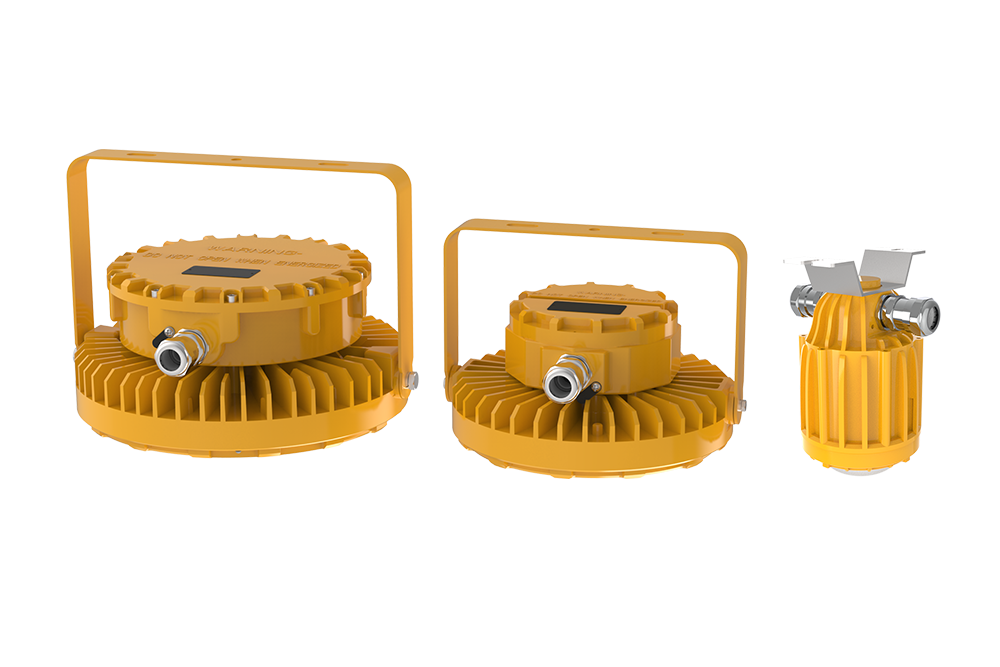
LED explosion proof high bay lights are designed for Zone 1, Zone 2, Zone 21 and Zone 22 hazardous areas. This page introduces the HB21 Series from SEEKING, including certifications, power options and real application considerations.
View details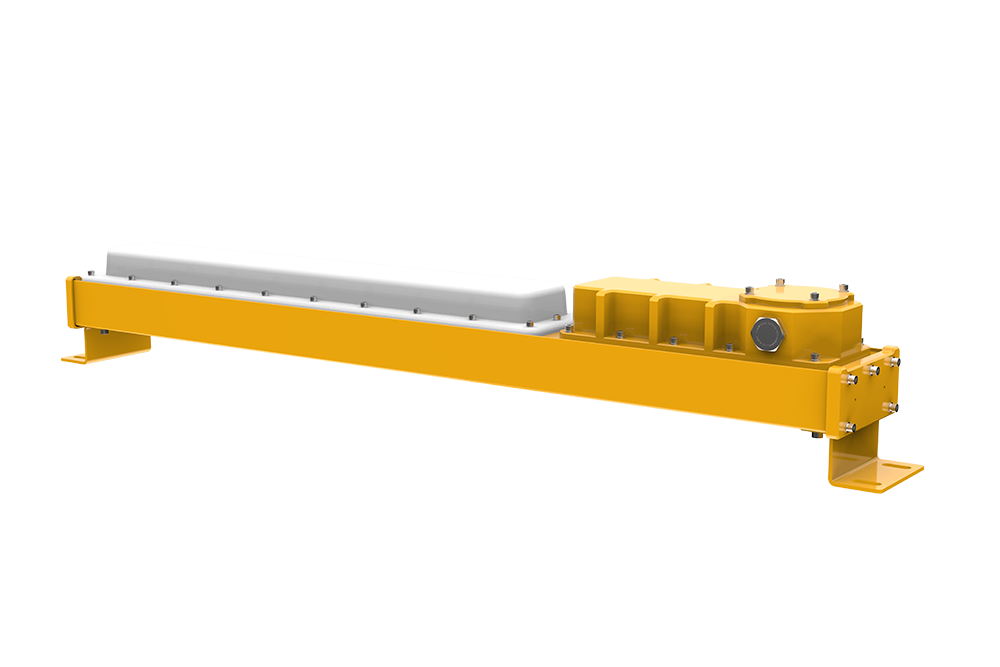
LED Linear Explosion Proof Lights from SEEKINGLED. LU Series Flame Proof lights ATEX-certified explosion proof LED linear lighting for Zone 2 gas and Zone 22 dust areas, IP69K, IK10, long lifetime and flexible power options.
View details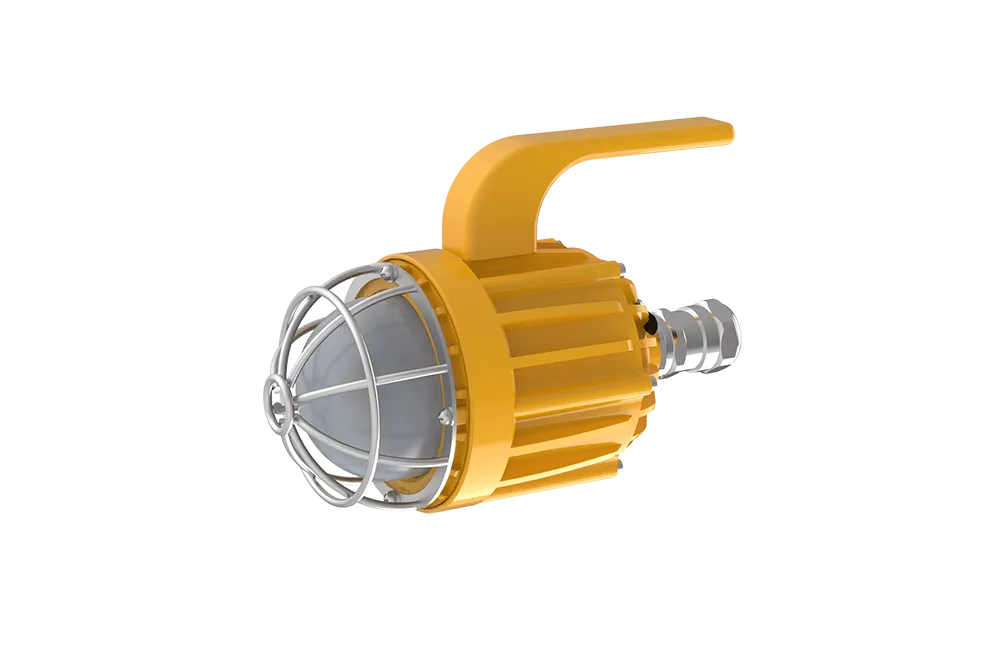
Certified explosion proof work lights for Zone 1 & 21 hazardous areas. Portable, ATEX & IECEx approved, built for oil, gas and chemical plants by SEEKINGLED.
View details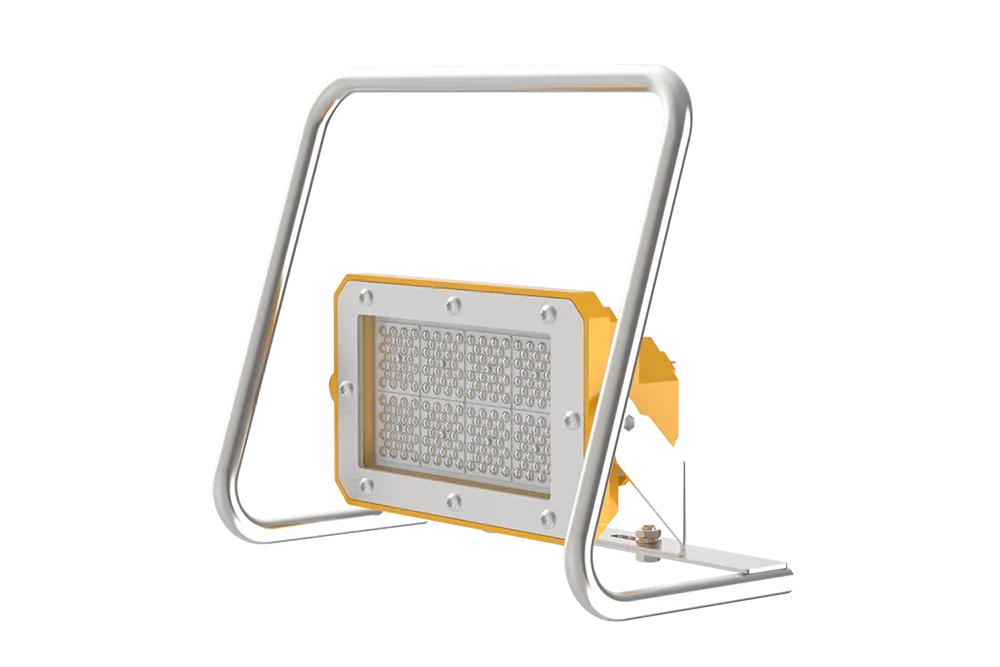
ATEX: II 3G Ex nR ⅡC T6 GcII 3D Ex tc ⅢC T80℃ Dc ATEX Certificate NO: TÜV CY 26 ATEX 0207611 X Feature: ● For Zone 2 and Zone 22● Accepts battery-powered supply● indestructible● Power:AC input:50W,75W,100WDC input:15W,25W,35W Application: Oil and gas, marine, Chemical, pharmaceutical, semiconductor,mining,military industry, paint booth,po…
View details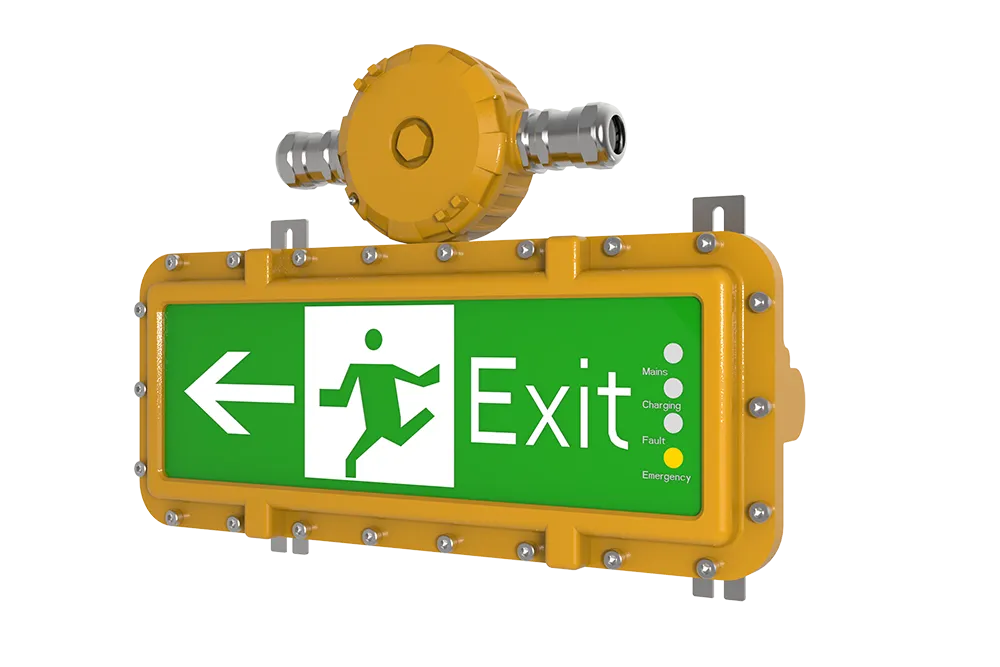
ATEX: Ex II 2G Ex db IIB T6 GbEx II 2D Ex tb IIIC T80°C Db IECEx Ex db IIB T6 Gb;Ex tb IIIC T80°C Db Feature: ● For Zone 1,2 and Zone 21,22● Flameproof type, the strongest Application: Oil and gas, marine, Chemical, pharmaceutical, semiconductor,mining,military industry, paint booth,power plant ETC hazardous area. Technical Specifications:…
View details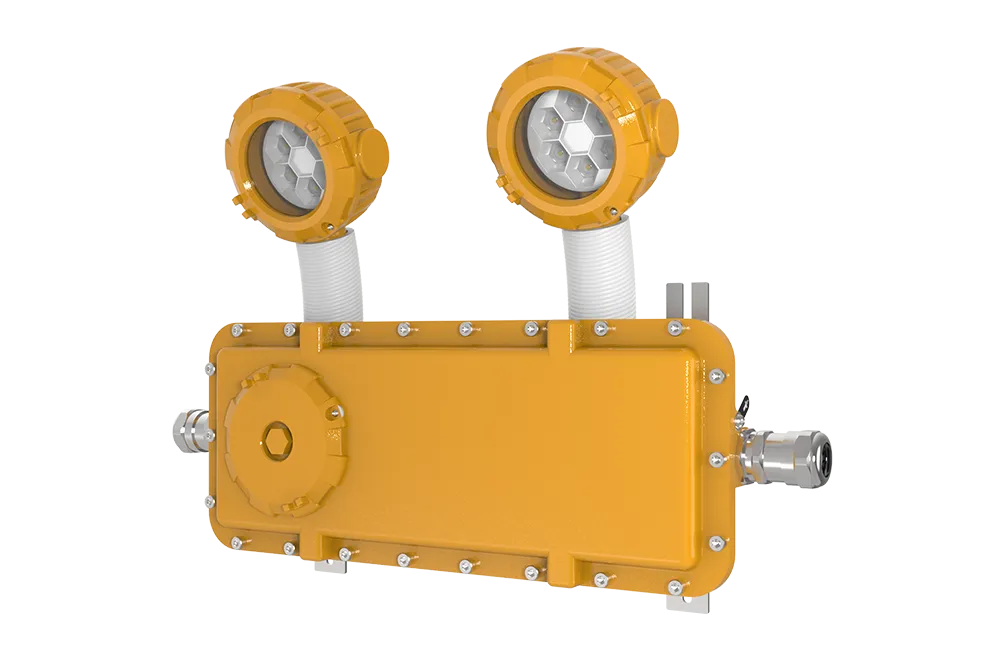
ATEX: Ex II 2G Ex db IIB T6 GbEx II 2D Ex tb IIIC T80°C Db IECEx Ex db IIB T6 Gb;Ex tb IIIC T80°C Db Feature: ● For Zone 1,2 and Zone 21,22● Flameproof type, the strongest Application: Oil and gas, marine, Chemical, pharmaceutical, semiconductor,mining,military industry, paint booth,power plant ETC hazardous area. Technical Specifications:…
View details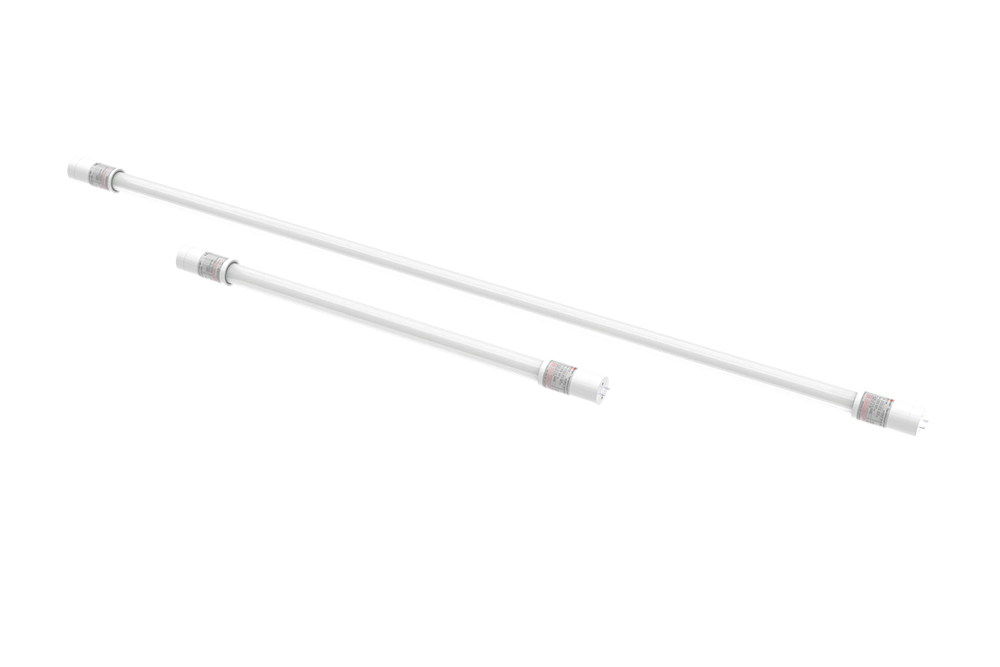
ATEX: Ex II 2G Ex d e IIB T6 Gb ATEX: Ex d e IIB T6 Gb; Feature: ● For Zone 1,2● 9W can replace 18W fluorescent lamps,50% Energy saving Application: Oil and gas, marine, Chemical, pharmaceutical, semiconductor,mining,military industry, paint booth,power plant ETC hazardous area. Technical Specifications: Standards:60079-0, 60079-1, 60079…
View details
No. A flood light is dimmable only when its LED driver and control system support a compatible dimming method.
View details
How many lumens for flood light? Find the right lumen output for outdoor security, commercial areas, and industrial lighting with expert tips from SEEKINGLED.
View details
Most compliant explosion-proof luminaires typically offer a warranty of 3-5 years.All SEEKINGLED explosion-proof lights come with a 5-year warranty, while emergency batteries are covered for 2 years.From the 5th to the 7th year, paid spare parts r...
View details
What is the minimum height for high bay LED lighting? This Q&A explains minimum mounting height, practical limits, and how to avoid glare and over-lighting.
View details