 Seeking LED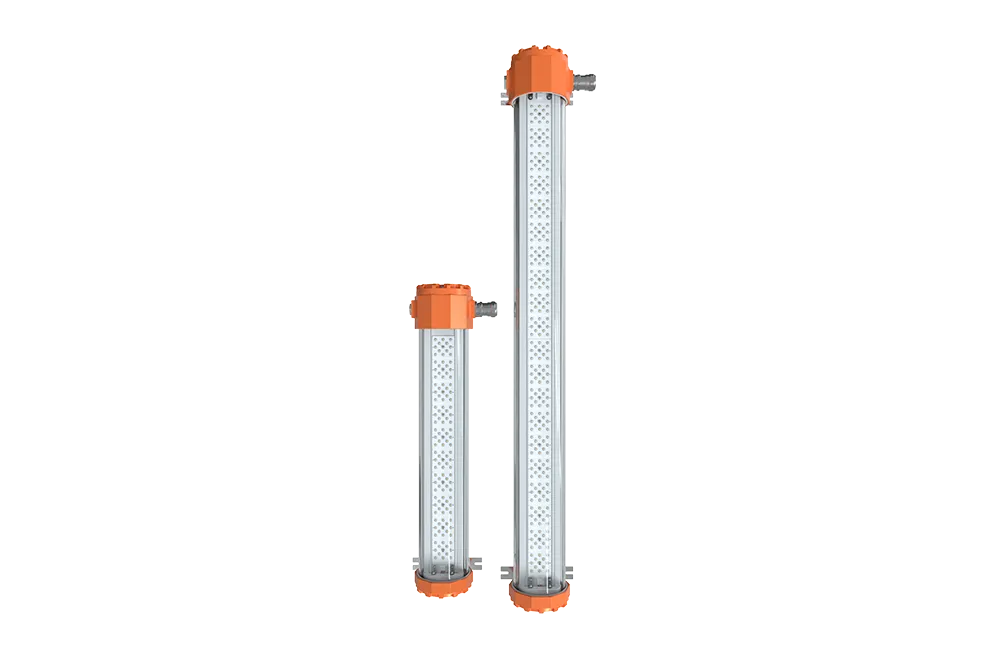
How to Replace Floodlight?
0Learn how to replace floodlight safely with expert steps, tools, and LED upgrade tips. Discover professional floodlight replacement advice from SEEKINGLED.
View detailsSearch the whole station
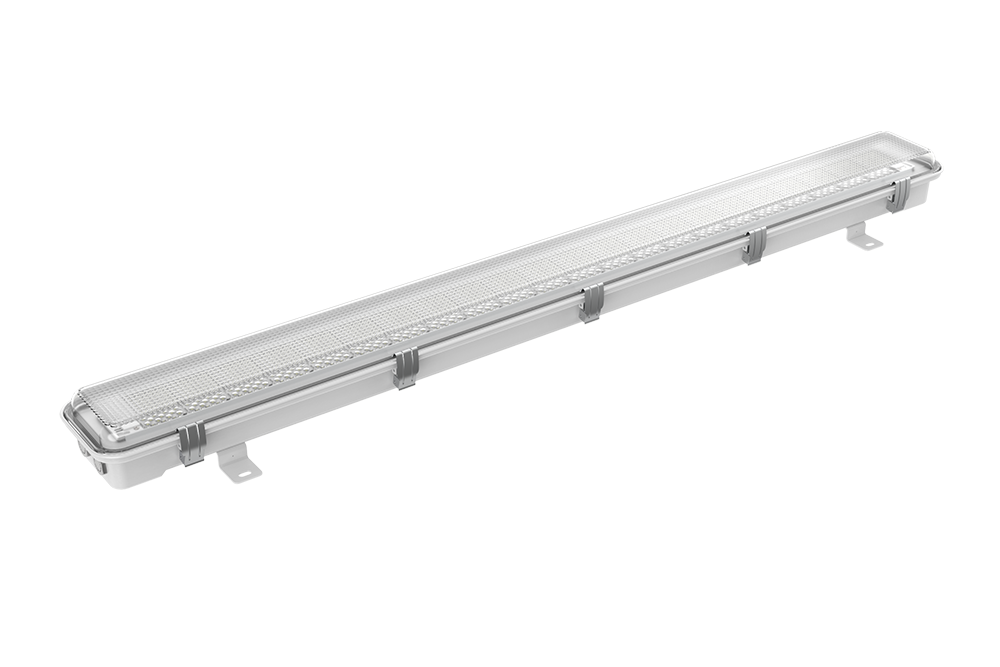
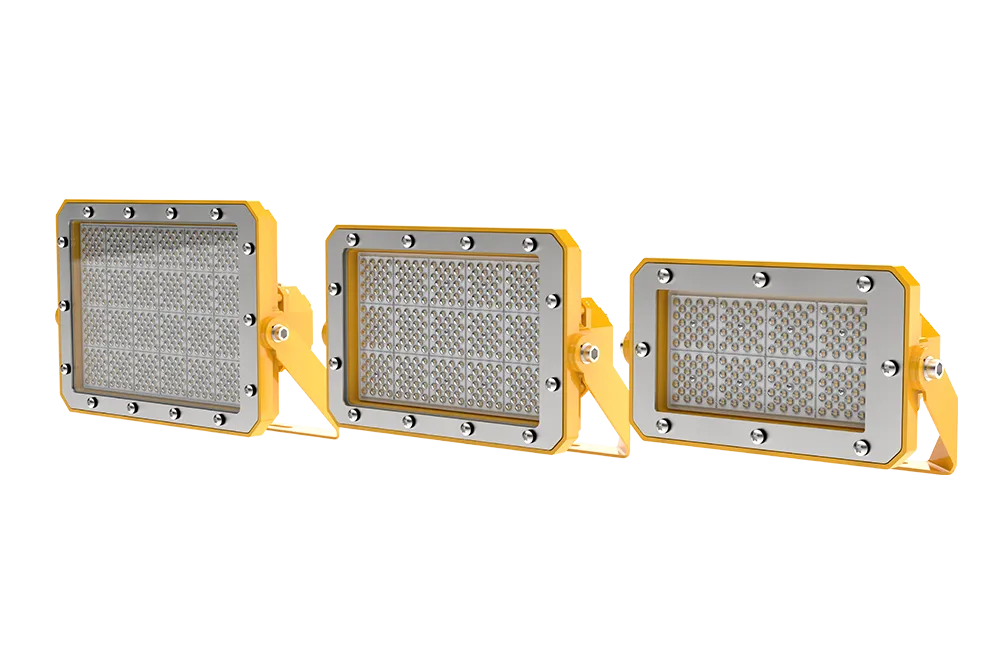
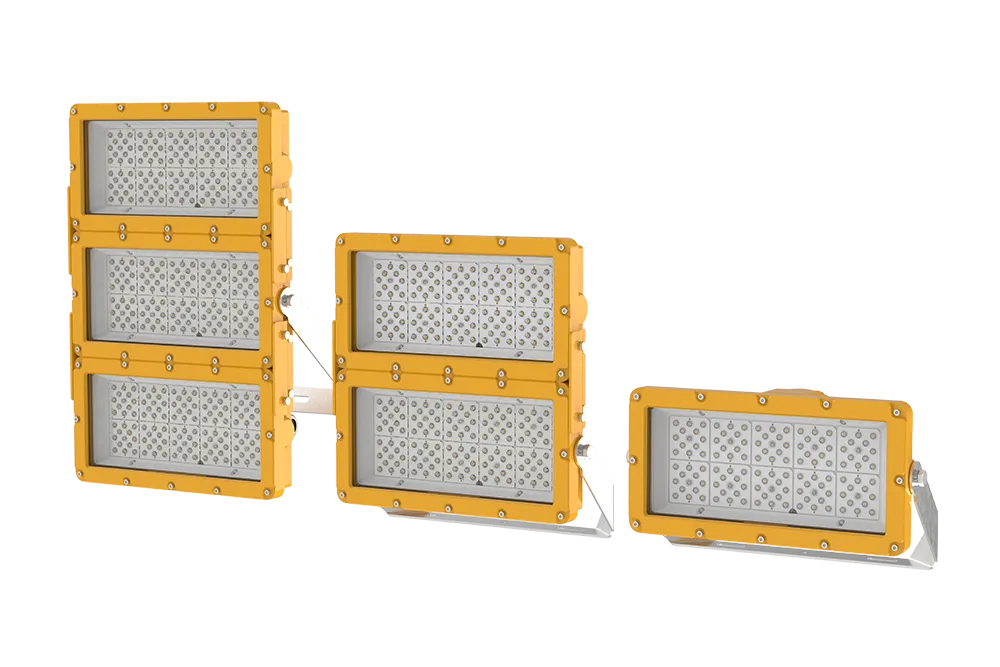
An explosion-proof high bay light fixture is a heavy-duty industrial luminaire designed for high mounting heights, usually above 8 meters (26 feet), in locations where flammable gas, vapor, dust, or fibers may be present.
Unlike standard high bay lights, this type of fixture is built to contain internal sparks, arcs, or heat so they cannot ignite the surrounding atmosphere. The housing, seals, cable entries, and internal components all follow strict explosion-protection rules defined by standards such as ATEX and IECEx.
At SEEKINGLED, explosion-proof high bay lights are typically used where safety margins must be very clear and verifiable, not assumed.
The basic light output is similar to any LED high bay fixture, but the protection concept is completely different.
An explosion-proof high bay light fixture works by:
If an internal fault occurs, the enclosure is designed to contain the pressure and flame, allowing hot gases to cool before exiting through flame paths. This is why the housing is thicker and heavier than ordinary industrial lights.
Explosion-proof high bay lighting is usually installed in large, open industrial spaces with hazardous classifications, such as:
These areas often require wide beam coverage from high mounting points, which makes high bay fixtures the practical choice.
From the outside, they may look similar, but structurally they are not.
A standard LED high bay focuses on efficiency and brightness. An explosion-proof high bay light fixture adds:
Using a non-certified fixture in a hazardous area is not only unsafe but often illegal under local safety regulations.
The most commonly required certifications include:
Depending on the application, markings may cover:
SEEKINGLED explosion-proof high bay fixtures are designed according to these certification systems so they can be applied globally without repeated redesign.
LED technology has largely replaced traditional HID or metal halide lamps in hazardous areas because LEDs:
In a high bay installation, reducing maintenance frequency is not just a cost issue—it also reduces exposure time in hazardous zones.
Key factors include:
Working with a manufacturer like SEEKINGLED allows these factors to be reviewed early, avoiding mismatched specifications later in the project.
Not always. It is only required when the area is classified as hazardous under local or international standards. In non-hazardous warehouses, a standard industrial high bay is sufficient.
However, in mixed-use facilities, certain zones may require explosion-proof fixtures while others do not. This is common in oil, chemical, and pharmaceutical plants.
Learn how to replace floodlight safely with expert steps, tools, and LED upgrade tips. Discover professional floodlight replacement advice from SEEKINGLED.
View details
Outdoor billboard lighting solutions for advertising visibility and safety. This SEEKINGLED engineering news explains real-world billboard lighting design, LED flood light selection, glare control, and energy efficiency.
View details
How many lumens for outdoor flood light? Learn the ideal LED lumen levels for gardens, driveways, security areas, and commercial spaces with expert tips.
View details
Discover how flame proof lights ensure safety in hazardous areas. Learn standards, real data, and expert insights to choose reliable flame proof lighting solutions.
View details