 Seeking LED
What is an explosion-proof fluorescent light fixture?
13What is an explosion-proof fluorescent light fixture? Learn how sealed housings, flameproof design, and certifications ensure safe lighting in hazardous areas.
View detailsSearch the whole station
What is an explosion proof linear light?
An explosion proof linear light is a sealed industrial lighting fixture designed for hazardous locations where flammable gases, vapors, or combustible dust may exist. It prevents sparks, arcs, or high surface temperatures from igniting the surrounding atmosphere while delivering long-lasting LED illumination in dangerous industrial environments.
I first started working around explosion proof linear fixtures during a retrofit project in a coastal chemical blending plant. The old fluorescent fittings failed constantly because moisture and solvent vapor crept into the housing. After switching to sealed LED linear fixtures with ATEX certification, maintenance calls dropped sharply within the first year. In hazardous locations, lighting is never just about brightness — it is about containment, thermal control, and reliability under pressure.
A standard industrial light simply illuminates a workspace. An explosion proof linear light is engineered to survive and safely operate inside classified hazardous environments.
The difference comes down to containment.
If an electrical fault or internal spark occurs, the fixture housing is designed to contain the ignition and prevent it from reaching the external atmosphere.
Typical protection features include:
Most quality fixtures are tested under ATEX, IECEx, UL844, or NEC hazardous location standards.
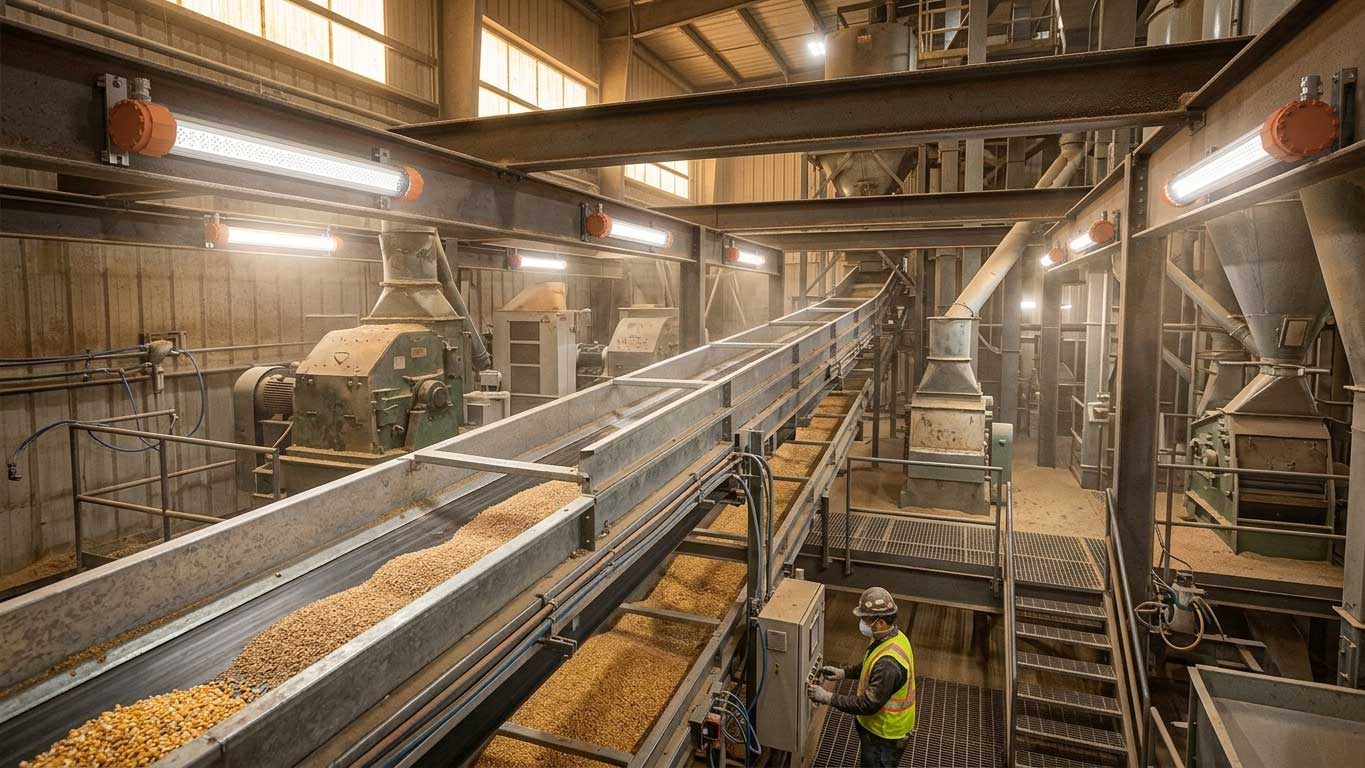
According to the European Commission ATEX directive, hazardous zones are classified based on how frequently explosive atmospheres occur. Oil refineries, fuel storage facilities, grain silos, paint plants, and offshore platforms all require certified lighting systems in specific zones.
Source:
https://single-market-economy.ec.europa.eu/
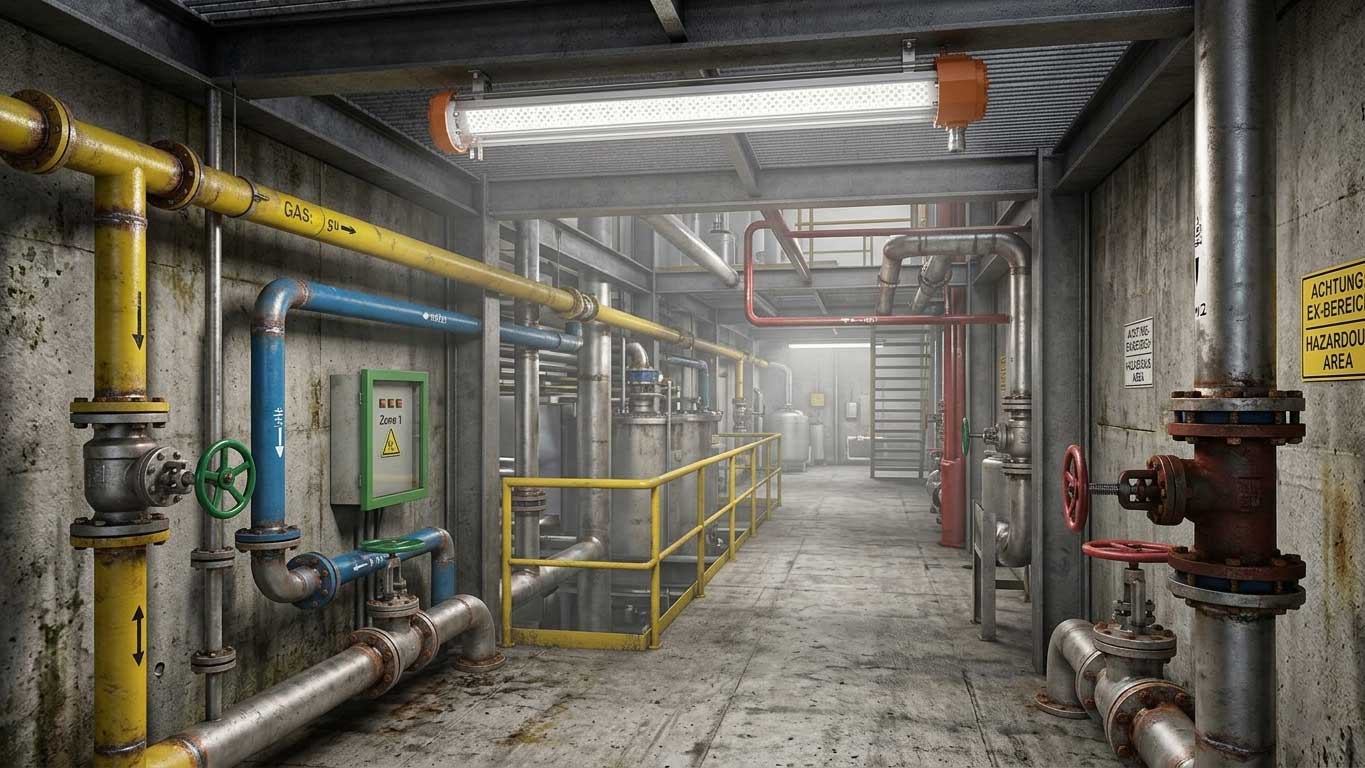
Linear fixtures distribute light evenly across long industrial spaces.
In real industrial projects, flood lights create intense hot spots. Linear fixtures reduce shadows and improve visibility along corridors, conveyor systems, maintenance walkways, and process lines.
That matters more than people think.
At one fertilizer facility I visited, operators complained less about eye fatigue after replacing high-glare HID fixtures with explosion proof LED linear lights. Uniform lighting improved inspection accuracy around pumps and valves during night shifts.
Common installation locations include:
| Application Area | Why Linear Fixtures Work Well |
|---|---|
| Chemical plants | Long corridor illumination |
| Oil refineries | Continuous maintenance lighting |
| Offshore platforms | Corrosion resistance |
| Grain facilities | Dust ignition protection |
| Paint booths | Vapor-safe operation |
| Battery rooms | Hydrogen gas protection |
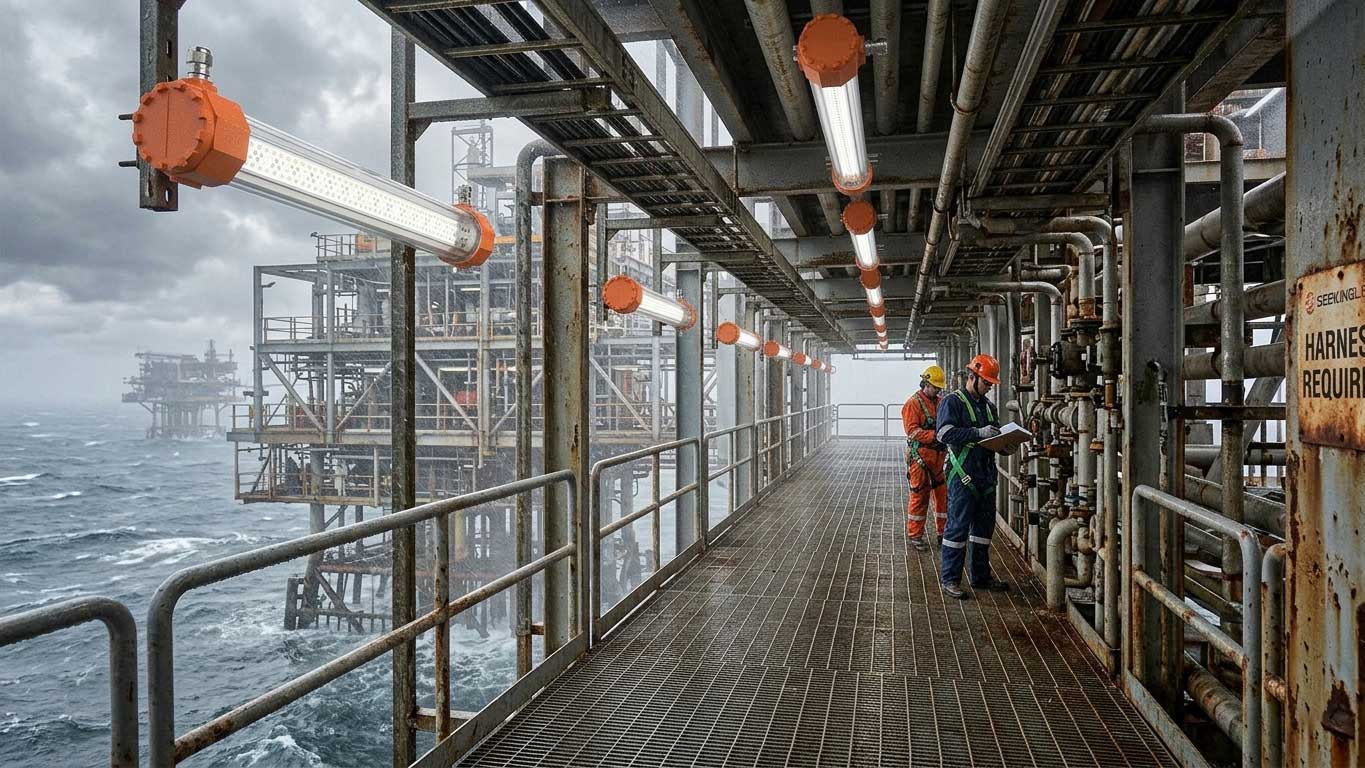
Explosion proof linear lights are widely used in industries where explosive gases, vapors, or dust are present.
Some of the most common sectors include:
The U.S. Chemical Safety Board has documented multiple industrial explosions linked to combustible dust and vapor ignition over the years. Lighting equipment itself is not always the source, but improperly rated electrical equipment remains a recurring hazard factor.
Source:
https://www.csb.gov/
One mistake I still see online is people assuming “explosion proof” means “indestructible.” It does not.
The fixture must match the hazardous classification.
| Standard | Example Classification | Environment |
|---|---|---|
| ATEX | Zone 1 | Gas likely during normal operation |
| ATEX | Zone 21 | Combustible dust |
| NEC | Class 1 Div 1 | Explosive gas frequently present |
| NEC | Class 1 Div 2 | Gas only under abnormal conditions |
A refinery flare deck and a warehouse storing paint thinner are not identical environments. The lighting requirements differ significantly.
A high-quality LED explosion proof linear fixture typically lasts between 50,000 and 100,000 operating hours.
That translates roughly to:
But real-world lifespan depends heavily on heat management.
Cheap fixtures often advertise impressive hour ratings while using undersized heat sinks. In hot industrial environments, LED junction temperatures rise quickly, accelerating lumen depreciation.
I once inspected a low-cost imported fixture installed above a solvent mixing line. The LEDs survived only 18 months because internal temperatures stayed excessively high.
Good hazardous-area fixtures invest heavily in thermal engineering.
According to the U.S. Department of Energy, thermal management remains one of the key factors influencing LED lifespan and lumen maintenance.
Source:
https://www.energy.gov/
Most industrial-grade explosion proof linear fixtures are designed with high ingress protection ratings such as:
These ratings indicate protection against:
However, waterproof does not automatically mean explosion proof.
I have seen contractors confuse marine-rated lighting with hazardous-location-certified lighting. They are entirely different certifications.
A fixture can survive rainwater but still fail hazardous area compliance testing.
Older hazardous facilities commonly used fluorescent tube fixtures.
Today, LEDs dominate the market for several reasons.
| Feature | LED Linear Light | Fluorescent Fixture |
|---|---|---|
| Energy efficiency | Higher | Lower |
| Startup in cold weather | Instant | Delayed |
| Maintenance frequency | Low | High |
| Vibration resistance | Excellent | Moderate |
| Hazardous reliability | Better | Older technology |
| Lifespan | 50,000–100,000h | 10,000–20,000h |
In offshore projects especially, reducing maintenance visits matters enormously because labor access costs are high.
Selection should never focus only on wattage.
Key factors include:
Verify:
Never assume visual appearance equals certification.
Surface temperature matters in hazardous areas.
The fixture temperature class must remain below the ignition temperature of surrounding gases.
Common T-ratings include:
Lower surface temperature equals safer operation.
In coastal facilities or offshore environments, corrosion destroys poorly coated housings surprisingly fast.
Look for:
Over the years, I have repeatedly seen the same installation failures:
One petrochemical maintenance supervisor told me most lighting failures were not manufacturing defects — they were installation shortcuts.
That observation matched what I saw onsite.
Yes. Most industrial-grade fixtures are designed for outdoor hazardous environments including offshore platforms, fuel depots, and chemical processing areas.
Yes. LED versions typically consume significantly less energy than traditional HID or fluorescent hazardous-area fixtures.
Not exactly. They are designed to prevent the fixture itself from becoming an ignition source.
5000K is commonly preferred because it improves visibility and inspection clarity in industrial environments.
Understanding what an explosion proof linear light actually does requires looking beyond marketing language. In real hazardous-area operations, these fixtures are safety devices first and lighting products second.
The best systems combine certified protection, stable thermal control, corrosion resistance, and long-term reliability. After years around industrial retrofit projects, one pattern remains consistent: facilities that invest in properly engineered hazardous lighting usually experience fewer failures, fewer emergency maintenance shutdowns, and safer working conditions overall.
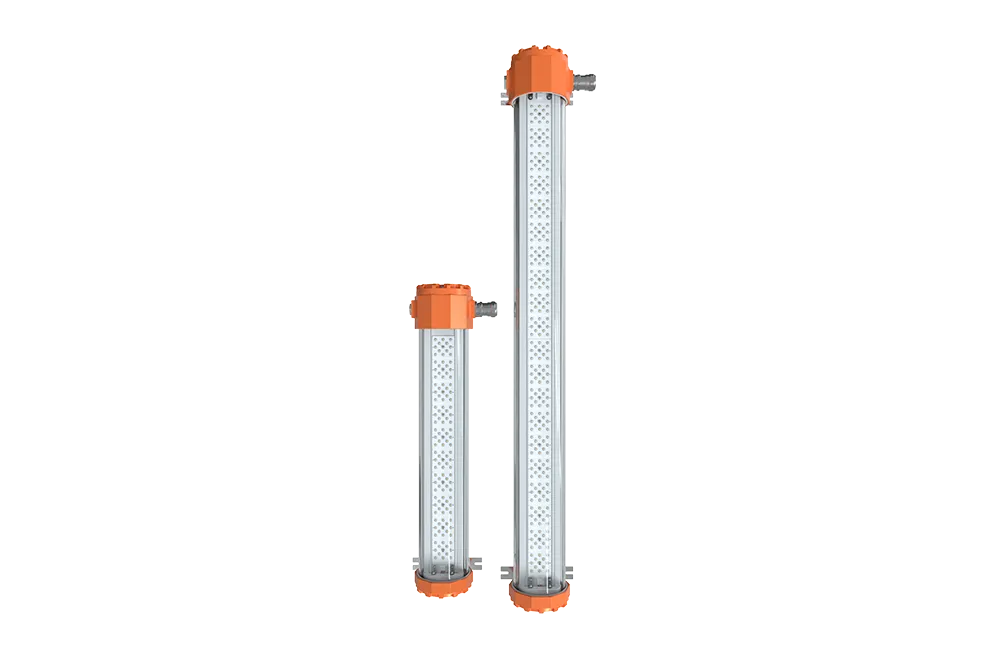
SEEKINGLED LED Linear Explosion Proof Light and Explosion Proof lighting is ATEX and IECEx certified for Zone 1, Zone 2, Zone 21 and Zone 22 hazardous locations, built for long-term industrial use.
View details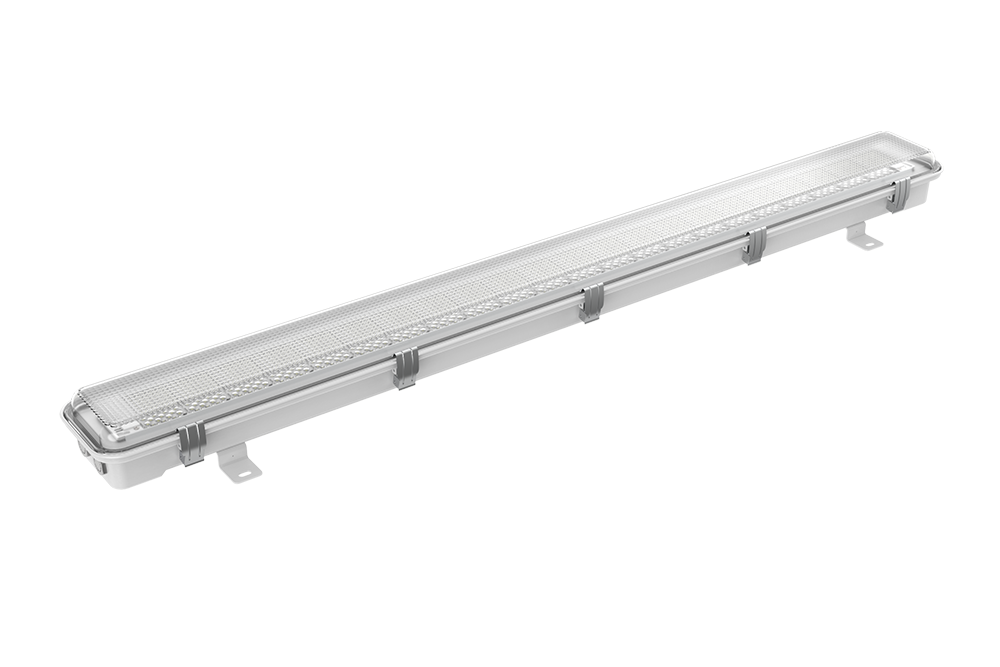
LED Linear Explosion Proof Lights and EX Proof lights for Zone 1, Zone 2, Zone 21 and Zone 22 hazardous areas. ATEX & IECEx certified explosion proof LED linear lighting with emergency function, adjustable power and IP67 protection by SEEKINGLED.
View details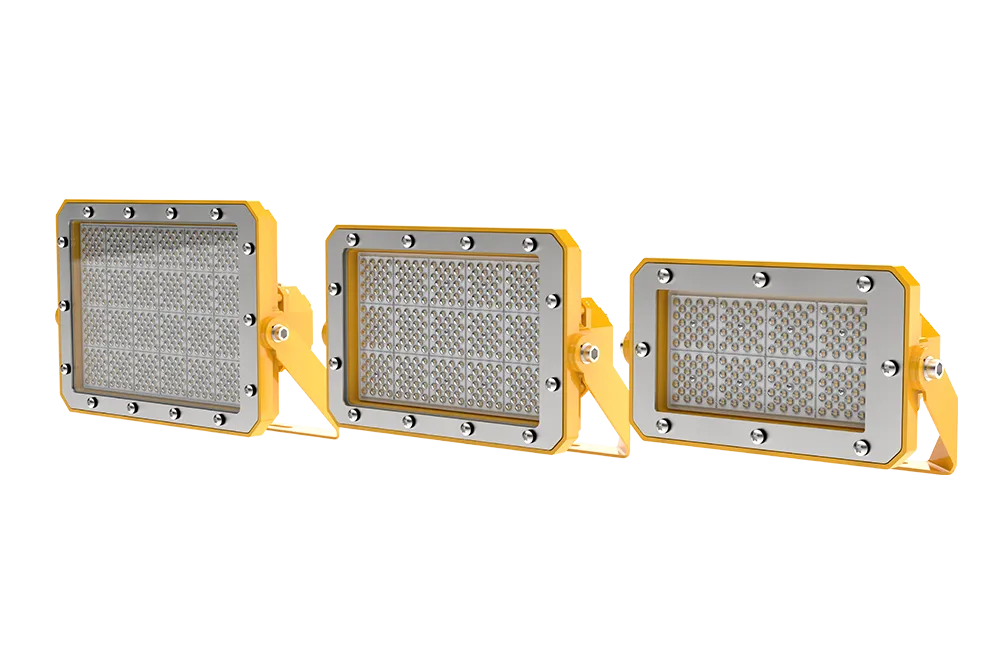
SEEKINGLED LED Explosion Proof Flood Lights are ATEX certified for Zone 2 and Zone 22 hazardous areas, offering high efficiency, adjustable power and integrated junction box.
View details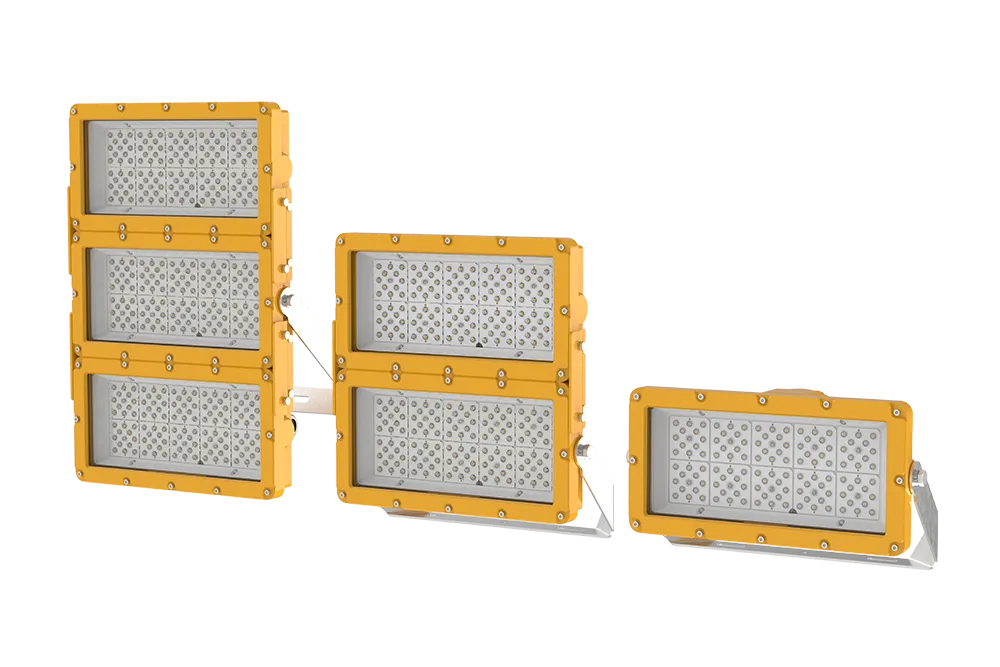
SEEKINGLED LED Explosion Proof Flood Lights are flameproof ATEX and IECEx certified for Zone 1 and Zone 2 hazardous areas, offering high power, adjustable output and long service life.
View details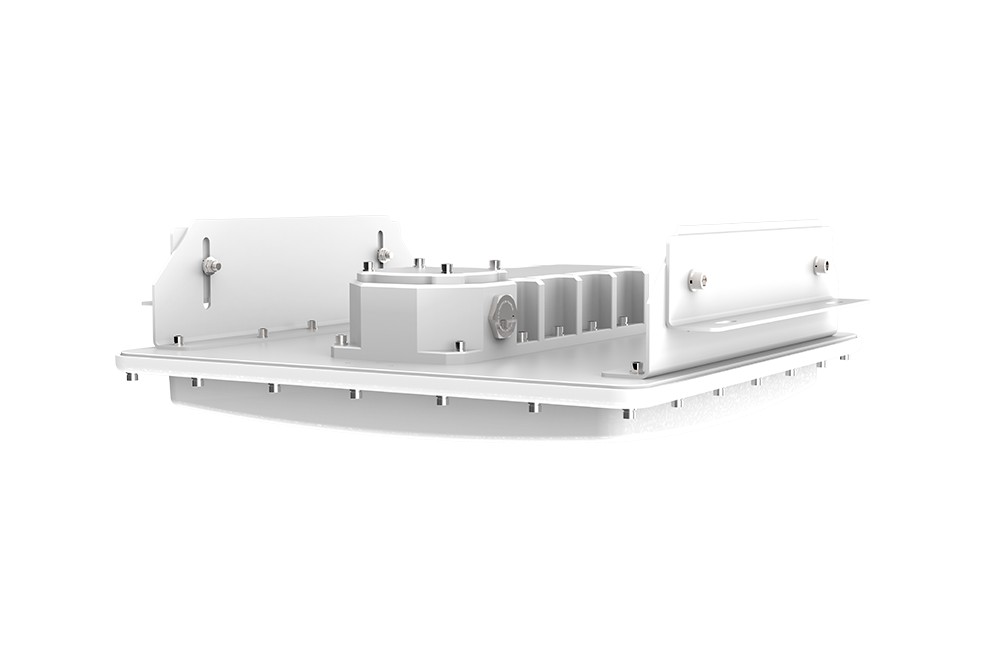
SEEKINGLED LED Gas Station Canopy Lights are ATEX certified for Zone 2 and Zone 22 hazardous areas, featuring adjustable power and built-in explosion-proof junction box.
View details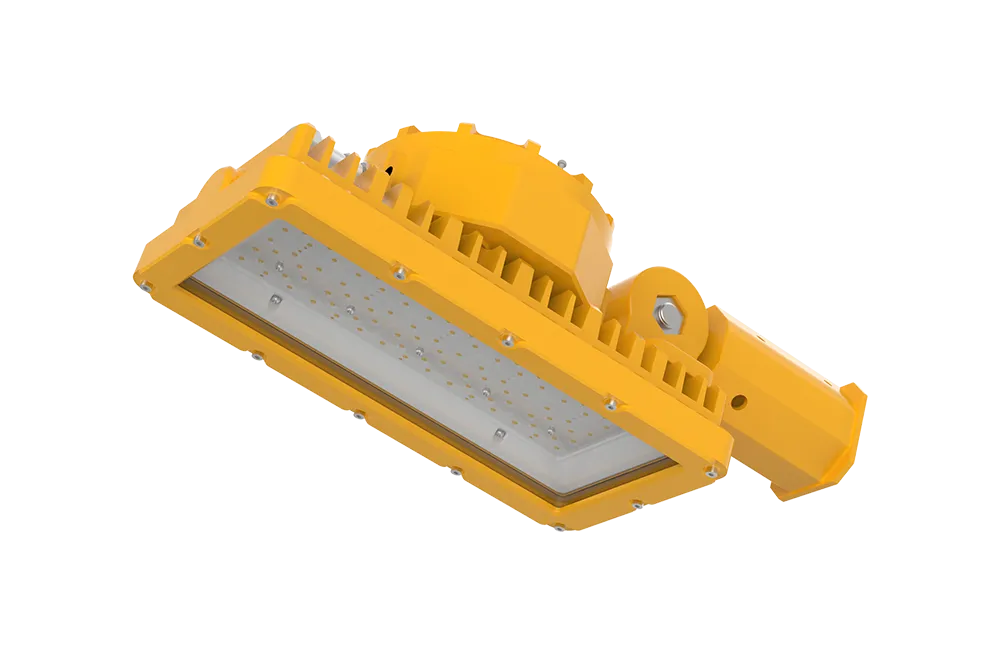
ATEX: Ex II 2G Ex db IIB T6/T5 GbEx II 2D Ex tb IIIC T80°C/ T95°C Db IECEx Ex db IIB T6 Gb;Ex tb IIIC T80°C Db Feature: ● For Zone 1,2 and Zone 21,22● Flameproof type, the strongest● 100W can replace 250W HID,energy saving● Power:60W,80W,100W Application: Oil and gas, marine, Chemical, pharmaceutical, semiconductor,mining,military industr…
View details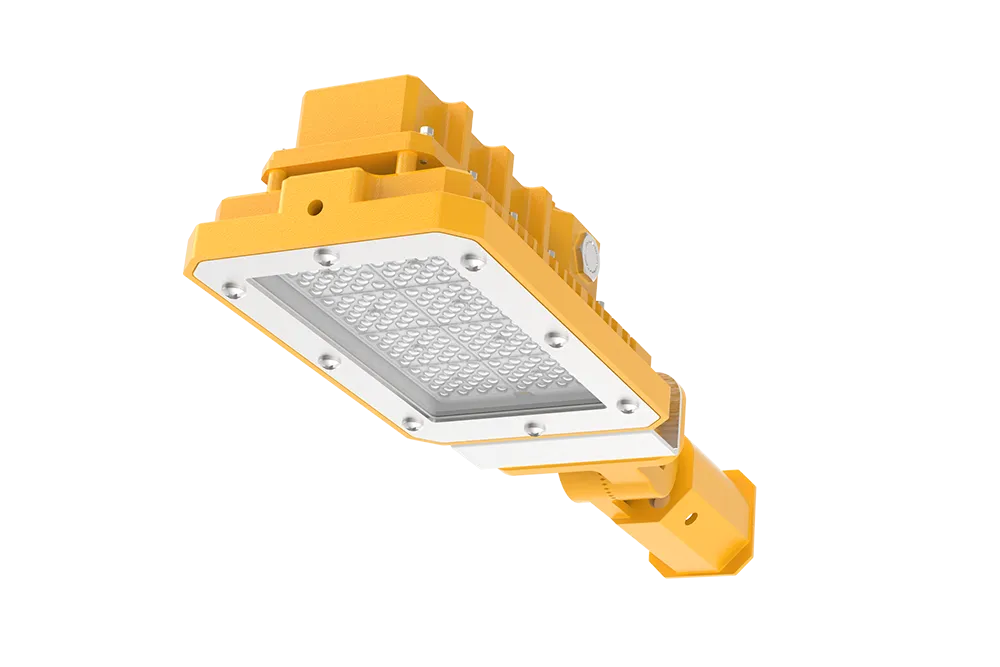
ATEX: II 3G Ex nR ⅡC T5/T6 GcII 3D Ex tc ⅢC T80℃/T95℃Dc ATEX Certificate NO: TÜV CY 26 ATEX 0207611 X Feature: ● For Zone 2 and Zone 22● 150W can replace 250W HID lamps,Energy saving● Power:50W,75W,100W,150W,200W Application: Oil and gas, marine, Chemical, pharmaceutical, semiconductor,mining,military industry, paint booth,power plant ETC…
View details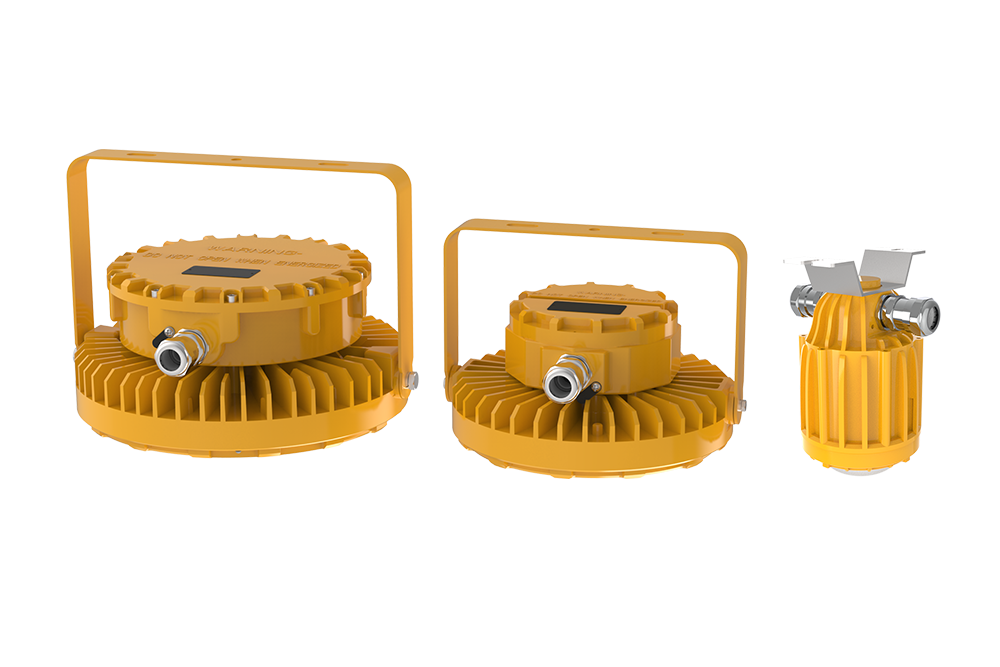
LED explosion proof high bay lights are designed for Zone 1, Zone 2, Zone 21 and Zone 22 hazardous areas. This page introduces the HB21 Series from SEEKING, including certifications, power options and real application considerations.
View details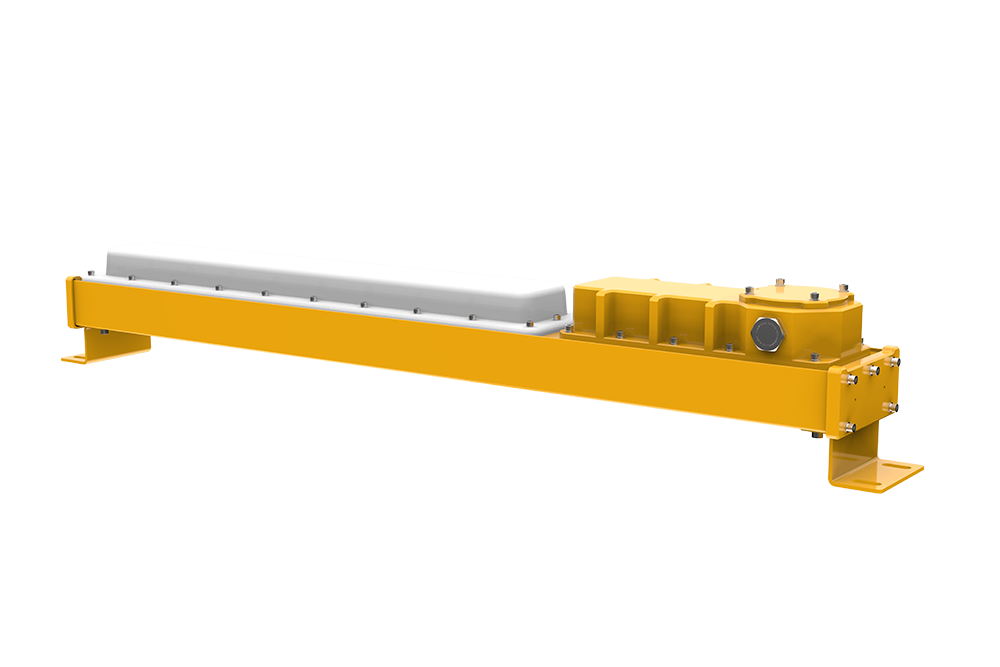
LED Linear Explosion Proof Lights from SEEKINGLED. LU Series Flame Proof lights ATEX-certified explosion proof LED linear lighting for Zone 2 gas and Zone 22 dust areas, IP69K, IK10, long lifetime and flexible power options.
View details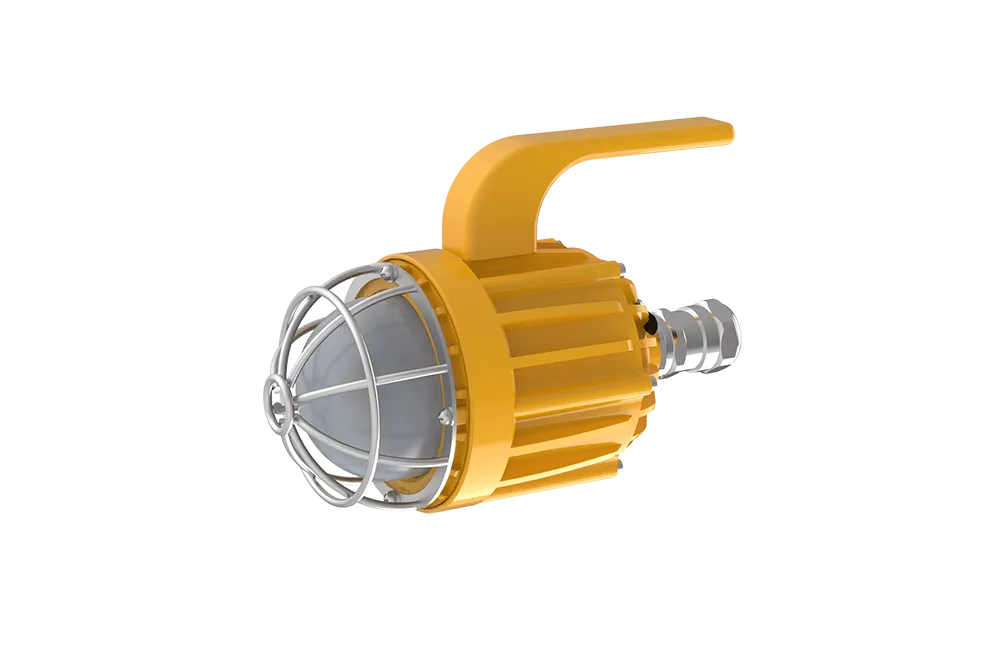
Certified explosion proof work lights for Zone 1 & 21 hazardous areas. Portable, ATEX & IECEx approved, built for oil, gas and chemical plants by SEEKINGLED.
View details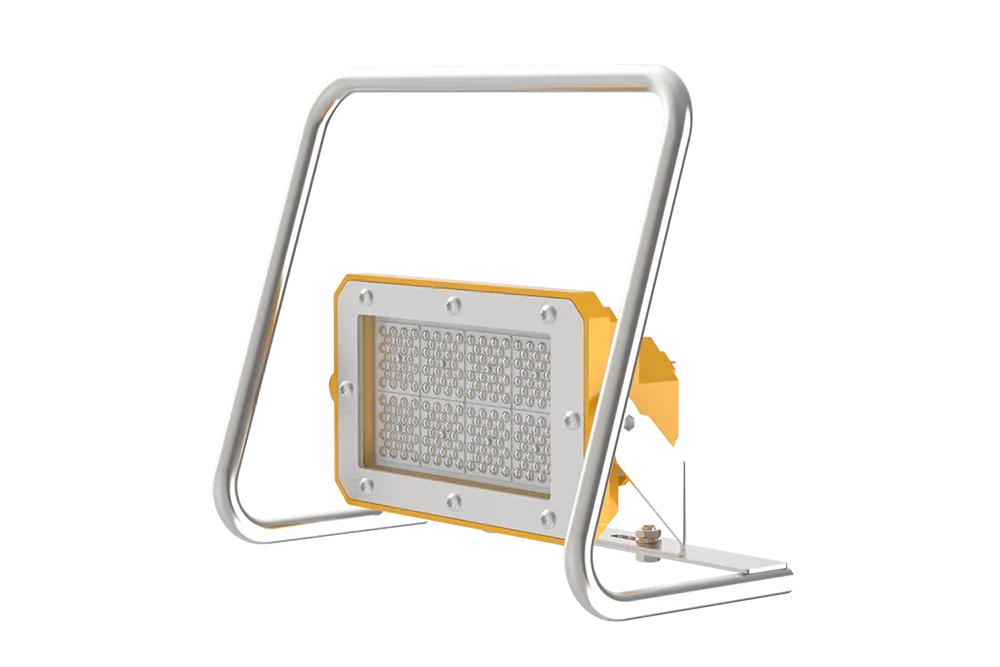
ATEX: II 3G Ex nR ⅡC T6 GcII 3D Ex tc ⅢC T80℃ Dc ATEX Certificate NO: TÜV CY 26 ATEX 0207611 X Feature: ● For Zone 2 and Zone 22● Accepts battery-powered supply● indestructible● Power:AC input:50W,75W,100WDC input:15W,25W,35W Application: Oil and gas, marine, Chemical, pharmaceutical, semiconductor,mining,military industry, paint booth,po…
View details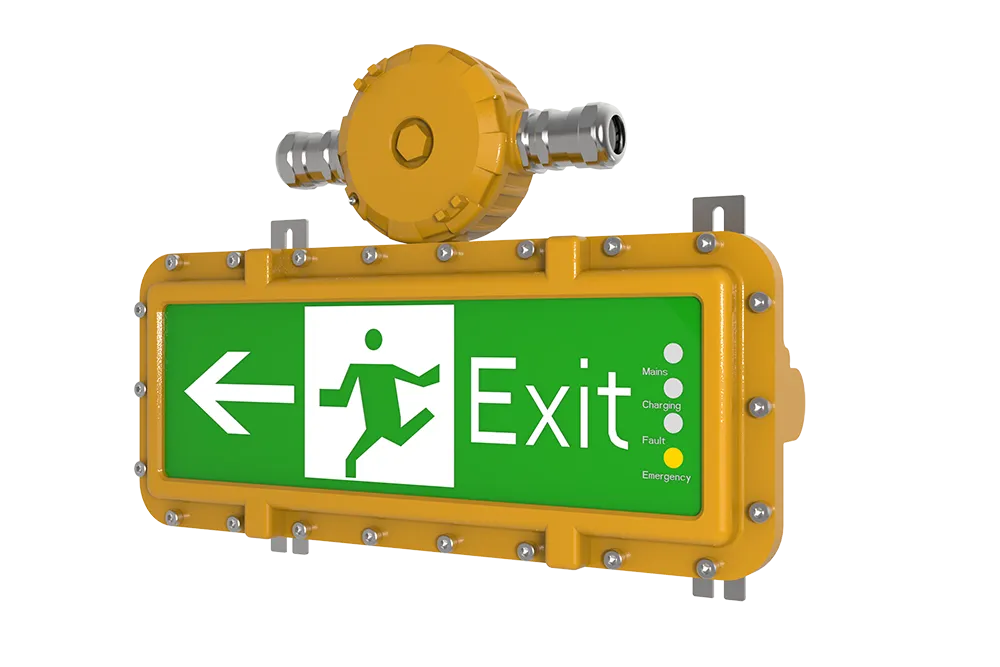
ATEX: Ex II 2G Ex db IIB T6 GbEx II 2D Ex tb IIIC T80°C Db IECEx Ex db IIB T6 Gb;Ex tb IIIC T80°C Db Feature: ● For Zone 1,2 and Zone 21,22● Flameproof type, the strongest Application: Oil and gas, marine, Chemical, pharmaceutical, semiconductor,mining,military industry, paint booth,power plant ETC hazardous area. Technical Specifications:…
View details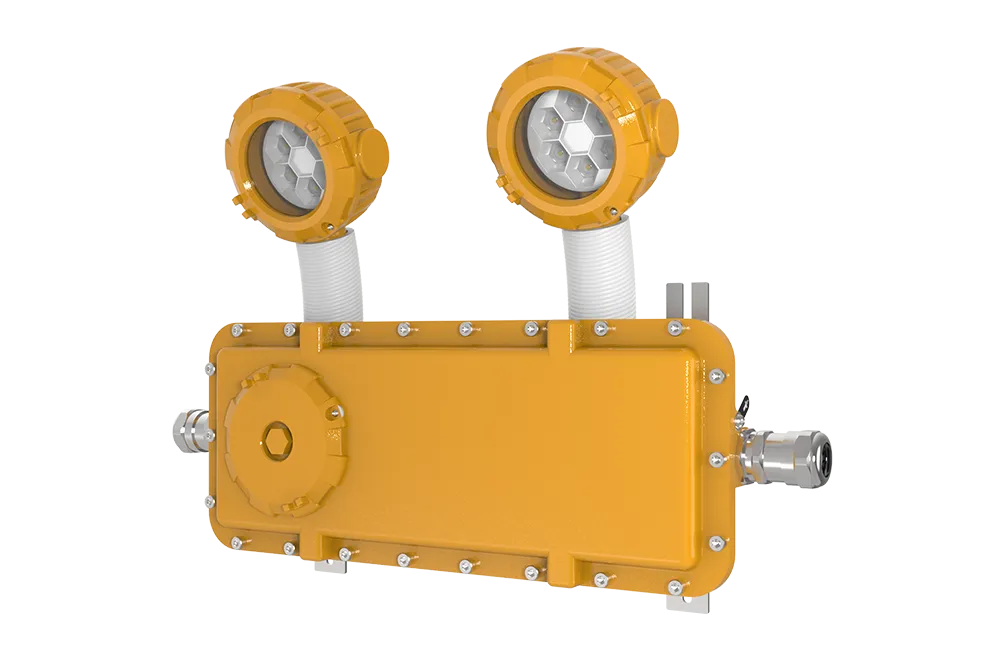
ATEX: Ex II 2G Ex db IIB T6 GbEx II 2D Ex tb IIIC T80°C Db IECEx Ex db IIB T6 Gb;Ex tb IIIC T80°C Db Feature: ● For Zone 1,2 and Zone 21,22● Flameproof type, the strongest Application: Oil and gas, marine, Chemical, pharmaceutical, semiconductor,mining,military industry, paint booth,power plant ETC hazardous area. Technical Specifications:…
View details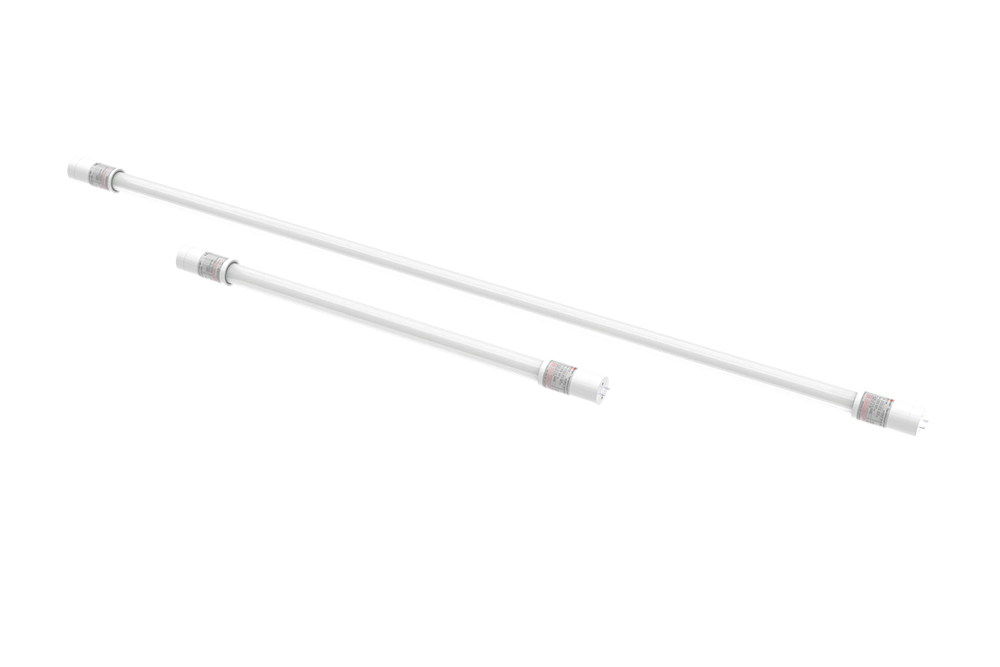
ATEX: Ex II 2G Ex d e IIB T6 Gb ATEX: Ex d e IIB T6 Gb; Feature: ● For Zone 1,2● 9W can replace 18W fluorescent lamps,50% Energy saving Application: Oil and gas, marine, Chemical, pharmaceutical, semiconductor,mining,military industry, paint booth,power plant ETC hazardous area. Technical Specifications: Standards:60079-0, 60079-1, 60079…
View details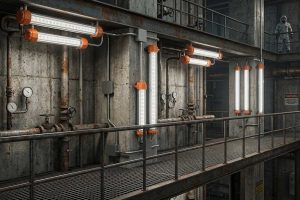
What is an explosion-proof fluorescent light fixture? Learn how sealed housings, flameproof design, and certifications ensure safe lighting in hazardous areas.
View details
UFO high bay LED lights designed for real industrial use. Up to 200 lm/W efficiency, stable SOSEN drivers, and proven thermal design by SEEKINGLED.
View details
What are explosion proof lights? Learn how these certified fixtures prevent ignition in hazardous areas, with real insights on safety, design, and applications.
View details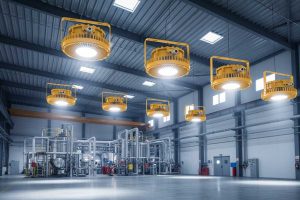
Explosion proof LED high bay lighting plays a critical role in hazardous areas. This article shares real engineering experience with ATEX and IECEx certified HB21 Series lighting from SEEKINGLED, designed for Zone 1 and Zone 21 environments.
View details