 Seeking LED
Wine Cellar Lighting for Winery Fermentation Environments
0Wine cellar lighting for winery fermentation spaces. Low heat, moisture-resistant, and stable illumination for barrels and production by SEEKINGLED.
View detailsSearch the whole station
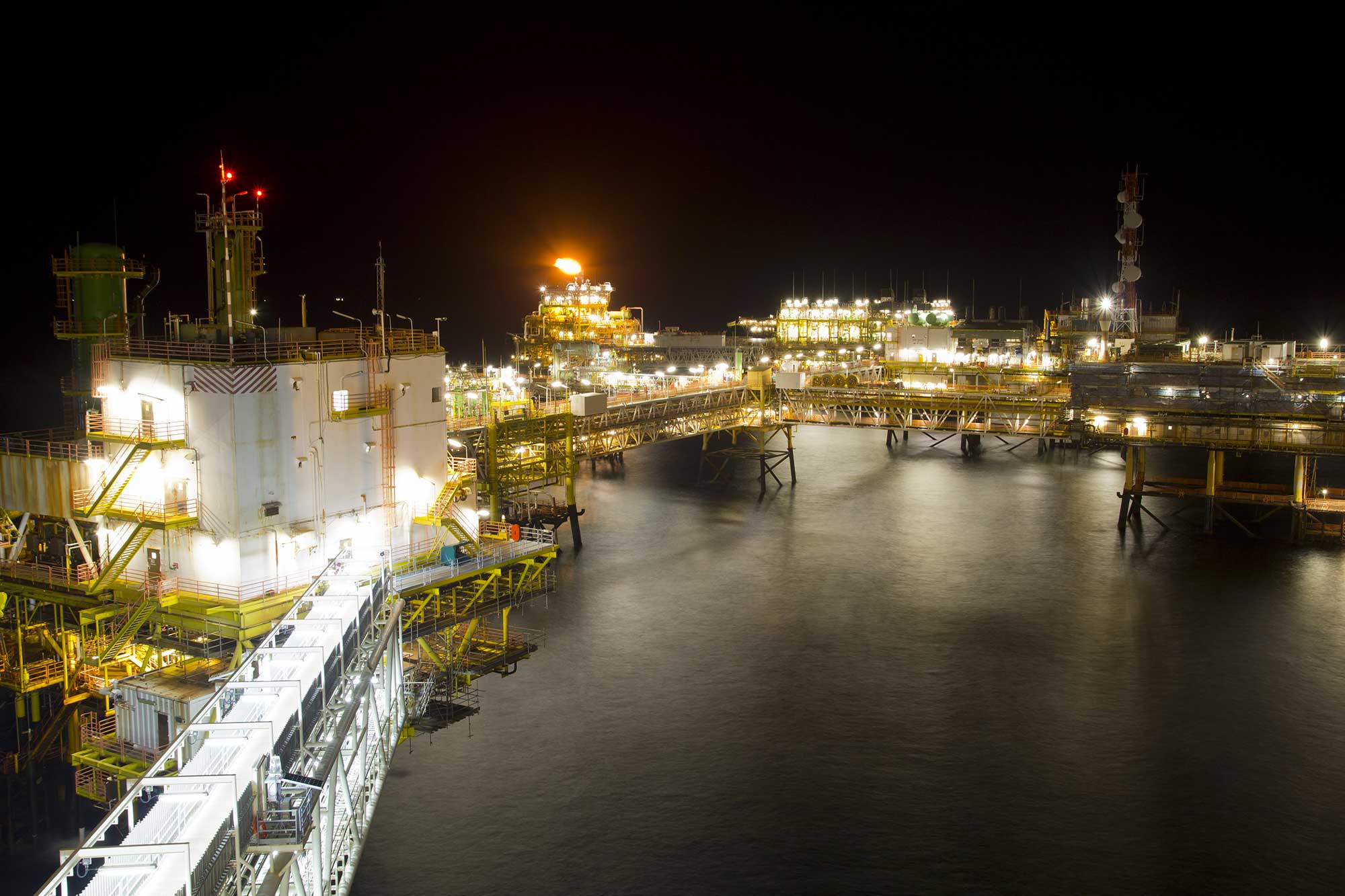
In oil exploration — including onshore drilling, offshore platforms, and oil & gas field production — there are large amounts of flammable and explosive substances such as natural gas (mainly methane), crude oil vapors, and liquefied petroleum gas. When these substances mix with air, they can easily form explosive gas mixtures. If they encounter an ignition source, the result can be catastrophic explosions, fires, equipment damage, casualties, and environmental pollution.
Explosive atmospheres are common: Processes like drilling, oil extraction, gas-oil separation, and storage continuously or intermittently release combustible gases. According to international standards (IECEx / ATEX), these areas are typically classified as Zone 0, Zone 1, or Zone 2:
Zone 1 (high risk): Explosive gases may appear during normal operations (e.g., around wellheads and separators).
Zone 2 (lower risk): Gases appear only briefly under abnormal conditions.
Multiple ignition source risks: Electrical equipment can produce sparks, arcs, static electricity, or high surface temperatures during operation. Even LED lights, if poorly designed, can generate heat in drivers or housings.
Ordinary lights used in such environments can cause sparks or heat leakage during internal faults (short circuits, insulation breakdown), directly igniting surrounding gases.
Core Functions of Explosion-Proof Lights
Explosion-proof lights (also called Ex lights) eliminate or control ignition sources through special design and certification. The main principles include:
Ex d Flameproof (Explosion-Proof) Enclosure: The most common type. The light uses a high-strength housing (aluminum alloy + tempered glass) that can withstand the pressure of an internal explosion and cool escaping gases through specially designed flamepath gaps, so they are no longer hot enough to ignite the external atmosphere.
Temperature Control: Strictly limits surface temperature (e.g., T6 group ≤85°C) to prevent the light from becoming a hot-surface ignition source.
Sealing and Protection: IP66/IP67 high ingress protection prevents gas, dust, and moisture from entering, combined with IK10 impact resistance to withstand vibration, salt spray, rain, and harsh field conditions.
Certification Compliance: Must pass authoritative certifications such as ATEX (Europe), IECEx (International), UL/FM (North America) to be legally used in corresponding hazardous zones.
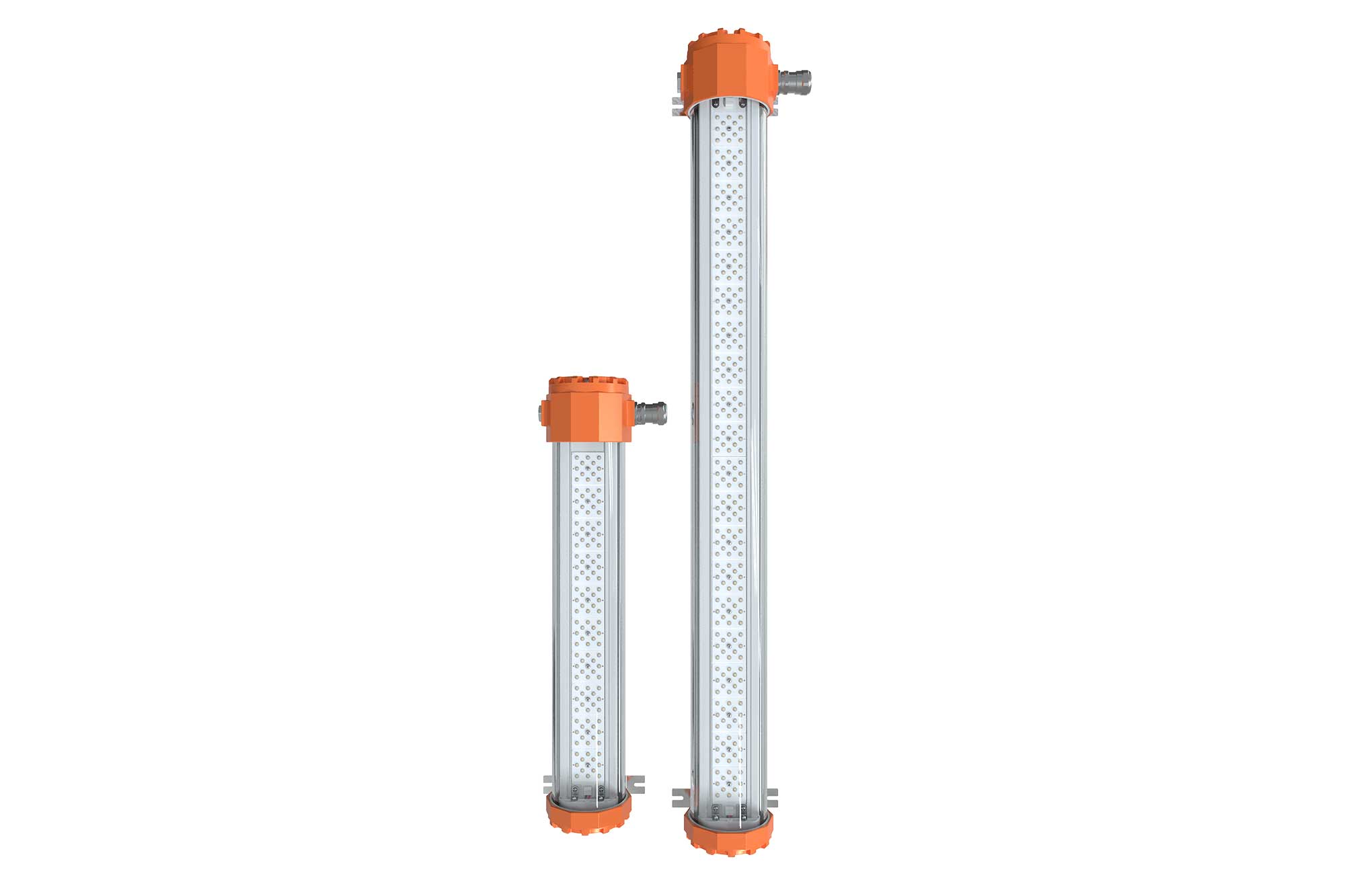
Prevent Major Accidents: Many historical oil and gas explosions were directly linked to ignition from electrical equipment. Explosion-proof lights minimize this risk and support safe continuous production.
Regulatory Compliance: National safety regulations (e.g., China’s GB 50058, OSHA, API standards) strictly require the use of properly rated explosion-proof electrical equipment in hazardous areas. Non-compliance can lead to shutdowns, fines, or legal liability.
Improve Operational Efficiency: Modern LED explosion-proof lights (such as the SEEKINGLED FL7 series) offer high efficiency (150lm/W), long lifespan (>100,000 hours), and low energy consumption, reducing maintenance costs while ensuring safety.
Summary: Using explosion-proof lights in oil exploration is not optional — it is a fundamental requirement for protecting lives and property. They are not ordinary lighting fixtures, but professionally engineered safety devices that are rigorously tested to never become an ignition source in explosive atmospheres.
When selecting lights, always match the Zone rating, gas group (ⅡA/ⅡB/ⅡC), and temperature class (T1–T6) to the specific site conditions. If you have a particular scenario (offshore platform or onshore field), I can help recommend the right solution.
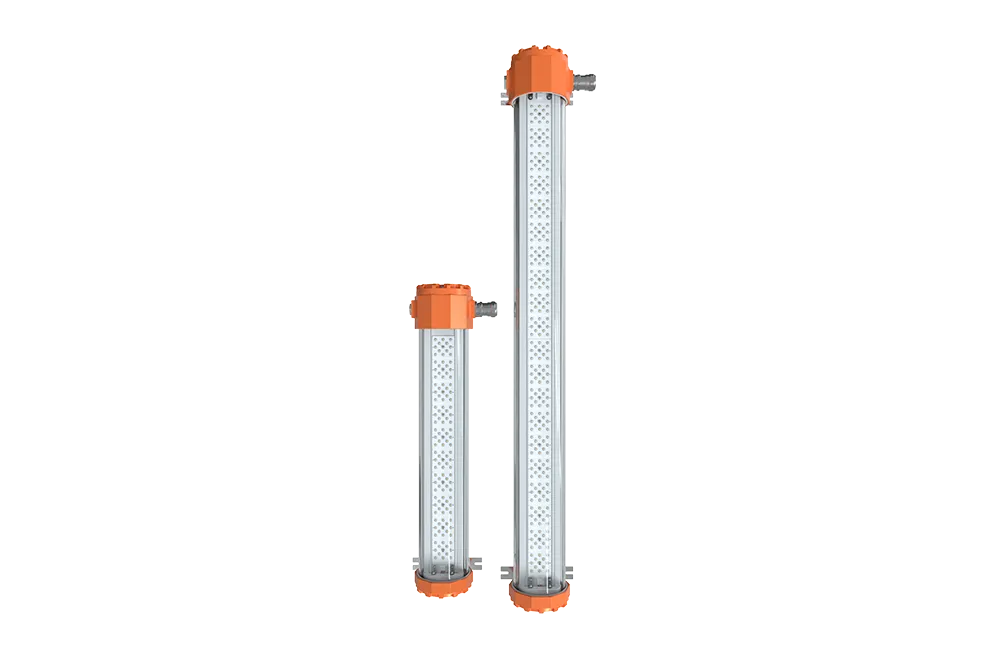
SEEKINGLED LED Linear Explosion Proof Light and Explosion Proof lighting is ATEX and IECEx certified for Zone 1, Zone 2, Zone 21 and Zone 22 hazardous locations, built for long-term industrial use.
View details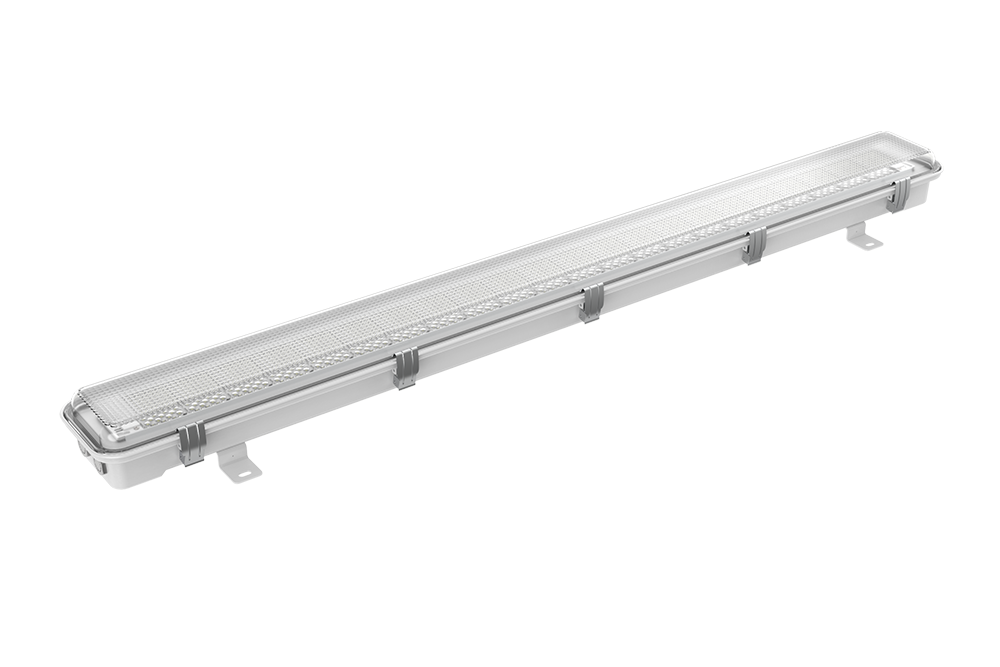
LED Linear Explosion Proof Lights and EX Proof lights for Zone 1, Zone 2, Zone 21 and Zone 22 hazardous areas. ATEX & IECEx certified explosion proof LED linear lighting with emergency function, adjustable power and IP67 protection by SEEKINGLED.
View details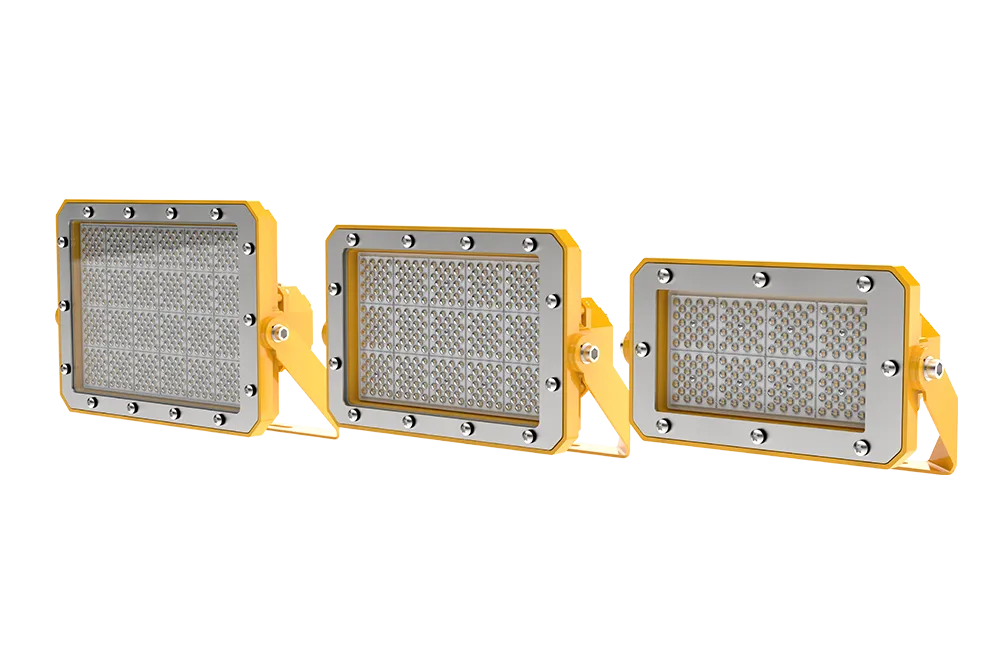
SEEKINGLED LED Explosion Proof Flood Lights are ATEX certified for Zone 2 and Zone 22 hazardous areas, offering high efficiency, adjustable power and integrated junction box.
View details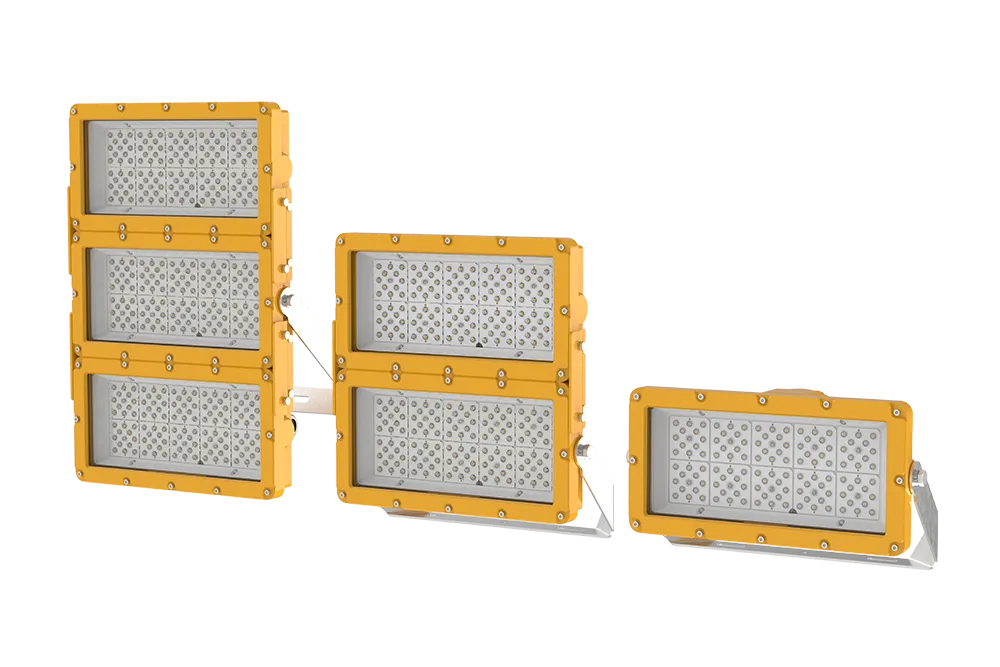
SEEKINGLED LED Explosion Proof Flood Lights are flameproof ATEX and IECEx certified for Zone 1 and Zone 2 hazardous areas, offering high power, adjustable output and long service life.
View details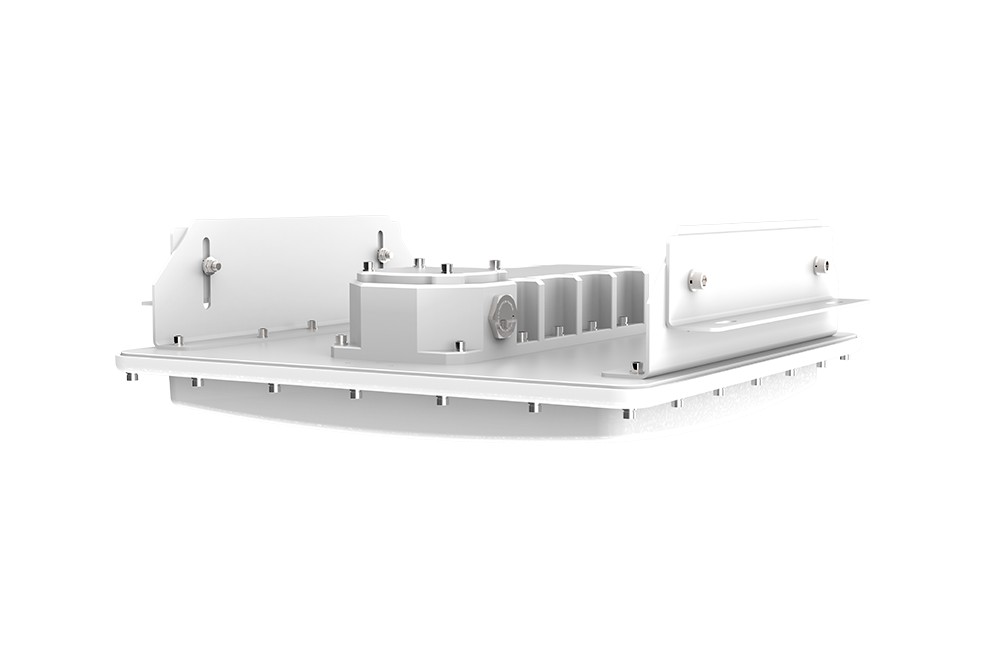
SEEKINGLED LED Gas Station Canopy Lights are ATEX certified for Zone 2 and Zone 22 hazardous areas, featuring adjustable power and built-in explosion-proof junction box.
View details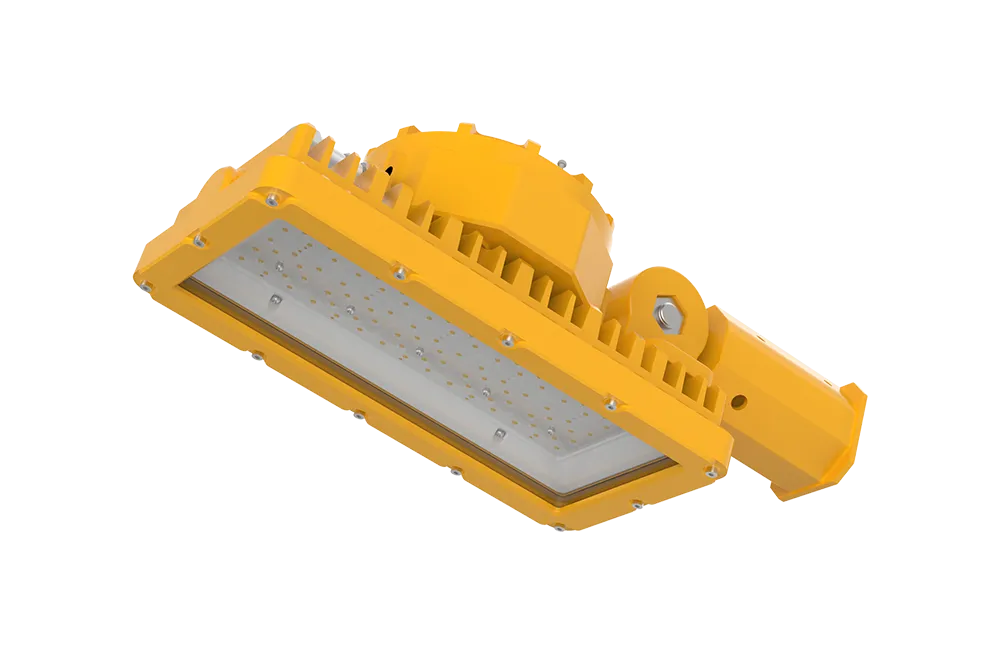
ATEX: Ex II 2G Ex db IIB T6/T5 GbEx II 2D Ex tb IIIC T80°C/ T95°C Db IECEx Ex db IIB T6 Gb;Ex tb IIIC T80°C Db Feature: ● For Zone 1,2 and Zone 21,22● Flameproof type, the strongest● 100W can replace 250W HID,energy saving● Power:60W,80W,100W Application: Oil and gas, marine, Chemical, pharmaceutical, semiconductor,mining,military industr…
View details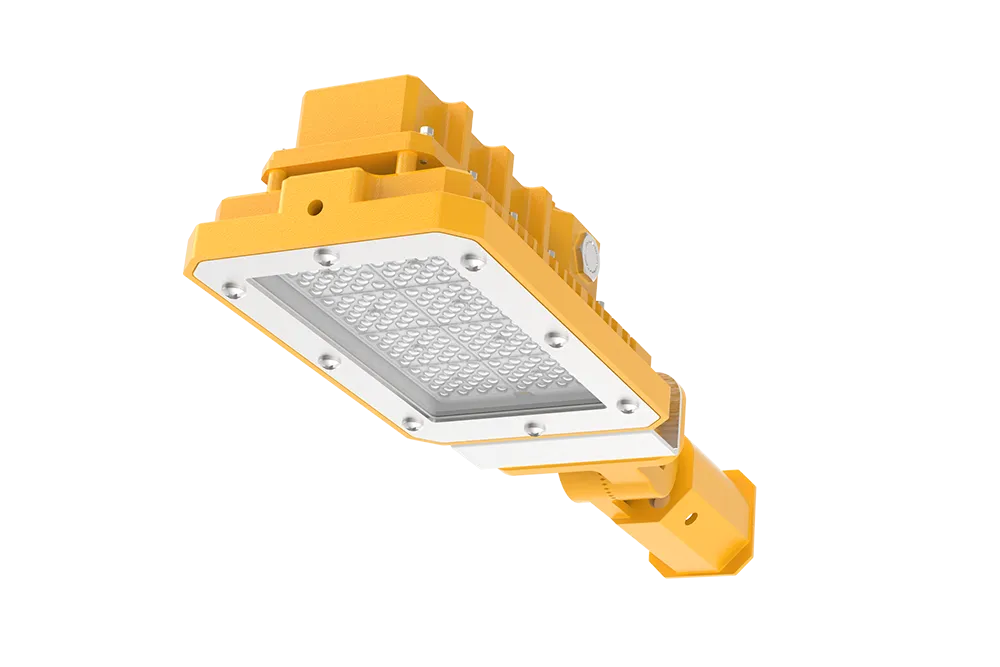
ATEX: II 3G Ex nR ⅡC T5/T6 GcII 3D Ex tc ⅢC T80℃/T95℃Dc ATEX Certificate NO: TÜV CY 26 ATEX 0207611 X Feature: ● For Zone 2 and Zone 22● 150W can replace 250W HID lamps,Energy saving● Power:50W,75W,100W,150W,200W Application: Oil and gas, marine, Chemical, pharmaceutical, semiconductor,mining,military industry, paint booth,power plant ETC…
View details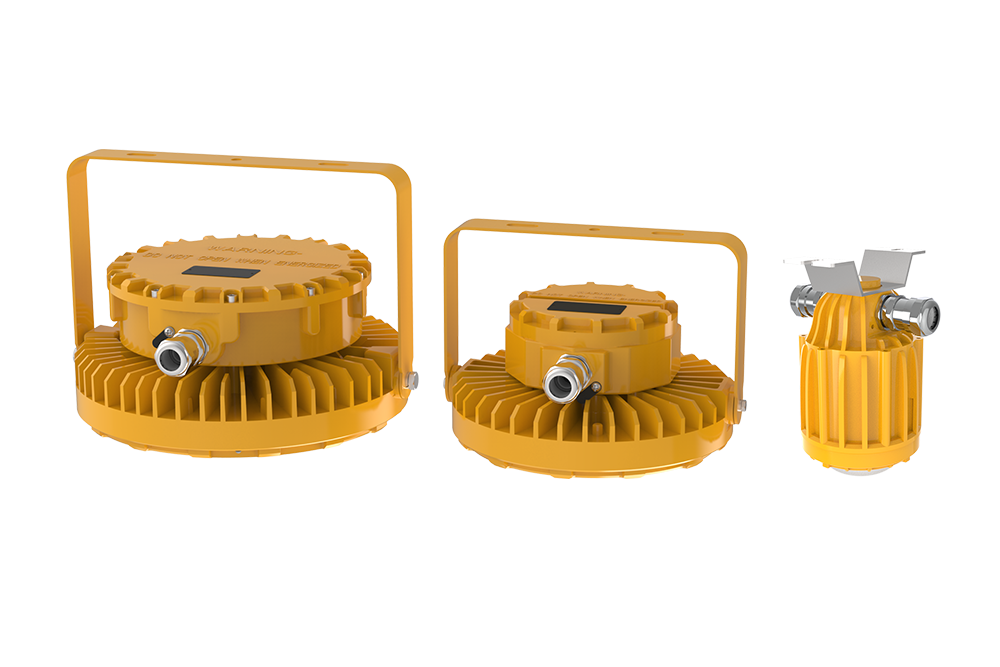
LED explosion proof high bay lights are designed for Zone 1, Zone 2, Zone 21 and Zone 22 hazardous areas. This page introduces the HB21 Series from SEEKING, including certifications, power options and real application considerations.
View details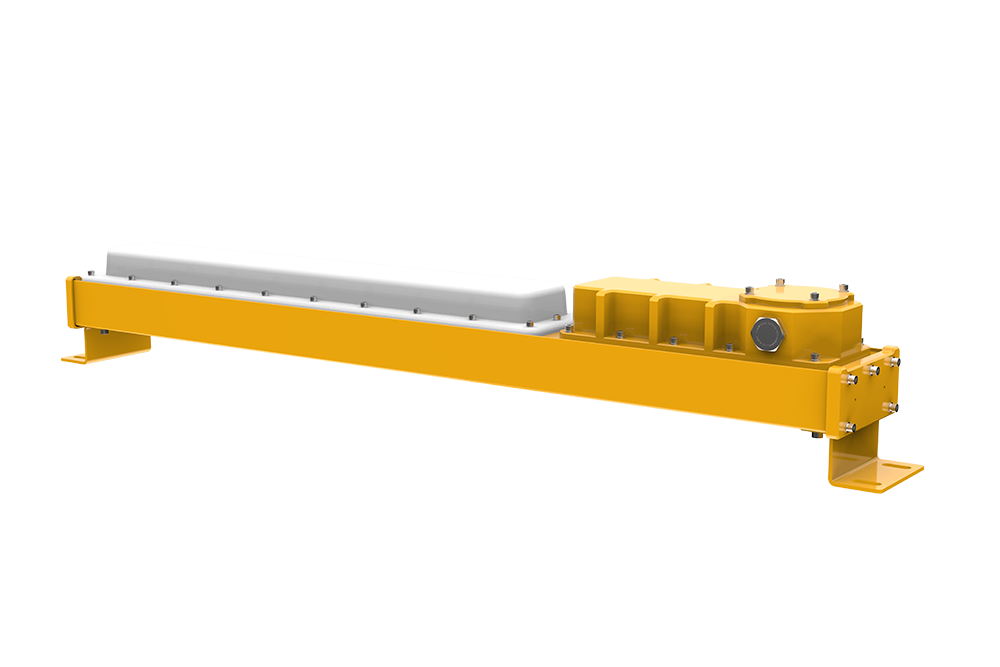
LED Linear Explosion Proof Lights from SEEKINGLED. LU Series Flame Proof lights ATEX-certified explosion proof LED linear lighting for Zone 2 gas and Zone 22 dust areas, IP69K, IK10, long lifetime and flexible power options.
View details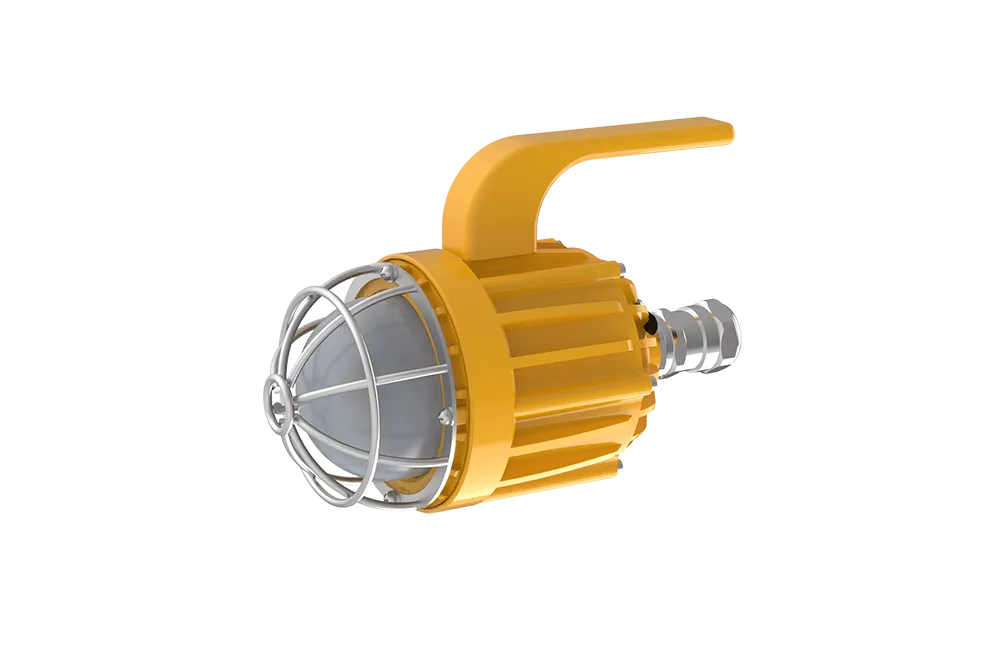
Certified explosion proof work lights for Zone 1 & 21 hazardous areas. Portable, ATEX & IECEx approved, built for oil, gas and chemical plants by SEEKINGLED.
View details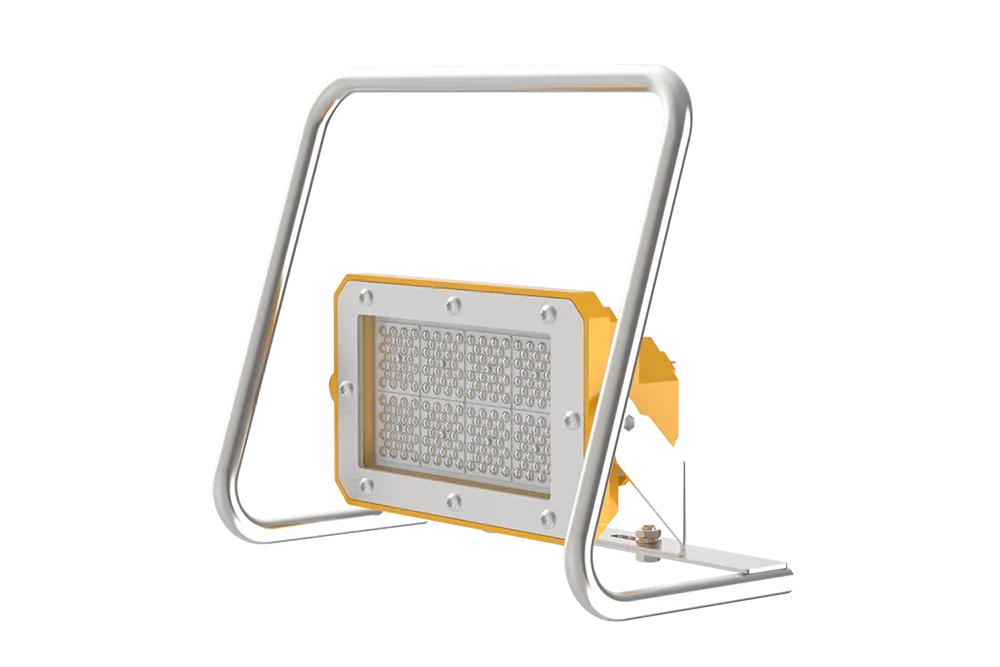
ATEX: II 3G Ex nR ⅡC T6 GcII 3D Ex tc ⅢC T80℃ Dc ATEX Certificate NO: TÜV CY 26 ATEX 0207611 X Feature: ● For Zone 2 and Zone 22● Accepts battery-powered supply● indestructible● Power:AC input:50W,75W,100WDC input:15W,25W,35W Application: Oil and gas, marine, Chemical, pharmaceutical, semiconductor,mining,military industry, paint booth,po…
View details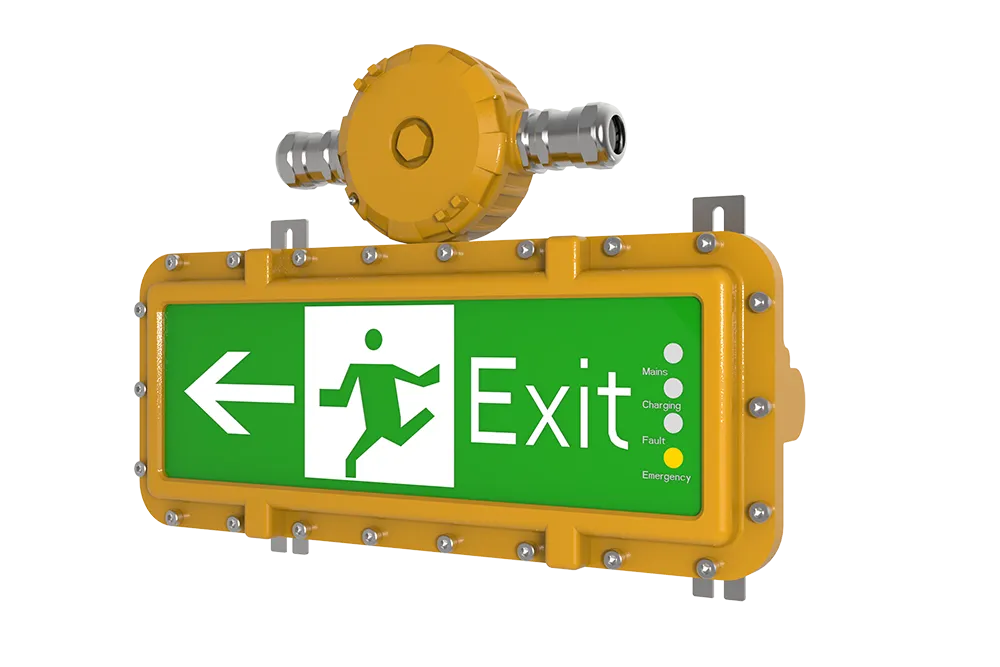
ATEX: Ex II 2G Ex db IIB T6 GbEx II 2D Ex tb IIIC T80°C Db IECEx Ex db IIB T6 Gb;Ex tb IIIC T80°C Db Feature: ● For Zone 1,2 and Zone 21,22● Flameproof type, the strongest Application: Oil and gas, marine, Chemical, pharmaceutical, semiconductor,mining,military industry, paint booth,power plant ETC hazardous area. Technical Specifications:…
View details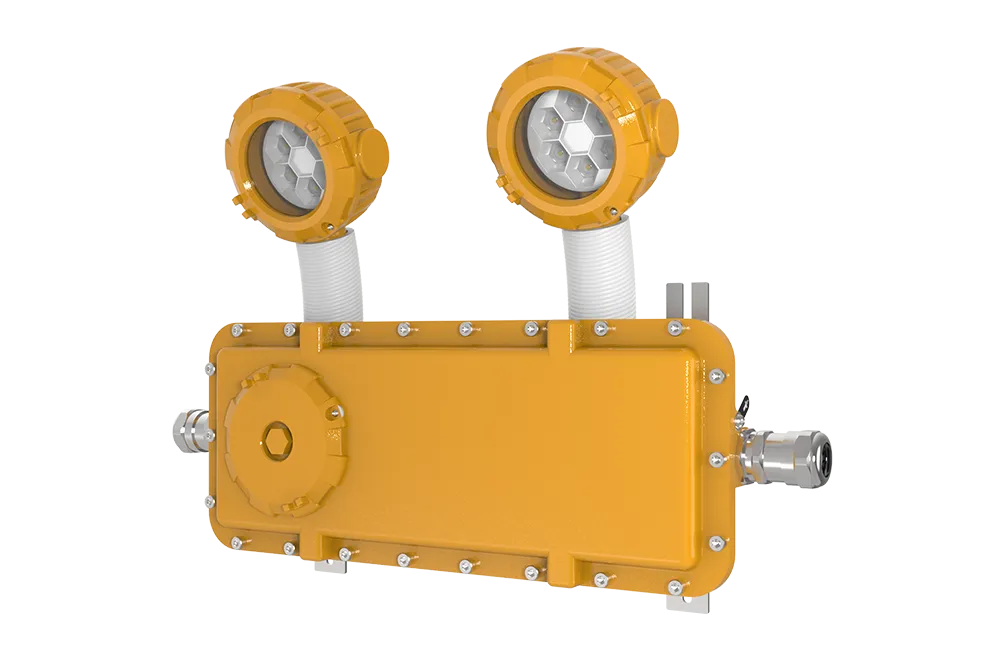
ATEX: Ex II 2G Ex db IIB T6 GbEx II 2D Ex tb IIIC T80°C Db IECEx Ex db IIB T6 Gb;Ex tb IIIC T80°C Db Feature: ● For Zone 1,2 and Zone 21,22● Flameproof type, the strongest Application: Oil and gas, marine, Chemical, pharmaceutical, semiconductor,mining,military industry, paint booth,power plant ETC hazardous area. Technical Specifications:…
View details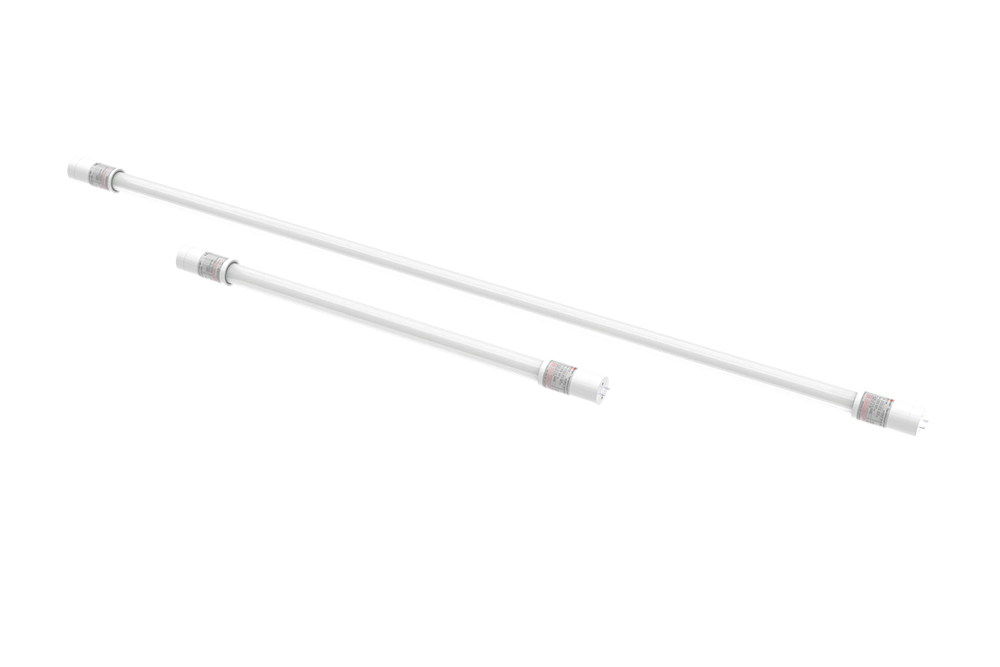
ATEX: Ex II 2G Ex d e IIB T6 Gb ATEX: Ex d e IIB T6 Gb; Feature: ● For Zone 1,2● 9W can replace 18W fluorescent lamps,50% Energy saving Application: Oil and gas, marine, Chemical, pharmaceutical, semiconductor,mining,military industry, paint booth,power plant ETC hazardous area. Technical Specifications: Standards:60079-0, 60079-1, 60079…
View details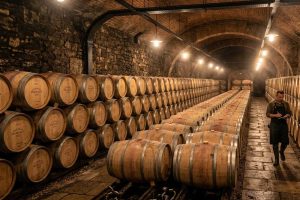
Wine cellar lighting for winery fermentation spaces. Low heat, moisture-resistant, and stable illumination for barrels and production by SEEKINGLED.
View details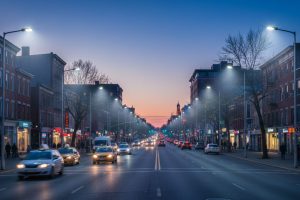
Outdoor LED street lights designed for roads and public areas, delivering high efficiency, durability, and long service life for real-world use by SEEKINGLED.
View details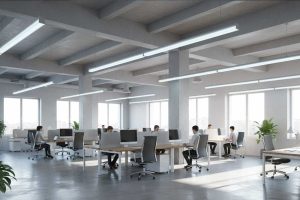
What is a linear LED light? Learn how linear LED lighting works, where it’s used, and why modular systems are popular in warehouses, offices, and retail projects.
View details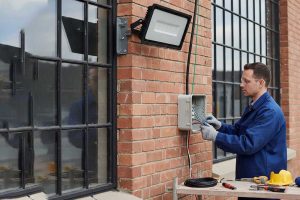
How to connect LED flood light safely and correctly? Learn wiring basics, common mistakes, and installation tips used in professional LED flood light projects by SEEKINGLED.
View details