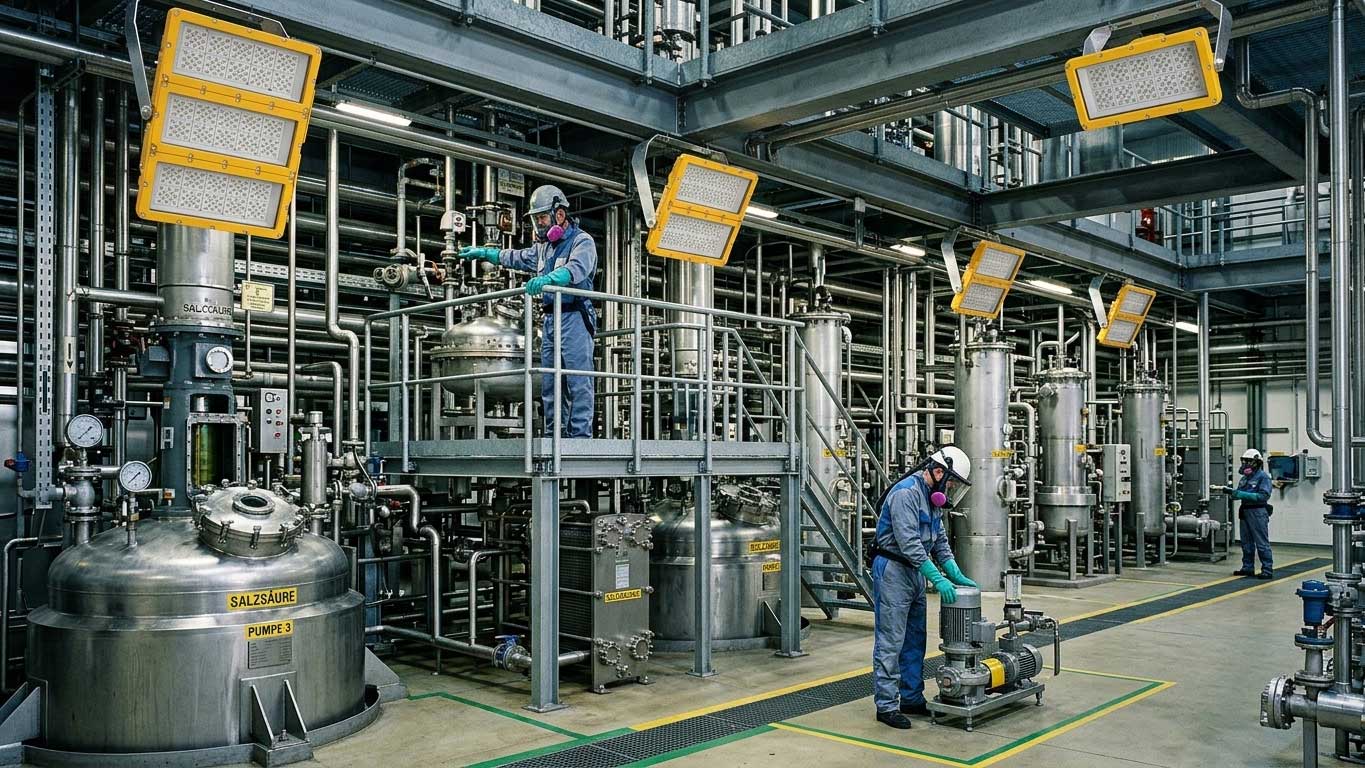
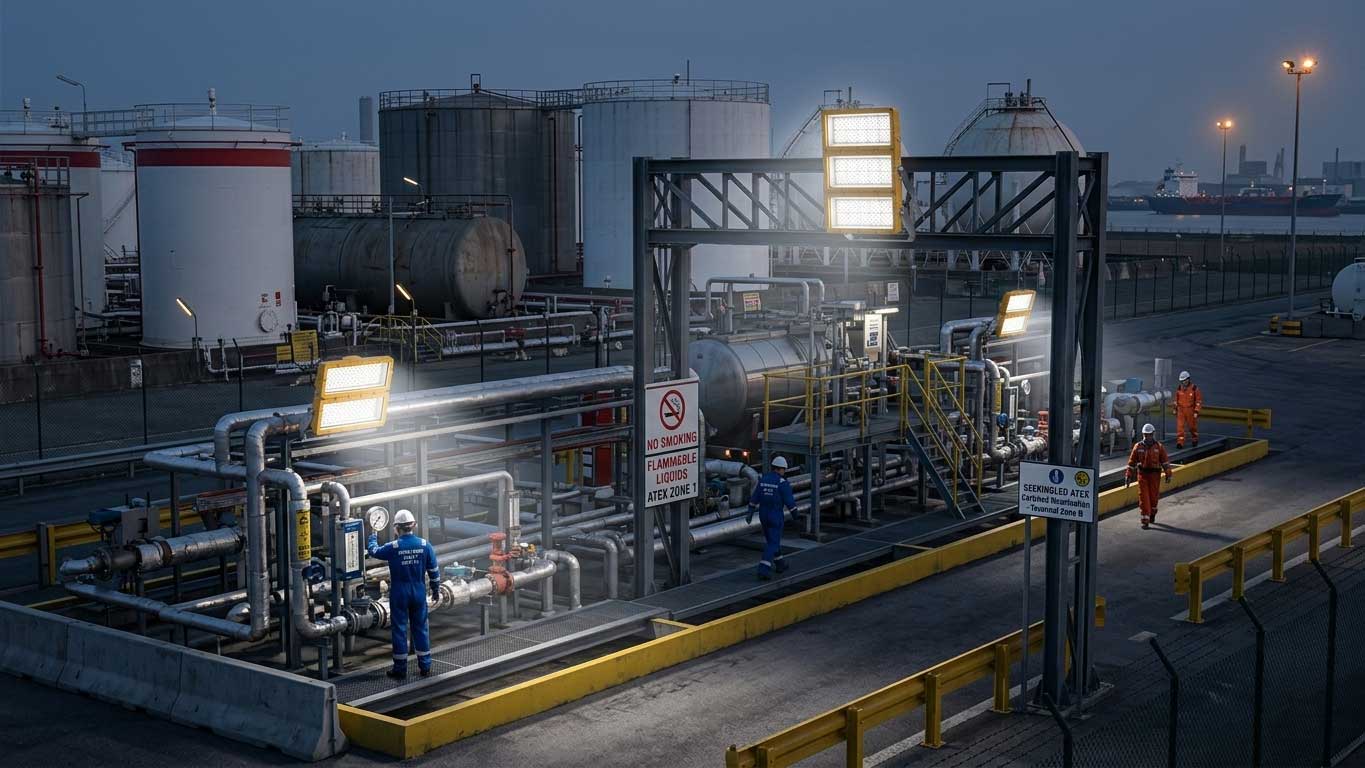
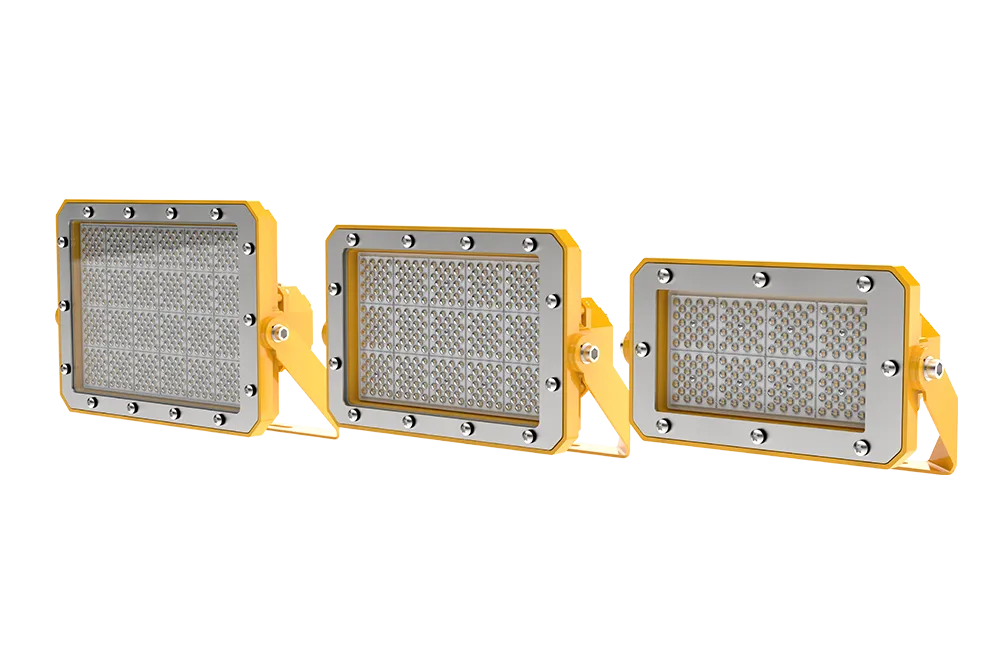
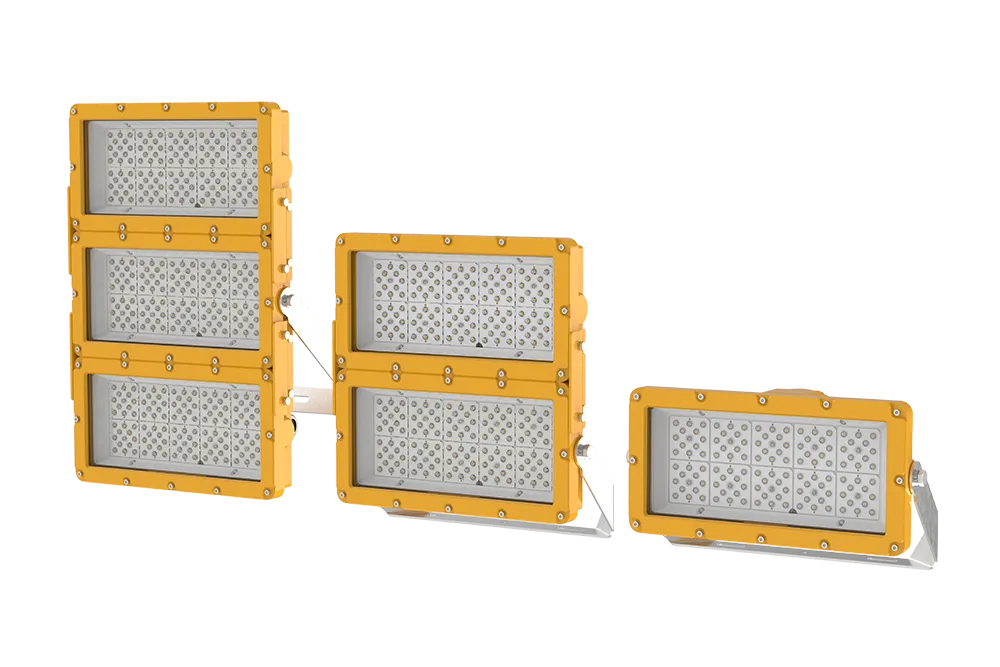
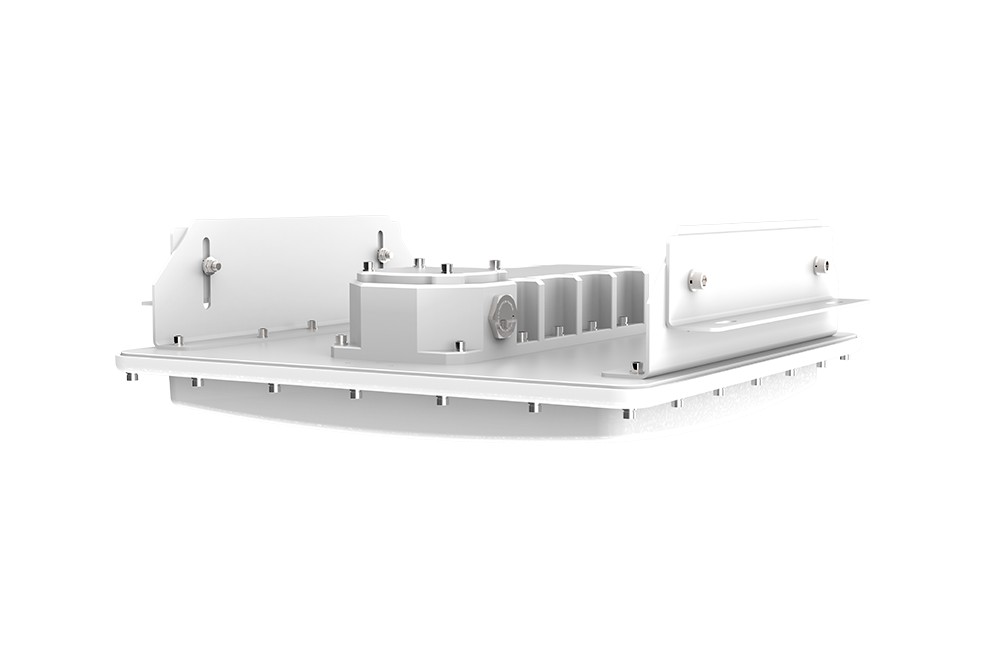
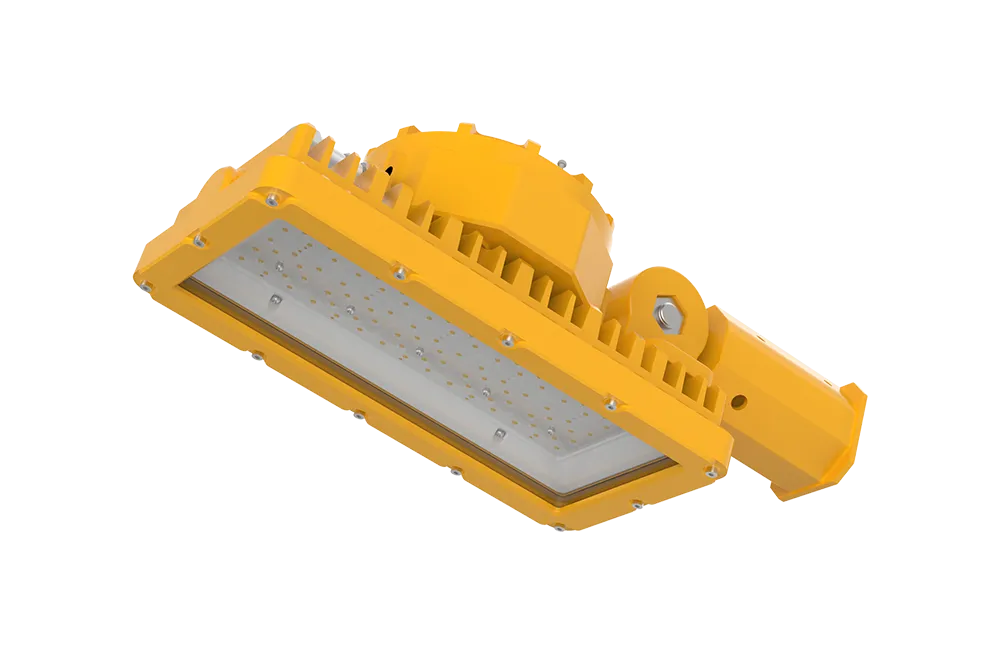
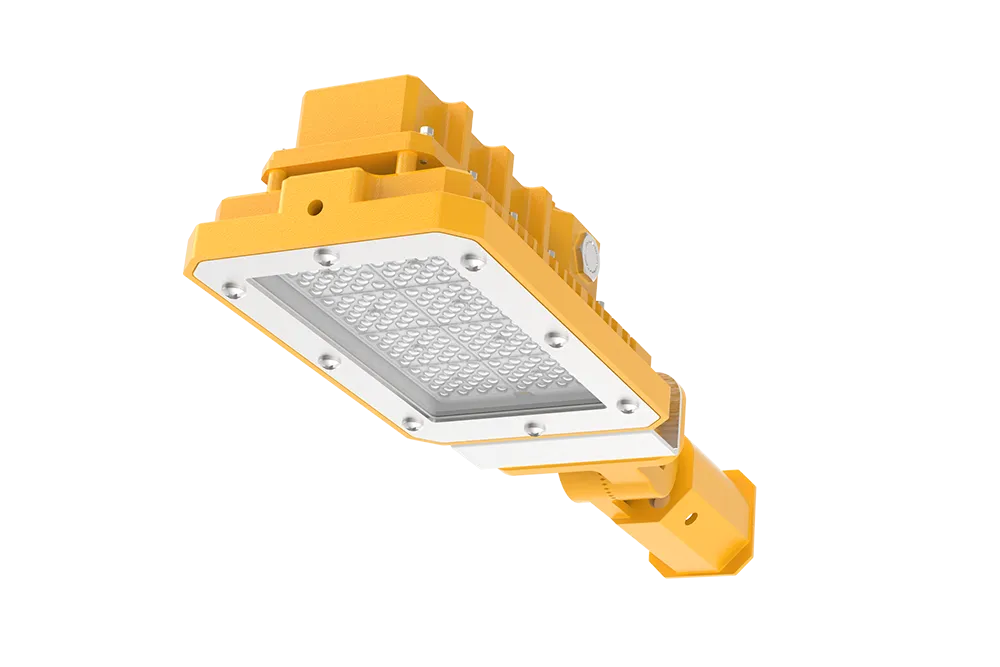
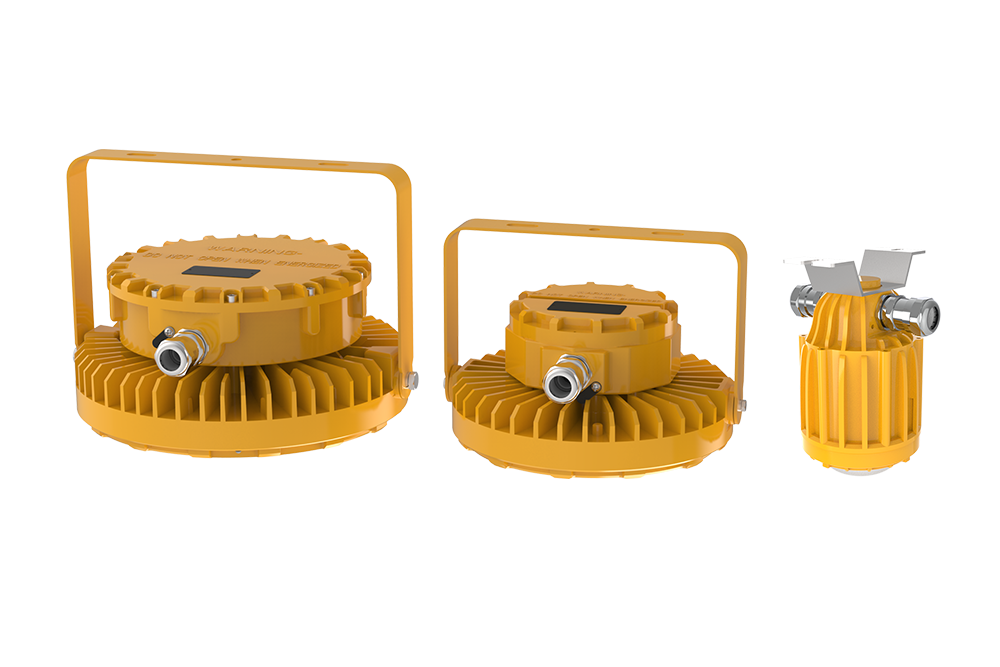
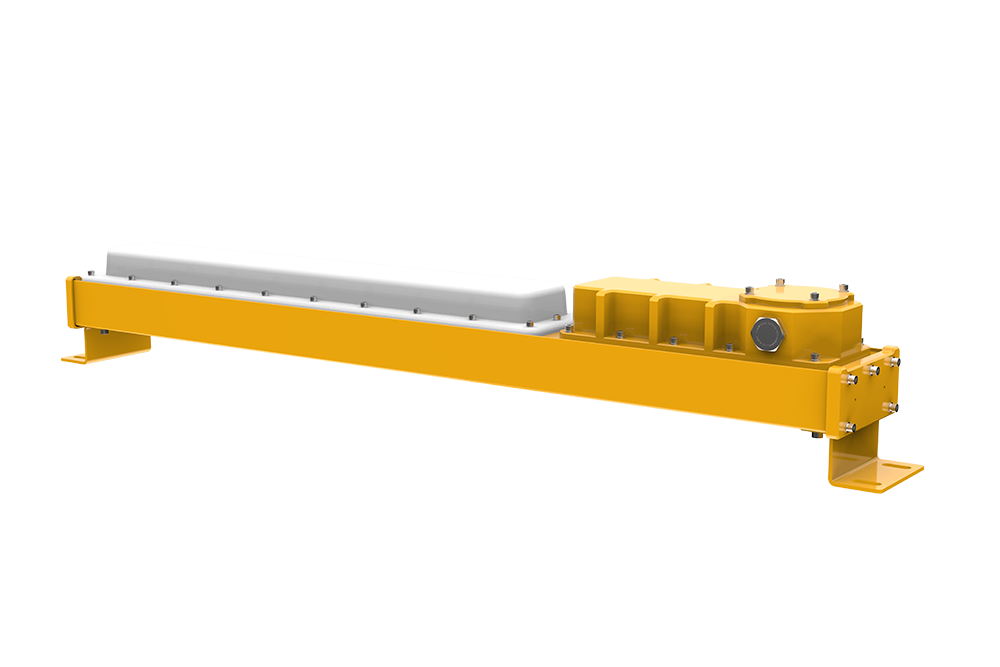
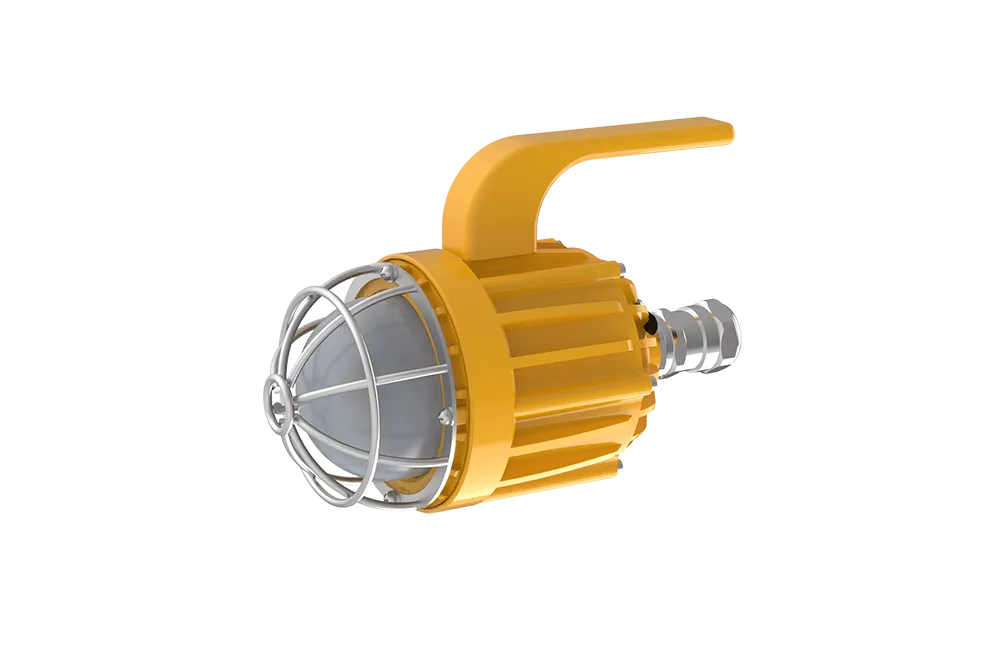
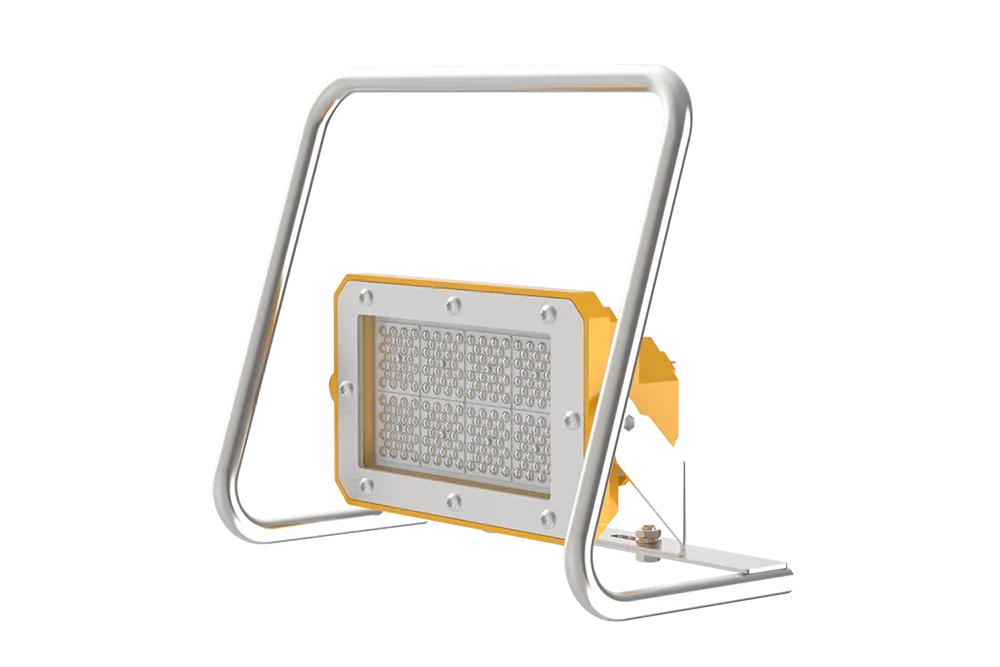
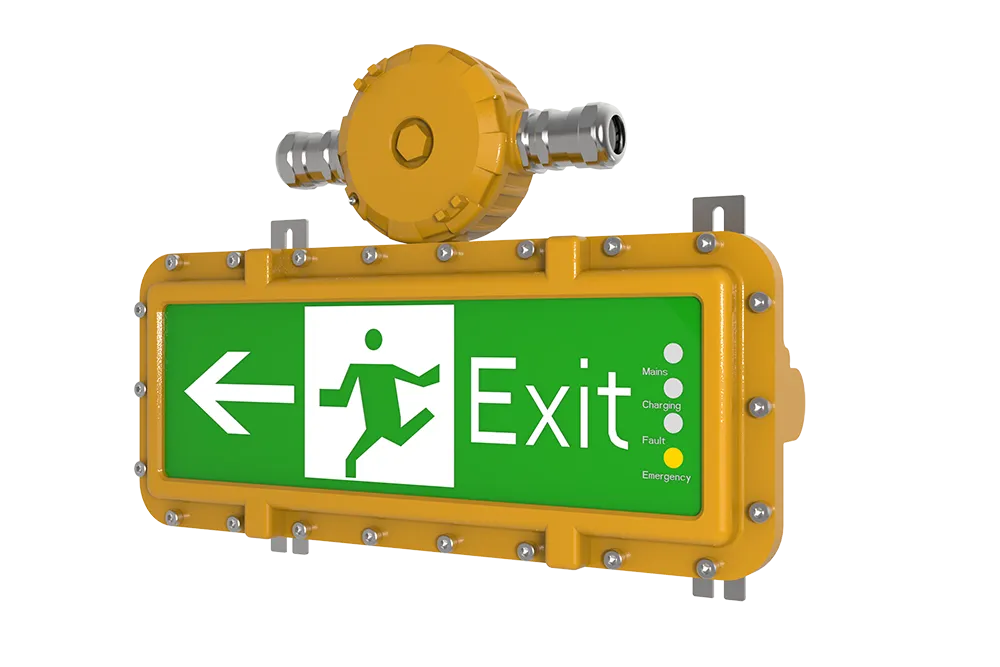
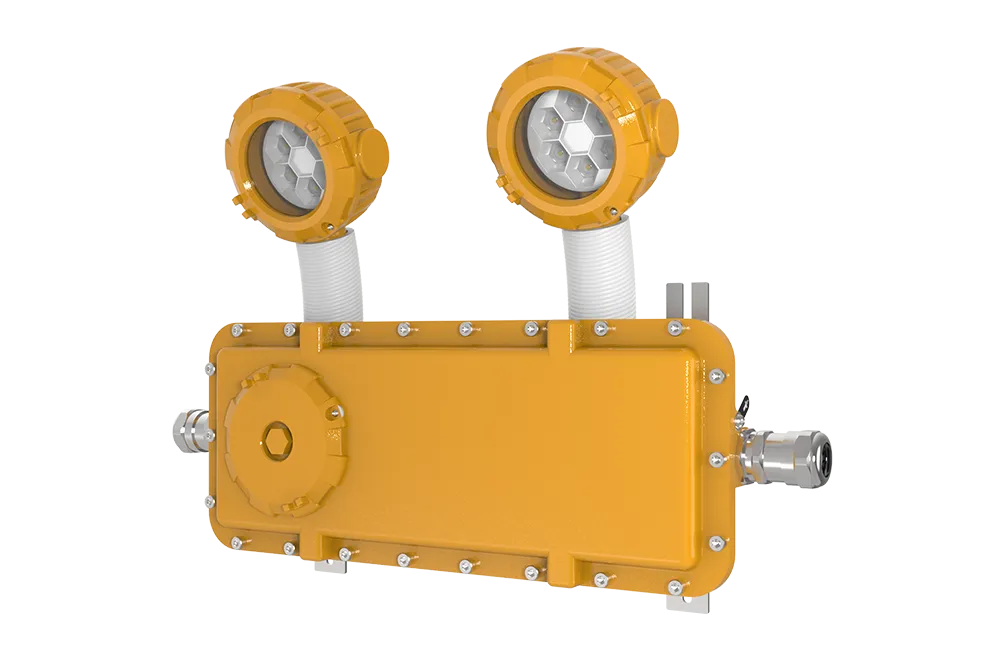
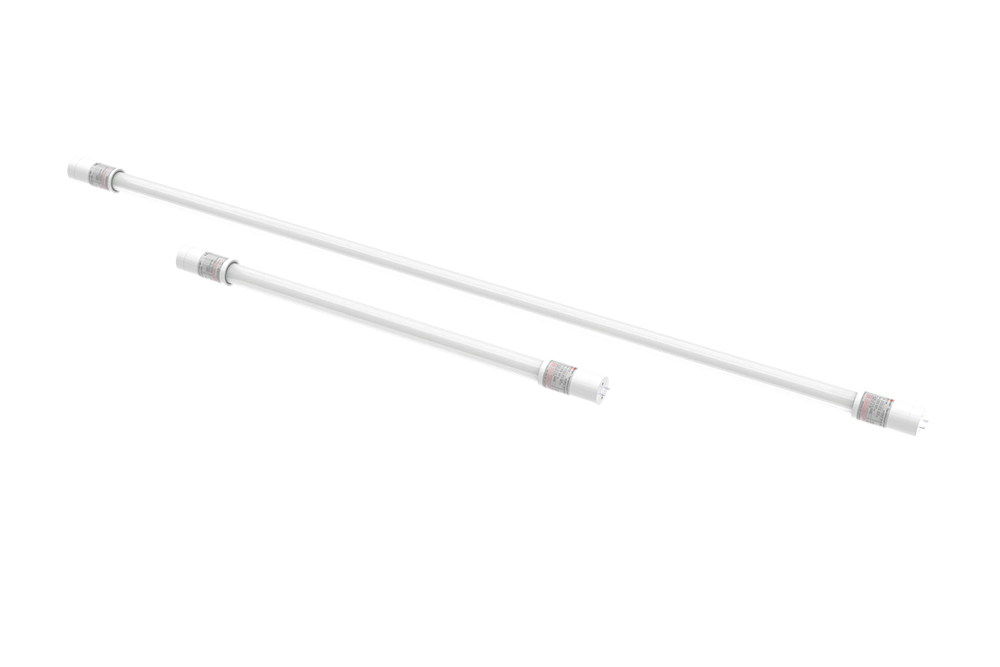
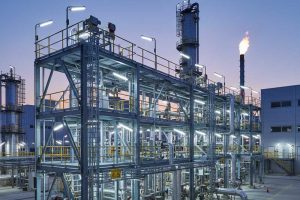
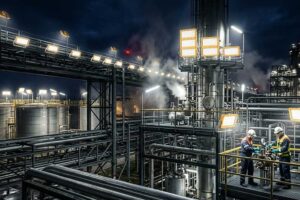
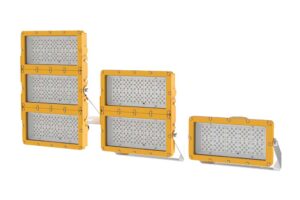
ATEX light fittings are used in hazardous areas where flammable gases, vapors, dust, or combustible particles may create an explosive atmosphere. They provide safe illumination while preventing electrical equipment from becoming an ignition source. Typical applications include oil refineries, chemical plants, offshore platforms, grain facilities, fuel depots, and pharmaceutical production sites.
There is a moment that sticks in my memory from an inspection at a coastal fuel terminal in Northern Europe.
It was early. Not sunrise—earlier. The kind of gray-blue morning where floodlights still carry most of the workload.
Tanker trucks were already moving through the loading lanes. Vapors from gasoline transfer systems were being managed exactly as designed. Nobody seemed concerned.
And that was precisely the point.
The most dangerous hazardous locations rarely look dangerous.
No sparks.
No explosions.
No dramatic warning signs.
Just routine industrial operations happening around substances capable of igniting under the right conditions.
That is where ATEX light fittings earn their place.
Understanding the Purpose of ATEX Light Fittings
Many people assume ATEX lighting exists simply because hazardous facilities need stronger lamps.
Not quite.
The real objective is preventing ignition.
Electrical equipment can generate:
Electrical arcs
Sparks
Excessive surface temperatures
Static discharge
Under ordinary circumstances, these events are usually harmless.
Inside a hazardous area containing flammable gas or combustible dust, they can become the trigger for a catastrophic event.
ATEX-certified light fittings are engineered specifically to prevent that scenario.
According to the European Commission’s ATEX Directive 2014/34/EU, equipment intended for use in potentially explosive atmospheres must be designed and certified to avoid becoming an ignition source.
Every stage of handling hydrocarbons introduces potential ignition risks.
Chemical Manufacturing Plants
Chemical facilities frequently process:
Methanol
Ethanol
Acetone
Toluene
Xylene
Solvents
Many of these substances generate flammable vapors during normal operations.
Lighting installed near reactors, mixing systems, or solvent storage areas often requires ATEX certification.
Offshore Platforms
Few environments are tougher.
Salt spray.
Constant vibration.
High humidity.
Wind-driven corrosion.
Yet lighting must operate continuously.
ATEX-certified fixtures help maintain visibility around:
Helidecks
Processing modules
Walkways
Maintenance zones
while meeting hazardous-area requirements.
Grain Processing Facilities
This surprises people.
Not all explosive atmospheres involve gases.
Dust can be equally dangerous.
According to the U.S. Chemical Safety Board (CSB), combustible dust incidents have caused numerous industrial explosions and fatalities over the years.
For facilities operating hundreds of fixtures, these savings accumulate quickly.
Longer Service Life
A quality ATEX LED fitting may achieve:
50,000 hours
100,000 hours
depending on operating conditions.
This matters because replacing fixtures in hazardous areas is rarely straightforward.
Permit approvals.
Gas testing.
Isolation procedures.
Work-at-height requirements.
Every maintenance event carries cost.
Improved Visibility
LED optics allow more precise beam control.
Operators can illuminate:
Walkways
Access platforms
Process equipment
without excessive glare.
Common Mistakes When Selecting ATEX Light Fittings
The most expensive mistakes often occur before installation.
Assuming IP66 Equals ATEX
It does not.
Ingress protection ratings measure resistance to water and dust.
They do not certify explosion protection.
Ignoring Temperature Class
Certain gases ignite at lower temperatures than others.
The fixture’s temperature class must match the application.
Choosing Based on Lumens Alone
Brightness matters.
Certification matters more.
A brighter fixture that lacks proper approval is not an option.
About What are ATEX Light Fittings Used for?
What are ATEX light fittings used for in refineries?
They provide safe illumination in hazardous zones where flammable gases and vapors may be present during normal operations.
Are ATEX light fittings required by law?
In many European hazardous environments, ATEX-certified equipment is legally required under applicable regulations.
Can ATEX light fittings be used outdoors?
Yes. Many are specifically designed for offshore platforms, tank farms, loading terminals, and other outdoor industrial environments.
Are ATEX lights waterproof?
Most hazardous-area fixtures feature high ingress protection ratings such as IP66 or IP67, but waterproofing alone does not make a fixture ATEX certified.
What industries use ATEX-certified lighting most often?
The simplest answer to What are ATEX light fittings used for is this: they are used wherever lighting must operate safely in an environment capable of supporting an explosion.
But after years of working around refineries, LNG terminals, chemical plants, and fuel depots, I would frame it differently.
ATEX light fittings are not purchased because facilities expect explosions.
They are installed because professional operators spend every day ensuring explosions never happen.
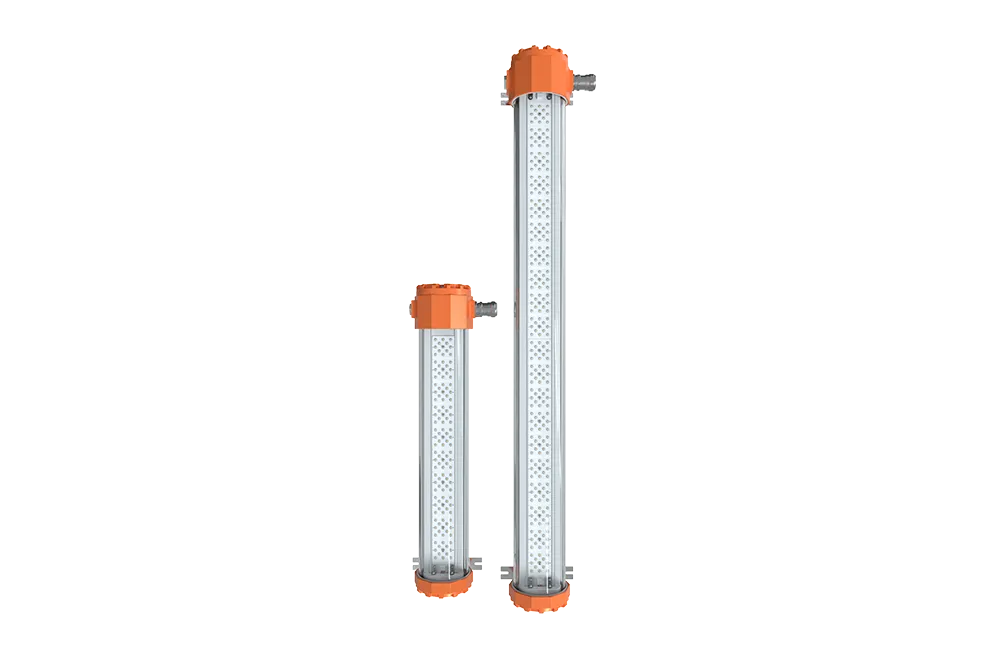
SEEKINGLED LED Linear Explosion Proof Light and Explosion Proof lighting is ATEX and IECEx certified for Zone 1, Zone 2, Zone 21 and Zone 22 hazardous locations, built for long-term industrial use.
LED Linear Explosion Proof Lights and EX Proof lights for Zone 1, Zone 2, Zone 21 and Zone 22 hazardous areas. ATEX & IECEx certified explosion proof LED linear lighting with emergency function, adjustable power and IP67 protection by SEEKINGLED.
SEEKINGLED LED Explosion Proof Flood Lights are ATEX certified for Zone 2 and Zone 22 hazardous areas, offering high efficiency, adjustable power and integrated junction box.
SEEKINGLED LED Explosion Proof Flood Lights are flameproof ATEX and IECEx certified for Zone 1 and Zone 2 hazardous areas, offering high power, adjustable output and long service life.
SEEKINGLED LED Gas Station Canopy Lights are ATEX certified for Zone 2 and Zone 22 hazardous areas, featuring adjustable power and built-in explosion-proof junction box.
ATEX: Ex II 2G Ex db IIB T6/T5 GbEx II 2D Ex tb IIIC T80°C/ T95°C Db IECEx Ex db IIB T6 Gb;Ex tb IIIC T80°C Db Feature: ● For Zone 1,2 and Zone 21,22● Flameproof type, the strongest● 100W can replace 250W HID,energy saving● Power:60W,80W,100W Application: Oil and gas, marine, Chemical, pharmaceutical, semiconductor,mining,military industr…
ATEX: II 3G Ex nR ⅡC T5/T6 GcII 3D Ex tc ⅢC T80℃/T95℃Dc ATEX Certificate NO: TÜV CY 26 ATEX 0207611 X Feature: ● For Zone 2 and Zone 22● 150W can replace 250W HID lamps,Energy saving● Power:50W,75W,100W,150W,200W Application: Oil and gas, marine, Chemical, pharmaceutical, semiconductor,mining,military industry, paint booth,power plant ETC…
LED explosion proof high bay lights are designed for Zone 1, Zone 2, Zone 21 and Zone 22 hazardous areas. This page introduces the HB21 Series from SEEKING, including certifications, power options and real application considerations.
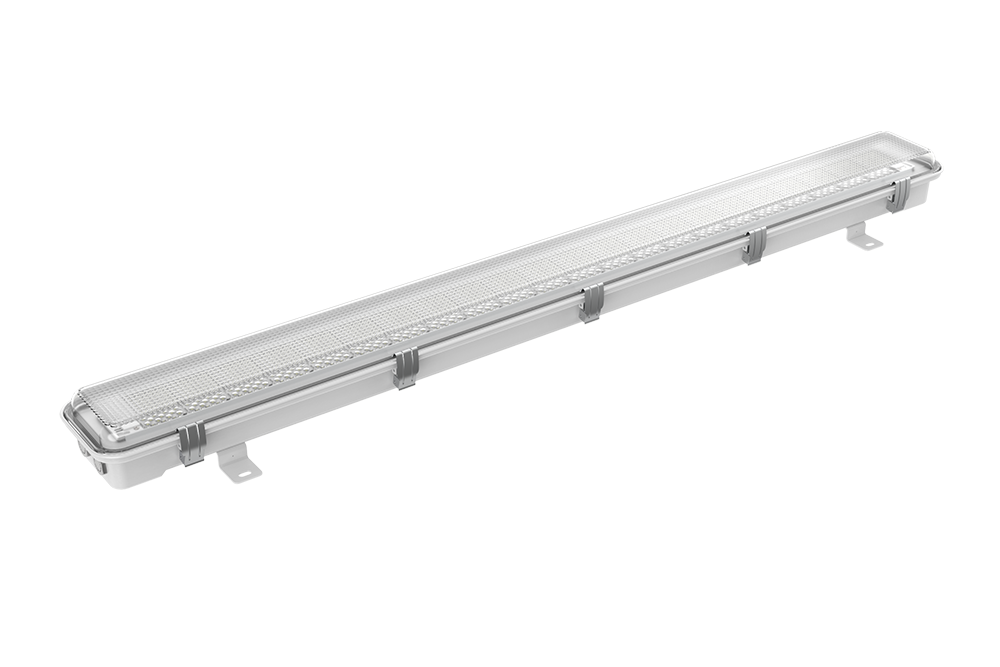
LED Linear Explosion Proof Lights from SEEKINGLED. LU Series Flame Proof lights ATEX-certified explosion proof LED linear lighting for Zone 2 gas and Zone 22 dust areas, IP69K, IK10, long lifetime and flexible power options.
Certified explosion proof work lights for Zone 1 & 21 hazardous areas. Portable, ATEX & IECEx approved, built for oil, gas and chemical plants by SEEKINGLED.
ATEX: II 3G Ex nR ⅡC T6 GcII 3D Ex tc ⅢC T80℃ Dc ATEX Certificate NO: TÜV CY 26 ATEX 0207611 X Feature: ● For Zone 2 and Zone 22● Accepts battery-powered supply● indestructible● Power:AC input:50W,75W,100WDC input:15W,25W,35W Application: Oil and gas, marine, Chemical, pharmaceutical, semiconductor,mining,military industry, paint booth,po…
ATEX: Ex II 2G Ex db IIB T6 GbEx II 2D Ex tb IIIC T80°C Db IECEx Ex db IIB T6 Gb;Ex tb IIIC T80°C Db Feature: ● For Zone 1,2 and Zone 21,22● Flameproof type, the strongest Application: Oil and gas, marine, Chemical, pharmaceutical, semiconductor,mining,military industry, paint booth,power plant ETC hazardous area. Technical Specifications:…
ATEX: Ex II 2G Ex db IIB T6 GbEx II 2D Ex tb IIIC T80°C Db IECEx Ex db IIB T6 Gb;Ex tb IIIC T80°C Db Feature: ● For Zone 1,2 and Zone 21,22● Flameproof type, the strongest Application: Oil and gas, marine, Chemical, pharmaceutical, semiconductor,mining,military industry, paint booth,power plant ETC hazardous area. Technical Specifications:…
ATEX: Ex II 2G Ex d e IIB T6 Gb ATEX: Ex d e IIB T6 Gb; Feature: ● For Zone 1,2● 9W can replace 18W fluorescent lamps,50% Energy saving Application: Oil and gas, marine, Chemical, pharmaceutical, semiconductor,mining,military industry, paint booth,power plant ETC hazardous area. Technical Specifications: Standards:60079-0, 60079-1, 60079…
27-30th,October,2015 Booth: 5B-B29We lunch HBS round series high bay light, which include 100W, 120W, 150W, 200W, 240W, SMD3030 LED chip, IP65. use Meanwell HBG series driver, whole lamp 5 year warranty. Improve to 140lm/w, less heat. ...
How to make explosion proof light safely for hazardous areas? This guide explains enclosure design, ATEX compliance, materials, testing, and real engineering practices used by SEEKINGLED explosion proof lighting.
What is an ATEX LED floodlight? Learn how ATEX-certified floodlights provide safe, powerful illumination in explosive atmospheres across hazardous industrial locations.
LED explosion proof flood lights for high-risk outdoor oil & gas sites. SEEKINGLED FL7 Series offers Zone 1 ATEX/IECEx certification, IP66, IK10, and up to 52,000 lumens.
 Seeking LED