 Seeking LED
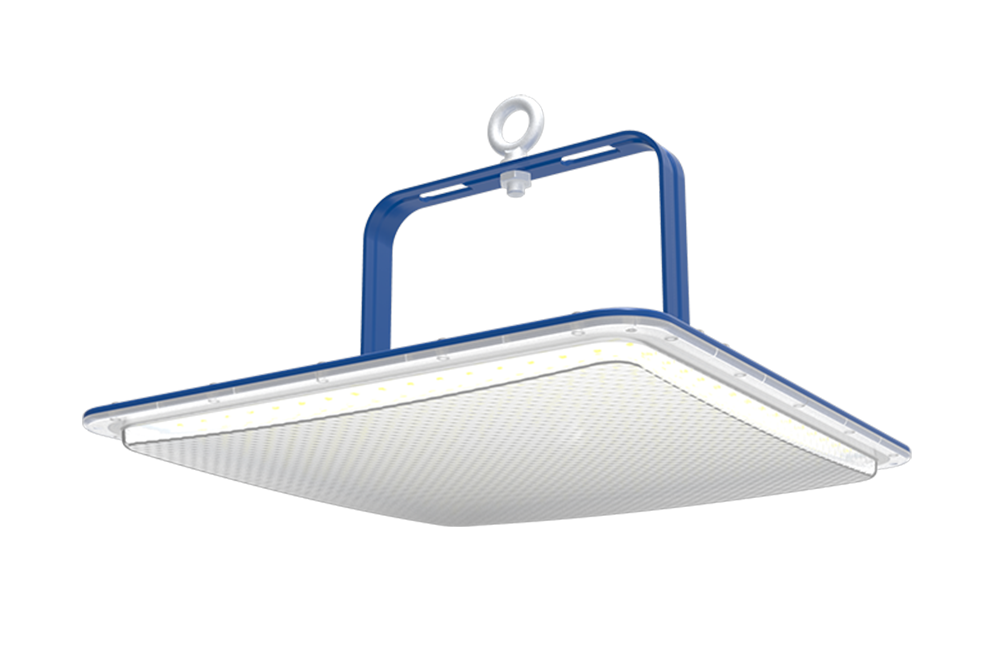
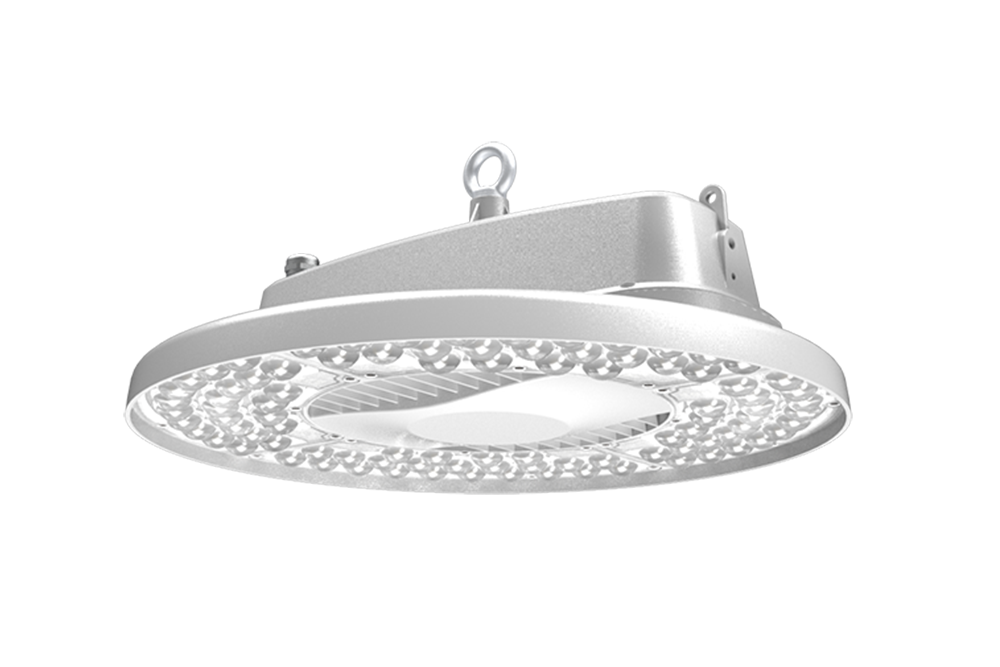
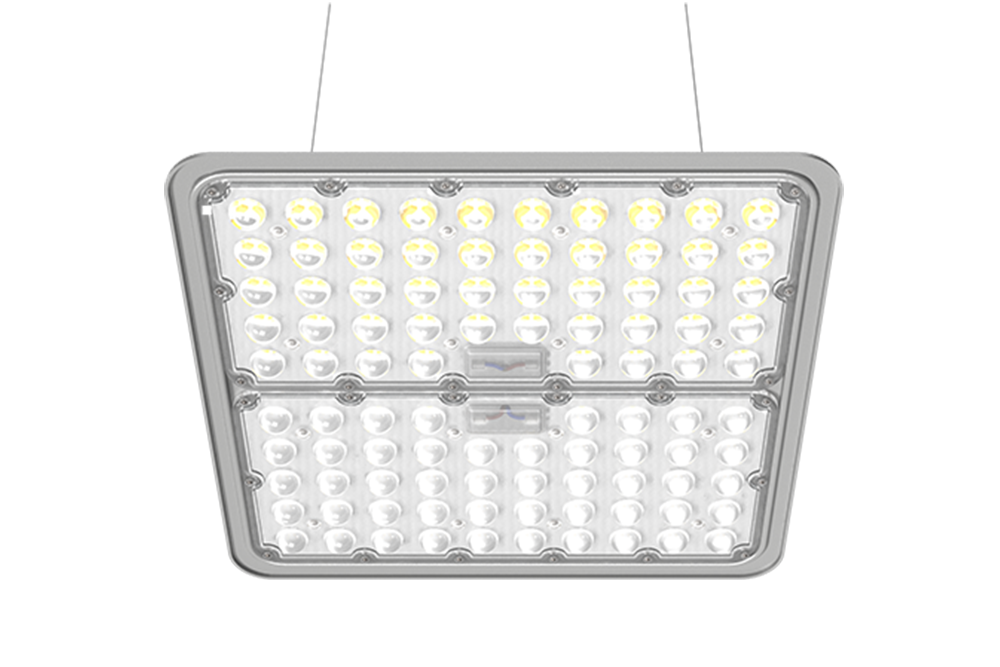
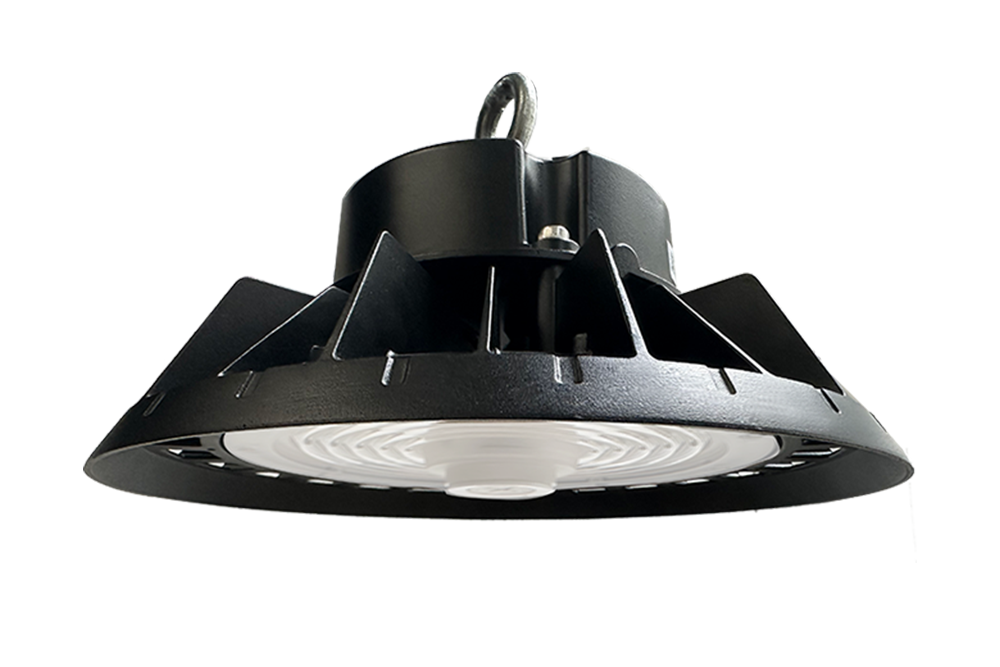
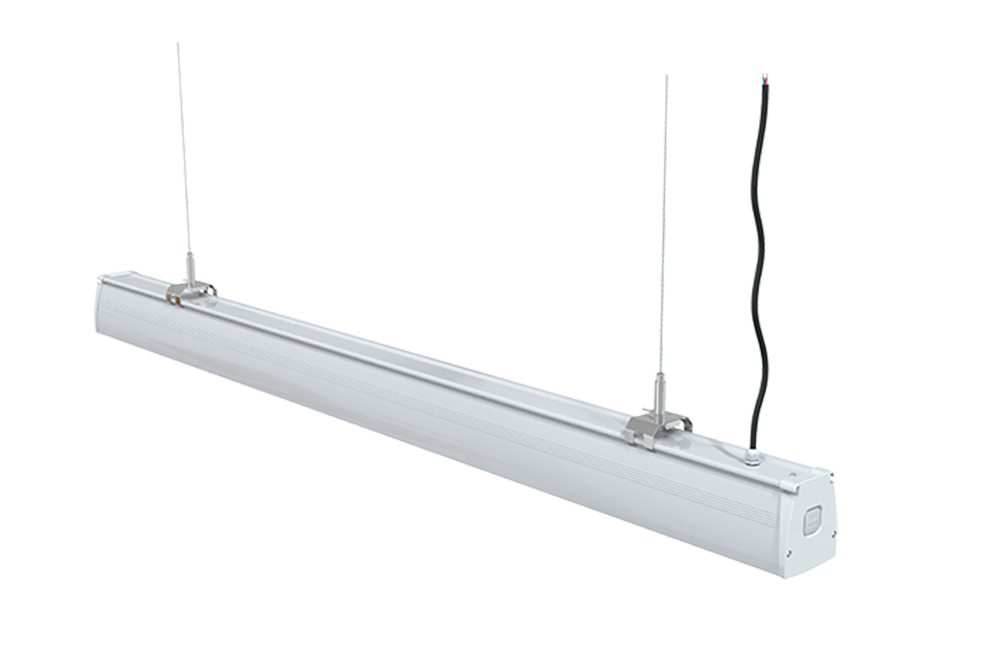
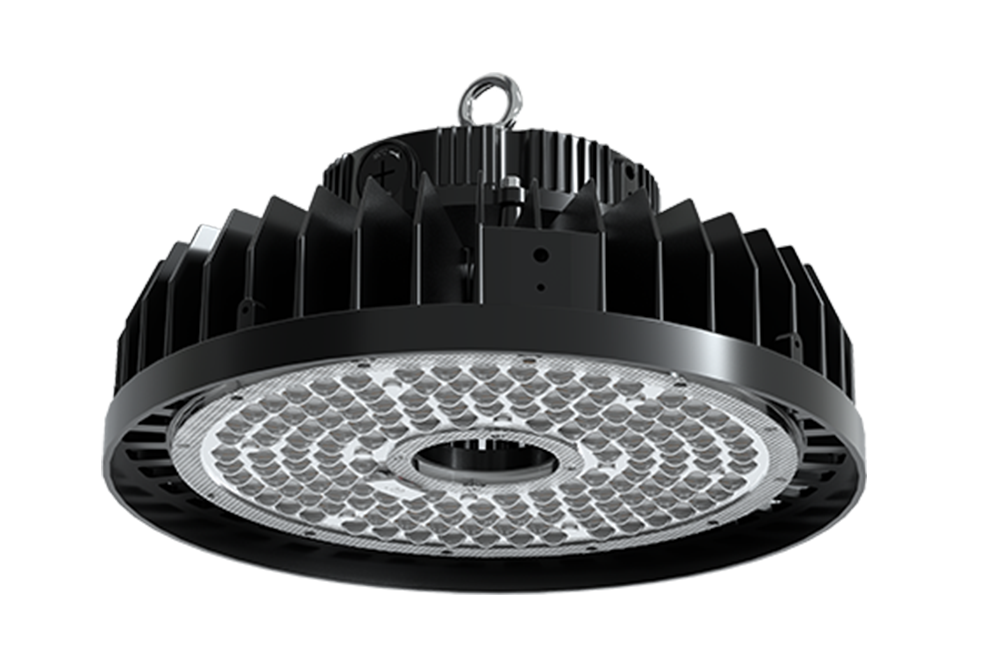
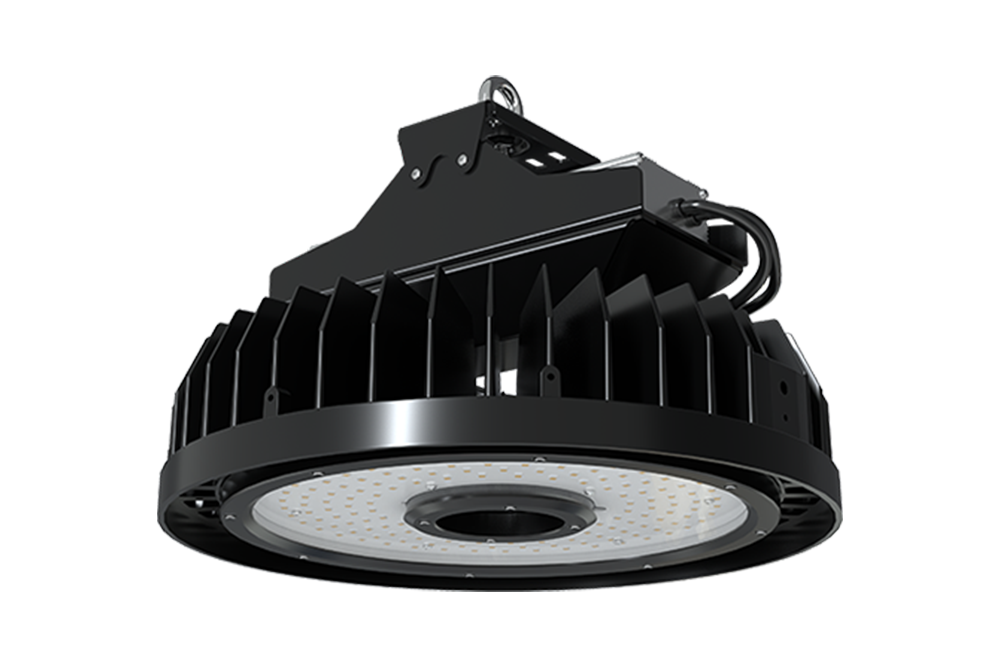
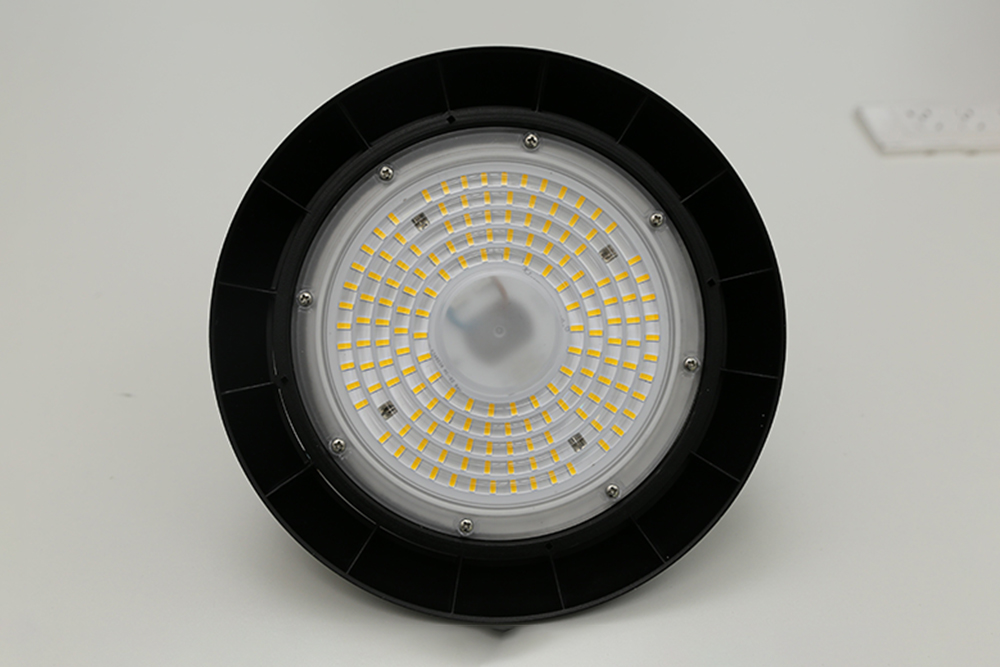
XJ-HBS150W Replaces 600W Metal Halide Lighting in Factory
311Factory lighting upgrade using XJ-HBS150W high bays to replace 600W metal halide lamps, achieving over 75% energy savings after redesign and on-site testing.
View detailsSearch the whole station
This question usually comes up when a building sits somewhere in between. The ceiling isn’t low, but it’s not extremely high either. So people ask: what is the minimum height for high bay LED lighting, and when does low bay lighting make more sense?
The answer is less about labels and more about how the light behaves in the space.
In most practical installations, the minimum mounting height for high bay LED lighting is around 6 meters (20 feet).
Below this height, high bay fixtures tend to:
At 5 meters or less, the fixture is usually doing the job of a low bay, even if it’s technically called a “high bay.”
High bay LED lights are designed with optics meant to spread light from higher elevations. When they are mounted too low, those optics don’t have enough distance to blend properly.
From SEEKINGLED project experience, once mounting height drops below about 6 m:
That’s usually when we recommend switching fixture type rather than forcing a high bay into the space.
In warehouses, the question is often tied to racking height rather than ceiling height.
Typical guidance:
If racks are tall and the working plane is elevated, a high bay can still make sense at the lower end of this range. But it needs careful beam selection.
They can, but it’s rarely ideal.
We’ve seen high bays installed at 5 m or even lower. The result is usually:
At that point, the system is being corrected after the fact. Choosing the right fixture from the start is simpler.
A simple rule used in many SEEKINGLED projects:
This isn’t a strict standard, but it avoids most common mistakes and keeps glare under control.
When people ask what is the minimum height for high bay LED lighting, they’re usually trying to reuse an existing product. In practice, lighting works better when the fixture matches the space, not the other way around.
Height sets the boundary. Everything else—wattage, spacing, optics—comes after.
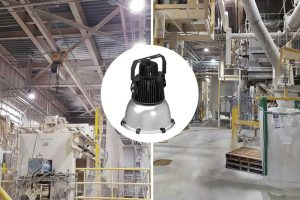
Factory lighting upgrade using XJ-HBS150W high bays to replace 600W metal halide lamps, achieving over 75% energy savings after redesign and on-site testing.
View details
Discover hazardous area led lighting for Zone 1 and Zone 2 applications. Learn certifications, Ex ratings, LED benefits, and industrial safety requirements.
View details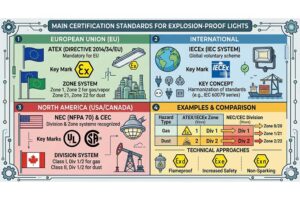
Discover what are the main certification standards for explosion proof lights, including ATEX, IECEx, UL844, and NEC Class/Division. Ensure safety and compliance worldwide.
View details
What metal is used to cast explosion proof lights? Learn which metals are approved, why aluminum alloy is preferred, and how material choice affects safety.
View details