 Seeking LED
Explosion Proof Temporary Lighting: Safe Illumination for Hazardous Worksites
0Explosion proof temporary lighting for hazardous zones. Learn how certified portable systems ensure safe shutdowns, maintenance, and emergency operations.
View detailsSearch the whole station
What Is Portable Explosion Proof Lighting?
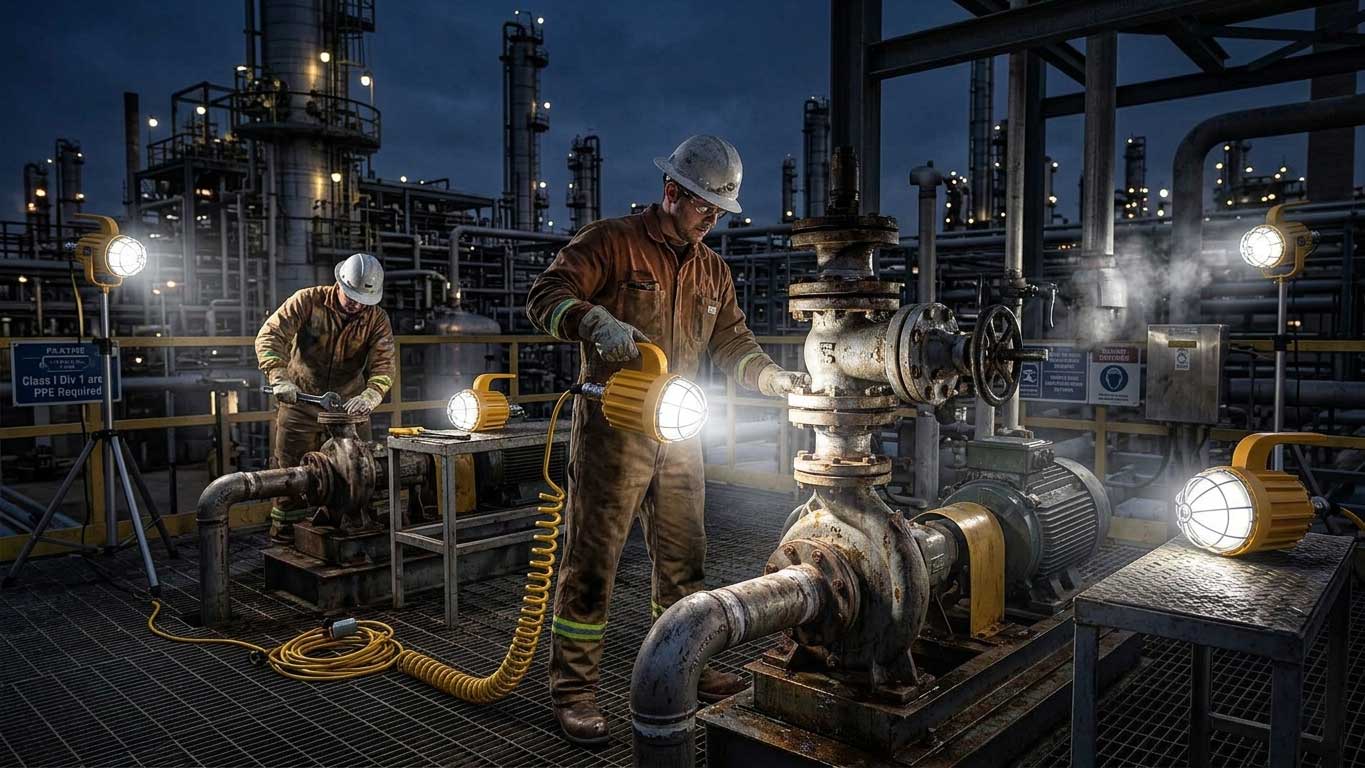
Portable explosion proof lighting is a movable lighting system specifically engineered for hazardous locations where flammable gases, vapors, combustible dust, or fibers may be present. These lights are certified to prevent ignition sources and provide safe illumination during maintenance, inspections, shutdowns, and emergency operations.
I learned this lesson firsthand while visiting an oil terminal maintenance project along the Gulf Coast. The crew had excellent fixed hazardous-area lighting installed throughout the facility. Yet when technicians opened equipment housings and entered confined spaces, fixed lighting was no longer enough.
What they relied on instead were portable explosion proof lighting systems—temporary, rugged, certified luminaires that could be moved exactly where work was happening.
Without them, inspections would have slowed dramatically. More importantly, safety risks would have increased.
Industrial facilities rarely stay static.
Workers inspect pumps.
Open valves.
Repair motors.
Enter tanks.
Access cable trenches.
Investigate leaks.
All of these activities happen away from permanently installed fixtures.
Portable explosion proof lighting fills that gap.
Unlike standard portable work lights sold in hardware stores, hazardous-area portable lighting is designed to ensure that sparks, excessive temperatures, or electrical faults cannot ignite surrounding explosive atmospheres.
According to the U.S. Occupational Safety and Health Administration (OSHA), ignition sources such as electrical equipment remain a significant concern in hazardous locations where combustible materials are present.
Source: OSHA Hazardous Locations
Website: https://www.osha.gov
URL: https://www.osha.gov/laws-regs/regulations/standardnumber/1910/1910.307
Portable hazardous-area lighting appears in far more industries than most people realize.
Common applications include:
Workers frequently need temporary lighting during turnarounds and inspections.
Chemical processing facilities often contain volatile vapors.
Portable lighting helps illuminate:
while maintaining hazardous-area compliance.
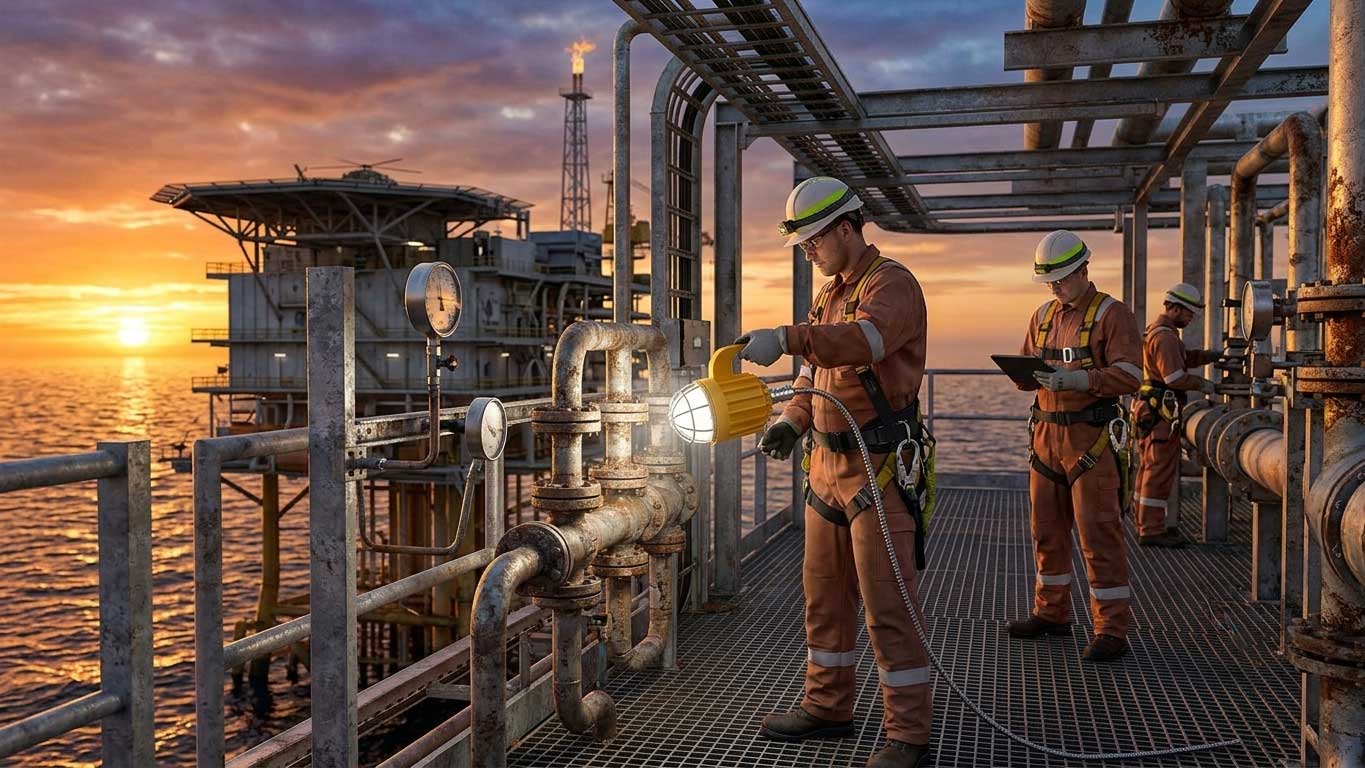
Saltwater environments present additional challenges.
Portable explosion proof lighting helps crews perform:
under harsh environmental conditions.
Many buyers mistakenly compare hazardous-area lighting to ordinary portable floodlights.
That comparison falls apart quickly.
Portable explosion proof lights typically carry certifications such as:
| Standard | Region |
|---|---|
| ATEX | European Union |
| IECEx | International |
| UL844 | North America |
| CSA | Canada |
Certification verifies that equipment has been tested for hazardous environments.
Typical features include:
These features matter because hazardous locations are rarely clean indoor spaces.
They’re often wet.
Dirty.
Corrosive.
And mechanically demanding.
One overlooked design element is temperature control.
According to the European Commission’s ATEX guidance, equipment used in explosive atmospheres must maintain surface temperatures below ignition thresholds of surrounding materials.
Source: European Commission ATEX Directive
Website: European Commission
URL: https://single-market-economy.ec.europa.eu
This is why quality explosion proof luminaires invest heavily in thermal management.
The two terms are often confused.
They are not identical.
| Feature | Portable Explosion Proof Lighting | Intrinsically Safe Lighting |
|---|---|---|
| Protection Method | Contains internal explosion | Limits electrical energy |
| Light Output | High | Usually lower |
| Area Coverage | Large work areas | Personal tasks |
| Typical Use | Maintenance and inspections | Handheld devices |
In practice, many facilities use both.
Large portable explosion proof lights illuminate the workspace.
Intrinsically safe flashlights assist technicians performing close-up inspections.
After evaluating hazardous-area lighting projects for years, I usually focus on six practical criteria.
Never purchase lighting before confirming:
depending on the site requirement.
Portable maintenance tasks often require:
The correct level depends on working distance and task complexity.
For battery-powered models, runtime matters more than peak brightness.
A light that lasts 12 hours often delivers more value than one producing maximum output for only two hours.
Look for:
Workers appreciate:
The best portable lighting systems are the ones crews actually want to use.
Many LED floodlights are not certified for hazardous areas.
This is one of the most dangerous misconceptions in industrial lighting.
An offshore platform can destroy poorly protected fixtures surprisingly fast.
Salt spray never takes a day off.
Wattage alone tells very little.
Beam angle, optical efficiency, mounting height, and actual lumen output are far more important.
Yes. Many certified models are specifically engineered for offshore environments and feature corrosion-resistant housings, marine-grade coatings, and stainless-steel hardware.
Some are battery powered, while others operate through AC power supplies. Battery-powered units are particularly useful during shutdowns and emergency response situations.
The answer depends on location:
Quality LED systems often exceed 50,000 operating hours.
According to the U.S. Department of Energy, LED technology can significantly outlast traditional lighting technologies while reducing maintenance requirements.
Source: U.S. Department of Energy
Website: energy.gov
URL: https://www.energy.gov
Most industrial-grade models are rated IP66 or IP67, providing strong protection against dust ingress and water exposure.
Visit the product page:Portable Explosion Proof Lighting
When people ask, “What Is Portable Explosion Proof Lighting?”, the simplest answer is this: it is the lighting workers depend on when hazardous-area tasks move beyond the reach of fixed fixtures.
In refineries, chemical plants, offshore platforms, marine terminals, and confined-space operations, portable explosion proof lighting provides the flexibility that permanent systems cannot. The best solutions combine certified hazardous-area protection, reliable LED performance, rugged construction, and practical portability—qualities that have made modern portable explosion proof lighting an essential safety tool across industrial operations worldwide.
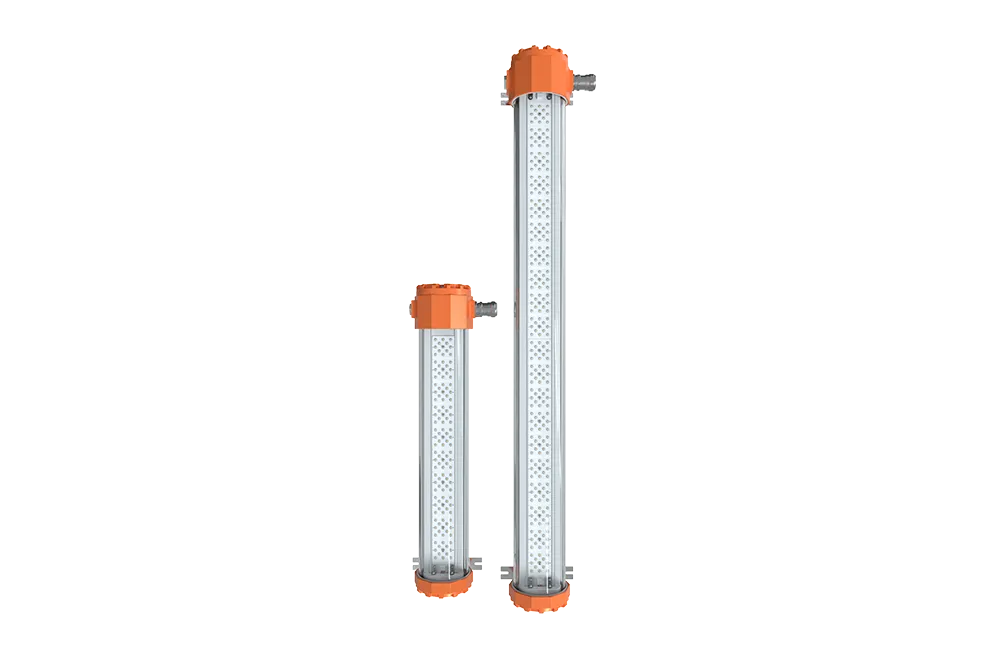
SEEKINGLED LED Linear Explosion Proof Light and Explosion Proof lighting is ATEX and IECEx certified for Zone 1, Zone 2, Zone 21 and Zone 22 hazardous locations, built for long-term industrial use.
View details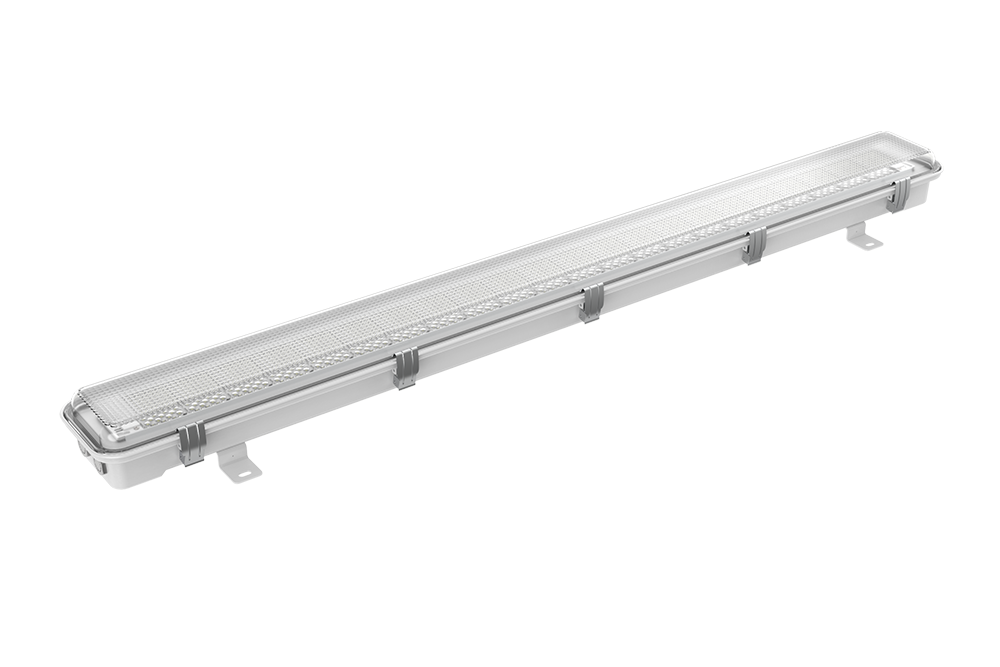
LED Linear Explosion Proof Lights and EX Proof lights for Zone 1, Zone 2, Zone 21 and Zone 22 hazardous areas. ATEX & IECEx certified explosion proof LED linear lighting with emergency function, adjustable power and IP67 protection by SEEKINGLED.
View details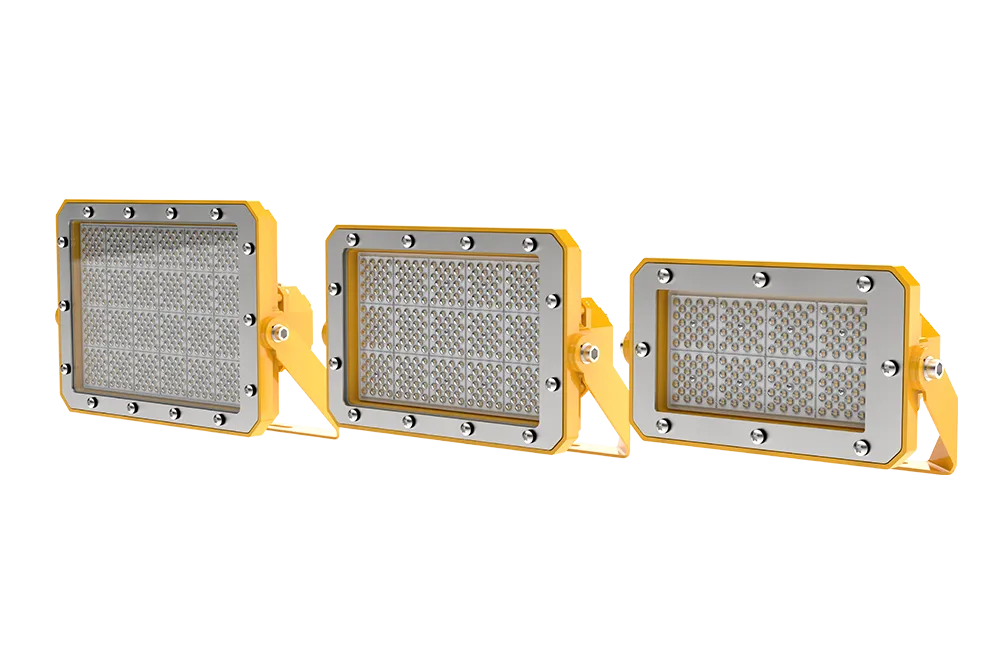
SEEKINGLED LED Explosion Proof Flood Lights are ATEX certified for Zone 2 and Zone 22 hazardous areas, offering high efficiency, adjustable power and integrated junction box.
View details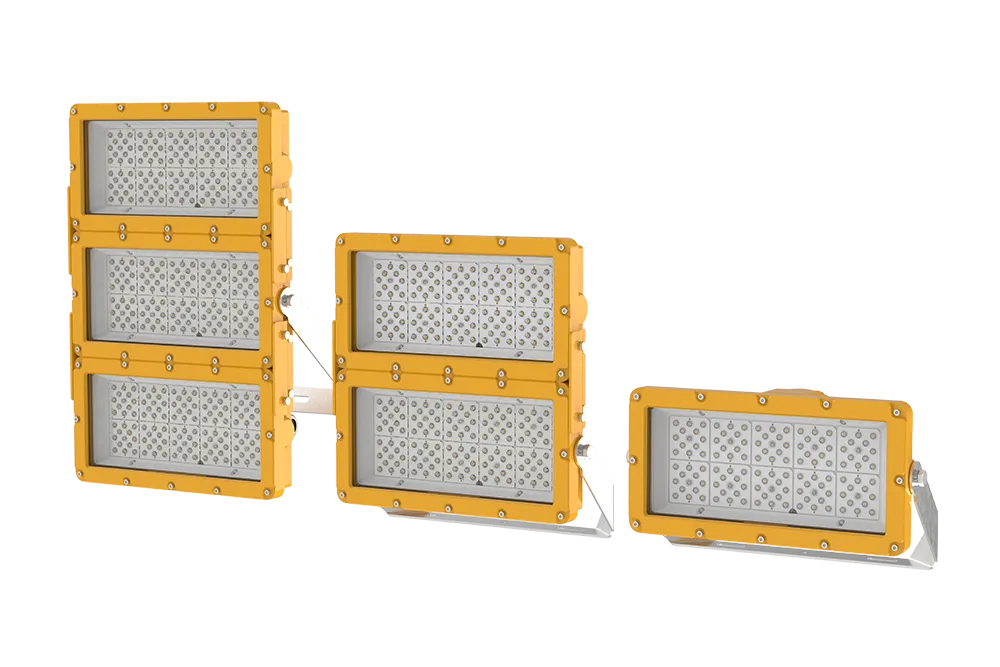
SEEKINGLED LED Explosion Proof Flood Lights are flameproof ATEX and IECEx certified for Zone 1 and Zone 2 hazardous areas, offering high power, adjustable output and long service life.
View details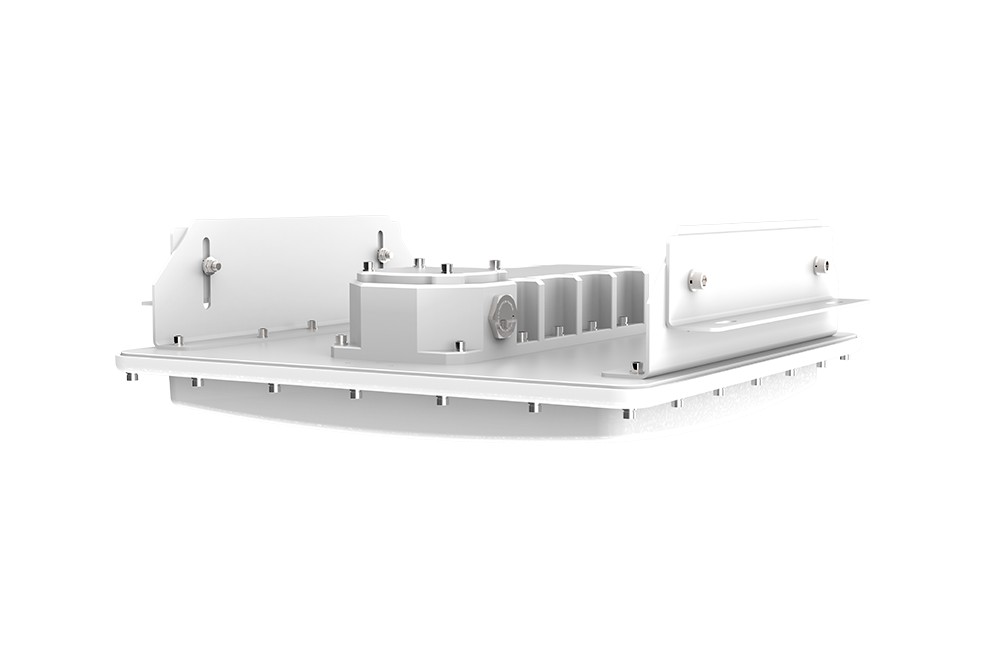
SEEKINGLED LED Gas Station Canopy Lights are ATEX certified for Zone 2 and Zone 22 hazardous areas, featuring adjustable power and built-in explosion-proof junction box.
View details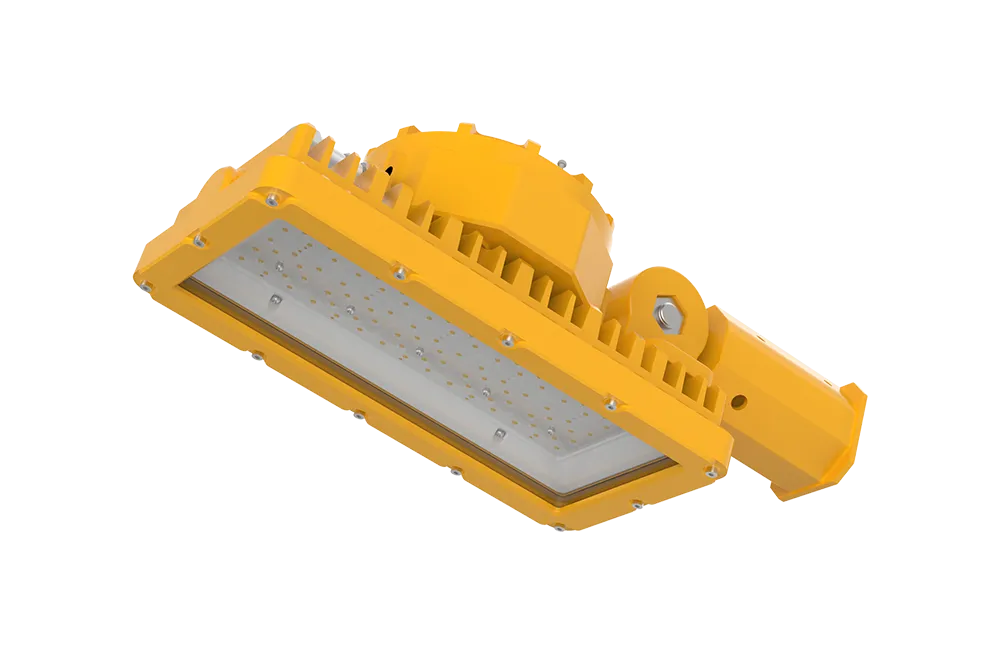
ATEX: Ex II 2G Ex db IIB T6/T5 GbEx II 2D Ex tb IIIC T80°C/ T95°C Db IECEx Ex db IIB T6 Gb;Ex tb IIIC T80°C Db Feature: ● For Zone 1,2 and Zone 21,22● Flameproof type, the strongest● 100W can replace 250W HID,energy saving● Power:60W,80W,100W Application: Oil and gas, marine, Chemical, pharmaceutical, semiconductor,mining,military industr…
View details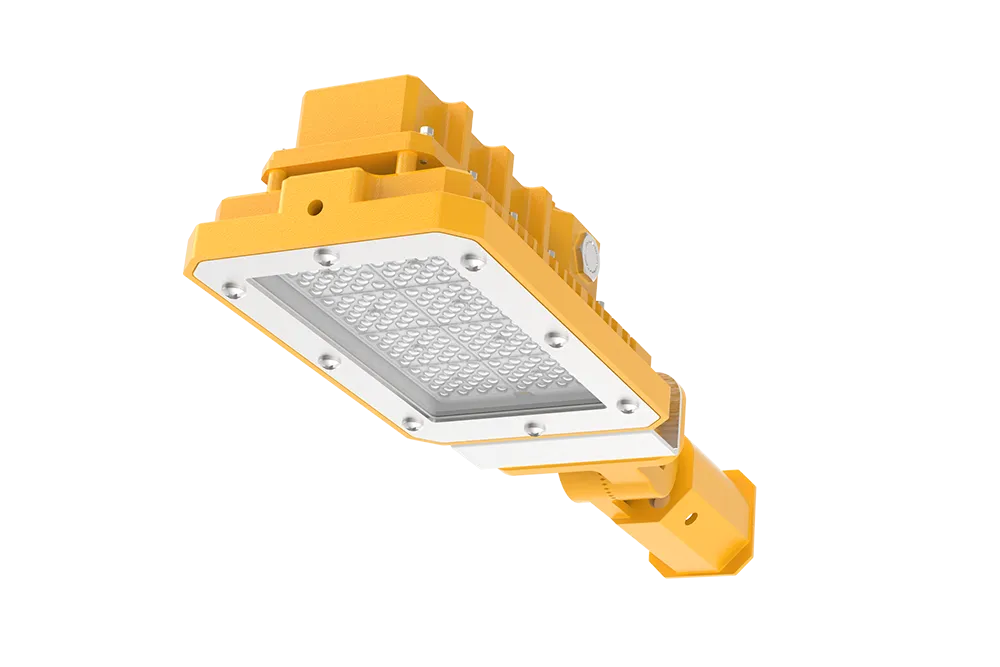
ATEX: II 3G Ex nR ⅡC T5/T6 GcII 3D Ex tc ⅢC T80℃/T95℃Dc ATEX Certificate NO: TÜV CY 26 ATEX 0207611 X Feature: ● For Zone 2 and Zone 22● 150W can replace 250W HID lamps,Energy saving● Power:50W,75W,100W,150W,200W Application: Oil and gas, marine, Chemical, pharmaceutical, semiconductor,mining,military industry, paint booth,power plant ETC…
View details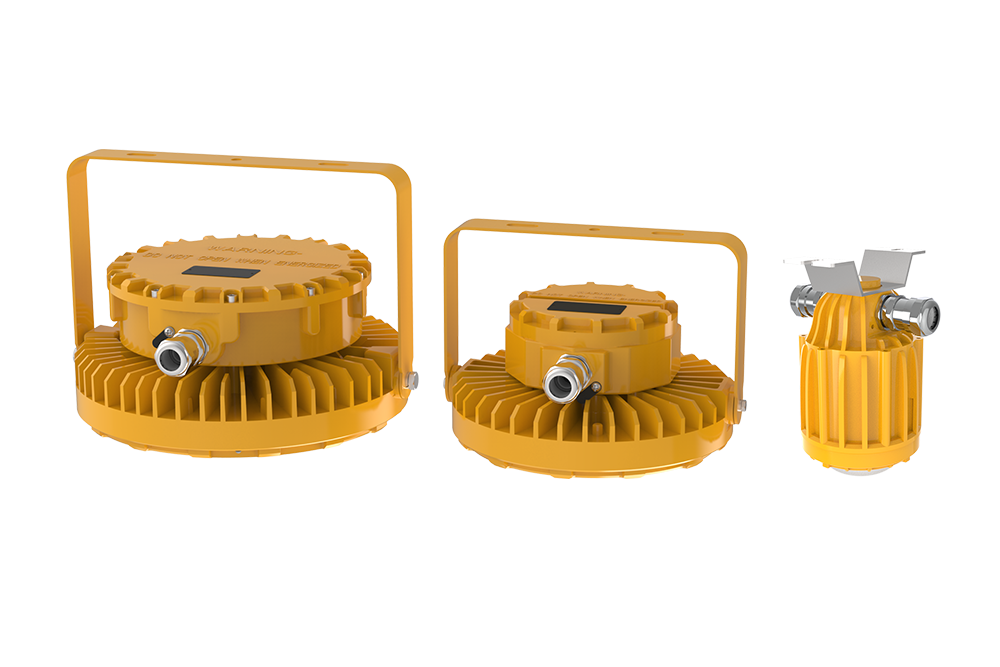
LED explosion proof high bay lights are designed for Zone 1, Zone 2, Zone 21 and Zone 22 hazardous areas. This page introduces the HB21 Series from SEEKING, including certifications, power options and real application considerations.
View details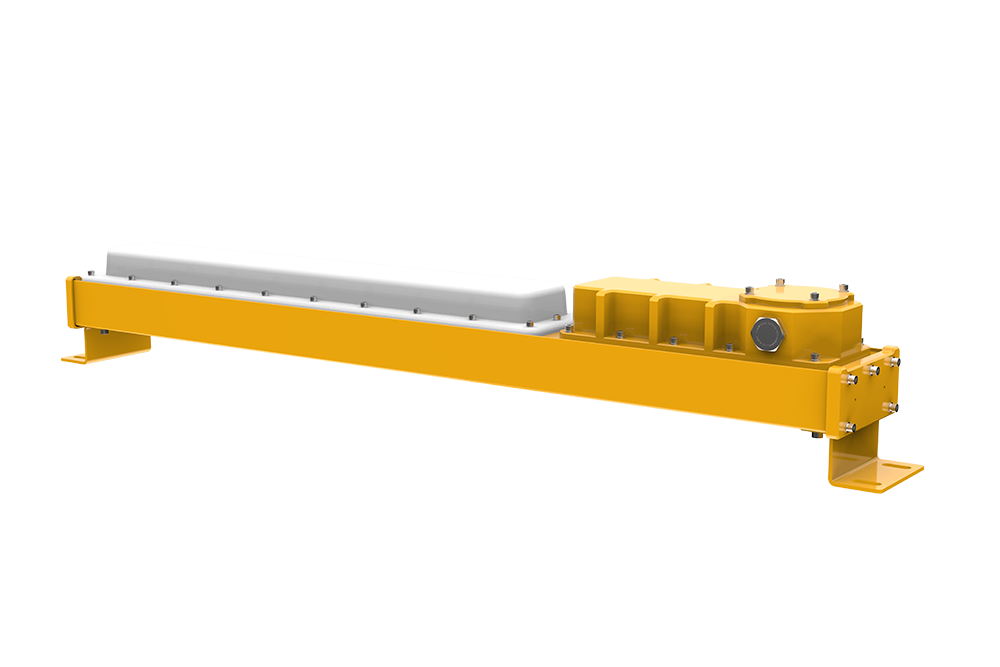
LED Linear Explosion Proof Lights from SEEKINGLED. LU Series Flame Proof lights ATEX-certified explosion proof LED linear lighting for Zone 2 gas and Zone 22 dust areas, IP69K, IK10, long lifetime and flexible power options.
View details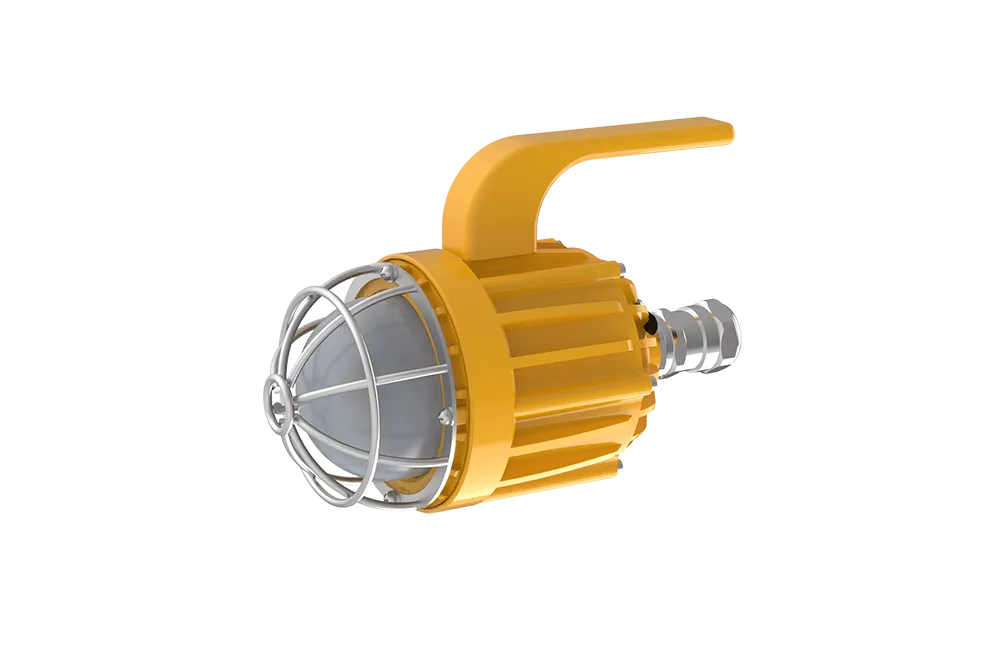
Certified explosion proof work lights for Zone 1 & 21 hazardous areas. Portable, ATEX & IECEx approved, built for oil, gas and chemical plants by SEEKINGLED.
View details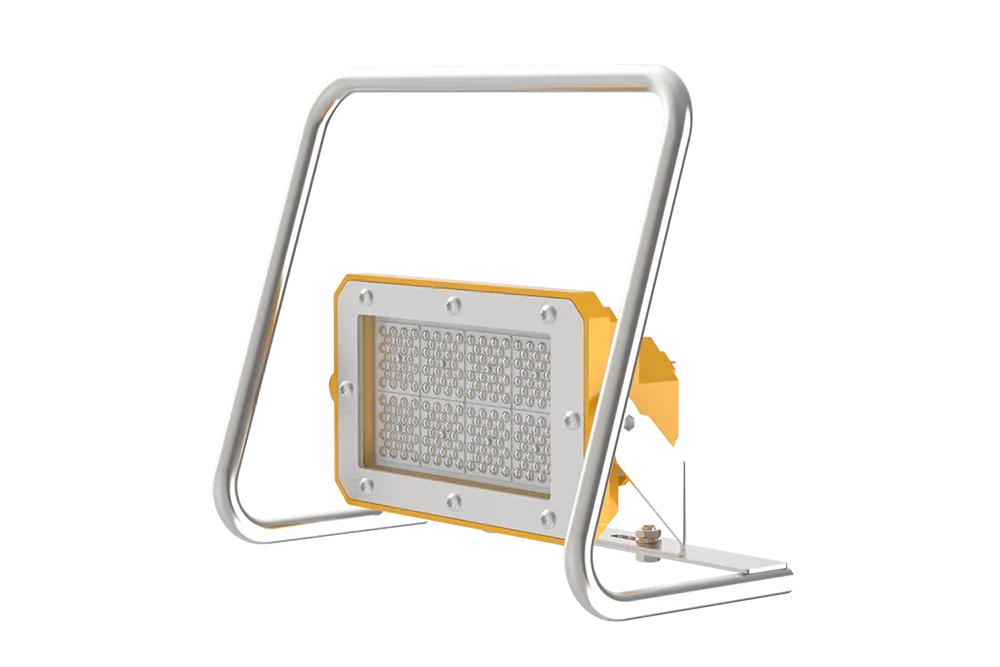
ATEX: II 3G Ex nR ⅡC T6 GcII 3D Ex tc ⅢC T80℃ Dc ATEX Certificate NO: TÜV CY 26 ATEX 0207611 X Feature: ● For Zone 2 and Zone 22● Accepts battery-powered supply● indestructible● Power:AC input:50W,75W,100WDC input:15W,25W,35W Application: Oil and gas, marine, Chemical, pharmaceutical, semiconductor,mining,military industry, paint booth,po…
View details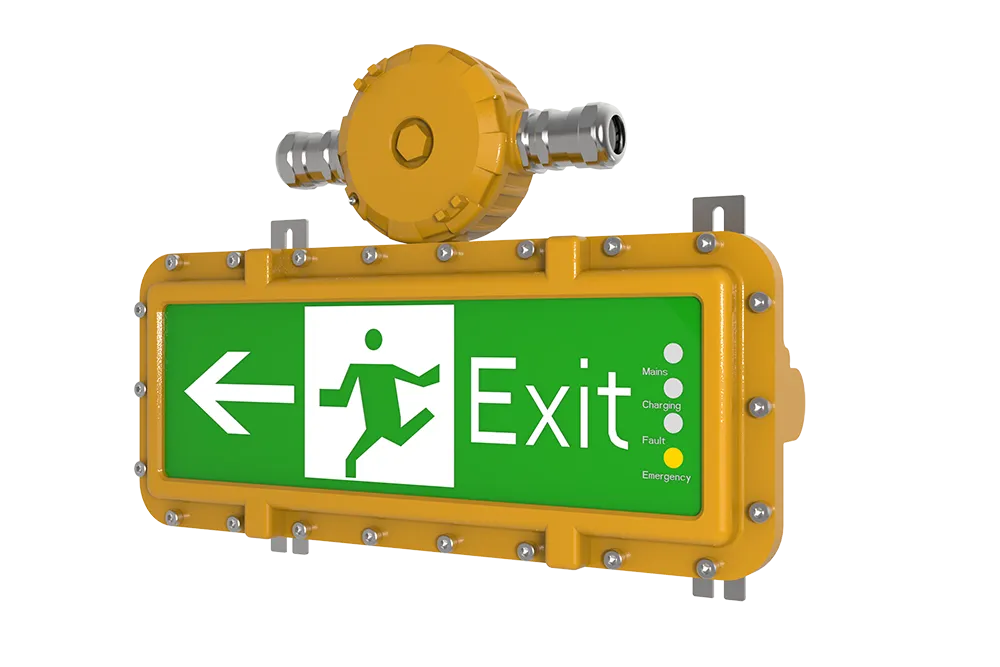
ATEX: Ex II 2G Ex db IIB T6 GbEx II 2D Ex tb IIIC T80°C Db IECEx Ex db IIB T6 Gb;Ex tb IIIC T80°C Db Feature: ● For Zone 1,2 and Zone 21,22● Flameproof type, the strongest Application: Oil and gas, marine, Chemical, pharmaceutical, semiconductor,mining,military industry, paint booth,power plant ETC hazardous area. Technical Specifications:…
View details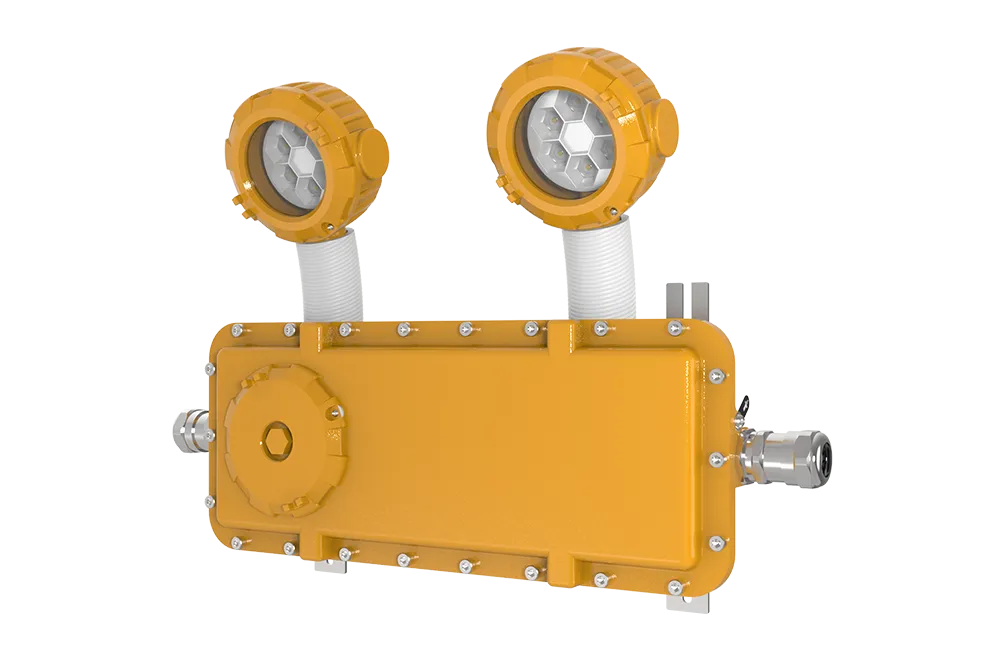
ATEX: Ex II 2G Ex db IIB T6 GbEx II 2D Ex tb IIIC T80°C Db IECEx Ex db IIB T6 Gb;Ex tb IIIC T80°C Db Feature: ● For Zone 1,2 and Zone 21,22● Flameproof type, the strongest Application: Oil and gas, marine, Chemical, pharmaceutical, semiconductor,mining,military industry, paint booth,power plant ETC hazardous area. Technical Specifications:…
View details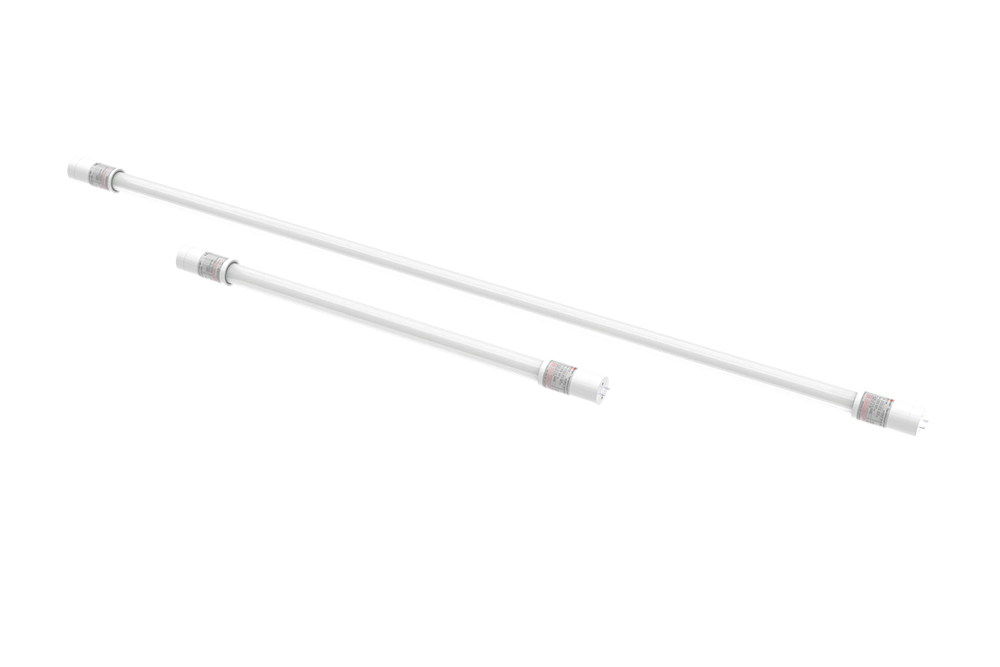
ATEX: Ex II 2G Ex d e IIB T6 Gb ATEX: Ex d e IIB T6 Gb; Feature: ● For Zone 1,2● 9W can replace 18W fluorescent lamps,50% Energy saving Application: Oil and gas, marine, Chemical, pharmaceutical, semiconductor,mining,military industry, paint booth,power plant ETC hazardous area. Technical Specifications: Standards:60079-0, 60079-1, 60079…
View details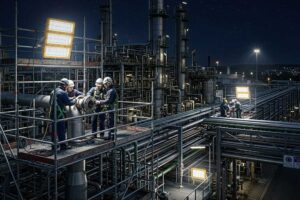
Explosion proof temporary lighting for hazardous zones. Learn how certified portable systems ensure safe shutdowns, maintenance, and emergency operations.
View details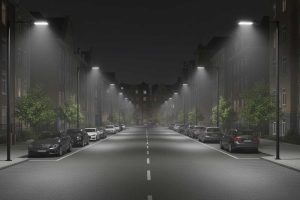
How long do LED street lights last in real outdoor projects? Learn what affects LED street light lifespan and how SEEKINGLED STB Series is designed for long-term road lighting.
View details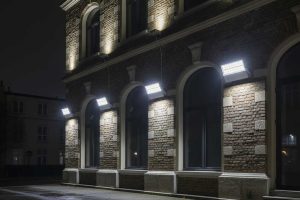
Are LED flood lights as bright as halogen? Compare lumen output, beam performance, and real-world brightness to see how modern LED flood lights replace halogen lighting.
View details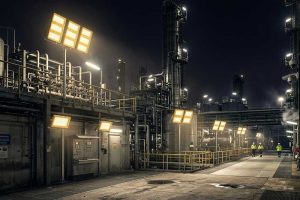
ATEX flood light for hazardous zones. Learn certifications, lumen output, installation tips, and how to choose a reliable explosion-proof LED solution.
View details