What metal is used to cast explosion proof lights?
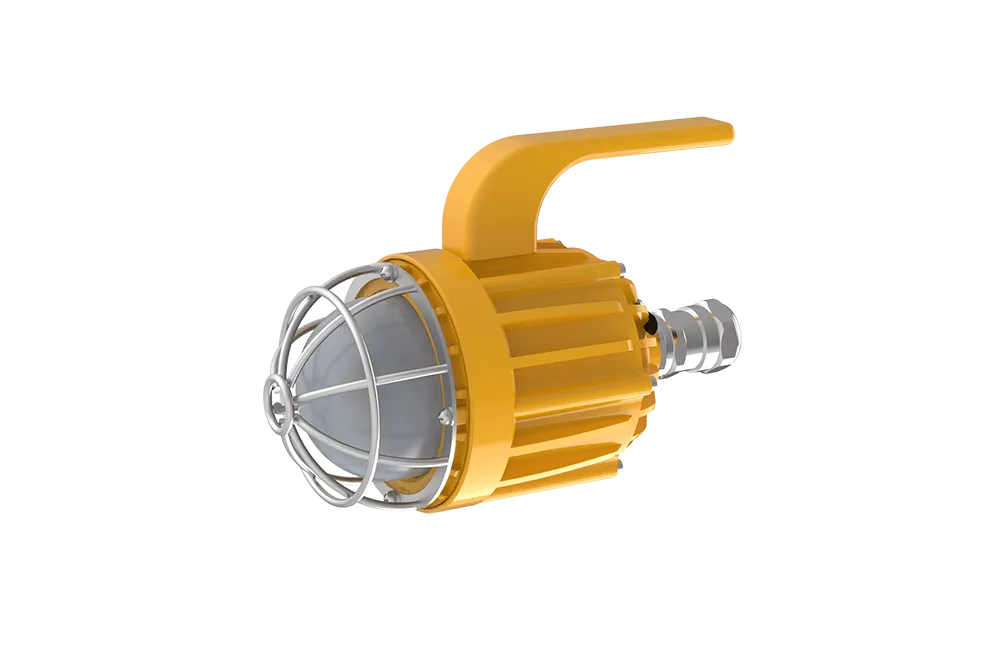
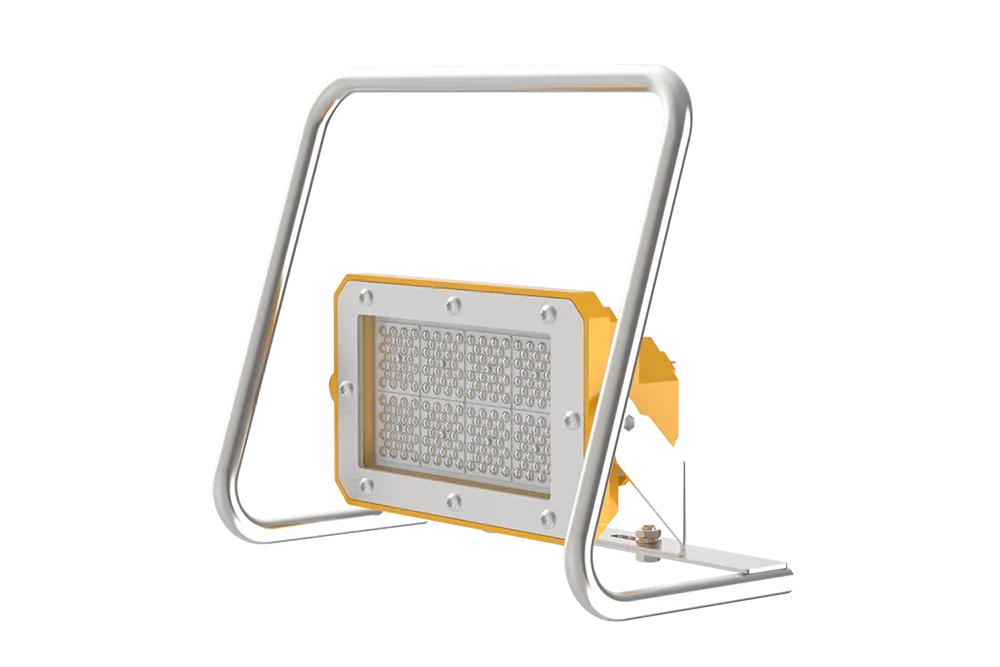
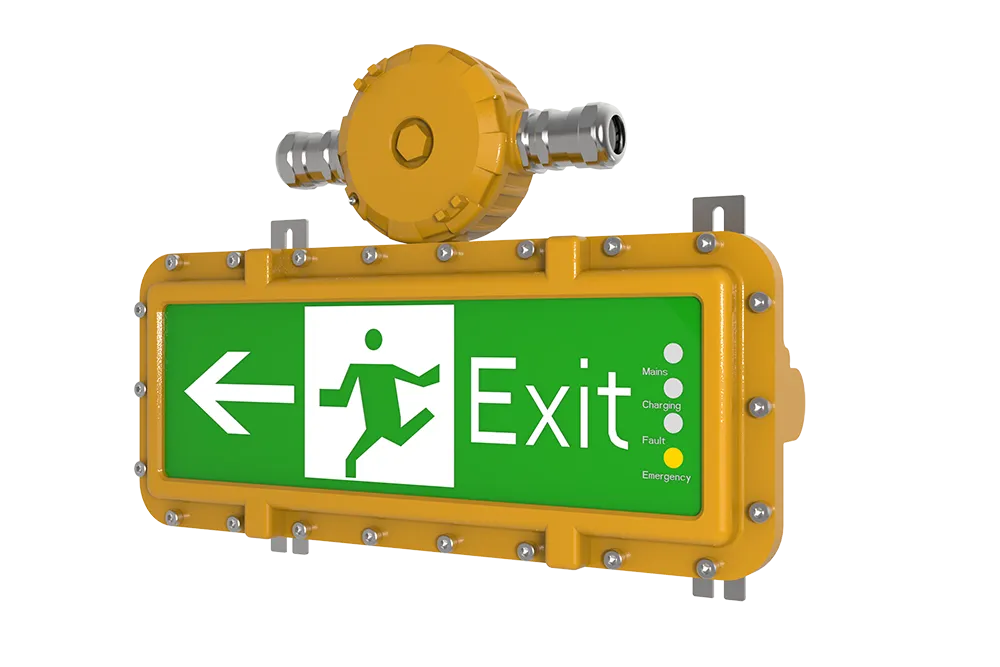
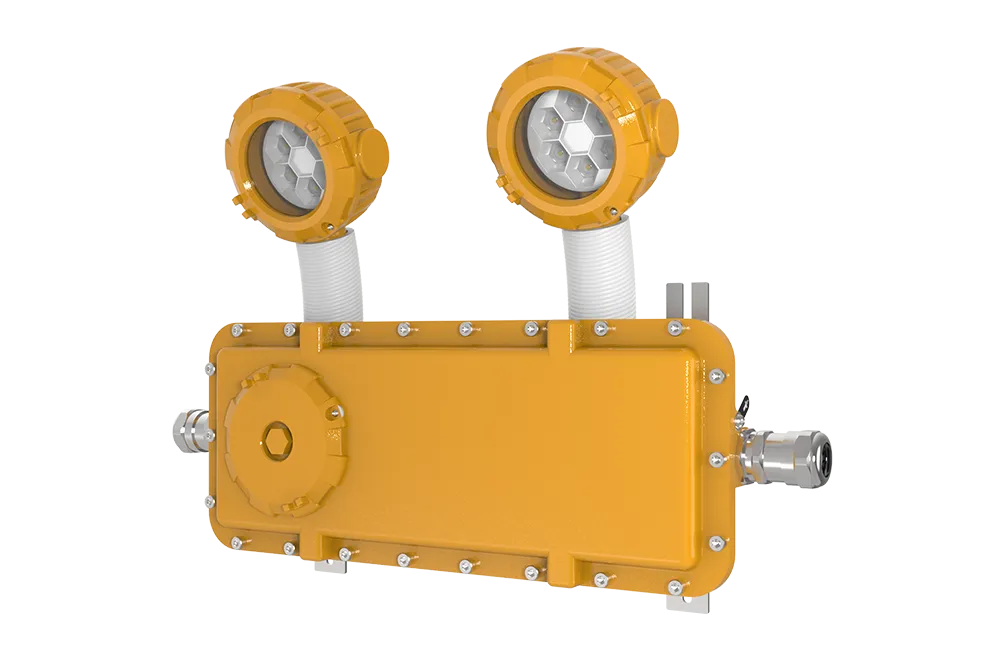
What metal is used to cast explosion proof lights depends on the protection concept, environment, and certification requirements. In most industrial applications, the primary material is high-strength aluminum alloy. In special conditions, stainless steel is also used.
These metals are chosen not for appearance, but for how they behave under pressure, heat, and mechanical stress.
At SEEKINGLED, material selection is treated as a safety decision, not a cosmetic one.
Why is aluminum alloy the most common choice?
Aluminum alloy is widely used because it offers a balance that few other metals can match.
It provides:
- High mechanical strength with relatively low weight
- Good thermal conductivity for heat dissipation
- Excellent machinability for precise flame paths
- Proven performance in ATEX and IECEx testing
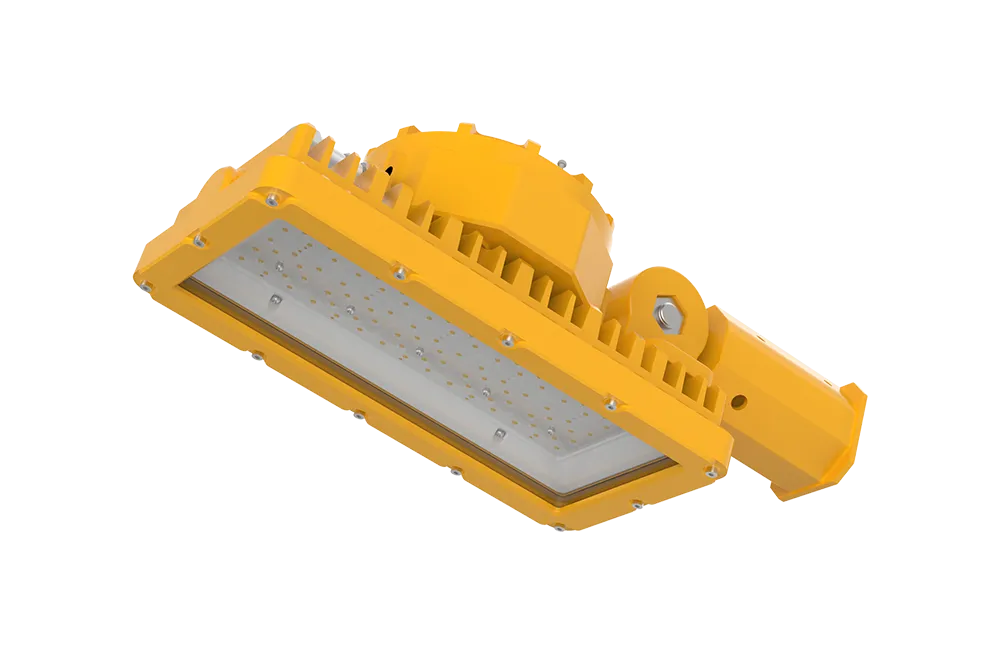
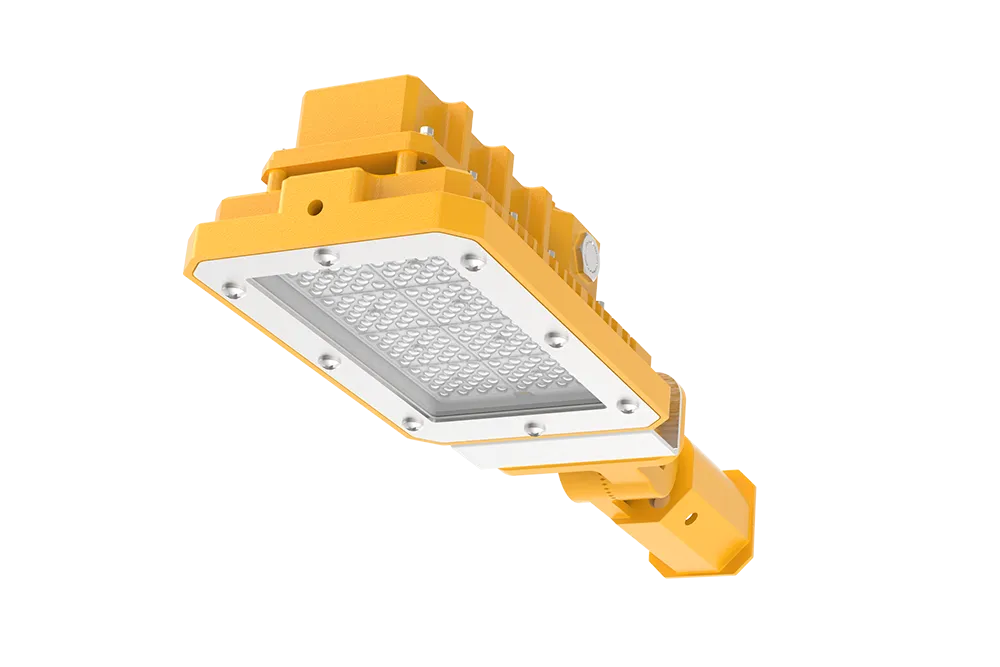
Most explosion proof light housings are cast from aluminum alloy and then CNC-machined to achieve exact joint tolerances.
Does aluminum alloy affect explosion containment?
Yes, directly.
When an internal ignition occurs, the housing must withstand sudden pressure without cracking or deforming. Aluminum alloy has enough elasticity to absorb shock while maintaining structural integrity.
Equally important, it allows precise flame path machining, which helps cool escaping gases before they reach the outside atmosphere.
What type of aluminum alloy is typically used?
Manufacturers do not use standard construction aluminum.
Explosion proof lights usually rely on:
- High-silicon aluminum alloys
- Alloys designed for casting strength and density
- Materials with controlled grain structure
These alloys are selected to minimize porosity, which is critical for pressure resistance and long-term durability.
When is stainless steel used instead?
Stainless steel explosion proof lights are used in more aggressive environments.
Typical applications include:
- Offshore oil and gas platforms
- Chemical plants with strong corrosive agents
- Food and pharmaceutical facilities requiring wash-down
Stainless steel offers superior corrosion resistance and mechanical strength, but it is heavier and more expensive to machine.
SEEKINGLED offers stainless steel options when project conditions justify the material.
Why are lighter metals like plastic or magnesium not suitable?
Plastic cannot meet flameproof pressure requirements. It may melt, crack, or deform during fault conditions.
Magnesium alloys are avoided because they can ignite under high temperature and impact, which defeats the purpose of explosion protection.
Certified explosion proof standards strictly limit acceptable materials.
Does the metal choice affect temperature classification?
Yes.
Metal housings play a major role in controlling surface temperature. Aluminum alloy helps transfer heat away from LED components, supporting lower temperature classes such as T6.
Poor thermal performance can disqualify a light from hazardous-area use, even if the electronics are efficient.
Is coating or surface treatment important?
Very.
After casting and machining, explosion proof lights often receive:
- Anti-corrosion powder coating
- Anodizing or chemical treatment
- Salt spray resistance testing
These treatments protect the metal over years of exposure without interfering with flame paths or certification.
Are all aluminum explosion proof lights equal?
No.
Two lights made from aluminum alloy can perform very differently depending on:
- Casting quality
- Porosity control
- Machining accuracy
- Assembly discipline
This is why certification and manufacturing experience matter.
SEEKINGLED controls these factors through standardized production and third-party testing.
How does material choice affect installation and maintenance?
Lighter aluminum alloy fixtures are easier to install at height and reduce structural load. Stainless steel units are heavier but offer longer service life in corrosive zones.
Choosing the right metal helps avoid premature replacement and inspection failures.
Why should buyers care about casting material?
Because material choice affects:
- Explosion containment
- Thermal stability
- Corrosion resistance
- Long-term safety
Understanding what metal is used to cast explosion proof lights helps buyers make informed decisions instead of relying on labels alone.
LED Explosion proof lights Recommendations
 Seeking LED