Short answer: it depends on wattage. But that’s not where people usually get it wrong.
The real mistakes happen in wiring, assumptions, and “it should be fine” thinking.
I’ve wired enough 12V systems—RVs, off-grid sheds, small boats—to know this: if you misjudge current draw, you don’t get a warning. You get dim lights, hot cables… or nothing at all.
The Basic Formula (But Don’t Stop Here)
If you remember one thing, it’s this:
Amps = Watts ÷ Volts
At 12V, that becomes:
12W light → 1 amp
24W light → 2 amps
60W light → 5 amps
Simple math. No tricks.
The U.S. Department of Energy confirms LED systems are highly efficient, but efficiency doesn’t change the basic electrical relationship. Power still has to come from somewhere.
What It Looks Like in Real Installations
Numbers on paper feel clean. Real setups don’t.
I remember wiring a small off-grid cabin—three 12V LED flood lights, each rated at 20W.
On paper:
20W ÷ 12V = ~1.67 amps
3 lights = ~5 amps total
Looked easy.
But after installation? We measured closer to 5.6 amps under load. Why?
Voltage wasn’t exactly 12V (it rarely is)
Driver inefficiency
Cable resistance
Not a huge difference—but enough to matter if you sized everything too tightly.
Quick Reference Table (From Field Use)
Here’s what I actually use when estimating:
LED Power
Approx Current @12V
10W
~0.8–1.0 A
20W
~1.6–1.8 A
50W
~4.0–4.5 A
100W
~8.0–9.0 A
Notice those ranges. That’s intentional.
Because asking how many amps do 12 volt LED lights draw as a fixed number? That’s where people get burned.
The Detail People Skip: Voltage Isn’t Stable
In theory, it’s 12V.
In reality:
Fully charged battery → ~12.6–13.6V
Under load → can drop below 12V
Lower voltage = higher current draw for the same power.
The International Energy Agency highlights that system efficiency and losses become more visible in low-voltage setups. That’s exactly what happens here.
Where Problems Start Showing Up
1. Undersized Wiring
This is the classic mistake.
Someone calculates current perfectly… then runs thin cable over 10–20 meters.
Result:
Voltage drop
Lights dimming at the far end
Heat in the wire
I’ve seen cables warm to the touch in systems that “should have worked.”
2. Ignoring Startup Behavior
LEDs don’t surge like motors—but drivers can still create small spikes.
It’s subtle. But if your system is already near its limit, those spikes push it over.
3. Overloading Power Supplies
If your lights draw 10 amps total, don’t use a 10A power supply.
Give it breathing room.
I usually add at least 20–30% headroom. Not optional. Learned that the hard way.
Where SEEKINGLED Fits In
I’ve used different brands across 12V setups, and what I’ve noticed with SEEKINGLED is consistency.
Not flashy specs—consistent behavior.
Current draw stays close to rated values
No unexpected flicker under voltage fluctuation
Drivers handle real-world conditions better
In one RV install, swapping to SEEKINGLED units actually stabilized the system. Same wiring, same battery—just more predictable load.
That matters more than people think.
Real Scenario: When the Numbers Almost Failed
We had a small marine dock setup. Four 30W lights.
On paper:
30W ÷ 12V = 2.5A each
Total = 10A
System was designed for 10A.
That was the mistake.
Under real conditions, current peaked closer to 11–12A. Not dramatic—but enough to trip protection occasionally.
Fix?
Upgraded power supply
Slightly thicker cable
Problem gone.
So when someone asks how many amps do 12 volt LED lights draw, I don’t just give the formula anymore. I give the warning.
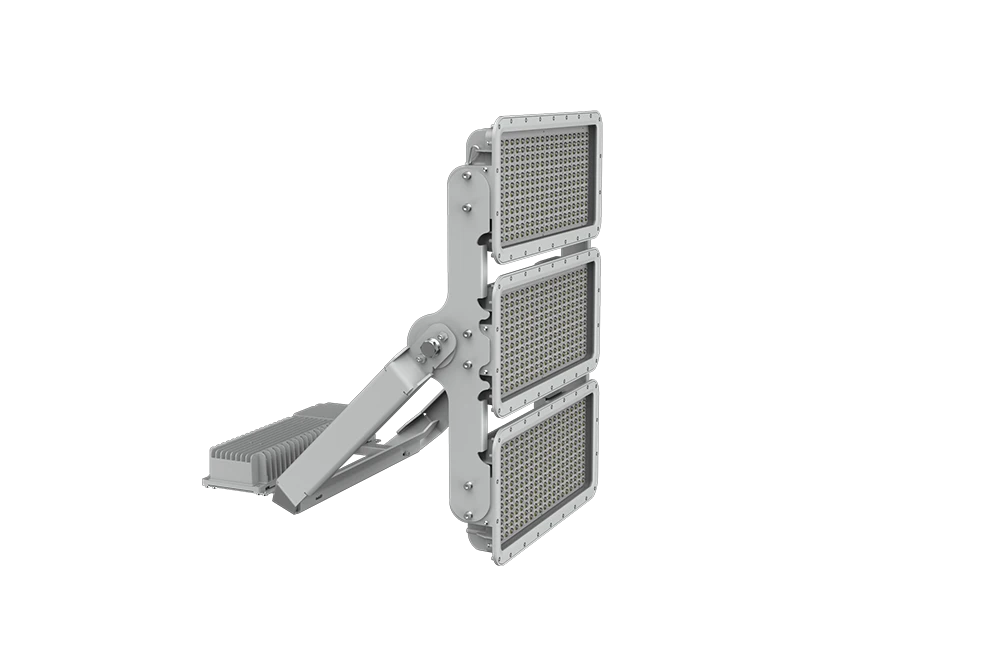
Ex proof flood light engineered for hazardous areas. Certified LED solutions for oil, gas and chemical sites. Discover durable, high-output lighting from SEEKINGLED.
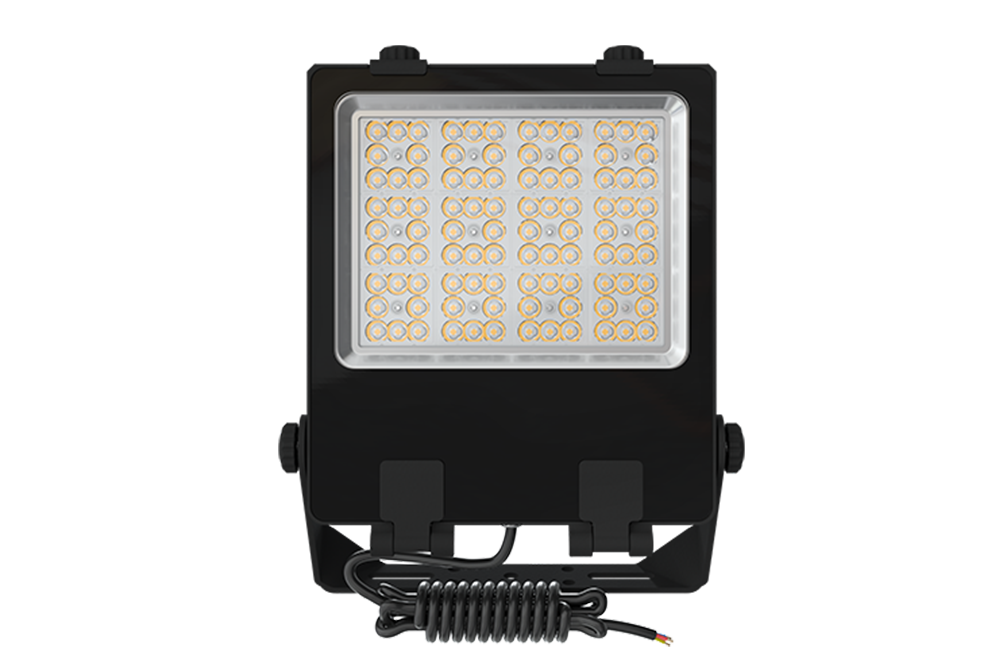
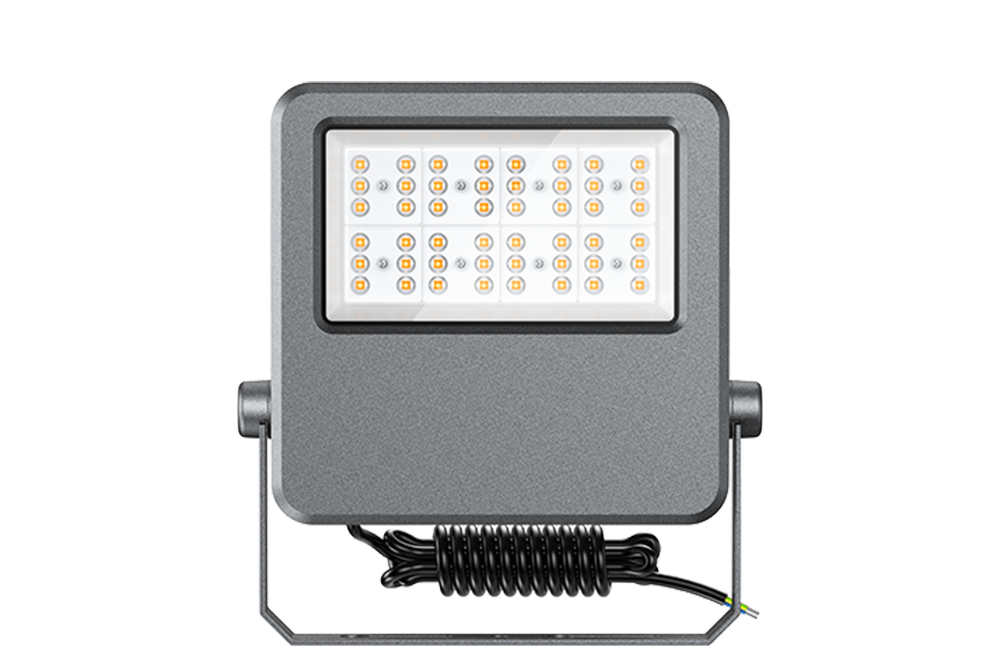
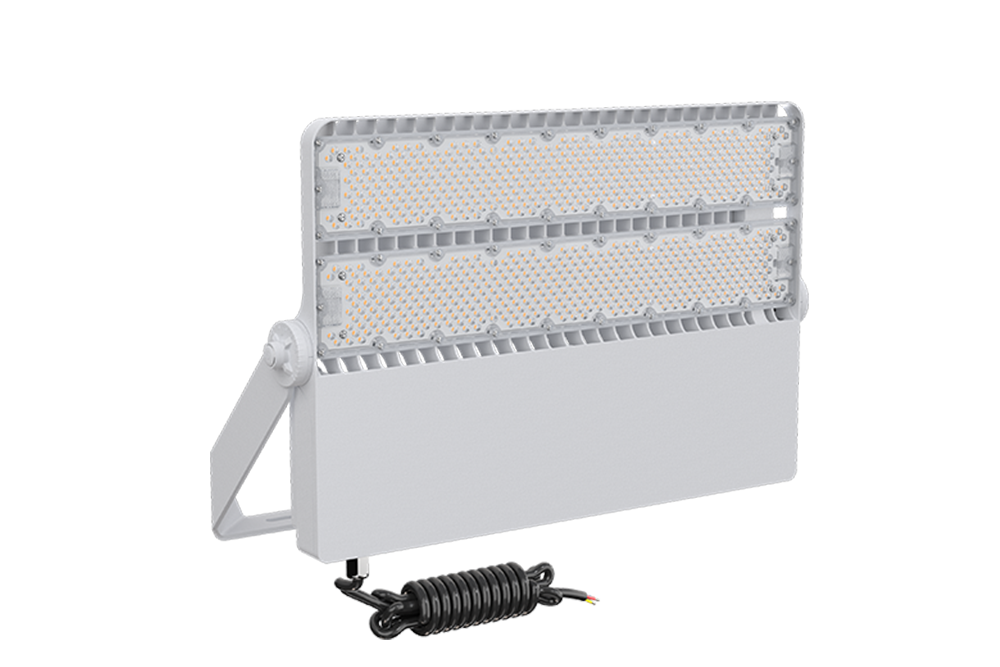
LED flood lamp 100W explained from real projects. Discover brightness, lifespan, and installation insights from SEEKINGLED for reliable outdoor lighting.
This engineering news article explains outdoor LED lighting installation and maintenance for industrial sites, covering real project experience with LED Street Light, LED Flood Light, Explosion Proof Light, and other SEEKINGLED outdoor lighting so...
 Seeking LED