 Seeking LED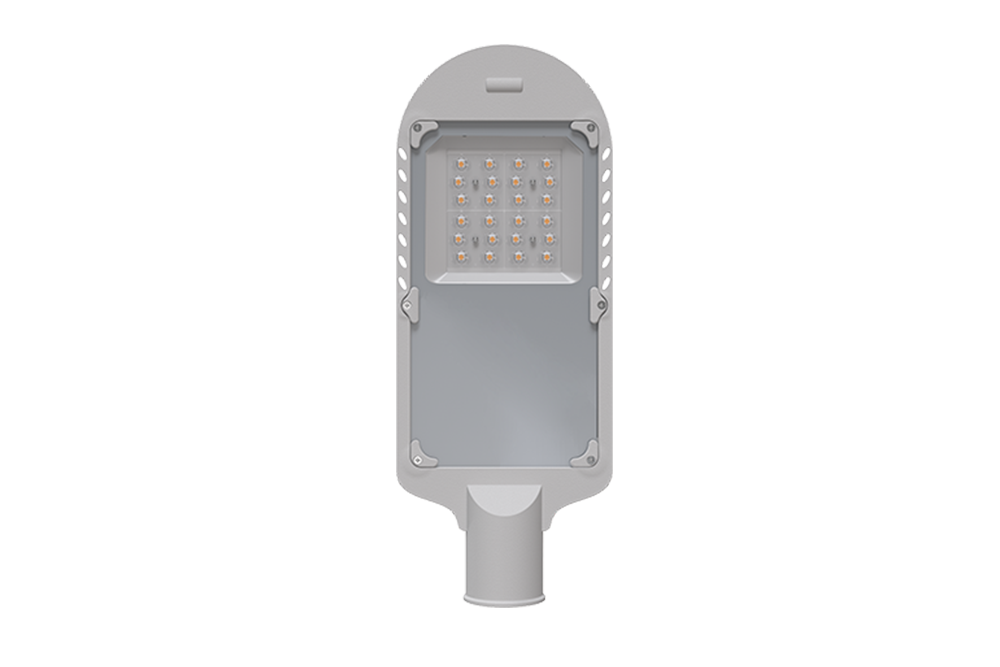
100W LED High Bay Light: Is It Really the Right Choice for Your Space?
156100w led high bay light is widely used in warehouses and workshops. See where it works best, where it doesn’t, and how to choose wisely.
View detailsSearch the whole station
You don’t need to be an engineer to notice it.
One block looks normal.
The next block feels strange.
The street is lit, but the color is off — purple, bluish-violet, sometimes almost neon.
So people start asking the same question online:
why are some LED street lights purple while others look fine?
This isn’t a coincidence, and it isn’t intentional design. It’s a technical issue that shows up in real streets, usually years after installation.
Some LED street lights turn purple because the phosphor layer inside the LED has degraded or failed.
That’s it. No mystery lighting program. No new color standard.
White LEDs are not naturally white. They are blue LEDs coated with a yellow phosphor. When the coating holds, you get clean white light. When it starts to break down, blue light dominates — and to human eyes, that imbalance shows up as purple.
I’ve stood under those lights during inspections. Same pole, same fixture, same brand batch — different color outcomes. That’s usually the clue.
This is where things get interesting.
If all LED street lights were failing the same way, nobody would ask why are some LED street lights purple. They’d all be purple.
In practice, color shift often happens because of:
Two lights installed the same night can age very differently. One stays white. One slowly slides into purple over time.
From a maintenance standpoint, that’s a headache.
Yes. And saying otherwise doesn’t help anyone.
Purple LED street lights are usually out of specification, especially for:
At SEEKINGLED, we treat visible color shift as an early failure indicator. Once phosphor degradation is visible, lumen depreciation and optical imbalance usually follow.
The light still turns on. But it’s no longer doing its job properly.
It can — and often does.
Purple or overly blue light:
This isn’t theoretical. Municipal feedback has forced early replacement projects in several regions after residents complained that streets felt “harder to see,” even though brightness levels tested fine.
Brightness alone doesn’t equal visibility.
This comes down to design discipline.
Reliable LED street lighting uses:
At SEEKINGLED, we’ve rejected LED batches that looked great at first but showed early color drift under heat stress. It costs more up front. It saves years of reputation damage later.
Purple streets are not a marketing problem. They’re an engineering one.
So, why are some LED street lights purple?
Because something inside those fixtures is breaking down — slowly, unevenly, and visibly.
Purple light isn’t innovation.
It’s a warning sign.
If you’re planning, buying, or maintaining LED street lights, color stability should matter as much as lumen output. Streets remember mistakes longer than spec sheets do.
SEEKING STL-Series LED street lights deliver stable performance, 170 lm/W efficiency and 10KV surge protection. Ideal for city streets, parking lots, public roads and outdoor area lighting projects. Durable IP66 & IK08 design for long-term reliabi…
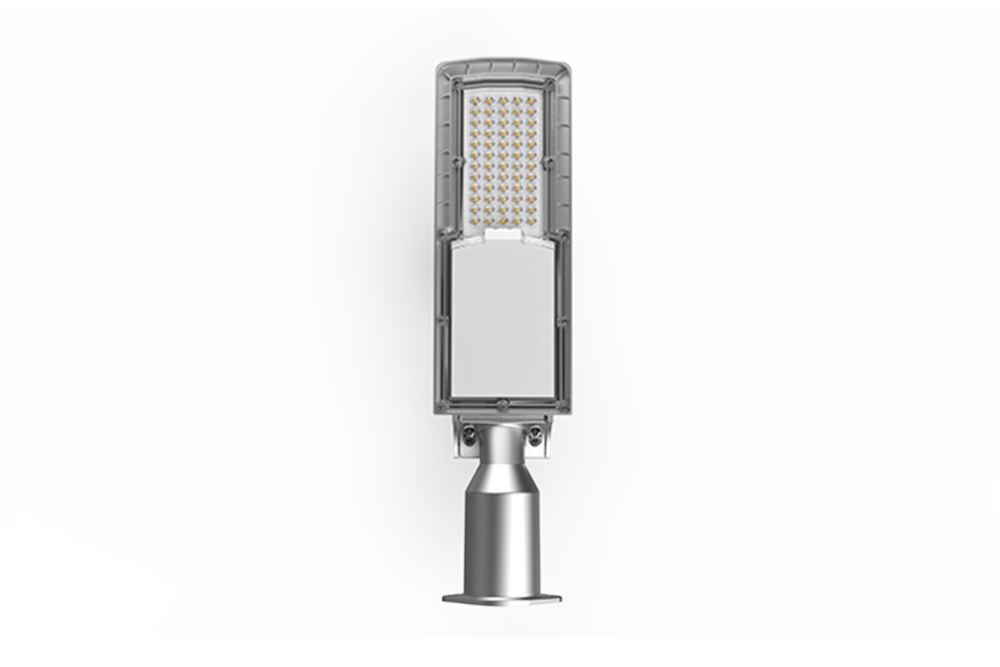
The SEEKING STC Series LED light street light delivers up to 170lm/W efficiency with MOSO drivers, IP66 protection, and a ±15° adjustable arm—ideal for roads, residential areas, and public lighting upgrades.
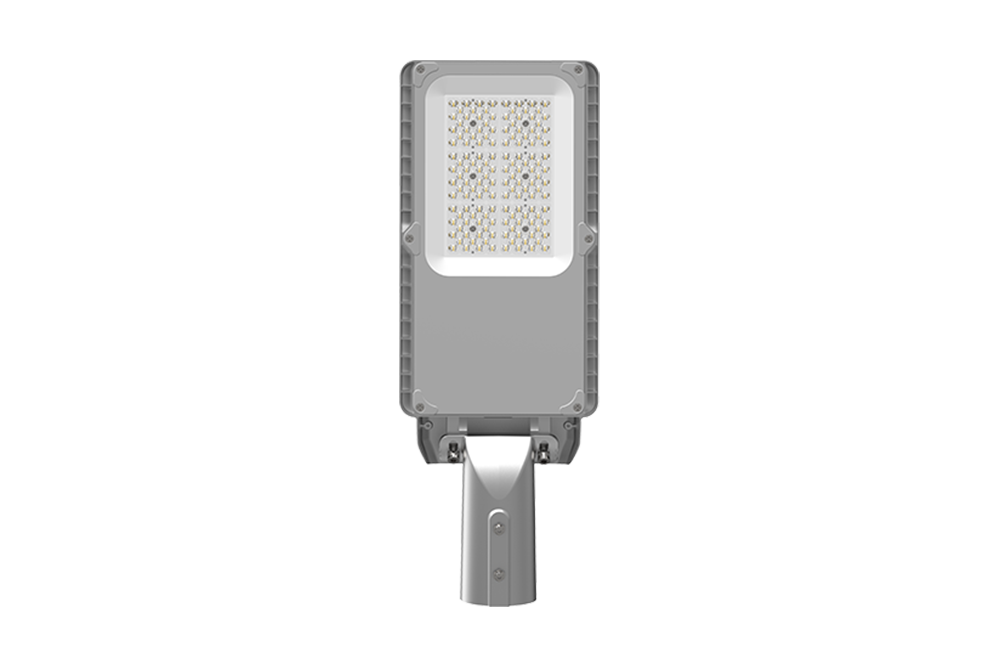
SEEKING STB Series LED street lighting delivers up to 160 lm/W, 10kV surge protection, IP66 waterproofing, and durable IK08 impact resistance. Ideal for streets, parking lots, and large outdoor areas needing long-lasting, energy-saving LED roadway…
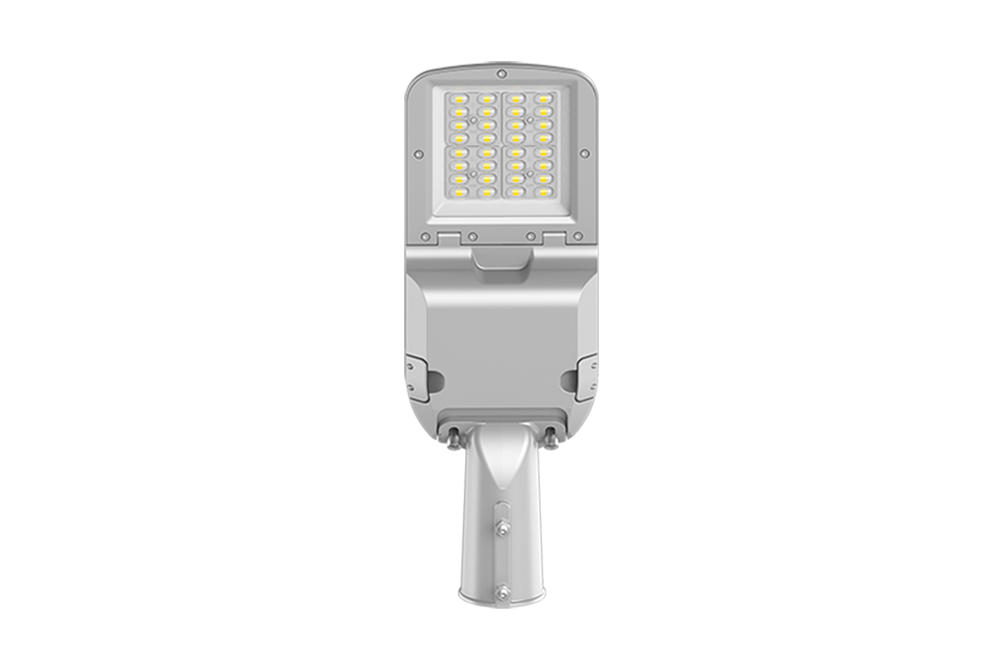
The SEEKING STA Series LED street light delivers strong efficiency, IP66 protection, 10kV surge resistance and multiple beam patterns for roads, parking lots and urban areas. High lumen output, easy installation and reliable performance for long-t…
loading…
This is the last post!

100w led high bay light is widely used in warehouses and workshops. See where it works best, where it doesn’t, and how to choose wisely.
View details
Today, March 9th, our Explosion proof light products are once again the center of attention, drawing huge crowds of buyers who keep stopping by to inspect, take photos, and discuss!Especially the LO Series and BAY51 Series explosion proof linear l...
View details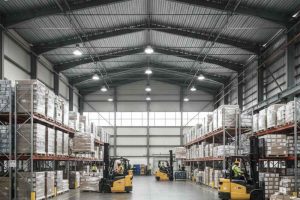
How many LED high bay fixtures per square foot do you really need? Real warehouse math, spacing rules, and mistakes to avoid before installation.
View details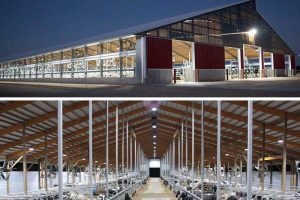
A California dairy farm upgraded its barn lighting with LED high bay lights to improve visibility, reduce energy use, and support daily operations.
View details