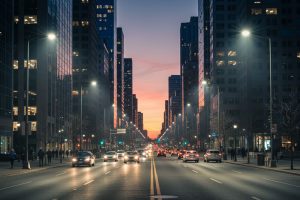
If you’ve driven at night lately, you may have seen it.
One block looks normal.
The next feels… strange.
The road is washed in purple.
People ask the same question everywhere:
why are there purple LED street lights, and are they supposed to look like that?
Short answer: no, they are not.
Long answer—this is a known technical failure, and it’s more common than many cities expected.
Purple LED street lights are not a design choice
Let’s be direct.
No city installs purple LED street lights on purpose.
No road authority orders “purple mode” fixtures.
And no lighting standard recommends it.
When you see purple street lighting, you’re usually looking at a light source that has changed over time, not one that was designed that way.
At SEEKINGLED, this exact issue comes up during post-installation audits more often than people realize.
What actually causes LED street lights to turn purple
Most LED street lights use a blue LED chip with a phosphor coating. That coating converts part of the blue light into yellow, which mixes into white.
When the phosphor layer degrades or separates:
- Yellow output drops sharply
- Blue remains strong
- The light shifts toward purple or violet
This isn’t theoretical.
It’s a material fatigue problem accelerated by heat, drive current, and long operating hours.
Once the color shifts, it doesn’t come back.
Why purple LED street lights appear suddenly
One night everything looks fine.
A week later, half the road is purple.
That’s typical.
Phosphor failure often happens in stages:
- Light output still meets lumen specs
- Color rendering collapses first
- Visual comfort drops before brightness does
To the system, the lamp is “on.”
To the driver, it feels wrong.
That mismatch causes complaints—and replacements.
Are purple LED street lights dangerous?
They’re not explosive.
They’re not electrically unsafe.
But visually? Yes, they are a problem.
Purple-heavy light:
- Reduces contrast on asphalt
- Distorts color perception for pedestrians and signs
- Increases eye strain during long night driving
Several North American cities have replaced thousands of purple LED street lights early because of visibility concerns alone.
From experience, once complaints start, replacement is inevitable.
Is this happening only with cheap street lights?
No—and that’s important.
Even large-scale municipal projects using well-known brands have seen purple LED street lights appear after a few years. The issue isn’t price alone. It’s thermal management, phosphor stability, and long-term testing.
At SEEKINGLED, we treat color stability as a lifetime parameter, not a launch spec. That difference matters after year three or four in the field.
What cities usually do once purple lights appear
There’s no fix in place.
You can’t recalibrate a degraded phosphor.
You can’t filter purple back into white.
Cities usually:
- Document affected fixtures
- Replace them under warranty (if possible)
- Review supplier thermal and material specs
Purple LED street lights don’t get “repaired.”
They get retired.
Final word from real projects
So, why are there purple LED street lights?
Because materials age.
Because heat was underestimated.
Because long-term color stability didn’t get enough attention.
Purple street lights aren’t futuristic.
They’re a signal that something went wrong earlier in the design.
And once you know that, you start choosing lighting very differently.
— SEEKINGLED
LED street lighting project
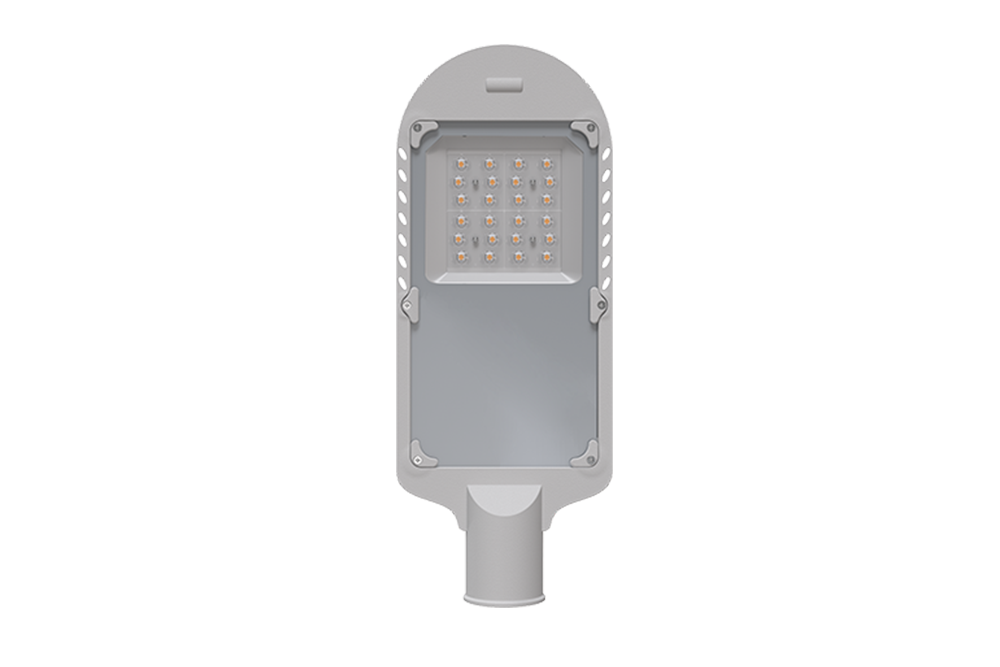
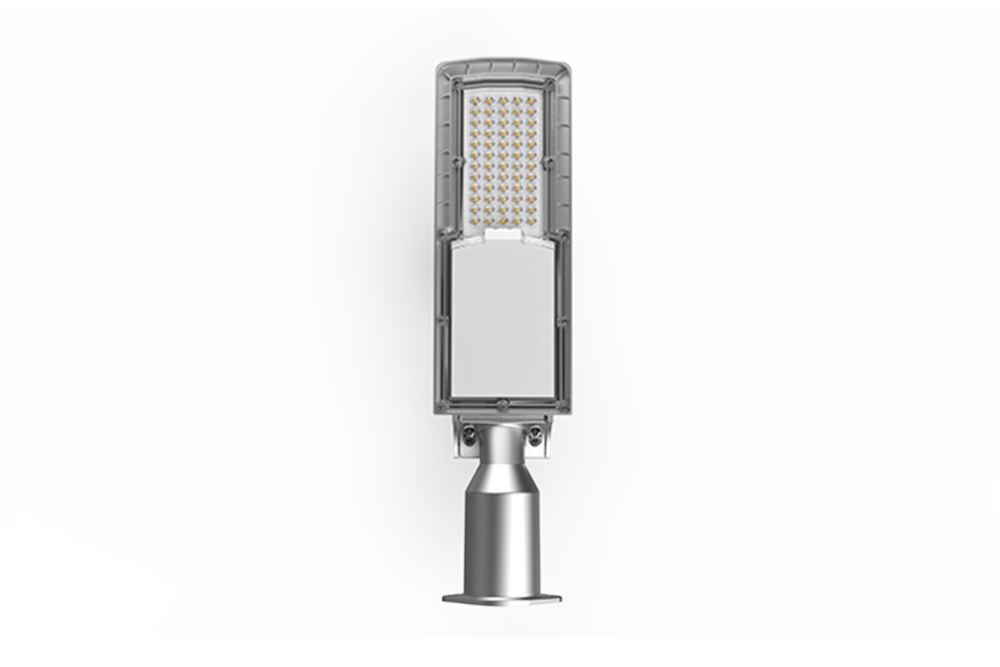
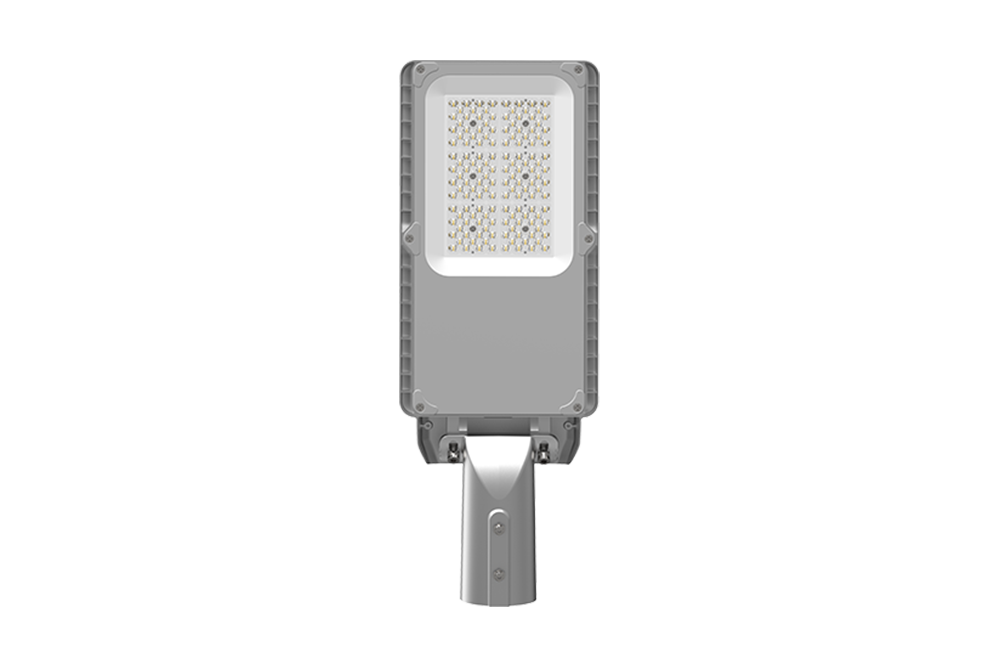
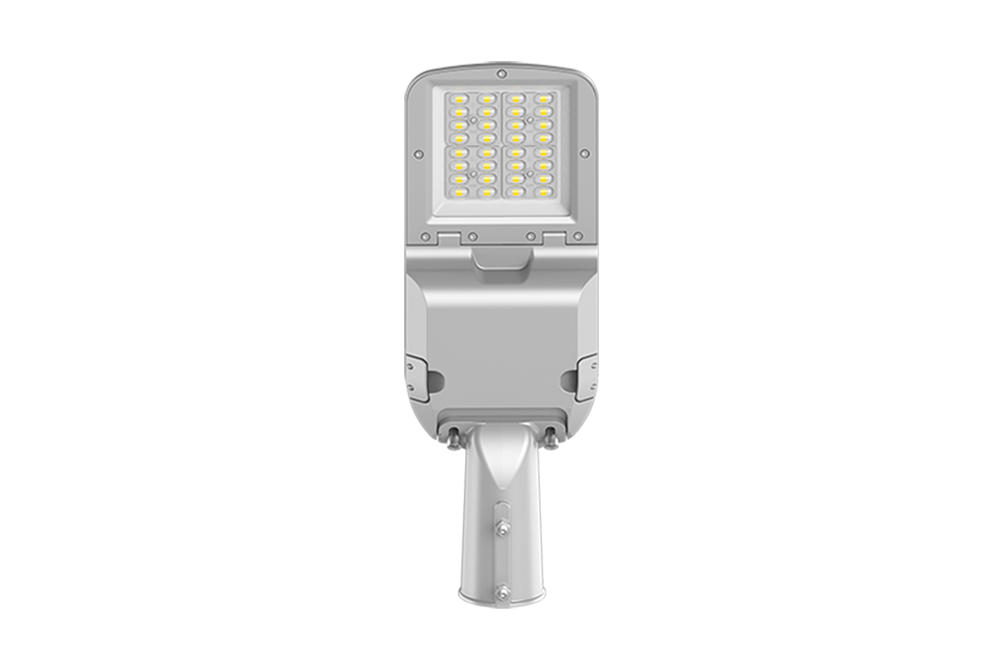
SEEKING STL-Series LED street lights deliver stable performance, 170 lm/W efficiency and 10KV surge protection. Ideal for city streets, parking lots, public roads and outdoor area lighting projects. Durable IP66 & IK08 design for long-term reliabi…
The SEEKING STC Series LED light street light delivers up to 170lm/W efficiency with MOSO drivers, IP66 protection, and a ±15° adjustable arm—ideal for roads, residential areas, and public lighting upgrades.
SEEKING STB Series LED street lighting delivers up to 160 lm/W, 10kV surge protection, IP66 waterproofing, and durable IK08 impact resistance. Ideal for streets, parking lots, and large outdoor areas needing long-lasting, energy-saving LED roadway…
The SEEKING STA Series LED street light delivers strong efficiency, IP66 protection, 10kV surge resistance and multiple beam patterns for roads, parking lots and urban areas. High lumen output, easy installation and reliable performance for long-t…
loading…
This is the last post!
 Seeking LED