You notice them late at night first.
The road looks colder.
Signs feel sharper.
Faces are harder to read.
So the question comes up fast: why blue LED street lights, and why do they stand out so much compared to normal street lighting?
The answer isn’t just one thing. Sometimes blue light is intentional. Sometimes it’s not. And those two situations get mixed up more than people think.
Blue LED street lights are not always a mistake
Let’s clear that up.
Not every blue LED street light is broken. Some cities deliberately use cooler color temperatures, especially on highways, ports, and industrial roads.
These lights aren’t “blue” in a pure sense. They’re usually:
- 5000K to 6500K color temperature
- High blue content for visibility and contrast
- Designed to keep drivers alert
At SEEKINGLED, we’ve supplied similar specifications for logistics zones where clarity matters more than comfort.
So yes, sometimes blue LED street lights are chosen on purpose.
When blue LED street lights become a problem
But here’s the part people feel instinctively.
Some blue street lights look too blue.
Unnaturally blue.
Almost violet.
That’s not design. That’s color shift.
In many real cases, the phosphor layer inside the LED degrades. When that happens:
- The yellow component fades
- The blue chip dominates
- The light output slides toward blue or purple
This isn’t immediate. It creeps in over months. One fixture goes first. Then another. Suddenly a whole block looks wrong.
Why cities choose cooler LED street lights in the first place
There’s a reason blue-heavy light became popular.
Cooler LED street lights:
- Improve perceived brightness without higher wattage
- Enhance edge contrast on roads
- Perform better in rain and fog
On paper, it works.
But in practice, long exposure to intense blue light can feel harsh. Residents complain. Drivers slow down, not speed up. That’s when cities rethink their choice.
Are blue LED street lights bad for drivers?
They’re not dangerous by default.
But they’re not neutral either.
High blue content:
- Increases glare on wet pavement
- Reduces visual comfort over long drives
- Makes pedestrians harder to distinguish by color
From field feedback we’ve seen, blue LED street lights are tolerated on highways—but rarely loved in residential areas.
Why some blue LED street lights get replaced early
Here’s the real-world part.
Cities don’t replace street lights because of charts.
They replace them because phones ring.
When residents start saying “the street feels uncomfortable,” that’s the signal. Blue LED street lights that were technically compliant still get removed.
At SEEKINGLED, we always separate technical compliance from human response. They are not the same thing.
Final takeaway
So, why blue LED street lights?
Sometimes it’s a design choice for visibility.
Sometimes it’s material aging doing its thing.
And sometimes it’s a spec that looked good on paper but felt wrong on the road.
Blue street lighting isn’t futuristic by default. It has to be controlled, tested, and lived with—night after night.
That’s the part that decides whether it stays.
— SEEKINGLED
LED street lighting project
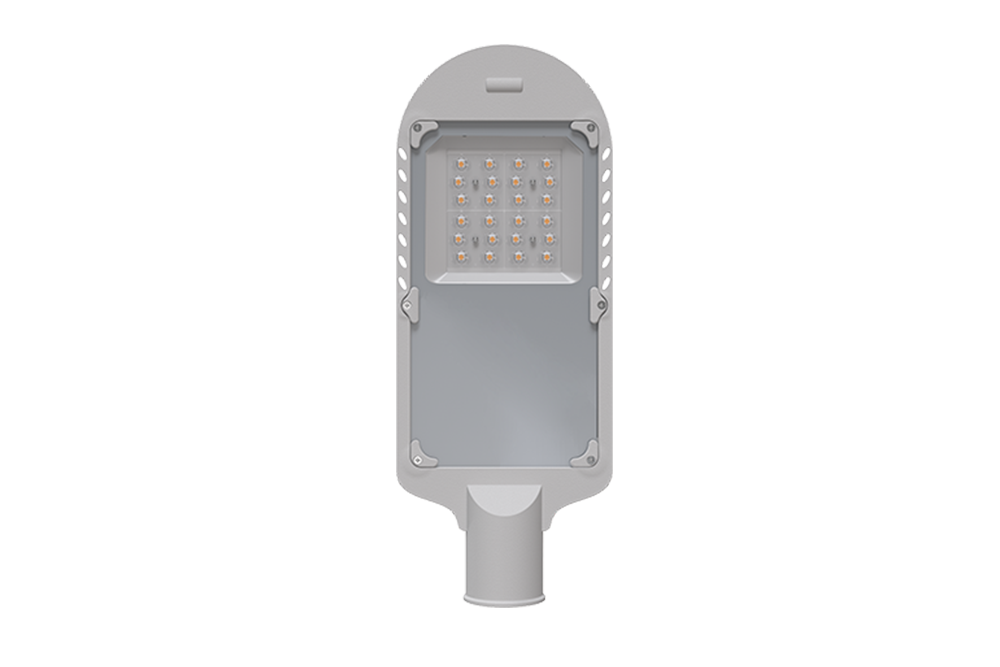
SEEKING STL-Series LED street lights deliver stable performance, 170 lm/W efficiency and 10KV surge protection. Ideal for city streets, parking lots, public roads and outdoor area lighting projects. Durable IP66 & IK08 design for long-term reliabi…
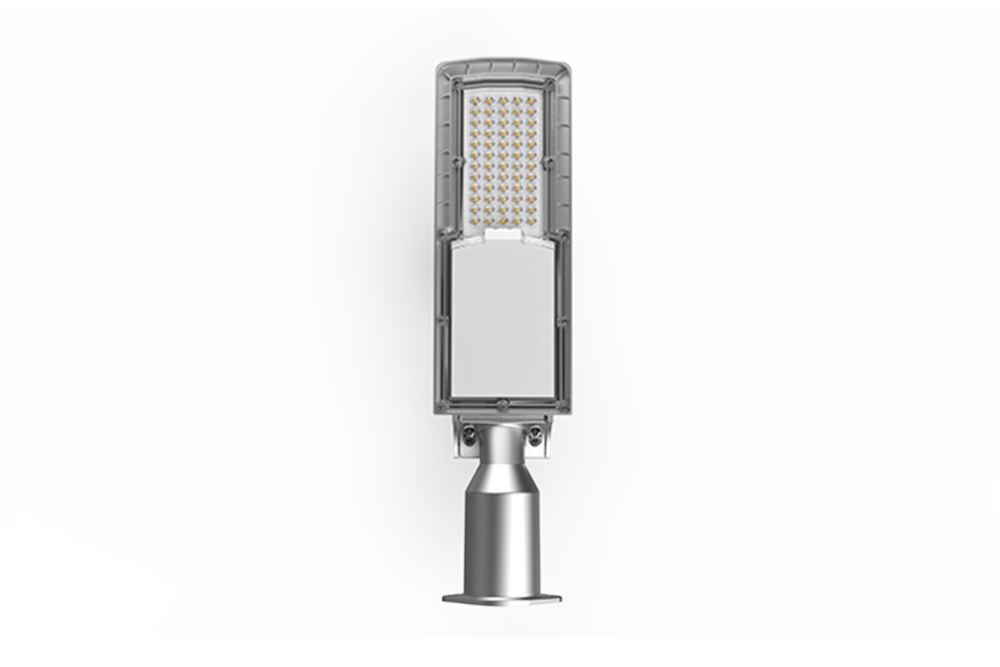
The SEEKING STC Series LED light street light delivers up to 170lm/W efficiency with MOSO drivers, IP66 protection, and a ±15° adjustable arm—ideal for roads, residential areas, and public lighting upgrades.
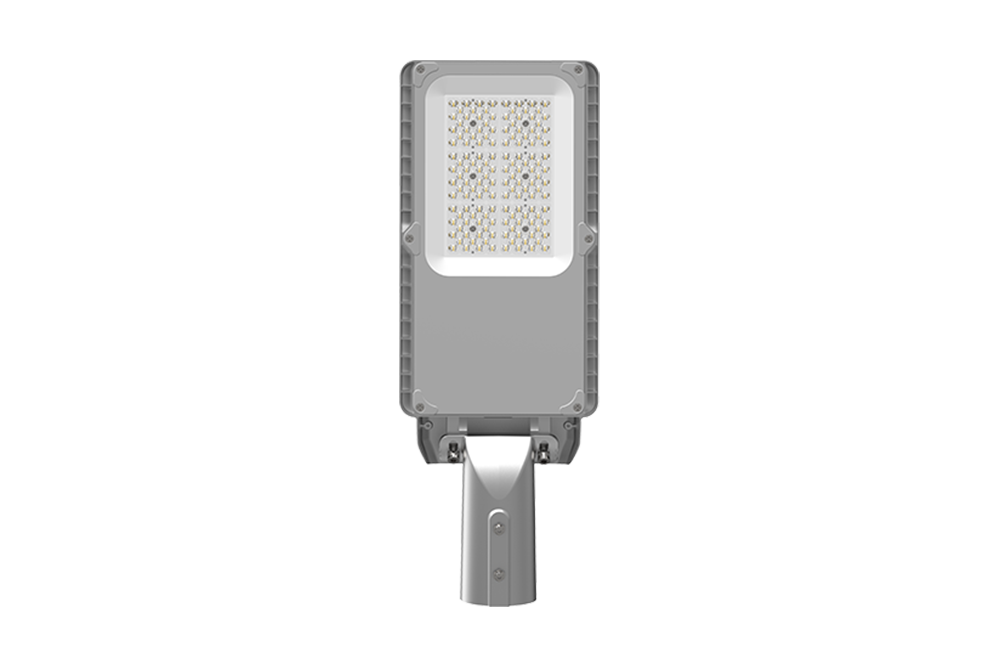
SEEKING STB Series LED street lighting delivers up to 160 lm/W, 10kV surge protection, IP66 waterproofing, and durable IK08 impact resistance. Ideal for streets, parking lots, and large outdoor areas needing long-lasting, energy-saving LED roadway…
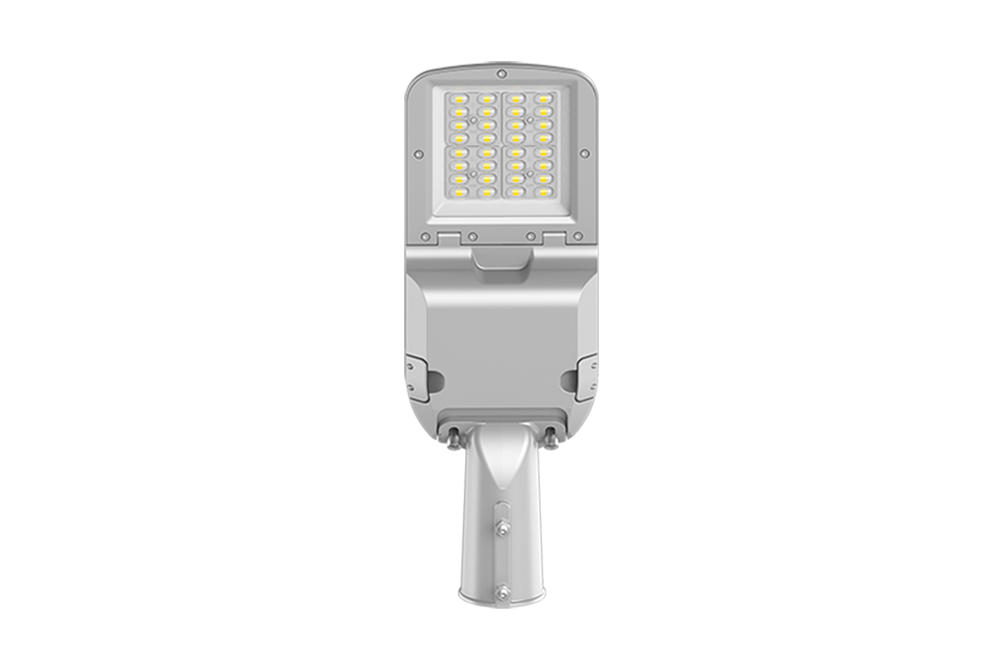
The SEEKING STA Series LED street light delivers strong efficiency, IP66 protection, 10kV surge resistance and multiple beam patterns for roads, parking lots and urban areas. High lumen output, easy installation and reliable performance for long-t…
loading…
This is the last post!
 Seeking LED