 Seeking LED
Are LED Street Light Wires Safe to Touch?
235Are LED street light wires safe to touch during installation or maintenance? Learn the real risks, voltage facts, and safe handling practices.
View detailsSearch the whole station
Why Hazardous Area Lighting Fixtures Exist?
Hazardous area lighting fixtures exist because ordinary lighting equipment can become an ignition source in environments containing flammable gas, vapor, dust, or combustible particles. Certified hazardous fixtures are specifically designed to prevent sparks, excessive heat, or electrical faults from igniting explosive atmospheres.
Industrial sites do not purchase hazardous lighting because it is expensive or specialized. They purchase it because certain environments can become dangerous within seconds.
I still remember walking through a fuel transfer terminal during a maintenance shutdown. The electrical supervisor pointed toward a conventional floodlight that had been temporarily installed by a contractor. He simply said:
“One wrong fixture in the wrong place can shut down an entire plant.”
That sentence explains exactly why hazardous area lighting fixtures exist.
Most people think lighting exists to help people see.
In hazardous industries, lighting exists to prevent ignition.
Petroleum vapor, solvent gases, hydrogen, grain dust, coal dust, ethanol, methane, and chemical vapors may all become explosive under the right conditions.
Three elements create an explosion:
Electrical equipment can become that ignition source.
The U.S. Occupational Safety and Health Administration explains that hazardous locations require specially approved equipment to eliminate ignition risks.
Reference:
https://www.osha.gov
Several industries depend on certified lighting.
| Industry | Potential Hazard |
|---|---|
| Oil and gas | Hydrocarbon vapor |
| Chemical plants | Solvents and gases |
| Grain processing | Dust explosion |
| Pharmaceutical | Fine powder |
| Mining | Methane |
| Marine terminals | Fuel vapor |
| Paint facilities | Solvent atmosphere |
The U.S. Chemical Safety Board has investigated numerous industrial explosions involving flammable atmospheres.
Reference:
https://www.csb.gov
Lighting equipment is not always the cause.
But electrical equipment remains one of the potential ignition sources that engineers must control.
A standard commercial LED fixture may contain:
Under normal conditions this presents no issue.
Inside a Zone 1 chemical process area, the same components may create:
That is why hazardous area lighting fixtures exist.
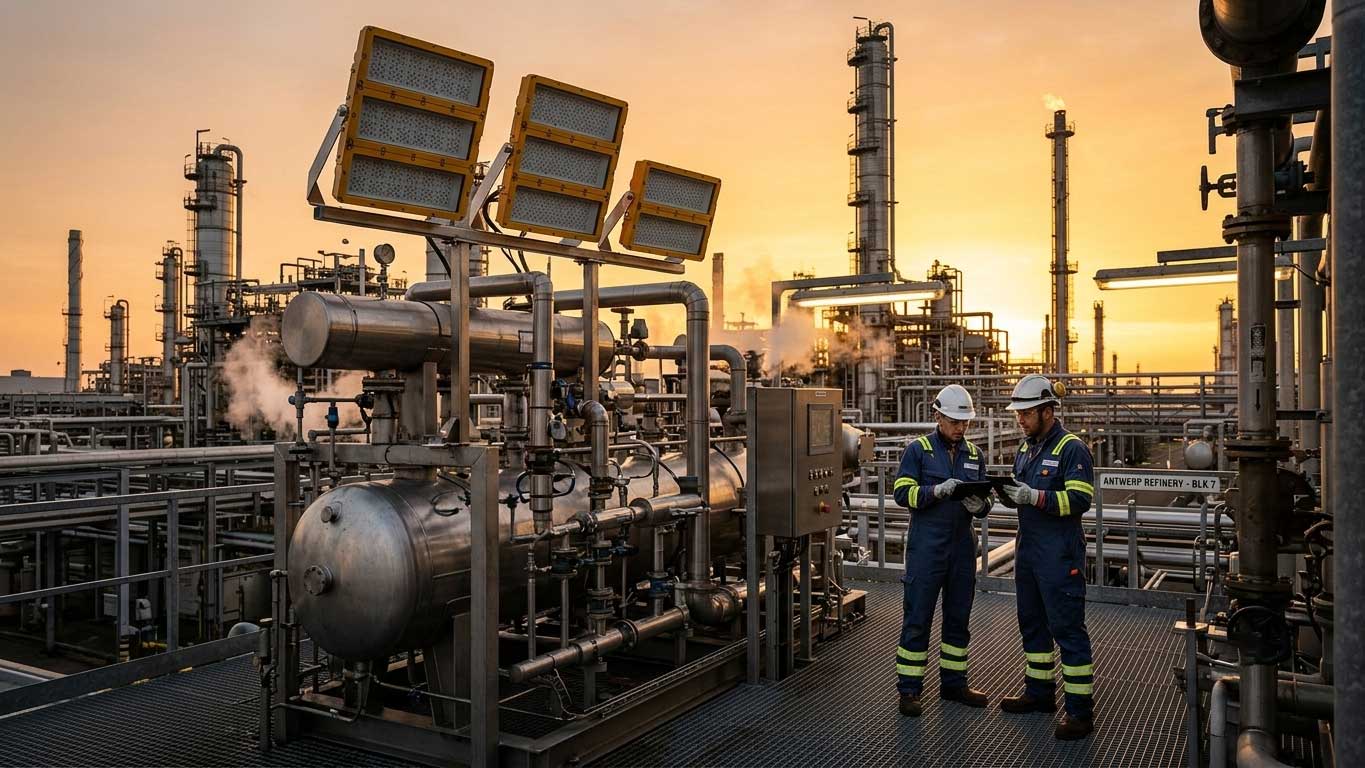
Hazardous lighting did not appear because manufacturers wanted a new product category.
It appeared because industrial accidents forced regulations to evolve.
Major standards include:
The International Electrotechnical Commission publishes the IEC 60079 series, which governs explosive atmospheres.
Reference:
https://www.iec.ch
These standards define:
Several protection concepts exist.
The enclosure contains an internal explosion and prevents flame transmission.
Additional protective measures reduce the chance of faults.
Electrical energy remains too low to ignite gas.
Components are designed to avoid arcs and dangerous temperatures.
| Protection Type | Marking |
|---|---|
| Flameproof | Ex d |
| Increased Safety | Ex e |
| Intrinsic Safety | Ex i |
| Encapsulation | Ex m |
| Dust Protection | Ex t |
Many engineers focus on sparks.
Temperature frequently becomes the bigger issue.
Some gases ignite at surprisingly low temperatures.
| Temperature Class | Maximum Surface Temperature |
|---|---|
| T1 | 450°C |
| T2 | 300°C |
| T3 | 200°C |
| T4 | 135°C |
| T5 | 100°C |
| T6 | 85°C |
Hazardous area lighting fixtures exist partly to control these temperatures.
The fixture surface itself cannot become an ignition source.
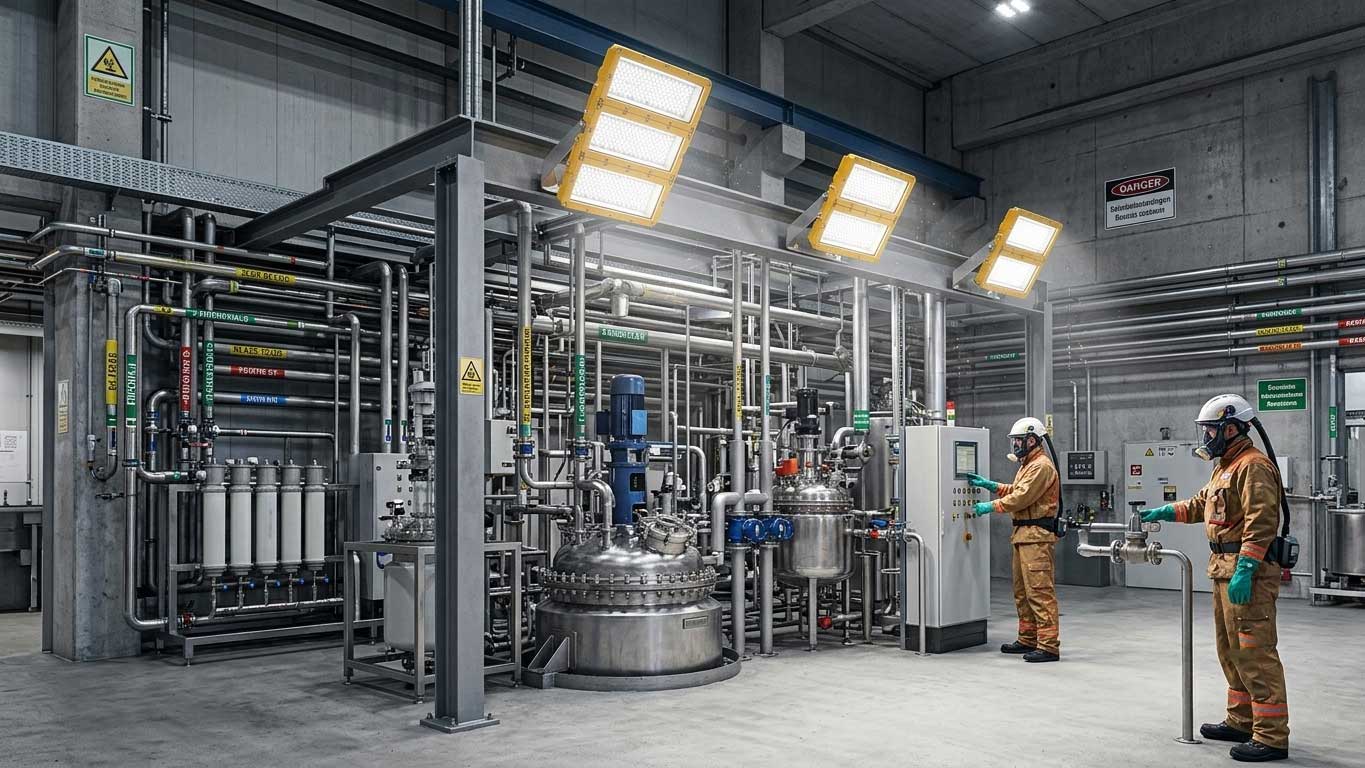
Over the years, I have participated in lighting discussions involving:
Interestingly, operators rarely ask:
“How bright is the light?”
They usually ask:
That difference changes the entire purchasing process.
Older hazardous fixtures used:
Modern LED systems offer:
According to the U.S. Department of Energy, LED technology significantly reduces maintenance requirements while improving energy efficiency.
Reference:
https://www.energy.gov/eere/ssl
Facilities that previously changed lamps every year may now operate for several years without replacement.
This is another reason hazardous area lighting fixtures have evolved.
Because flammable gases may be present during normal operations, requiring certified equipment to prevent ignition.
No. Standard commercial fixtures are not certified for explosive atmospheres.
No. Some use increased safety, intrinsic safety, or other protection methods.
Regulatory standards, insurers, engineers, and safety authorities often require certified equipment.
Initial cost is higher, but maintenance costs and safety risks are substantially lower over the equipment lifetime.
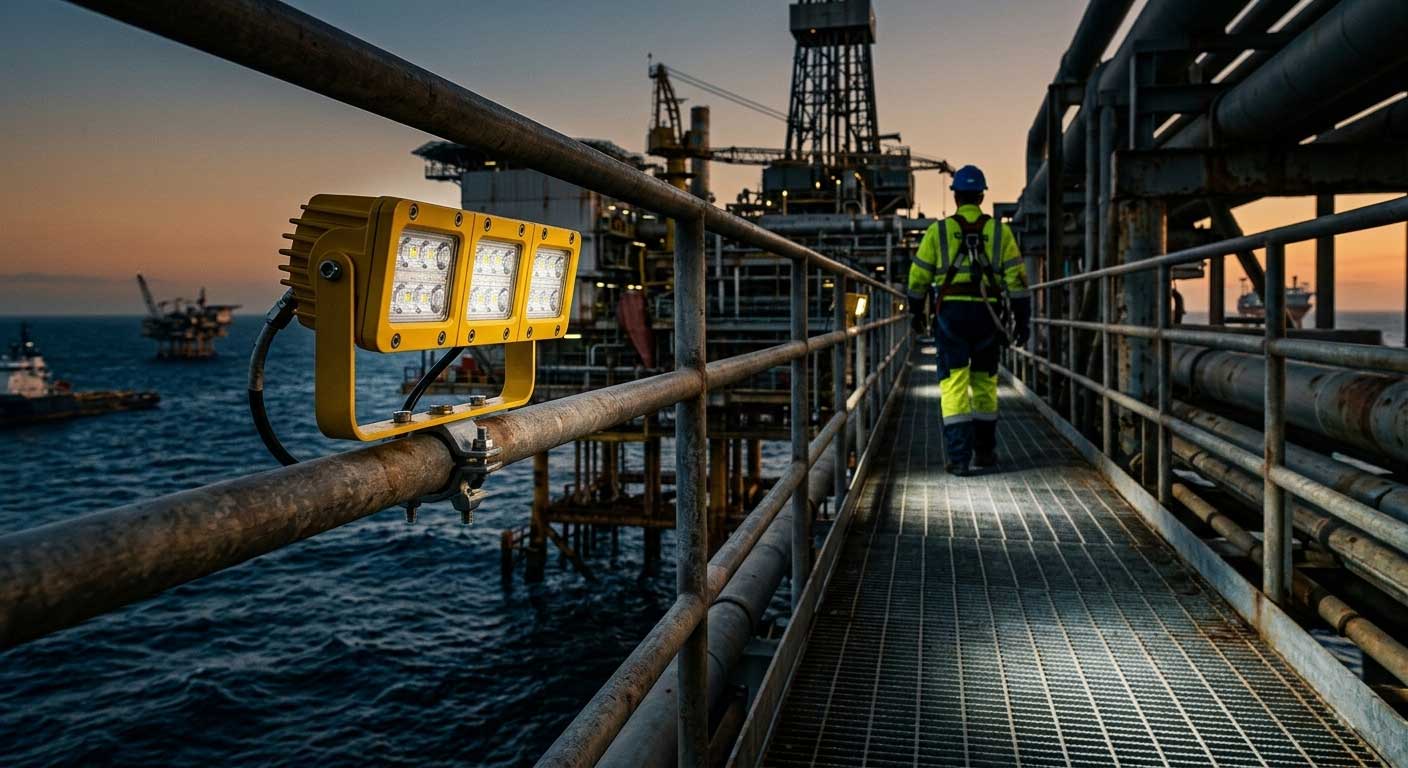
Why Hazardous Area Lighting Fixtures Exist is ultimately a safety question rather than a lighting question.
The fixture above a fuel loading rack, beside a chemical tank, or inside a grain facility performs two jobs at once:
At SEEKINGLED, our engineering team has seen facilities replace aging lighting systems not because the lights stopped working, but because safety standards evolved.
In hazardous industries, light is never just light.
Sometimes it becomes part of the facility’s first line of protection.
Michael Chen
Senior Industrial Lighting Engineer
SEEKINGLED
The question Why Hazardous Area Lighting Fixtures Exist remains one of the most important topics in industrial safety because these fixtures protect both facilities and the people who work inside them.
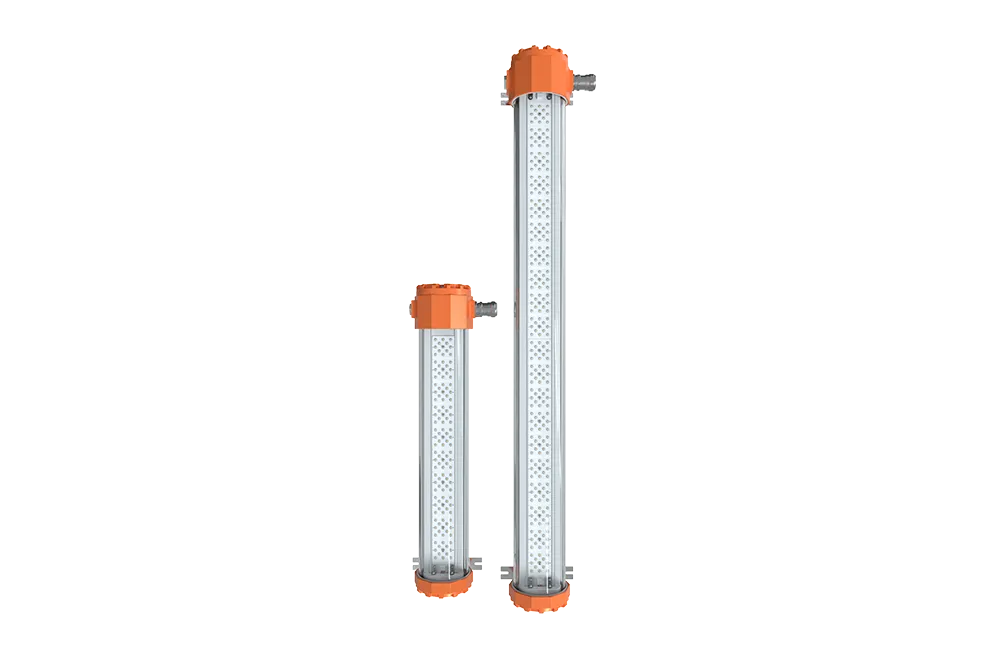
SEEKINGLED LED Linear Explosion Proof Light and Explosion Proof lighting is ATEX and IECEx certified for Zone 1, Zone 2, Zone 21 and Zone 22 hazardous locations, built for long-term industrial use.
View details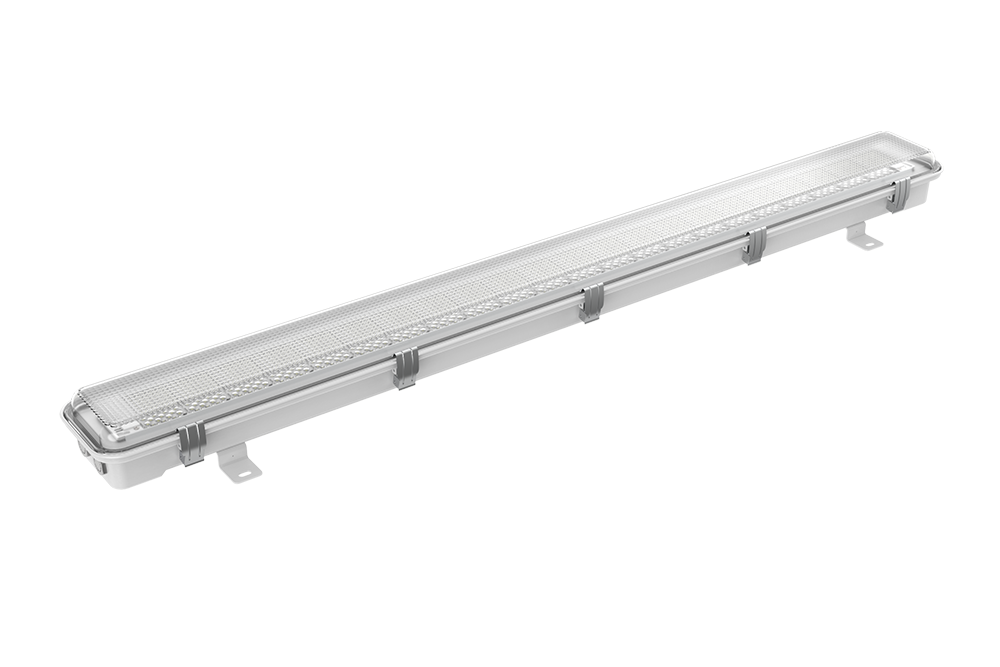
LED Linear Explosion Proof Lights and EX Proof lights for Zone 1, Zone 2, Zone 21 and Zone 22 hazardous areas. ATEX & IECEx certified explosion proof LED linear lighting with emergency function, adjustable power and IP67 protection by SEEKINGLED.
View details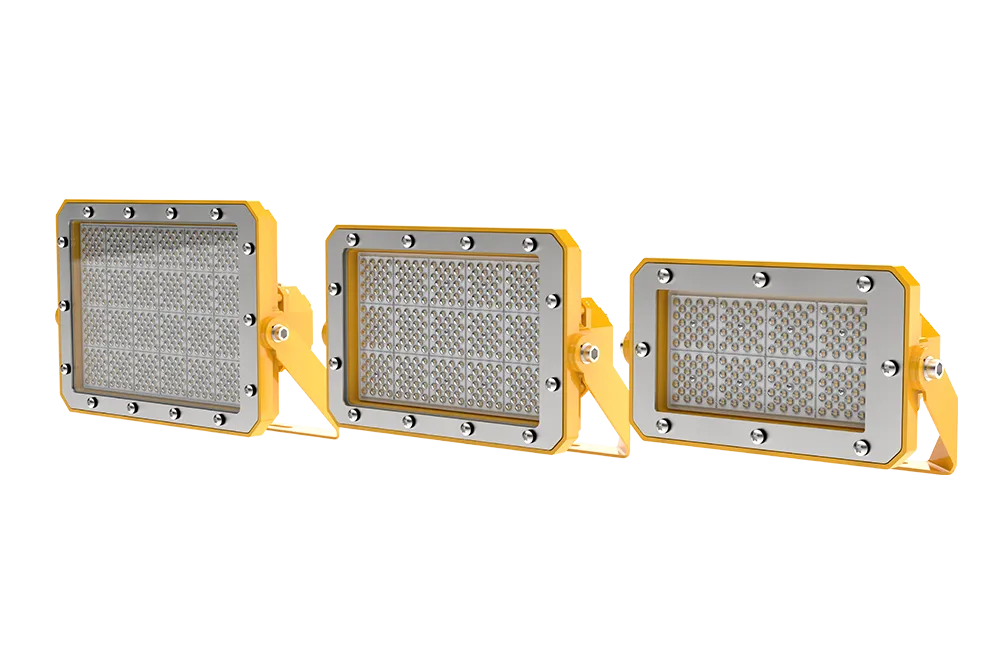
SEEKINGLED LED Explosion Proof Flood Lights are ATEX certified for Zone 2 and Zone 22 hazardous areas, offering high efficiency, adjustable power and integrated junction box.
View details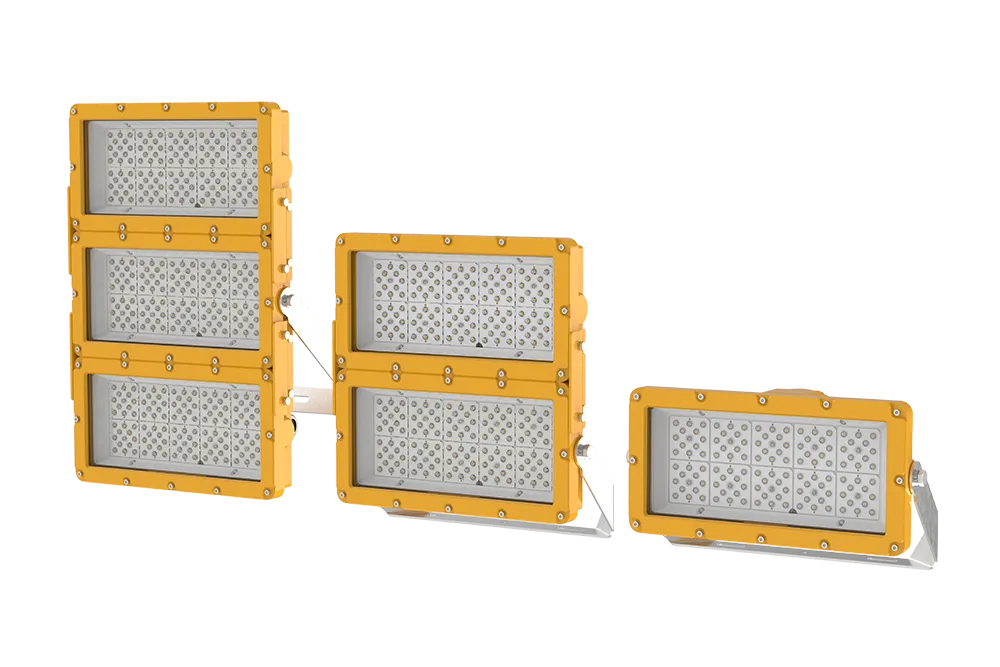
SEEKINGLED LED Explosion Proof Flood Lights are flameproof ATEX and IECEx certified for Zone 1 and Zone 2 hazardous areas, offering high power, adjustable output and long service life.
View details
SEEKINGLED LED Gas Station Canopy Lights are ATEX certified for Zone 2 and Zone 22 hazardous areas, featuring adjustable power and built-in explosion-proof junction box.
View details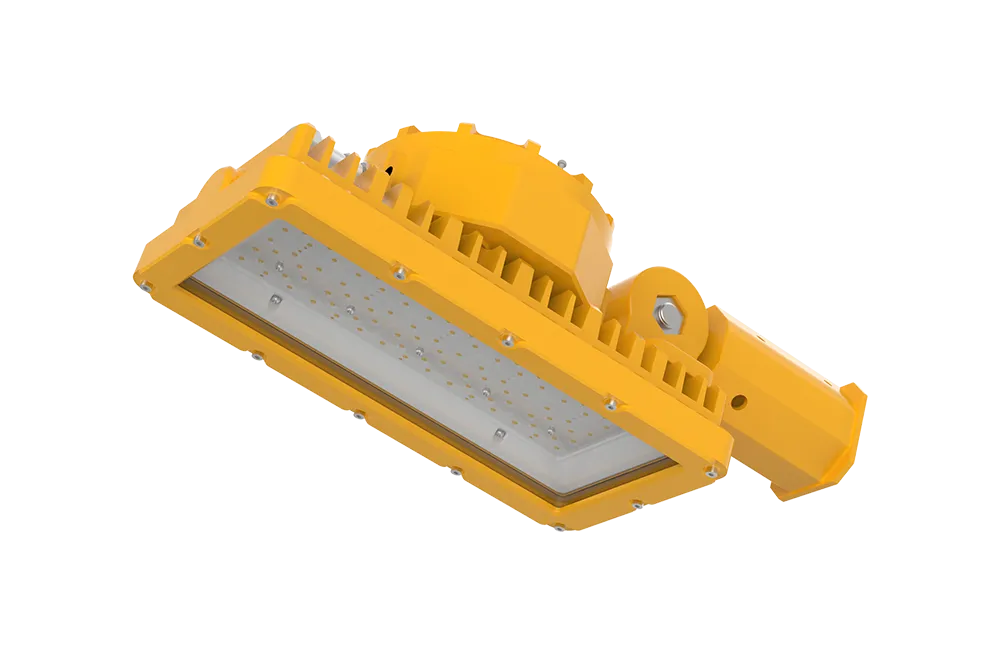
ATEX: Ex II 2G Ex db IIB T6/T5 GbEx II 2D Ex tb IIIC T80°C/ T95°C Db IECEx Ex db IIB T6 Gb;Ex tb IIIC T80°C Db Feature: ● For Zone 1,2 and Zone 21,22● Flameproof type, the strongest● 100W can replace 250W HID,energy saving● Power:60W,80W,100W Application: Oil and gas, marine, Chemical, pharmaceutical, semiconductor,mining,military industr…
View details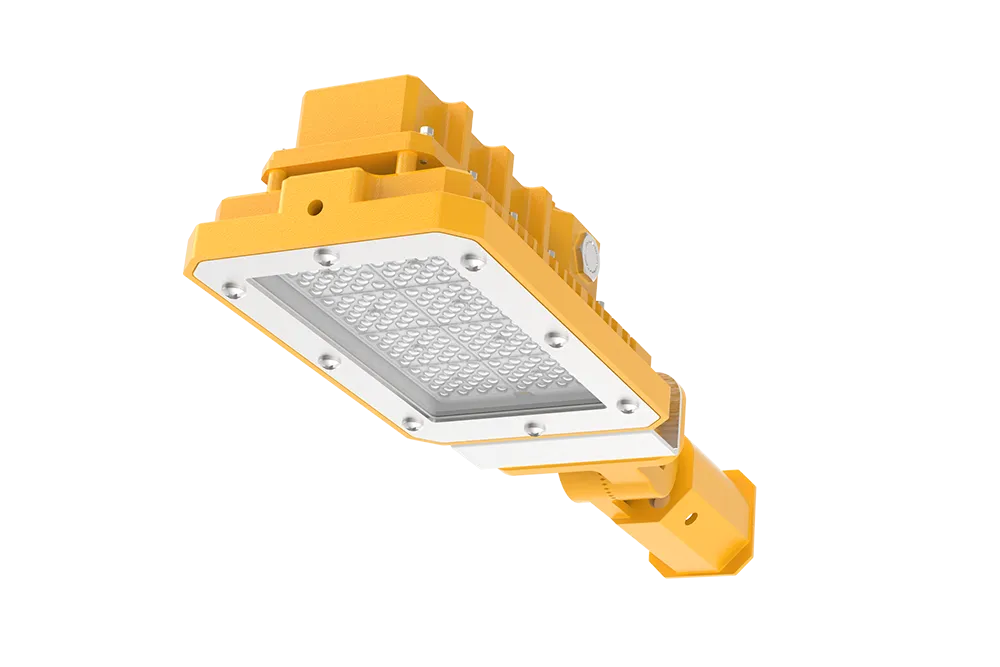
ATEX: II 3G Ex nR ⅡC T5/T6 GcII 3D Ex tc ⅢC T80℃/T95℃Dc ATEX Certificate NO: TÜV CY 26 ATEX 0207611 X Feature: ● For Zone 2 and Zone 22● 150W can replace 250W HID lamps,Energy saving● Power:50W,75W,100W,150W,200W Application: Oil and gas, marine, Chemical, pharmaceutical, semiconductor,mining,military industry, paint booth,power plant ETC…
View details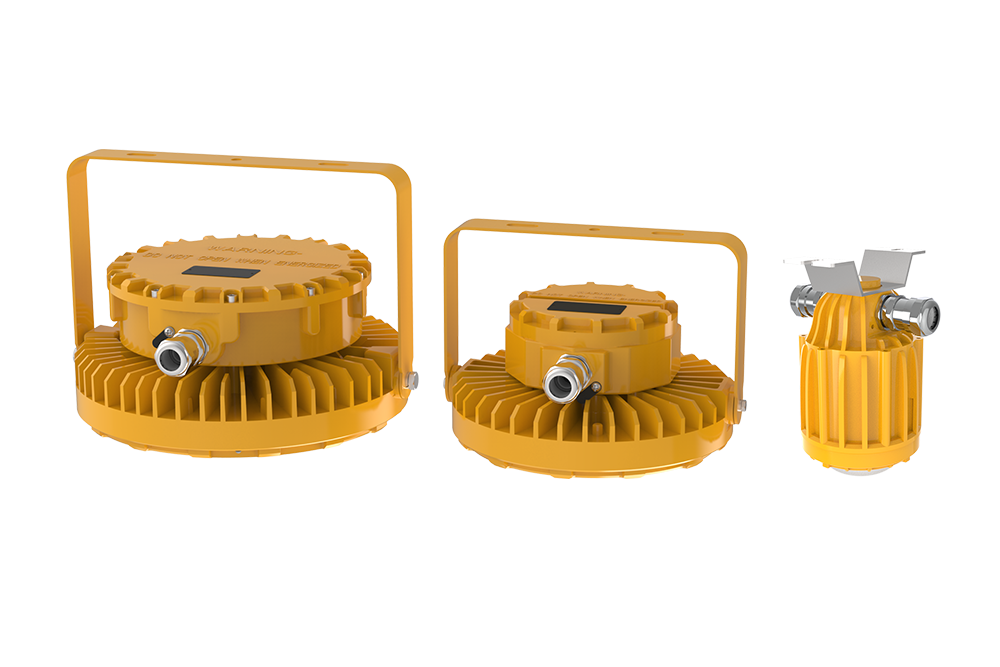
LED explosion proof high bay lights are designed for Zone 1, Zone 2, Zone 21 and Zone 22 hazardous areas. This page introduces the HB21 Series from SEEKING, including certifications, power options and real application considerations.
View details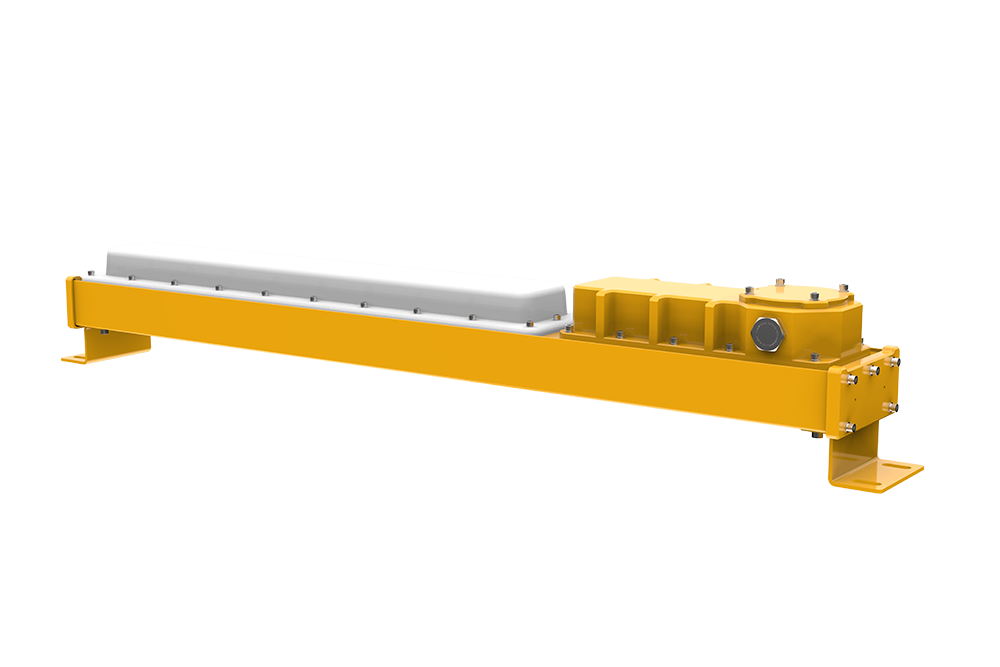
LED Linear Explosion Proof Lights from SEEKINGLED. LU Series Flame Proof lights ATEX-certified explosion proof LED linear lighting for Zone 2 gas and Zone 22 dust areas, IP69K, IK10, long lifetime and flexible power options.
View details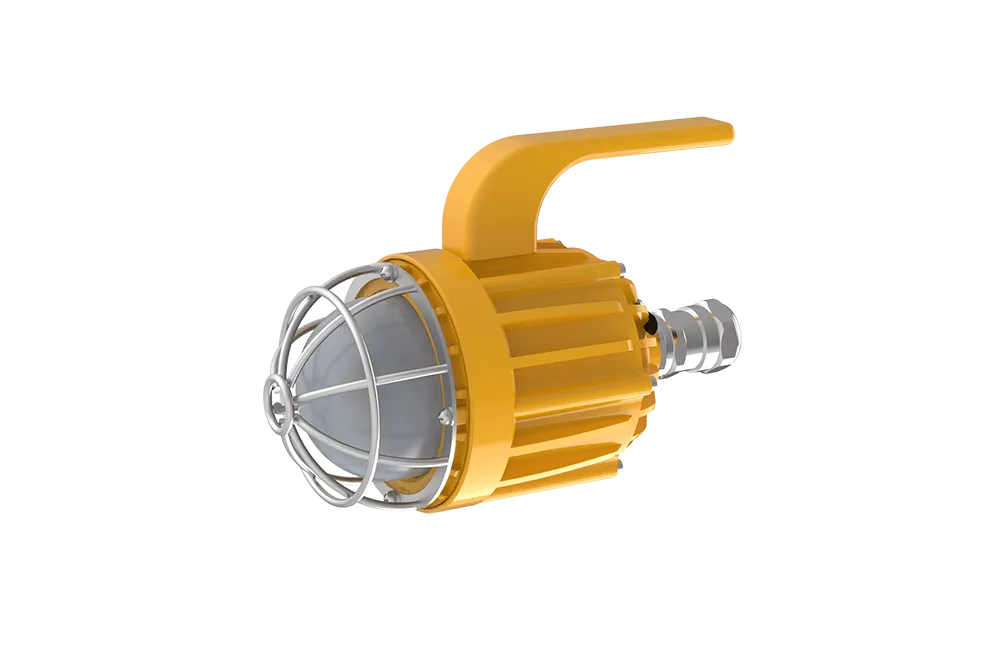
Certified explosion proof work lights for Zone 1 & 21 hazardous areas. Portable, ATEX & IECEx approved, built for oil, gas and chemical plants by SEEKINGLED.
View details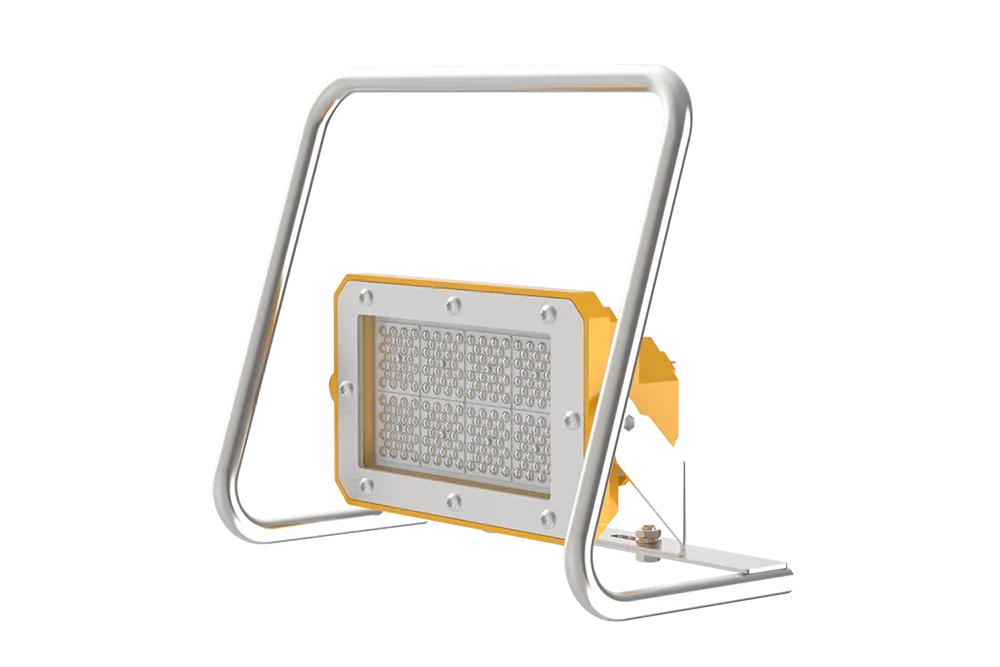
ATEX: II 3G Ex nR ⅡC T6 GcII 3D Ex tc ⅢC T80℃ Dc ATEX Certificate NO: TÜV CY 26 ATEX 0207611 X Feature: ● For Zone 2 and Zone 22● Accepts battery-powered supply● indestructible● Power:AC input:50W,75W,100WDC input:15W,25W,35W Application: Oil and gas, marine, Chemical, pharmaceutical, semiconductor,mining,military industry, paint booth,po…
View details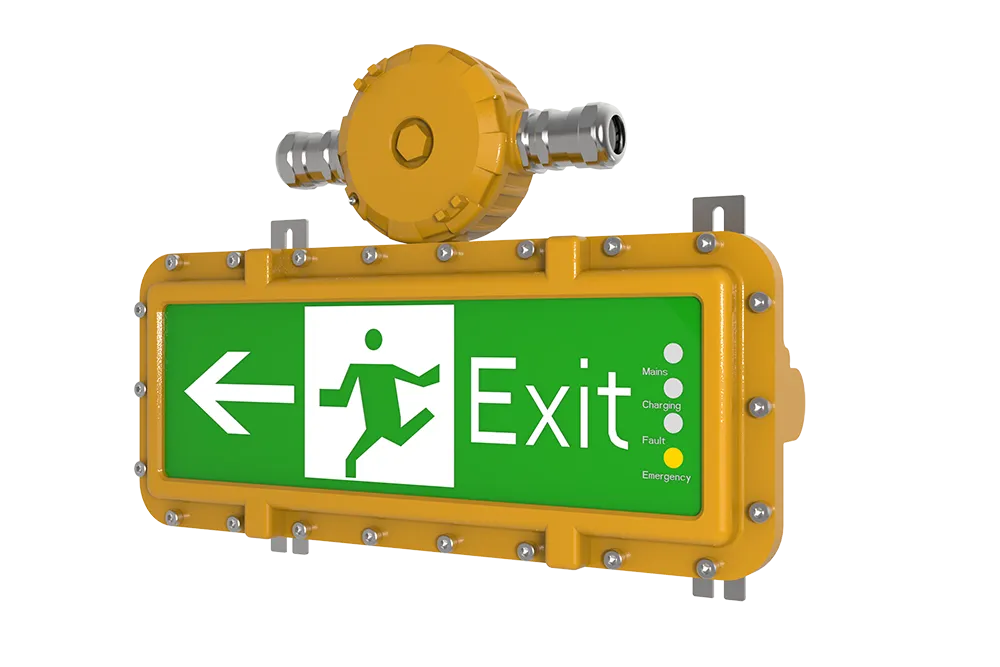
ATEX: Ex II 2G Ex db IIB T6 GbEx II 2D Ex tb IIIC T80°C Db IECEx Ex db IIB T6 Gb;Ex tb IIIC T80°C Db Feature: ● For Zone 1,2 and Zone 21,22● Flameproof type, the strongest Application: Oil and gas, marine, Chemical, pharmaceutical, semiconductor,mining,military industry, paint booth,power plant ETC hazardous area. Technical Specifications:…
View details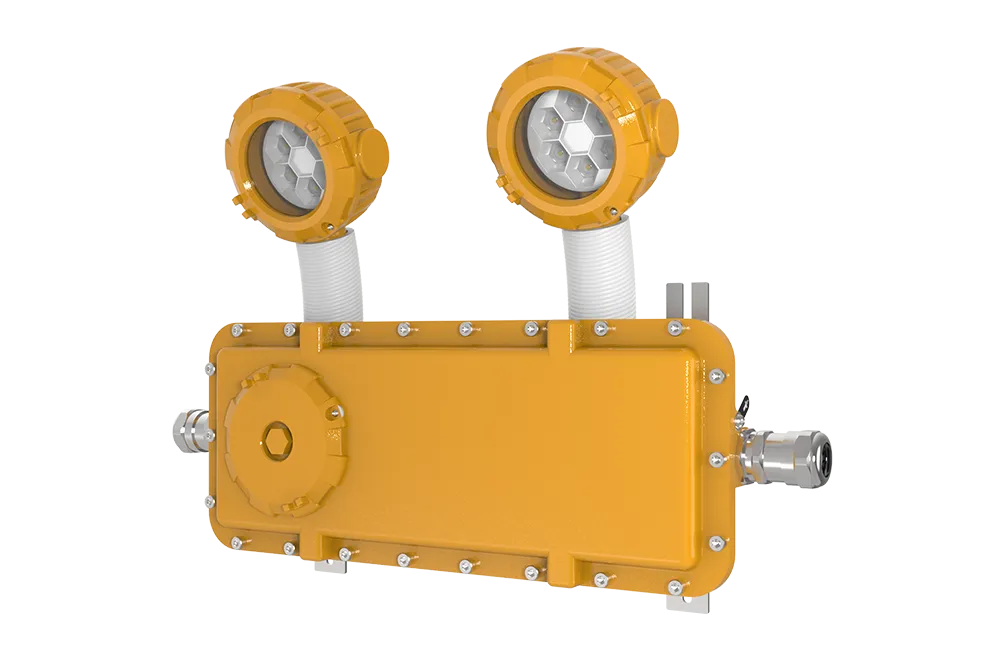
ATEX: Ex II 2G Ex db IIB T6 GbEx II 2D Ex tb IIIC T80°C Db IECEx Ex db IIB T6 Gb;Ex tb IIIC T80°C Db Feature: ● For Zone 1,2 and Zone 21,22● Flameproof type, the strongest Application: Oil and gas, marine, Chemical, pharmaceutical, semiconductor,mining,military industry, paint booth,power plant ETC hazardous area. Technical Specifications:…
View details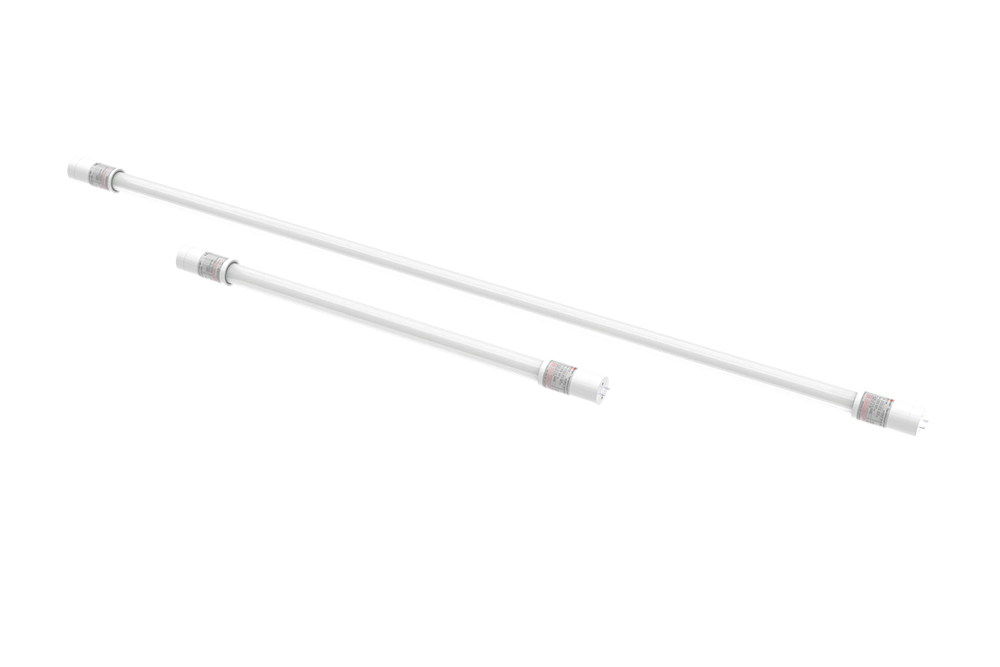
ATEX: Ex II 2G Ex d e IIB T6 Gb ATEX: Ex d e IIB T6 Gb; Feature: ● For Zone 1,2● 9W can replace 18W fluorescent lamps,50% Energy saving Application: Oil and gas, marine, Chemical, pharmaceutical, semiconductor,mining,military industry, paint booth,power plant ETC hazardous area. Technical Specifications: Standards:60079-0, 60079-1, 60079…
View details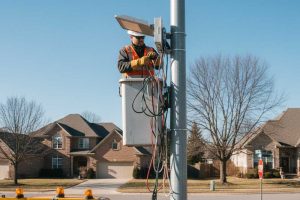
Are LED street light wires safe to touch during installation or maintenance? Learn the real risks, voltage facts, and safe handling practices.
View details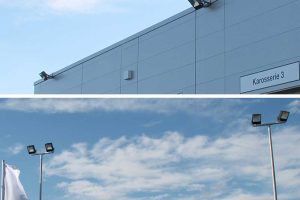
LED Flood Lighting for Car Dealership Entrance was implemented at a BMW 4S store using XJ-FL flood lights. This project record documents entrance lighting requirements and fixture selection for visibility and frontage clarity.
View details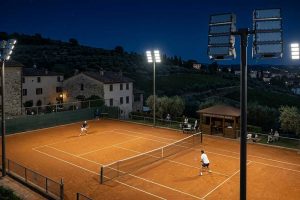
how long do led tennis court lights last? Learn real lifespan, performance factors, and expert insights on maintaining efficient court lighting systems.
View details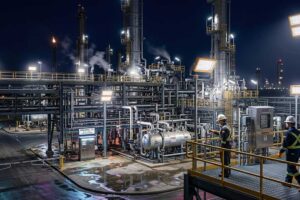
Class 1 Div 2 light fixtures provide safe illumination in hazardous gas environments. Learn certifications, applications, and LED explosion-proof solutions.
View details