 Seeking LED
200W LED High Bay Light Built for Real Industrial Work
260Looking for a 200W LED high bay light that lasts? SEEKINGLED HBD Series delivers 160 lm/W efficiency, IP66 durability, and proven industrial reliability.
View detailsSearch the whole station
Hazardous area lighting fixtures are certified luminaires designed to operate safely in environments containing flammable gases, vapors, or combustible dust. They prevent ignition risks, comply with ATEX and IECEx requirements, and provide reliable illumination in Zone 1, Zone 2, Zone 21, and Zone 22 locations.
A refinery never truly becomes quiet. Pumps continue moving product. Valves click. Steam escapes somewhere beyond the pipe rack. In those environments, lighting becomes more than illumination. It becomes part of the safety system itself.
At SEEKINGLED, our engineering team has worked with oil terminals, chemical facilities, marine installations, and industrial processing plants. One lesson repeats itself repeatedly: operators only notice hazardous lighting when it fails.
Traditional industrial lights are designed to resist water, dust, and impact.
Hazardous area lighting fixtures solve a different problem entirely.
Electrical arcs, hot surfaces, internal faults, and damaged components can become ignition sources. If flammable gas or dust is present, even a small spark may trigger an explosion.
These fixtures are engineered to:
According to the European ATEX Directive, equipment intended for explosive atmospheres must meet strict safety requirements.
Reference:
https://single-market-economy.ec.europa.eu/sectors/mechanical-engineering/atex_en
Not every dangerous area looks dangerous.
I once walked through a grain facility where everything appeared cleaner than many office warehouses. Yet airborne dust concentrations created a genuine explosion hazard.
Hazardous areas are divided according to how often explosive atmospheres occur.
| Zone | Description |
|---|---|
| Zone 0 | Explosive gas continuously present |
| Zone 1 | Explosive gas likely during operation |
| Zone 2 | Gas unlikely, short duration |
| Zone 20 | Dust continuously present |
| Zone 21 | Dust likely during operation |
| Zone 22 | Dust occasionally present |
The International Electrotechnical Commission provides global guidance through IEC standards.
Reference:
https://www.iecex.com
Examples include:
Combustible dust may come from:
According to OSHA, combustible dust incidents have caused numerous industrial accidents worldwide.
Reference:
https://www.osha.gov/combustible-dust
The difference becomes obvious once the fixture is opened.
Typical components include:
Many modern LED fixtures also use:
These details are rarely visible after installation, but they determine whether a fixture survives ten years or fails after three.
Visit product page: Hazardous Area Lighting Fixtures
Several protection concepts are commonly used.
| Protection Type | Description |
|---|---|
| Ex d | Flameproof enclosure |
| Ex e | Increased safety |
| Ex n | Non-sparking |
| Ex m | Encapsulation |
| Ex t | Dust protection |
Each method addresses specific hazards.
Selecting the wrong protection type can invalidate certification.
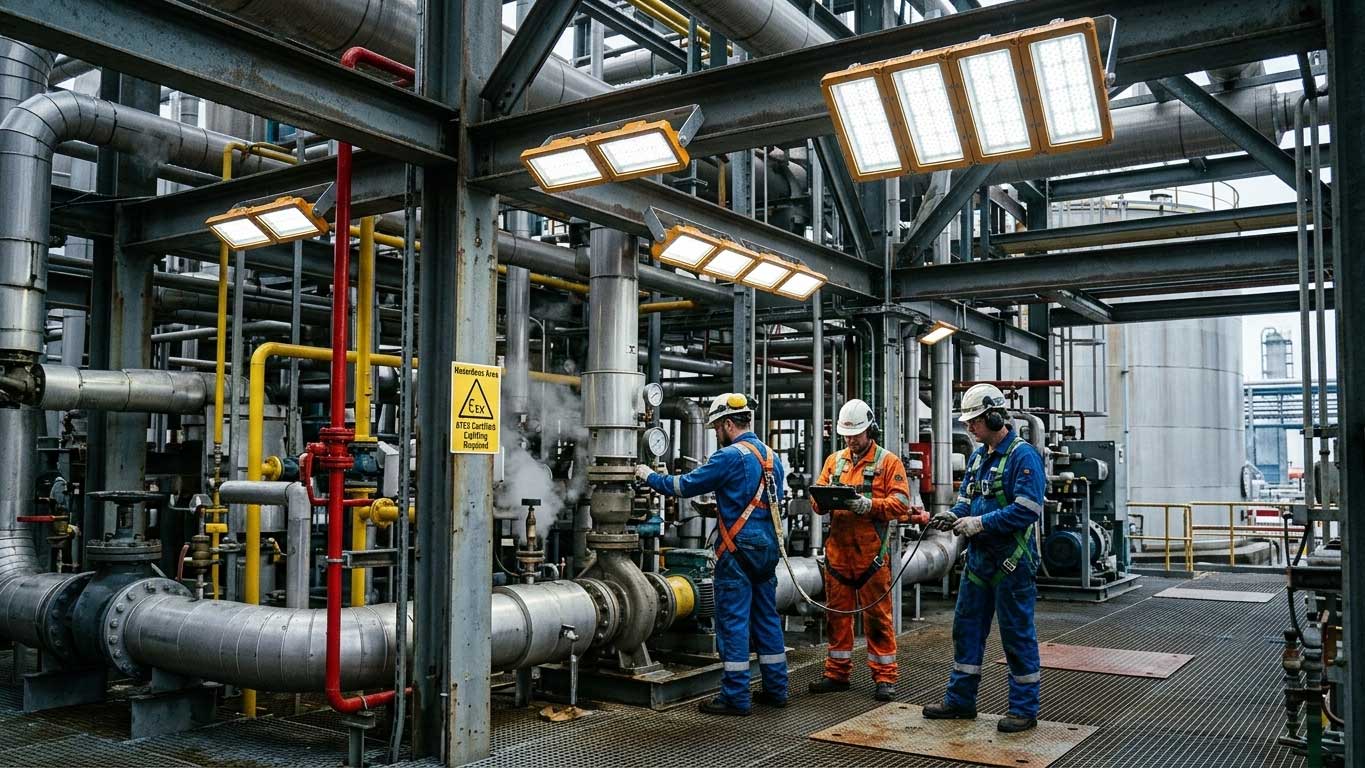
The customer list is broader than many people expect.
Methane accumulation makes lighting selection important.
Fifteen years ago, many hazardous facilities still used:
Maintenance crews frequently replaced lamps.
Today, LED technology has changed expectations.
According to the U.S. Department of Energy, LED systems significantly reduce energy consumption and maintenance requirements.
Reference:
https://www.energy.gov/eere/ssl
Modern hazardous LED fixtures often provide:
A maintenance manager at a chemical plant once described the difference simply:
“We stopped bringing spare lamps.”
Several purchasing mistakes appear repeatedly.
Wattage alone means little.
A 100W fixture may produce:
depending on design.
A fixture suitable for 40°C may fail inside a 65°C process area.
Water resistance and hazardous certification are entirely different concepts.
Initial savings often become maintenance costs.
Different markets require different approvals.
| Certification | Region |
|---|---|
| ATEX | Europe |
| IECEx | Global |
| UL844 | North America |
| CSA | Canada |
| CNEX | China |
International projects frequently require multiple certifications.
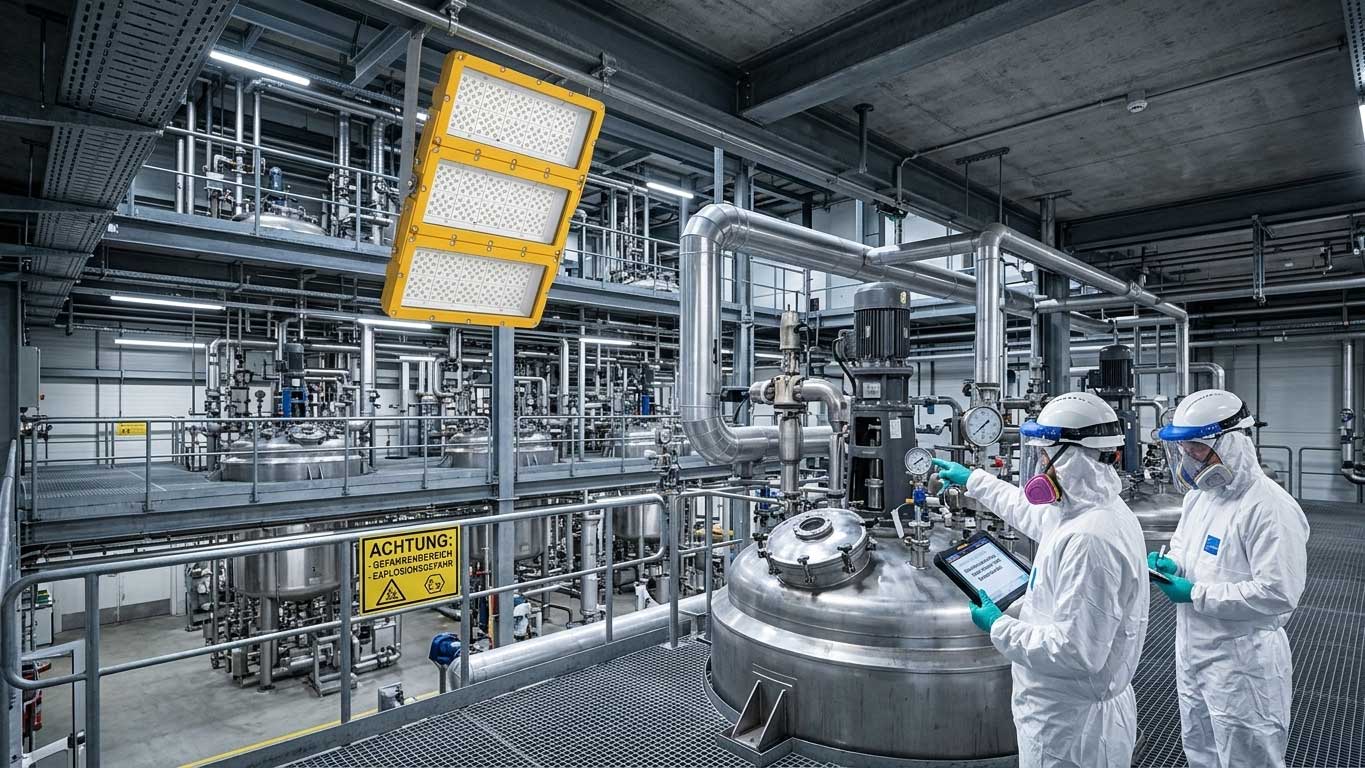
Before selecting a product, engineers should determine:
Without this information, specification becomes guesswork.
Industrial lighting design often begins with the hazard itself, not the luminaire.
Over the years, our engineering team at SEEKINGLED has reviewed projects where lighting had operated continuously for more than a decade.
Interestingly, the most successful installations rarely used the most expensive products.
They used the correct products.
One offshore customer insisted on selecting lower-cost luminaires. Three years later, salt corrosion forced a complete replacement.
Another customer focused on thermal management and corrosion resistance. The fixtures remain operational today.
That difference rarely appears in a catalog.
Many products use flameproof or increased safety designs that prevent ignition.
Yes. Most offer IP66 or IP67 protection.
Typically between 50,000 and 100,000 operating hours.
No. ATEX primarily applies in Europe, while IECEx and UL standards serve other markets.
Hazardous area lighting fixtures are not simply stronger industrial lights. They are engineered safety devices designed to protect workers and facilities where explosive atmospheres may exist. Proper certification, thermal control, and long-term reliability determine their true value.
The fixture itself eventually disappears into the background.
The safety it provides does not.
During a refinery retrofit in Southeast Asia, one issue appeared repeatedly. The hazardous area lighting fixtures themselves met certification requirements, but the installation hardware did not.
A certified fixture can still become a risk if:
One maintenance manager once described it perfectly:
“We bought the correct light but installed it like an ordinary warehouse fitting.”
That sentence stayed with me because it explains many failures in hazardous locations.
| Item | Requirement |
|---|---|
| Cable glands | ATEX/IECEx certified |
| Junction boxes | Matching protection level |
| Fasteners | Stainless steel |
| Mounting angle | According to manufacturer instructions |
| Grounding | Verified after installation |
| Inspection | Initial and periodic |
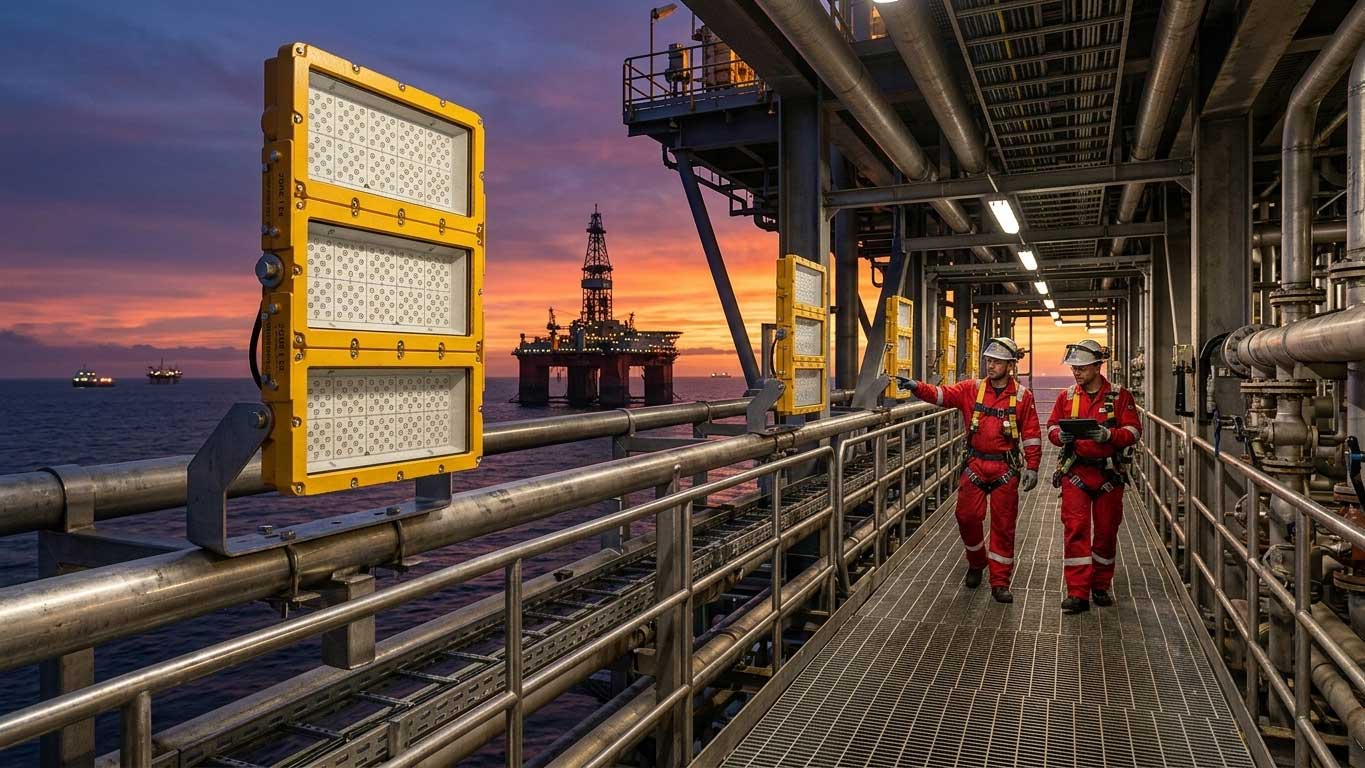
One reason LED technology has become dominant is reduced maintenance.
According to the U.S. Department of Energy, LED systems can reduce maintenance frequency substantially because of longer operating life and reduced lumen depreciation.
Source:
https://www.energy.gov/eere/ssl/solid-state-lighting
However, hazardous locations introduce different problems:
Recommended inspection intervals:
| Environment | Inspection Interval |
|---|---|
| Chemical plants | 6 months |
| Offshore platforms | 3–6 months |
| Grain facilities | 12 months |
| Gas stations | 12 months |
| Warehouses | 12–24 months |
| Factor | LED Fixtures | Metal Halide |
|---|---|---|
| Lifetime | 50,000–100,000 h | 10,000–20,000 h |
| Warm-up time | Instant | Several minutes |
| Maintenance | Low | High |
| Energy consumption | Lower | Higher |
| Vibration resistance | Excellent | Moderate |
| Light degradation | Slow | Faster |
Many operators now calculate total ownership cost rather than initial purchase price.
The cheapest fixture often becomes the most expensive after five years.
Selection usually begins with five questions:
Gas and dust environments require different certifications.
Some facilities experience:
Marine and chemical facilities may require:
Not all hazardous area fixtures are explosion-proof. Some use increased safety or non-sparking protection methods depending on the application.
Yes. Certified LED hazardous area lighting fixtures are widely used in Zone 1 oil, gas, and chemical installations.
Quality LED fixtures often achieve 50,000 to 100,000 operating hours depending on ambient temperature and driver quality.
No. ATEX is mandatory within Europe, while IECEx is an international certification scheme. Many products carry both certifications.
Yes. Most outdoor fixtures offer IP66 or IP67 protection and corrosion-resistant construction.
After nearly two decades around industrial lighting projects, one lesson repeats itself.
Hazardous area lighting fixtures are not purchased because people want special lights. They are purchased because facilities cannot afford failure.
The engineer standing beside a loading rack at 2 a.m., the maintenance supervisor entering a gas compressor building, the technician inspecting an offshore platform during winter—they all depend on the same thing:
Reliable light.
At SEEKINGLED, we have seen projects where replacing outdated fixtures reduced maintenance visits, lowered energy costs, and improved visibility for entire facilities. But the biggest benefit is usually less measurable.
People stop worrying about the lights.
And in hazardous areas, that may be the most valuable outcome.
Michael Chen
Industrial Lighting Application Engineer
SEEKINGLED
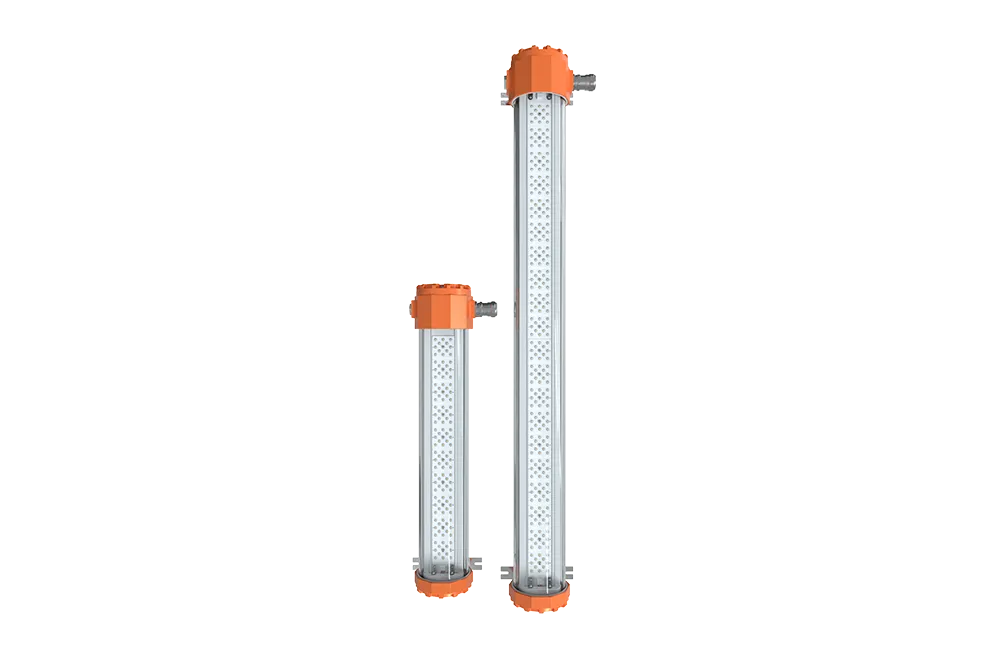
SEEKINGLED LED Linear Explosion Proof Light and Explosion Proof lighting is ATEX and IECEx certified for Zone 1, Zone 2, Zone 21 and Zone 22 hazardous locations, built for long-term industrial use.
View details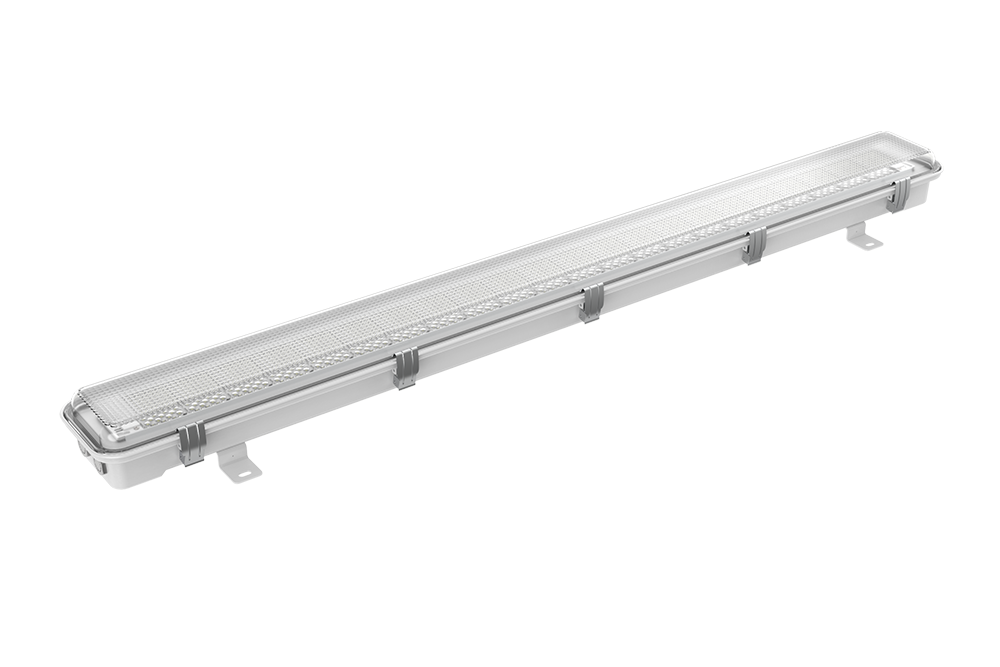
LED Linear Explosion Proof Lights and EX Proof lights for Zone 1, Zone 2, Zone 21 and Zone 22 hazardous areas. ATEX & IECEx certified explosion proof LED linear lighting with emergency function, adjustable power and IP67 protection by SEEKINGLED.
View details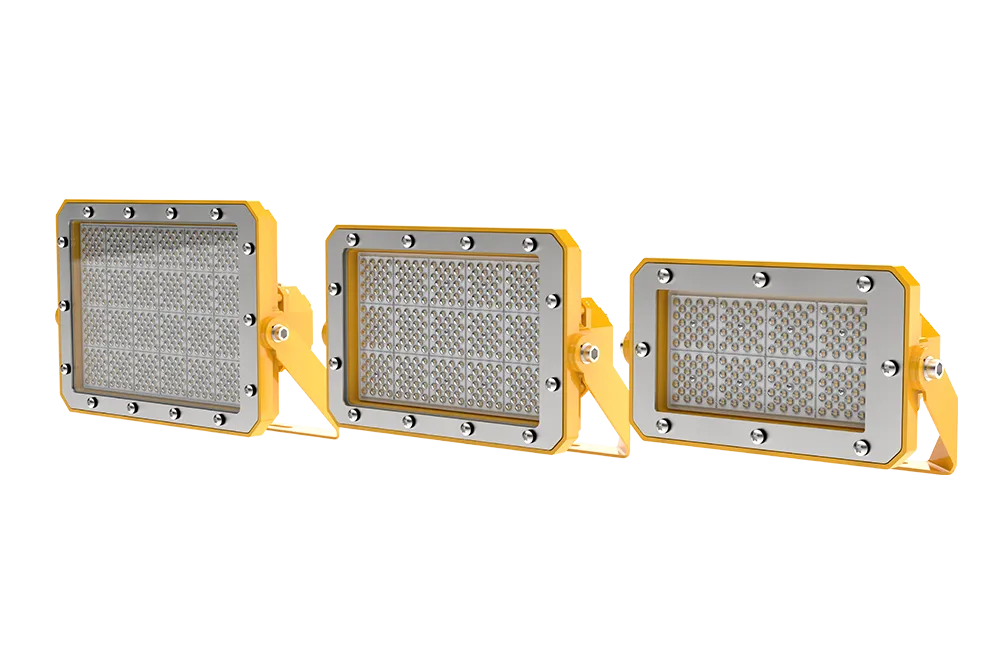
SEEKINGLED LED Explosion Proof Flood Lights are ATEX certified for Zone 2 and Zone 22 hazardous areas, offering high efficiency, adjustable power and integrated junction box.
View details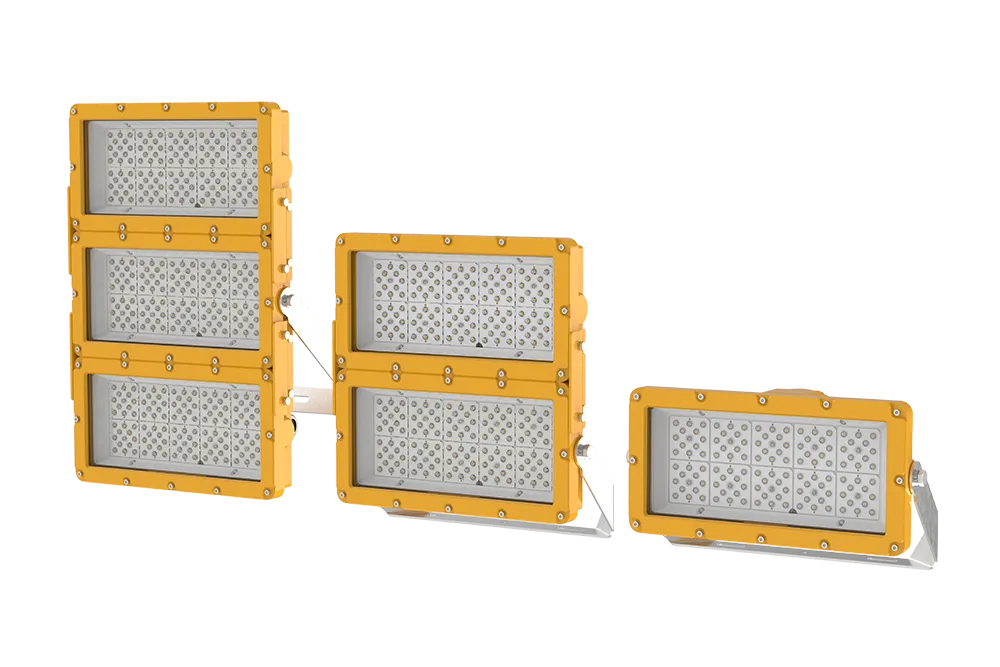
SEEKINGLED LED Explosion Proof Flood Lights are flameproof ATEX and IECEx certified for Zone 1 and Zone 2 hazardous areas, offering high power, adjustable output and long service life.
View details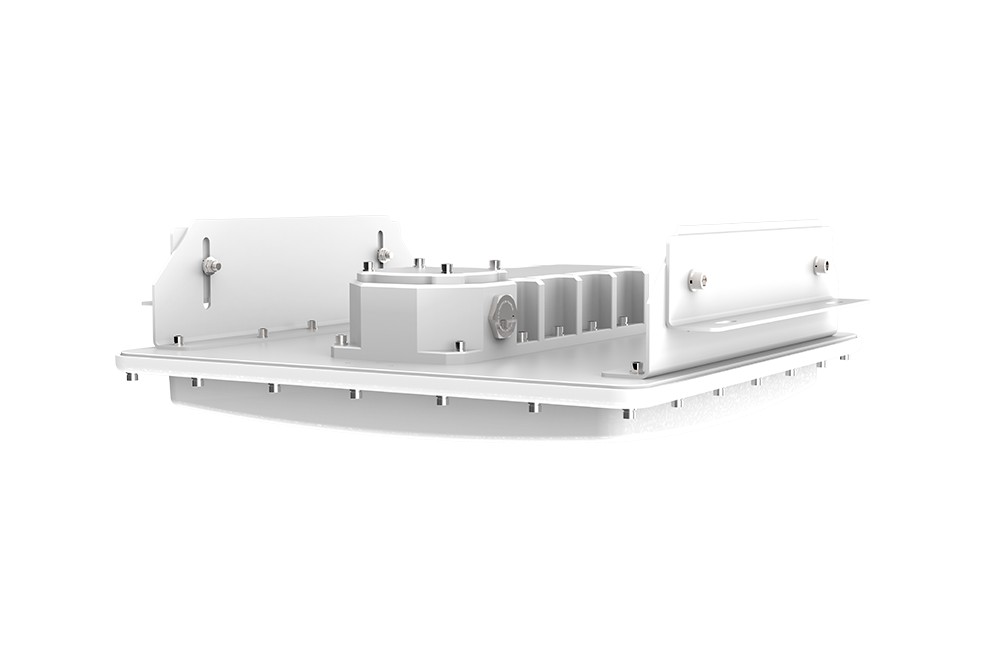
SEEKINGLED LED Gas Station Canopy Lights are ATEX certified for Zone 2 and Zone 22 hazardous areas, featuring adjustable power and built-in explosion-proof junction box.
View details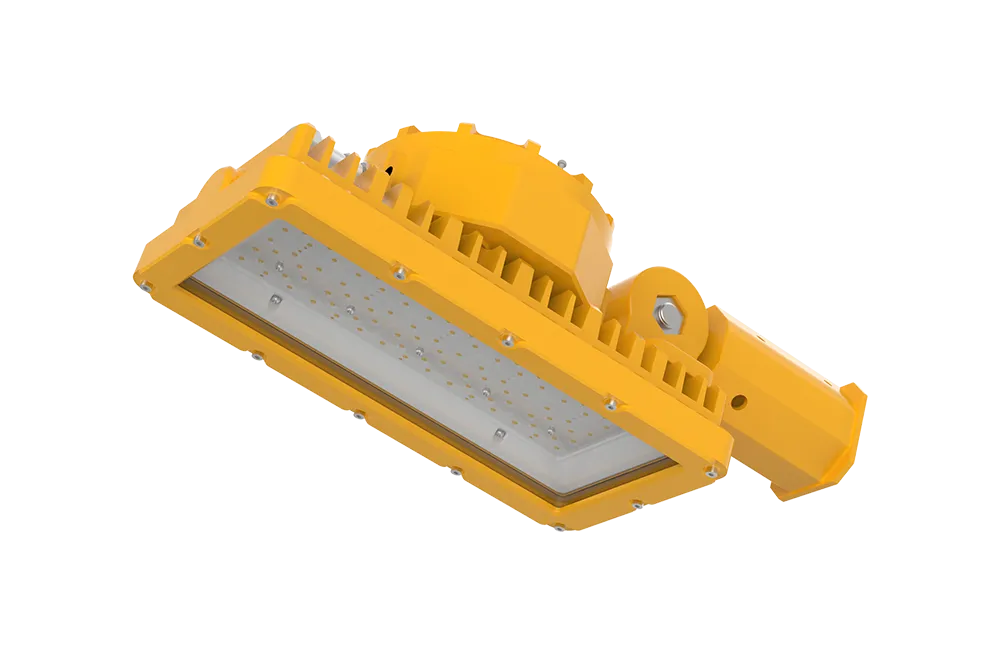
ATEX: Ex II 2G Ex db IIB T6/T5 GbEx II 2D Ex tb IIIC T80°C/ T95°C Db IECEx Ex db IIB T6 Gb;Ex tb IIIC T80°C Db Feature: ● For Zone 1,2 and Zone 21,22● Flameproof type, the strongest● 100W can replace 250W HID,energy saving● Power:60W,80W,100W Application: Oil and gas, marine, Chemical, pharmaceutical, semiconductor,mining,military industr…
View details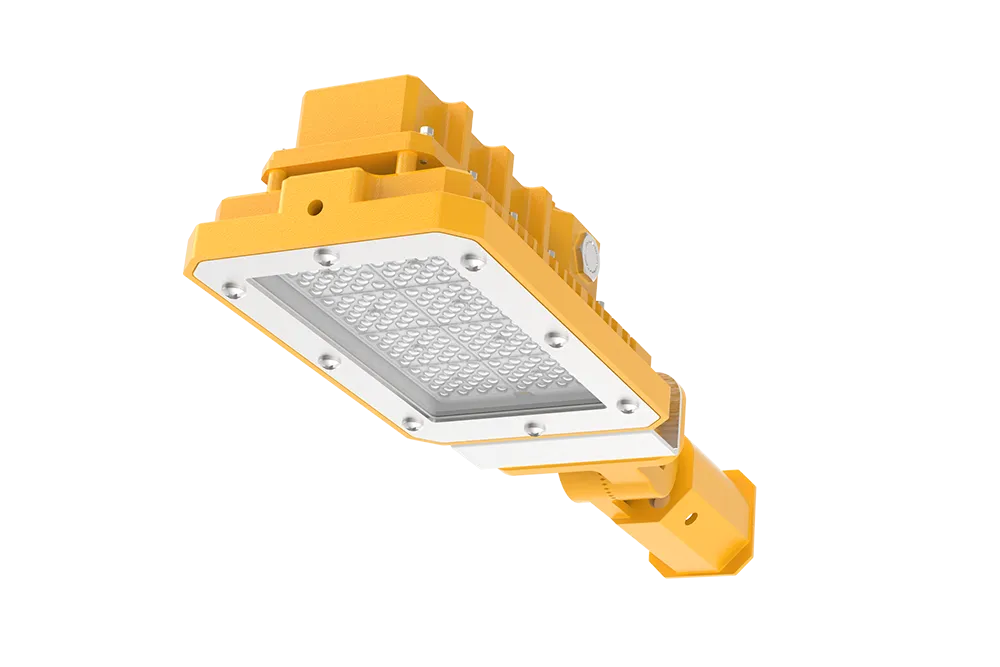
ATEX: II 3G Ex nR ⅡC T5/T6 GcII 3D Ex tc ⅢC T80℃/T95℃Dc ATEX Certificate NO: TÜV CY 26 ATEX 0207611 X Feature: ● For Zone 2 and Zone 22● 150W can replace 250W HID lamps,Energy saving● Power:50W,75W,100W,150W,200W Application: Oil and gas, marine, Chemical, pharmaceutical, semiconductor,mining,military industry, paint booth,power plant ETC…
View details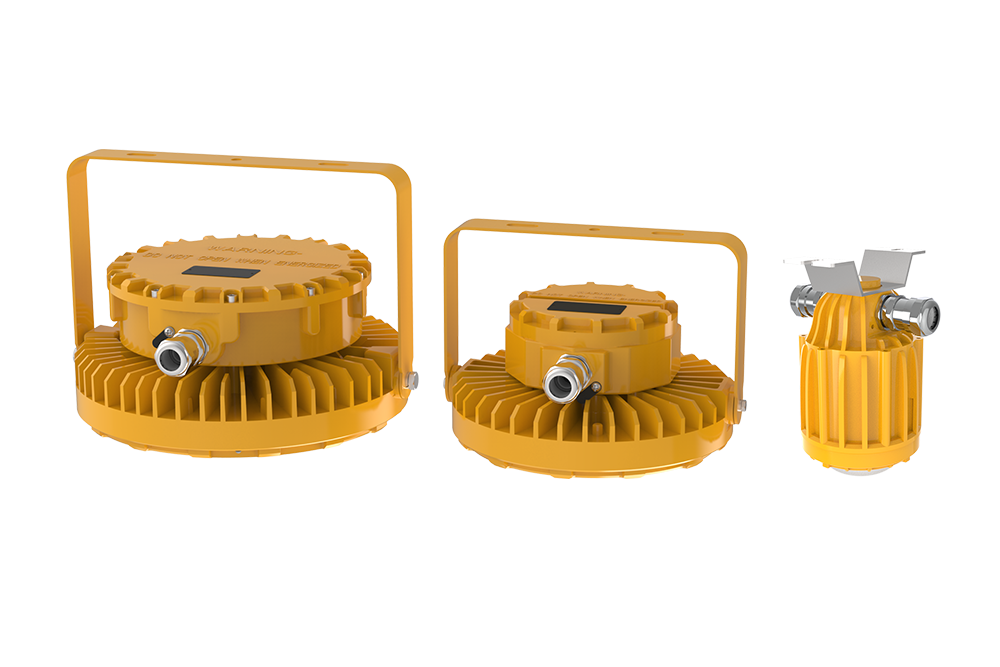
LED explosion proof high bay lights are designed for Zone 1, Zone 2, Zone 21 and Zone 22 hazardous areas. This page introduces the HB21 Series from SEEKING, including certifications, power options and real application considerations.
View details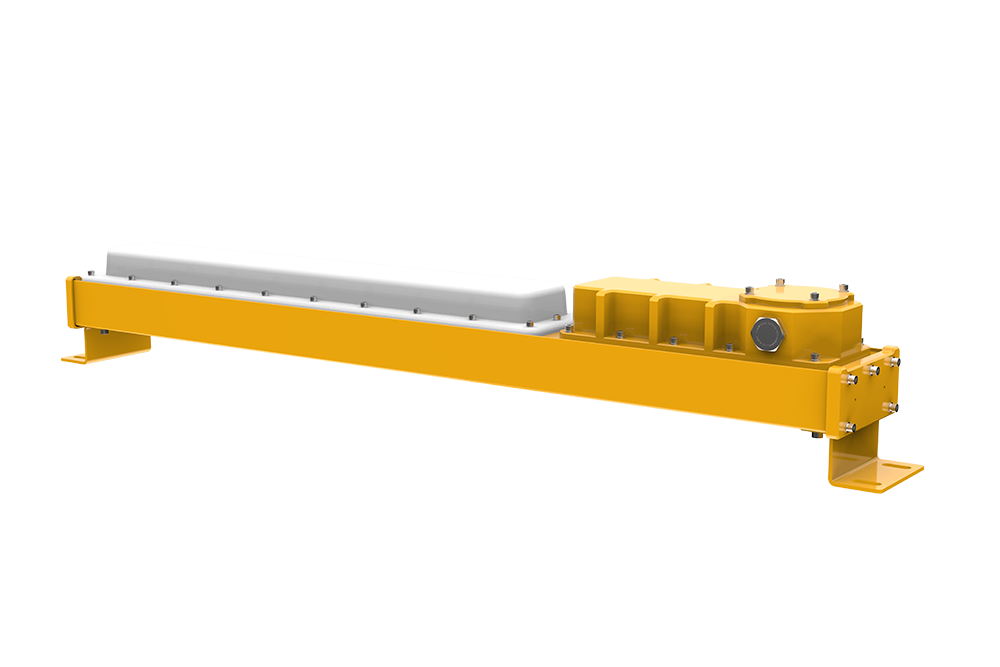
LED Linear Explosion Proof Lights from SEEKINGLED. LU Series Flame Proof lights ATEX-certified explosion proof LED linear lighting for Zone 2 gas and Zone 22 dust areas, IP69K, IK10, long lifetime and flexible power options.
View details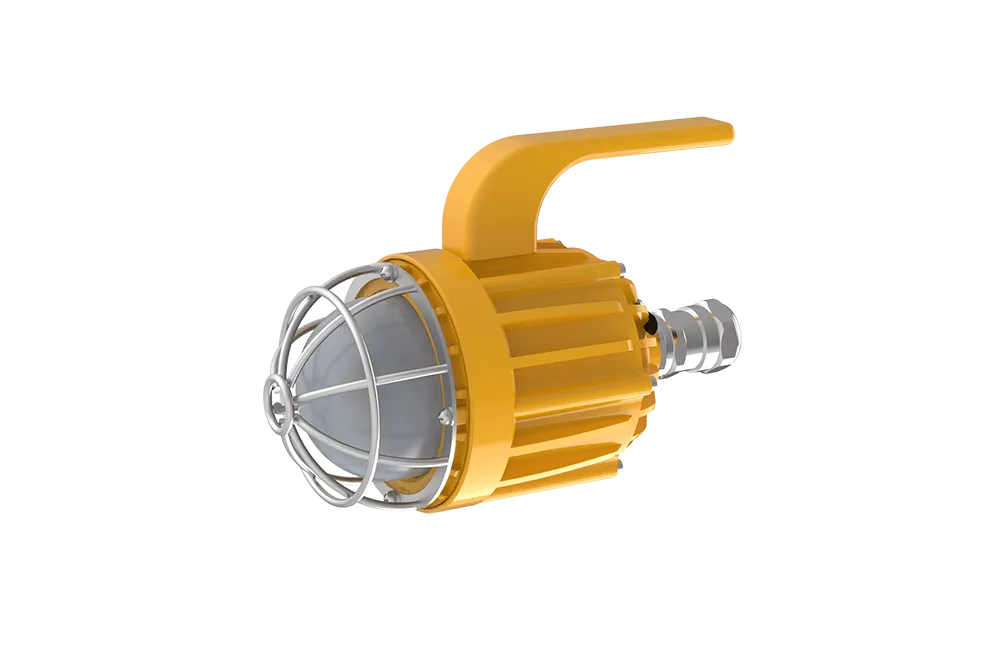
Certified explosion proof work lights for Zone 1 & 21 hazardous areas. Portable, ATEX & IECEx approved, built for oil, gas and chemical plants by SEEKINGLED.
View details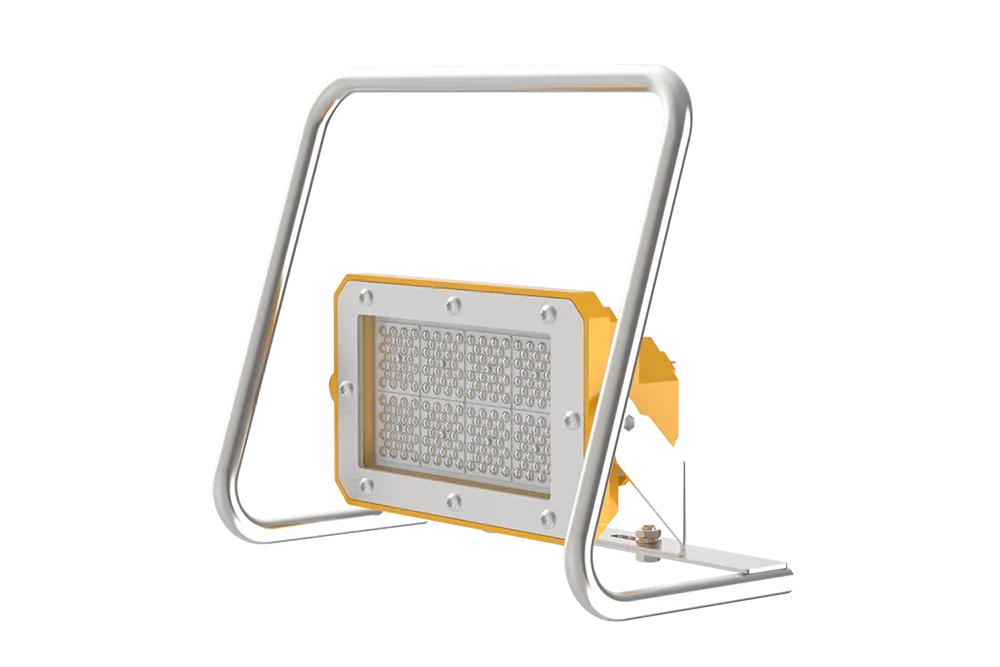
ATEX: II 3G Ex nR ⅡC T6 GcII 3D Ex tc ⅢC T80℃ Dc ATEX Certificate NO: TÜV CY 26 ATEX 0207611 X Feature: ● For Zone 2 and Zone 22● Accepts battery-powered supply● indestructible● Power:AC input:50W,75W,100WDC input:15W,25W,35W Application: Oil and gas, marine, Chemical, pharmaceutical, semiconductor,mining,military industry, paint booth,po…
View details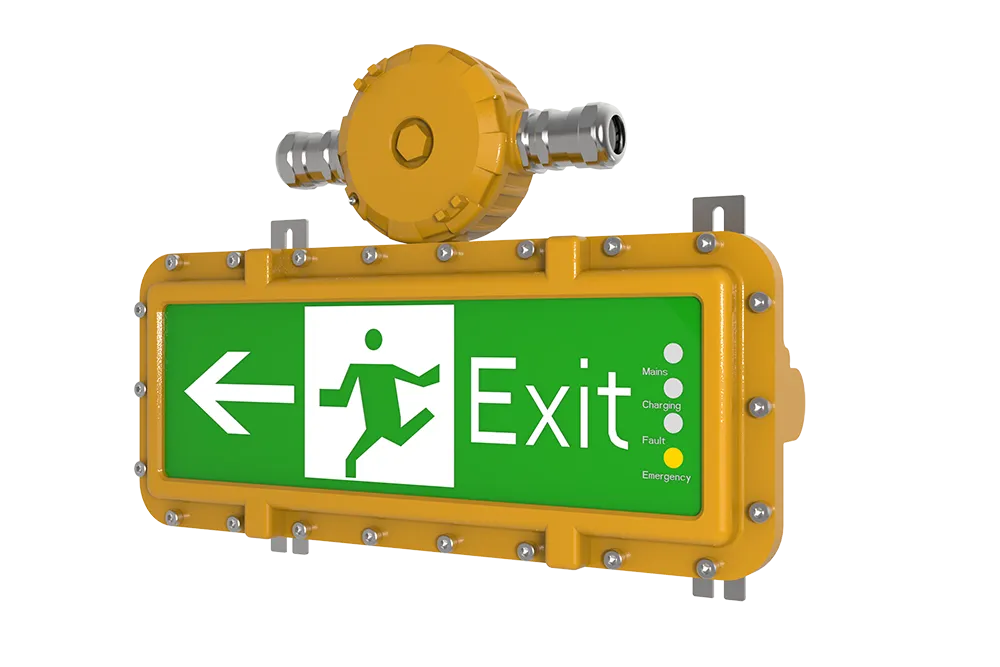
ATEX: Ex II 2G Ex db IIB T6 GbEx II 2D Ex tb IIIC T80°C Db IECEx Ex db IIB T6 Gb;Ex tb IIIC T80°C Db Feature: ● For Zone 1,2 and Zone 21,22● Flameproof type, the strongest Application: Oil and gas, marine, Chemical, pharmaceutical, semiconductor,mining,military industry, paint booth,power plant ETC hazardous area. Technical Specifications:…
View details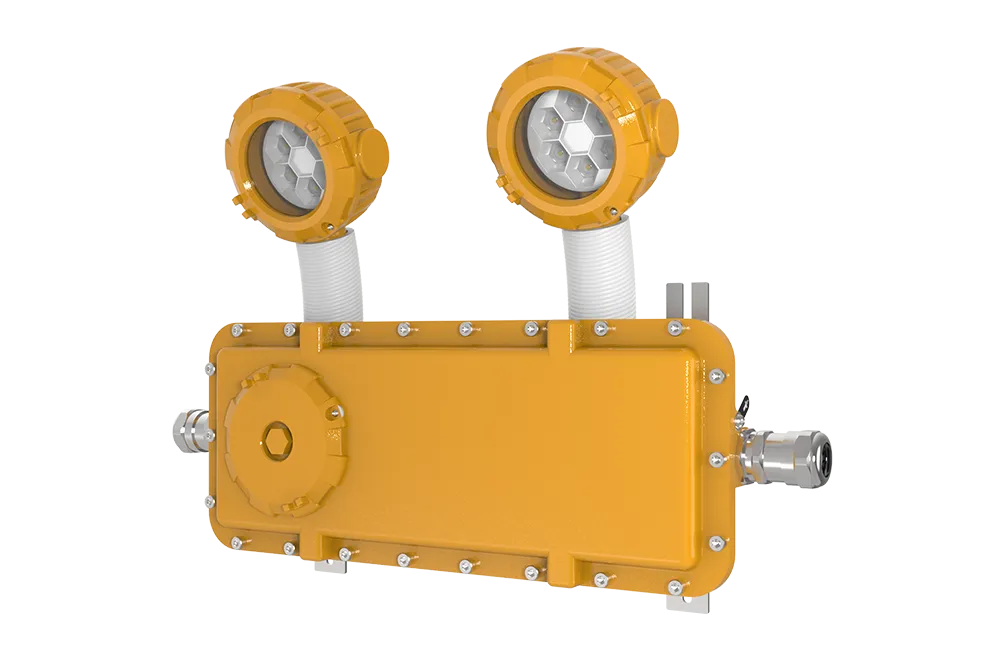
ATEX: Ex II 2G Ex db IIB T6 GbEx II 2D Ex tb IIIC T80°C Db IECEx Ex db IIB T6 Gb;Ex tb IIIC T80°C Db Feature: ● For Zone 1,2 and Zone 21,22● Flameproof type, the strongest Application: Oil and gas, marine, Chemical, pharmaceutical, semiconductor,mining,military industry, paint booth,power plant ETC hazardous area. Technical Specifications:…
View details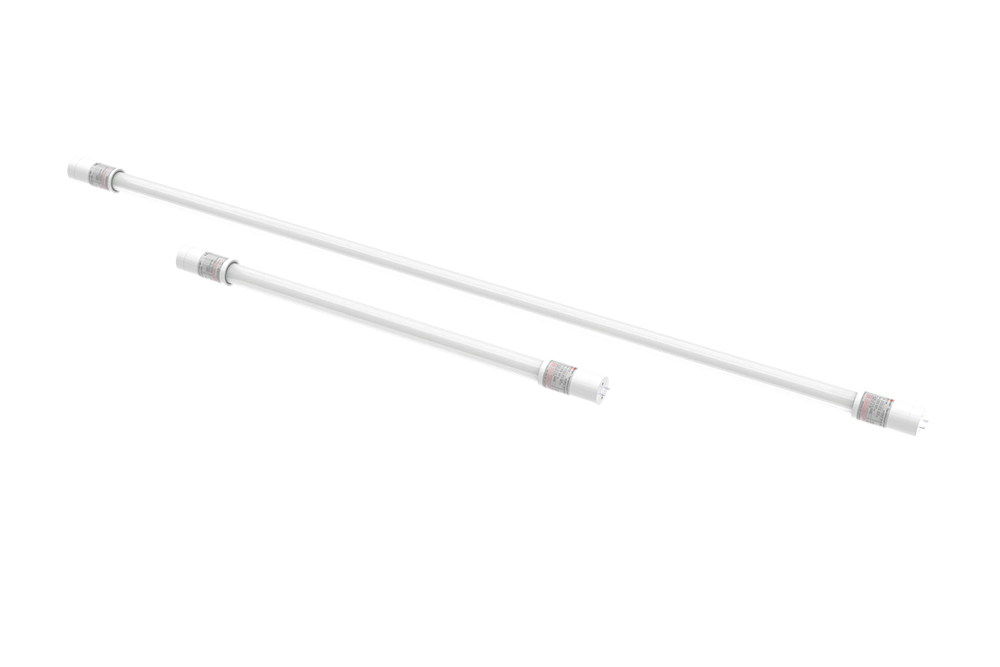
ATEX: Ex II 2G Ex d e IIB T6 Gb ATEX: Ex d e IIB T6 Gb; Feature: ● For Zone 1,2● 9W can replace 18W fluorescent lamps,50% Energy saving Application: Oil and gas, marine, Chemical, pharmaceutical, semiconductor,mining,military industry, paint booth,power plant ETC hazardous area. Technical Specifications: Standards:60079-0, 60079-1, 60079…
View details
Looking for a 200W LED high bay light that lasts? SEEKINGLED HBD Series delivers 160 lm/W efficiency, IP66 durability, and proven industrial reliability.
View details
Use explosion proof flood light solutions for hazardous areas. Certified safety, stable illumination, and long-term reliability from SEEKINGLED.
View details
atex portable work light delivers safe illumination for hazardous zones. Explore ATEX certification, industrial applications, and field experience from SEEKINGLED.
View details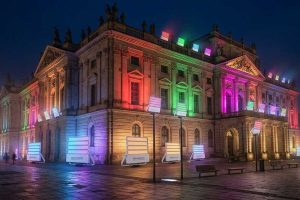
floodlight rgb delivers dynamic color-changing illumination for outdoor spaces, events, and architectural lighting with energy efficiency and flexible control.
View details