 Seeking LED
Explosion-Proof Light Fixtures for Hazardous Industrial Applications
0Discover explosion-proof light fixtures engineered for hazardous locations. Learn ATEX ratings, certifications, industrial safety standards, and LED performance.
View detailsSearch the whole station
A flood light is called a “flood” light because it is designed to spread light across a broad area rather than concentrate it into a narrow beam. The Illuminating Engineering Society defines a floodlight as a projector used to illuminate a scene or object brighter than its surroundings, with beam spreads ranging from about 10° to more than 100°.
The word “flood” describes the way illumination spreads over a target area. It does not mean the fixture is related to water or is specifically designed for rainy conditions.
Think about a warehouse yard at dusk. A narrow spotlight can put a strong patch of light on one loading bay, while a flood light can cover the wall, vehicle access area, equipment zone, or surrounding ground with a much wider distribution.
The terminology is also established in professional lighting practice. The Illuminating Engineering Society describes floodlighting as a system intended to illuminate a scene or object to a higher luminance than its surroundings.
That distinction matters when selecting commercial lighting. “Flood” refers primarily to the optical function, not simply the wattage, brightness, or outdoor location.
A flood light uses its optical system to control where light leaves the fixture. Depending on the application, the distribution can be relatively narrow, medium, or very wide.
The IES gives a particularly useful range: floodlight field angles can extend from approximately 10° to more than 100°.
| Lighting characteristic | Flood light |
|---|---|
| Main purpose | Illuminate an area, surface, or object |
| Beam range | Narrow to very wide |
| Typical mounting | Wall, pole, building, structure |
| Aiming | Usually adjustable |
| Common applications | Yards, façades, sports areas, parking areas, industrial sites |
| Key selection factors | Lumens, beam distribution, mounting height, aiming, environment |
This is why two fixtures with similar wattage can produce very different results. Wattage describes electrical input; it does not tell you how the light is distributed across the ground.
The easiest distinction is optical distribution.
A spotlight is generally selected when the goal is to concentrate illumination on a relatively specific subject or location. A flood light is used when the illuminated area needs to be broader.
In professional outdoor lighting, the difference becomes obvious during aiming. ANSI/IES RP-8-22 explains that floodlights use aimable luminaires to direct controlled light toward surfaces, architectural elements, or other defined targets. It also notes that floodlights are available with beam types ranging from narrow to wide.
That means “flood” does not automatically mean “extremely wide.” A floodlight can have a comparatively controlled beam when the application requires distance or precision.
A common field problem is choosing a powerful fixture but aiming it poorly.
ANSI/IES RP-8-22 notes that incorrect aiming can create hot spots, poor illumination, glare, and wasted light. Its general design guidance uses the illuminated area and mounting geometry to determine the aiming point rather than simply pointing the fixture straight ahead.
For commercial projects, photometric data is therefore more useful than wattage alone.
Flood lights are useful whenever a relatively large surface or outdoor area needs controlled illumination.
Typical applications include:
The fixture may be mounted on a wall, pole, roof structure, or other suitable support. The IES specifically describes floodlights as aimable equipment capable of directing light onto a defined surface.
For an industrial installation, the mounting height and target distance can completely change the required optical distribution. A fixture that works well on a low warehouse wall may be a poor choice when installed 10 or 15 meters above a yard.
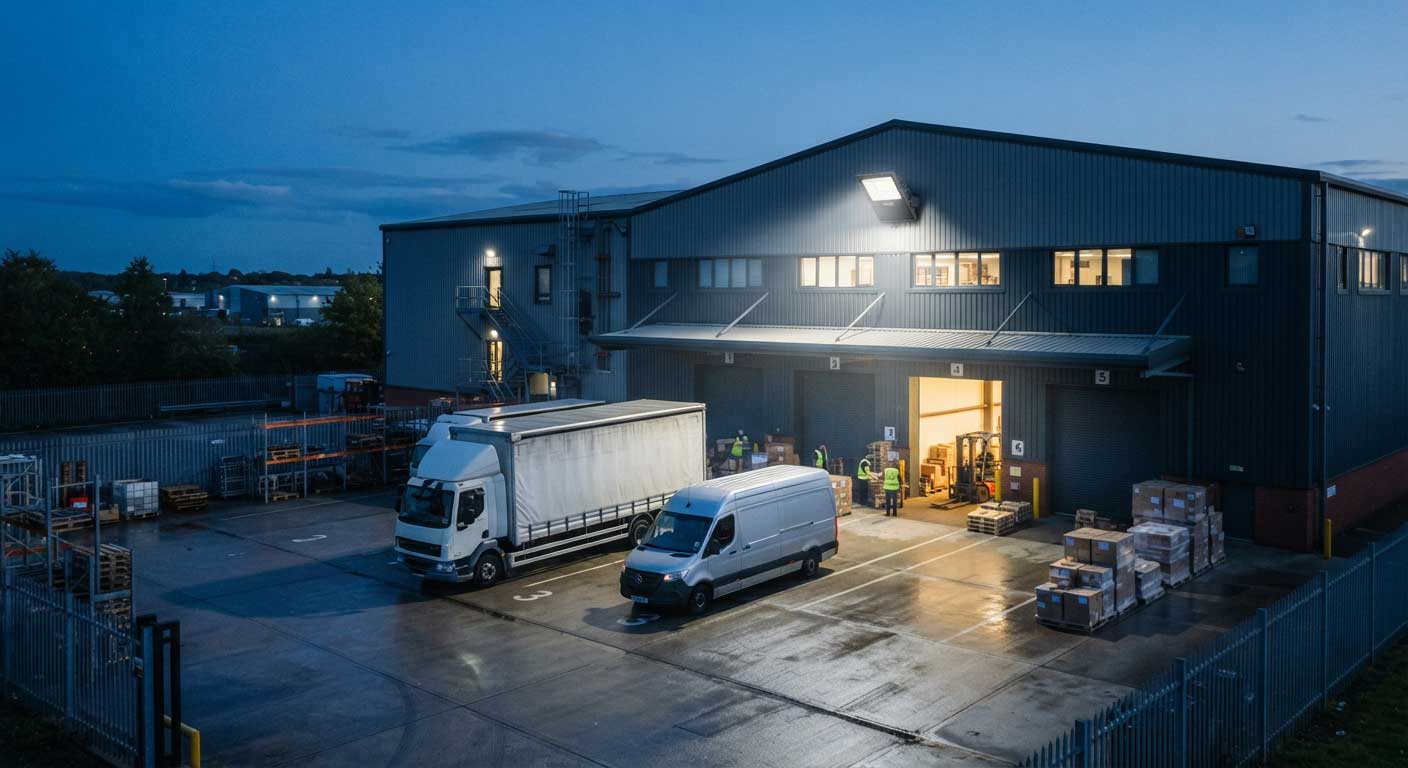
The broad distribution is only part of the reason. Outdoor flood lights also need construction appropriate for their environment.
UL Solutions explains that line-voltage outdoor luminaires are evaluated for applicable requirements including wet-location conditions, while outdoor products may also be evaluated for ingress protection against moisture and dust.
So when specifying a flood light, the optical question is only one part of the job.
A commercial specification may need to consider:
This is where a manufacturer’s photometric files and installation data become more valuable than a simple “high brightness” description.
Modern LED flood lights can combine broad-area illumination with more controlled optical distributions than the older image of a simple high-power lamp might suggest.
The IES notes that manufacturers provide floodlights with different wattages, beam types, light sources, and optical systems. Its roadway and parking-facility guidance also recommends considering shields or louvers where needed to reduce spill light, glare, and uplight.
For industrial and commercial buyers, this changes the selection process. The question is not simply, “How powerful is the flood light?”
A better specification question is: Where must the useful light land, and how much unwanted light should stay out of the surrounding area?
It is called a flood light because it spreads illumination across an area, similar to the idea of light “flooding” a scene rather than being concentrated into a small spot.
No. A spotlight generally concentrates light on a more specific target, while a flood light is designed for broader area illumination. However, floodlights can also have relatively narrow beam distributions.
Flood lights are commonly used outdoors because they can illuminate building façades, yards, parking areas, loading zones, sports areas, and other relatively large surfaces from a suitable mounting position.
No. The IES states that floodlight beam spreads can range from around 10° to more than 100°. The required distribution depends on the application.
No. Wattage describes electrical power consumption. Beam width is determined mainly by the fixture’s optical design, including its reflector, lens, and distribution.
Check lumens, optical distribution, mounting height, target area, aiming adjustment, environmental suitability, glare control, controls, and available photometric data. For outdoor installations, the applicable safety and environmental ratings should also match the installation conditions.
The name “flood light” comes from its lighting function: it is intended to spread controlled illumination over a scene, surface, or area rather than simply producing a concentrated spot. The exact beam can still vary considerably, which is why professional flood light selection depends on optics, mounting geometry, aiming, and the actual environment.
For commercial lighting projects, SEEKINGLED focuses on the practical side of flood lighting—appropriate optical distribution, installation conditions, and application requirements—not just wattage. Understanding why it is called a flood light is a small point, but it leads to a much more useful way of specifying the fixture.
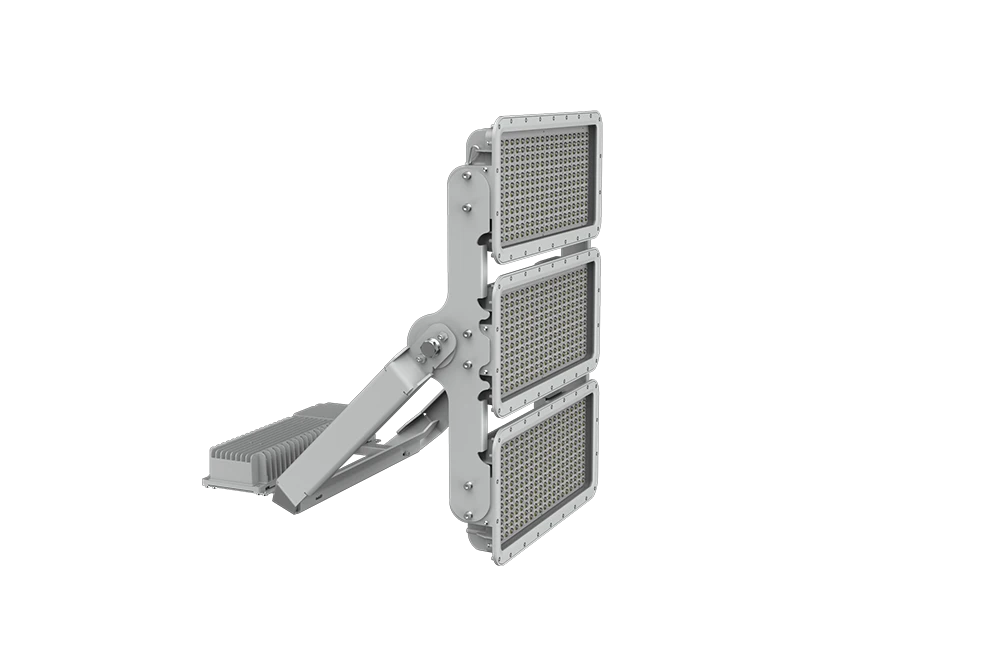
Sports Stadium LED Lighting by SEEKINGLED delivers high mast illumination, precise beam control, and EN 12193 compliant performance for professional venues.
View details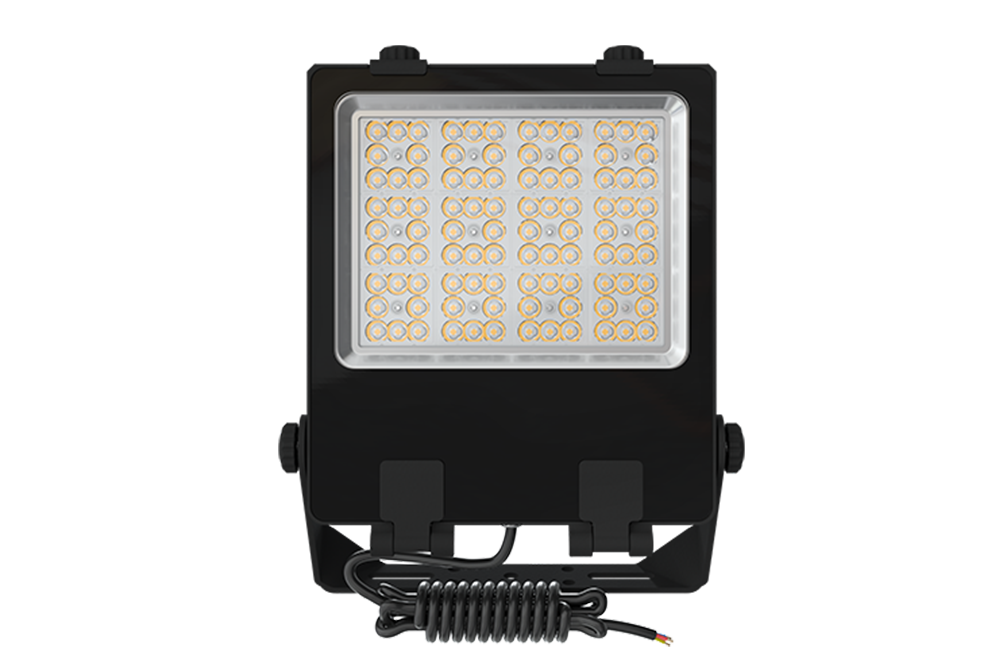
SEEKING FLX Series LED flood light outdoor for sports courts and open-area projects with 170lm/W efficiency, IP66 protection and multiple beam distributions. Designed for long-life commercial and public outdoor use.
View details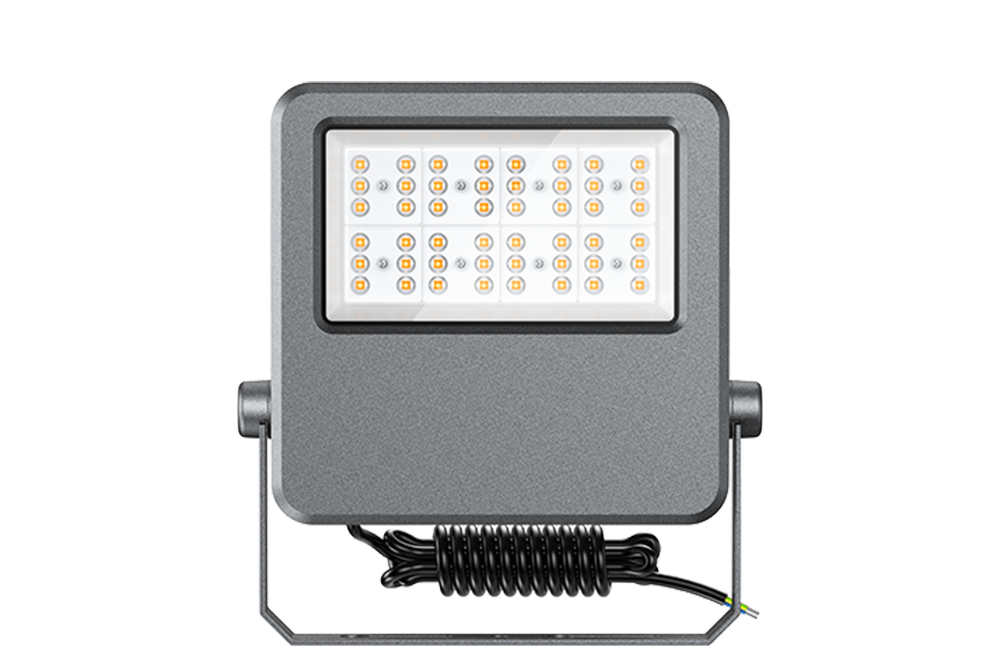
SEEKING FLE Series LED outdoor flood lights for sports grounds and open areas with multiple beam angles, IP66 protection and up to 170lm/W. Designed for long-life outdoor installations with professional driver options.
View details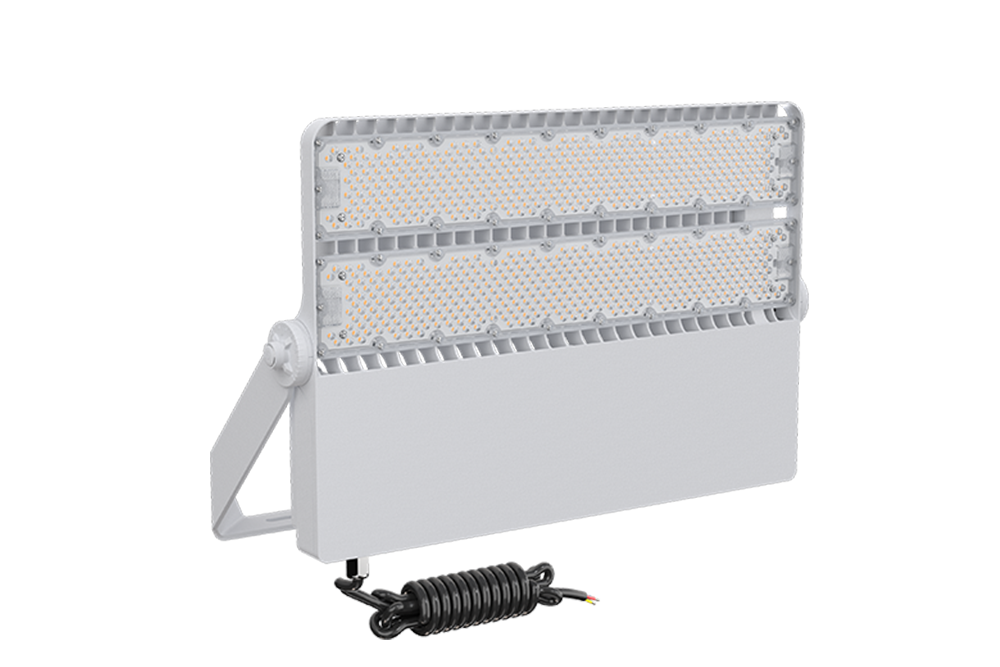
SEEKING FLD Series outdoor LED flood lights and high power led flood light deliver up to 960W with precision beam angles for sports fields, stadiums and large outdoor areas. IK08 & IP66 protection, 170lm/W efficiency and 100,000h lifetime.
View details
Discover explosion-proof light fixtures engineered for hazardous locations. Learn ATEX ratings, certifications, industrial safety standards, and LED performance.
View details
Explosion-Proof LED Linear Lights engineered for hazardous zones. SEEKINGLED ATEX & IECEx certified fixtures deliver safe, uniform illumination for chemical, pharma and industrial facilities.
View details
What wattage for outdoor LED flood lights is actually needed? A practical guide based on outdoor use, not lab numbers.
View details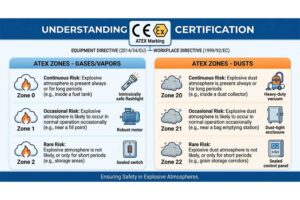
What is ATEX Certification? Learn EU explosive atmosphere standards, zone classifications, legal requirements, and why ATEX compliance is essential for industrial safety and EU market access.
View details