How to turn off flood lights? Use the wall switch, timer, photocell, motion sensor, remote control, or lighting-management system that operates the fixture. If the light will not turn off normally, check the control settings first; for hardwired electrical faults, isolate the circuit at the breaker and have the fixture inspected.
Turning off a flood light is usually easy. Finding out why it stays on can be the more useful question.
An exterior flood light may be controlled by a simple switch, a photocell that responds to daylight, a motion sensor, a timer, or a networked lighting system. In commercial installations, several controls can operate the same fixture, so switching one control does not necessarily mean the luminaire is actually being commanded OFF.
Check How the Flood Light Is Controlled
Before touching the fixture, identify its control method.
Control type
How to turn the flood light off
Common application
Wall switch
Move the switch to OFF
Homes, garages, entrances
Timer
Disable or adjust the schedule
Residential and commercial sites
Photocell
Wait for daylight or test the sensor
Outdoor security lighting
Motion sensor
Allow the timeout period to expire
Driveways, entrances, warehouses
Remote/app
Use the OFF command
Smart lighting
Lighting control system
Send an OFF or dimming command
Commercial sites
Circuit breaker
De-energize the circuit
Maintenance or fault isolation
The U.S. Department of Energy describes exterior lighting controls using daylight, time events, and occupancy as inputs, with the output either switching lighting OFF or reducing its level.
That matters when troubleshooting. A flood light that remains on after a wall switch is turned off may not have a failed LED module at all. The photocell, sensor, timer, relay, or control system may still be sending an ON command.
How to Turn Off a Flood Light With a Wall Switch
1. Find the Dedicated Switch
For a basic installation, locate the switch controlling the flood light and move it to OFF.
Wait a few seconds. LED drivers can respond differently from older incandescent lamps, and a sensor-controlled fixture may have a programmed delay.
If the light goes out, there is usually no reason to access the fixture itself.
2. Check for a Second Control
Some outdoor lights are wired so that the switch and another control device both influence operation.
Look for:
Motion sensors
Photocells
Timers
Smart switches
Remote controls
Building automation controls
On a commercial site, the control may be located several rooms away or inside an electrical panel rather than beside the flood light.
How to Turn Off Motion-Activated Flood Lights
Motion-activated flood lights do not always turn off immediately after movement stops.
The fixture may have a programmed time delay, so walk away from the detection zone and wait for the programmed period to expire.
If the light remains on continuously, check the sensor settings.
Possible causes include:
Detection sensitivity set too high
Sensor aimed at a moving road or sidewalk
Trees or vegetation moving in the detection area
Pets repeatedly triggering the sensor
Another light source affecting the sensor
A control or sensor fault
For commercial LED lighting, controls can have a substantial operational effect. A Department of Energy field study of occupancy-sensor-controlled LED parking facilities reported additional energy savings ranging from virtually none to 76%, depending on the installation. The result is a useful reminder that control performance depends heavily on how the system is configured and used.
How to Turn Off Flood Lights With a Timer or Photocell
Timer-Controlled Flood Lights
If the fixture is timer-controlled, the OFF command comes from the programmed schedule.
Check:
Current time and date
ON/OFF schedule
Override settings
Holiday or special schedules
Manual override status
For commercial installations, programmable schedules can automatically switch exterior lighting off when it is no longer needed. DOE identifies time-based shutoff as one of the standard exterior-lighting control strategies.
Photocell-Controlled Flood Lights
A photocell normally switches outdoor lighting according to ambient light.
During daylight, the control should normally command the fixture OFF. At night, it allows the fixture to operate.
If the light remains on during bright daylight, inspect the photocell for:
Dirt or obstruction
Incorrect orientation
Physical damage
Incorrect wiring
Failed sensor
Incorrect control settings
Do not cover or manipulate a photocell on a live electrical installation if doing so requires opening the fixture.
What If the Flood Light Will Not Turn Off?
This is where the troubleshooting approach changes.
First determine whether the light is being commanded ON or whether the electrical circuit is failing to disconnect it.
Try the simplest checks:
Use the normal OFF switch.
Check the sensor timeout.
Review timer settings.
Check the photocell.
Disable the smart-lighting command temporarily.
Check whether another control is overriding the switch.
If none of these works, do not repeatedly open the fixture while energized.
For hardwired flood lights, electrical troubleshooting should be performed with the appropriate circuit isolated. If the problem involves the switch, relay, wiring, driver, or control panel, a qualified electrician should inspect the circuit.
Turning Flood Lights Off Saves More Than Electricity
Leaving a flood light operating all night is not always necessary.
DOE’s current exterior-lighting guidance states that lights in unoccupied areas should be turned off and that automatic controls can perform this function more reliably than occupants. It also identifies a 118 lm/W minimum efficacy requirement for floodlight luminaires in covered federal purchasing applications.
Controls can therefore matter almost as much as fixture efficiency.
A useful example comes from DOE research: in eight Princeton University lighting installations, LED retrofits saved approximately 67,000 kWh annually, while adding lighting controls produced an additional 42,000 kWh of annual savings.
The lesson for commercial lighting is practical: installing an efficient flood light is only part of the operating strategy. The fixture should also be controllable when the illuminated area does not need full output.
Common Mistakes When Turning Off Flood Lights
Avoid these shortcuts:
Pulling wires instead of using the intended control
Opening a hardwired fixture while energized
Covering a photocell without understanding its operation
Ignoring a sensor’s programmed delay
Replacing a functioning LED fixture because it remains on
Assuming a wall switch is the only control
Repeatedly resetting a breaker without investigating the fault
For newer LED flood lighting, networked controls can also provide scheduled shutoff, dimming, monitoring, and remote operation. DOE notes that LED exterior luminaires can use networked controls to adjust lighting according to environmental conditions and real-time activity.
FAQ About Turning Off Flood Lights
How do I turn off a flood light manually?
Use the wall switch or dedicated control provided for the fixture. If the light is sensor-controlled, the sensor or timer may override manual operation depending on the wiring and control system.
Why won’t my motion sensor flood light turn off?
It may have a programmed delay or be repeatedly detecting movement. Check the sensor’s timeout and detection area before assuming the fixture has failed.
Why does my outdoor flood light stay on during the day?
A dirty or failed photocell, incorrect wiring, a timer override, or another control command can cause this. Check the control system before replacing the fixture.
Can I turn off a flood light at the breaker?
Yes, the circuit breaker can de-energize a hardwired flood-light circuit. It is primarily an electrical isolation method for maintenance, not a convenient everyday lighting control.
Should outdoor flood lights be left on all night?
Not necessarily. The operating schedule should match the site’s safety, security, occupancy, and lighting requirements. Timers, sensors, and dimming can reduce unnecessary operation. DOE recommends using controls to turn exterior lighting off when areas are unoccupied.
Can LED flood lights be controlled by motion sensors?
Many LED luminaires support occupancy or motion-based control, but compatibility depends on the fixture, driver, sensor, and control method. Check the manufacturer’s specifications before installation.
Conclusion
Knowing how to turn off flood lights starts with identifying the control method: switch, sensor, photocell, timer, app, or lighting-management system. If a normal OFF command fails, investigate the control sequence before opening the fixture or replacing the light.
For SEEKINGLED, good outdoor lighting is not simply about producing more lumens. The fixture, driver, optics, controls, and operating schedule should work together so light is available when it is needed—and reduced or switched off when it is not.
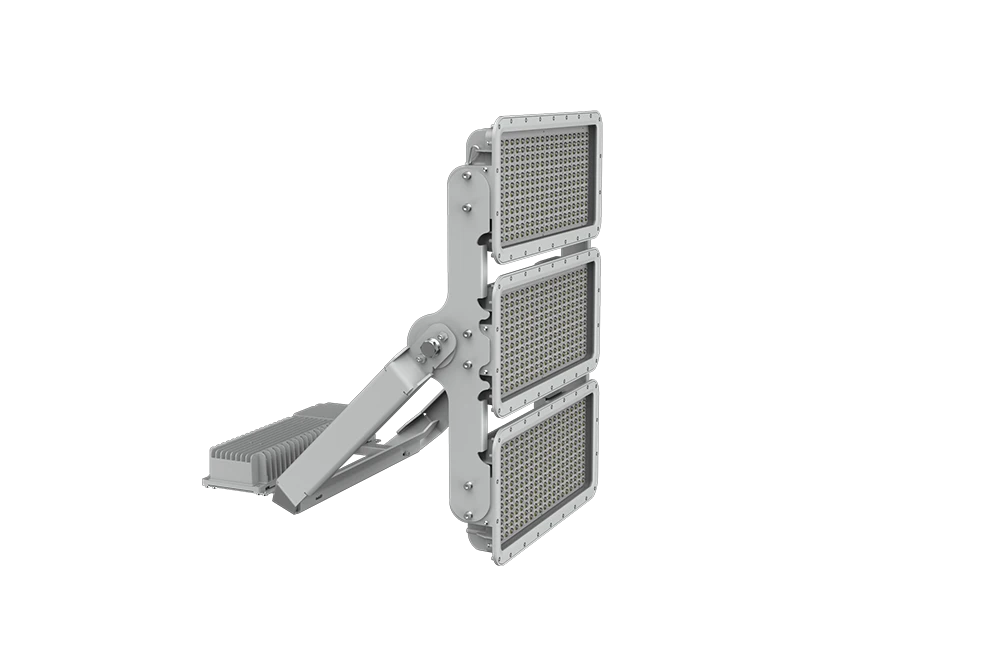
Sports Stadium LED Lighting by SEEKINGLED delivers high mast illumination, precise beam control, and EN 12193 compliant performance for professional venues.
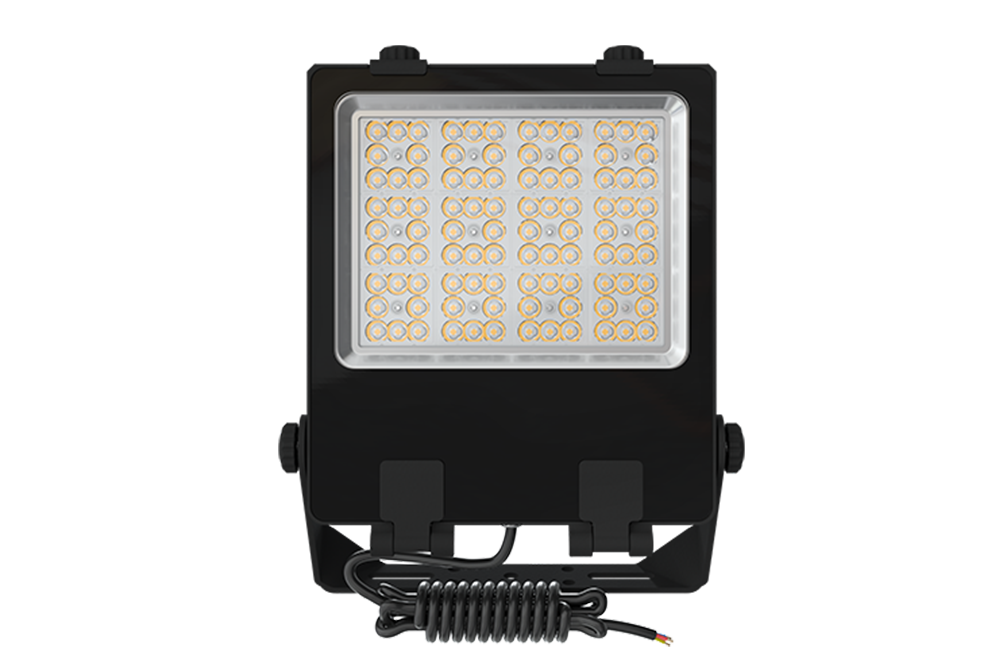
SEEKING FLX Series LED flood light outdoor for sports courts and open-area projects with 170lm/W efficiency, IP66 protection and multiple beam distributions. Designed for long-life commercial and public outdoor use.
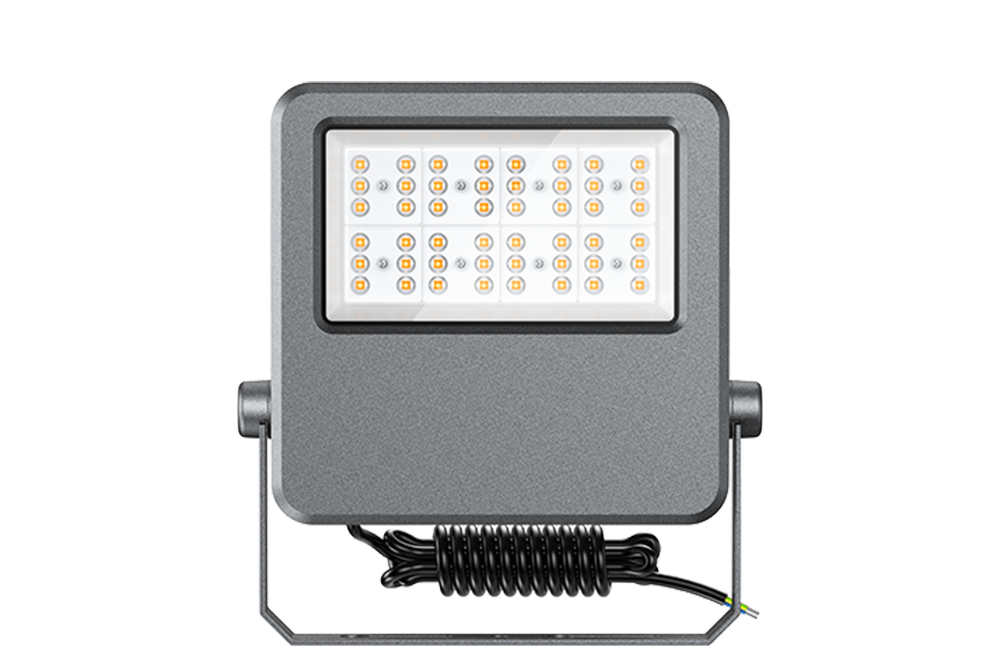
SEEKING FLE Series LED outdoor flood lights for sports grounds and open areas with multiple beam angles, IP66 protection and up to 170lm/W. Designed for long-life outdoor installations with professional driver options.
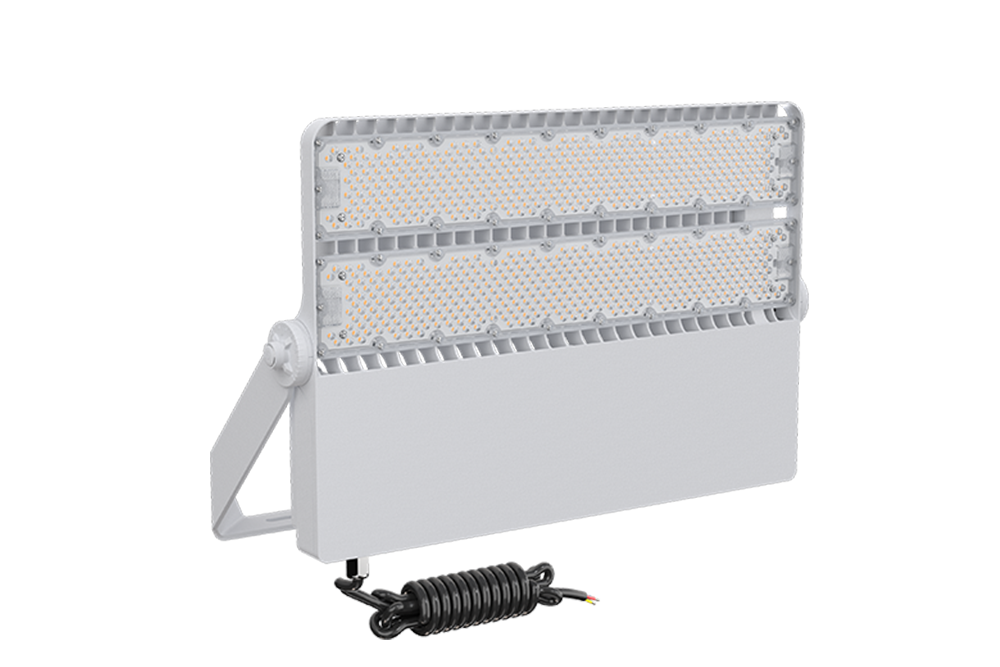
SEEKING FLD Series outdoor LED flood lights and high power led flood light deliver up to 960W with precision beam angles for sports fields, stadiums and large outdoor areas. IK08 & IP66 protection, 170lm/W efficiency and 100,000h lifetime.
Choosing the right football field light matters more than wattage. Learn how outdoor football lighting affects visibility, safety, and long-term performance on real fields.
LED High Bay Lighting for Logistics Warehouse upgrades often focus on reducing maintenance and energy load. This case records how 150W LED high bay lights replaced 400W HPS lamps in a Manchester warehouse using SEEKINGLED fixtures.
Can LED flood lights be used outdoors safely and reliably? This guide explains outdoor LED flood light requirements, weather protection, and real use cases with SEEKINGLED FLD Series high-power fixtures.
 Seeking LED