 Seeking LED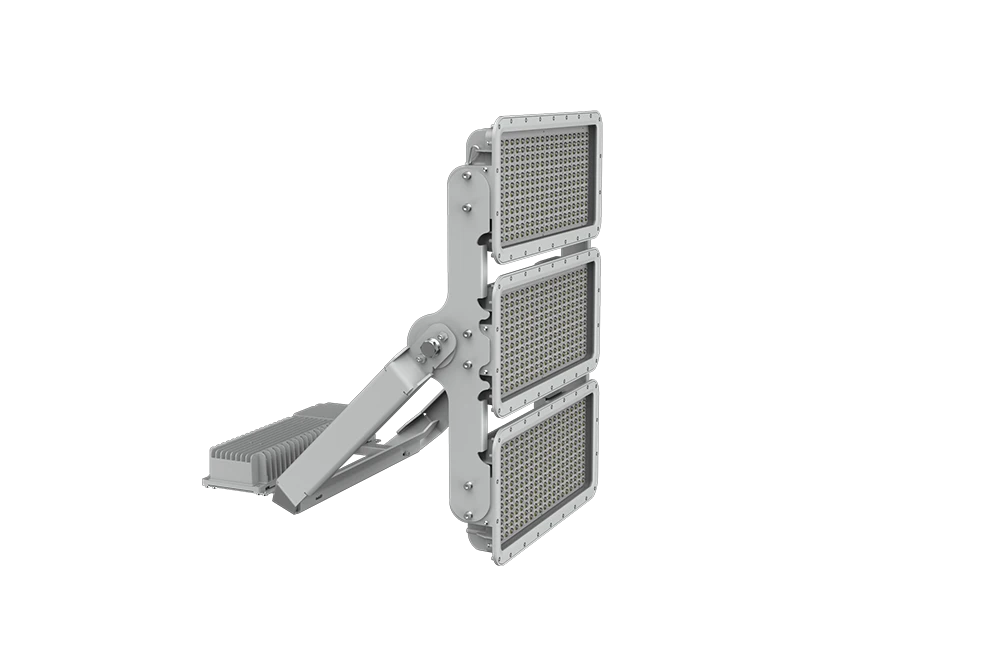
Explosion Proof Light Fixture Guide & Standards
0Explosion proof light fixture ensures safe operation in hazardous areas. Learn design, certifications, materials, and real-world selection tips from SEEKINGLED.
View detailsSearch the whole station
If you’re wondering why is my LED flood light flashing, the problem usually has very little to do with the LED chips themselves. More often it’s the driver, the wiring, or unstable voltage affecting how the light operates.
In simple terms, the electronics are struggling to deliver steady current.
That’s when you start seeing the flashing — sometimes fast, sometimes every few seconds. Not completely off, not fully stable either.
And yes, it happens more often than most people expect.
The first thing I check when someone asks why is my LED flood light flashing is the power supply.
Outdoor lighting circuits are rarely perfect. Large equipment starting up on the same electrical line can cause voltage swings. Compressors, pumps, even elevators in nearby buildings can create sudden load changes.
When voltage drops or spikes happen repeatedly, the LED driver struggles to maintain stable current.
Instead of smooth light output, the driver starts pulsing.
To the human eye that looks like flashing or flickering.
I once inspected a warehouse yard where several flood lights flashed every few minutes. The fixtures weren’t the problem. A nearby refrigeration system kept pulling heavy startup current.
Once the electrical circuit was separated, the flashing stopped immediately.
If voltage is stable but the light keeps flashing, the LED driver becomes the next suspect.
Drivers regulate current to the LED chips. When internal components start degrading — often capacitors — the output current becomes unstable.
Instead of a steady flow of electricity, the driver delivers pulses.
Result: flashing light.
According to studies from the U.S. Department of Energy Solid-State Lighting Program, driver electronics are one of the most common failure points in LED lighting systems. The LEDs themselves usually last much longer.
That’s why higher-quality flood lights focus heavily on driver design and heat management.
For example, many SEEKINGLED LED flood lights use efficient aluminum housings that help dissipate heat from the driver electronics. Lower temperatures mean better stability over time.
Heat kills drivers faster than anything else.
This is a surprisingly common answer to why is my LED flood light flashing.
Outdoor electrical connections live in tough conditions. Temperature changes, moisture, vibration — they all slowly affect wiring terminals.
A slightly loose connection can interrupt current for just a fraction of a second. That’s enough to make the driver reset repeatedly.
The result looks like flashing.
Whenever I troubleshoot flood lights, I always check wiring before replacing the fixture. In many cases the problem turns out to be a loose neutral wire or poorly sealed junction box.
Fixing it takes minutes.
Replacing the light would have been unnecessary.
Security flood lights often include motion sensors or photocells. When these sensors behave unpredictably, the flood light may switch on and off repeatedly.
From a distance it looks exactly like flashing.
Common causes include:
Sometimes even a spider web across the sensor lens can cause constant triggering.
It sounds strange, but I’ve seen it more than once.
Another possibility when asking why is my LED flood light flashing is dimming compatibility.
LED drivers are sensitive to the control signals they receive. If a flood light is connected to an incompatible dimmer or control system, the driver may struggle to interpret the signal.
Instead of steady brightness, the light pulses rapidly.
This happens often when LED flood lights replace older halogen fixtures without upgrading the dimmer system.
Outdoor LED flood lights face heat from two directions: internal electronics and sunlight.
If the fixture housing cannot dissipate heat effectively, the driver may overheat. Many drivers include protection circuits that briefly shut down and restart when temperatures rise too high.
From the outside, the light appears to flash.
High-quality fixtures solve this with large aluminum heat sinks and proper airflow design. Again, this is where professional lighting products differ from budget options.
So, why is my LED flood light flashing?
Most of the time the explanation comes down to electrical conditions — unstable voltage, driver degradation, wiring issues, or sensor interference.
LED chips themselves are rarely the culprit.
A well-designed flood light with stable drivers and good thermal management should operate smoothly for years. That’s exactly why manufacturers like SEEKINGLED focus on driver reliability and heat dissipation in their outdoor lighting products.
Because once a flood light is mounted high on a building or pole, the last thing anyone wants is to climb back up there just to stop it from flashing.
Reliable lighting saves a lot of headaches later.
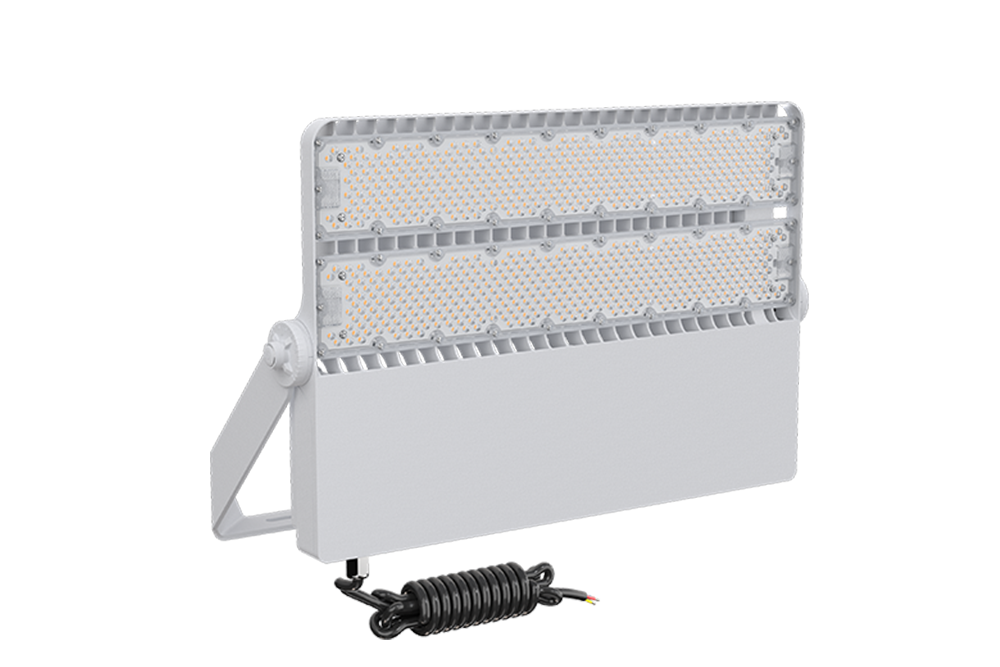
Sports Stadium LED Lighting by SEEKINGLED delivers high mast illumination, precise beam control, and EN 12193 compliant performance for professional venues.
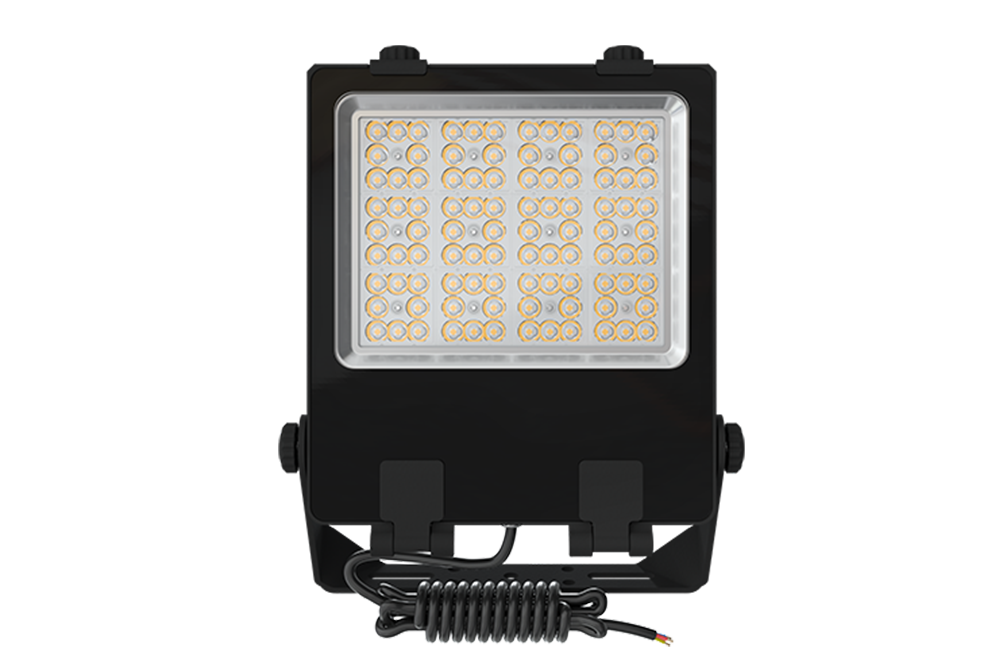
SEEKING FLX Series LED flood light outdoor for sports courts and open-area projects with 170lm/W efficiency, IP66 protection and multiple beam distributions. Designed for long-life commercial and public outdoor use.
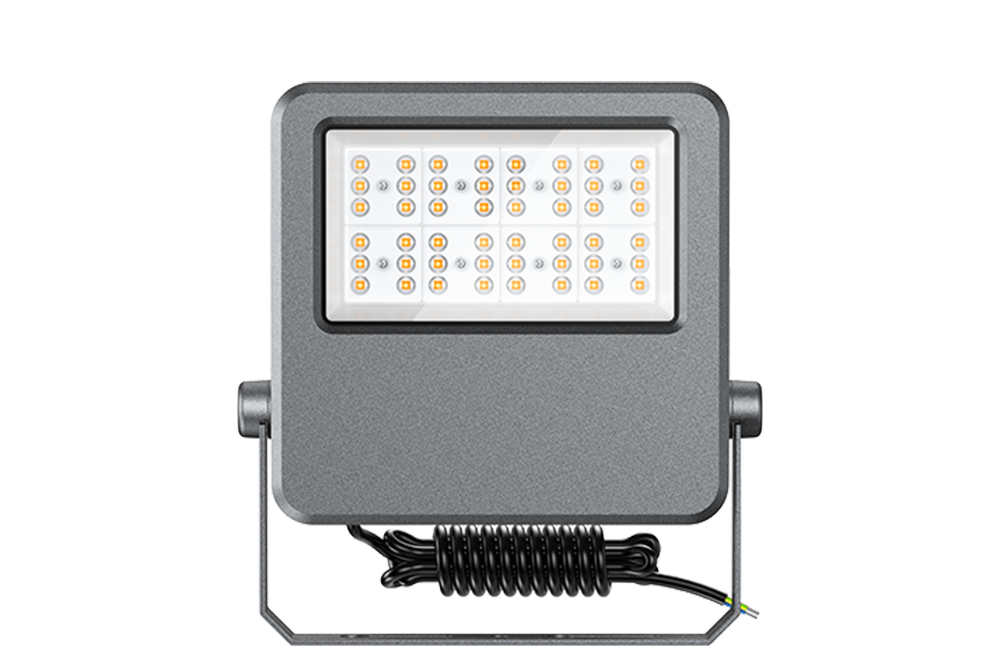
SEEKING FLE Series LED outdoor flood lights for sports grounds and open areas with multiple beam angles, IP66 protection and up to 170lm/W. Designed for long-life outdoor installations with professional driver options.
SEEKING FLD Series outdoor LED flood lights and high power led flood light deliver up to 960W with precision beam angles for sports fields, stadiums and large outdoor areas. IK08 & IP66 protection, 170lm/W efficiency and 100,000h lifetime.
loading…
This is the last post!
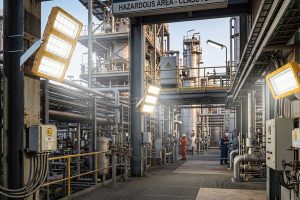
Explosion proof light fixture ensures safe operation in hazardous areas. Learn design, certifications, materials, and real-world selection tips from SEEKINGLED.
View details
Are Class 1 Div 2 fixtures explosion proof? Learn the real difference between hazardous location ratings, explosion-proof lighting, and safe industrial applications from SEEKINGLED.
View details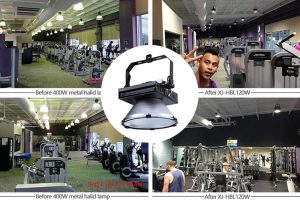
LED High Bay Replacement for Gym Lighting was required after 400W metal halide lamps degraded in an Australian gym. This record documents how XJ-HBL120W was selected after on-site lux testing and adjustment.
View details
LED street light wholesale solutions for distributors and contractors, combining stable quality, bulk pricing, and long-term reliability by SEEKINGLED.
View details