 Seeking LED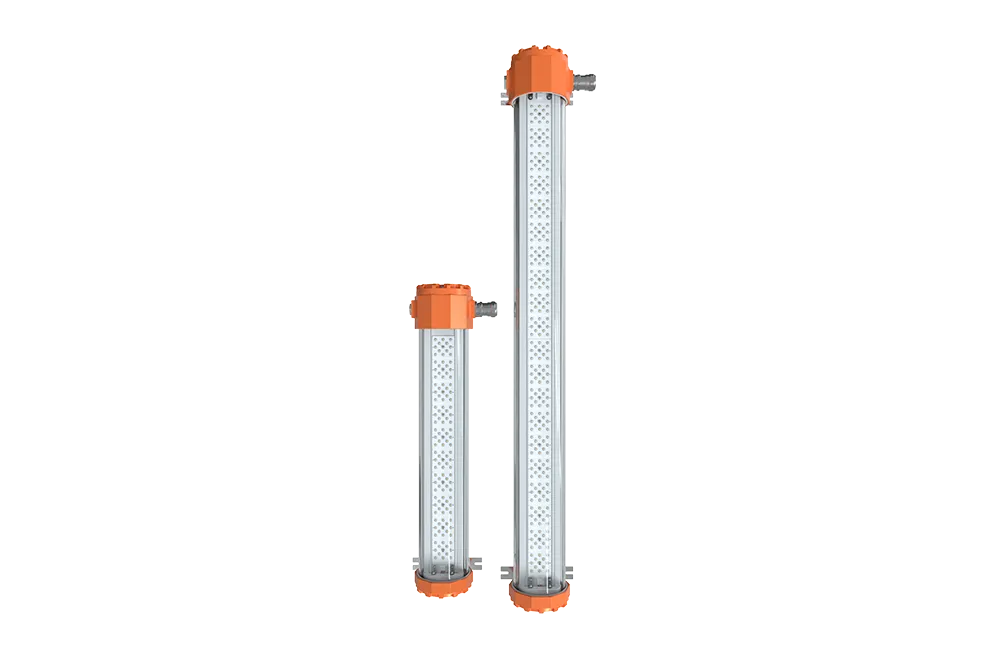
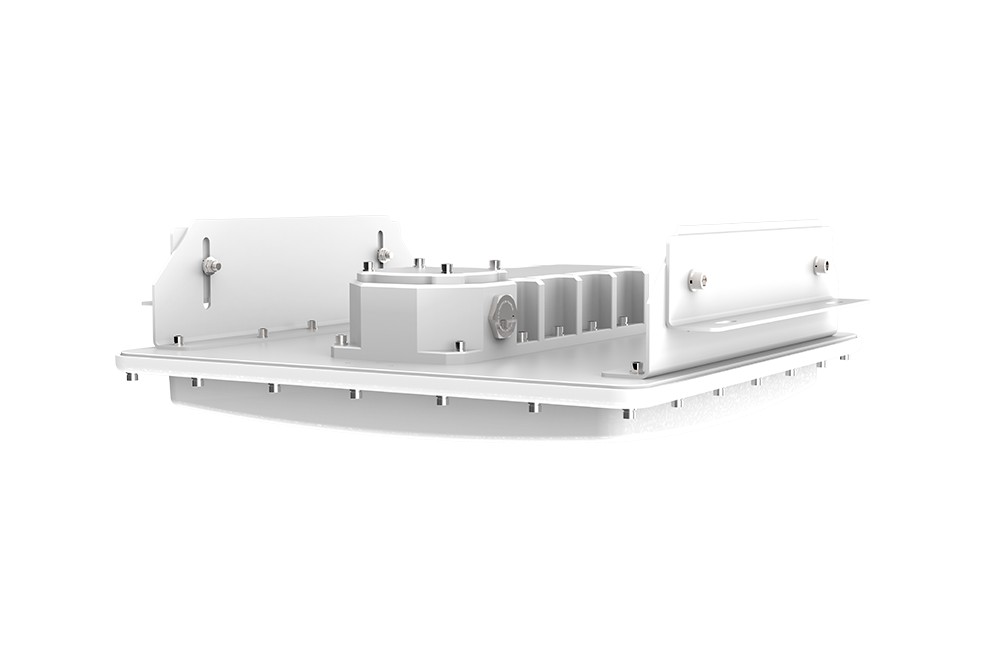
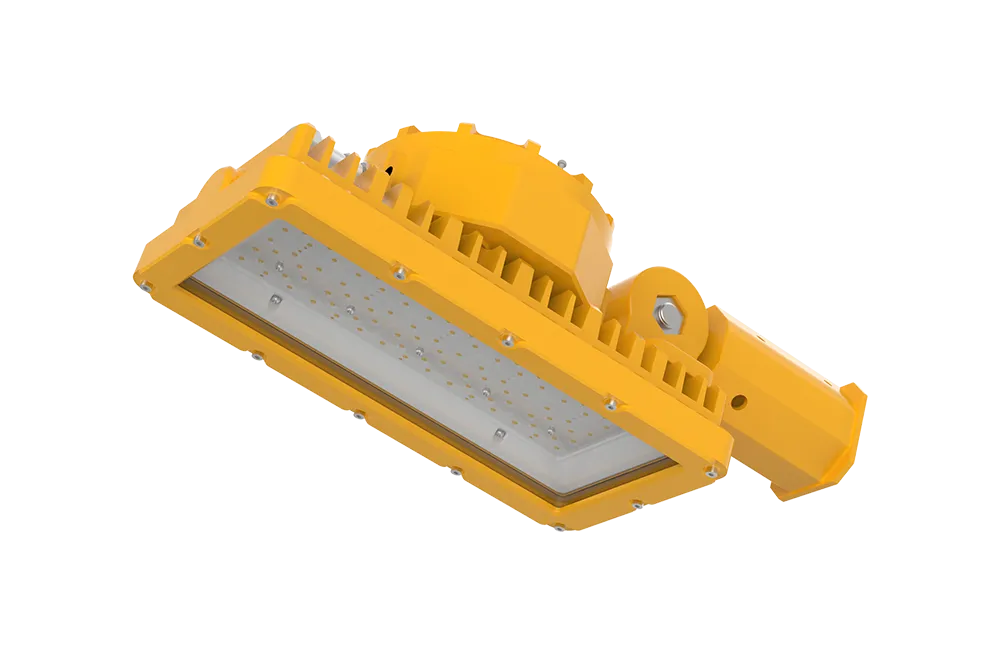
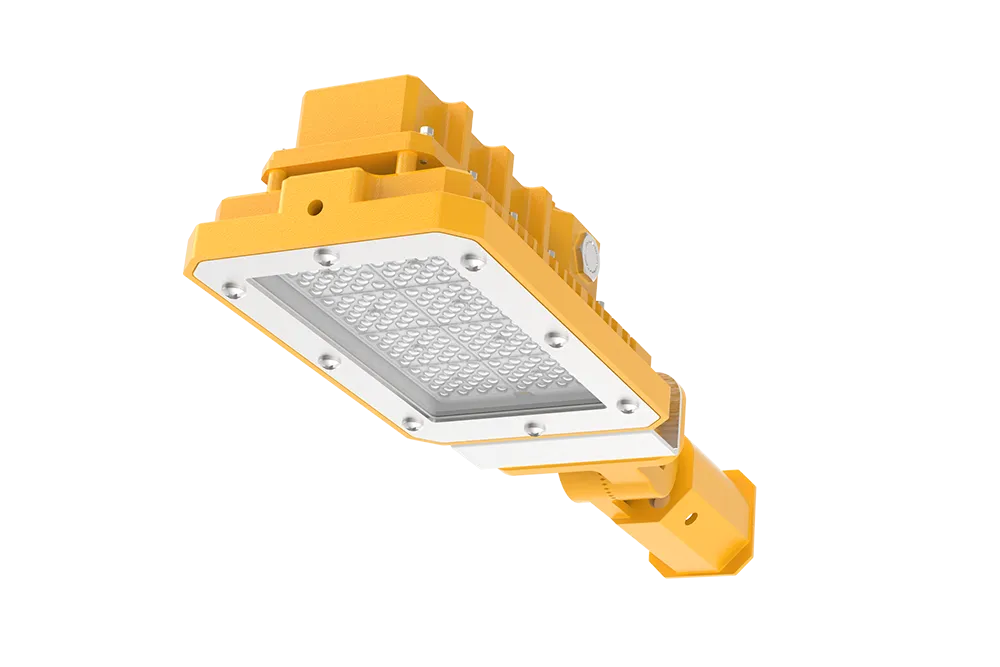
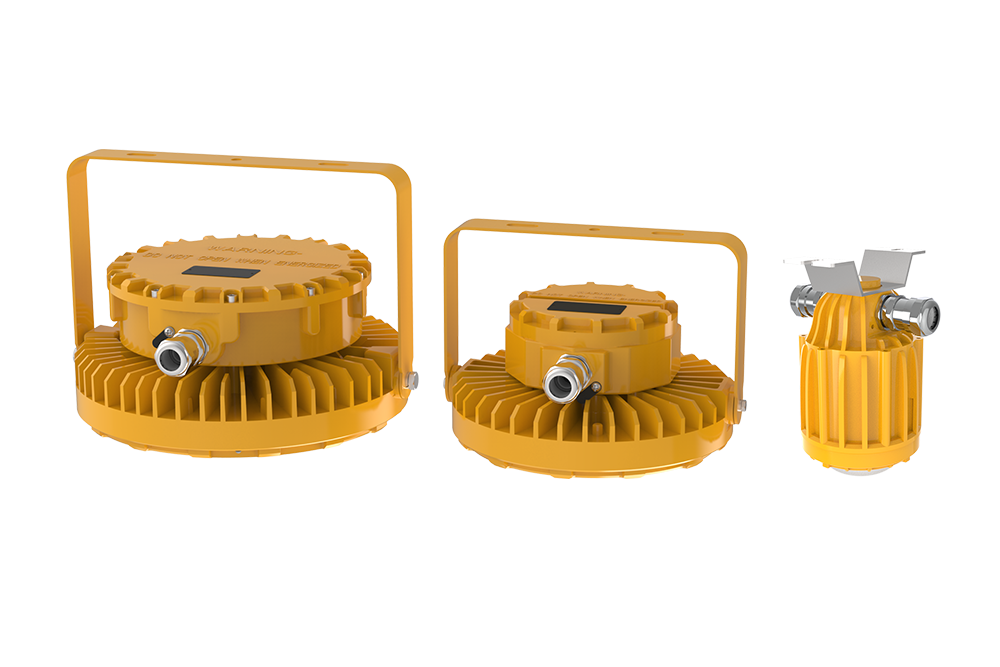
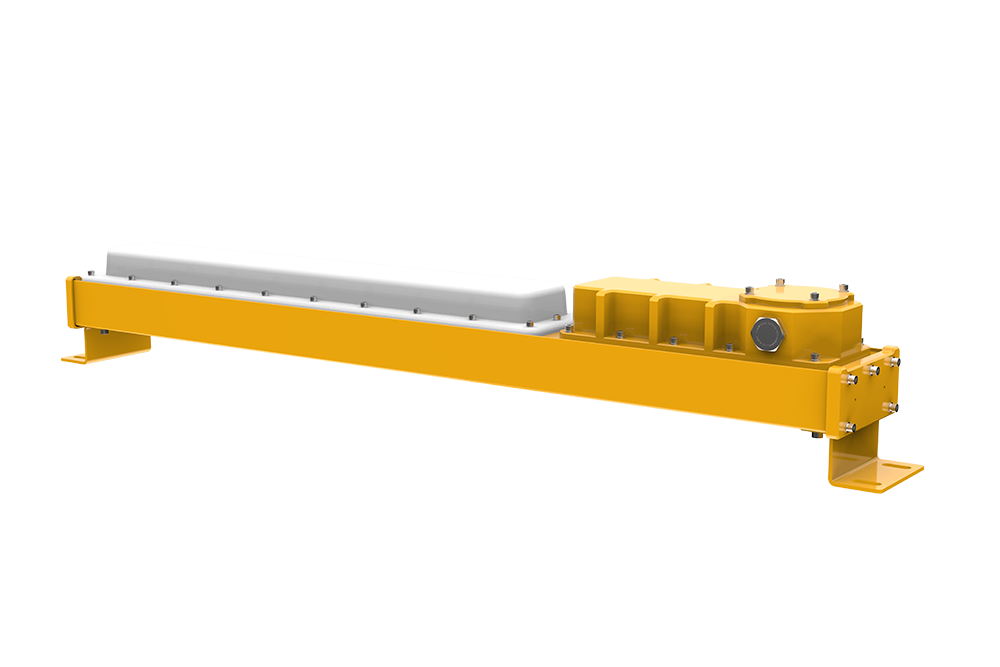
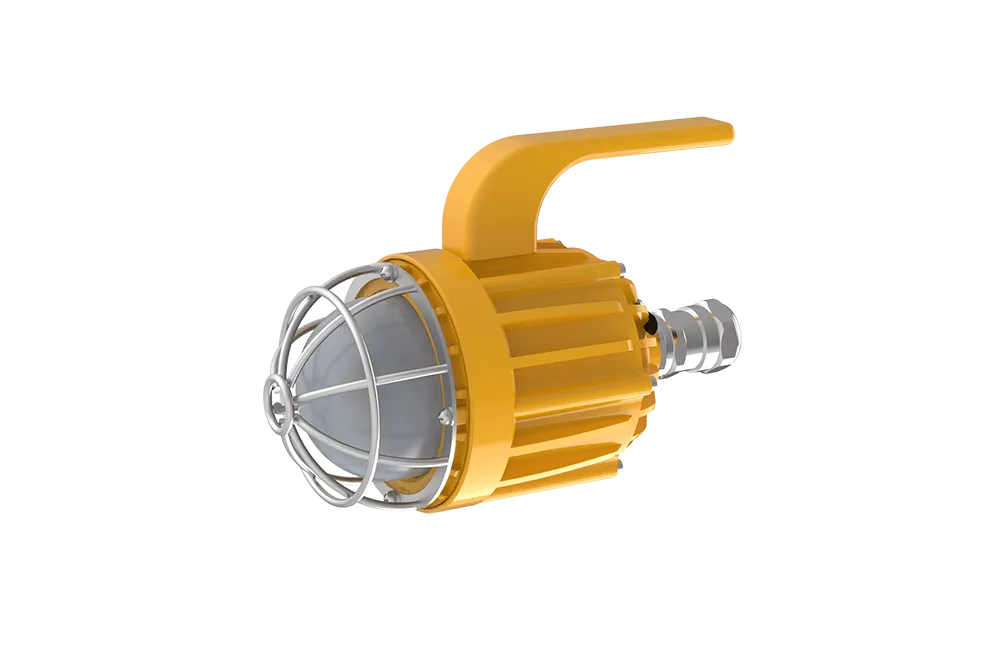
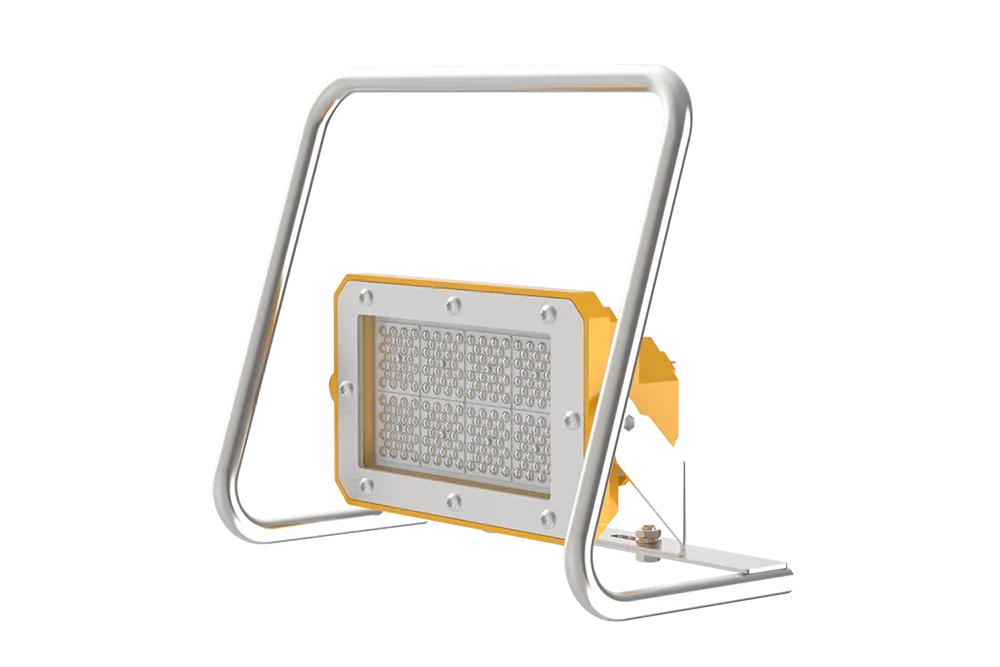
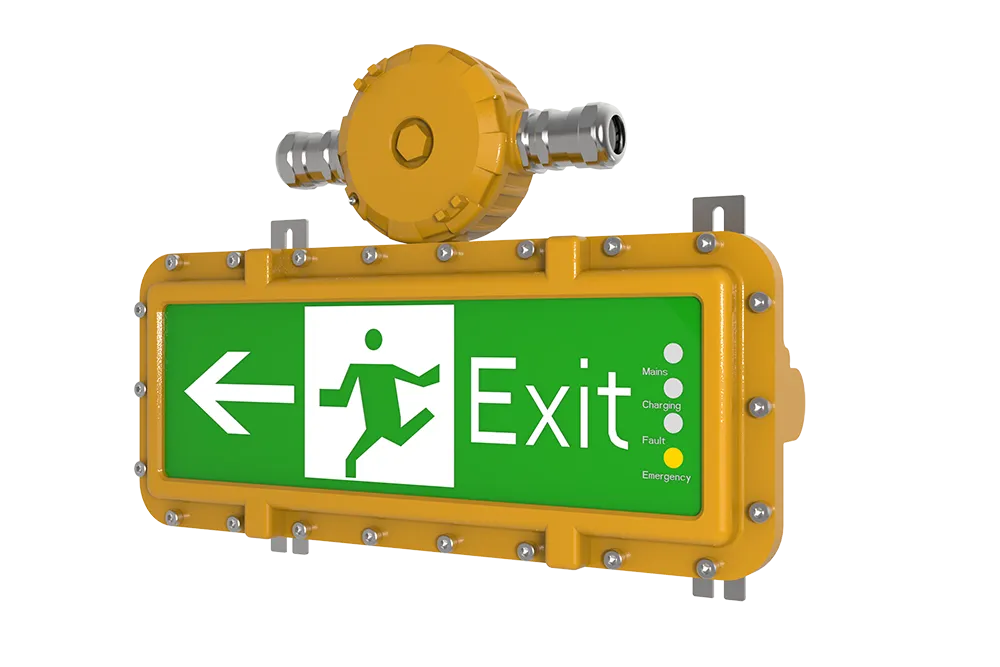
are led flood lights as bright as halogen?
0Yes. Properly specified LED flood lights can match or exceed halogen brightness while using less electrical power. Brightness depends on lumens, optics, beam...
View detailsSearch the whole station
Anyone who has worked around hazardous industrial environments knows one thing quickly—lighting is never just lighting.
A few years ago I walked through a maintenance corridor inside a chemical processing plant. Long, narrow passageway. Solvent odor faint in the air, ventilation humming above. The facility manager pointed to the ceiling where several old fluorescent explosion-proof fixtures were installed. Half of them flickered. Two had already failed.
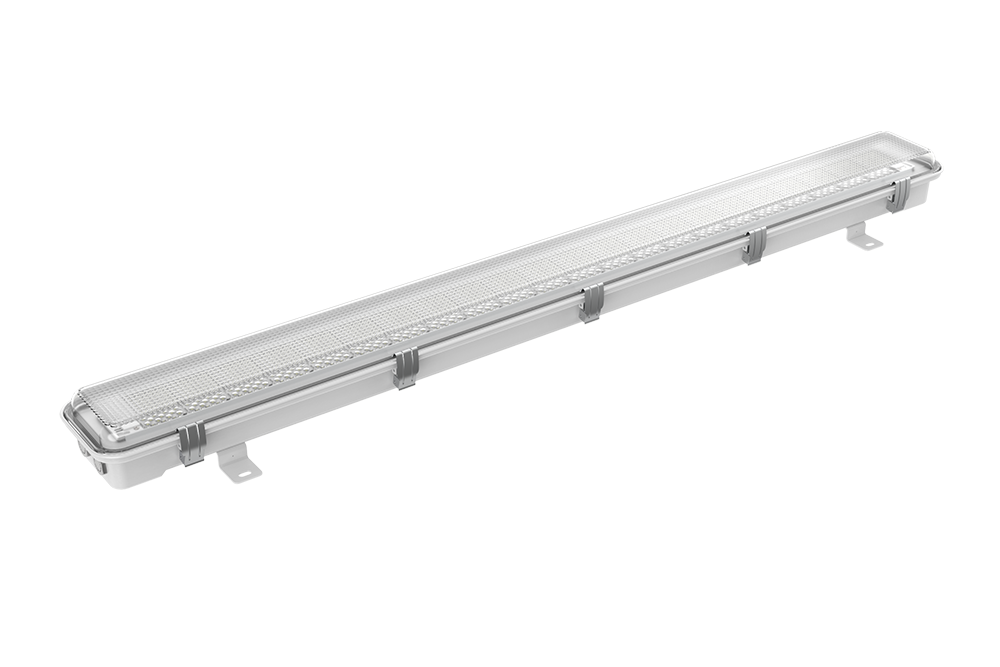
This is exactly the type of environment where LED Linear Explosion Proof Lights make a practical difference.
Not theoretical improvements. Real operational ones.
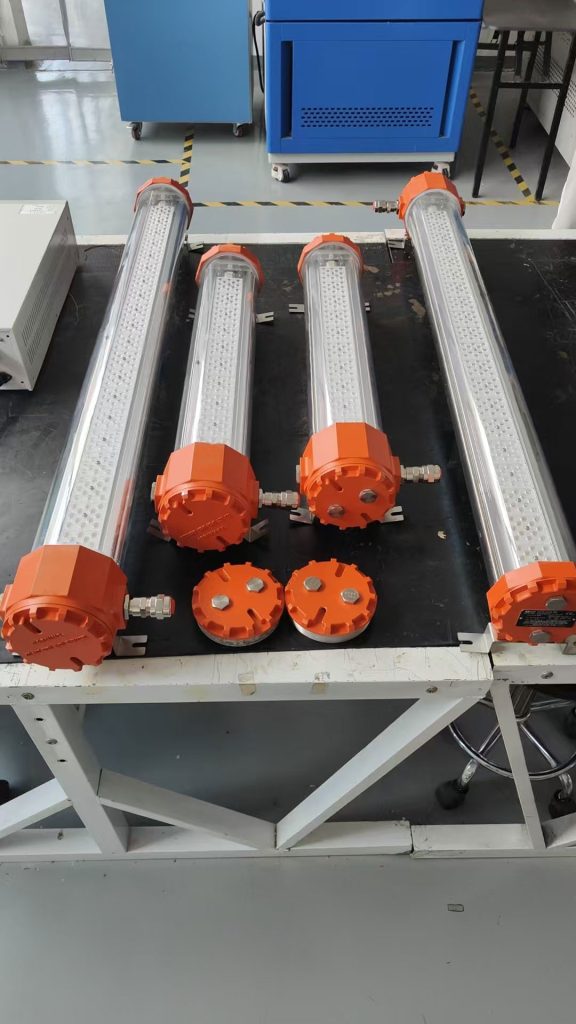
In hazardous locations, lighting equipment must prevent any internal ignition from reaching the surrounding atmosphere. That’s the core principle behind flameproof equipment described in international standards like:
These standards are not minor guidelines. They define how equipment must contain explosions internally so they do not ignite surrounding flammable gases or dust.
Industries dealing with volatile materials—oil & gas, chemical processing, coating lines, pharmaceutical plants—work under these conditions daily.
According to the International Electrotechnical Commission (IEC), explosive atmospheres occur when flammable substances mix with air under specific conditions. Once ignition happens, even a small spark can trigger a catastrophic chain reaction.
Lighting fixtures installed in such locations therefore require certified explosion-proof construction.
This is where LED Linear Explosion Proof Lights come in.
Hazardous locations are classified by zones.
The most commonly referenced classifications include:
The LO Series LED Linear Explosion Proof Lights from SEEKINGLED were engineered specifically for these environments.
And in the field, the difference between generic industrial lighting and properly certified fixtures becomes obvious.
The construction is heavier. Seals are tighter. Surfaces are smoother to prevent dust accumulation.
These details matter.
Especially in facilities like paint booths, equipment rooms, or petroleum transfer stations where fine particles or vapors constantly circulate.
Traditional explosion proof fluorescent fixtures worked for decades. But they came with problems.
Ballast failure. High maintenance. Poor energy efficiency.
Once LED technology matured, the transition became inevitable.
The LED Linear Explosion Proof Lights developed by SEEKINGLED address these issues in several practical ways:
Industrial environments are unforgiving.
Water washdowns. Dust buildup. Mechanical vibration.
With an IP69K protection rating, these fixtures withstand high-pressure water jets often used in industrial cleaning processes. At the same time, the IK10 impact rating ensures strong mechanical resistance.
That combination is not marketing language—it simply means the light survives conditions where standard fixtures fail quickly.
Lighting can represent a significant portion of industrial electricity consumption.
According to the U.S. Department of Energy, LED lighting systems can reduce energy use by 50–75% compared with traditional lighting technologies depending on application.
In large facilities running lights 24 hours per day, those numbers matter.
Switching from fluorescent explosion-proof fixtures to LED Linear Explosion Proof Lights often produces immediate energy savings.
But the larger benefit shows up later.
Maintenance costs drop dramatically.
One of the reasons engineers prefer LED systems in hazardous locations is simple: fewer replacements.
The LO Series fixtures from SEEKINGLED are designed for a 100000-hour lifespan.
That number sounds abstract until you convert it.
Running 24 hours a day, that equates to more than 11 years of operation.
In facilities where shutting down equipment areas requires permits and safety checks, reducing maintenance visits is a major operational advantage.
Another feature worth mentioning is the integrated emergency function.
The fixture can operate at 5W for up to 3 hours during power loss.
This may seem like a small detail, but during emergency evacuations or power interruptions inside hazardous facilities, maintaining minimal lighting can make the difference between controlled response and confusion.
Safety engineers tend to appreciate this capability immediately.
When engineers talk about hazardous-area lighting, they rarely focus on appearance.
Performance comes first.
Still, design matters. The smooth housing surface used in SEEKINGLED fixtures allows easier cleaning—important in dusty environments where residue accumulation can become a secondary ignition hazard.
Small design choices like this often come directly from feedback in real industrial installations.
Not laboratory theory.
One detail that procurement teams always verify is certification.
The LO Series LED Linear Explosion Proof Lights are certified by CSA and comply with ATEX and IECEx standards.
These certifications confirm that the fixture meets strict international safety requirements for hazardous area equipment.
In global industrial projects—particularly oil & gas infrastructure—such certification is not optional. It is mandatory.
After years of working with hazardous-area lighting installations, the pattern becomes clear.
Facilities that switch to LED Linear Explosion Proof Lights typically experience three things:
Lower energy consumption.
Fewer maintenance shutdowns.
More reliable lighting performance.
Those outcomes are not theoretical—they appear again and again across industrial projects.
For environments where safety margins are thin and reliability matters daily, SEEKINGLED designed these fixtures to handle the realities of hazardous locations.
And once installed properly, they usually disappear into the background.
Which is exactly what good industrial lighting should do.
Quietly work.
For years.
SEEKINGLED LED Linear Explosion Proof Light and Explosion Proof lighting is ATEX and IECEx certified for Zone 1, Zone 2, Zone 21 and Zone 22 hazardous locations, built for long-term industrial use.
LED Linear Explosion Proof Lights and EX Proof lights for Zone 1, Zone 2, Zone 21 and Zone 22 hazardous areas. ATEX & IECEx certified explosion proof LED linear lighting with emergency function, adjustable power and IP67 protection by SEEKINGLED.
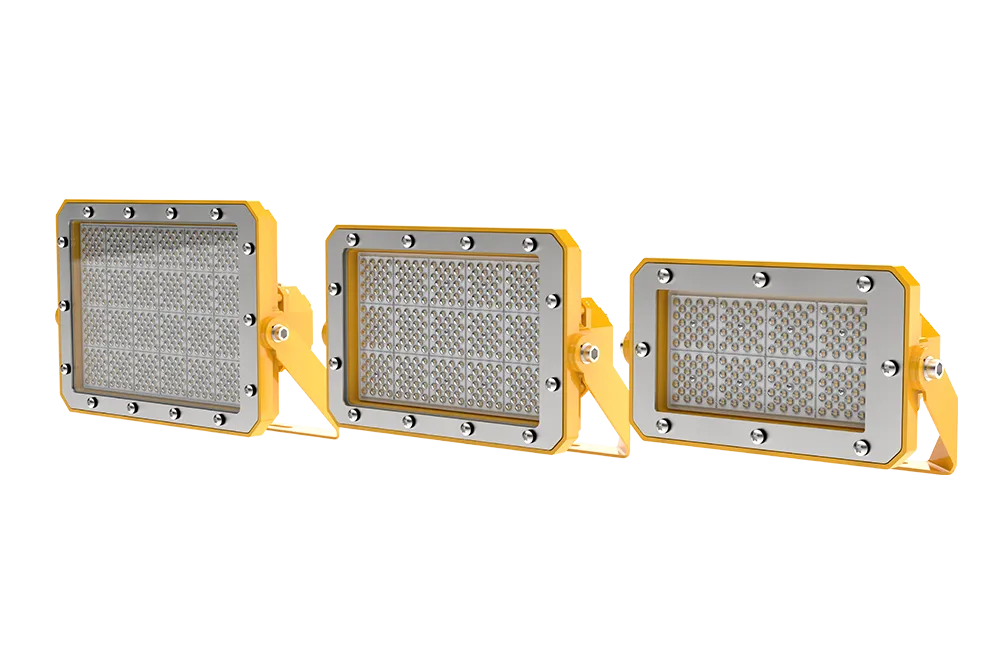
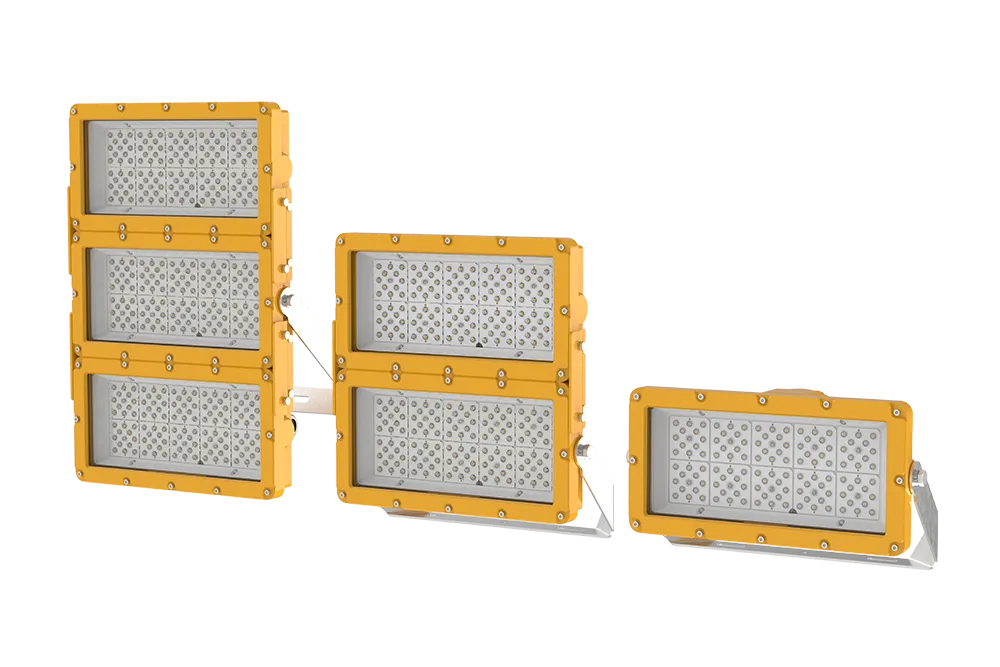
SEEKINGLED LED Explosion Proof Flood Lights are ATEX certified for Zone 2 and Zone 22 hazardous areas, offering high efficiency, adjustable power and integrated junction box.
SEEKINGLED LED Explosion Proof Flood Lights are flameproof ATEX and IECEx certified for Zone 1 and Zone 2 hazardous areas, offering high power, adjustable output and long service life.
SEEKINGLED LED Gas Station Canopy Lights are ATEX certified for Zone 2 and Zone 22 hazardous areas, featuring adjustable power and built-in explosion-proof junction box.
ATEX: Ex II 2G Ex db IIB T6/T5 GbEx II 2D Ex tb IIIC T80°C/ T95°C Db IECEx Ex db IIB T6 Gb;Ex tb IIIC T80°C Db Feature: ● For Zone 1,2 and Zone 21,22● Flameproof type, the strongest● 100W can replace 250W HID,energy saving● Power:60W,80W,10…
ATEX: II 3G Ex nR ⅡC T5/T6 GcII 3D Ex tc ⅢC T80℃/T95℃Dc ATEX Certificate NO: TÜV CY 26 ATEX 0207611 X Feature: ● For Zone 2 and Zone 22● 150W can replace 250W HID lamps,Energy saving● Power:50W,75W,100W,150W,200W Application: Oil and gas, m…
LED explosion proof high bay lights are designed for Zone 1, Zone 2, Zone 21 and Zone 22 hazardous areas. This page introduces the HB21 Series from SEEKING, including certifications, power options and real application considerations.
LED Linear Explosion Proof Lights from SEEKINGLED. LU Series Flame Proof lights ATEX-certified explosion proof LED linear lighting for Zone 2 gas and Zone 22 dust areas, IP69K, IK10, long lifetime and flexible power options.
Certified explosion proof work lights for Zone 1 & 21 hazardous areas. Portable, ATEX & IECEx approved, built for oil, gas and chemical plants by SEEKINGLED.
ATEX: II 3G Ex nR ⅡC T6 GcII 3D Ex tc ⅢC T80℃ Dc ATEX Certificate NO: TÜV CY 26 ATEX 0207611 X Feature: ● For Zone 2 and Zone 22● Accepts battery-powered supply● indestructible● Power:AC input:50W,75W,100WDC input:15W,25W,35W Application: O…
ATEX: Ex II 2G Ex db IIB T6 GbEx II 2D Ex tb IIIC T80°C Db IECEx Ex db IIB T6 Gb;Ex tb IIIC T80°C Db Feature: ● For Zone 1,2 and Zone 21,22● Flameproof type, the strongest Application: Oil and gas, marine, Chemical, pharmaceutical, semicondu…
ATEX: Ex II 2G Ex db IIB T6 GbEx II 2D Ex tb IIIC T80°C Db IECEx Ex db IIB T6 Gb;Ex tb IIIC T80°C Db Feature: ● For Zone 1,2 and Zone 21,22● Flameproof type, the strongest Application: Oil and gas, marine, Chemical, pharmaceutical, semicondu…
ATEX: Ex II 2G Ex d e IIB T6 Gb ATEX: Ex d e IIB T6 Gb; Feature: ● For Zone 1,2● 9W can replace 18W fluorescent lamps,50% Energy saving Application: Oil and gas, marine, Chemical, pharmaceutical, semiconductor,mining,military industry, pain…
loading…
This is the last post!
Yes. Properly specified LED flood lights can match or exceed halogen brightness while using less electrical power. Brightness depends on lumens, optics, beam...
View details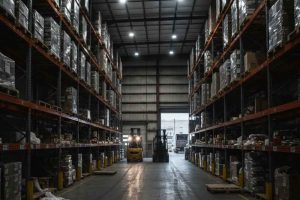
Common LED high bay lighting mistakes cost money fast. Learn what goes wrong in real warehouses—and how to avoid glare, dark zones, and waste.
View details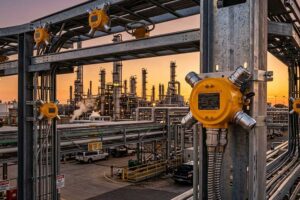
What is explosion proof junction box? Learn how explosion-proof junction boxes prevent ignition risks in hazardous areas, where they are used, and how to choose the right model.
View details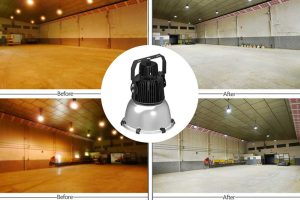
Warehouse LED High Bay Lighting Upgrade projects focus on usable light and energy control. This case records how SEEKINGLED replaced 400W metal halide fixtures with XJ-HBS130W-2 high bays in a factory warehouse near Barcelona.
View details