 Seeking LED
Are LED Street Lights Brighter?
343Are LED street lights brighter than traditional street lighting? Learn how brightness is measured, why LEDs appear brighter, and what matters most in real road projects.
View detailsSearch the whole station
Are flood lights for outside? Yes. Flood lights are commonly designed for outdoor areas such as yards, driveways, building facades, parking spaces, entrances, and commercial sites. However, an outdoor flood light must be specifically rated for its installation environment, especially where rain, splashing water, dust, or temperature changes are expected.
A flood light is not automatically suitable for outdoor use just because it has a sealed-looking housing. The installation location matters. A fixture under a protected eave faces a different environment from one mounted openly on a pole in heavy rain.
UL Solutions distinguishes damp locations from wet locations: wet-location luminaires are intended for places where water can drip, splash, or flow onto electrical equipment. UL also notes that outdoor line-voltage luminaires are evaluated for applicable wet-location requirements under UL 1598.
That distinction is something we pay close attention to at SEEKINGLED when looking at outdoor flood lighting applications. The fixture, mounting position, wiring entry, enclosure, and optical direction all have to make sense together.
Outdoor spaces usually need illumination over an area rather than from a single point.
A flood light can distribute light across:
The broad beam is the important part.
A narrow spotlight may be useful for highlighting a tree or architectural feature. A flood light is generally intended to cover a larger surface. In an actual installation, however, “wide” does not mean “point it anywhere.” Beam angle and mounting height determine where the useful light lands.
For a commercial building, a fixture mounted 8 meters above the ground needs a very different optical approach from a small wall-mounted light above a garage door.
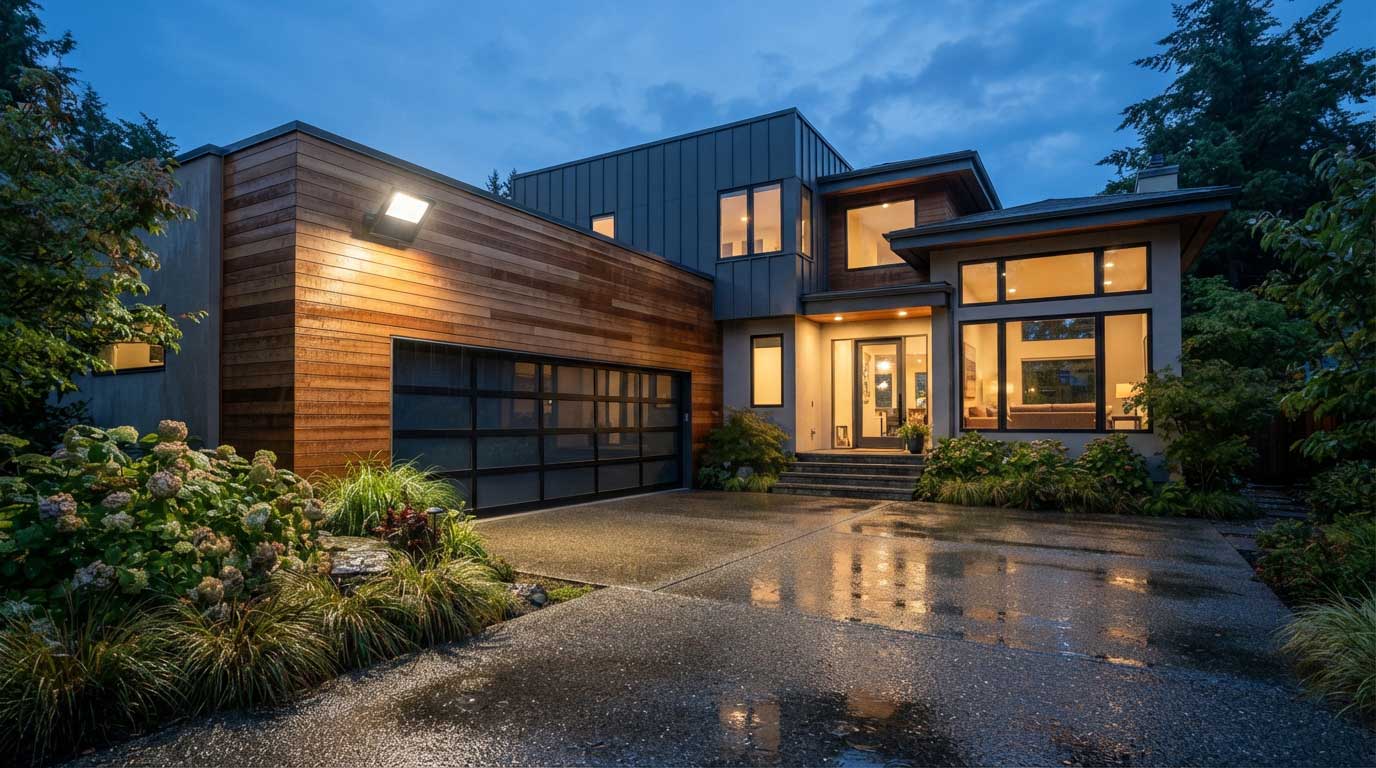
There are several specifications worth checking before an outdoor flood light is installed.
This is one of the first specifications to verify.
UL’s environmental-location guidance states that luminaires installed in wet locations should be marked “Suitable for Wet Locations.” Damp-location luminaires have a different marking and application.
A fully exposed wall or pole installation may experience direct rain. A fixture beneath a protected roof can experience condensation and occasional moisture instead.
Do not assume the two environments are interchangeable.
IP ratings are commonly used to describe protection against solids and water ingress.
For example, an IP65-rated product is designed with protection against dust ingress and water jets under the applicable testing conditions. The exact rating required depends on the installation environment and product design.
The IP number should be checked together with the manufacturer’s installation instructions rather than treated as a substitute for every applicable safety certification.
An outdoor flood light needs appropriate protection around:
UL explains that outdoor equipment needs protection from environmental effects such as moisture and dust, with enclosure requirements addressing factors including UV resistance, corrosion resistance, moisture, dust ingress, and sealing.
That is why a good outdoor fixture is more than an LED board inside a metal shell.
Position changes the lighting result dramatically.
For residential applications, common mounting points include:
| Location | Typical purpose |
|---|---|
| Garage wall | Driveway and entrance visibility |
| House corner | Wider yard coverage |
| Eave | Downward area illumination |
| Garden wall | Landscape lighting |
| Pole | Larger property coverage |
| Commercial facade | Security and architectural lighting |
| Loading area | Work and vehicle visibility |
Before installation, stand at the intended mounting point and look toward the target area.
This sounds basic, but it catches problems that product specifications cannot.
A fixture aimed from a garage corner may illuminate the driveway beautifully while sending unnecessary light across the neighbor’s property. A fixture mounted too high can produce broad coverage but less useful intensity at ground level.
There is no single lumen number for every outdoor application.
A small residential entrance may need substantially less output than a warehouse loading yard. Instead of choosing the highest lumen figure, consider the target area, mounting height, beam angle, surface reflectance, and required illumination level.
For outdoor lighting, lumens describe total visible light output, but they do not describe how evenly that light reaches the target.
This is where professional photometric data becomes useful.
For commercial projects, look beyond:
Also check:
A 10,000-lumen flood light is not automatically the correct solution for every 10,000-lumen application.
LED technology is widely used in outdoor flood lighting because it can provide high luminous output from relatively compact fixtures and can be integrated with optical systems designed for specific distributions.
DOE notes that LED efficacy can reach 150 lumens per watt or more in specialized applications, although actual product performance varies by design.
For outdoor projects, the benefit is not simply saving electricity.
A properly designed LED fixture can combine:
At SEEKINGLED, these details become especially important when moving from a simple residential flood light to commercial or industrial exterior lighting.
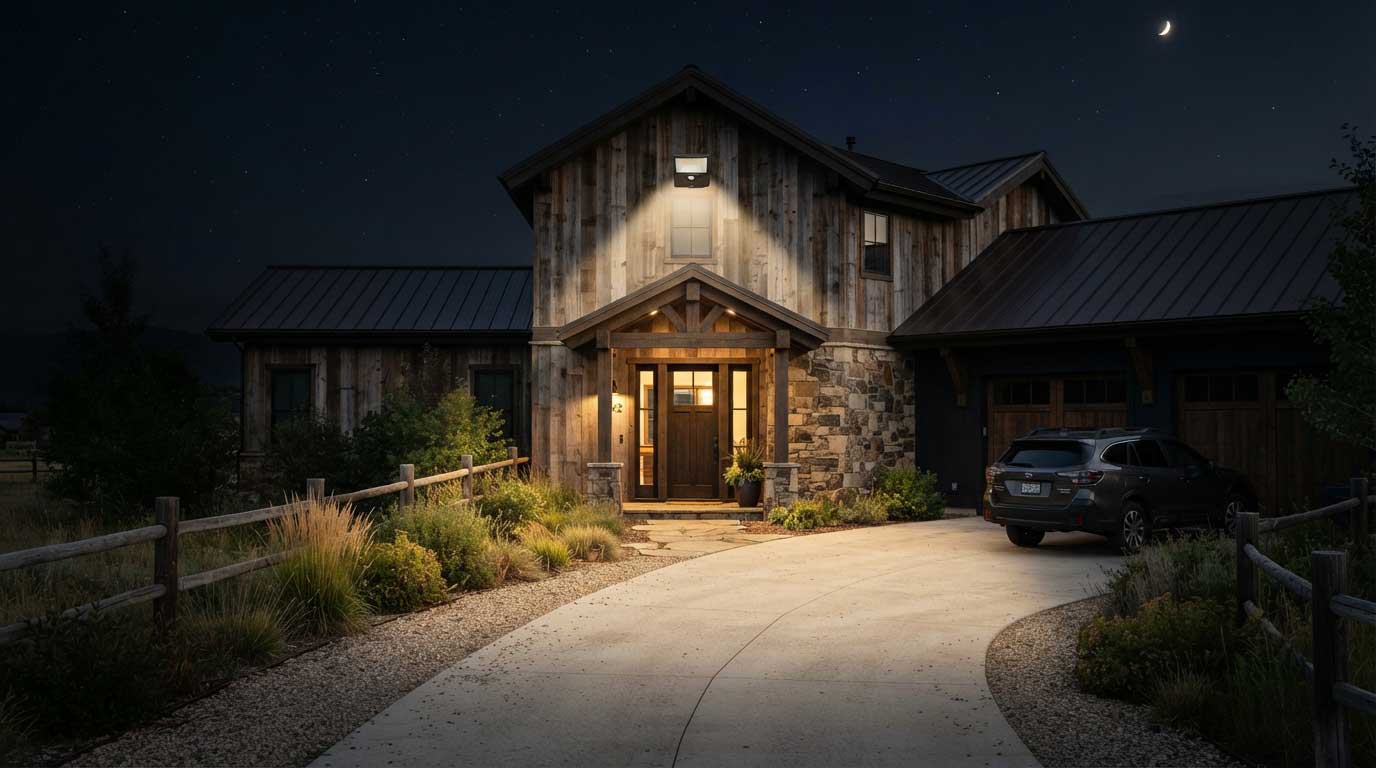
Outdoor lighting is not only about making an area brighter.
DarkSky International and the Illuminating Engineering Society promote responsible outdoor lighting principles that emphasize useful illumination, control, shielding, appropriate color temperature, and lighting only when needed.
DarkSky guidance also recommends controls such as timers or motion sensors for outdoor lights that cannot easily be switched off manually. One published home-lighting guide recommends motion-sensor activation periods of five minutes or less for suitable applications.
For a backyard, that can mean the difference between a light that operates only when someone walks through the area and one that remains illuminated throughout the night.
Identify whether the fixture will illuminate a driveway, facade, garden, parking area, loading dock, or security zone.
Check whether the fixture faces direct rain, sprinklers, humidity, dust, coastal exposure, or temperature extremes.
For North American projects, check the applicable certification and installation requirements. UL Solutions identifies UL 1598 as a relevant standard for line-voltage luminaires, including applicable wet-location requirements.
Choose the beam according to the actual target. Wide does not always mean better.
Confirm that the wall, pole, bracket, or other structure can support the fixture and withstand the installation environment.
Consider photocells, timers, occupancy or motion sensors, and dimming where appropriate.
No. Flood lights must be specifically suitable for their intended environment. Check the manufacturer’s wet-location or damp-location marking and installation instructions.
An IP65 rating indicates a defined level of dust and water-jet protection, but the complete fixture still needs to be suitable for the intended installation and applicable electrical requirements. Check the manufacturer’s documentation.
Fixtures specifically designed and rated for wet locations can be exposed to the environmental conditions covered by their certification and instructions. A dry-location fixture should not be treated as weatherproof.
The appropriate CCT depends on the application. DarkSky guidance commonly favors warmer outdoor lighting, with 2700K or lower identified in its home-lighting guidance as a suitable option.
Not necessarily. A suitable wet-location flood light can be designed for exposed installation. A fixture intended only for protected or damp locations should not be installed where direct precipitation can reach it.
Often, yes. Downward aiming can keep useful illumination on the ground or target area while reducing unnecessary upward and sideways light. The correct angle depends on the fixture optics and application.
Yes. Flood lights are widely used to illuminate entrances, yards, driveways, parking areas, and other exterior spaces. Motion sensors, timers, shielding, and suitable aiming can make the lighting more targeted.
Are flood lights for outside? Yes, outdoor flood lights are specifically used for exterior applications, but the fixture must match the environment. Look for appropriate wet- or damp-location suitability, ingress protection, electrical certification, mounting conditions, optical distribution, and control options.
For SEEKINGLED, outdoor flood lighting starts with the application rather than the lumen number. Rain exposure, mounting height, beam distribution and the surface being illuminated all influence the final result.
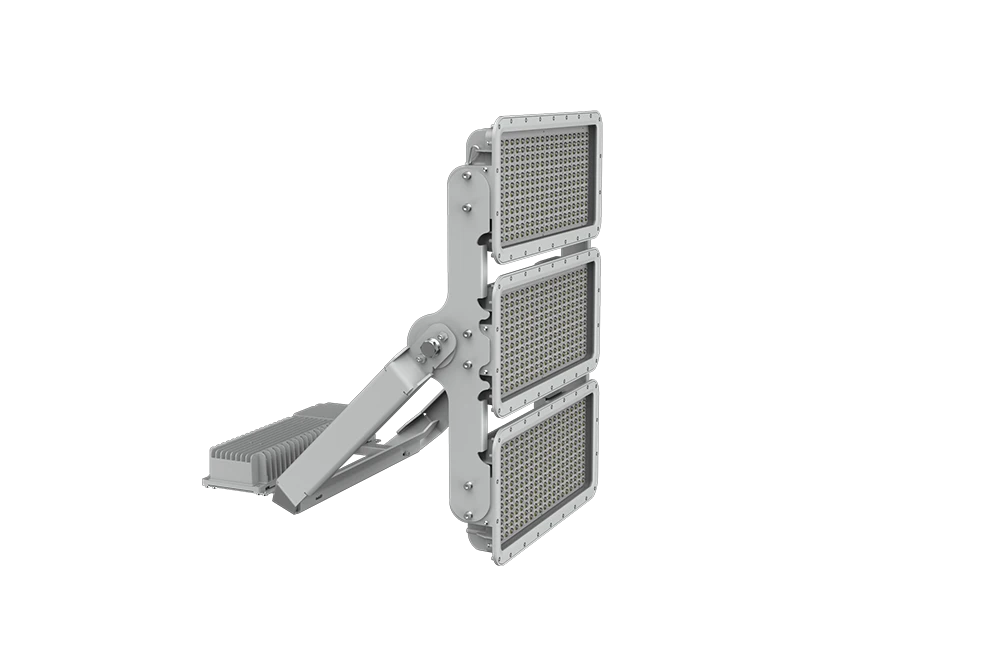
Sports Stadium LED Lighting by SEEKINGLED delivers high mast illumination, precise beam control, and EN 12193 compliant performance for professional venues.
View details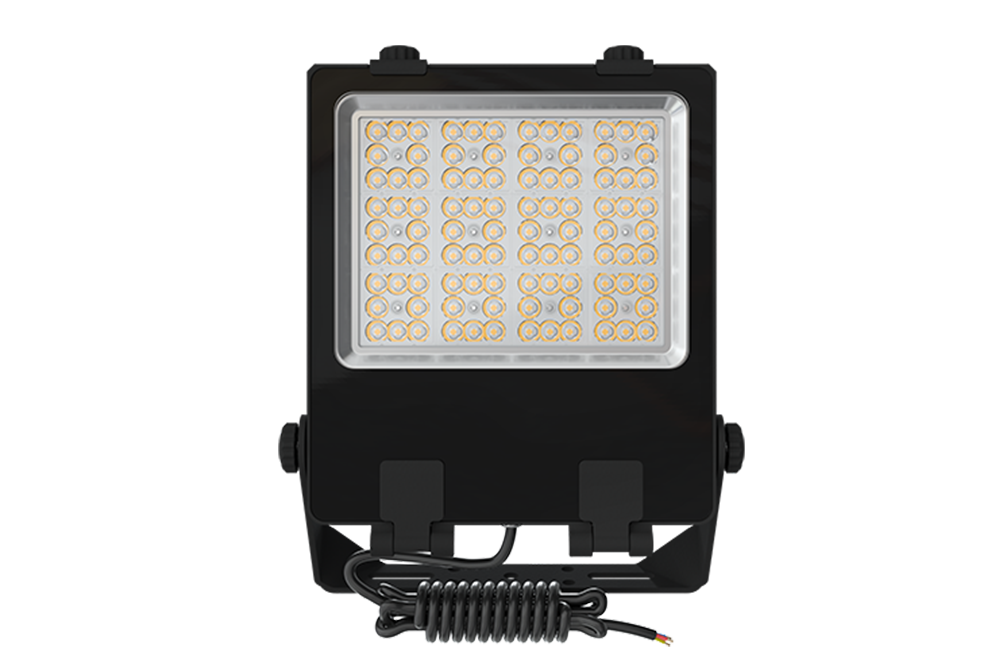
SEEKING FLX Series LED flood light outdoor for sports courts and open-area projects with 170lm/W efficiency, IP66 protection and multiple beam distributions. Designed for long-life commercial and public outdoor use.
View details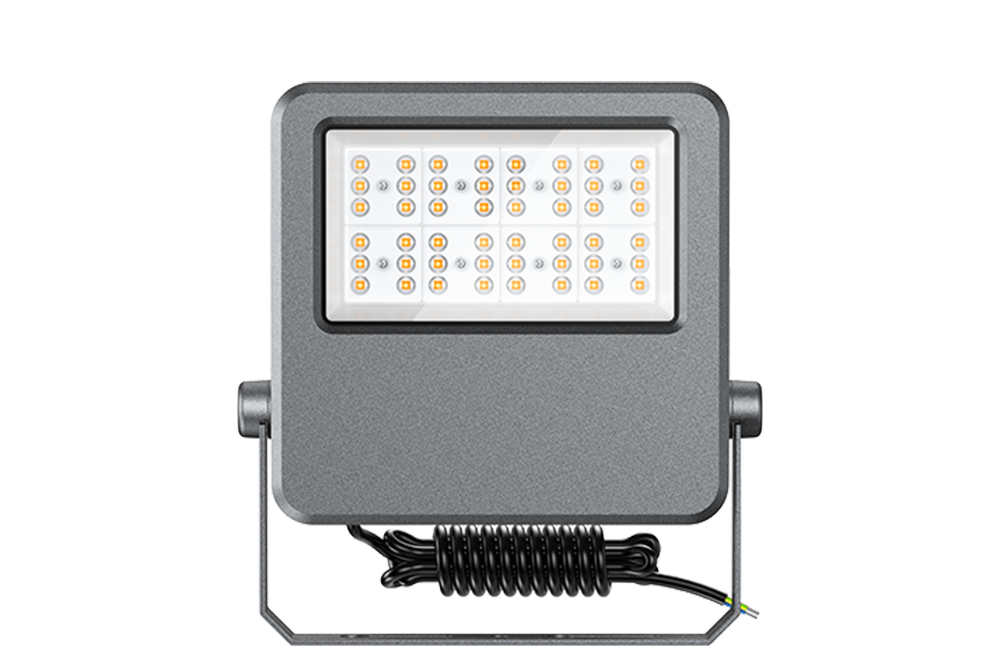
SEEKING FLE Series LED outdoor flood lights for sports grounds and open areas with multiple beam angles, IP66 protection and up to 170lm/W. Designed for long-life outdoor installations with professional driver options.
View details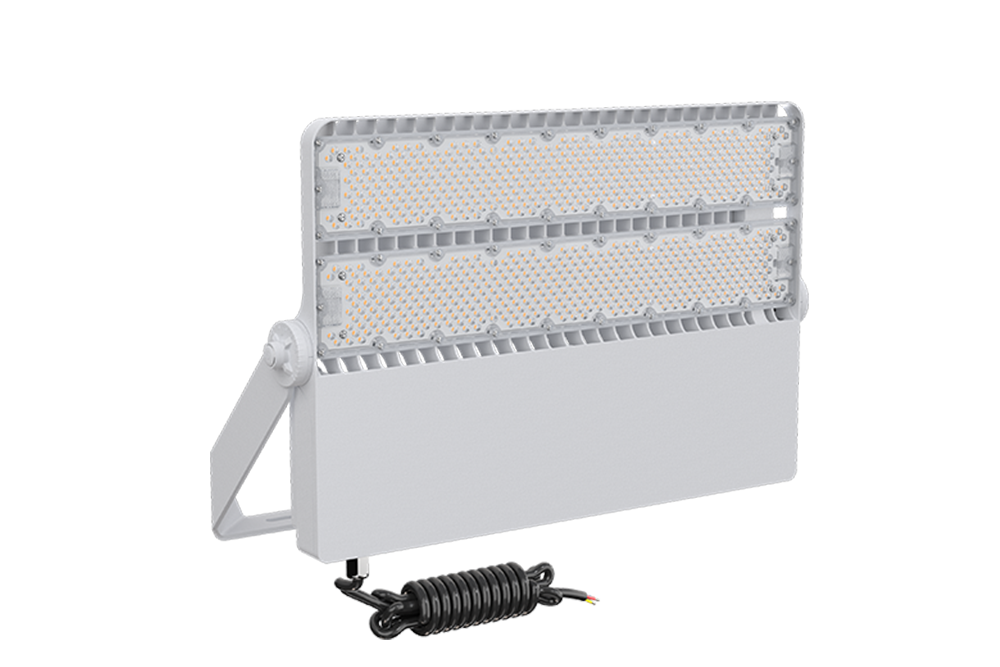
SEEKING FLD Series outdoor LED flood lights and high power led flood light deliver up to 960W with precision beam angles for sports fields, stadiums and large outdoor areas. IK08 & IP66 protection, 170lm/W efficiency and 100,000h lifetime.
View details
Are LED street lights brighter than traditional street lighting? Learn how brightness is measured, why LEDs appear brighter, and what matters most in real road projects.
View details
This engineering news article explains outdoor LED lighting installation and maintenance for industrial sites, covering real project experience with LED Street Light, LED Flood Light, Explosion Proof Light, and other SEEKINGLED outdoor lighting so...
View details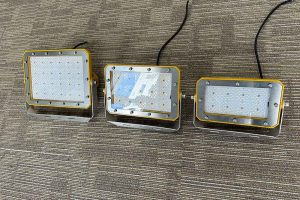
Explosion proof junction boxes engineered for hazardous areas. SEEKINGLED ATEX-certified enclosures ensure safe cable connections in oil, gas, mining and chemical plants.
View details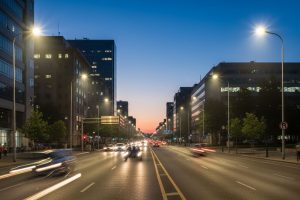
LED street light fixture designed for long-term outdoor use, offering stable performance, controlled optics, and reliable durability by SEEKINGLED.
View details