 Seeking LED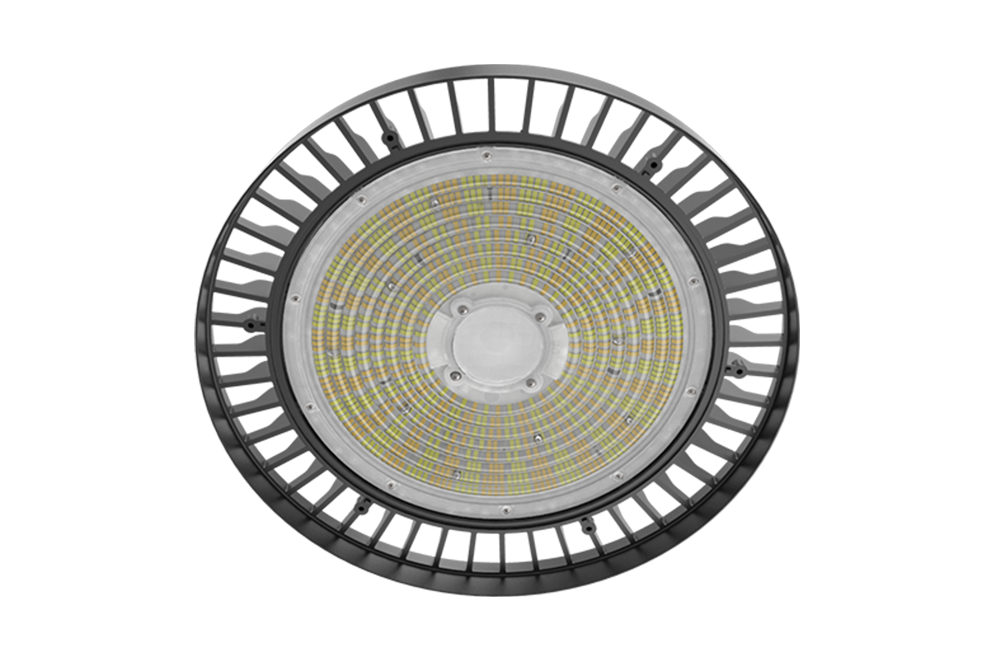
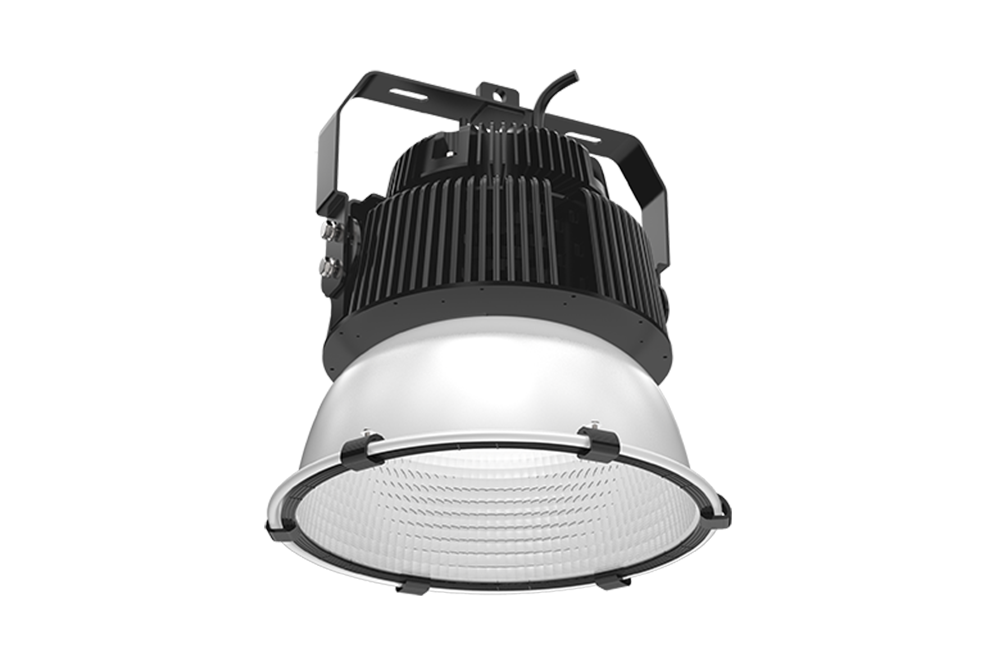
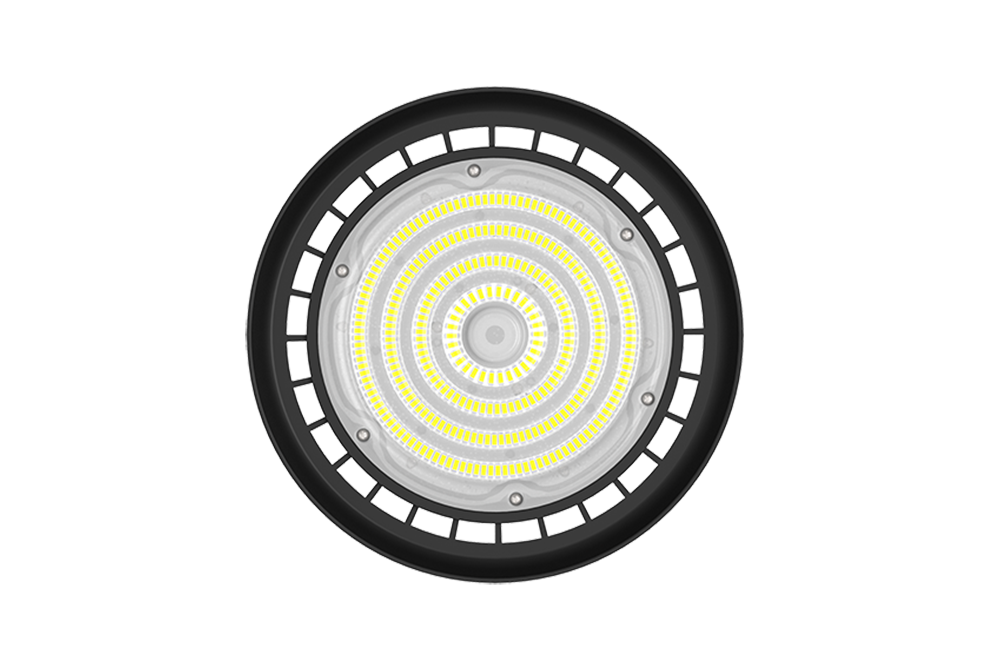
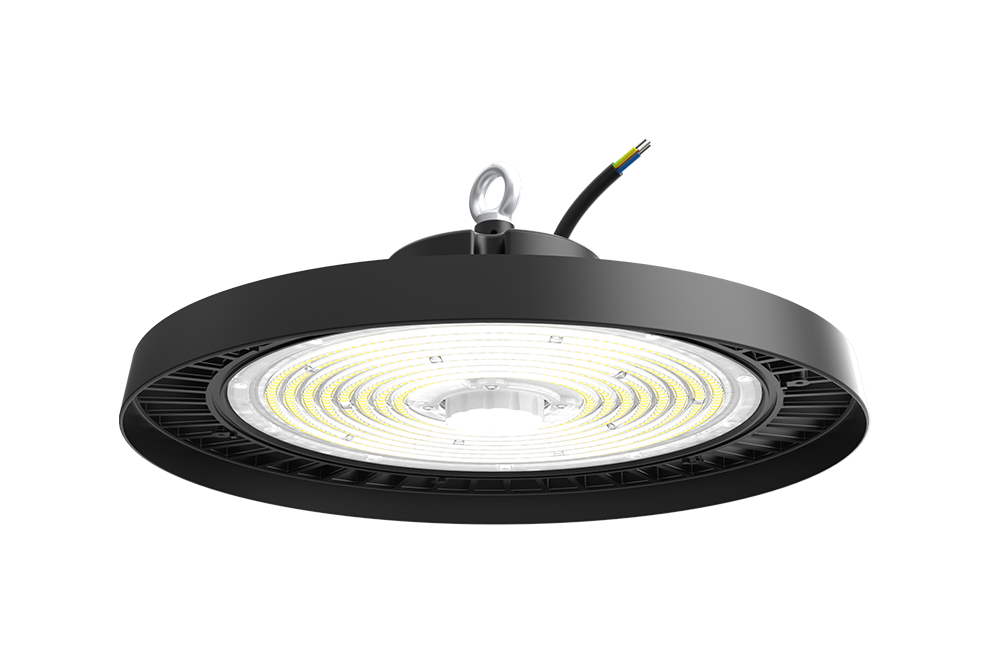
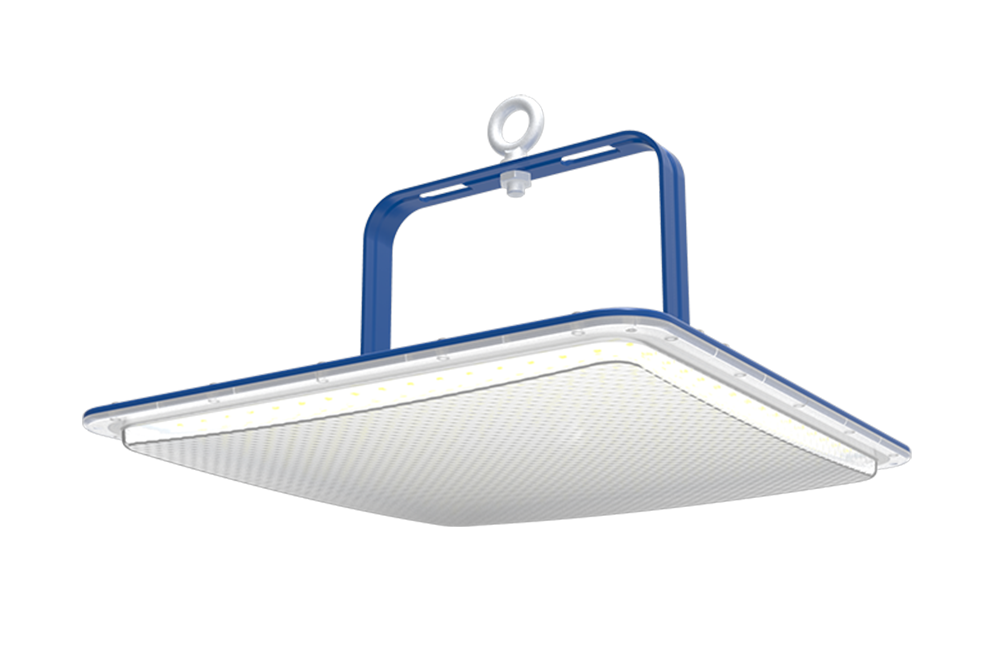
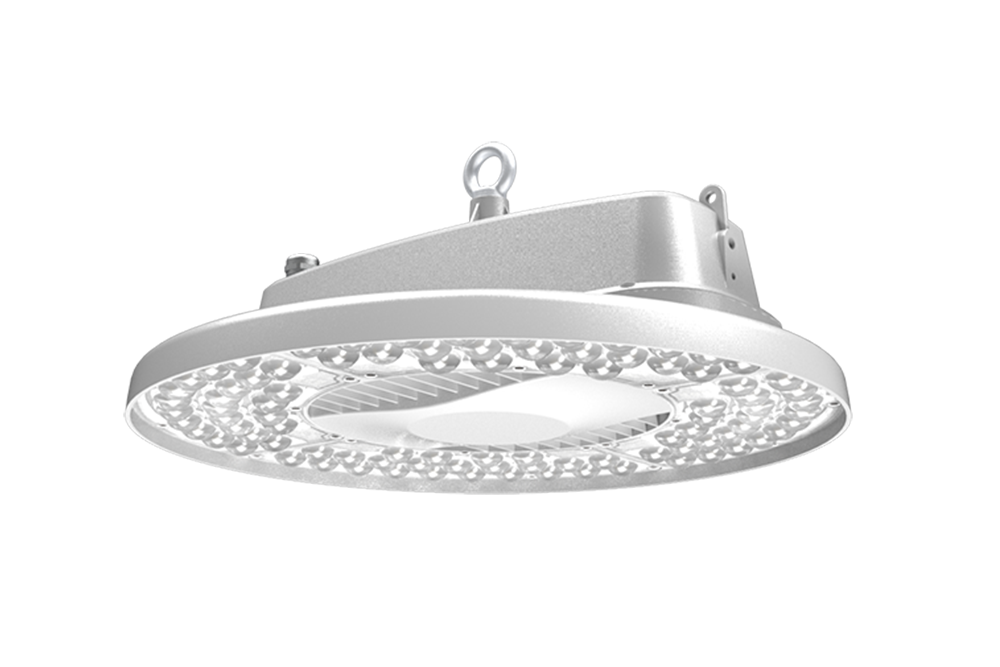
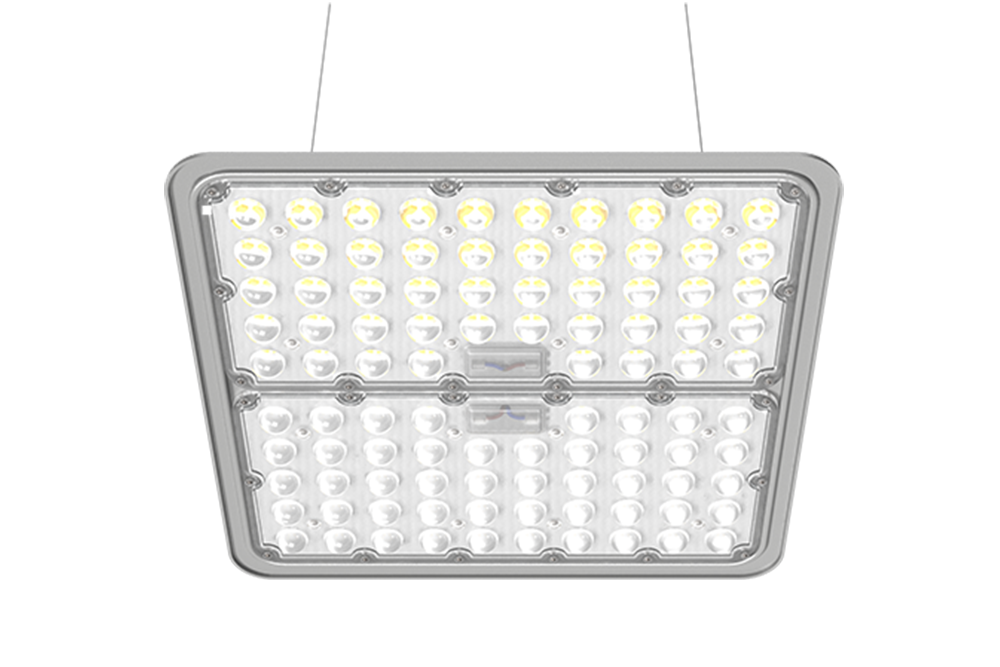
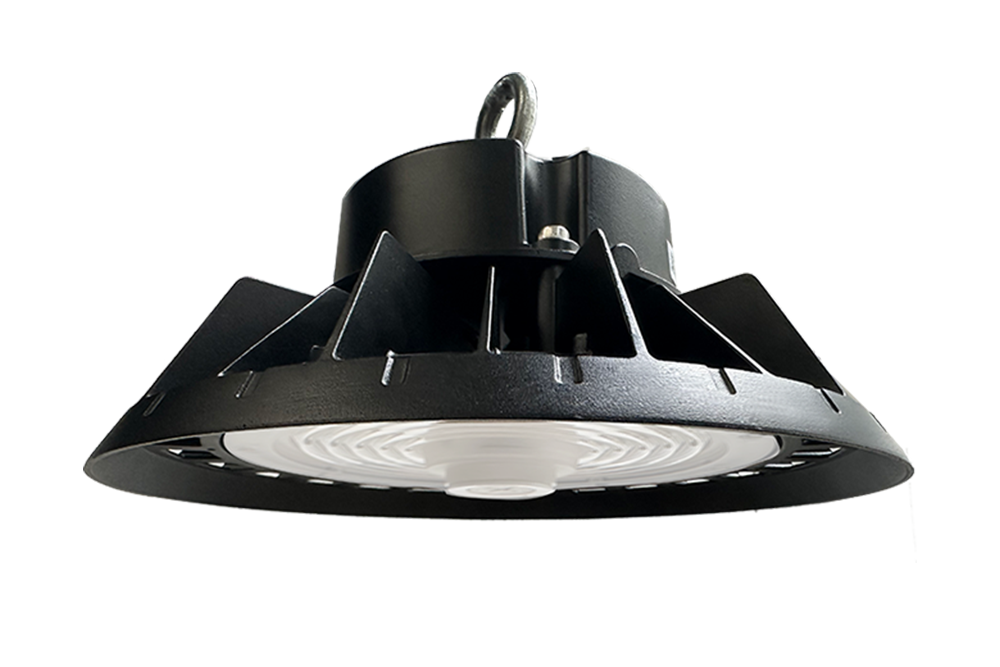
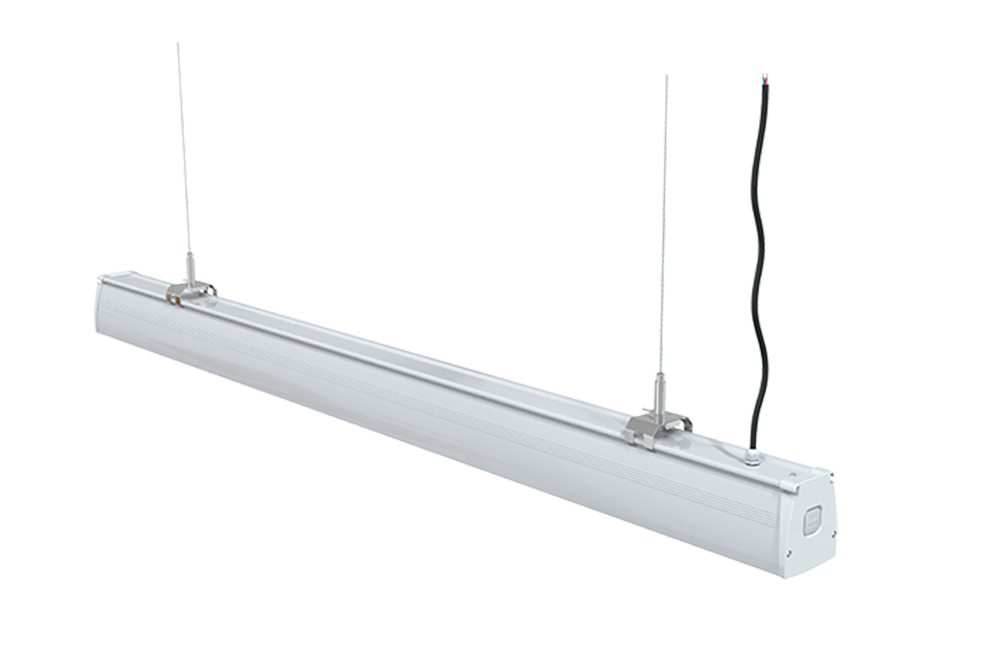
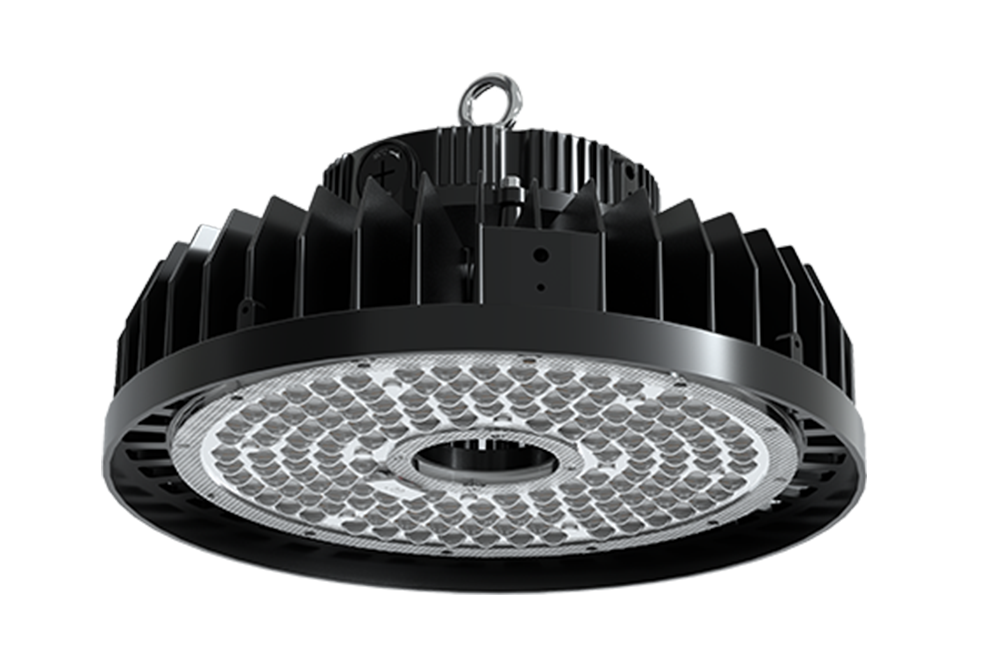
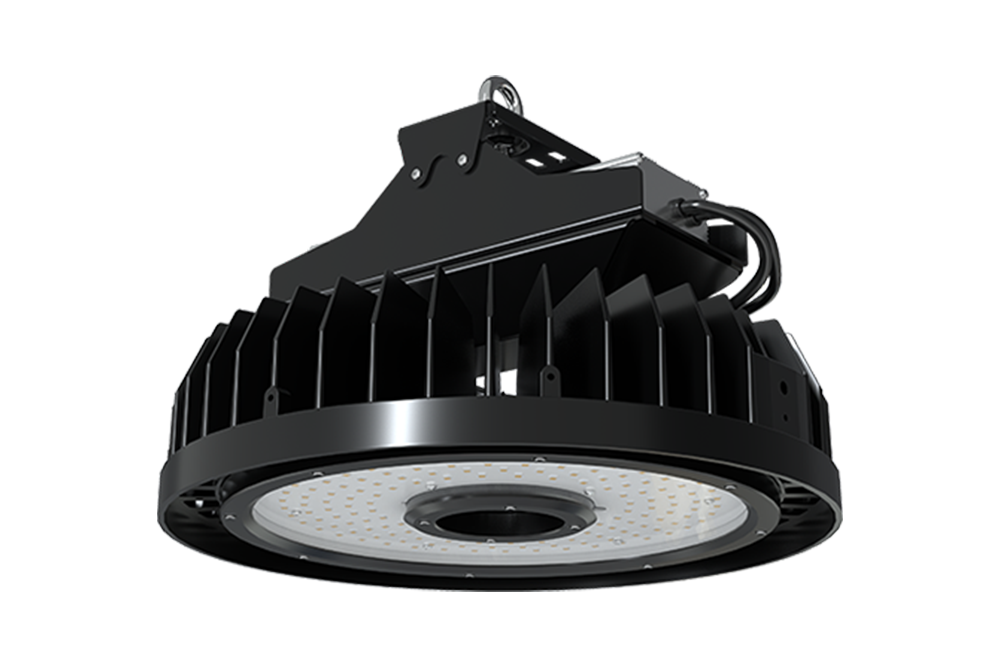
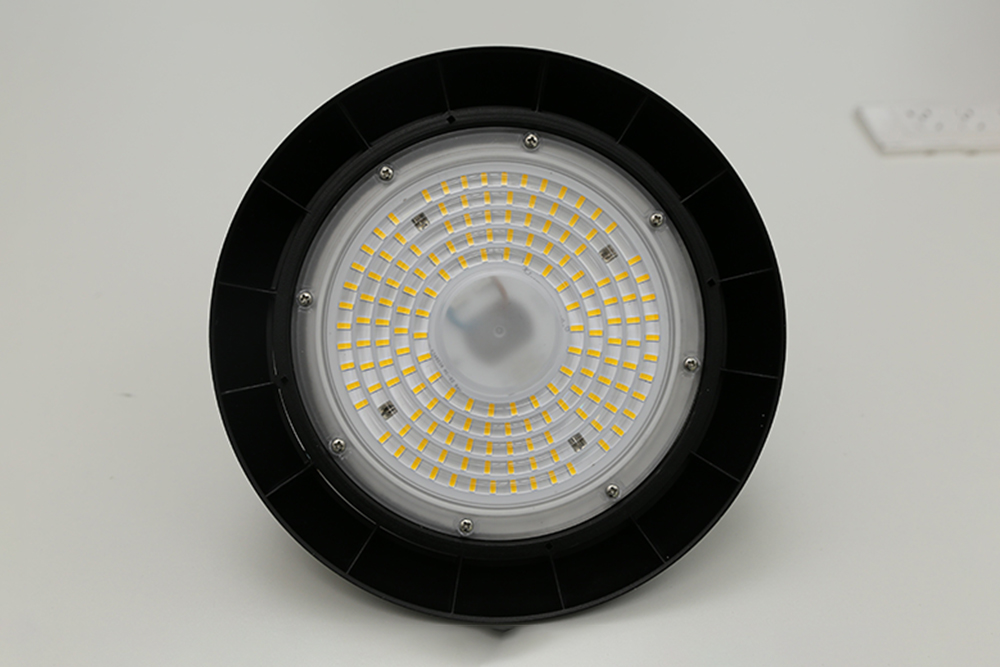
High Bay LED Lights 200W for Real Industrial Environments
248High Bay LED Lights 200W deliver stable output, energy savings, and long lifespan. Discover how to choose reliable industrial lighting that performs in real environments.
View detailsSearch the whole station
Project Location: Indiana, USA
Application: Chemical plant
Product Models: XJ-HBS100W, XJ-HBS150W-2
Brand: SEEKINGLED
Project Time: May 2016
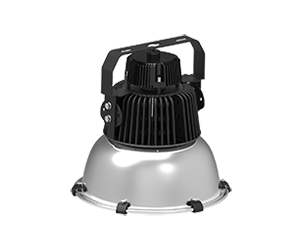
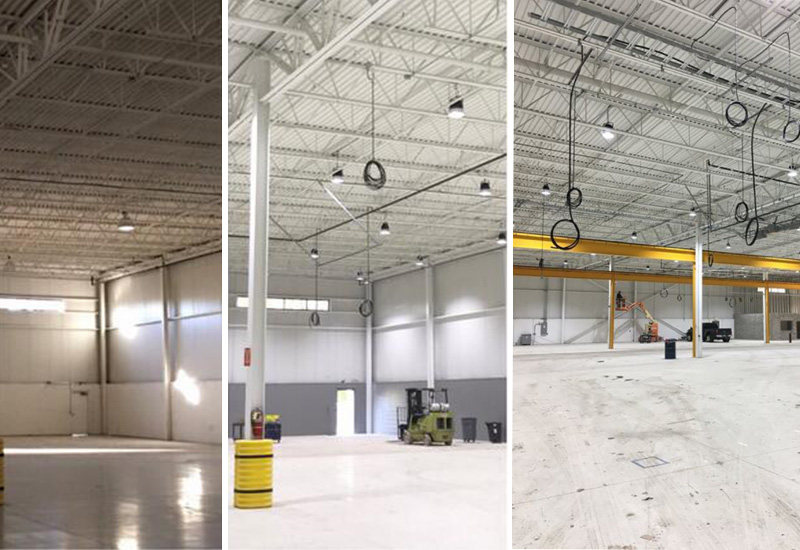
This project was carried out in May 2016 at a chemical plant in Indiana. At that time, the site was still using a mix of high-pressure sodium high bays and flood lights. The quantities were not small, and the layout was already fixed, so the replacement plan had to stay close to the original installation points.
The existing system included 57 units of 250W HPS high bays and another 79 units of the same wattage. In addition, there were flood lights—58 units rated at 250W and 33 units at 400W. The investor did not want a full redesign. The request was clear: one-to-one replacement, minimal structural change, and predictable results.
After reviewing the LED High Bay lighting layout and operating hours, we proposed splitting the replacement into two power levels. For the high bay areas, 57 units of XJ-HBS100W and 79 units of XJ-HBS150W were selected to replace the 250W and 400W HPS fixtures. The same logic was applied to the flood lights: 58 units of XJ-HBS100W and 33 units of XJ-HBS150W, matched directly to the original lamps.
The calculations were done before installation, but the client focused more on real numbers than projections. Based on the final configuration, the system reduced power consumption by approximately 45.25 kWh per hour. Assuming an average of eight operating hours per day, this translated to around 362 kWh saved daily.
After installation, foot-candle measurements were taken at working height. The readings showed that illumination levels were roughly double compared to the old HPS system. This was expected, but still checked on site, especially in areas where led flood lights were previously doing most of the work.
There were no changes to working routines or maintenance procedures. From the plant’s point of view, the main difference was lower energy use and clearer visibility in processing areas. That matched the original goal of the project, and no further adjustments were requested.
High Bay LED Lights 200W deliver stable output, energy savings, and long lifespan. Discover how to choose reliable industrial lighting that performs in real environments.
View details
Install an outdoor flood light by isolating power, securing the fixture, connecting wiring, sealing entry points, then testing and aiming the light.
View details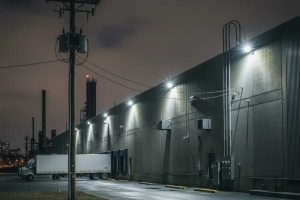
What is the best LED flood light based on real installation experience, not specs alone. Learn how professionals choose flood lights.
View details
Can LED lights be used in an explosion proof area? Learn when LED lighting is safe, certified, and compliant for hazardous locations. By SEEKINGLED.
View details