 Seeking LED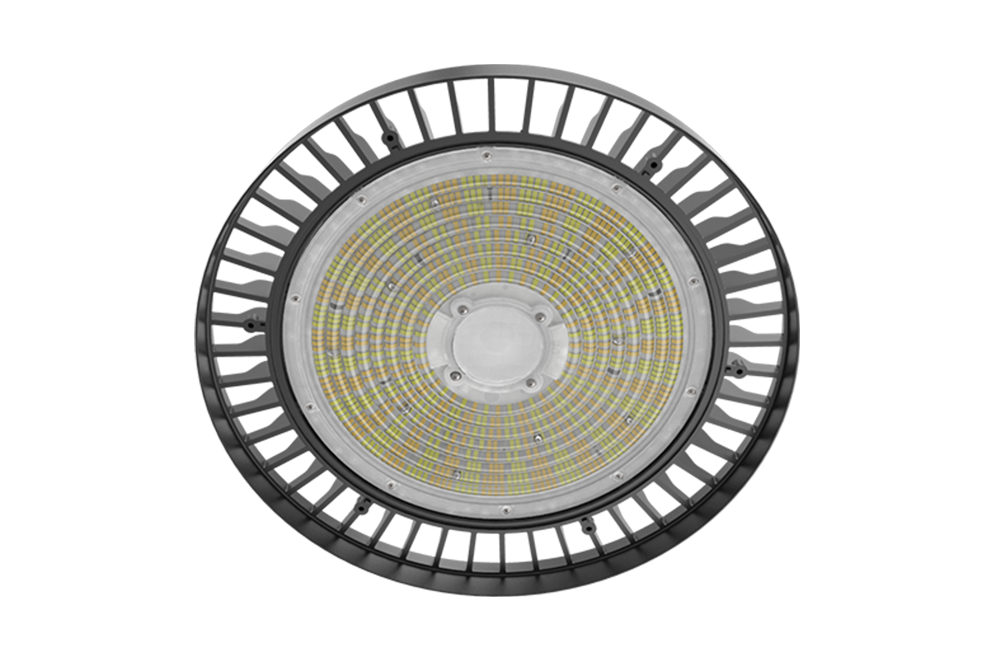
Which Company LED Flood Light Is Best?
243Which company LED flood light is best? A practical answer based on real outdoor use, durability, and long-term performance.
View detailsSearch the whole station
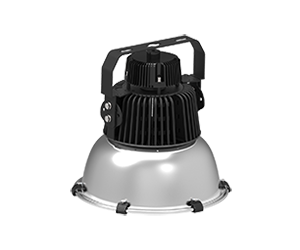
Product NO: XJ-HBS150W-2
Brand: SEEKINGLED
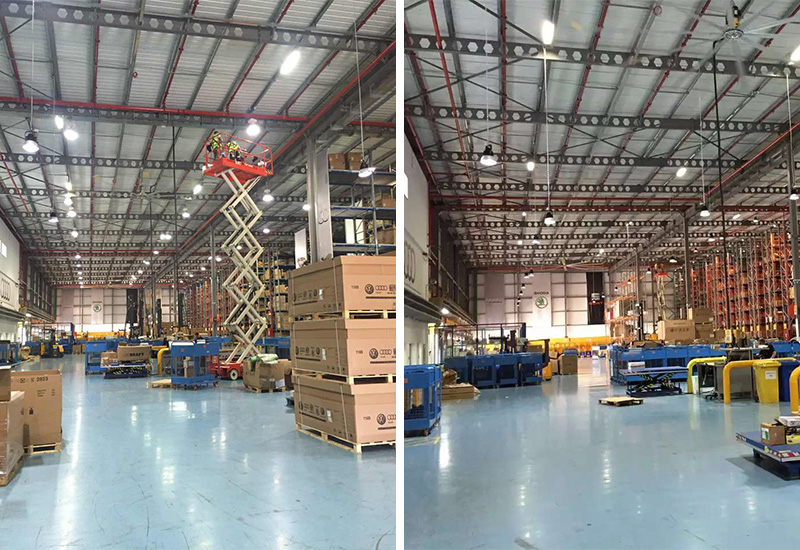
This project took place in an auto parts warehouse in Israel. The original lighting system used 600W traditional lamps. From the start, the main issue was not only power consumption, but visibility between storage racks. The racks were positioned very close to each other, roughly two meters apart, which limited how light could spread.
During the initial site review, it became clear that a standard wide-beam solution would waste a lot of light on the top of the racks. That light would not reach the working level where staff were picking and moving parts. Because of this, beam angle selection became more important than simply choosing wattage.
For the racking aisles, we selected a 45-degree beam angle. The idea was simple: keep the light narrow and controlled so it falls directly between the racks instead of spilling sideways. This helped improve visibility along the full aisle length without increasing glare or adding extra fixtures.
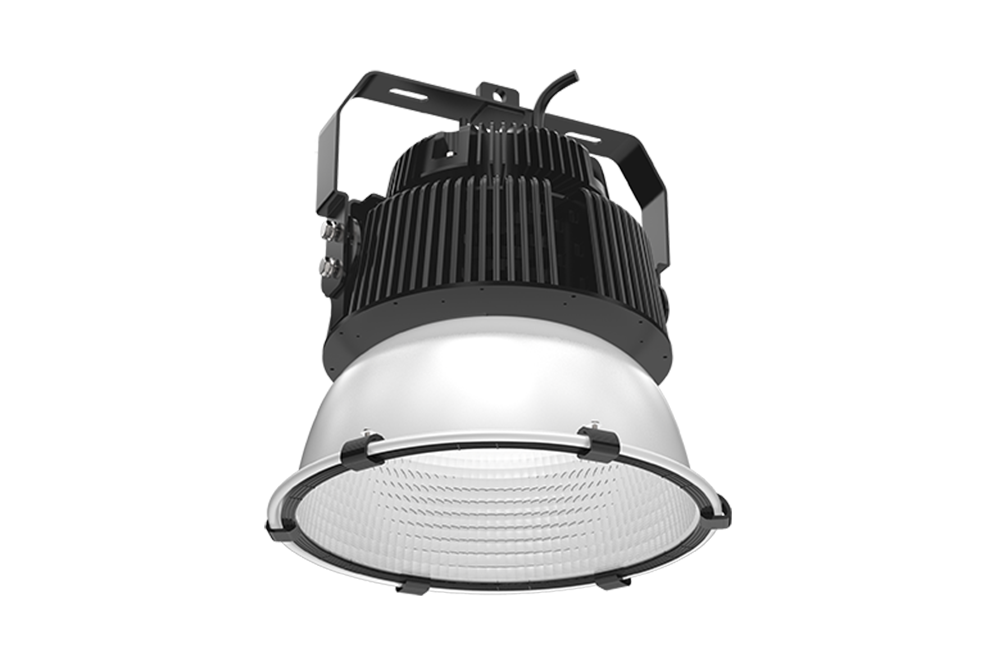
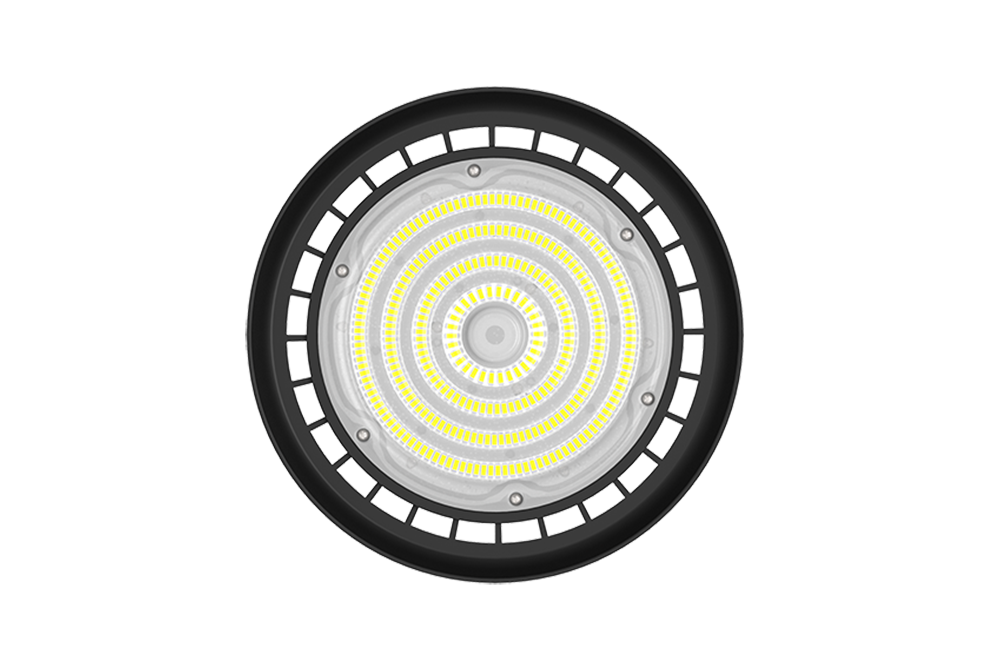
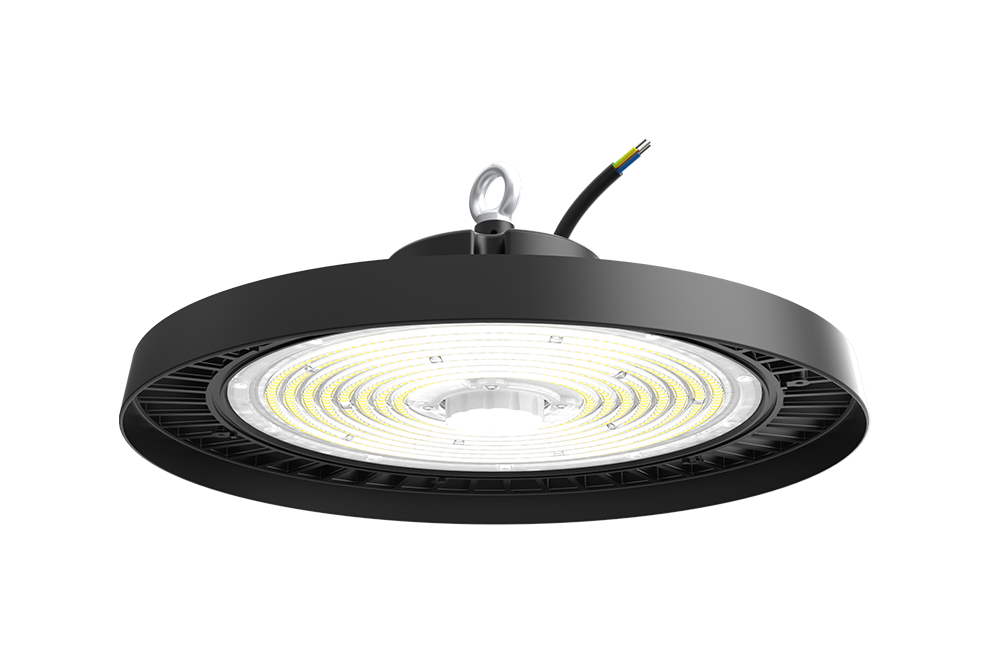
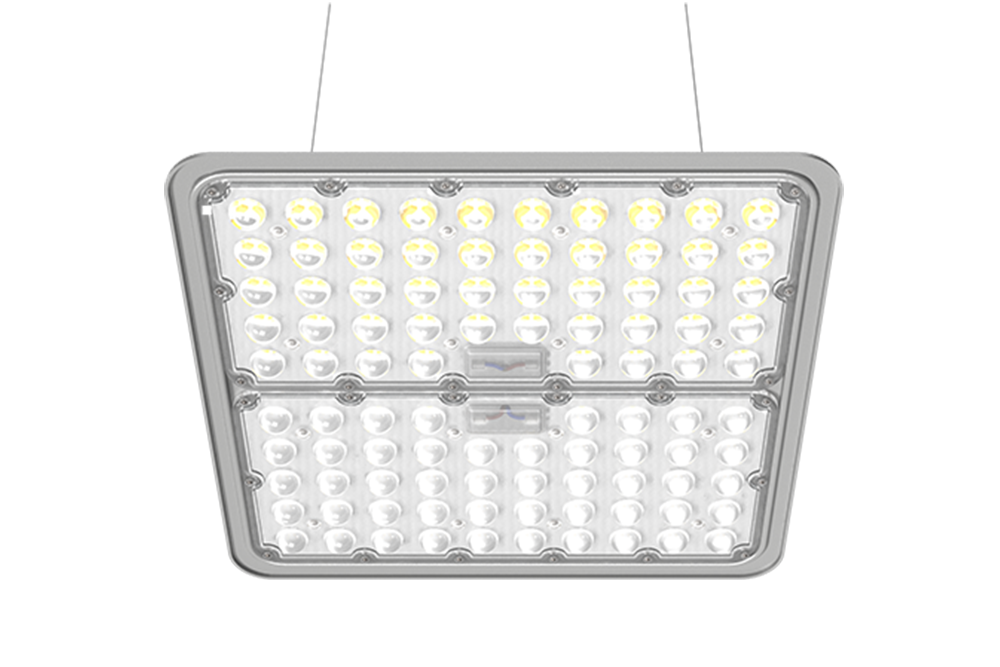
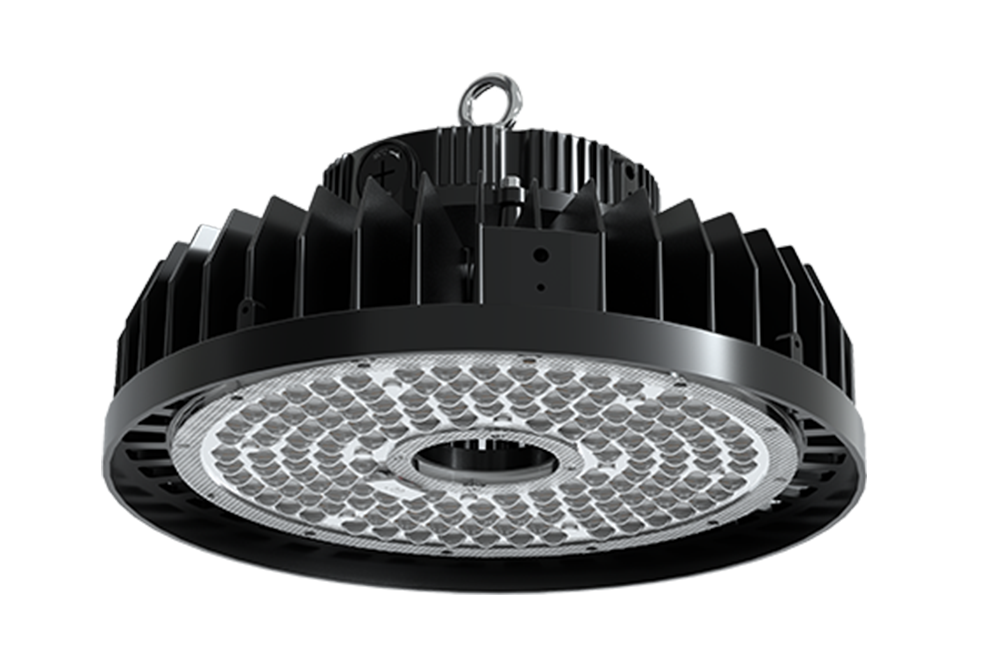
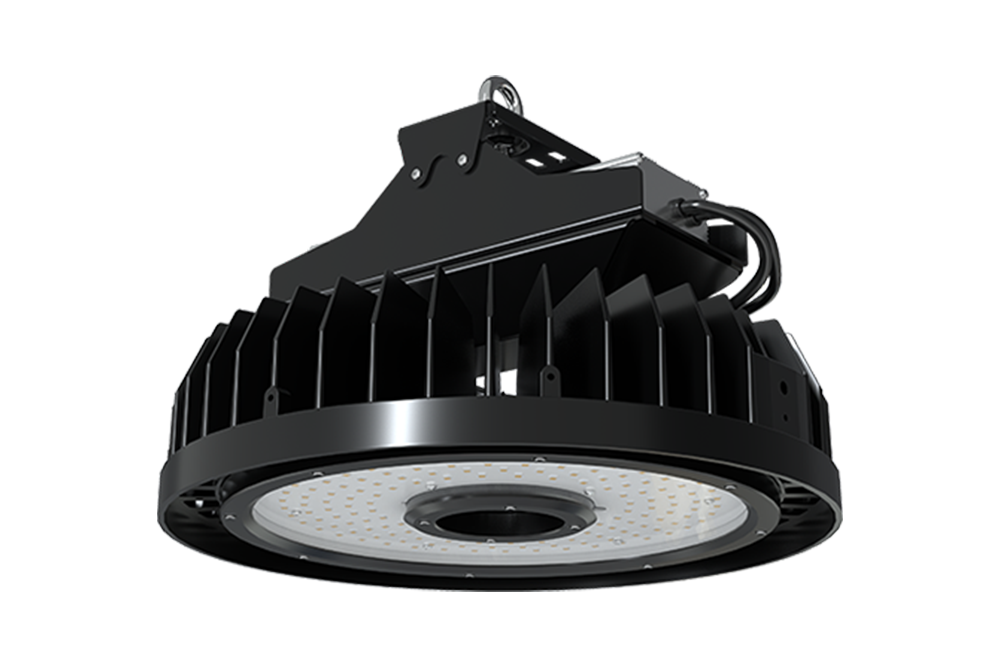
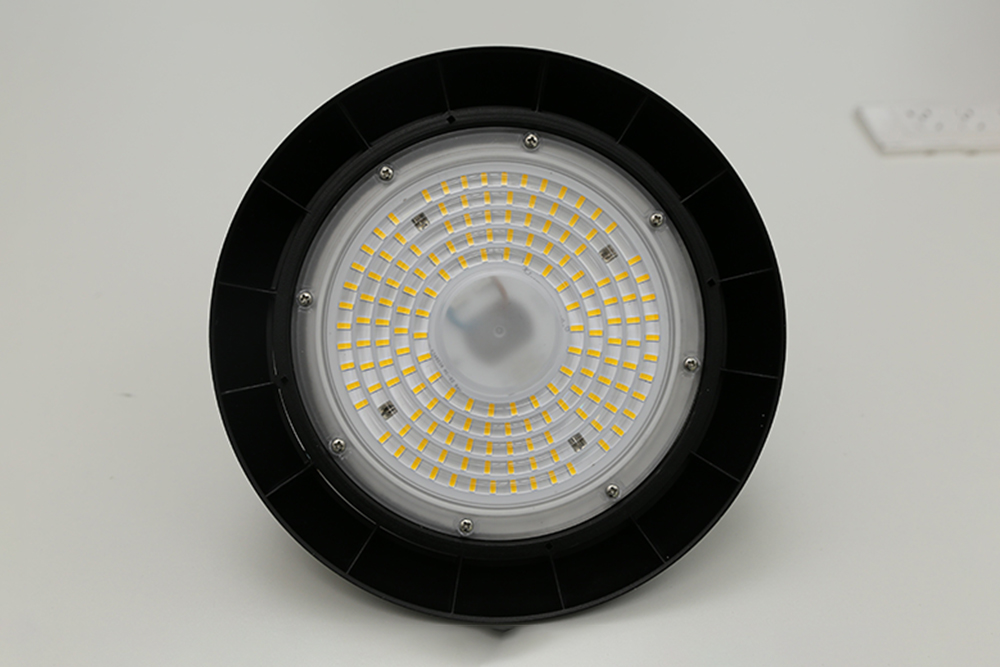
In the areas without rackings, such as loading and open sorting zones, the lighting requirement was different. Here, uniform coverage mattered more than focus. In these sections, the same XJ-HBS150W-2 fixtures were used, but with a 90-degree beam angle to spread LED High Bay Light evenly across the floor.
Installation followed the existing mounting points where possible, so no major structural changes were required. After the system was powered on, the difference at floor level was clear. The working areas between racks were brighter and easier to navigate, especially during picking operations.
From an energy perspective, replacing the 600W lamps with XJ-HBS150W-2 resulted in around 75% reduction in power consumption. This met the customer’s expectations from the beginning. More importantly, the lighting layout now matches how the warehouse is actually used, instead of relying on one beam angle for all areas.
This project reflects a typical warehouse situation where layout details matter more than headline specifications. The final solution was based on on-site conditions, not assumptions.
Which company LED flood light is best? A practical answer based on real outdoor use, durability, and long-term performance.
View details
How high is high bay for lighting? Learn the recommended LED high bay mounting heights, ceiling requirements, beam angles, and industrial lighting design tips.
View details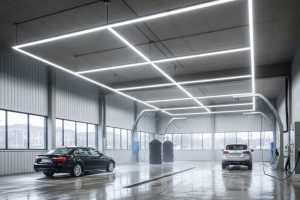
Upgrade your facility with car wash LED lighting. Brighter wash bays, lower energy use, moisture-resistant fixtures, built for real car wash conditions by SEEKINGLED.
View details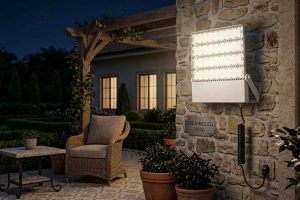
60 watt flood light delivers efficient, compact illumination for outdoor areas, offering energy savings, reliable brightness, and long lifespan performance.
View details