 Seeking LED
What Is the Best LED Outdoor Flood Light?
92What is the best LED outdoor flood light for your yard or driveway? Learn brightness, durability, and beam angle tips from SEEKINGLED outdoor lighting experts.
View detailsSearch the whole station
LED explosion proof lights are specially engineered lighting fixtures designed to operate safely in hazardous environments by containing sparks, heat, or explosions within a sealed enclosure while delivering high-efficiency illumination.
That’s the definition you’ll see in manuals.
But in real installations, they’re less about lighting—and more about preventing incidents.
One common misunderstanding: these lights don’t stop explosions from happening.
They are designed to:
According to IEC 60079 (International Electrotechnical Commission), explosion-proof enclosures must withstand internal explosions and prevent flame transmission to the surrounding atmosphere.
This is mechanical engineering—not marketing.
Compared to traditional lighting:
The U.S. Department of Energy reports LEDs can reduce lighting energy consumption by up to 75% compared to traditional sources.
But here’s the catch—
in hazardous areas, thermal control is still critical.
I’ve seen LED fixtures fail not because of electronics, but because heat wasn’t managed properly inside sealed housings.
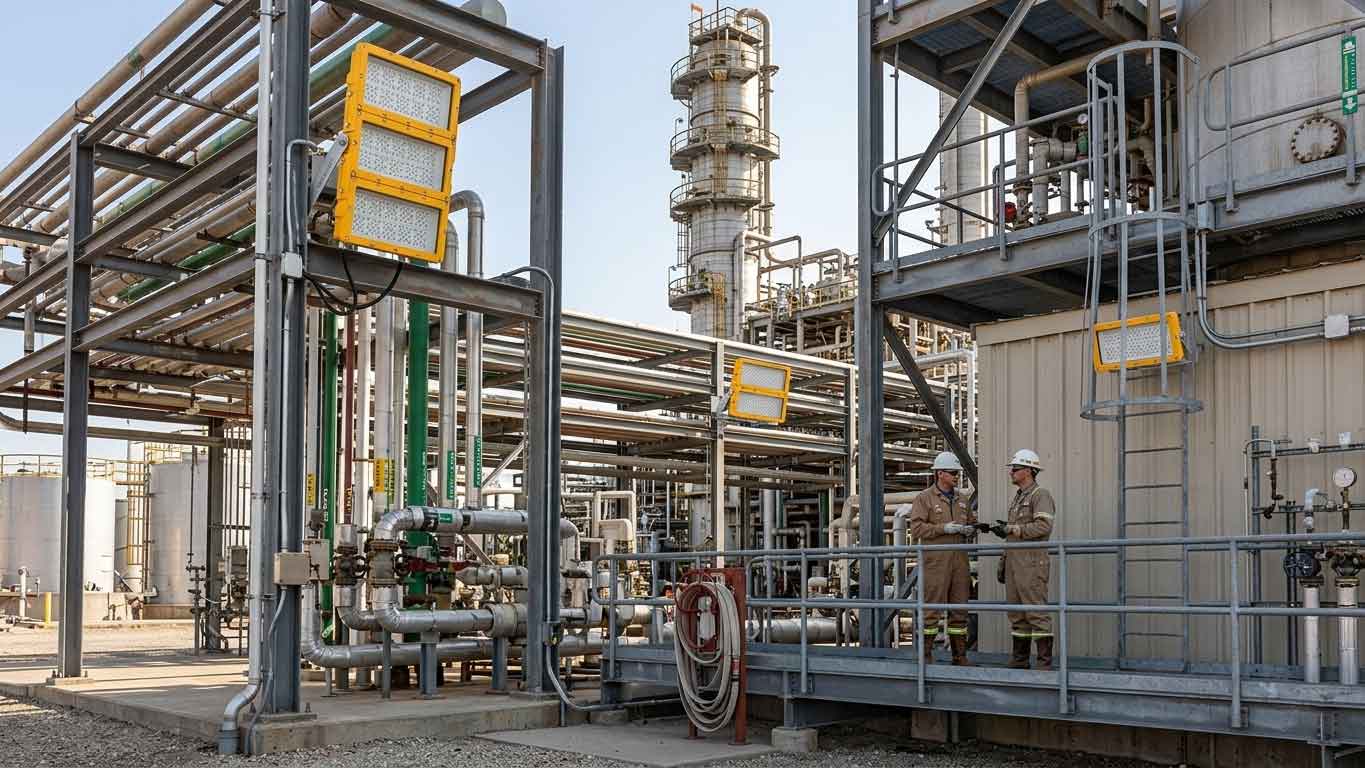
Typically made from:
The enclosure must:
From inspection experience, casting quality is a weak point.
Microscopic porosity can compromise safety under pressure.
Critical but often overlooked:
Even minor scratches or paint contamination can affect performance.
Includes:
These must balance:
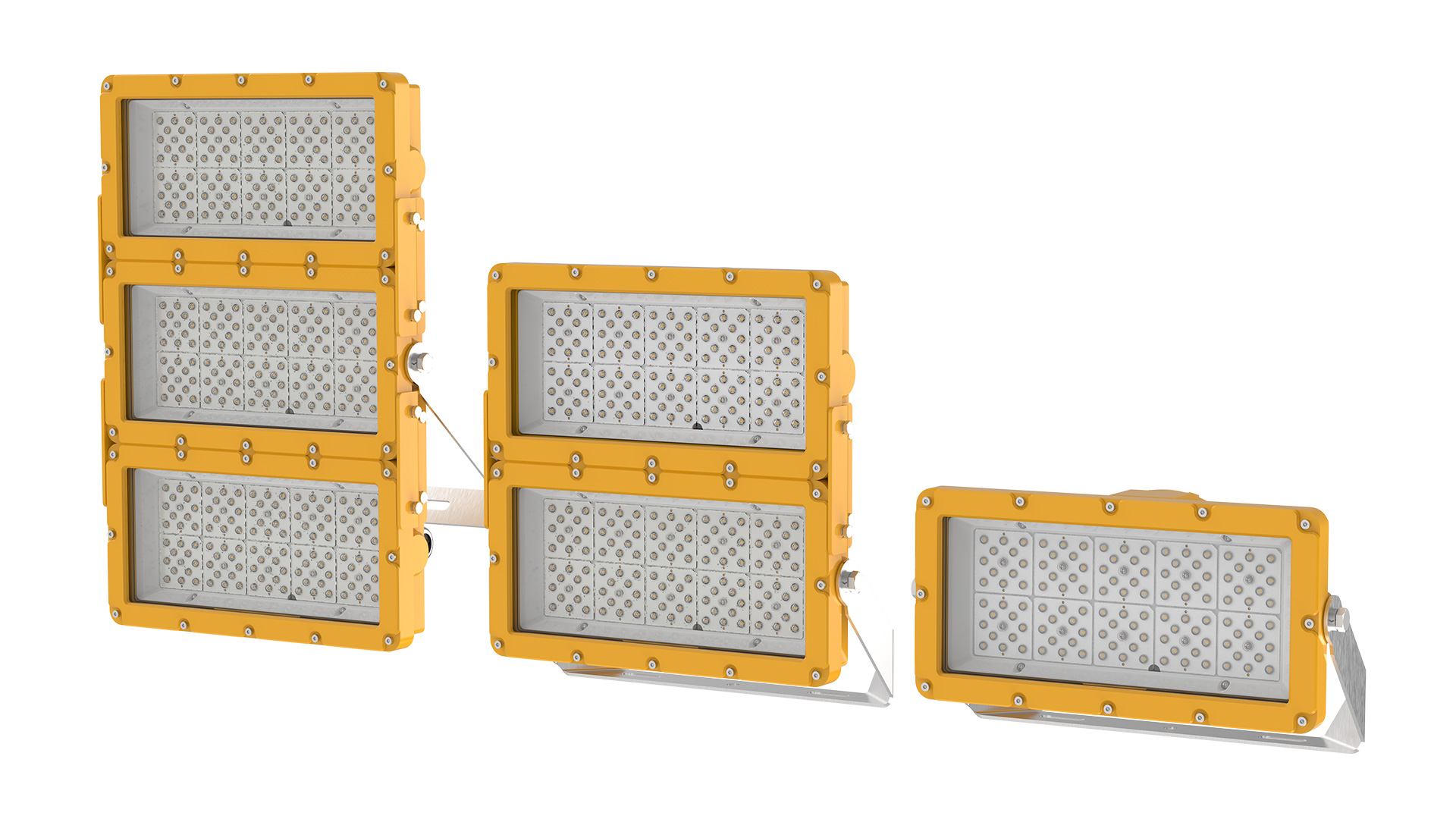
These fixtures are commonly installed in:
According to the U.S. Chemical Safety Board (CSB), combustible dust incidents continue to cause industrial explosions globally—lighting is part of the ignition control system.
In a chemical plant upgrade project, replacing conventional fixtures with LED explosion proof lights resulted in:
The biggest improvement?
Sealing reliability—not brightness.
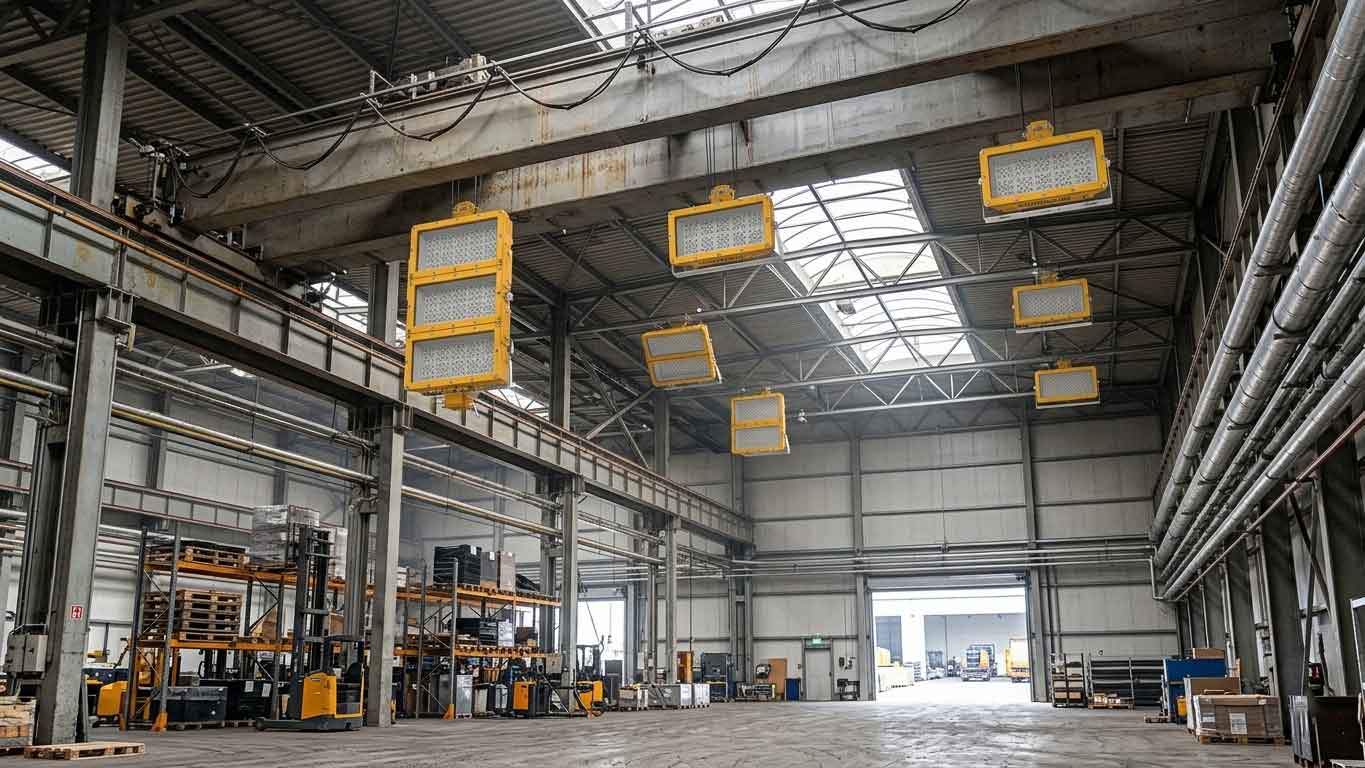
Reliable LED explosion proof lights must comply with:
These certifications verify:
Each fixture has a T-rating:
Why it matters:
Certain gases ignite at low temperatures—
choosing the wrong class is a hidden risk.
| Feature | LED Explosion Proof | Traditional Lighting |
|---|---|---|
| Efficiency | High (120–160 lm/W) | Low |
| Lifespan | ≥50,000 hours | Shorter |
| Heat output | Lower | Higher |
| Maintenance | Minimal | Frequent |
| Safety stability | High | Variable |
In refinery walk-throughs, explosion proof LED lighting fixtures are usually evaluated less for brightness and more for sealing reliability. Once moisture enters the enclosure, driver failure often follows months later. That’s why experienced engineers pay close attention to gasket compression, flame-path machining, and housing density instead of only checking lumen output on specification sheets.
Many maintenance teams still use the short term “ex proof LED lights” during procurement discussions. In practical use, these fixtures are commonly installed in fuel storage zones, chemical transfer areas, offshore platforms, and dust-heavy processing plants where ignition risks remain part of daily operations. The quality difference between fixtures becomes obvious after a few summers of heat cycling and vibration exposure.
A reliable LED explosion proof light must maintain stable thermal performance inside a fully sealed enclosure. In hazardous locations, trapped heat is one of the biggest long-term threats to electronic components. SEEKINGLED fixtures use optimized heat dissipation structures to reduce internal thermal stress while maintaining certification compliance.
An explosion proof LED light is engineered to contain sparks, arcs, or high temperatures inside the fixture body so surrounding flammable gases or dust cannot ignite. In older industrial facilities, replacing traditional HID systems with LED units often reduces maintenance shutdowns significantly because LEDs generate less heat and require fewer lamp replacements.
Explosion proof industrial lighting is widely used in oil refineries, marine terminals, chemical plants, paint booths, and grain handling facilities. These environments demand fixtures that can tolerate corrosion, pressure washdowns, airborne contaminants, and continuous operation. In real installations, durability matters just as much as certification.
Not all LED explosion proof lights perform equally under harsh conditions. Some low-cost products pass laboratory certification but struggle in coastal or high-humidity environments after long-term use. Corrosion resistance, driver protection, and sealing structure usually determine how long the fixture survives in actual industrial service.
In hazardous-area retrofits, explosion proof LED lighting fixtures often improve more than energy efficiency alone. Facilities usually notice lower enclosure temperatures, reduced maintenance frequency, and better visibility around valves, pipelines, and elevated work platforms. That operational improvement becomes especially important during night inspections.
LED explosion proof lighting has become standard in many newly built industrial projects because it combines lower energy consumption with higher lighting stability. Compared to conventional metal halide systems, LEDs reach full brightness instantly and maintain more consistent illumination across long operating hours.
When selecting explosion proof lighting LED systems, buyers sometimes focus only on wattage. But in hazardous environments, the better question is whether the fixture can maintain enclosure integrity after years of vibration, corrosive air exposure, and temperature fluctuation. Long-term reliability is usually hidden inside the housing design.
A quality LED explosion proof lamp should provide stable illumination without excessive glare or hotspot reflection. In confined industrial spaces, uneven lighting can make equipment inspections harder and increase operational mistakes. Beam angle selection is often overlooked during purchasing but becomes important after installation.
Hazardous LED lighting fixtures are specifically designed for locations where combustible gas, vapor, or dust may be present. In dust-heavy facilities such as grain silos or powder processing plants, fixture sealing quality becomes critical because fine particles can slowly compromise weak enclosure points over time.
Explosion-proof lighting is not designed to stop explosions from occurring. Its purpose is to isolate ignition sources so surrounding hazardous atmospheres cannot ignite. That distinction matters. In real industrial environments, lighting fixtures are treated as part of the site’s overall risk-control system, not simply as illumination equipment.
From field experience with SEEKINGLED:
In one refinery project, fixture-related failures dropped to near zero over two years.
Higher wattage ≠ safer lighting.
Different environments require:
Not all “explosion-proof” labels are equal.
Always verify:
Yes. They are specifically engineered and certified for hazardous environments.
Yes—but it’s usually unnecessary and more expensive.
Typically over 50,000 hours with proper installation.
This article is based on real-world experience across:
In multiple audits, I’ve seen:
Over 25% of fixture failures linked to enclosure or sealing issues—not LED chips.
That insight changes how you evaluate lighting.
When choosing LED explosion proof lights, the real question isn’t efficiency.
It’s this:
Will the fixture still perform safely after years of heat, corrosion, and pressure?
Because in hazardous environments,
lighting is not just illumination—it’s containment.
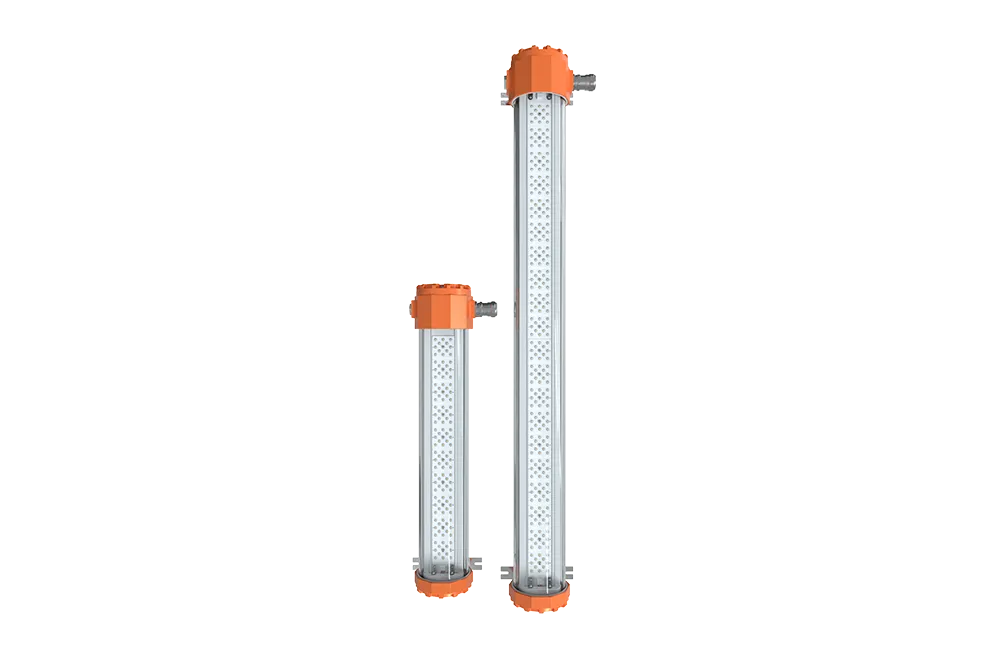
SEEKINGLED LED Linear Explosion Proof Light and Explosion Proof lighting is ATEX and IECEx certified for Zone 1, Zone 2, Zone 21 and Zone 22 hazardous locations, built for long-term industrial use.
View details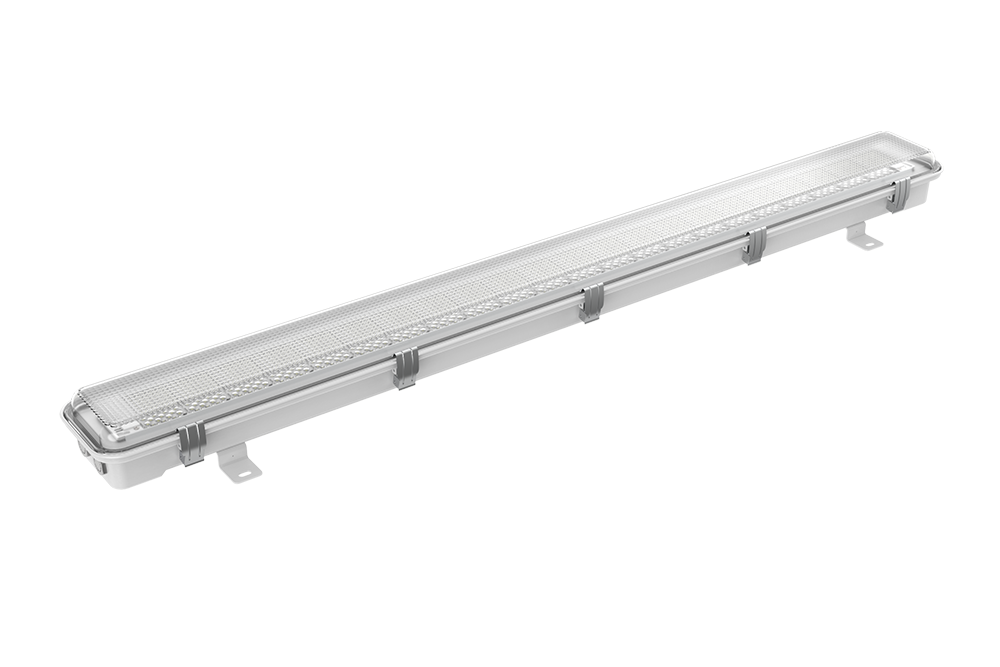
LED Linear Explosion Proof Lights and EX Proof lights for Zone 1, Zone 2, Zone 21 and Zone 22 hazardous areas. ATEX & IECEx certified explosion proof LED linear lighting with emergency function, adjustable power and IP67 protection by SEEKINGLED.
View details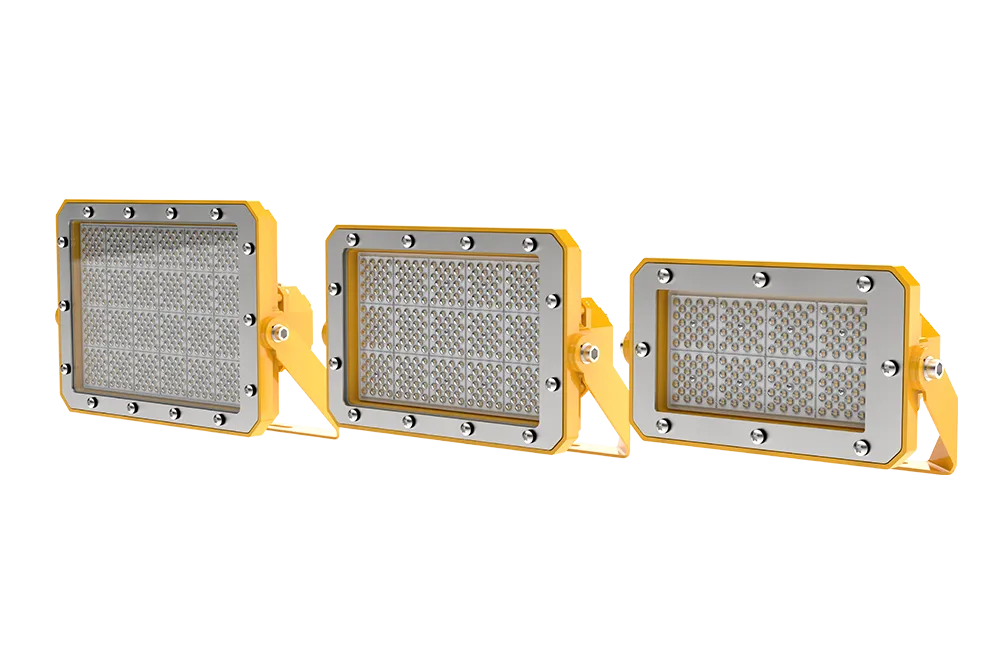
SEEKINGLED LED Explosion Proof Flood Lights are ATEX certified for Zone 2 and Zone 22 hazardous areas, offering high efficiency, adjustable power and integrated junction box.
View details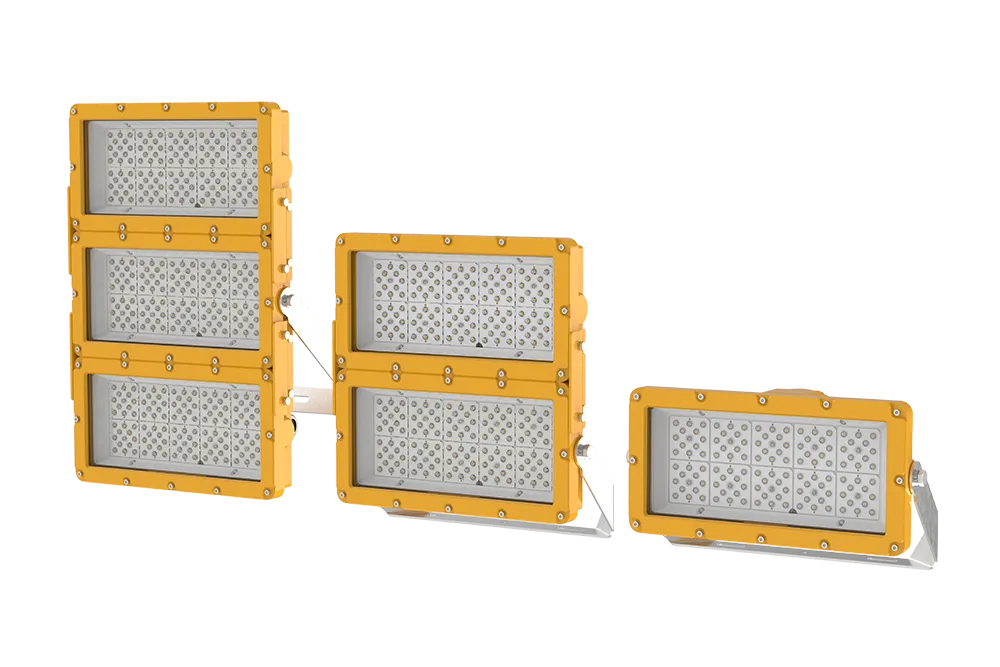
SEEKINGLED LED Explosion Proof Flood Lights are flameproof ATEX and IECEx certified for Zone 1 and Zone 2 hazardous areas, offering high power, adjustable output and long service life.
View details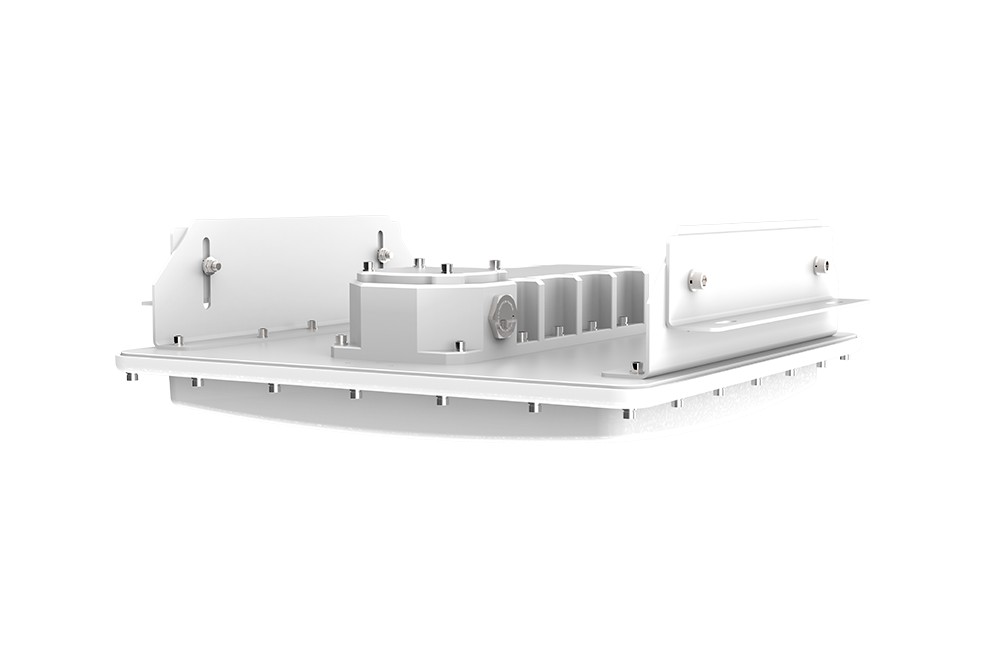
SEEKINGLED LED Gas Station Canopy Lights are ATEX certified for Zone 2 and Zone 22 hazardous areas, featuring adjustable power and built-in explosion-proof junction box.
View details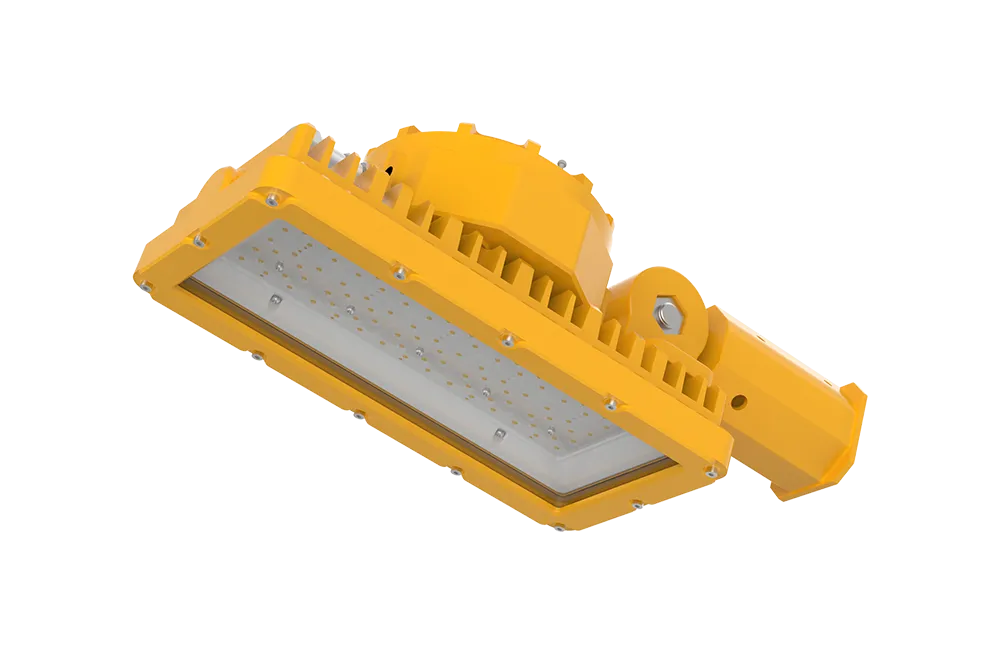
ATEX: Ex II 2G Ex db IIB T6/T5 GbEx II 2D Ex tb IIIC T80°C/ T95°C Db IECEx Ex db IIB T6 Gb;Ex tb IIIC T80°C Db Feature: ● For Zone 1,2 and Zone 21,22● Flameproof type, the strongest● 100W can replace 250W HID,energy saving● Power:60W,80W,100W Application: Oil and gas, marine, Chemical, pharmaceutical, semiconductor,mining,military industr…
View details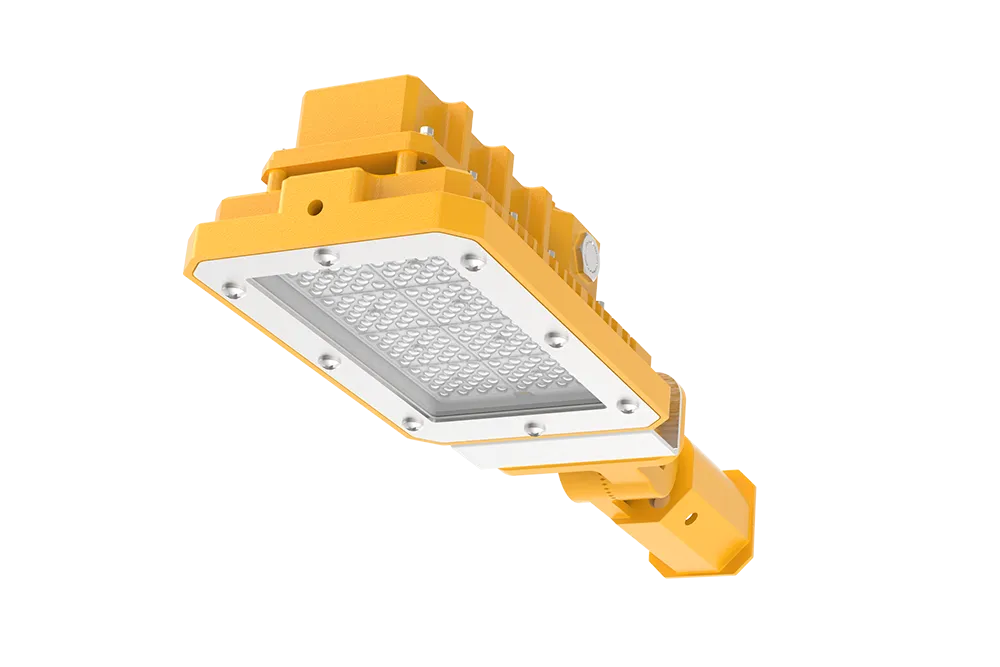
ATEX: II 3G Ex nR ⅡC T5/T6 GcII 3D Ex tc ⅢC T80℃/T95℃Dc ATEX Certificate NO: TÜV CY 26 ATEX 0207611 X Feature: ● For Zone 2 and Zone 22● 150W can replace 250W HID lamps,Energy saving● Power:50W,75W,100W,150W,200W Application: Oil and gas, marine, Chemical, pharmaceutical, semiconductor,mining,military industry, paint booth,power plant ETC…
View details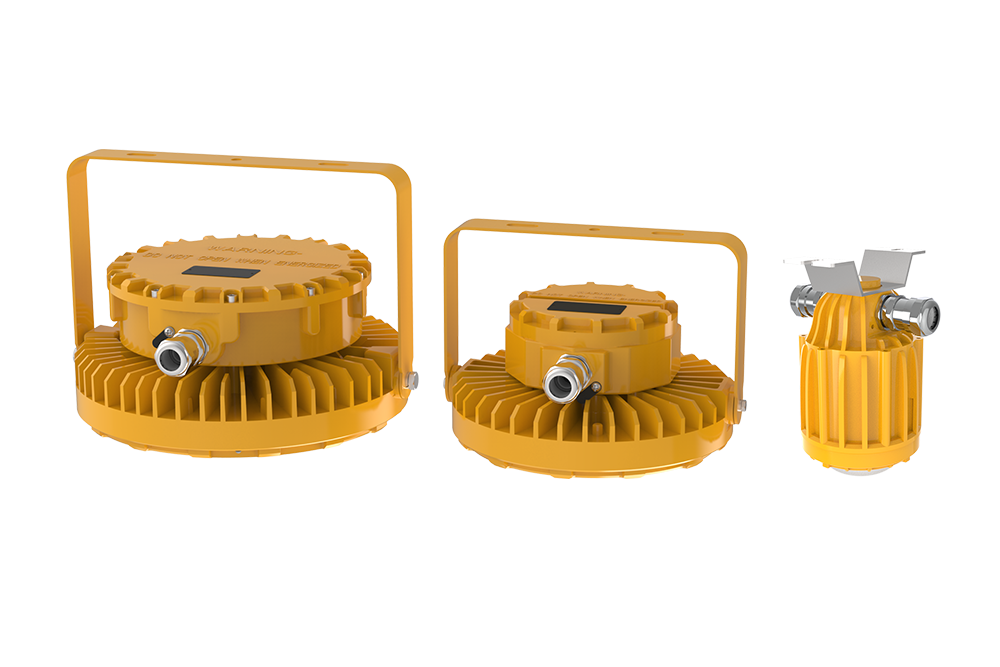
LED explosion proof high bay lights are designed for Zone 1, Zone 2, Zone 21 and Zone 22 hazardous areas. This page introduces the HB21 Series from SEEKING, including certifications, power options and real application considerations.
View details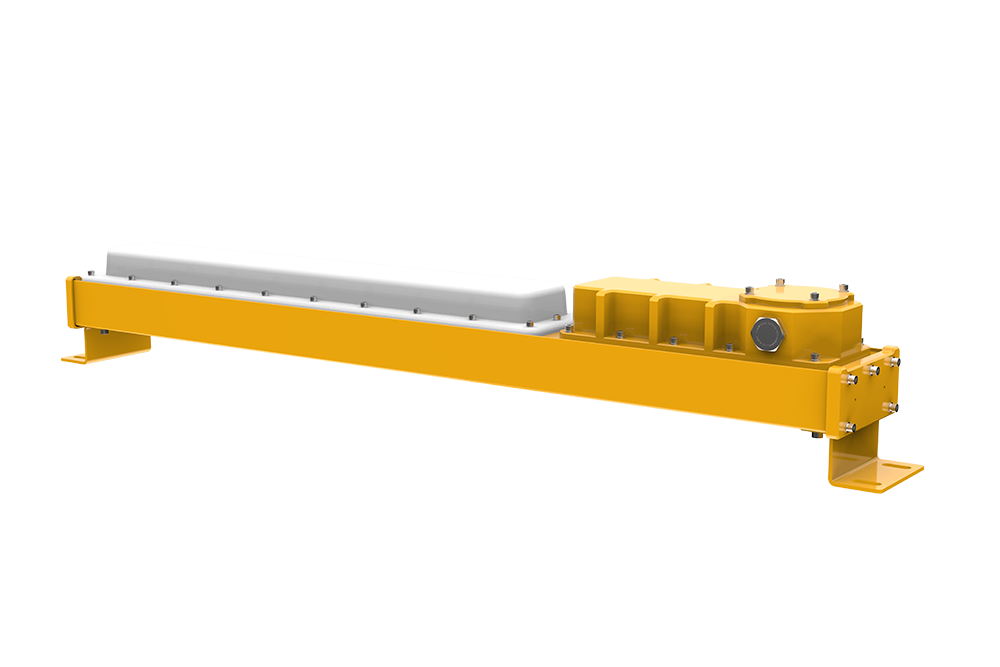
LED Linear Explosion Proof Lights from SEEKINGLED. LU Series Flame Proof lights ATEX-certified explosion proof LED linear lighting for Zone 2 gas and Zone 22 dust areas, IP69K, IK10, long lifetime and flexible power options.
View details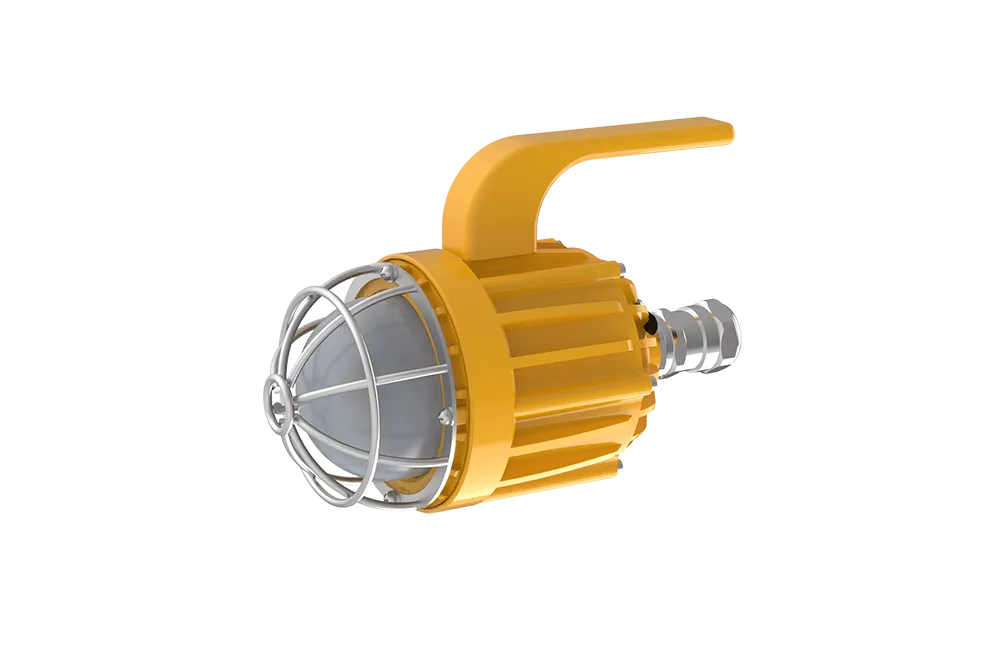
Certified explosion proof work lights for Zone 1 & 21 hazardous areas. Portable, ATEX & IECEx approved, built for oil, gas and chemical plants by SEEKINGLED.
View details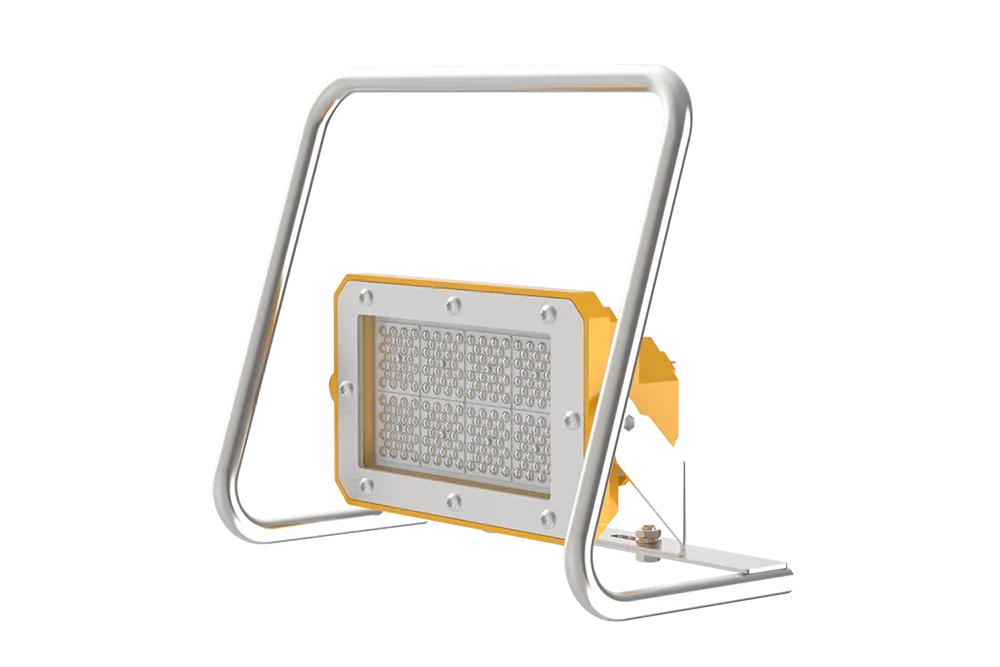
ATEX: II 3G Ex nR ⅡC T6 GcII 3D Ex tc ⅢC T80℃ Dc ATEX Certificate NO: TÜV CY 26 ATEX 0207611 X Feature: ● For Zone 2 and Zone 22● Accepts battery-powered supply● indestructible● Power:AC input:50W,75W,100WDC input:15W,25W,35W Application: Oil and gas, marine, Chemical, pharmaceutical, semiconductor,mining,military industry, paint booth,po…
View details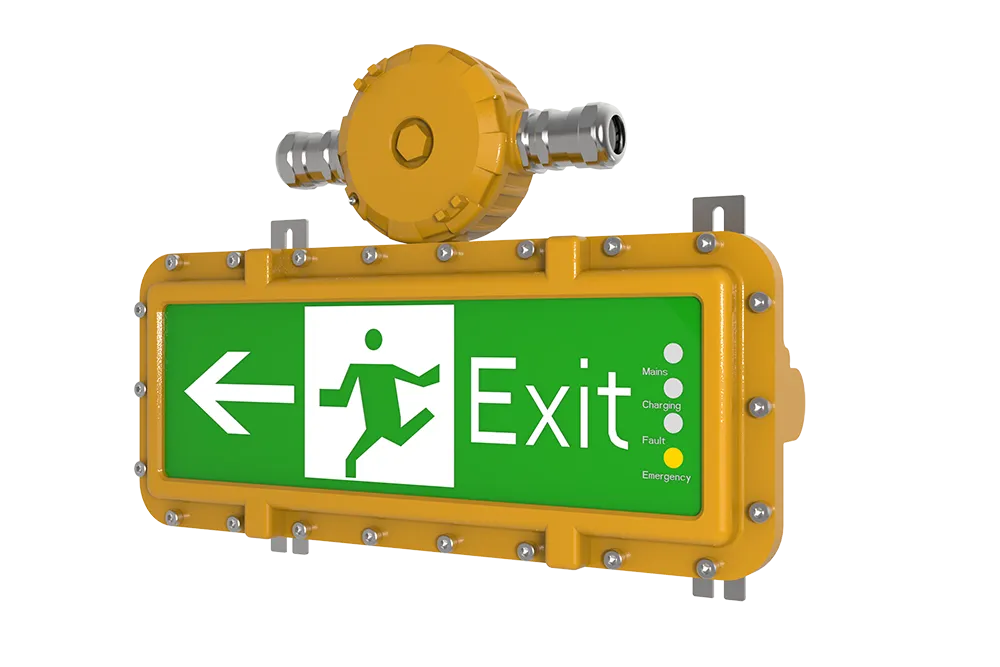
ATEX: Ex II 2G Ex db IIB T6 GbEx II 2D Ex tb IIIC T80°C Db IECEx Ex db IIB T6 Gb;Ex tb IIIC T80°C Db Feature: ● For Zone 1,2 and Zone 21,22● Flameproof type, the strongest Application: Oil and gas, marine, Chemical, pharmaceutical, semiconductor,mining,military industry, paint booth,power plant ETC hazardous area. Technical Specifications:…
View details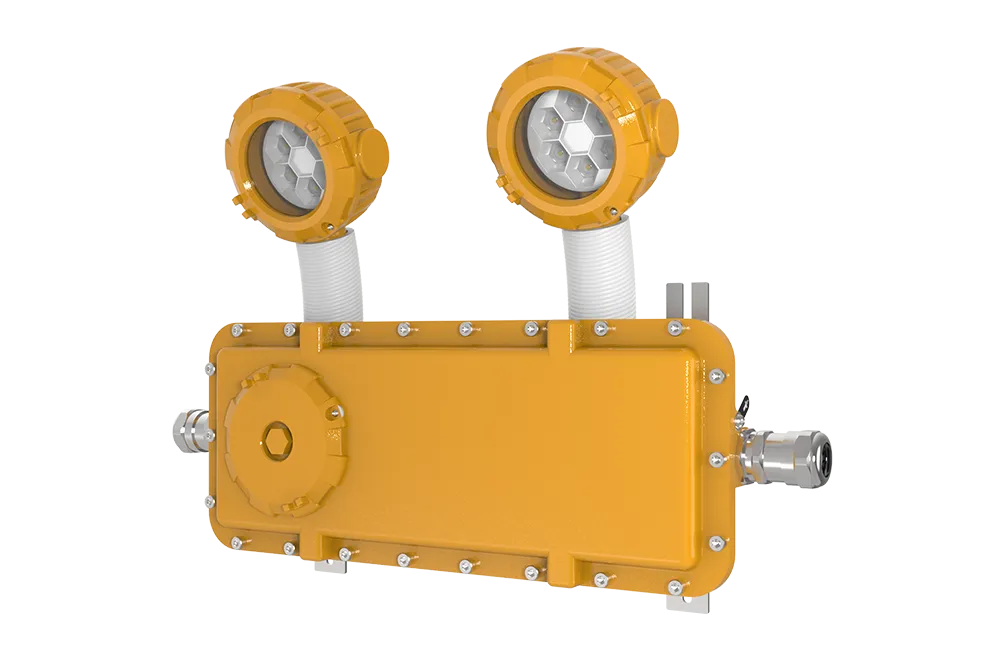
ATEX: Ex II 2G Ex db IIB T6 GbEx II 2D Ex tb IIIC T80°C Db IECEx Ex db IIB T6 Gb;Ex tb IIIC T80°C Db Feature: ● For Zone 1,2 and Zone 21,22● Flameproof type, the strongest Application: Oil and gas, marine, Chemical, pharmaceutical, semiconductor,mining,military industry, paint booth,power plant ETC hazardous area. Technical Specifications:…
View details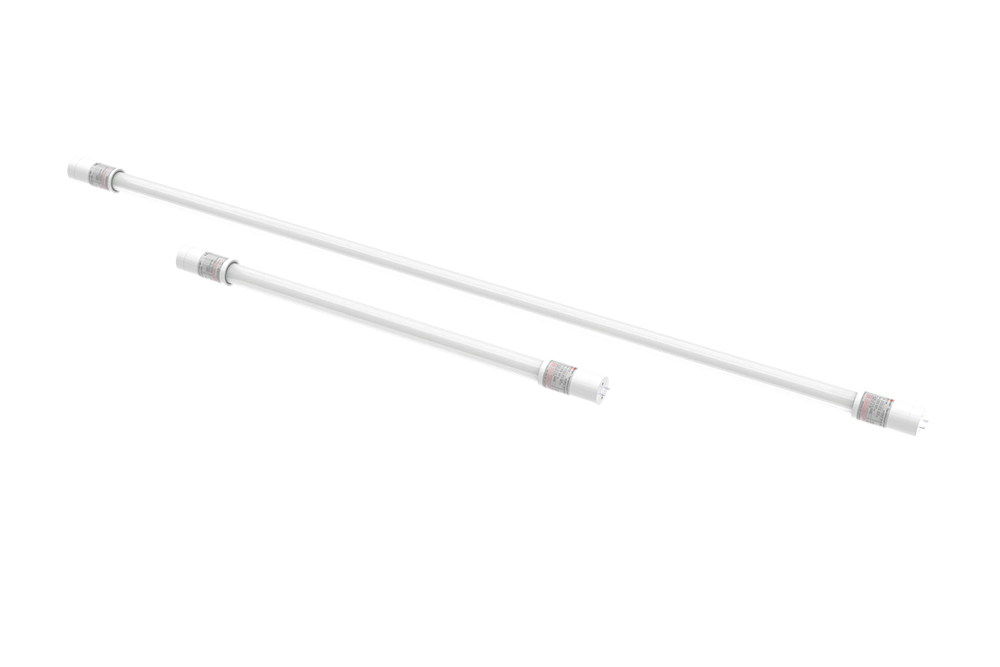
ATEX: Ex II 2G Ex d e IIB T6 Gb ATEX: Ex d e IIB T6 Gb; Feature: ● For Zone 1,2● 9W can replace 18W fluorescent lamps,50% Energy saving Application: Oil and gas, marine, Chemical, pharmaceutical, semiconductor,mining,military industry, paint booth,power plant ETC hazardous area. Technical Specifications: Standards:60079-0, 60079-1, 60079…
View details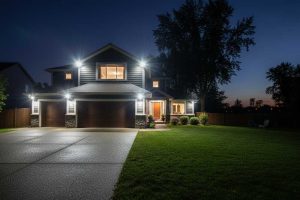
What is the best LED outdoor flood light for your yard or driveway? Learn brightness, durability, and beam angle tips from SEEKINGLED outdoor lighting experts.
View details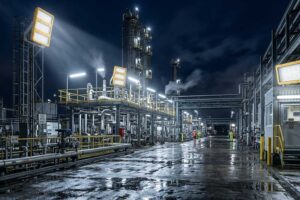
Can ATEX flood lights be used outdoors? Learn how explosion-proof LED flood lights handle rain, salt spray, dust, and hazardous outdoor industrial environments.
View details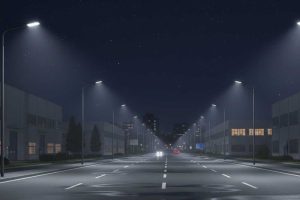
Choose a 150 watt LED street light for wide roads and industrial areas. Higher output, fewer poles, proven outdoor reliability by SEEKINGLED.
View details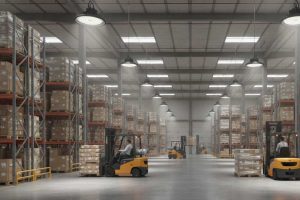
200W LED high bay light explained from real warehouse projects. When it works, when it fails, and how SEEKINGLED applies it in high ceilings.
View details