 Seeking LED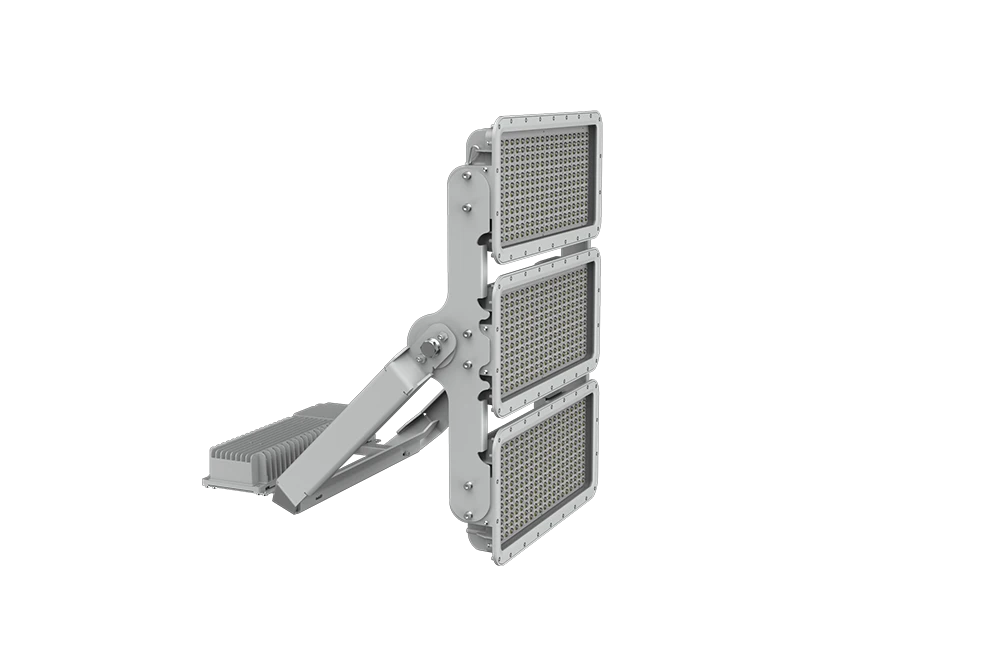
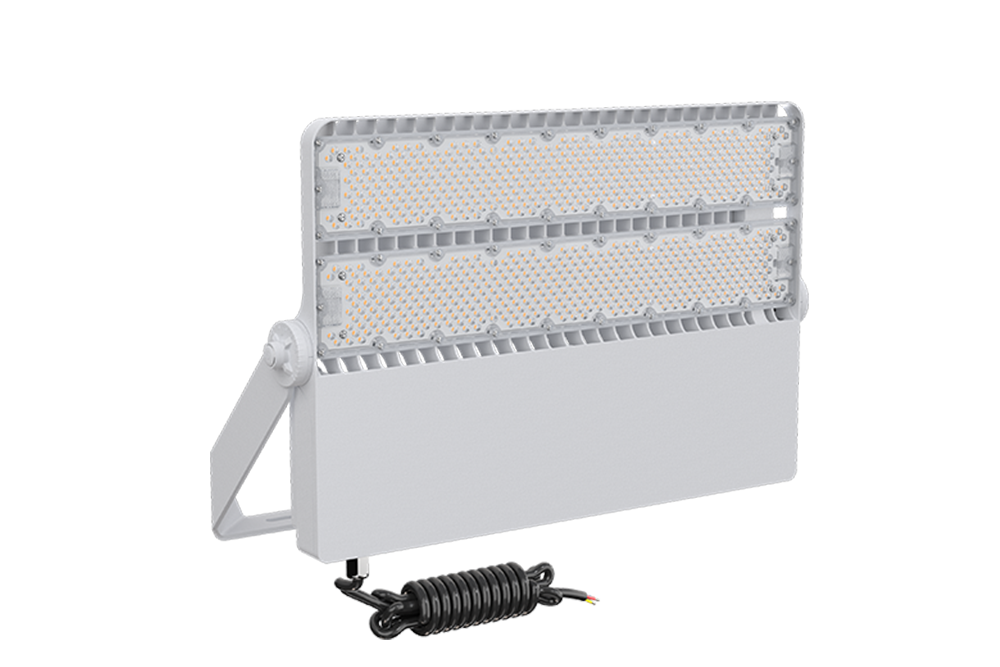
100 Watt LED High Bay Light: Is It Enough for Real Industrial Spaces?
160100 watt LED high bay light offers efficient, focused illumination for warehouses and workshops. Learn where it fits, where it fails, and why.
View detailsSearch the whole station
Direct answer:
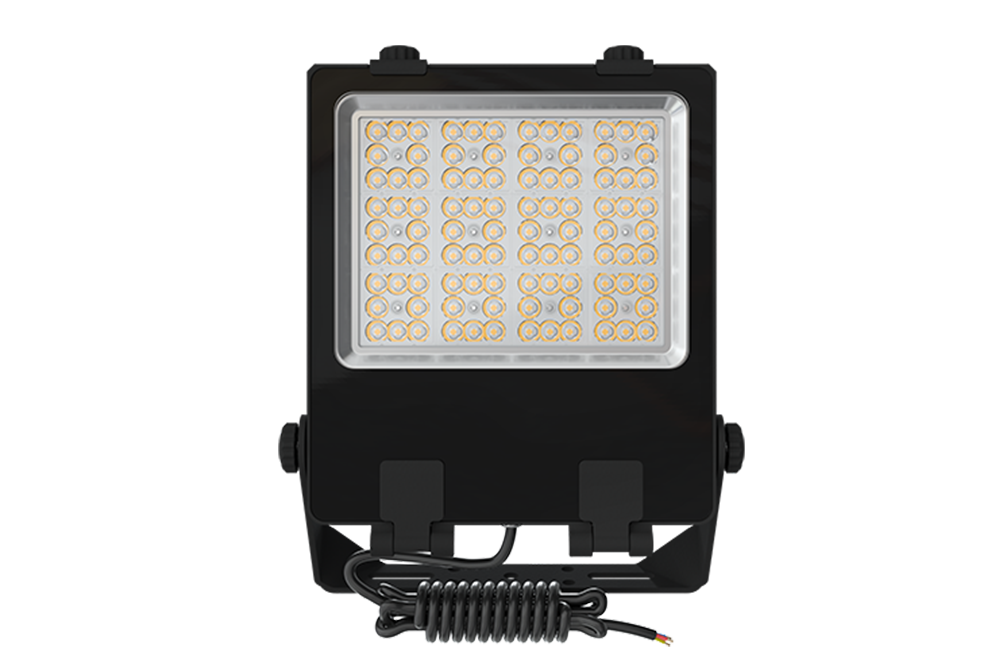
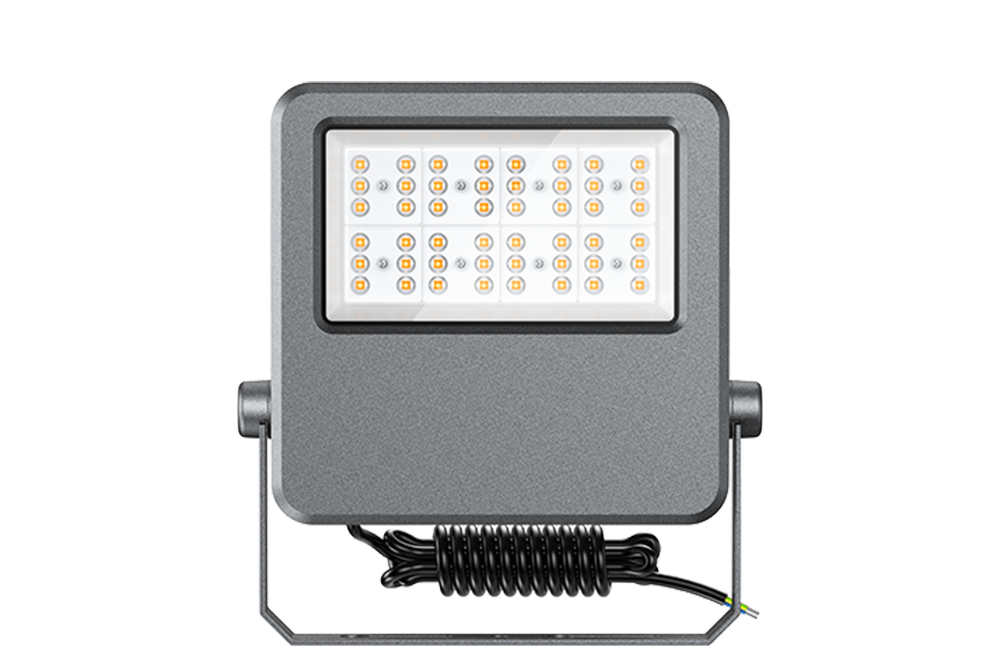
A 100W LED flood light produces roughly 13,000–15,000 lumens, reliably illuminating medium outdoor areas such as driveways, yards, and small commercial spaces. It directly replaces 300–400W halogen systems while cutting energy consumption by over 60% and significantly reducing maintenance frequency.
There’s a reason I keep going back to 100W.
Not because it’s “standard.” Because it works in most real situations without overthinking.
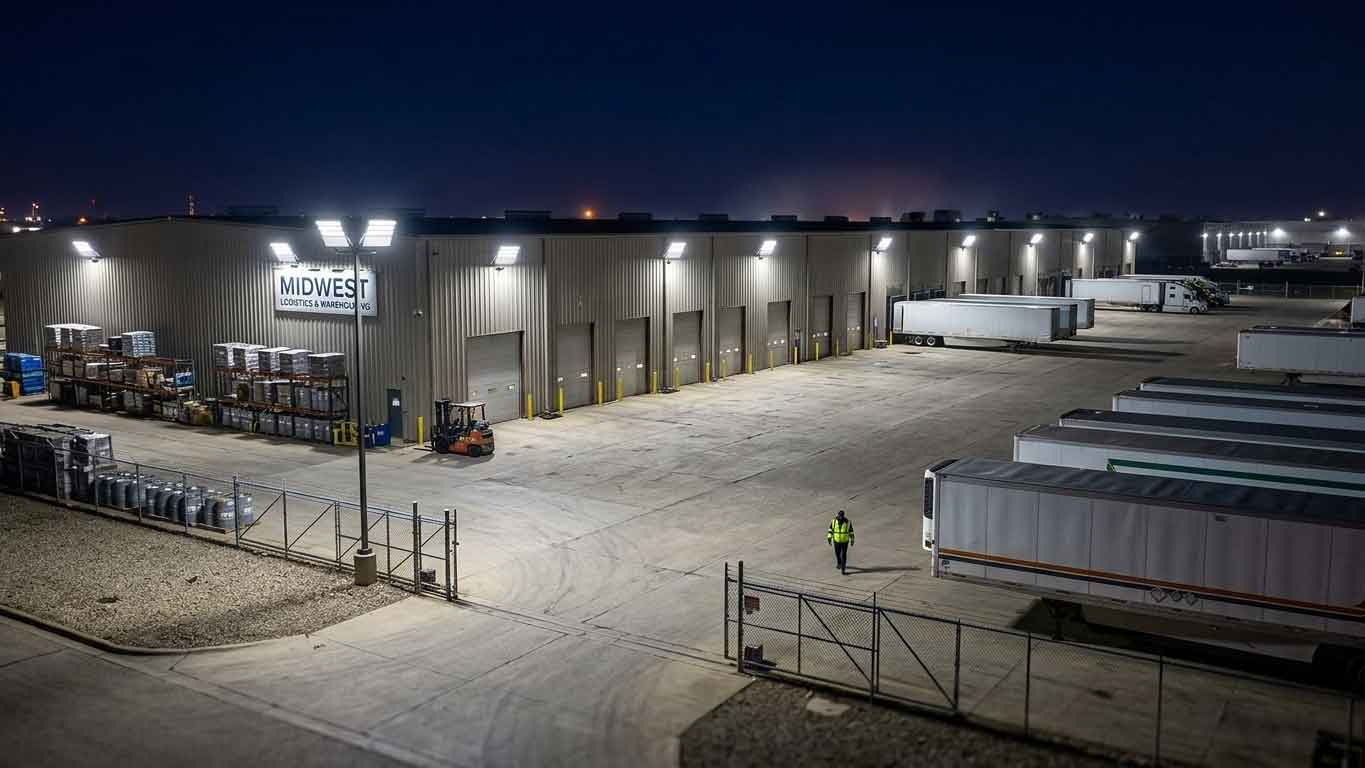
One install—small logistics yard, uneven layout, limited mounting points. Client asked for 150W units. I pushed for 100W SEEKINGLED fixtures instead.
We installed four.
Coverage? Clean. No dark gaps. No excessive glare bouncing off trucks.
If we had gone higher wattage, it would’ve looked harsher—not better.
Typical output:
But here’s the part spec sheets don’t tell you—
Brightness depends more on distribution than raw output.
I’ve seen 100W lights outperform 150W units simply because the beam was better controlled.
According to the U.S. Department of Energy, LED lighting systems can reduce energy usage by 50–70% compared to traditional lighting. That aligns with retrofit projects I’ve handled—sometimes even slightly better depending on usage hours.
Not wattage.
Not even lumens.
It’s this:
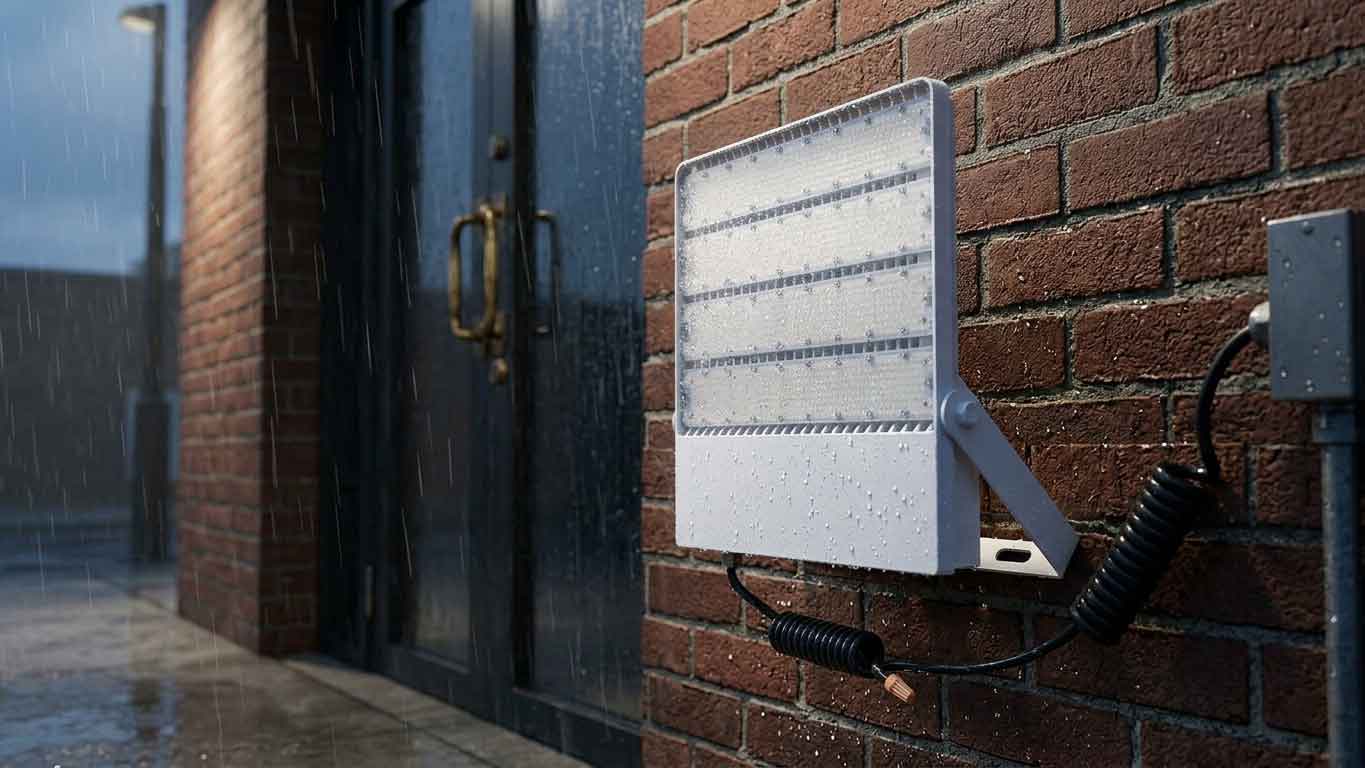
I’ve replaced flood lights that looked great on paper but failed within months—usually overheating or moisture-related.
SEEKINGLED units tend to hold up better. Not perfect, but fewer surprises.
Conditions change daily:
The Illuminating Engineering Society emphasizes consistent illumination and durability in outdoor lighting systems. That’s not theoretical—it’s exactly what determines whether a fixture lasts beyond one season.
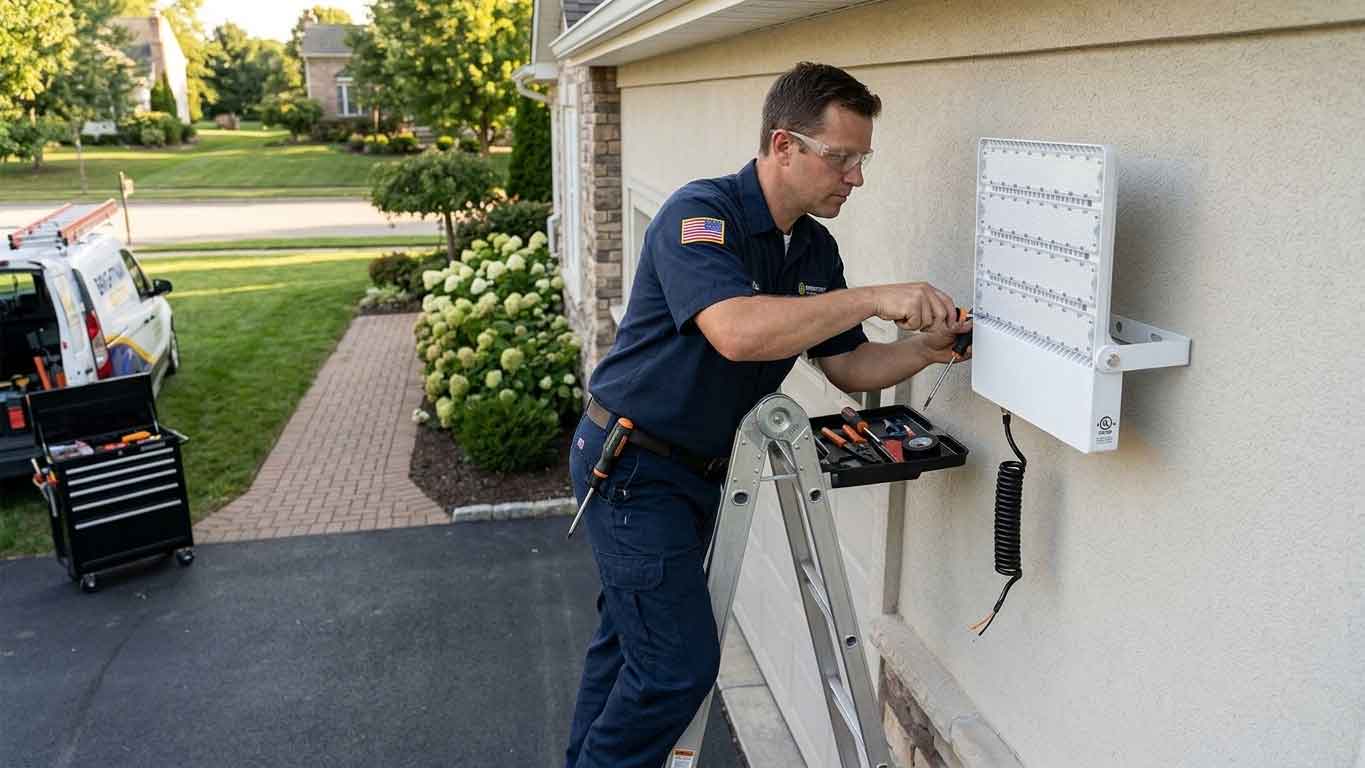
Wiring? Easy.
Mounting and positioning? That’s where installs fail.
Here’s what I actually check:
| Factor | Why It Matters |
|---|---|
| Mount height | Affects coverage area |
| Angle | Controls glare and spread |
| Surface type | Impacts stability |
| Sealing | Prevents water ingress |
One job—everything wired perfectly. But the angle was off by maybe 10 degrees.
Result? Half the light hit the wall.
We adjusted. Problem solved.
| Application | Coverage Area (Approx.) |
|---|---|
| Driveway | 50–80 m² |
| Small yard | 60–100 m² |
| Parking section | 2–4 vehicles |
| Warehouse corner | Localized coverage |
Not exact. But close enough for planning.
Yes. For most residential and small commercial areas, a 100W LED flood light provides sufficient brightness when properly positioned.
Yes. In most cases, it delivers similar or better usable light with significantly lower energy consumption.
Typically 30,000–50,000 hours, depending on build quality and operating conditions.
I’ve been working with outdoor lighting installations for nearly a decade—mainly commercial yards, residential perimeters, and retrofit projects.
I’ve installed hundreds of flood lights. Replaced many more.
What I’ve learned?
Specs don’t fail. Installations do.
That’s why I lean toward SEEKINGLED. Not because it promises more—but because it behaves consistently after installation.
And consistency saves time, money, and callbacks.
A 100W LED flood light isn’t just a “safe choice.”
It’s a practical one.
It fits most scenarios without pushing too far in either direction.
But like any lighting—it only performs as well as it’s installed.
100 watt LED high bay light offers efficient, focused illumination for warehouses and workshops. Learn where it fits, where it fails, and why.
View details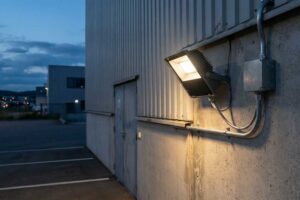
Wire flood lights by isolating the breaker, verifying L/N/E conductors, securing connections in a junction box, and protecting outdoor connections from moist...
View details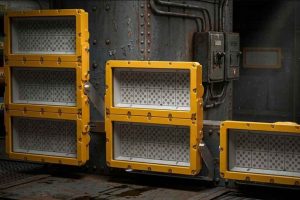
Atex led light customized for hazardous areas. Built for real conditions, not just specs. Discover durable, project-based solutions from SEEKINGLED.
View details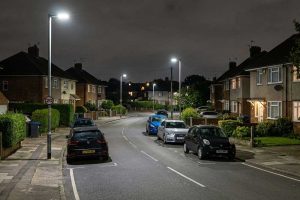
Upgrade your city roads with led light street light solutions. Discover how to choose wattage, brightness, and smart controls for reliable outdoor lighting.
View details