 Seeking LED
How to Stop LED High Bay Lights?
288How to stop LED high bay lights from flickering, ghosting, or turning off unexpectedly. Practical causes and fixes used in real industrial sites.
View detailsSearch the whole station
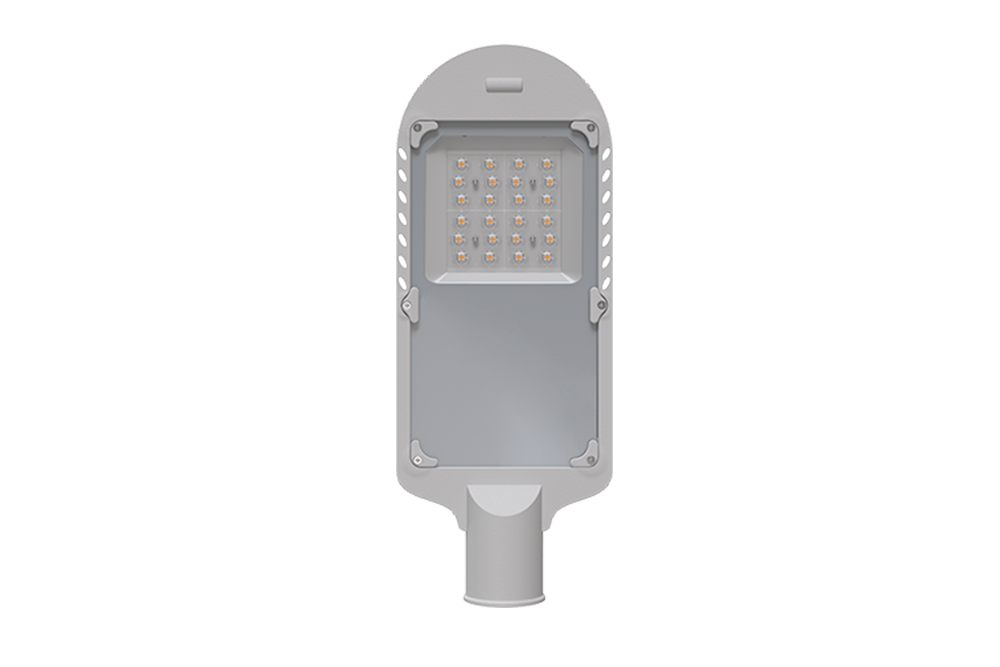
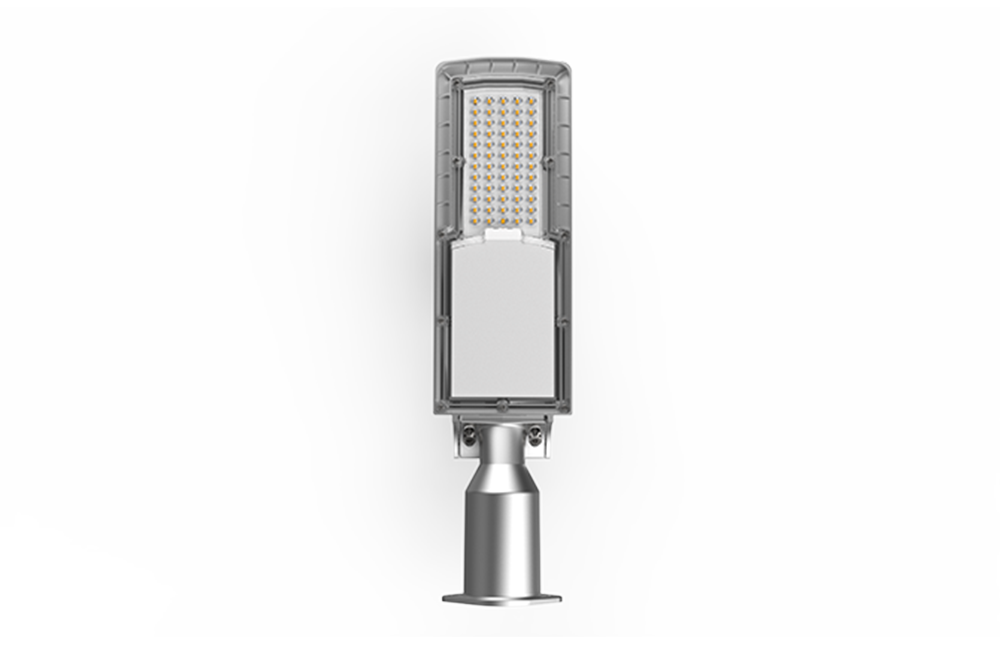
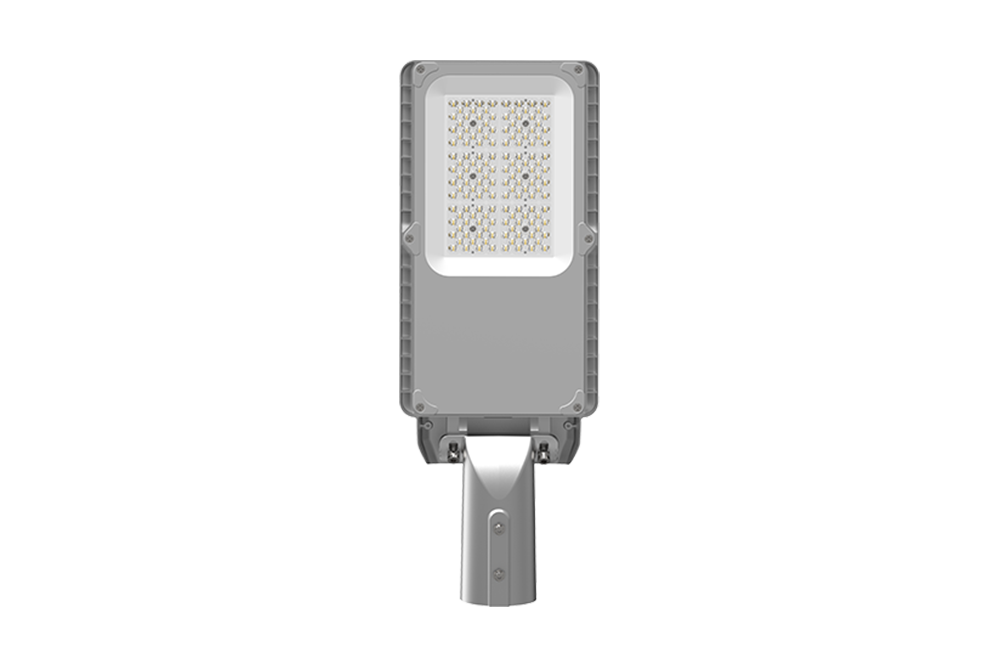
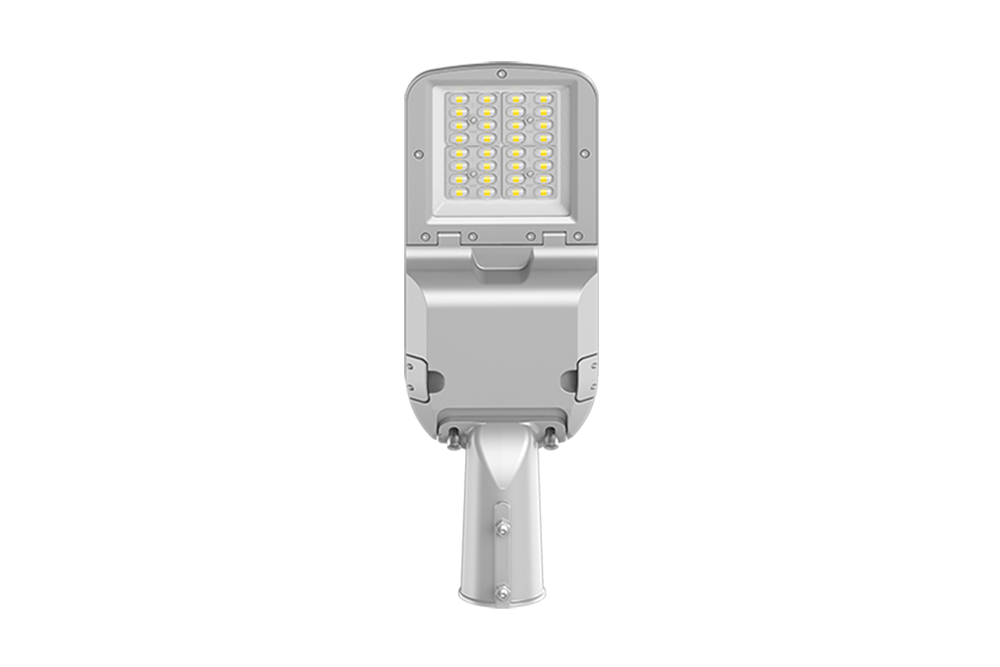
A led cobra head street light is one of those fixtures that most people never notice—until it fails. When it works, nobody talks about it. When it doesn’t, drivers complain, maintenance crews get called, and municipalities start asking questions.
I’ve spent more than 15 years working on roadway and outdoor lighting projects, mostly municipal roads, industrial access routes, and long stretches of suburban streets. Cobra head fixtures are everywhere in those projects, and for a good reason. They are simple, aerodynamic, and designed to throw light forward, not sideways.
The SEEKINGLED LED cobra head street light follows that same philosophy: practical shape, controlled optics, and components chosen for long service life rather than showroom appeal.
The cobra head shape isn’t about style. It exists because it works.
According to IES RP-8-21 (Recommended Practice for Roadway Lighting), roadway luminaires must prioritize forward throw, uniformity, and glare control. Cobra head fixtures naturally support these requirements due to their elongated housing and forward-facing optical layout.
In practice, this design:
That’s why cobra head street lights are still widely used on city roads, branch roads, and highways, even as LED technology evolves.
By Daniel R., Senior Outdoor Lighting Engineer (15+ years, municipal & roadway projects)
On roads, failures usually come from three places:
Optics rarely fail. LEDs rarely fail early. It’s everything around them.
That’s why I pay attention to housing structure and surge protection before I look at lumen numbers.

One common mistake in road lighting is oversizing power. More wattage does not automatically mean better visibility.
IES guidance emphasizes uniformity ratios and glare limitation over peak illuminance. A well-designed LED cobra head street light uses optics to spread light evenly along the driving lane instead of concentrating it directly under the pole.
In projects where cobra head fixtures replaced older HID lamps, I’ve seen:
This is where LED optics outperform legacy designs.
Modern LED cobra head street lights often operate 4,000–4,500 hours per year. According to the U.S. Department of Energy, LED roadway lighting typically reduces energy use by 50–65% compared to high-pressure sodium systems, while improving visual performance.
The real benefit isn’t just energy savings. It’s maintenance reduction.
Based on LM-80 and TM-21 lumen maintenance methodologies, quality LED street lights rated L80B20 >100,000 hours maintain usable output far longer than traditional lamps. That means fewer relamping cycles and fewer night-time service calls.

Road lighting doesn’t live in controlled environments. It lives in rain, dust, heat, cold, and vibration.
That’s why cobra head fixtures typically use:
These are not optional features on roads. They are basic requirements learned through failure.
From long-term projects, cobra head street lights are most effective in:
They are not decorative lights. They are working lights.
A led cobra head street light should never try to be something it’s not. Its job is to light the road consistently, quietly, and for years without drawing attention.
The SEEKINGLED LED cobra head street light follows that logic. It focuses on controlled optics, durable structure, and stable electrical performance rather than unnecessary complexity.
After years of seeing what survives on real roads—and what doesn’t—this kind of straightforward design is what keeps cities lit without surprises.
And that, in road lighting, is usually the highest compliment.
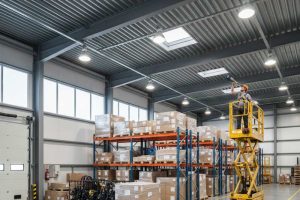
How to stop LED high bay lights from flickering, ghosting, or turning off unexpectedly. Practical causes and fixes used in real industrial sites.
View details
how many amps does a 100 watt led light use in real installations? Learn the actual current draw at 120V and 240V, practical calculations, and wiring tips from SEEKINGLED.
View details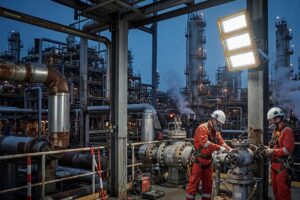
what is atex directive? Learn ATEX 2014/34/EU requirements, hazardous area equipment rules, explosion protection standards, and industrial safety applications.
View details
In 2024, an Australian container terminal upgraded to SEEKING FLE 200W LED Flood Light solutions, improving night safety, cutting energy costs and increasing loading efficiency across the yard.
View details