 Seeking LED
how long do led tennis court lights last?
7how long do led tennis court lights last? Learn real lifespan, performance factors, and expert insights on maintaining efficient court lighting systems.
View detailsSearch the whole station
When people search for a 100 watt LED high bay light, they usually already know one thing:
they don’t want to overpay for lighting they don’t need.
The real question isn’t “Is 100W bright?”
It’s where does 100W actually work—and where does it quietly fail?
I’ve seen both outcomes. Same wattage. Very different results.
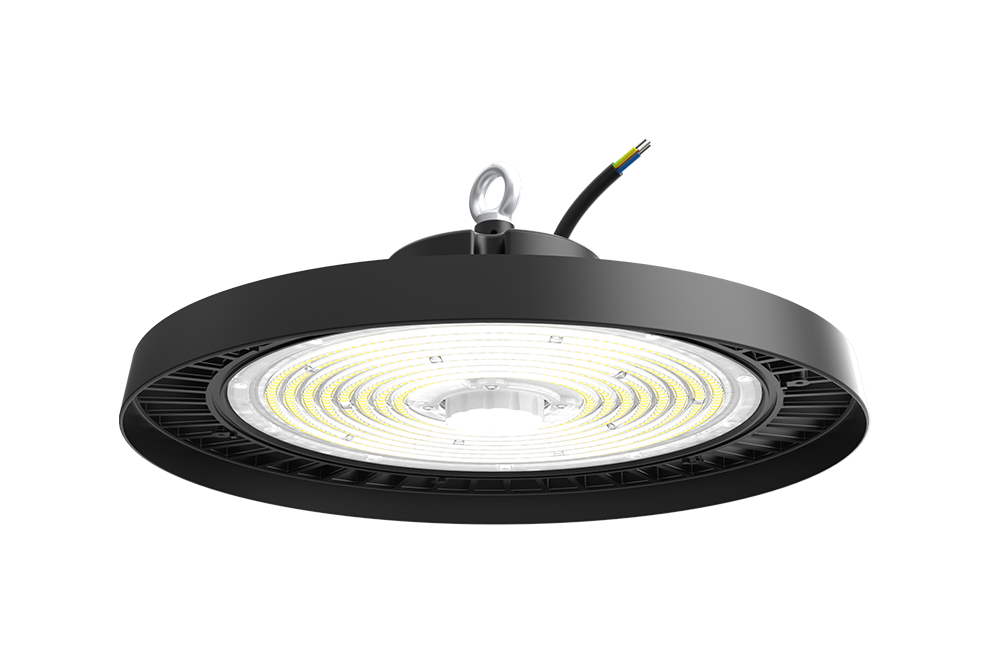
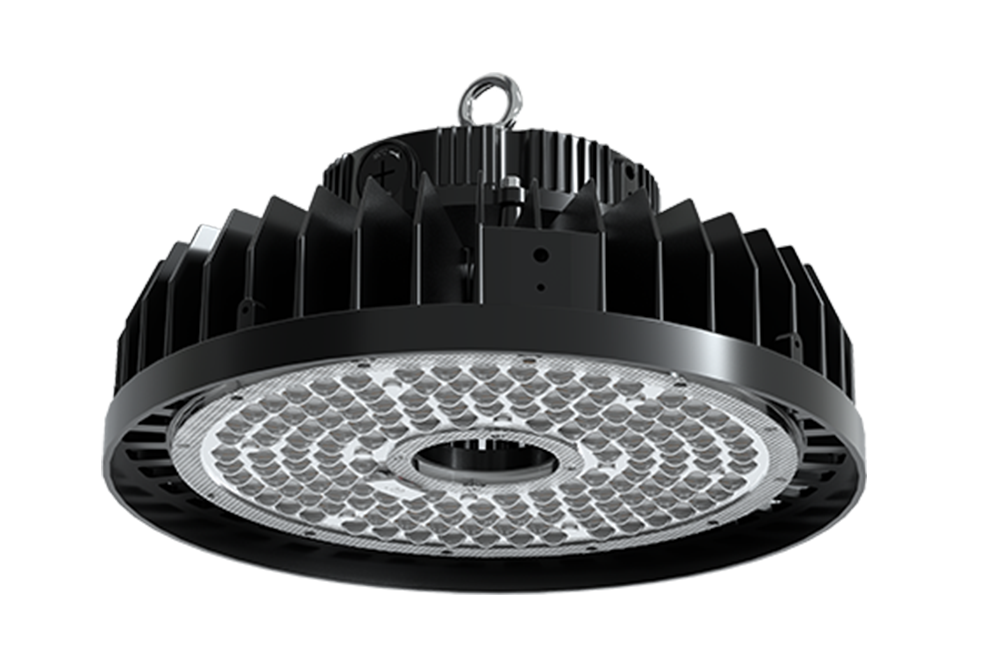
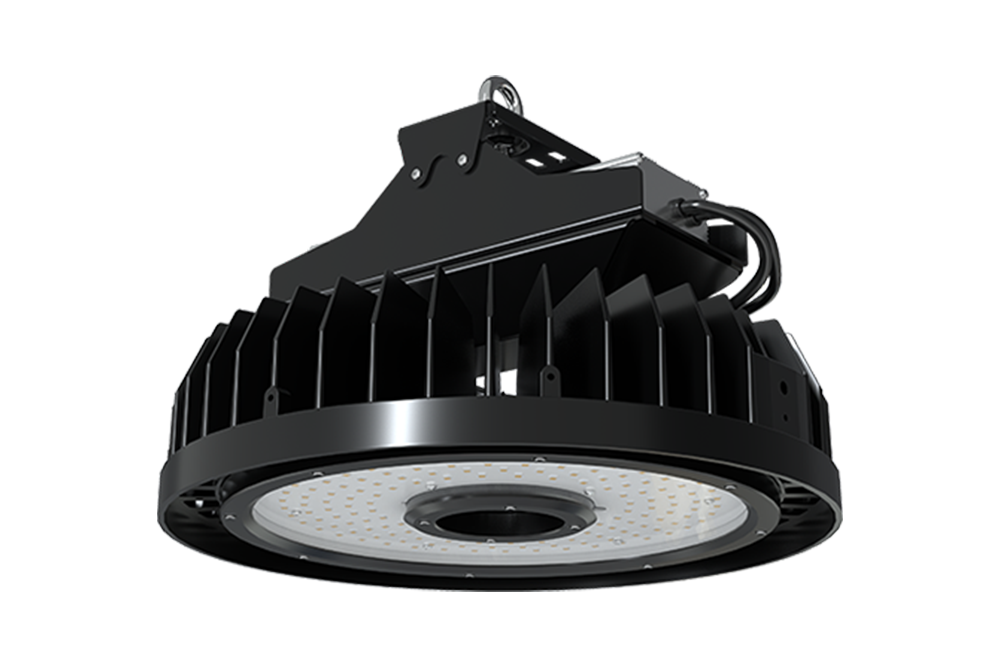
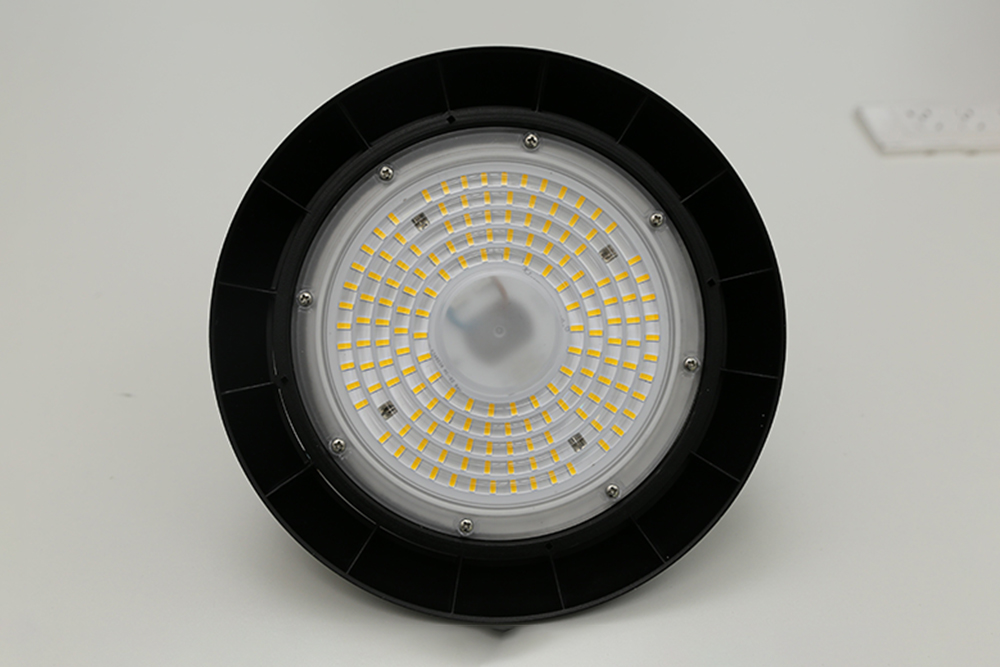
In real installations, a quality 100 watt LED high bay light produces roughly 14,000 to 16,000 lumens. That’s plenty—if you use it correctly.
Mounted at 6 to 8 meters, with the right beam angle, it gives clean, usable light. Not showroom-bright. Not dramatic. Just solid, working light.
That’s exactly what many warehouses want.
From experience, 100W works best in:
Especially when ceilings aren’t extreme and aisles are defined.
If your space has organized rows, pallets, or production lines, a 100 watt LED high bay light often feels “just right.” No wasted output. No harsh glare.
Let’s not sugarcoat it.
If your ceiling is 10 meters or higher, or your space is wide and open with no structure, 100W starts to struggle. Light spreads out. Uniformity drops. Workers notice shadows.
This is where people blame the fixture—but the real issue is asking it to do too much.
A 100 watt LED high bay light isn’t meant to replace 200W systems in high-ceiling plants. Pushing it there only leads to disappointment.
Two 100W high bays can feel completely different on the floor.
One with a narrow beam punches light straight down.
Another with a wide beam wastes output on empty air.
Same wattage. Totally different experience.
At SEEKINGLED, beam selection is treated as a decision, not a default. Because wattage alone doesn’t control visibility—optics do.
Yes, a 100 watt LED high bay light generates heat. That’s physics.
The real issue is how fast that heat escapes.
Thin housings trap heat. Drivers age faster. Lumen output fades quietly over time. It doesn’t fail overnight—it just gets dull.
SEEKINGLED designs 100W high bays with oversized heat sinks and conservative drive currents. Not flashy. But stable. Especially in warehouses that run lights 10–12 hours a day.
The savings aren’t just on the electricity bill.
You notice:
A well-designed 100 watt LED high bay light often replaces 250W metal halide systems while improving visibility. That’s where ROI shows up.
Even the right fixture fails if:
Lighting problems are often blamed on wattage when they’re really layout issues. Fix the layout, and 100W suddenly works fine.
SEEKINGLED doesn’t chase headline lumen numbers.
We focus on:
That’s why our 100 watt LED high bay light is chosen for working spaces—not just showrooms.
Choose it if:
Skip it if:
Lighting works best when it’s sized honestly.
And in the right space, a 100 watt LED high bay light does its job quietly, reliably, and without drama.
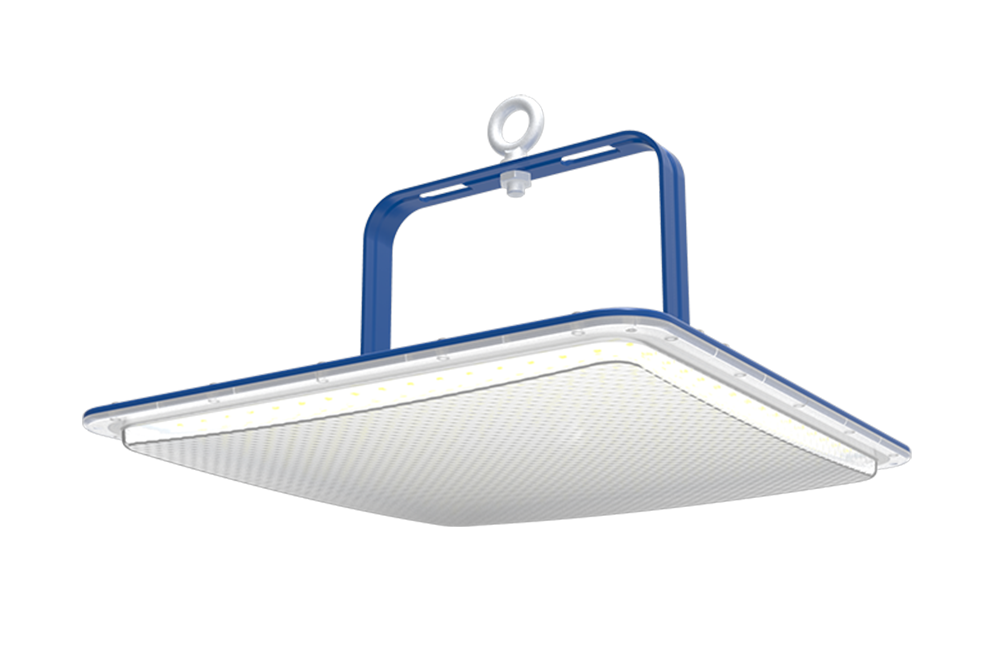
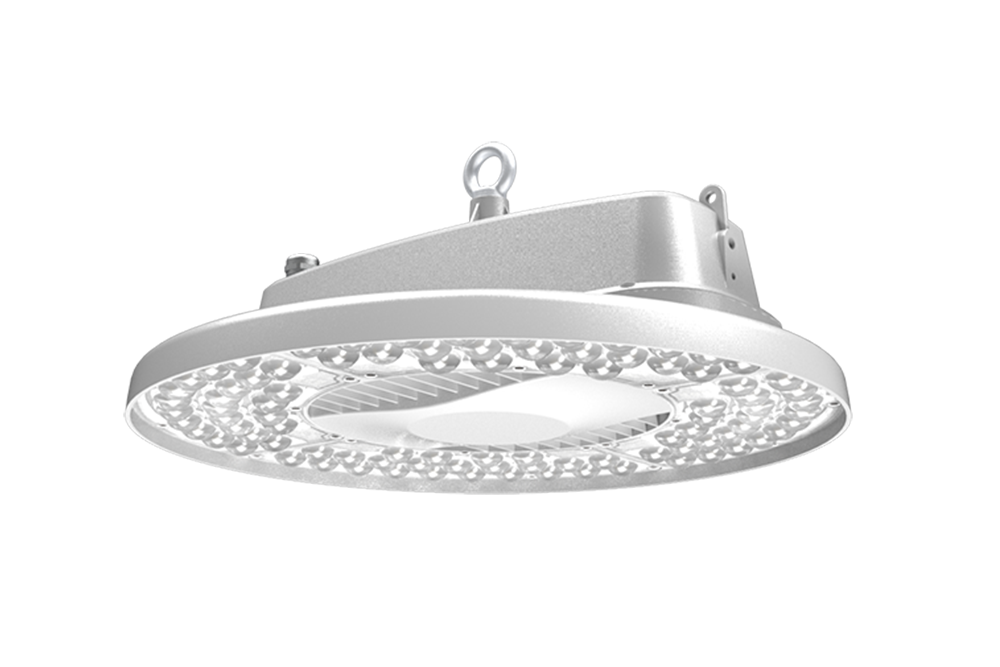
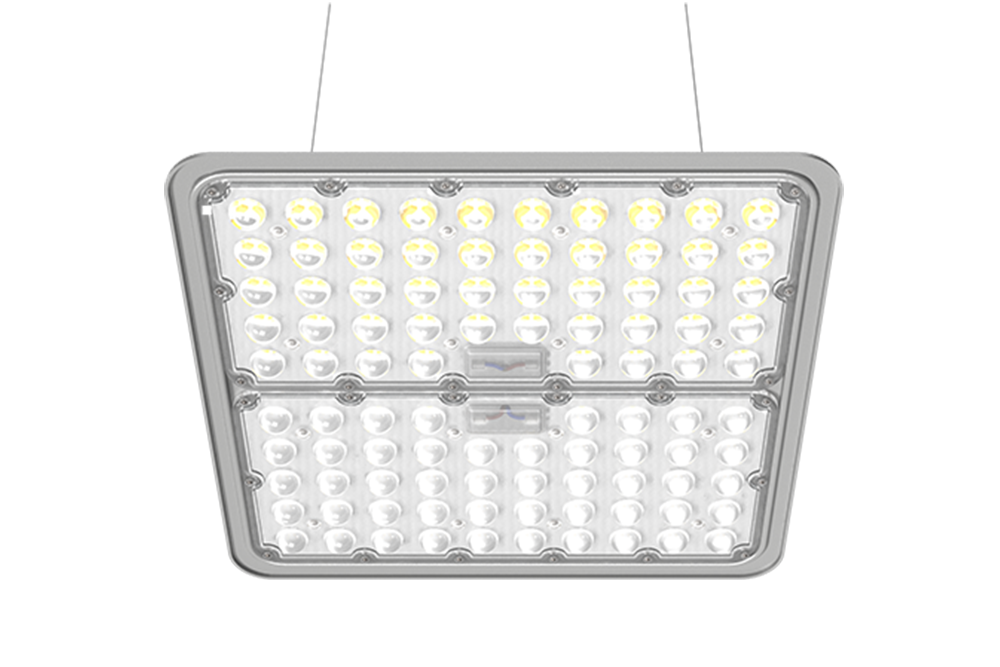
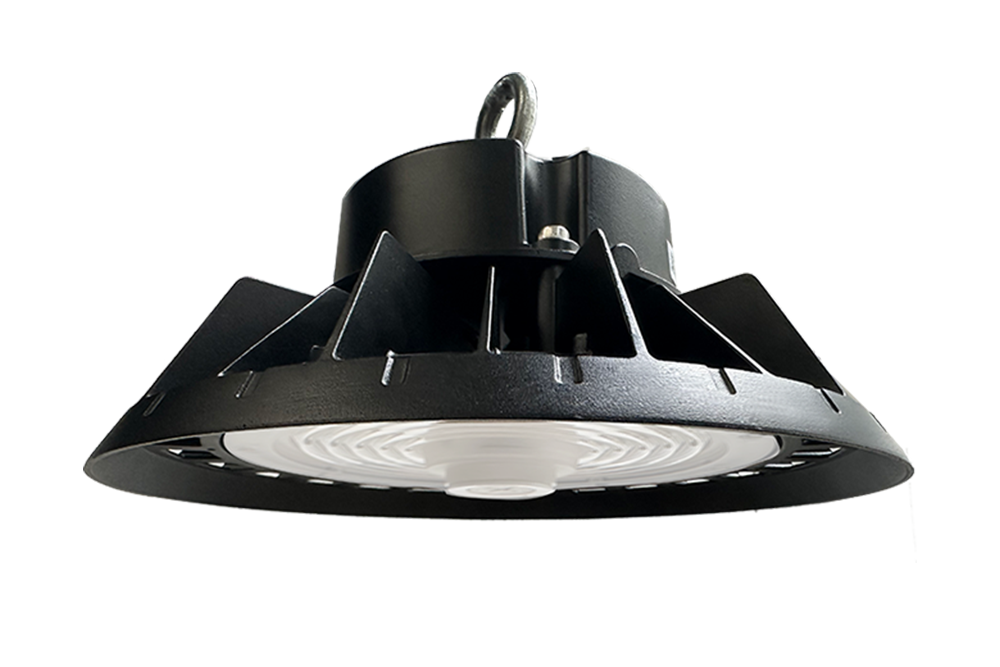
The SEEKING HBC-T Series high bay lights LED offer long-lasting performance for warehouses, production plants and logistics centers. Durable IP65 & IK08 housing, 60°/90° beam angles, up to 150 lm/W, and a lifespan beyond 100,000 hours. Ideal for a…
The SEEKING HBS Series LED UFO high bay light delivers 140 lm/W efficiency, IP65 protection and MEAN WELL drivers. A durable high-rise lighting solution for factories, warehouses and commercial halls.
SEEKING HBD Series LED high bay lighting delivers 160 lm/W efficiency, IP66 protection, and long 100,000-hour lifespan. A durable UFO high bay solution for warehouses, workshops, logistics centers and commercial facilities.
The SEEKING HBC Series high bay LED light fixtures combine strong efficiency, practical design and reliable SOSEN drivers. A durable UFO high bay lighting option for warehouses, workshops and wholesale projects.
The SEEKING GSL Series high bay LED light delivers powerful, efficient lighting for industrial and commercial spaces. With IP65 protection, flexible mounting, and up to 140 lm/W performance, it’s ideal for warehouses, workshops, and retail areas.
The SEEKING HB15(GLE) Series delivers advanced high bay led lighting with UGR 100,000 h) and reliable illumination for demanding commercial environments.
Discover the SEEKING HB13(GLK) Series ufo led high bay light, engineered for sports halls, airport lounges, showrooms, and large commercial spaces. UGR 100,000 h). Ideal for industrial ufo high bay lighting fixtures and commercial retrofits.
SEEKING HBF Series offers industrial LED high bay lighting with up to 200lm/W efficiency, SOSEN flicker-free driver, IP65 protection and optional microwave motion sensor. Ideal for warehouses, factories and commercial distribution projects.
The HLD Series linear high bay LED lights from SEEKING deliver up to 200 lm/W with multiple beam angles and adjustable CCT options for warehouse, workshop, corridor and general industrial lighting.
The HBK Series LED high bay light by SEEKING combines 500W power, 160–175 lm/W efficiency and IP65 durability for heavy-duty industrial lighting. Designed for warehouse, factory and production facilities with demanding ceiling heights.
LED high bay lights engineered for extreme heat and low-temperature industrial sites. SEEKING HBK Ultua Series operates from -40°C to +70°C with Nichia LEDs and Inventronics driver.
High bay LED lights built for warehouses, production plants and wholesale distribution. SEEKING HBI Series offers up to 200lm/W, IP65, IK08 and optional microwave motion sensor for energy saving operation.
loading…
This is the last post!
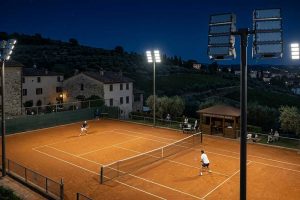
how long do led tennis court lights last? Learn real lifespan, performance factors, and expert insights on maintaining efficient court lighting systems.
View details
Are LED street lights cost effective over time? This guide explains real costs, savings, and when LED street lighting truly makes financial sense.
View details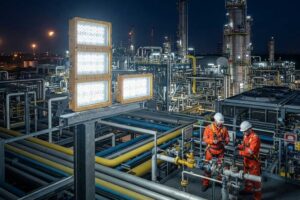
what is atex lighting? Learn how ATEX certified lighting protects hazardous areas with explosion protection standards, industrial applications, and expert field insights.
View details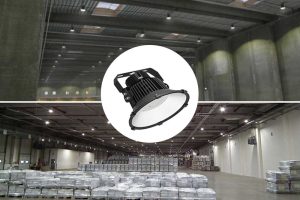
Black Housing LED High Bay for Warehouse Lighting was required in a Danish warehouse. This project record documents how XJ-HBK130W was selected to meet aesthetic requirements while improving efficiency and reducing shipping cost.
View details