 Seeking LED
ATEX LED Light Customized: Why Standard Specs Are Often Not Enough
58Atex led light customized for hazardous areas. Built for real conditions, not just specs. Discover durable, project-based solutions from SEEKINGLED.
View detailsSearch the whole station
How to change a flood light bulb? Turn off the power, let the fixture cool, remove the old bulb without forcing the socket, install a matching replacement, and test it only after the fixture is fully reassembled. For outdoor flood lights, also check the bulb’s voltage, base, wattage, and wet-location suitability before installation.
Changing a flood light bulb sounds simple until the fixture is mounted 3 meters above a driveway, the glass is hot, or the old bulb has seized in the socket. The safe approach is slower by a few minutes and much less forgiving of shortcuts.
Not every flood light actually has a replaceable bulb.
Older fixtures may use screw-in PAR, BR, or other reflector lamps. Many modern LED flood lights, however, use an integrated LED module. In that design, there is no conventional bulb to unscrew. The LED board and driver are part of the fixture.
ENERGY STAR explains that LED products generally do not fail like incandescent lamps; their useful life is commonly defined by gradual lumen depreciation instead of a sudden filament burnout.
Before touching the fixture, identify:
| Check | What to confirm |
|---|---|
| Bulb type | LED, halogen, incandescent, PAR, BR, etc. |
| Base | Match the existing socket |
| Voltage | Match fixture and bulb rating |
| Wattage | Never exceed the fixture rating |
| Shape | Confirm physical clearance |
| Outdoor rating | Use a bulb suitable for the fixture location |
| Dimming | Check compatibility if a dimmer is installed |
A useful field habit is to photograph the old bulb label before removing it. It takes seconds and prevents a surprisingly common mistake: buying a bulb with the correct shape but the wrong voltage or base.
Switch the flood light off at the wall switch first, then turn off the appropriate circuit breaker.
Do not rely only on the wall switch when working on a permanently wired fixture. Verify that the circuit is de-energized with an appropriate voltage tester before handling the socket.
If the light has been operating, give the lamp time to cool. This matters especially with halogen flood bulbs, which can become extremely hot during operation.
Some flood lights have a front glass lens secured with clips, screws, or a retaining ring.
Support the lens while removing the final fastener. Outdoor fixtures can collect grit around the frame, and forcing a stuck screw can crack the lens or damage the sealing surface.
Do not touch a halogen replacement bulb with bare fingers. Oil from skin can contaminate the quartz surface. Use a clean cloth or follow the lamp manufacturer’s handling instructions.
For a screw-base bulb, turn it counterclockwise while supporting it close to the base.
If it does not move, stop.
Do not grip the glass aggressively with pliers or twist the entire fixture. A seized lamp can damage the socket. For difficult or broken lamps, the safer option is to isolate the circuit and have the socket inspected or replaced.
Insert the new bulb gently and turn it clockwise until properly seated. It should be secure, not aggressively tightened.
For an outdoor flood light, the replacement must be compatible with the fixture’s environmental conditions. A bulb being physically compatible does not automatically make it appropriate for a damp or wet outdoor location.
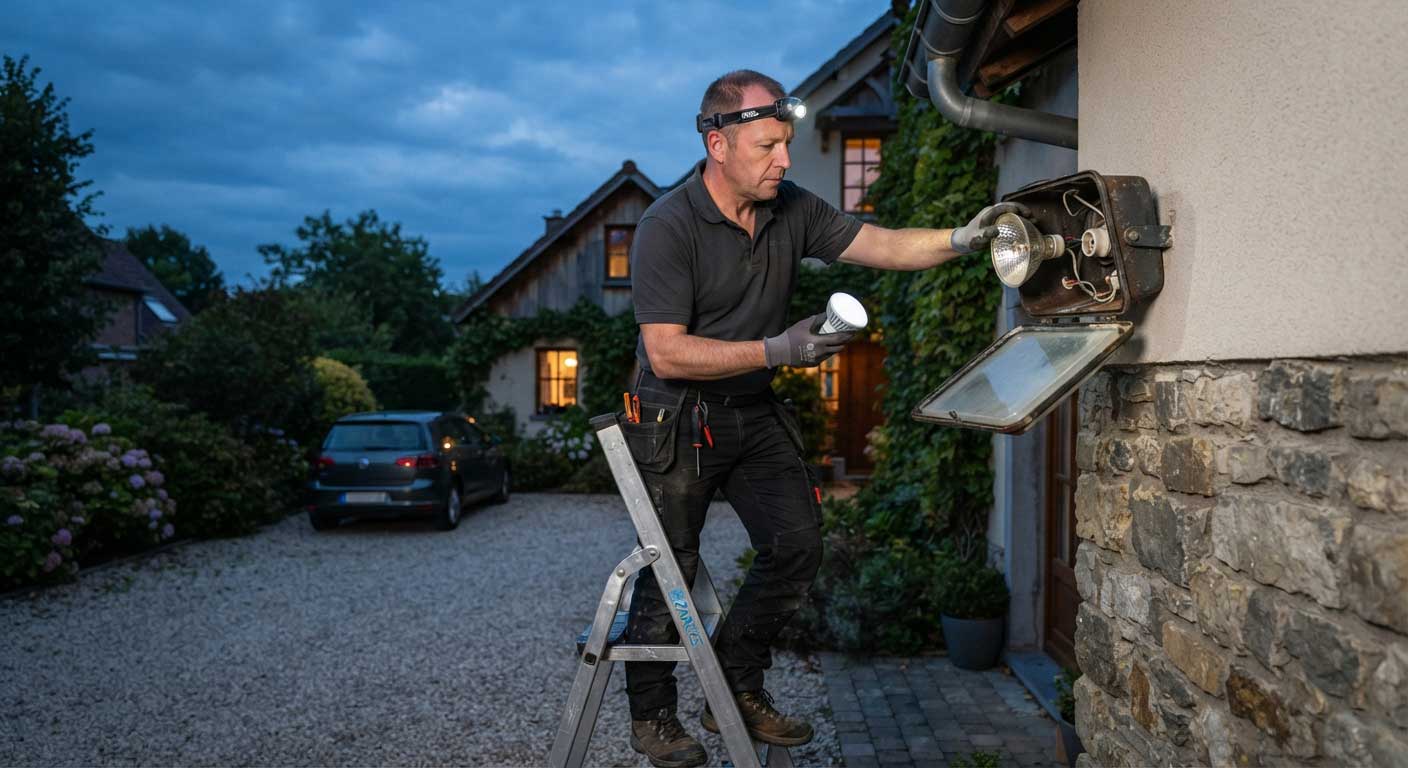
Once the bulb is installed, reinstall the lens, retaining ring, gasket, or cover before restoring power.
This is not cosmetic. The enclosure is part of the fixture’s protection against the outdoor environment.
For the replacement itself, compare lumens rather than watts when you want similar brightness. ENERGY STAR notes that certified bulbs are designed to provide comparable light output with lower energy consumption; its current lighting guidance gives an 800-lumen bulb as an example of the light output associated with a traditional 60W incandescent replacement.
For an older incandescent flood bulb, moving to LED can also reduce maintenance. The U.S. Department of Energy states that LEDs use substantially less energy and can last many times longer than incandescent lighting.
Before restoring power, confirm:
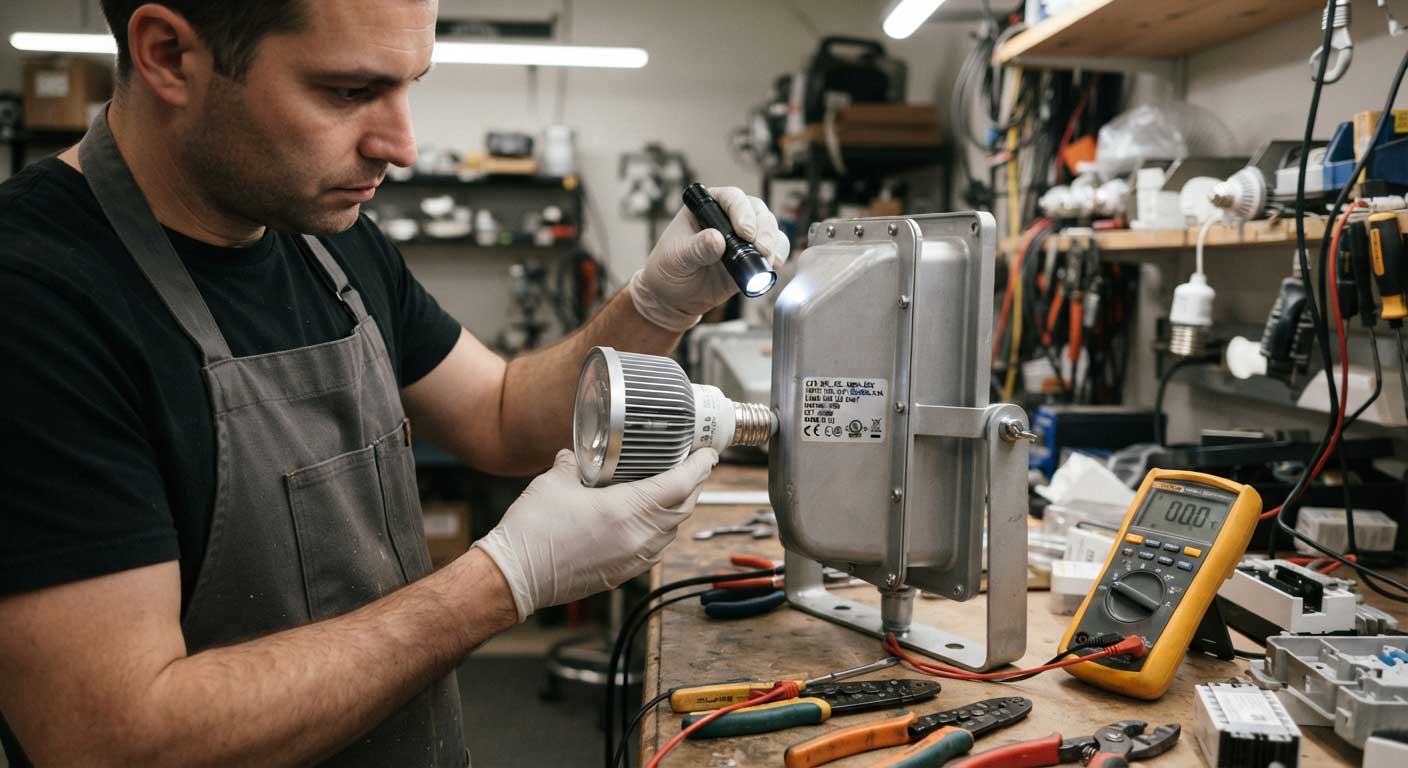
Sometimes the question is not how to change a flood light bulb, but whether the fixture should still use replaceable lamps.
Consider replacing the complete fixture when:
For commercial sites, this can be a maintenance decision rather than a simple bulb change. ENERGY STAR notes that longer LED life can reduce replacement labor, which becomes more significant when fixtures are mounted high above warehouses, parking areas, loading zones, or building façades.
The last mistake is particularly common with newer flood lights. Always determine the fixture construction first.
Yes, if the fixture uses a replaceable lamp and you can safely isolate the electrical supply. If wiring, sockets, or the fixture enclosure are damaged, professional electrical service is the safer option.
The bulb may be seized, cross-threaded, or damaged. Do not force it with excessive pressure. Turn off the circuit and inspect the socket before continuing.
Often yes, provided the LED replacement matches the fixture’s voltage, base, physical dimensions, wattage limits, and compatibility requirements. Always check the fixture and lamp specifications.
Some do, but many modern LED flood lights have integrated LED modules. In those fixtures, the light source is not a conventional screw-in bulb.
No. Higher wattage is not a safe shortcut to greater brightness. Check lumens and stay within the fixture’s rated electrical limits.
Lifespan varies by product and operating conditions. ENERGY STAR states that LED lighting can last many times longer than traditional incandescent lighting, with lifetime commonly measured through lumen depreciation rather than abrupt failure.
Knowing how to change a flood light bulb is useful, but identifying the fixture correctly is even more important. Shut off the circuit, verify the power is off, match the replacement carefully, protect the outdoor enclosure, and do not force damaged components. For integrated LED flood lights, replacing the complete fixture may be more appropriate than searching for a nonexistent bulb.
SEEKINGLED applies the same practical principle to professional lighting: the lamp, driver, housing, electrical rating, and installation environment need to work as one system.
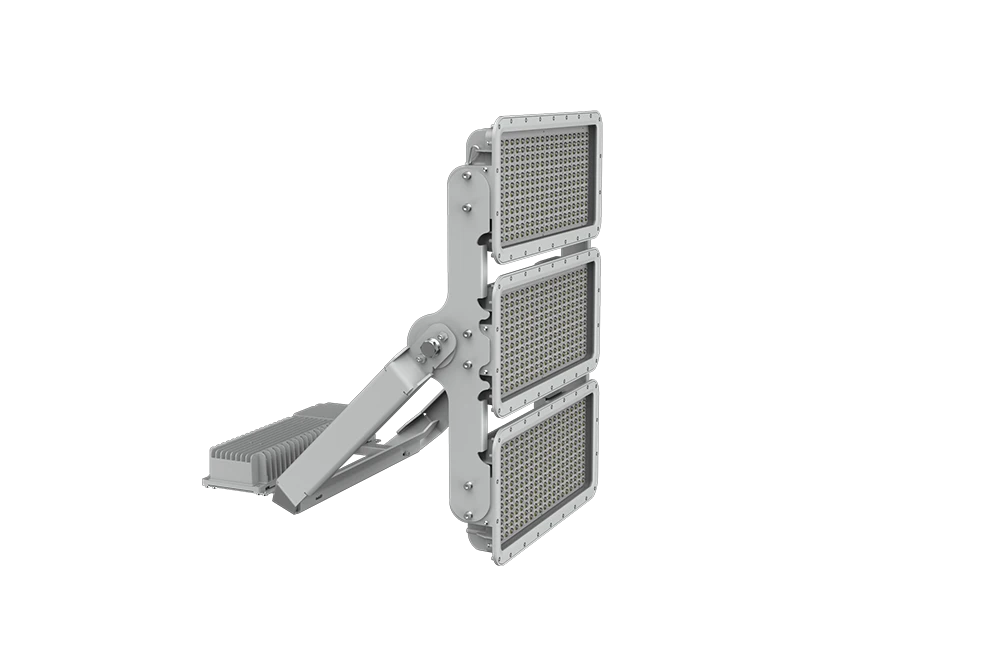
Sports Stadium LED Lighting by SEEKINGLED delivers high mast illumination, precise beam control, and EN 12193 compliant performance for professional venues.
View details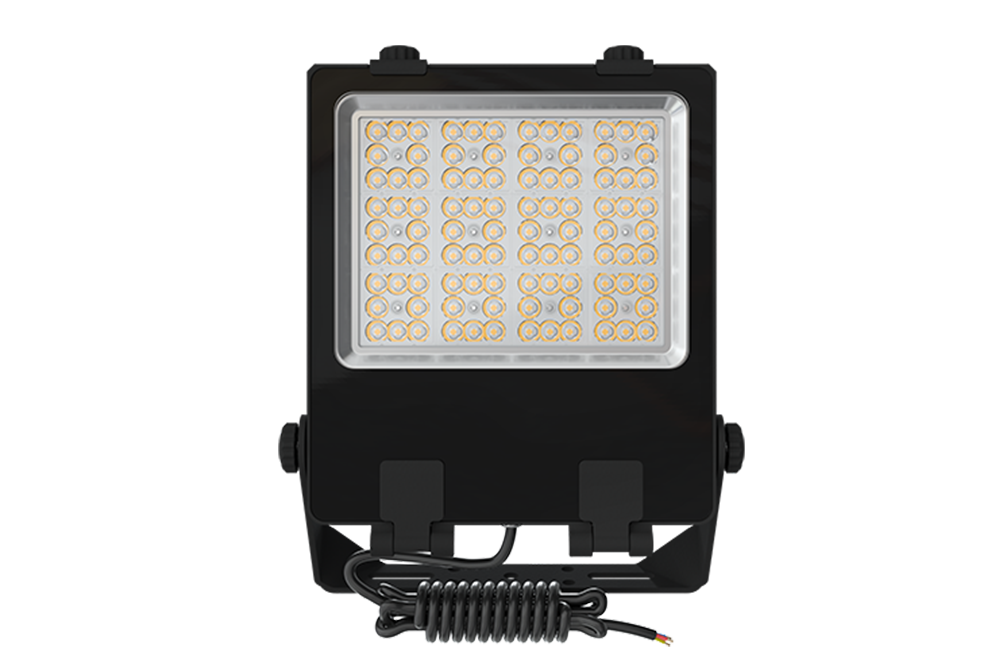
SEEKING FLX Series LED flood light outdoor for sports courts and open-area projects with 170lm/W efficiency, IP66 protection and multiple beam distributions. Designed for long-life commercial and public outdoor use.
View details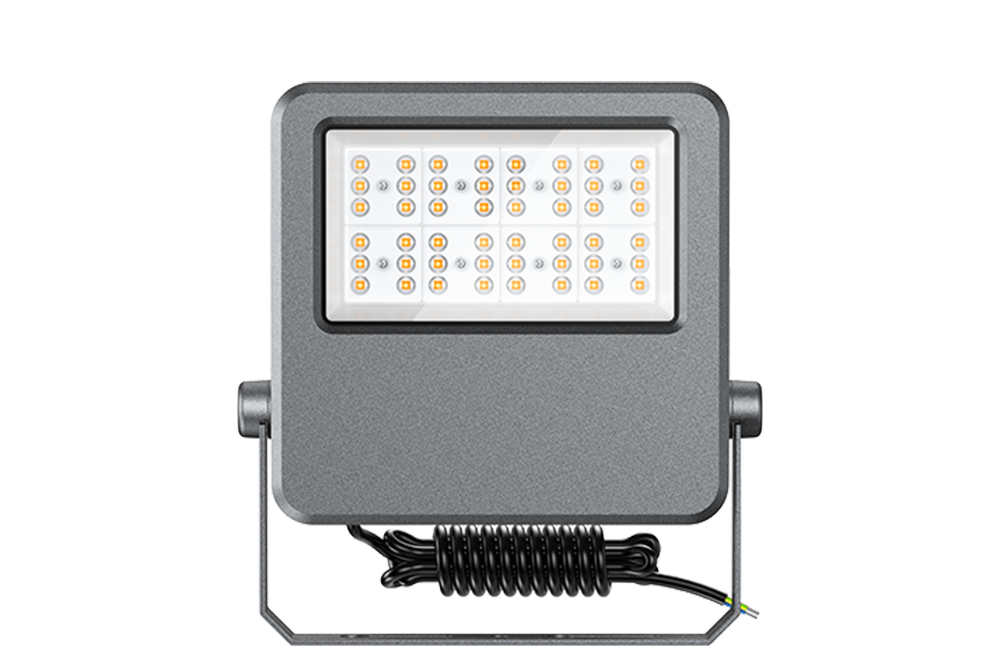
SEEKING FLE Series LED outdoor flood lights for sports grounds and open areas with multiple beam angles, IP66 protection and up to 170lm/W. Designed for long-life outdoor installations with professional driver options.
View details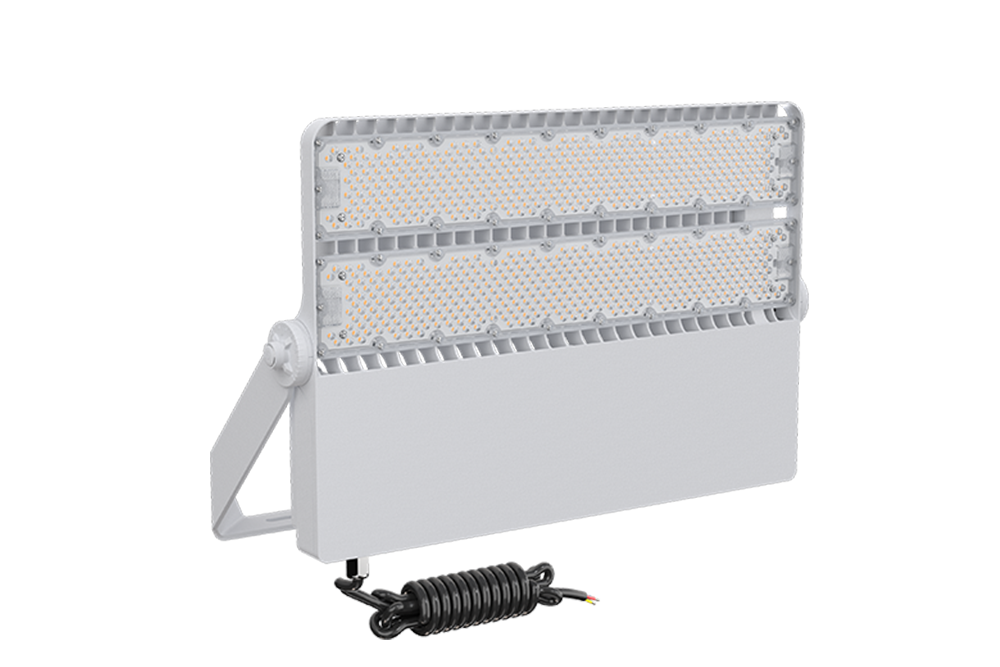
SEEKING FLD Series outdoor LED flood lights and high power led flood light deliver up to 960W with precision beam angles for sports fields, stadiums and large outdoor areas. IK08 & IP66 protection, 170lm/W efficiency and 100,000h lifetime.
View details
Atex led light customized for hazardous areas. Built for real conditions, not just specs. Discover durable, project-based solutions from SEEKINGLED.
View details
What Is the Lifespan of Explosion Proof Lights? Discover how LED explosion proof lights last 50,000+ hours, reduce maintenance costs, and save energy in hazardous industrial areas.
View details
LED High Bay Light installation at the National Theatre using SEEKINGLED HBS Series improves nighttime visibility, architectural presentation, and energy efficiency while preserving historic character.
View details
Are LED street lights dangerous for drivers or nearby residents? This guide explains glare, blue light, heat, and safety standards, with real-world use of SEEKINGLED LED street lights.
View details