Short answer? Yes. But only if you choose the right fixture and install it properly.
I’ve seen LED flood lights perform brilliantly on warehouses, parking lots, and building facades. I’ve also seen them fail within months when cheap drivers or poor thermal designs were involved. So the question “are led flood lights any good” isn’t really about the technology itself—it’s about the quality behind the product.
Let’s break it down based on what actually happens in the field.
First Impressions: The Moment You Turn Them On
The first time we swapped out old 400W metal halide floods at a logistics yard, the difference was immediate.
Metal halide lamps took a few minutes to warm up. LEDs didn’t. Flip the breaker—full brightness instantly.
That alone solved a daily headache for the facility team. The yard lights had to cycle several times during the night due to power scheduling. With metal halide, every restart meant waiting. With LED flood lights, the light was there immediately.
That’s when many facility managers start realizing are led flood lights any good is actually the wrong question. The real question becomes: why were we still using old technology?
Energy Consumption: The Part Everyone Notices on the Electricity Bill
Lighting upgrades usually begin with energy calculations.
Typical replacements look something like this:
- 400W metal halide → 150W LED flood light
- 250W metal halide → 100W LED flood light
In real projects, the power reduction lands somewhere between 60% and 70%.
According to data from the U.S. Department of Energy, LED lighting systems can reduce energy consumption by up to 75% compared with traditional lighting technologies in outdoor applications.
And that aligns with what we see on projects. Not theory. Utility bills.
For facilities running lights 10–12 hours every night, the payback period often drops below two years.
Light Quality: Brighter Isn’t the Only Goal
Another thing people notice quickly is how different the light looks.
Metal halide floods tend to produce a slightly yellow or uneven beam after a few months. The lumen output drops over time.
Good LED flood lights maintain much more stable output. The color stays consistent. Shadows are clearer.
But here’s something many buyers overlook: beam design matters more than brightness numbers.
If the optics are poorly designed, even a high-lumen flood light can create dark patches. That’s why in some stadium or parking lot projects, engineers spend more time analyzing beam angles than wattage.
At SEEKINGLED, we’ve seen clients request multiple beam patterns for the same project. Not because the light is weak—because uniformity matters.
Lifespan: The Real Advantage Shows After a Few Years
This is where LEDs quietly win.
Traditional flood lights usually need lamp replacements every 6,000 to 15,000 hours. Maintenance teams expect it.
LED flood lights are different. Many well-built fixtures are rated around 50,000 hours or more.
The key phrase there is well-built.
Drivers, heat sinks, and waterproof sealing all affect longevity. Cheap units often fail early—not because LEDs are bad, but because the electronics behind them are.
I remember a factory yard where low-cost flood lights started flickering after eight months. The issue wasn’t the LED chips. It was driver overheating. Once replaced with industrial-grade units, the problem disappeared.
So yes, are led flood lights any good? They are—if thermal design and driver quality are taken seriously.
Security Lighting: Where LEDs Make the Most Sense
Outdoor security lighting is probably the strongest case for LED flood lights.
Reasons are pretty practical:
- Instant brightness
- Better color visibility for cameras
- Lower energy consumption overnight
- Minimal maintenance
Security teams especially prefer LEDs because surveillance cameras perform better under consistent white light.
Older sodium lamps produce orange light. Cameras struggle with color detail. LEDs solve that immediately.
The One Situation Where LEDs Can Disappoint
Not every LED flood light performs well in harsh environments.
Extreme heat, moisture exposure, and unstable voltage can damage low-grade fixtures.
Industrial sites often face:
- High humidity
- Dust or chemical exposure
- Voltage fluctuations
That’s why professional outdoor lighting usually requires IP65 or higher protection, proper surge protection, and good thermal dissipation.
Without those things, even LEDs will struggle.
So… Are LED Flood Lights Any Good?
Yes. They’re good enough that most large facilities have already switched.
But the difference between a great LED flood light and a frustrating one often comes down to build quality.
From experience:
- Cheap LED flood lights save money at purchase
- Quality fixtures save money over time
Brands like SEEKINGLED focus heavily on driver stability, heat management, and outdoor durability because those details determine whether a flood light lasts two years—or ten.
And once you see a properly installed system running night after night without lamp replacements, the answer becomes obvious.
LED flood lights aren’t just “good.”
In most outdoor lighting projects today, they’re simply the better choice.
LED flood light flash recommended
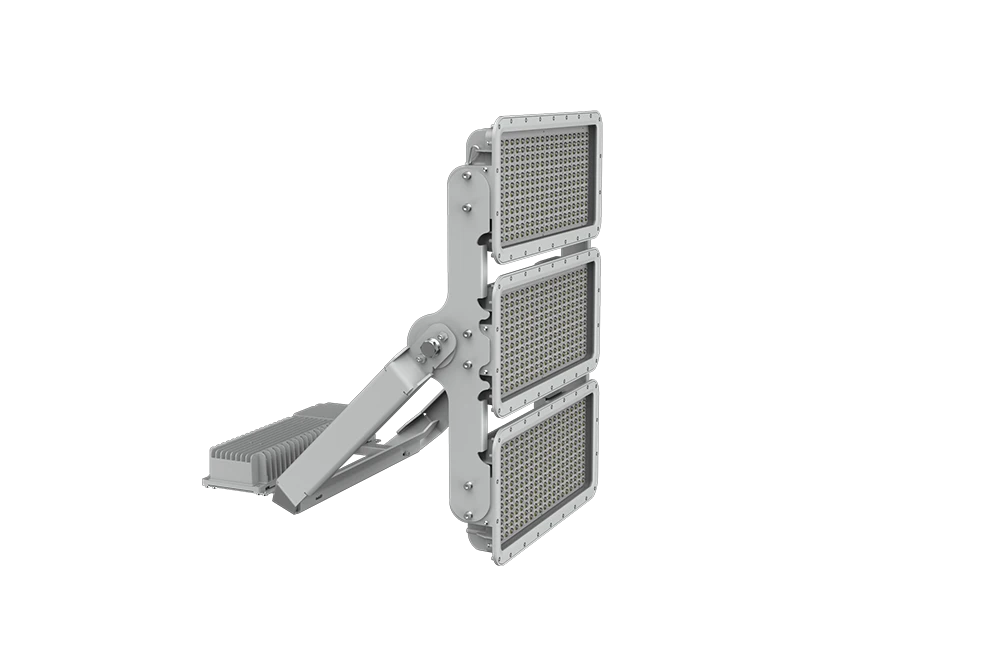
Sports Stadium LED Lighting by SEEKINGLED delivers high mast illumination, precise beam control, and EN 12193 compliant performance for professional venues.
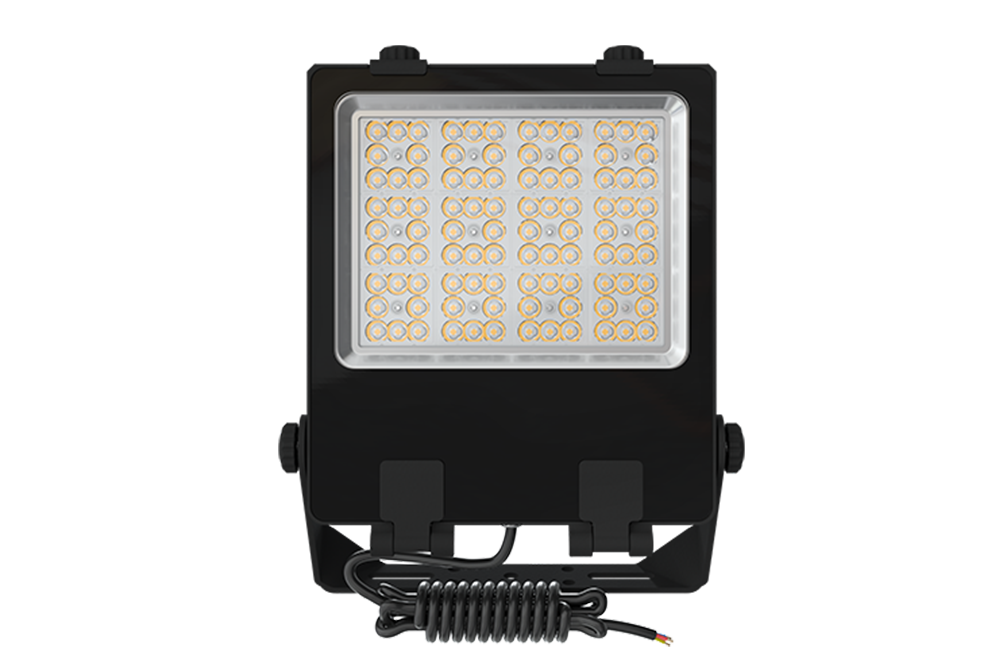
SEEKING FLX Series LED flood light outdoor for sports courts and open-area projects with 170lm/W efficiency, IP66 protection and multiple beam distributions. Designed for long-life commercial and public outdoor use.
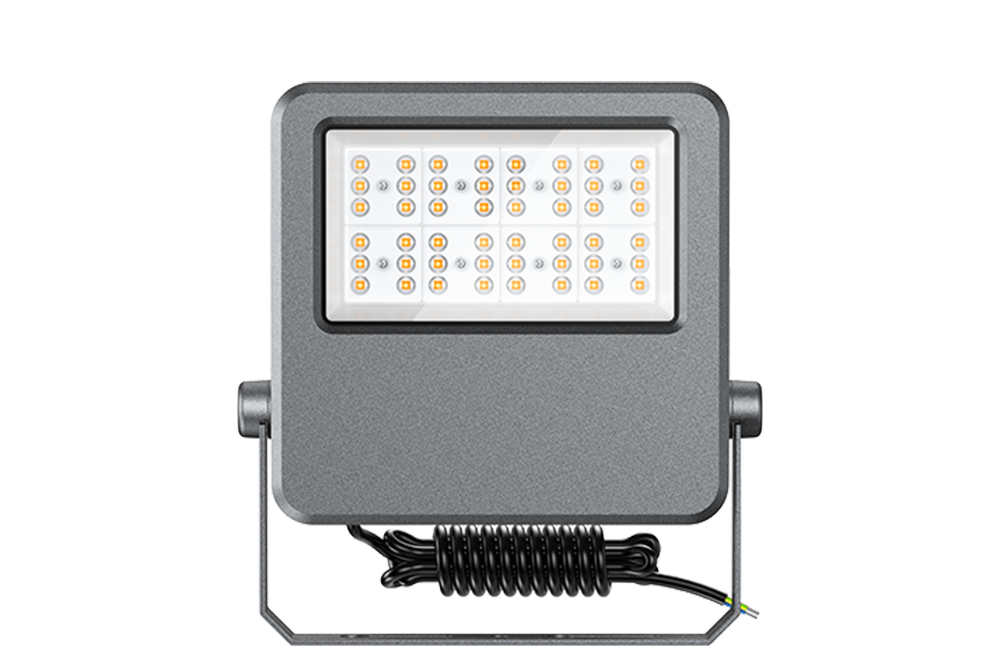
SEEKING FLE Series LED outdoor flood lights for sports grounds and open areas with multiple beam angles, IP66 protection and up to 170lm/W. Designed for long-life outdoor installations with professional driver options.
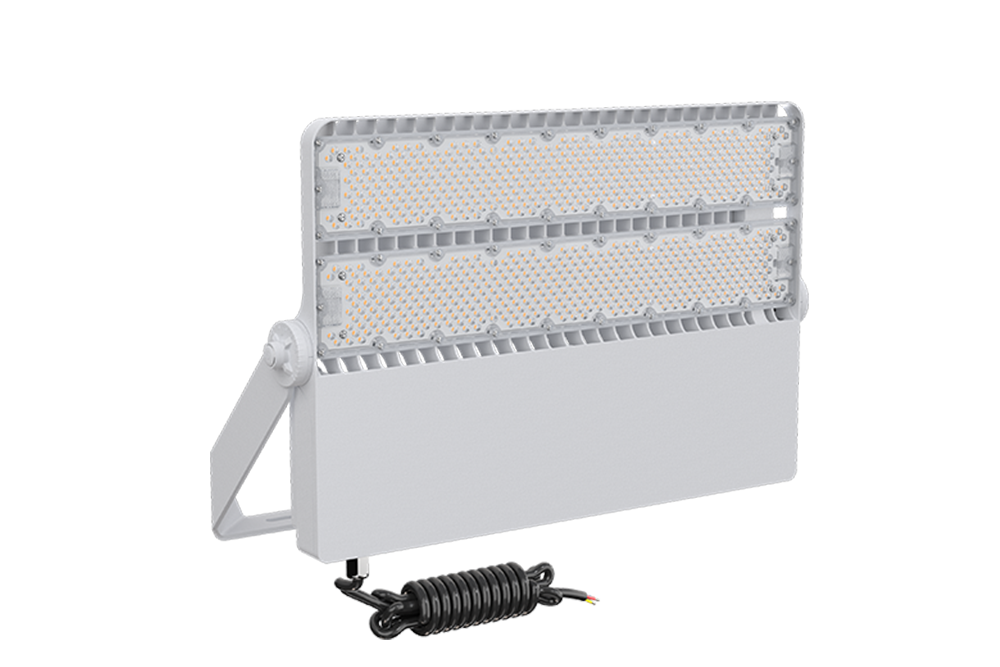
SEEKING FLD Series outdoor LED flood lights and high power led flood light deliver up to 960W with precision beam angles for sports fields, stadiums and large outdoor areas. IK08 & IP66 protection, 170lm/W efficiency and 100,000h lifetime.
loading…
This is the last post!
 Seeking LED