 Seeking LED

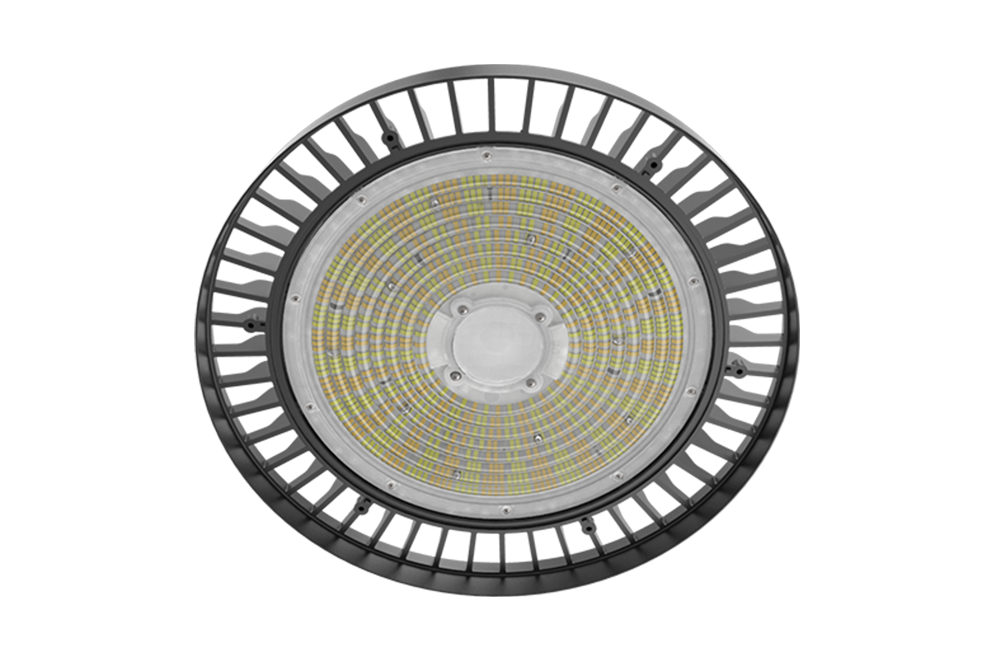
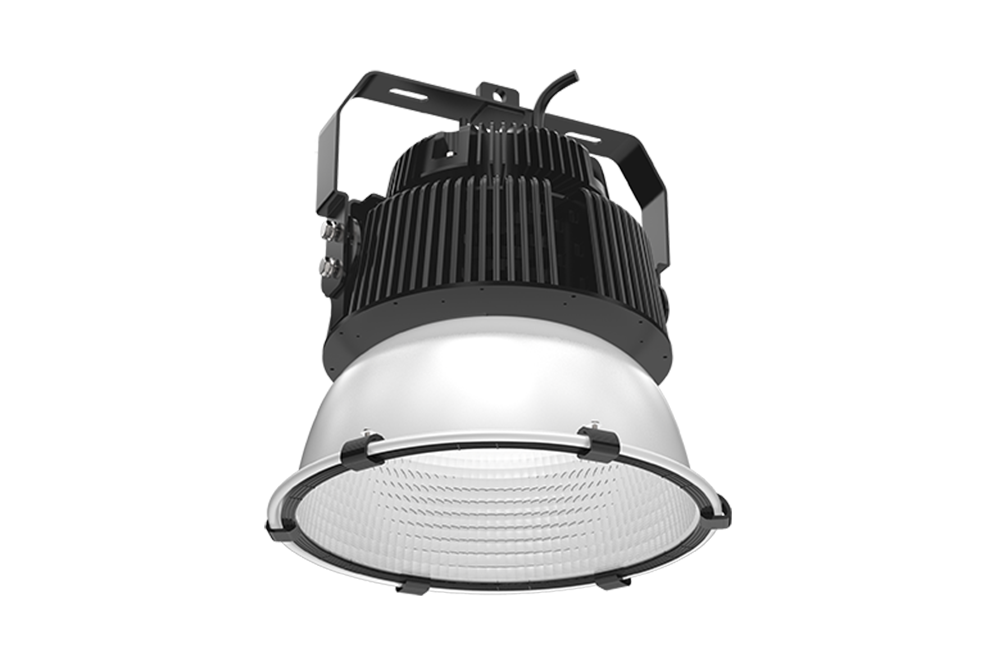
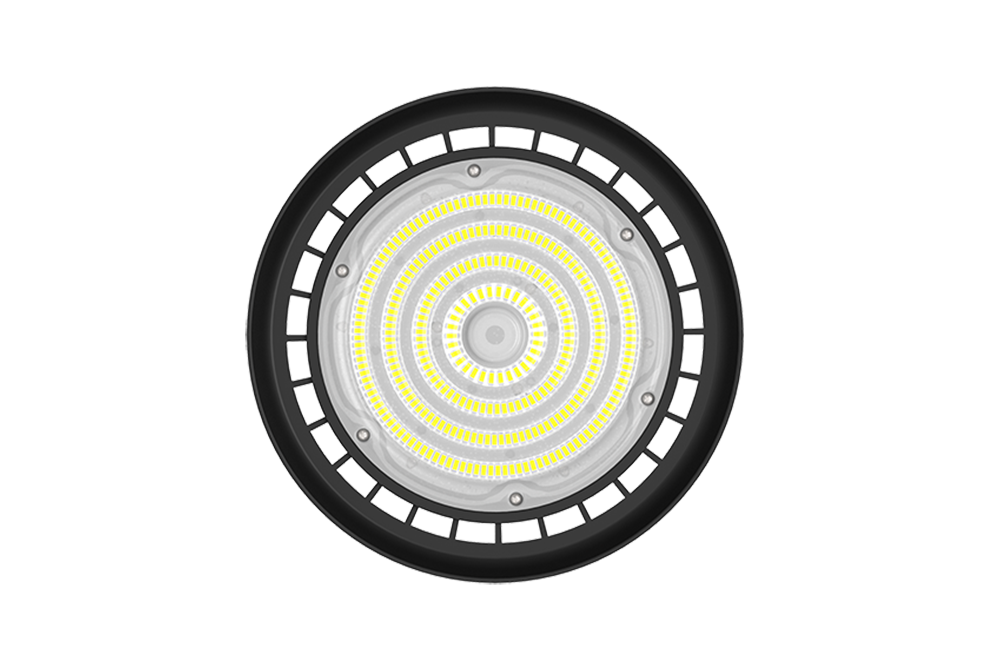
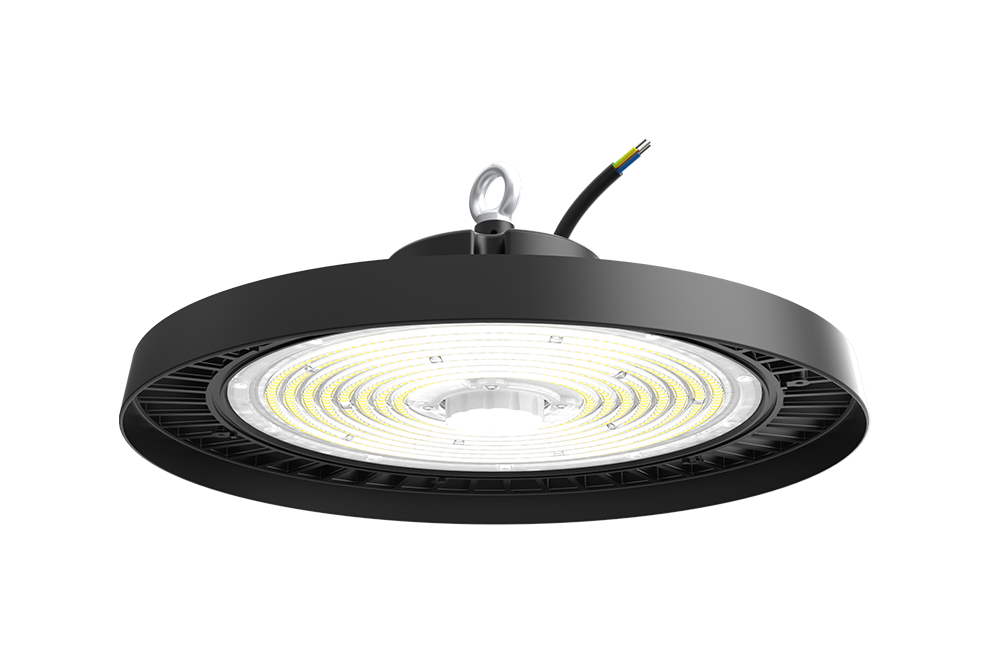
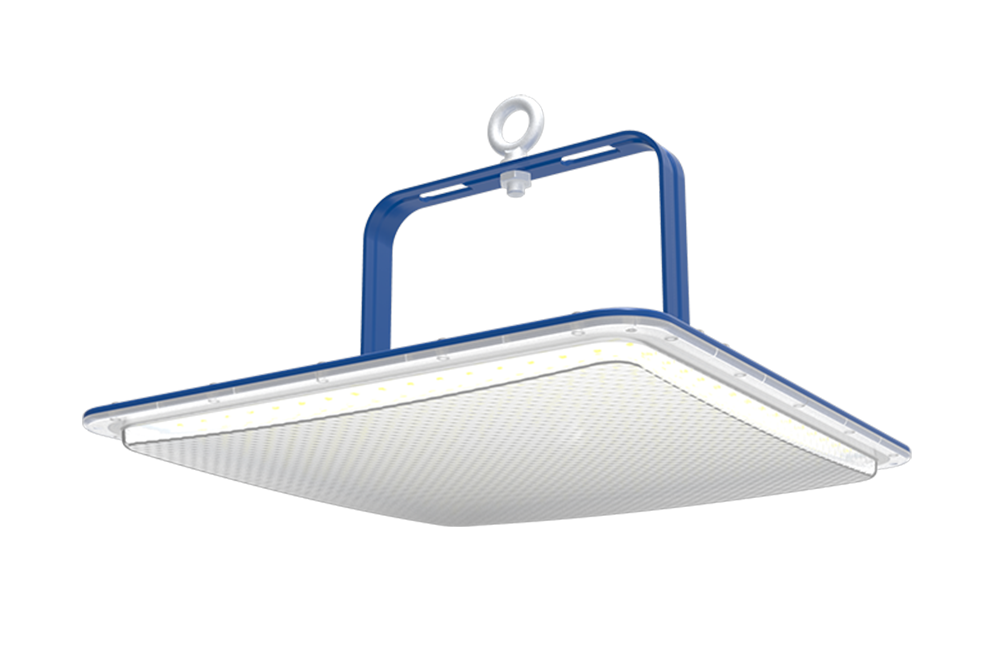
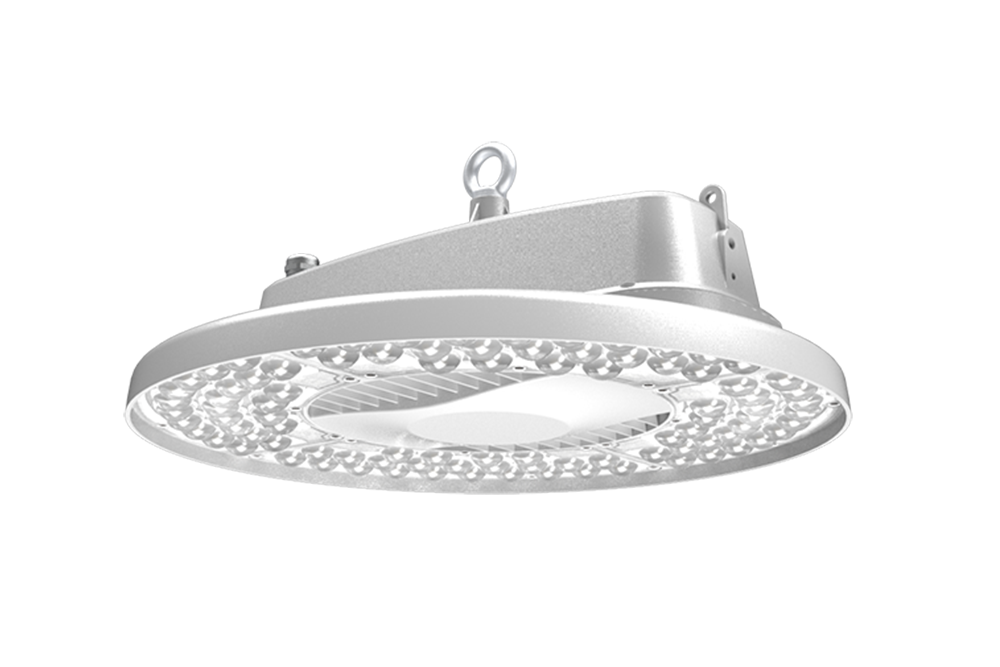
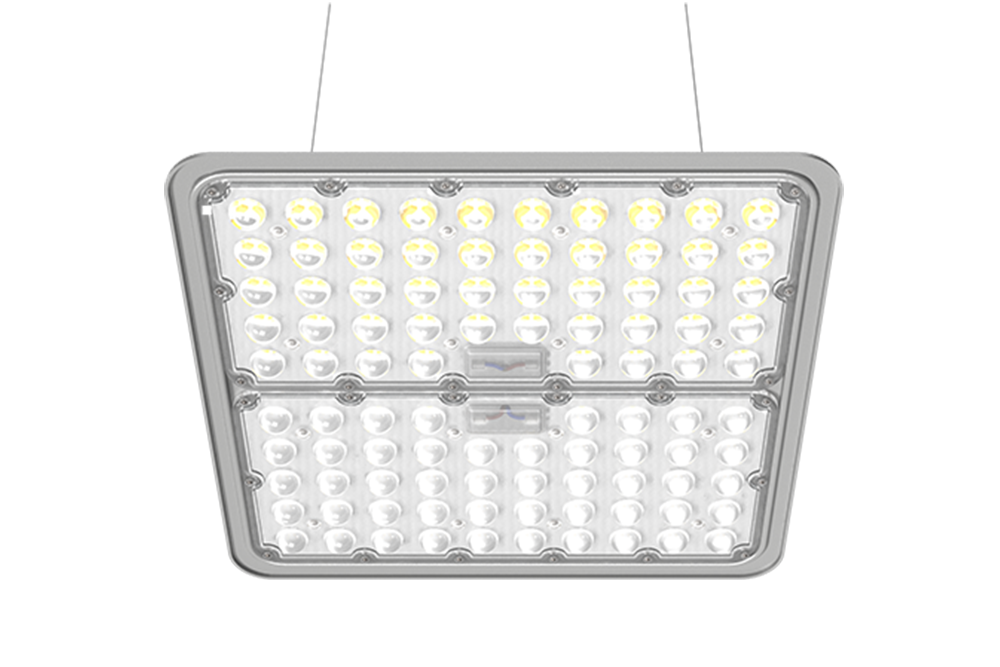
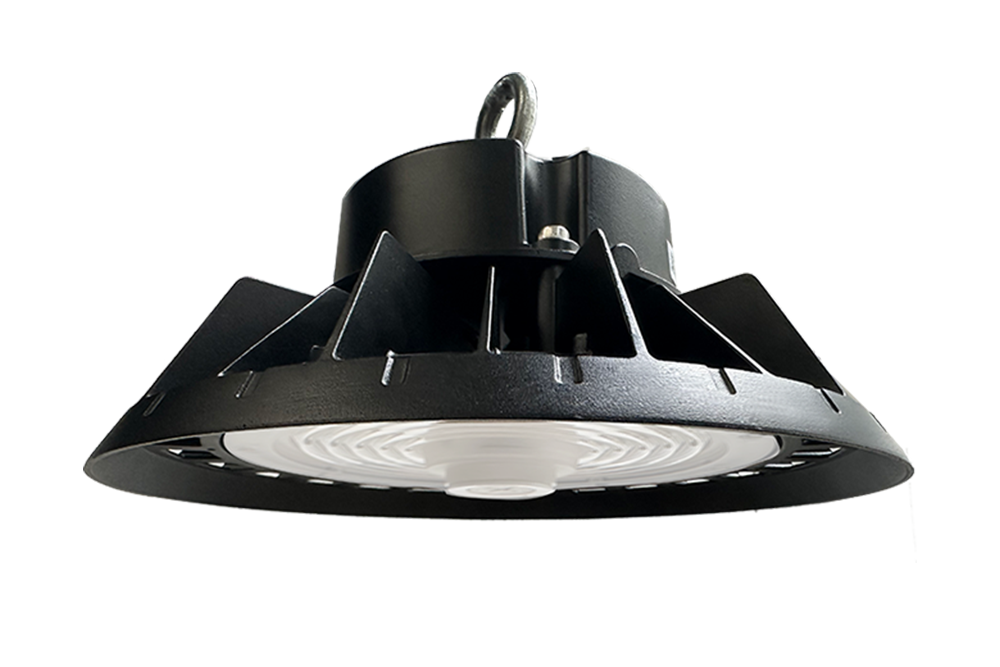
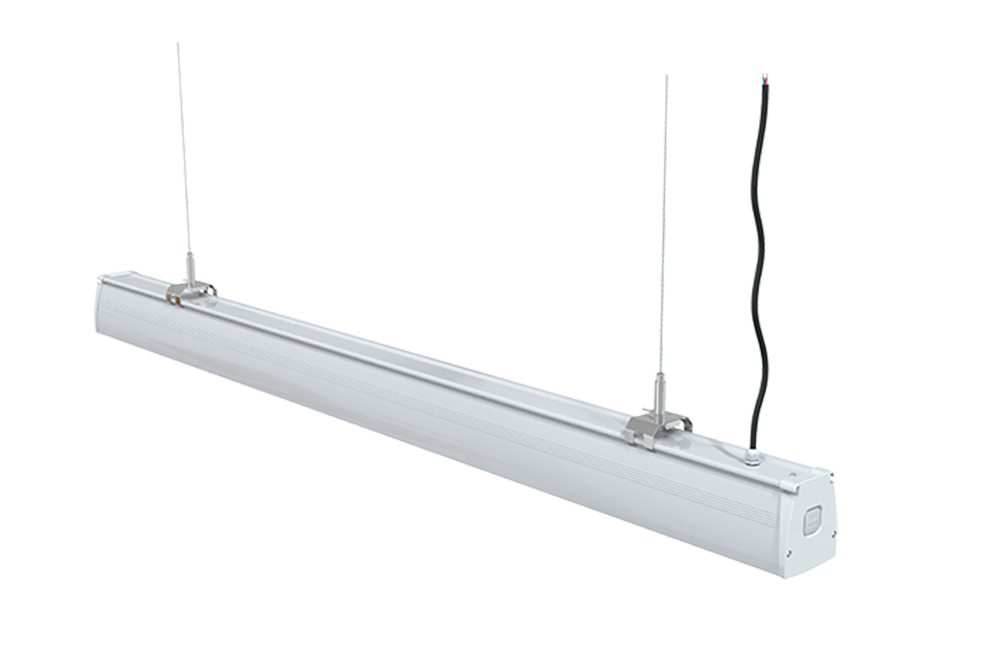
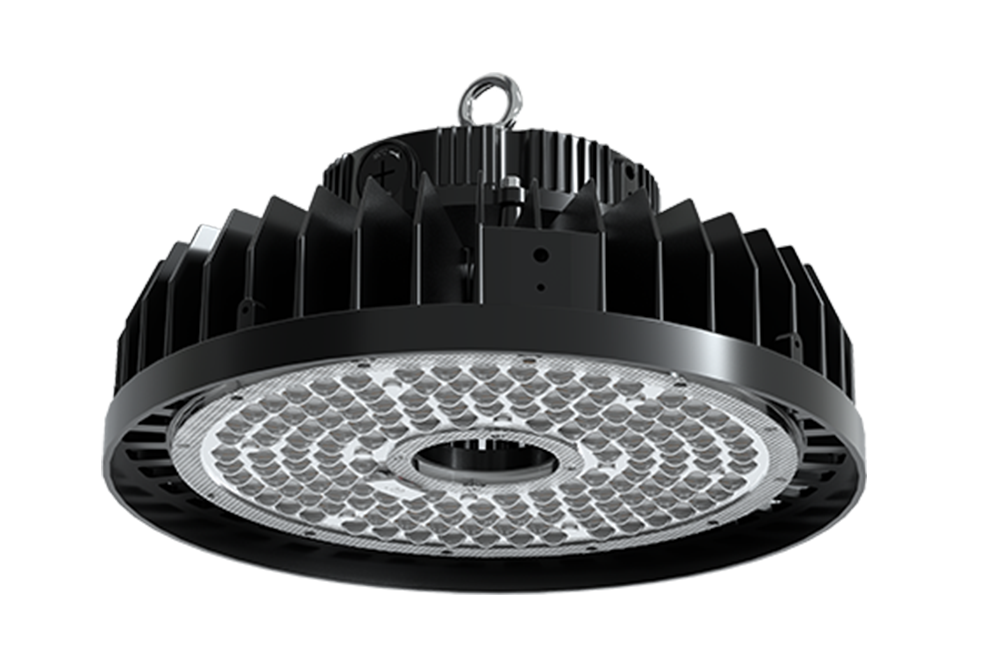
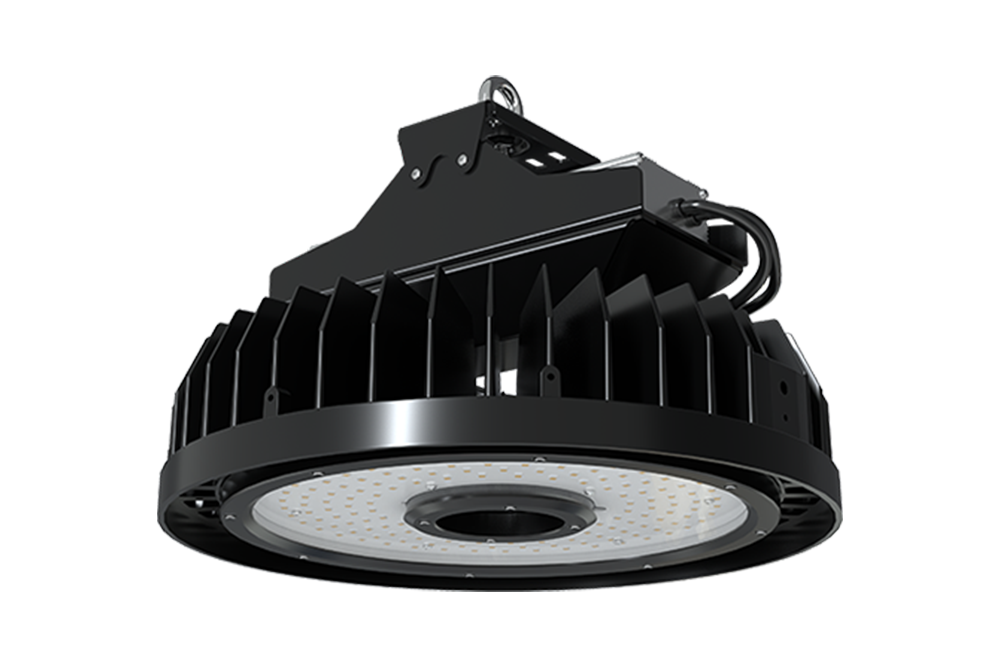
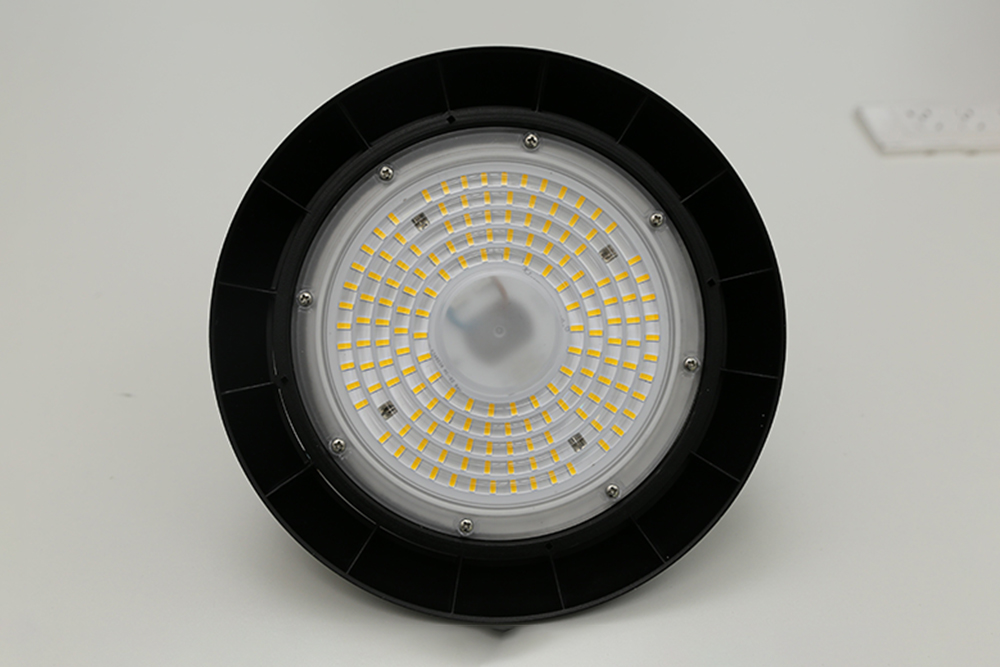
How to Wire High Bay Lights?
0Learn how to wire high bay lights safely with expert installation tips, wiring methods, and practical advice from SEEKINGLED lighting specialists for industrial applications.
View detailsSearch the whole station
Outdoor advertising depends heavily on visibility, especially after sunset. From an engineering point of view, billboard lighting is not just about making an image bright. It is about controlling light, reducing glare, and keeping performance stable over many years of outdoor exposure.
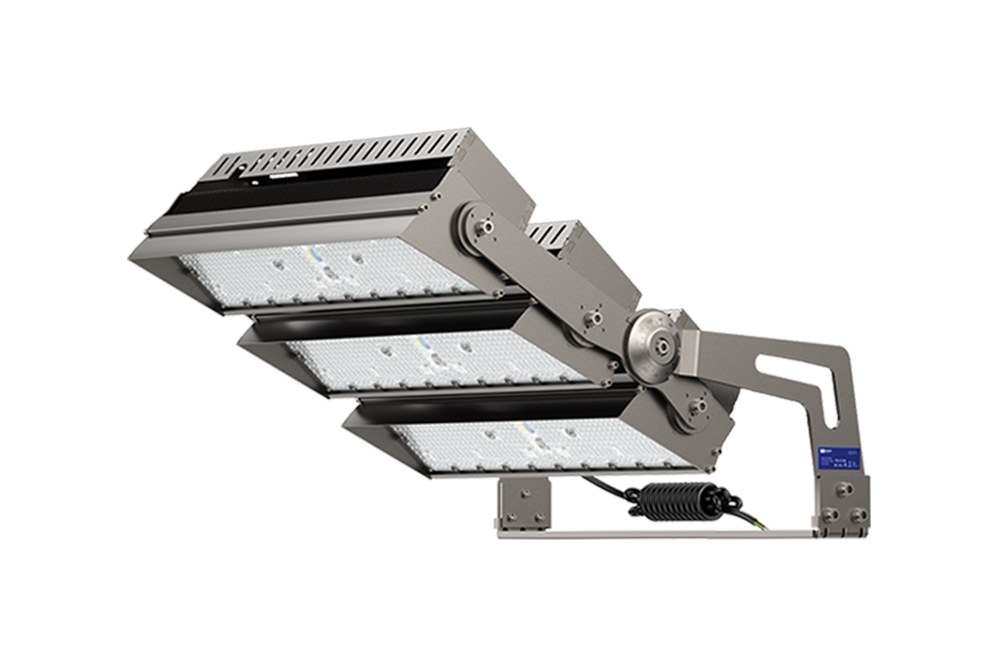
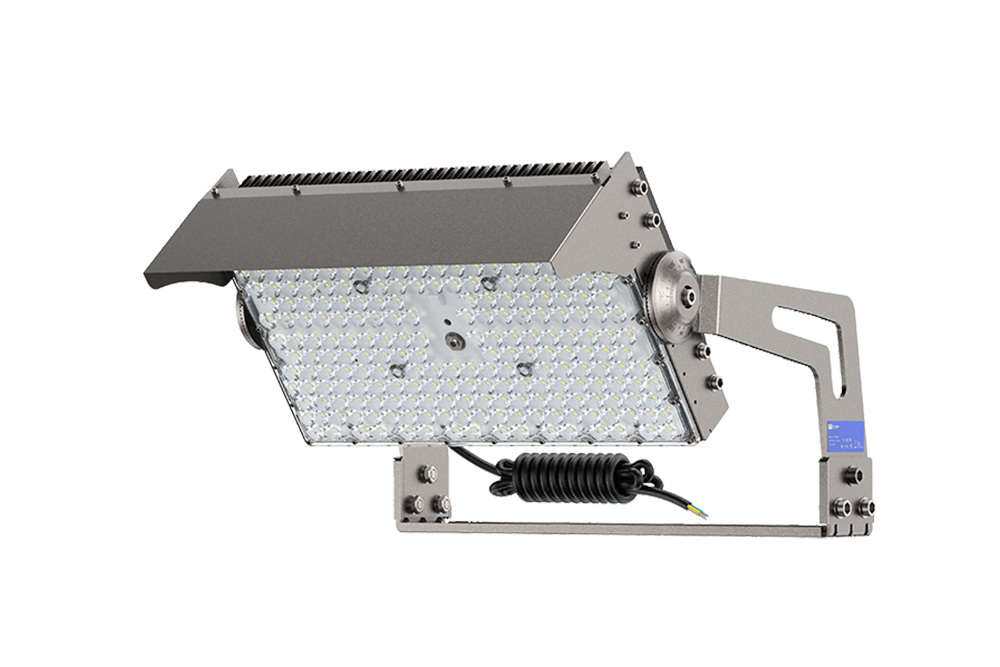
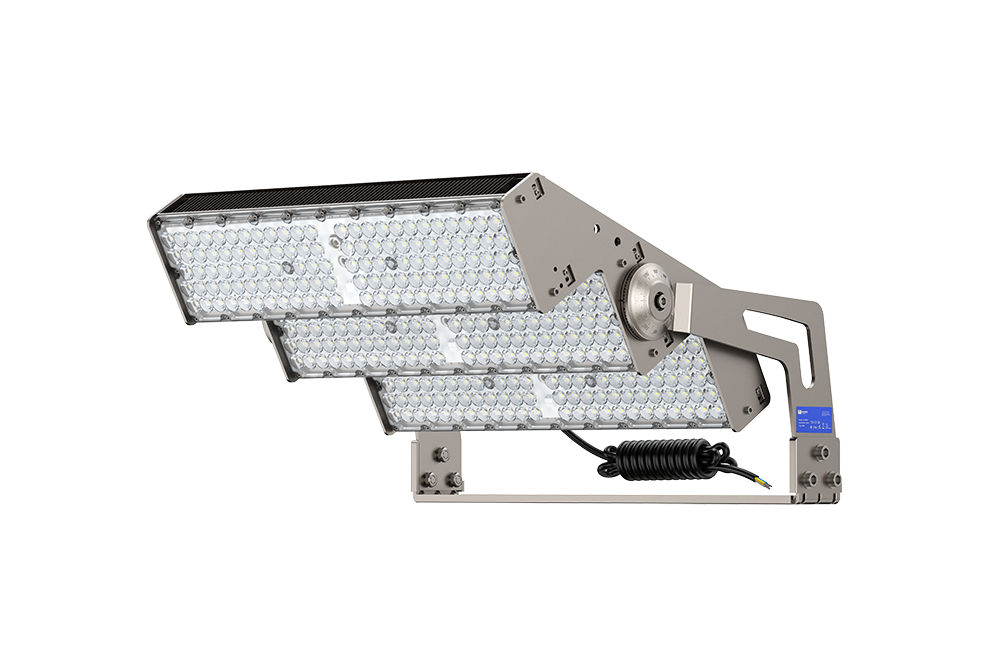
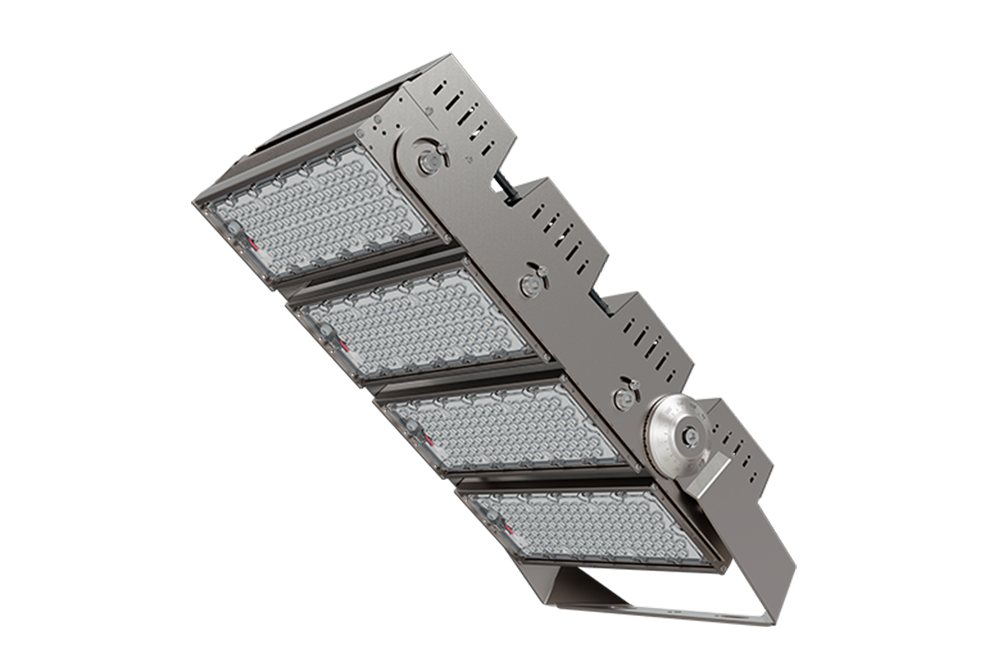
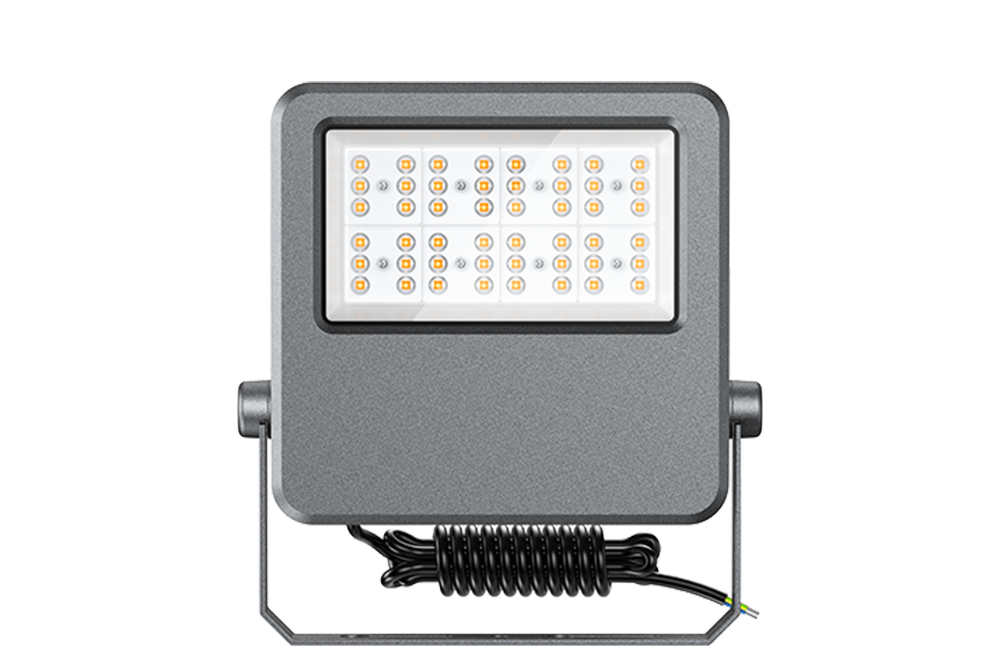
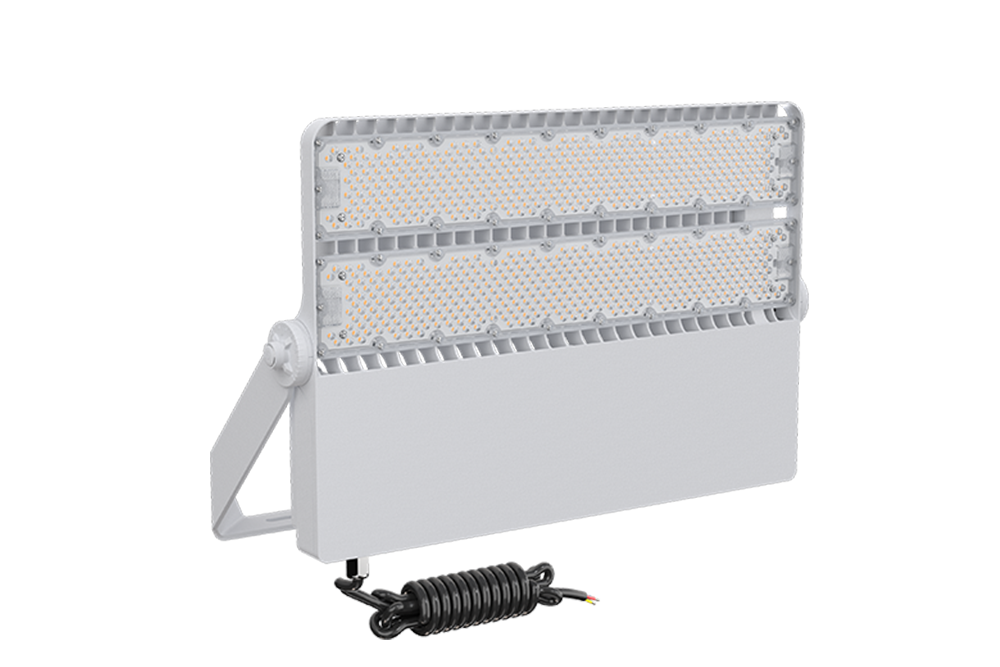
At SEEKINGLED, billboard lighting projects are usually evaluated as part of a wider outdoor lighting system, often involving LED Flood Light, LED Street Light, and in some roadside locations, Explosion Proof Light for special safety zones.
In real installations, poorly designed billboard lighting creates uneven brightness, harsh glare, or unnecessary energy waste. Drivers may see bright hotspots while parts of the advertising surface remain dark. In urban areas, excessive brightness can also cause complaints from nearby residents.
From field experience, most billboard failures are not caused by the billboard material itself, but by incorrect lighting angles, unsuitable beam spreads, or fixtures that cannot withstand long-term outdoor exposure.
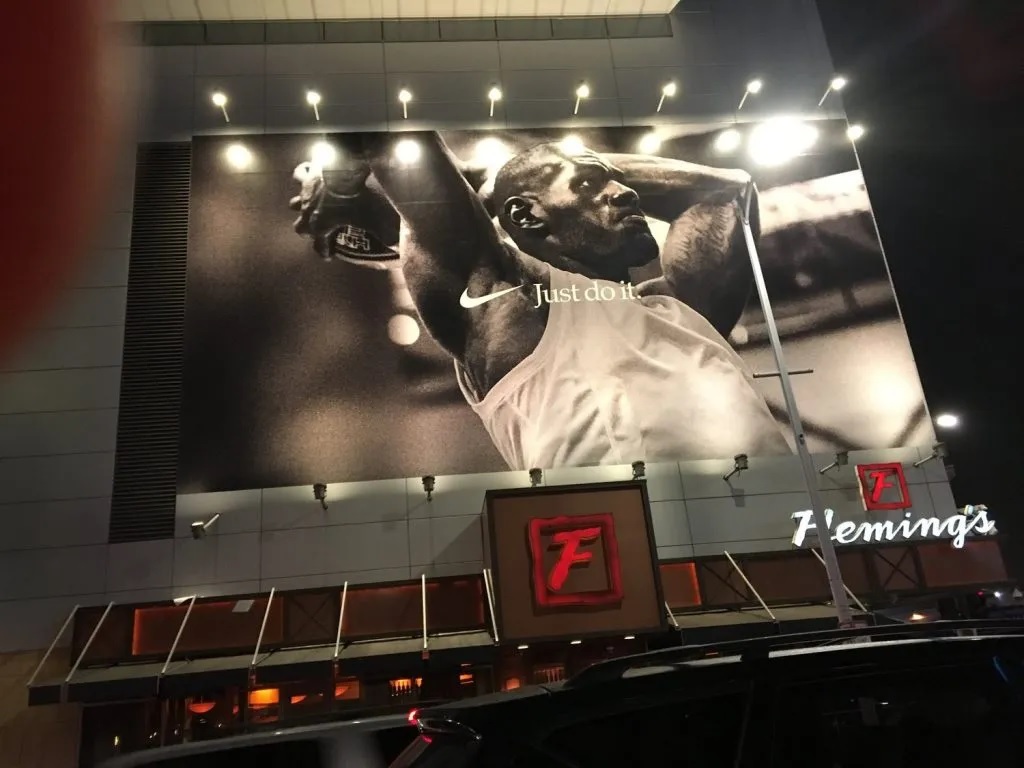
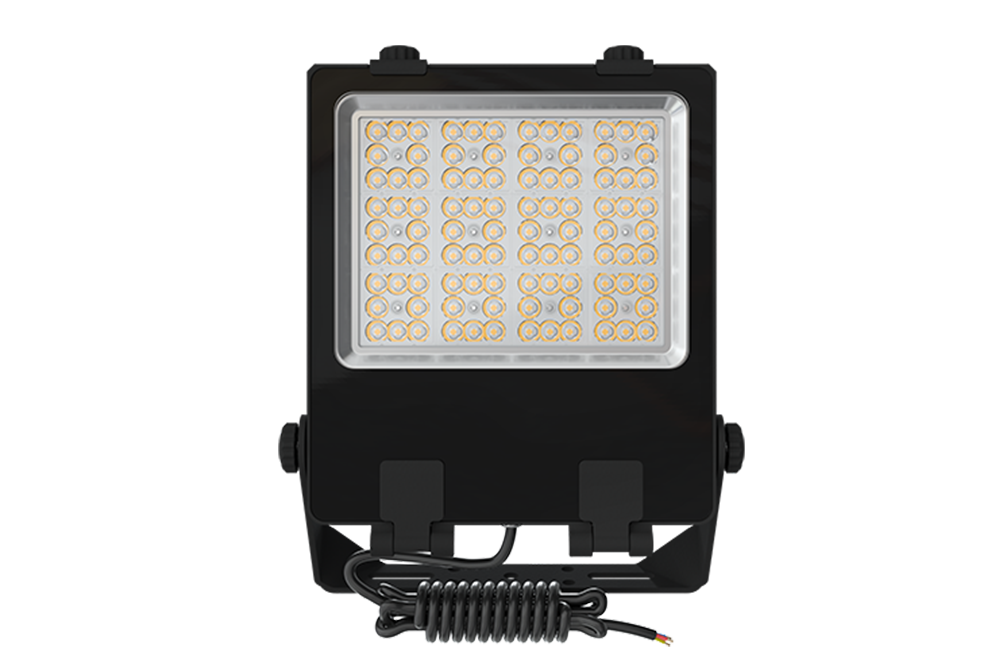
Most printed billboards still rely on external LED flood lights mounted at the top or bottom of the structure. This method allows easy maintenance and precise beam control.
For these applications, SEEKINGLED typically recommends:
Uniformity is critical. In engineering practice, a maximum-to-minimum brightness ratio below 4:1 helps avoid visible banding across the advertising surface.
Digital billboards generate their own light, but they still require careful brightness management. Excessive luminance can cause glare for drivers, especially at night.
In mixed environments, digital displays are often combined with surrounding LED Street Light systems to balance visual comfort and road safety. This coordinated approach reduces contrast fatigue for drivers.
Actual billboard lighting levels depend on surroundings. Based on common standards and on-site measurements:
Over-lighting rarely improves advertising effectiveness and usually increases operational costs.
Outdoor billboards operate for long hours. LED technology has largely replaced metal halide lamps due to:
SEEKINGLED LED flood lights are designed with efficient heat dissipation to maintain stable output during hot summers and cold winters.
From an installer’s perspective, flexible mounting angles and reliable brackets matter as much as lumen output. Billboard structures vary widely, and fixed-angle fixtures often lead to compromises on site.
In long-term projects, reduced maintenance frequency is a major cost advantage. LED systems with stable drivers and sealed housings significantly lower service interventions.
Billboard lighting is not a one-size-fits-all solution. Each site requires balancing visibility, safety, regulations, and energy use. With properly selected LED flood lights and thoughtful aiming, advertisers can achieve strong visual impact without unnecessary brightness.
SEEKINGLED continues to support billboard lighting projects with application-focused designs that work reliably in real outdoor conditions.
Learn how to wire high bay lights safely with expert installation tips, wiring methods, and practical advice from SEEKINGLED lighting specialists for industrial applications.
View details
LED high bay optics explained for warehouses with real-world insight. Learn how lenses, reflectors, and light control affect safety and efficiency.
View details
Discover ex lighting solutions for hazardous areas. Learn certifications, Ex markings, ATEX requirements, Zone classifications, and industrial applications from SEEKINGLED experts.
View details
Why Hazardous Area Lighting Fixtures Exist is a critical question in industrial safety. Learn how certified fixtures prevent ignition risks and protect hazardous workplaces.
View details