 Seeking LED
Do LED Lights Get Hot?
432Do LED lights get hot? Learn how much heat LED lights produce, where the heat goes, and whether LED lights are safe to touch in home and commercial lighting applications.
View detailsSearch the whole station
If you are searching for a led explosion proof lamp, you are probably not browsing casually.
You are specifying equipment for a refinery expansion.
Or replacing fixtures inside a chemical storage facility.
Or responding to a safety audit finding.
In hazardous areas, lighting is not decoration. It is compliance equipment.
I have been on project sites where the wrong fixture delayed commissioning by weeks. The lamp looked solid. Heavy housing. Bright output. But the certification did not match the zone classification. That detail stopped everything.
So let’s go through this carefully.
In most specifications, this category also appears as:
Different wording. Same responsibility: do not become the ignition source.
A led explosion proof lamp is a lighting fixture designed to operate safely in environments where flammable gases, vapors, or combustible dust may be present.
Important clarification:
It does not prevent explosions in the environment.
It prevents the fixture itself from becoming an ignition source.
This is achieved through:
In oil and gas plants, even a small internal spark can ignite surrounding vapor if the enclosure fails. That is why explosion proof LED lighting for hazardous areas must contain internal ignition and cool external surfaces.
The engineering is deliberate. Nothing about it is cosmetic.
From an engineering perspective, lamp explosion proof design follows IEC 60079 principles:
This is what separates hazardous area lighting from standard industrial fixtures.
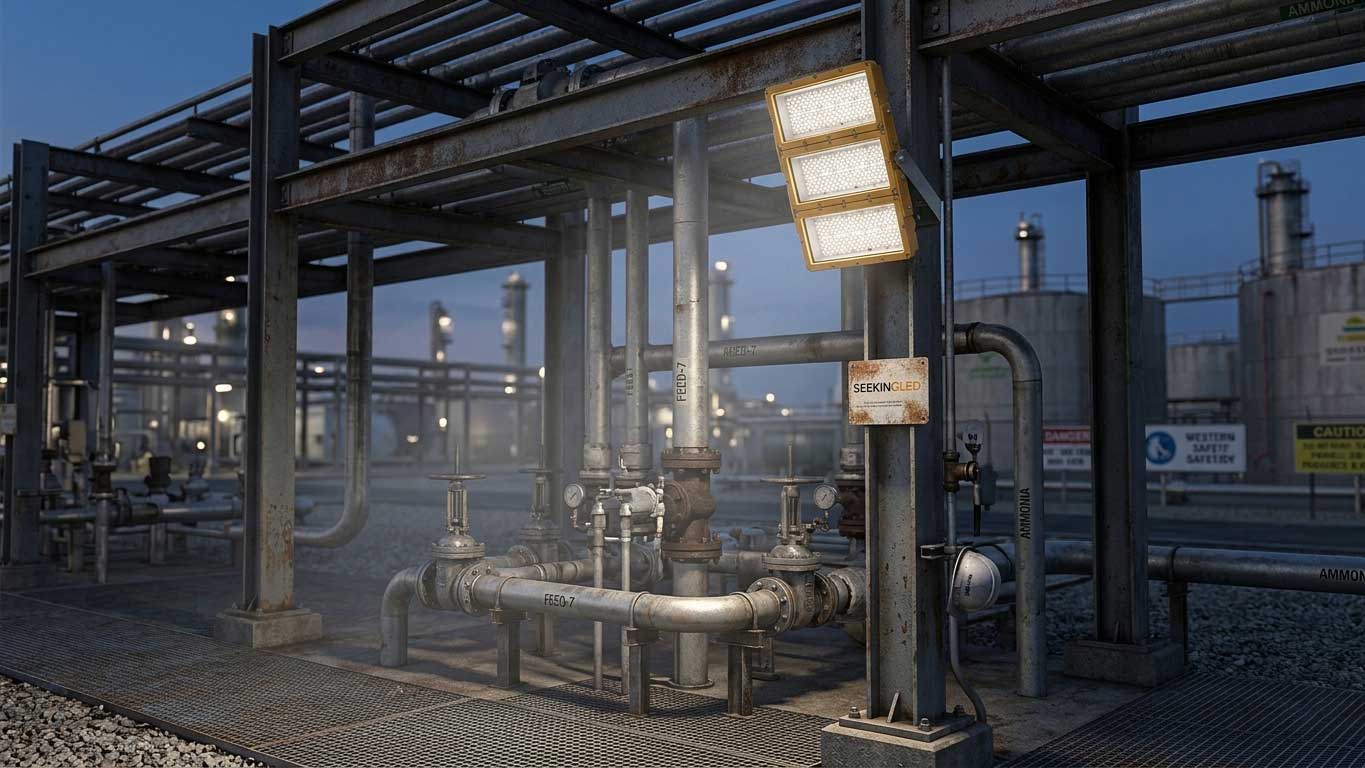
You will often see Zone 1 Zone 2 explosion proof lighting in specifications.
Here is the practical difference:
If your site is classified as Zone 1, the led explosion proof lamp must be rated accordingly. A Zone 2 fixture is not acceptable in a Zone 1 area.
This is where mistakes happen. Sometimes procurement teams focus only on price and overlook the detailed marking. Inspectors do not overlook it.
And once equipment is installed incorrectly, removal costs are far higher than initial savings.
In procurement documents, this is often defined under explosion proof lighting specifications.
A mismatch here is not a technical error—it is a compliance violation.
Years ago, hazardous facilities relied heavily on HID fixtures.
Today, the shift to explosion proof LED lighting for hazardous areas is almost standard.
The reasons are straightforward:
Maintenance in hazardous zones requires procedures, permits, and often partial shutdown. Reducing relamping frequency reduces operational disruption.
However, LED quality varies widely. Cheap drivers exposed to high ambient temperatures — 50°C or more in some plants — fail early. When the driver fails, the entire led explosion proof lamp becomes useless.
That is why thermal management is critical.
According to the U.S. Department of Energy (energy.gov), industrial LED systems can reduce maintenance frequency by up to 70% compared to traditional lighting.
In hazardous led lighting, this matters more than efficiency.
Because every maintenance visit carries operational risk.
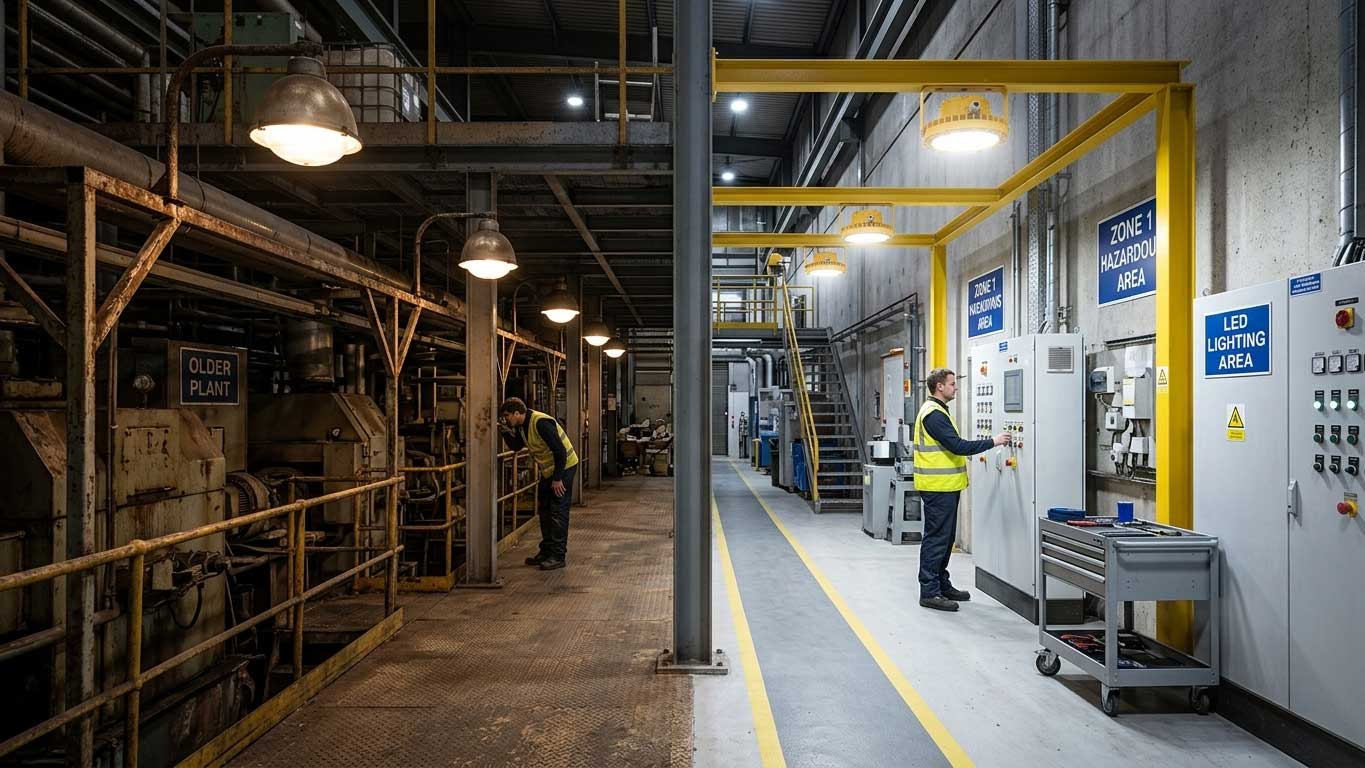
In European and many international markets, an ATEX certified led explosion proof lamp is mandatory. In other regions, IECEx or NEC certifications apply.
Look for clear marking that includes:
If documentation is incomplete or difficult to verify, that is a warning sign.
At SEEKINGLED, certification paperwork is provided with every shipment. Not as marketing material — but as compliance documentation.
Because in hazardous industries, paperwork is part of the product.
According to NFPA 70 (NEC), all hazardous location led lights must be approved for the specific classified area.
If certification does not match the environment, installation is non-compliant—regardless of performance.
Before choosing an industrial led explosion proof light manufacturer, confirm the following:
In grain facilities, dust accumulation is constant. In offshore platforms, salt corrosion is real. These conditions expose weak construction quickly.
A led explosion proof lamp that performs well in a showroom may not survive two summers in a refinery yard.
Experience matters.
| Factor | What Actually Fails |
|---|---|
| Housing | Corrosion, cracking |
| Driver | Heat failure |
| Seal | Moisture ingress |
| Mounting | Vibration loosening |
In real lighting hazardous areas, failure is rarely electrical first—it’s mechanical.
Most high-quality models are rated around 50,000 hours or more.
But real lifespan depends on:
A reliable industrial led explosion proof light manufacturer does not promise unrealistic numbers. Instead, they specify operating limits clearly.
If you see exaggerated claims without test data, be cautious.
In high-temperature plants (45–55°C ambient), real lifespan can drop significantly.
That is why hazardous location led lighting must prioritize thermal control over marketing claims.
It is lighting designed so it cannot ignite explosive gas or dust.
Not safer lighting—controlled lighting.
Only where classified zones exist.
But once required, using standard lighting is a violation.
A hazardous area light controls ignition risk.
A normal light does not.
That difference defines compliance.
Not suddenly.
Usually:
Slow failure—until inspection finds it.
SEEKINGLED designs and manufactures led explosion proof lamp solutions specifically for hazardous industrial environments.
Our products focus on:
We are not positioning ourselves as the lowest-cost option. That is not the priority in hazardous areas.
The priority is consistent performance under demanding conditions.
In refineries, chemical plants, fuel terminals — failure is not just inconvenience.
It is exposure.
And exposure in explosive atmospheres is never acceptable.
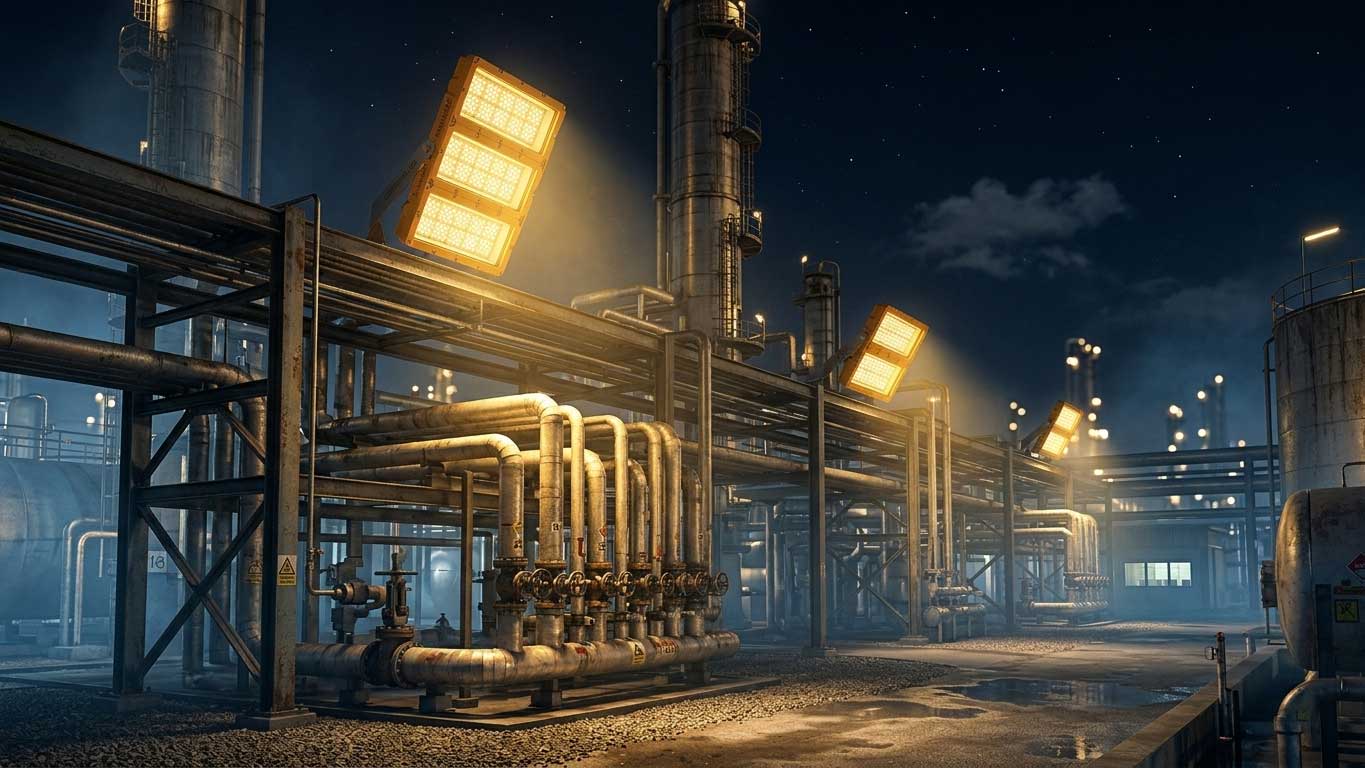
This article is based on direct experience from a SEEKINGLED engineer:
Most problems are not about brightness.
They are about heat, sealing, and incorrect specification.
Related products
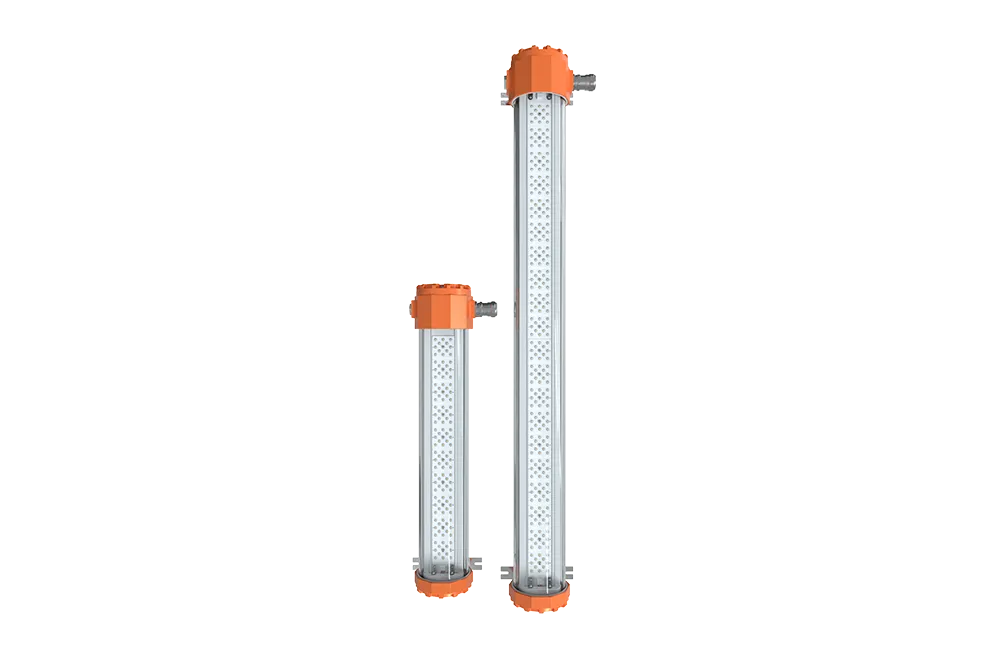
SEEKINGLED LED Linear Explosion Proof Light and Explosion Proof lighting is ATEX and IECEx certified for Zone 1, Zone 2, Zone 21 and Zone 22 hazardous locations, built for long-term industrial use.
View details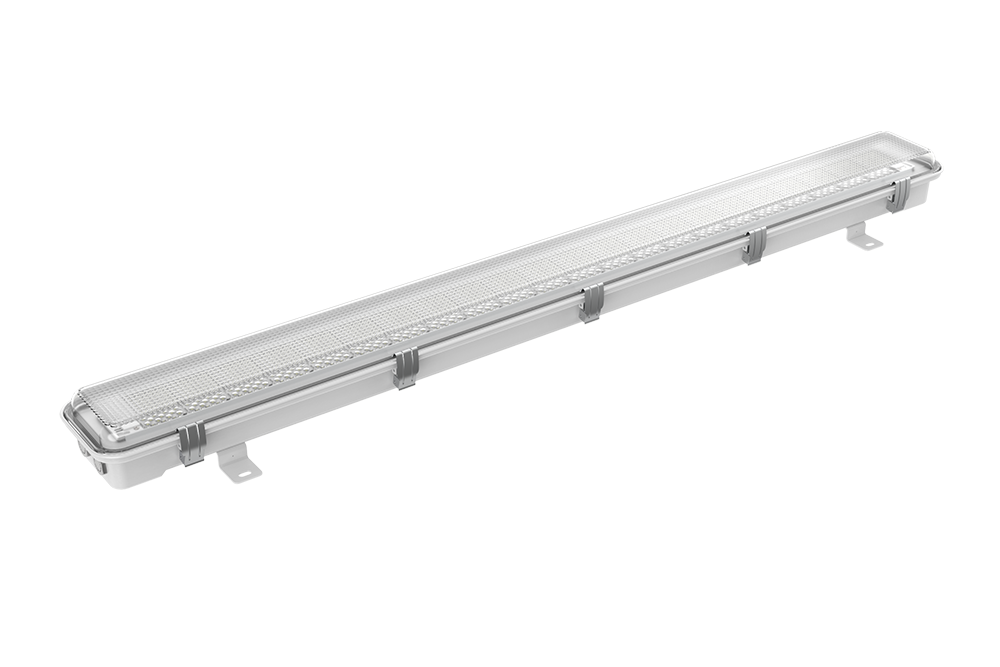
LED Linear Explosion Proof Lights and EX Proof lights for Zone 1, Zone 2, Zone 21 and Zone 22 hazardous areas. ATEX & IECEx certified explosion proof LED linear lighting with emergency function, adjustable power and IP67 protection by SEEKINGLED.
View details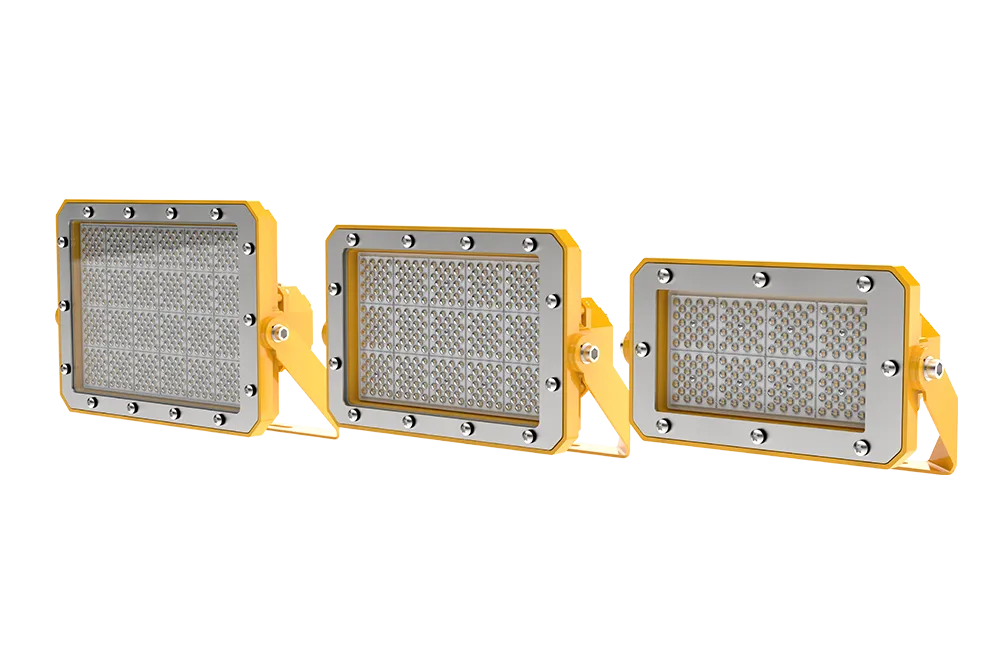
SEEKINGLED LED Explosion Proof Flood Lights are ATEX certified for Zone 2 and Zone 22 hazardous areas, offering high efficiency, adjustable power and integrated junction box.
View details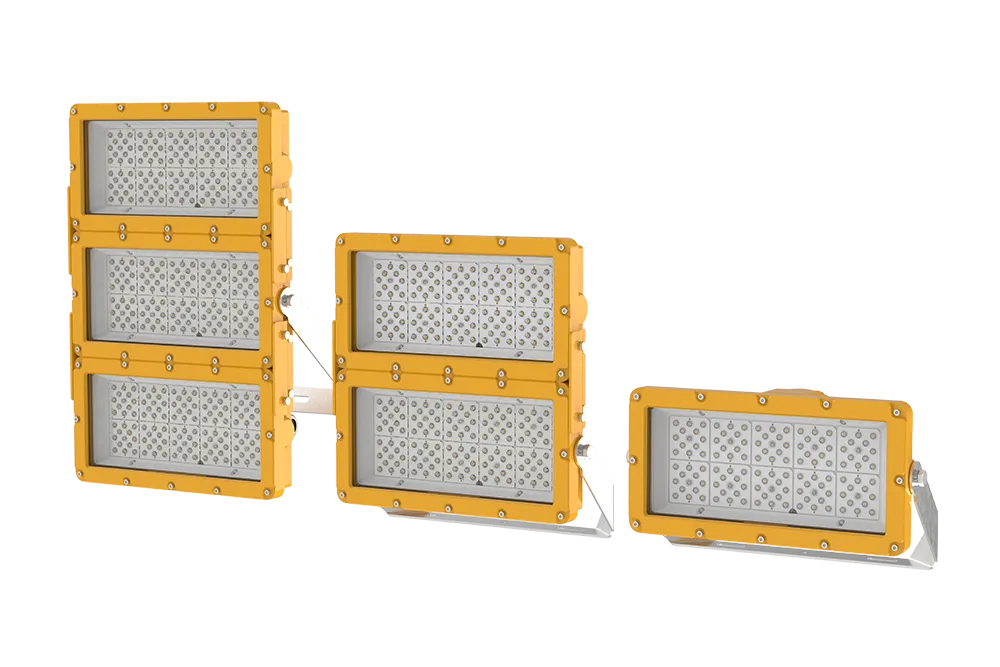
SEEKINGLED LED Explosion Proof Flood Lights are flameproof ATEX and IECEx certified for Zone 1 and Zone 2 hazardous areas, offering high power, adjustable output and long service life.
View details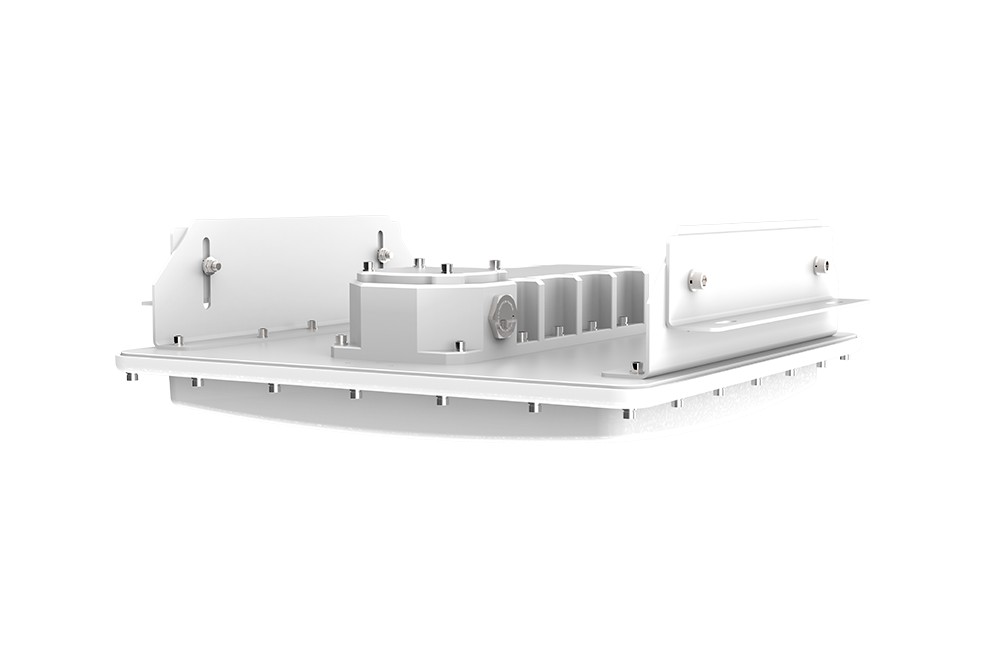
SEEKINGLED LED Gas Station Canopy Lights are ATEX certified for Zone 2 and Zone 22 hazardous areas, featuring adjustable power and built-in explosion-proof junction box.
View details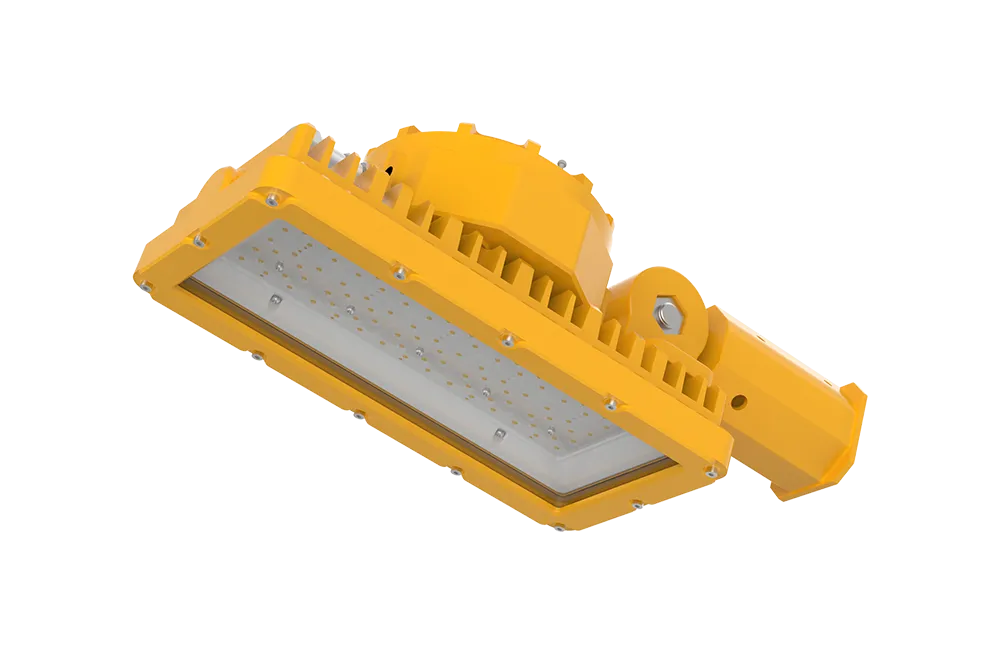
ATEX: Ex II 2G Ex db IIB T6/T5 GbEx II 2D Ex tb IIIC T80°C/ T95°C Db IECEx Ex db IIB T6 Gb;Ex tb IIIC T80°C Db Feature: ● For Zone 1,2 and Zone 21,22● Flameproof type, the strongest● 100W can replace 250W HID,energy saving● Power:60W,80W,100W Application: Oil and gas, marine, Chemical, pharmaceutical, semiconductor,mining,military industr…
View details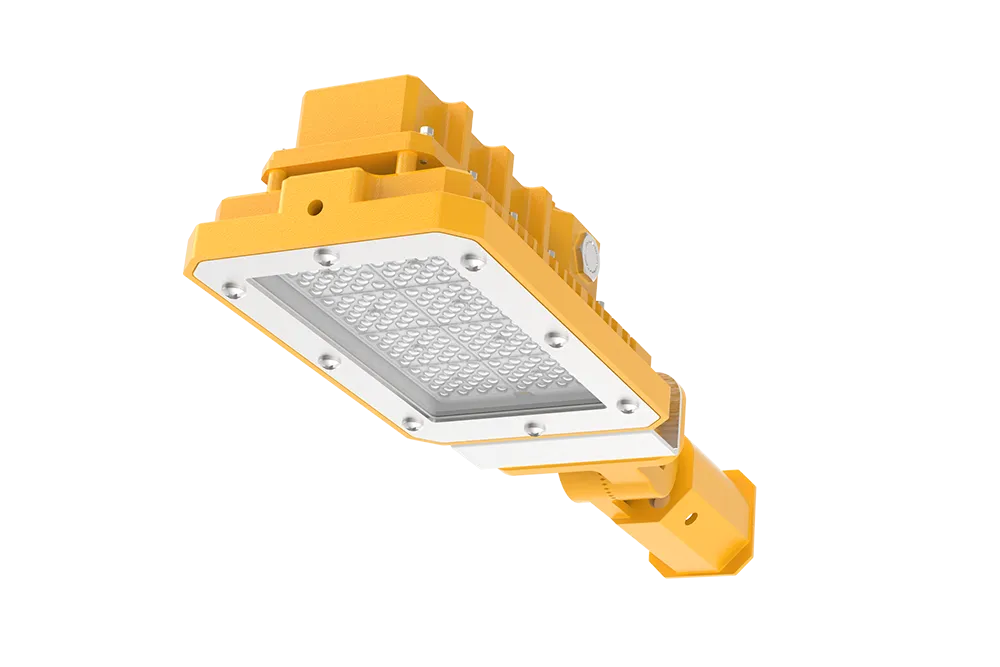
ATEX: II 3G Ex nR ⅡC T5/T6 GcII 3D Ex tc ⅢC T80℃/T95℃Dc ATEX Certificate NO: TÜV CY 26 ATEX 0207611 X Feature: ● For Zone 2 and Zone 22● 150W can replace 250W HID lamps,Energy saving● Power:50W,75W,100W,150W,200W Application: Oil and gas, marine, Chemical, pharmaceutical, semiconductor,mining,military industry, paint booth,power plant ETC…
View details
LED explosion proof high bay lights are designed for Zone 1, Zone 2, Zone 21 and Zone 22 hazardous areas. This page introduces the HB21 Series from SEEKING, including certifications, power options and real application considerations.
View details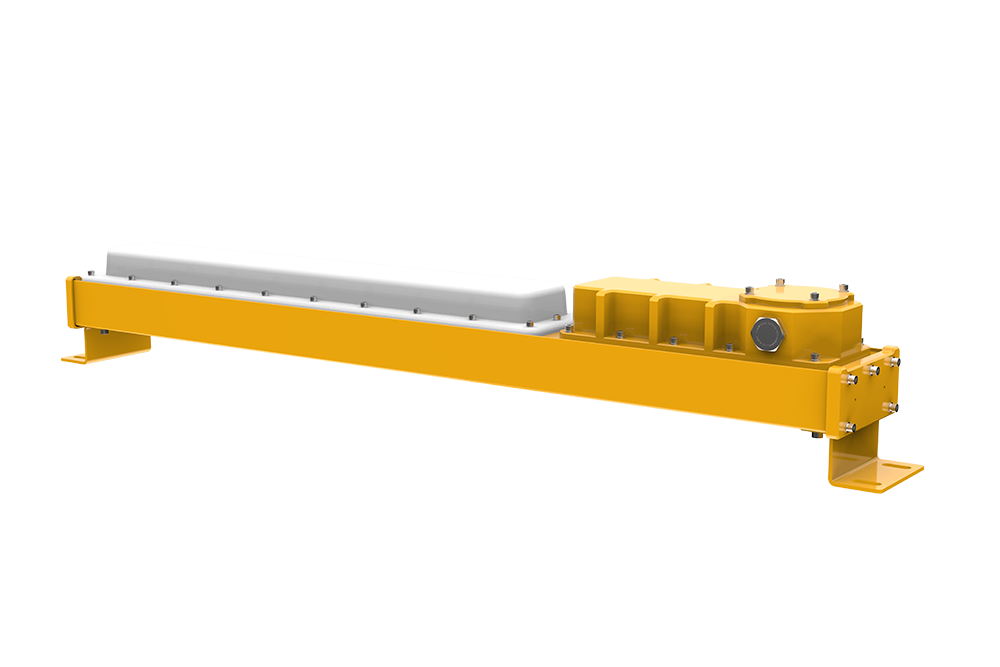
LED Linear Explosion Proof Lights from SEEKINGLED. LU Series Flame Proof lights ATEX-certified explosion proof LED linear lighting for Zone 2 gas and Zone 22 dust areas, IP69K, IK10, long lifetime and flexible power options.
View details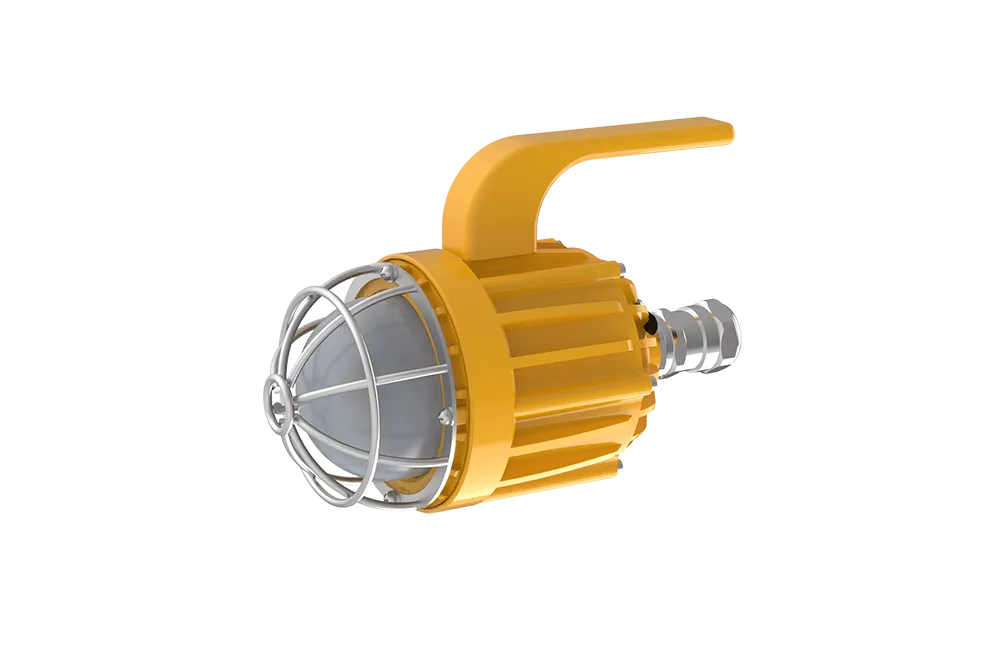
Certified explosion proof work lights for Zone 1 & 21 hazardous areas. Portable, ATEX & IECEx approved, built for oil, gas and chemical plants by SEEKINGLED.
View details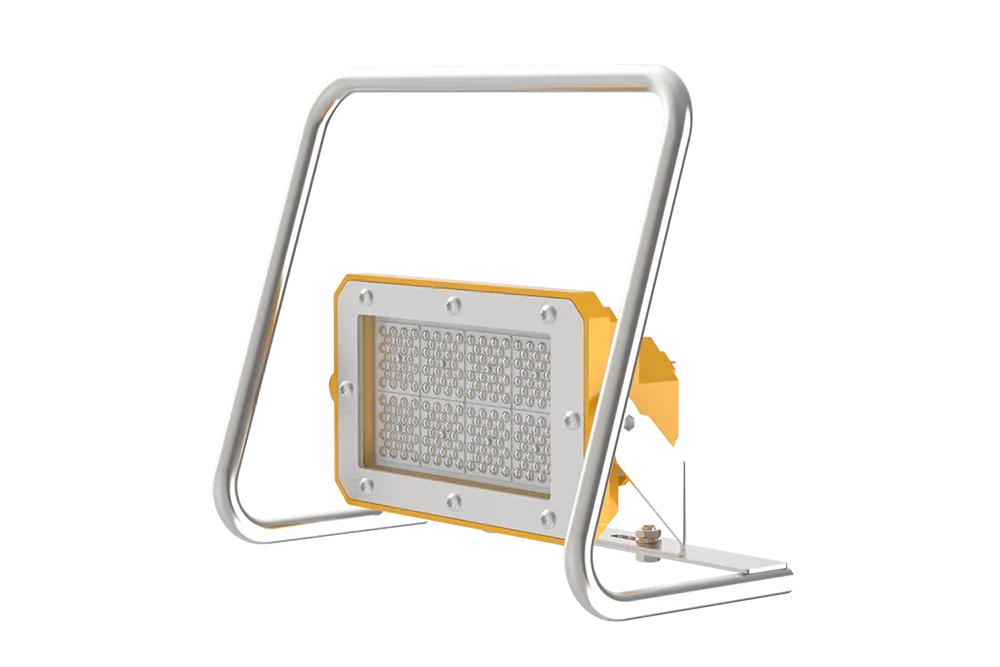
ATEX: II 3G Ex nR ⅡC T6 GcII 3D Ex tc ⅢC T80℃ Dc ATEX Certificate NO: TÜV CY 26 ATEX 0207611 X Feature: ● For Zone 2 and Zone 22● Accepts battery-powered supply● indestructible● Power:AC input:50W,75W,100WDC input:15W,25W,35W Application: Oil and gas, marine, Chemical, pharmaceutical, semiconductor,mining,military industry, paint booth,po…
View details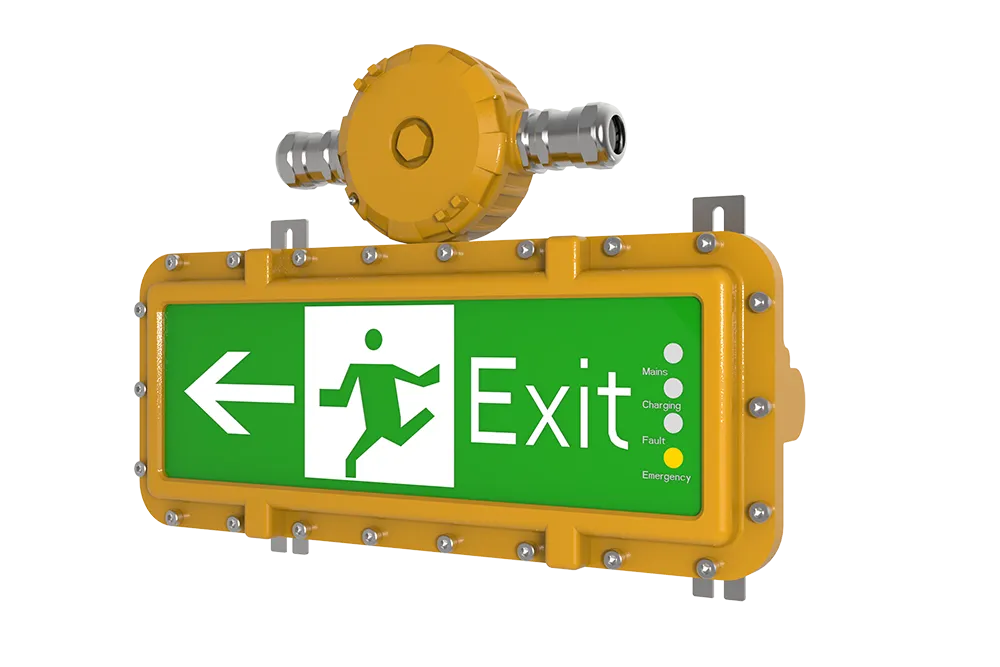
ATEX: Ex II 2G Ex db IIB T6 GbEx II 2D Ex tb IIIC T80°C Db IECEx Ex db IIB T6 Gb;Ex tb IIIC T80°C Db Feature: ● For Zone 1,2 and Zone 21,22● Flameproof type, the strongest Application: Oil and gas, marine, Chemical, pharmaceutical, semiconductor,mining,military industry, paint booth,power plant ETC hazardous area. Technical Specifications:…
View details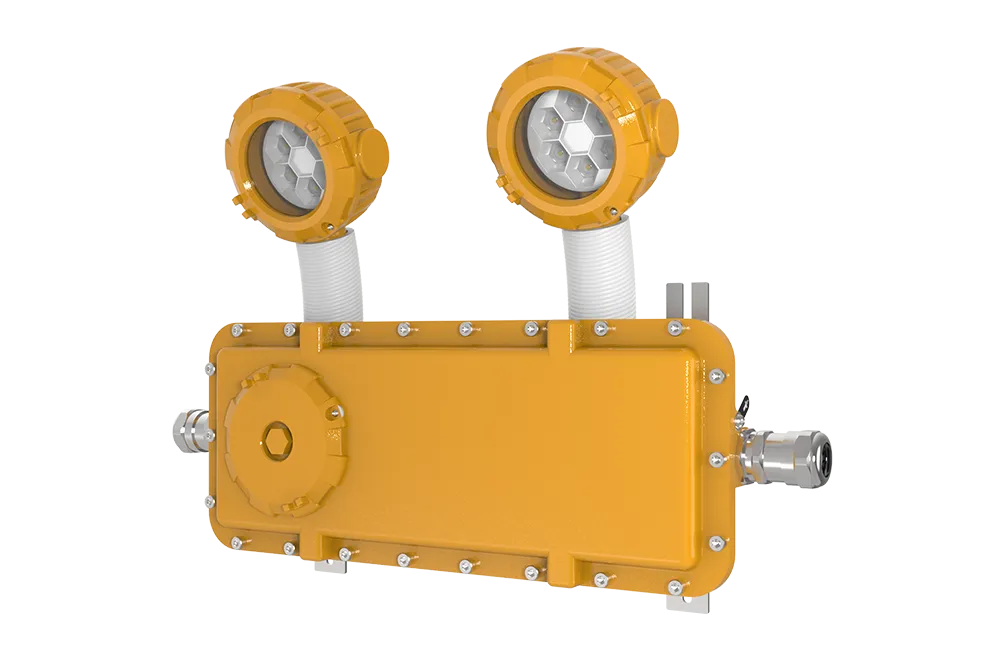
ATEX: Ex II 2G Ex db IIB T6 GbEx II 2D Ex tb IIIC T80°C Db IECEx Ex db IIB T6 Gb;Ex tb IIIC T80°C Db Feature: ● For Zone 1,2 and Zone 21,22● Flameproof type, the strongest Application: Oil and gas, marine, Chemical, pharmaceutical, semiconductor,mining,military industry, paint booth,power plant ETC hazardous area. Technical Specifications:…
View details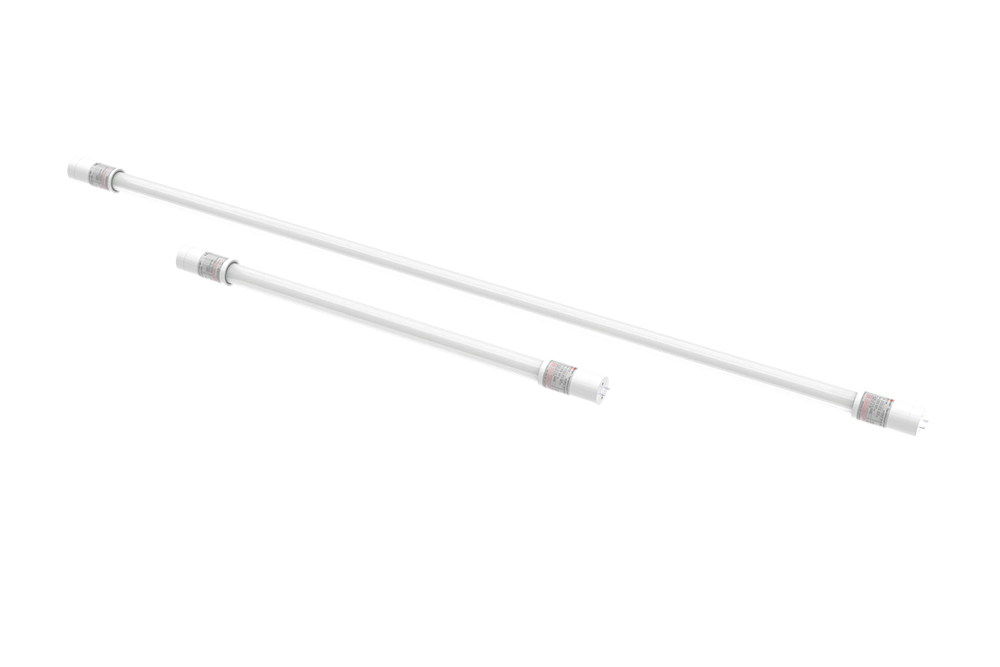
ATEX: Ex II 2G Ex d e IIB T6 Gb ATEX: Ex d e IIB T6 Gb; Feature: ● For Zone 1,2● 9W can replace 18W fluorescent lamps,50% Energy saving Application: Oil and gas, marine, Chemical, pharmaceutical, semiconductor,mining,military industry, paint booth,power plant ETC hazardous area. Technical Specifications: Standards:60079-0, 60079-1, 60079…
View details
Do LED lights get hot? Learn how much heat LED lights produce, where the heat goes, and whether LED lights are safe to touch in home and commercial lighting applications.
View details
What is Class 1 Div 2 LED lighting? Learn how Class 1 Division 2 hazardous location LED fixtures improve safety in oil, gas, chemical, and industrial facilities.
View details
Zone 1 LED floodlight solutions deliver certified safety, reliable performance, and powerful illumination for hazardous industrial environments and explosive gas zones.
View details
In hazardous locations such as petroleum, chemical plants, coal mines and pharmaceutical facilities, the installation method of explosion-proof lights directly affects lighting performance, operational safety and later maintenance. Different sites...
View details