 Seeking LED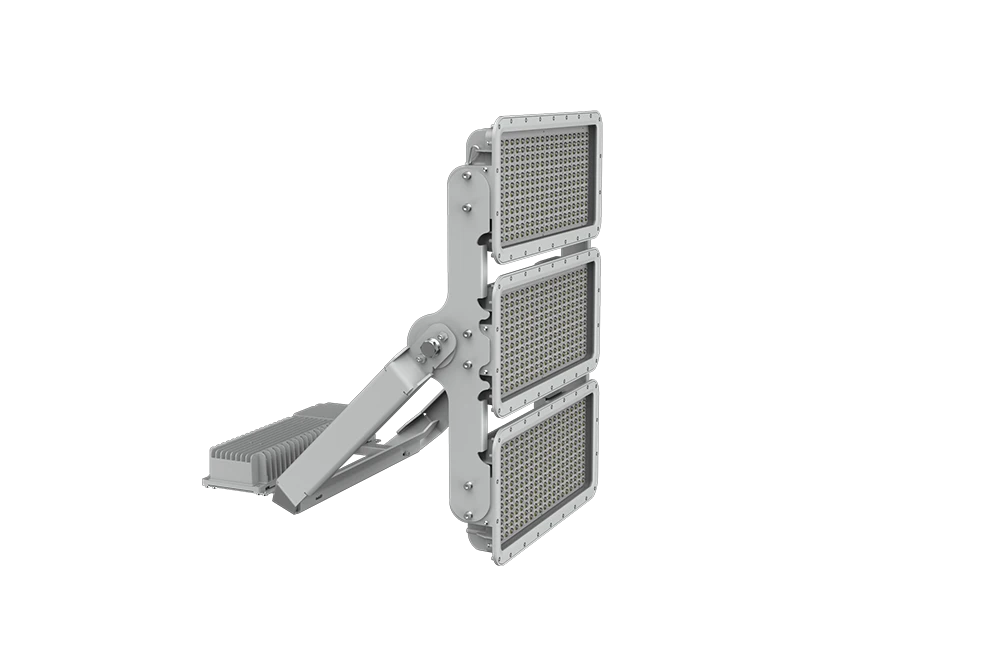
Explosion Proof Lamp Supplier for Hazardous Industrial Applications
0Explosion proof lamp supplier for hazardous industries. Reliable, certified lighting solutions with proven performance by SEEKINGLED.
View detailsSearch the whole station
If you’re asking why is my LED flood light strobing, the explanation is usually electrical rather than mechanical. Something in the power supply, driver circuit, or control system is interrupting the steady flow of current.
LEDs work on stable current. Break that stability — even slightly — and the light starts pulsing.
Sometimes slowly. Sometimes so fast it almost looks like flicker instead of strobing.
And yes, it can start happening even with a relatively new flood light.
The first thing I usually investigate when someone asks why is my LED flood light strobing is the electrical supply.
Outdoor lighting rarely runs on perfectly stable power. Large equipment on the same circuit can cause voltage fluctuations — air conditioners, compressors, pumps, even heavy machinery in nearby buildings.
When voltage rises and falls rapidly, the LED driver struggles to maintain consistent output.
Instead of a steady beam, the driver pushes pulses of current.
To your eyes, that becomes strobing.
I once checked a lighting system in a loading yard where several flood lights pulsed every few seconds. The lights weren’t faulty at all. A refrigeration unit nearby was pulling huge startup current.
Separate the circuits, and the strobing disappeared.
The driver is essentially the control center of an LED flood light. It converts AC voltage into regulated current for the LED chips.
If the driver starts failing, its current output becomes unstable.
That instability is exactly what causes strobing.
Research from the U.S. Department of Energy Solid-State Lighting reliability studies consistently shows that drivers are one of the most common failure points in LED fixtures. Capacitors inside the driver degrade over time, especially under heat stress.
Flood lights installed outdoors deal with heat every day. Sunlight during the afternoon, then long operating hours at night.
Without good thermal design, drivers age faster than expected.
Many professional fixtures — including those from SEEKINGLED — use larger aluminum housings to help dissipate heat away from the driver. Lower internal temperatures significantly reduce electronic instability.
It’s not marketing. It’s basic physics.
Another reason why my LED flood light strobing happens is something very simple: a poor electrical connection.
Outdoor wiring experiences vibration, temperature shifts, and moisture exposure. Over time, screws loosen or contacts corrode.
When current flow becomes inconsistent, the driver repeatedly starts and stops.
The light pulses.
I’ve seen installers replace perfectly good flood lights simply because they didn’t check the junction box first. Tighten a connection — problem gone.
It’s always worth checking before replacing equipment.
Security flood lights frequently include motion detectors or photocells. These components can also cause strobe-like behavior.
If a motion sensor repeatedly detects movement — even small environmental changes — the light may cycle on and off rapidly.
Common triggers include:
Sometimes the cause is surprisingly small. A spider web across the sensor lens can continuously trigger motion detection.
That situation looks exactly like strobing from a distance.
Another possible explanation for why is my LED flood light strobing is dimming compatibility.
LED drivers require specific control signals. When connected to incompatible dimmers — especially older halogen dimmers — the driver may misinterpret the signal.
Instead of producing stable brightness, it cycles rapidly.
The light appears to strobe.
This problem became more common during early LED adoption when many lighting systems were upgraded without replacing dimmer controls.
Thermal management matters more than people think.
When driver electronics overheat, protection circuits sometimes trigger temporary shutdowns to prevent damage. The driver restarts, overheats again, then shuts down again.
The cycle repeats.
To the observer, the flood light appears to strobe.
Better flood lights use thicker aluminum housings and larger heat sinks to manage heat more effectively. Again, this is an area where higher-quality lighting products — such as many SEEKINGLED LED flood lights — are designed with long-term stability in mind.
Because outdoor lighting is expected to run for thousands of hours without interruption.
So, why is my LED flood light strobing?
Most of the time the answer involves electrical stability: fluctuating voltage, aging drivers, loose wiring, or sensor interference.
LED chips themselves are rarely responsible.
A well-designed flood light with stable drivers and good thermal management should deliver steady illumination for years. That’s why manufacturers like SEEKINGLED place so much emphasis on driver reliability and heat dissipation in their outdoor lighting products.
Because once a flood light is mounted high on a wall, pole, or building — no one wants to climb back up there just to stop it from strobing.
Sports Stadium LED Lighting by SEEKINGLED delivers high mast illumination, precise beam control, and EN 12193 compliant performance for professional venues.
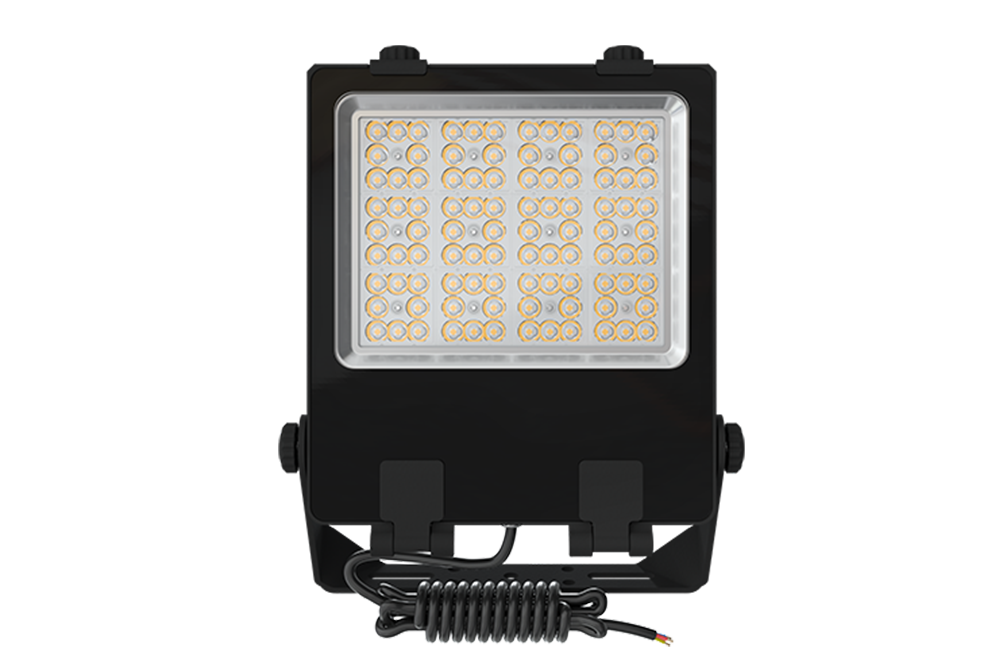
SEEKING FLX Series LED flood light outdoor for sports courts and open-area projects with 170lm/W efficiency, IP66 protection and multiple beam distributions. Designed for long-life commercial and public outdoor use.
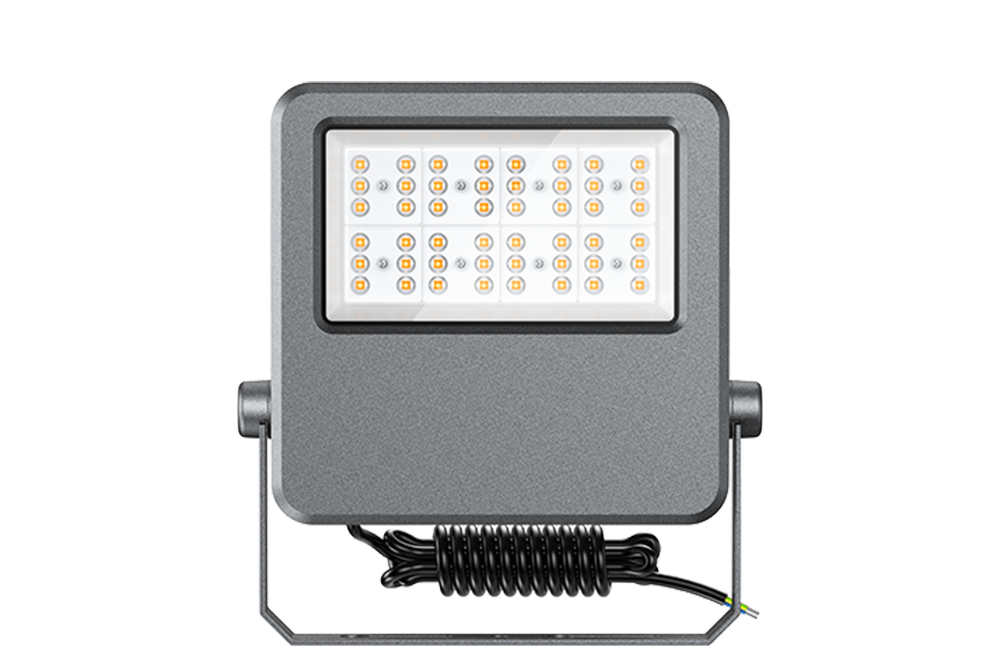
SEEKING FLE Series LED outdoor flood lights for sports grounds and open areas with multiple beam angles, IP66 protection and up to 170lm/W. Designed for long-life outdoor installations with professional driver options.
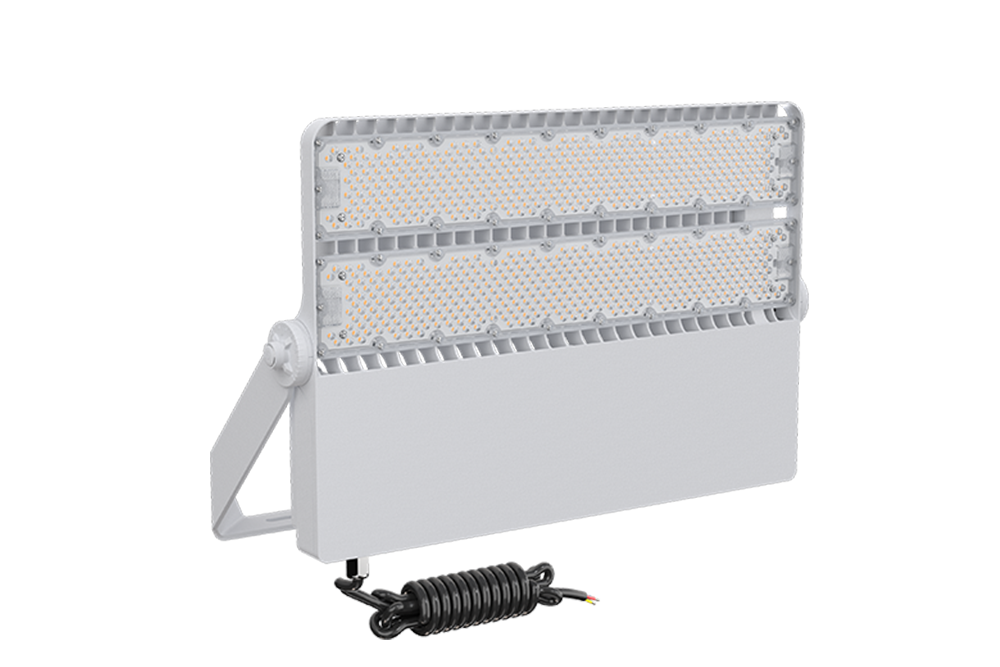
SEEKING FLD Series outdoor LED flood lights and high power led flood light deliver up to 960W with precision beam angles for sports fields, stadiums and large outdoor areas. IK08 & IP66 protection, 170lm/W efficiency and 100,000h lifetime.
loading…
This is the last post!

Explosion proof lamp supplier for hazardous industries. Reliable, certified lighting solutions with proven performance by SEEKINGLED.
View details
Some flood lights have motion sensors, but not all. Motion-controlled models activate when movement is detected and are useful where lighting demand is inter...
View details
Can LED street lights be dimmed? Learn how LED street lighting dimming works, when it makes sense, and what really matters in real projects.
View details
Learn how to identify qualified explosion-proof lights by checking Ex markings, ATEX certificate numbers, temperature class, and manufacturer details.
View details