 Seeking LED
Are LED Street Lights Low Voltage Safe to Touch?
239Are LED street lights low voltage safe to touch? This article explains real-world safety risks, wiring facts, and what low voltage actually means in street lighting.
View detailsSearch the whole station
ATEX approved lighting is specifically designed and certified for use in potentially explosive atmospheres where flammable gases, vapors, dust, or fibers may be present. Properly selected ATEX approved lighting reduces ignition risks, improves visibility, and helps facilities comply with European hazardous area regulations.
I learned this lesson the hard way several years ago while walking through a petrochemical terminal during a lighting audit.
The original floodlights looked perfectly fine from a distance.
From twenty meters away, they appeared rugged, bright, and expensive.
Up close, the story changed.
Certification labels were missing.
Cable entries had been modified.
One fixture had accumulated corrosion around the enclosure threads.
The site manager later admitted that several luminaires had been replaced with standard industrial models during emergency maintenance.
That discovery triggered a complete lighting review across the facility.
The experience reinforced something many engineers already know:
In hazardous locations, brightness alone means almost nothing.
Certification matters.
Construction matters.
Temperature classification matters.
And ATEX approval matters most of all.
ATEX originates from the French term:
“Atmosphères Explosibles.”
The framework governs equipment used in explosive atmospheres throughout the European Union.
ATEX lighting is designed so it cannot become an ignition source under specified operating conditions.
The certification system is based primarily on:
According to the European Commission, equipment installed in explosive atmospheres must comply with ATEX requirements before being placed on the EU market.
Source:
European Commission
https://single-market-economy.ec.europa.eu
Many facilities still assume heavy-duty industrial fixtures can survive hazardous environments.
Sometimes they can survive.
That is not the same as being safe.
An ordinary LED fixture may generate:
Inside a refinery or chemical processing plant, a single ignition source can become catastrophic.
The U.S. Chemical Safety Board has repeatedly documented incidents involving ignition of flammable atmospheres during maintenance and operational activities.
Source:
U.S. Chemical Safety Board (CSB)
The problem is not usually the light itself.
The problem is what happens when something goes wrong.
ATEX approved lighting is engineered specifically for those failure scenarios.
The list is much longer than most people expect.
Many people think only oil refineries require hazardous area lighting.
Reality is different.
Today I regularly see ATEX approved lighting installed in:
Dust explosions remain an underestimated hazard.
Facilities handling:
may require certified lighting depending on risk assessments.
According to the U.S. Occupational Safety and Health Administration (OSHA), combustible dust hazards have caused numerous industrial explosions worldwide.
Source:
OSHA Combustible Dust National Emphasis Program
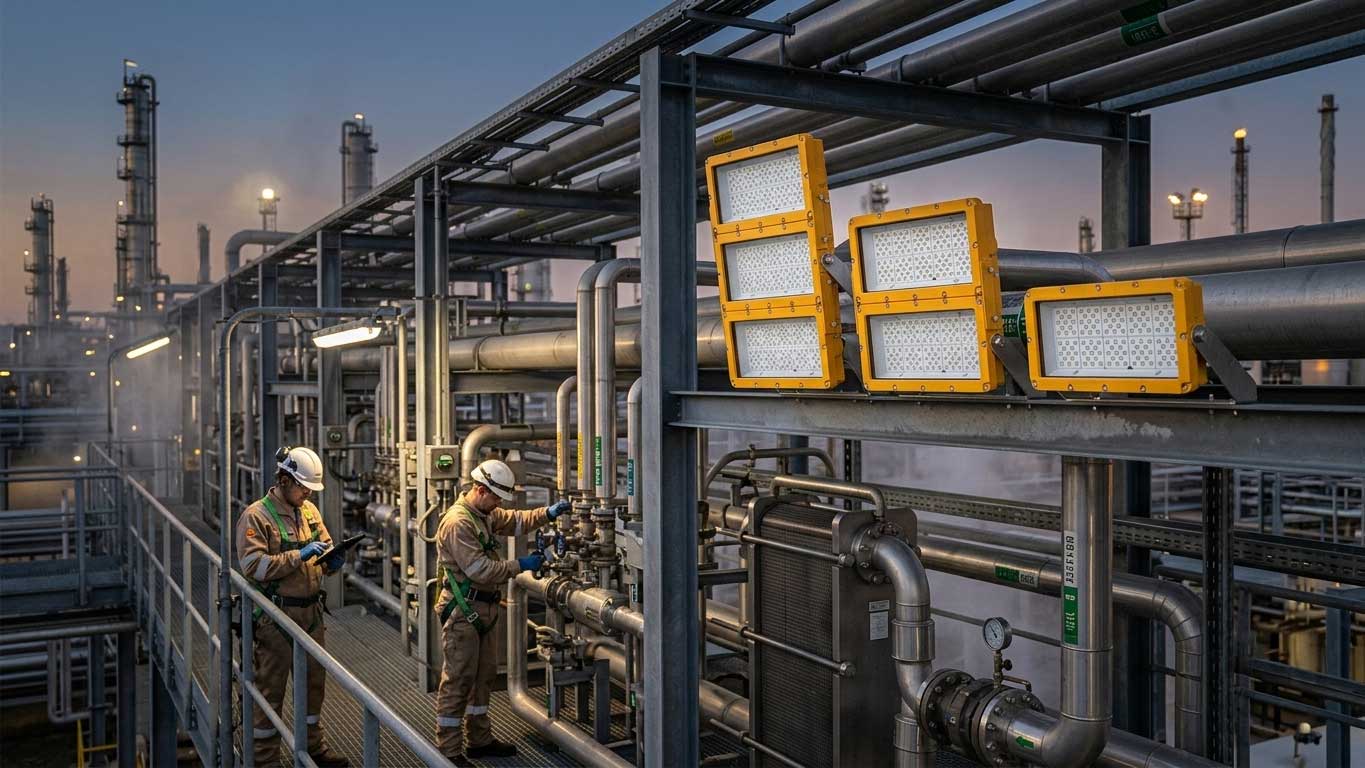
One mistake appears repeatedly during project consultations.
People focus on wattage before understanding zones.
The zone classification determines whether a fixture can legally and safely be installed.
| Zone | Risk Level | Hazard Presence |
|---|---|---|
| Zone 0 | Highest | Explosive gas continuously present |
| Zone 1 | High | Explosive gas likely during normal operation |
| Zone 2 | Moderate | Explosive gas unlikely, short duration only |
For combustible dust:
| Zone | Dust Hazard |
|---|---|
| Zone 20 | Continuous dust cloud |
| Zone 21 | Dust occasionally present |
| Zone 22 | Dust abnormal or infrequent |
ATEX approved lighting is certified for specific zones.
A Zone 2 fixture cannot automatically be installed in Zone 1.
This sounds obvious.
Yet it remains one of the most common specification mistakes I encounter.
Certification labels often contain abbreviations that confuse buyers.
The protection concept explains how ignition risks are controlled.
Perhaps the most familiar protection method.
The enclosure is designed to contain an internal explosion and prevent flame transmission outside the housing.
Typical applications:
Designed to minimize spark generation and excessive temperatures.
Commonly used where ignition sources can be eliminated through design improvements.
Often found in Zone 2 applications.
Provides protection under normal operating conditions.
Used in combustible dust environments.
Prevents dust ingress and controls external surface temperature.
The certification label is only part of the story.
Over the years I’ve inspected hundreds of hazardous-area luminaires.
Certain details consistently reveal quality.
Heat is the enemy of LED longevity.
A well-engineered fixture uses:
Poor thermal design shortens driver life dramatically.
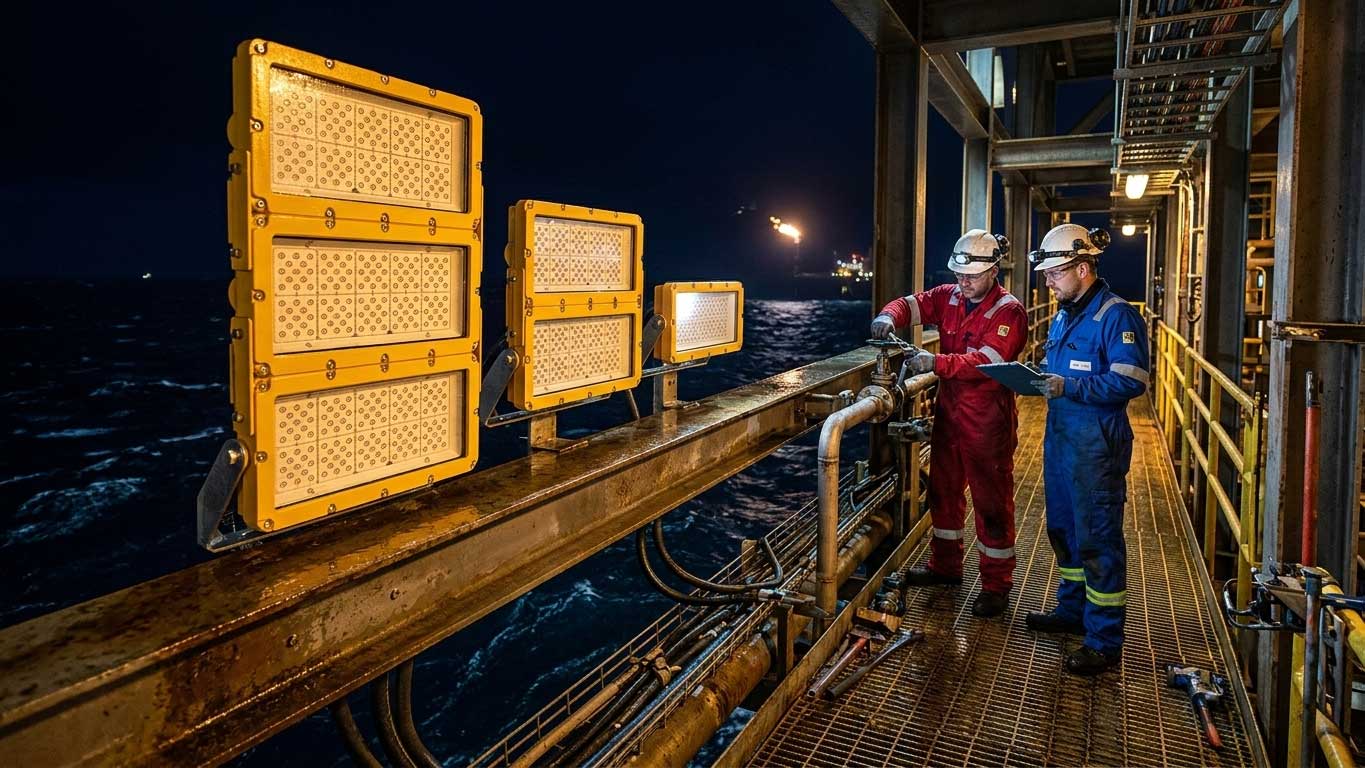
Offshore environments are ruthless.
Salt spray attacks everything.
The best fixtures typically use:
A surprisingly common issue is excessive brightness combined with poor visibility.
Good optics create usable illumination.
Bad optics create glare.
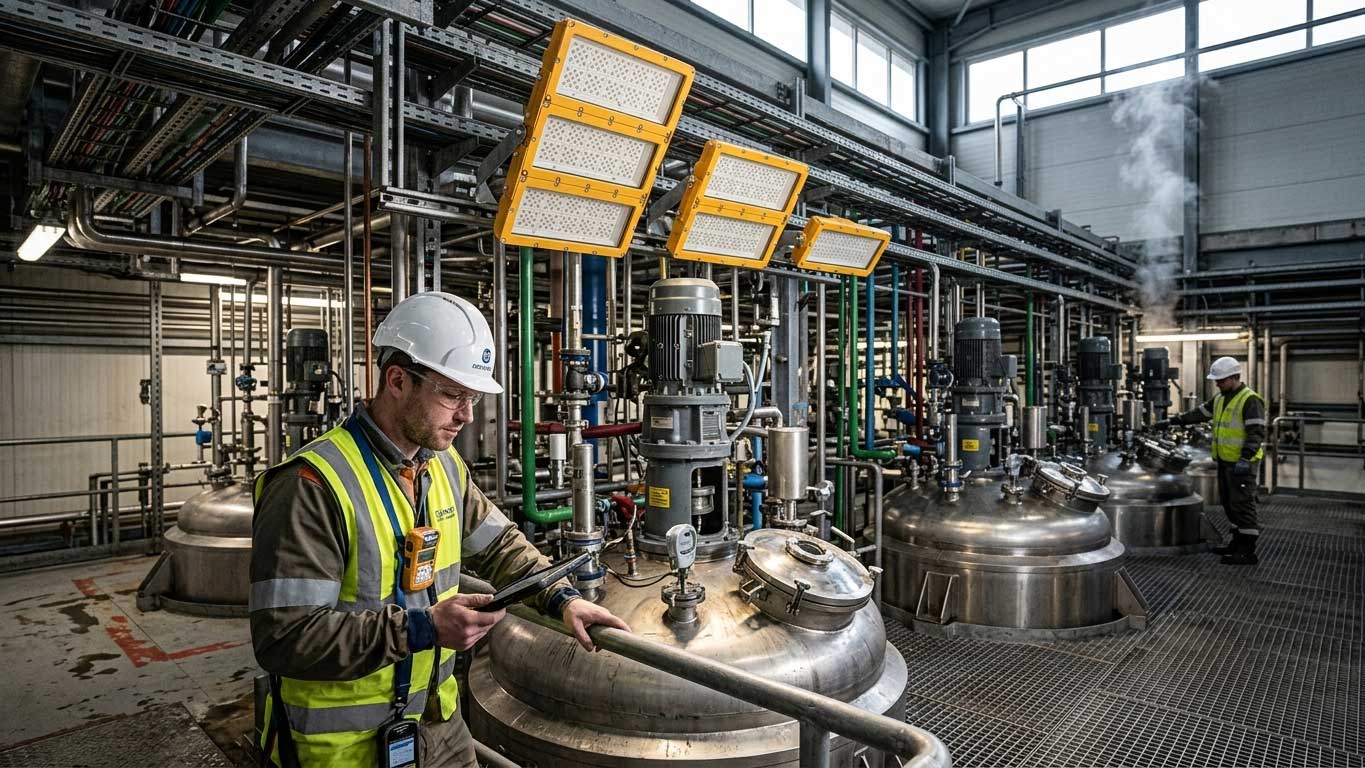
Engineers working around pumps, valves, and gauges quickly notice the difference.
Many procurement teams ask whether ATEX and IECEx are the same.
Not exactly.
They are closely related but serve different regulatory purposes.
| Feature | ATEX | IECEx |
|---|---|---|
| Region | European Union | Global |
| Legal Requirement | Mandatory in EU | Voluntary certification system |
| Standards Base | EN IEC 60079 | IEC 60079 |
| Market Focus | Europe | International |
For multinational operators, dual-certified products are increasingly preferred.
A single luminaire may carry both ATEX and IECEx certification, simplifying global deployment.
This is where many projects go off track.
Not because engineers do not understand hazardous areas.
Usually because purchasing teams receive incomplete information.
A specification sheet arrives with only three requirements:
That is nowhere near enough.
I normally start with five questions before recommending any fixture.
This determines everything.
A Zone 1 requirement immediately narrows the available products.
Installing a Zone 2 fixture in a Zone 1 area is not simply a performance issue. It becomes a compliance issue.
The protection method changes significantly.
Examples:
| Hazard Type | Typical Marking |
|---|---|
| Gas | Ex db IIC |
| Dust | Ex tb IIIC |
Many facilities contain both hazards.
I’ve seen grain-processing sites with combustible dust around conveyors while solvent-based cleaning chemicals created additional vapor risks nearby.
One site. Two hazards. Different lighting requirements.
This question gets ignored surprisingly often.
A floodlight that performs perfectly at 25°C may behave differently at 55°C.
Middle East petrochemical projects regularly specify:
rated equipment.
Temperature ratings must always match actual site conditions.
A floodlight mounted:
requires completely different optics.
More wattage does not automatically solve poor light distribution.
Near the coast, corrosion becomes the hidden killer.
I once inspected two similar lighting installations.
One was five years old.
The other was only eighteen months old.
The younger installation looked worse.
Why?
Cheap hardware.
Several mounting bolts already showed visible corrosion.
The lesson was obvious.
Certification matters.
Construction quality matters too.
The most expensive fixture is not necessarily the best fixture.
Likewise, the cheapest fixture often becomes the most expensive decision.
Many buyers search:
“100W hazardous area light”
and stop there.
A better question is:
“What illumination level do I need?”
Lux calculations should come first.
Fixture wattage comes second.
I’ve seen two 150W floodlights produce dramatically different site visibility.
One illuminated equipment.
The other illuminated the sky.
Optics matter.
According to the U.S. Department of Energy, LED systems can significantly reduce energy and maintenance costs compared with traditional lighting technologies.
Source:
U.S. Department of Energy
In hazardous locations, maintenance often costs more than equipment.
A technician may need:
Reducing maintenance visits creates real savings.
Always request:
If documentation cannot be supplied, walk away.
Lighting budgets rarely end at purchase.
Most facility managers know this.
The real cost arrives years later.
Let’s compare a typical installation.
| Item | Legacy HID Floodlight | Modern ATEX LED |
|---|---|---|
| Rated Power | 250W | 100W |
| Lamp Changes | Frequent | Minimal |
| Warm-Up Time | Several Minutes | Instant |
| Maintenance Cost | High | Lower |
| Energy Use | Higher | Lower |
Over thousands of operating hours, the savings become substantial.
A refinery operating hundreds of fixtures can reduce energy consumption dramatically after upgrading older systems.
That is why many hazardous-area retrofits today are driven by lifecycle economics rather than simply lighting performance.
The most valuable lessons rarely come from brochures.
They come from field failures.
One offshore operator contacted our team after replacing several floodlights from another supplier.
The fixtures were technically certified.
On paper, everything looked acceptable.
Yet after two winters offshore, corrosion appeared around mounting hardware and external components.
The certification remained valid.
The fixtures remained operational.
But maintenance teams had already lost confidence.
When equipment is mounted thirty meters above a process deck, confidence matters.
Engineers want products they do not need to think about.
That project reinforced a simple principle:
The best ATEX approved lighting is not merely certified.
It remains dependable after years of vibration, salt exposure, temperature swings, and constant operation.
Different markets use different terminology.
This often creates confusion during international projects.
| Region | Common Standard |
|---|---|
| European Union | ATEX |
| International | IECEx |
| United States | NEC Class/Division |
| Canada | CEC Hazardous Locations |
Many multinational operators now prefer products carrying:
This simplifies approvals across multiple regions.
Ten years ago, the conversation centered on lamp replacement.
Today it focuses on risk reduction.
Modern ATEX approved lighting provides:
The result is fewer interventions in hazardous areas.
That alone can justify the investment.
Within the European Union, equipment used in explosive atmospheres generally must comply with ATEX requirements. Local regulations and risk assessments determine exact requirements.
Yes.
Many certified luminaires are specifically designed for outdoor environments including offshore platforms, tank farms, refineries, and marine terminals.
ATEX refers to a European certification framework.
Explosion proof usually refers to a protection concept or North American classification approach.
The terms are related but not identical.
High-quality LED fixtures commonly achieve L70 lifetimes exceeding 50,000 hours, with premium models often reaching 100,000 hours under suitable operating conditions.
Neither is inherently better.
ATEX is mandatory for EU markets.
IECEx is internationally recognized and often preferred for global projects.
Direct access to product page:ATEX Approved Explosion proof Lighting
After spending years around refineries, chemical plants, LNG terminals, offshore platforms, and bulk material handling facilities, I have become cautious whenever someone describes hazardous-area lighting as “just another floodlight.”
It never is.
A properly selected ATEX approved lighting system represents far more than illumination.
It reflects engineering discipline, regulatory compliance, maintenance strategy, and operational safety.
The facilities with the fewest lighting problems are rarely the ones that bought the cheapest fixtures.
They are usually the facilities that spent more time understanding the environment before choosing the equipment.
That difference becomes obvious five years later.
And in hazardous locations, five years arrives faster than most people expect.
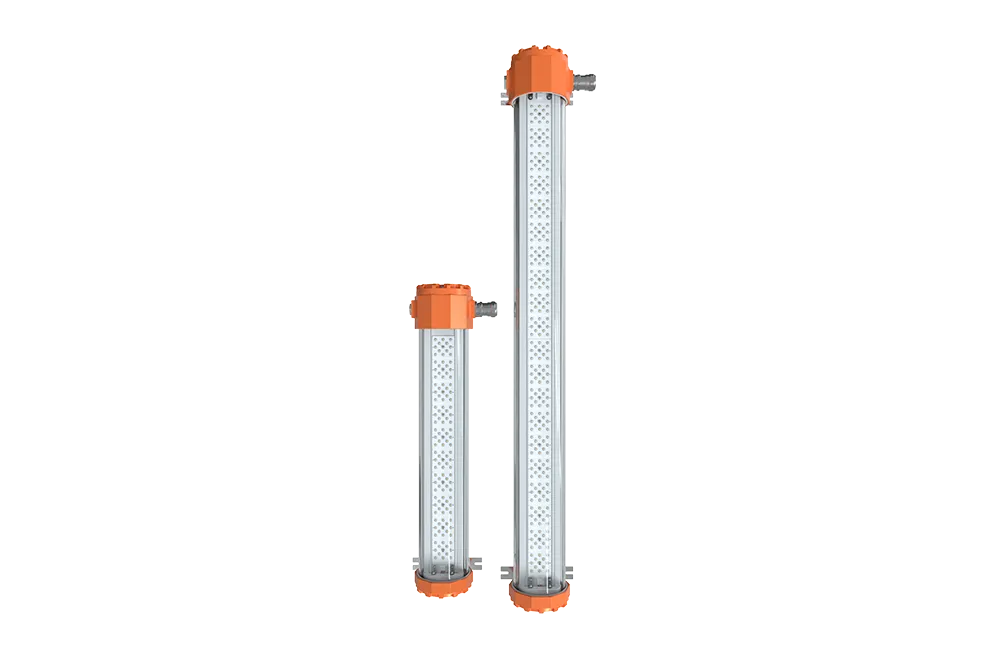
SEEKINGLED LED Linear Explosion Proof Light and Explosion Proof lighting is ATEX and IECEx certified for Zone 1, Zone 2, Zone 21 and Zone 22 hazardous locations, built for long-term industrial use.
View details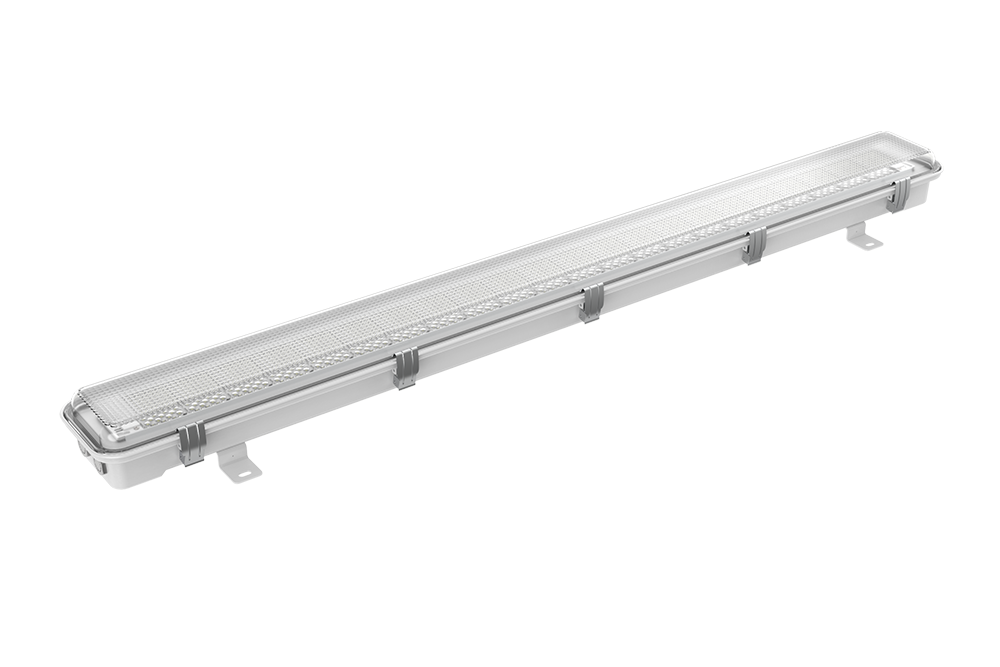
LED Linear Explosion Proof Lights and EX Proof lights for Zone 1, Zone 2, Zone 21 and Zone 22 hazardous areas. ATEX & IECEx certified explosion proof LED linear lighting with emergency function, adjustable power and IP67 protection by SEEKINGLED.
View details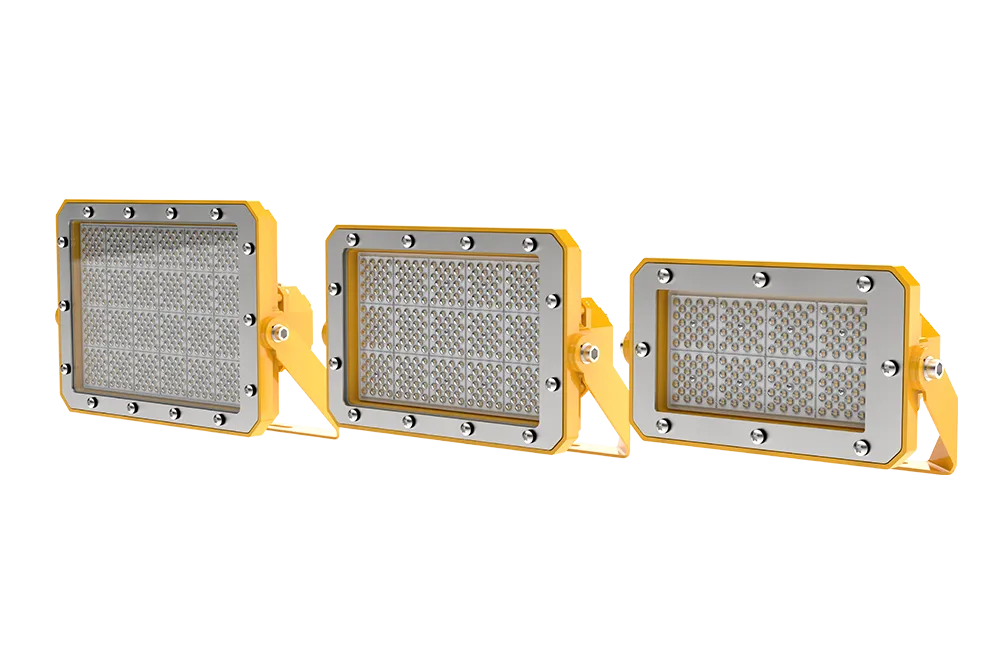
SEEKINGLED LED Explosion Proof Flood Lights are ATEX certified for Zone 2 and Zone 22 hazardous areas, offering high efficiency, adjustable power and integrated junction box.
View details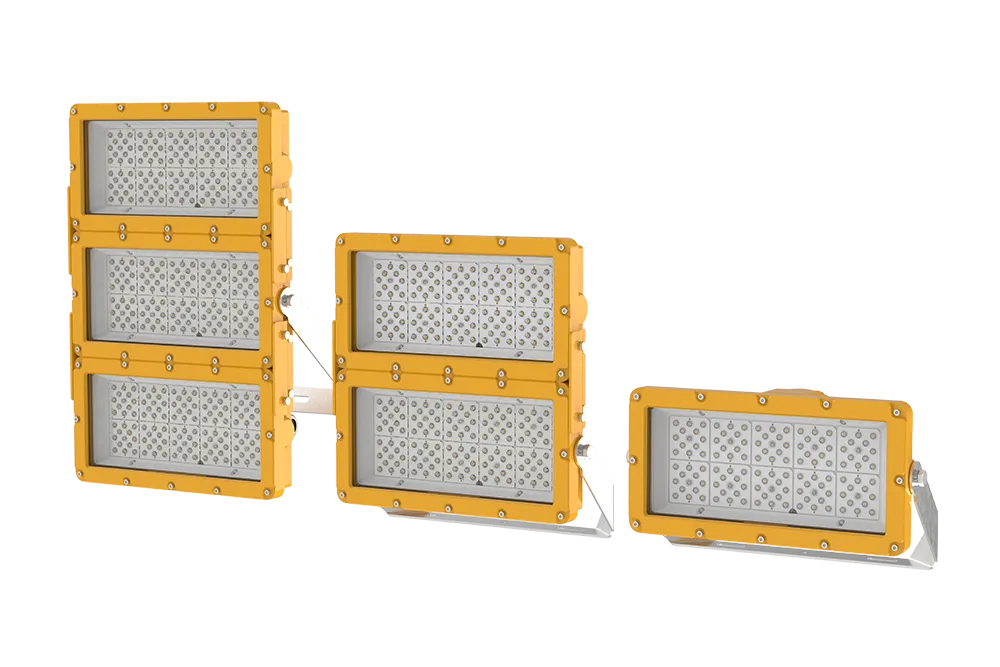
SEEKINGLED LED Explosion Proof Flood Lights are flameproof ATEX and IECEx certified for Zone 1 and Zone 2 hazardous areas, offering high power, adjustable output and long service life.
View details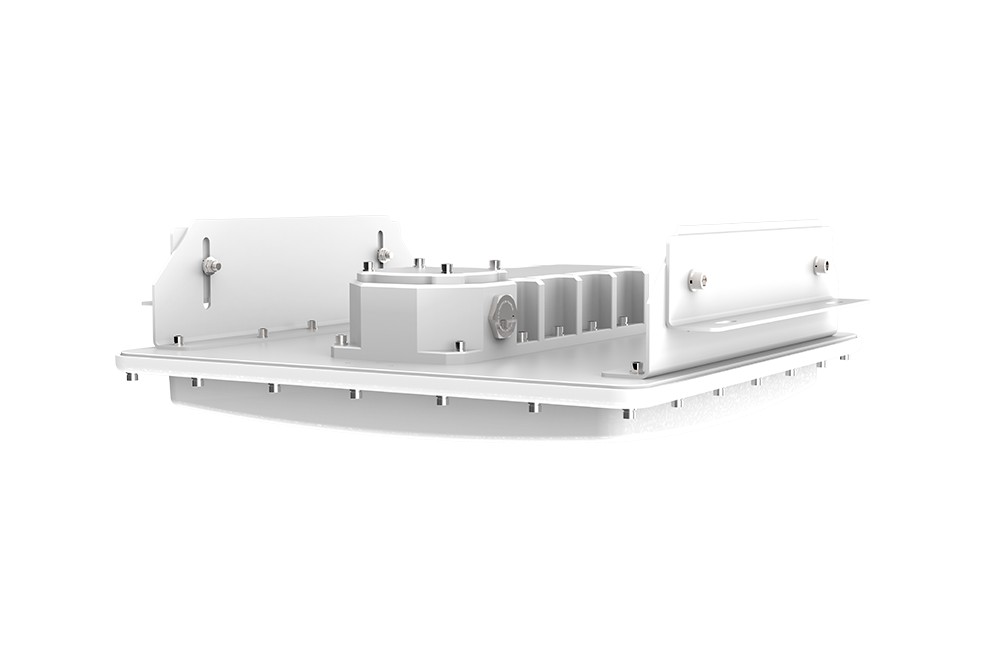
SEEKINGLED LED Gas Station Canopy Lights are ATEX certified for Zone 2 and Zone 22 hazardous areas, featuring adjustable power and built-in explosion-proof junction box.
View details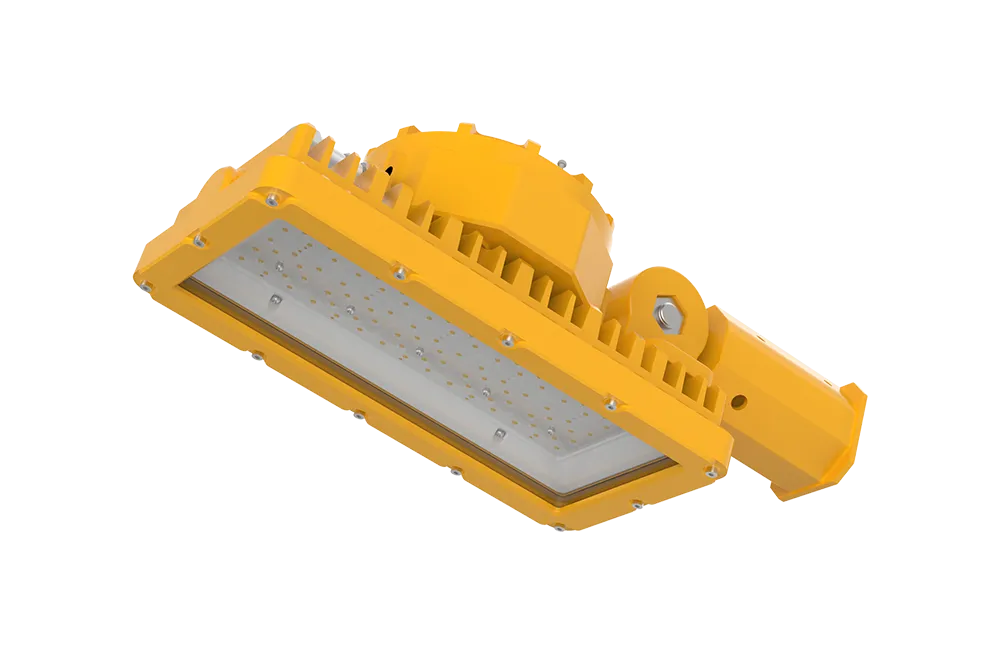
ATEX: Ex II 2G Ex db IIB T6/T5 GbEx II 2D Ex tb IIIC T80°C/ T95°C Db IECEx Ex db IIB T6 Gb;Ex tb IIIC T80°C Db Feature: ● For Zone 1,2 and Zone 21,22● Flameproof type, the strongest● 100W can replace 250W HID,energy saving● Power:60W,80W,100W Application: Oil and gas, marine, Chemical, pharmaceutical, semiconductor,mining,military industr…
View details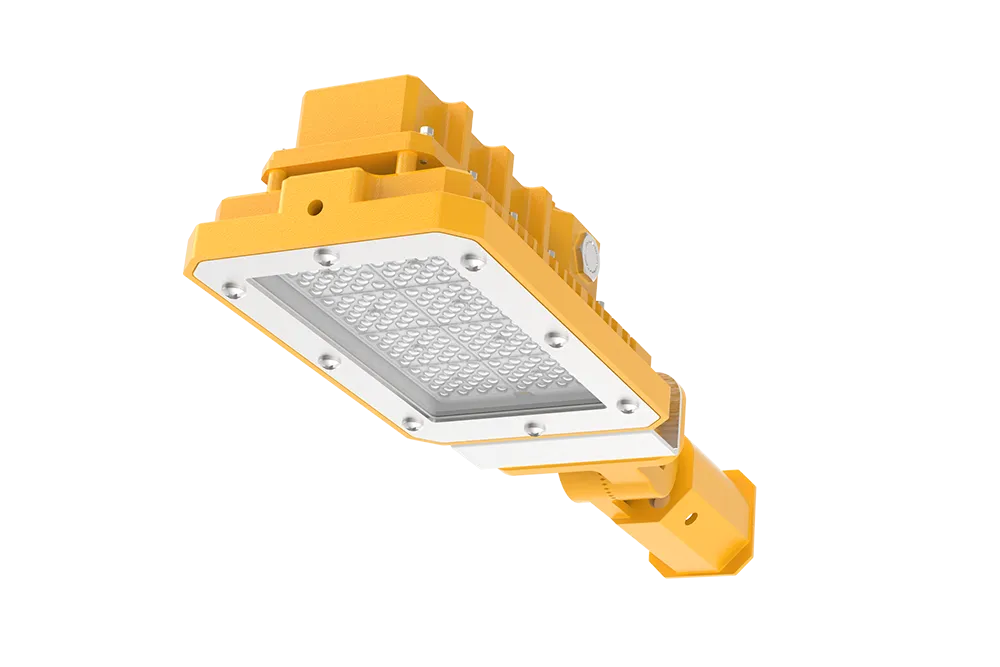
ATEX: II 3G Ex nR ⅡC T5/T6 GcII 3D Ex tc ⅢC T80℃/T95℃Dc ATEX Certificate NO: TÜV CY 26 ATEX 0207611 X Feature: ● For Zone 2 and Zone 22● 150W can replace 250W HID lamps,Energy saving● Power:50W,75W,100W,150W,200W Application: Oil and gas, marine, Chemical, pharmaceutical, semiconductor,mining,military industry, paint booth,power plant ETC…
View details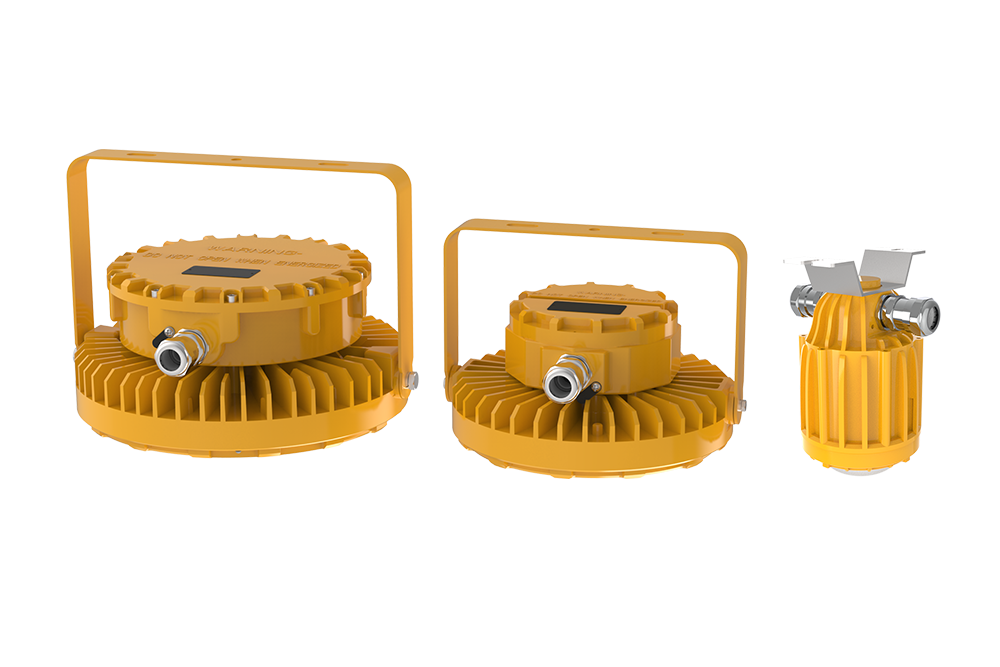
LED explosion proof high bay lights are designed for Zone 1, Zone 2, Zone 21 and Zone 22 hazardous areas. This page introduces the HB21 Series from SEEKING, including certifications, power options and real application considerations.
View details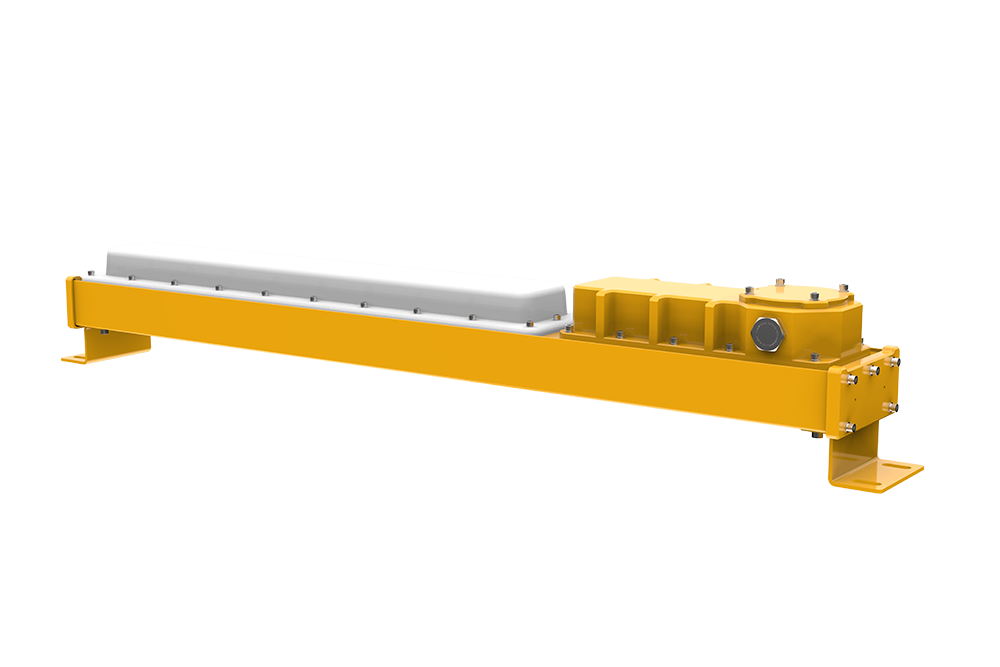
LED Linear Explosion Proof Lights from SEEKINGLED. LU Series Flame Proof lights ATEX-certified explosion proof LED linear lighting for Zone 2 gas and Zone 22 dust areas, IP69K, IK10, long lifetime and flexible power options.
View details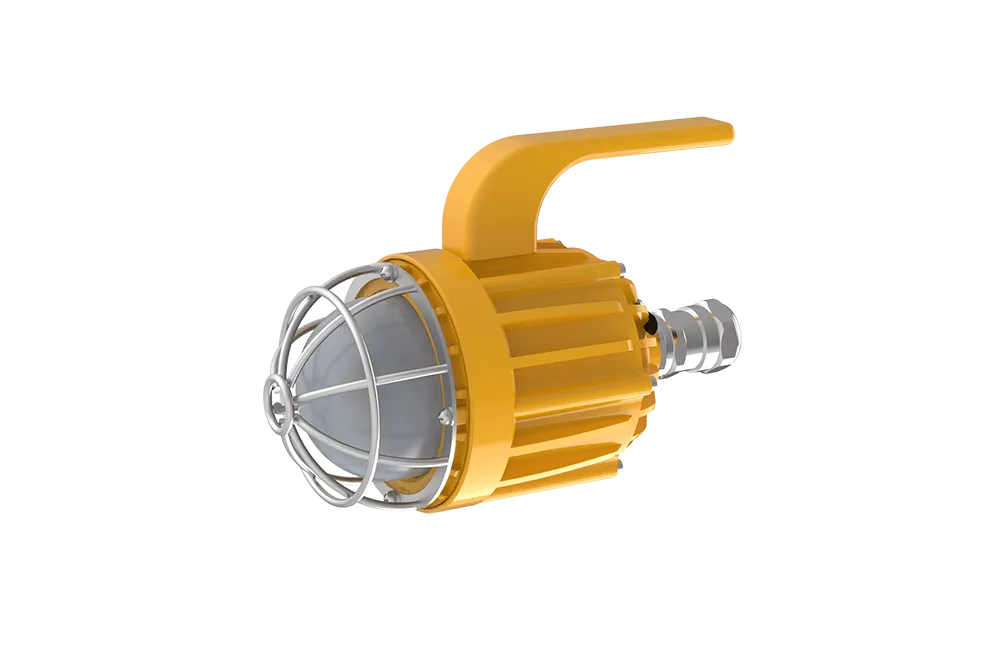
Certified explosion proof work lights for Zone 1 & 21 hazardous areas. Portable, ATEX & IECEx approved, built for oil, gas and chemical plants by SEEKINGLED.
View details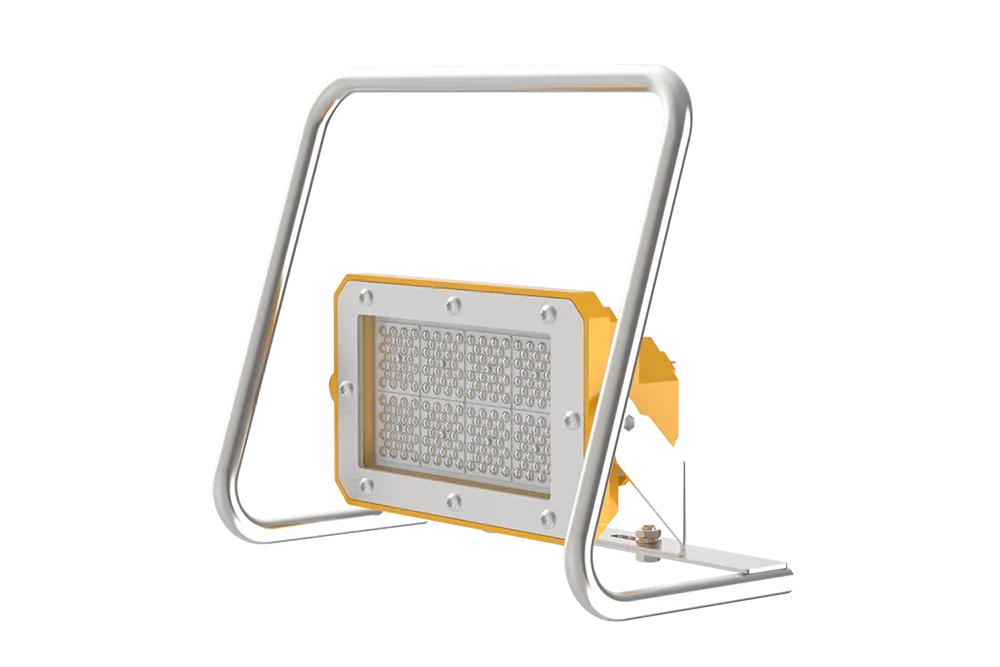
ATEX: II 3G Ex nR ⅡC T6 GcII 3D Ex tc ⅢC T80℃ Dc ATEX Certificate NO: TÜV CY 26 ATEX 0207611 X Feature: ● For Zone 2 and Zone 22● Accepts battery-powered supply● indestructible● Power:AC input:50W,75W,100WDC input:15W,25W,35W Application: Oil and gas, marine, Chemical, pharmaceutical, semiconductor,mining,military industry, paint booth,po…
View details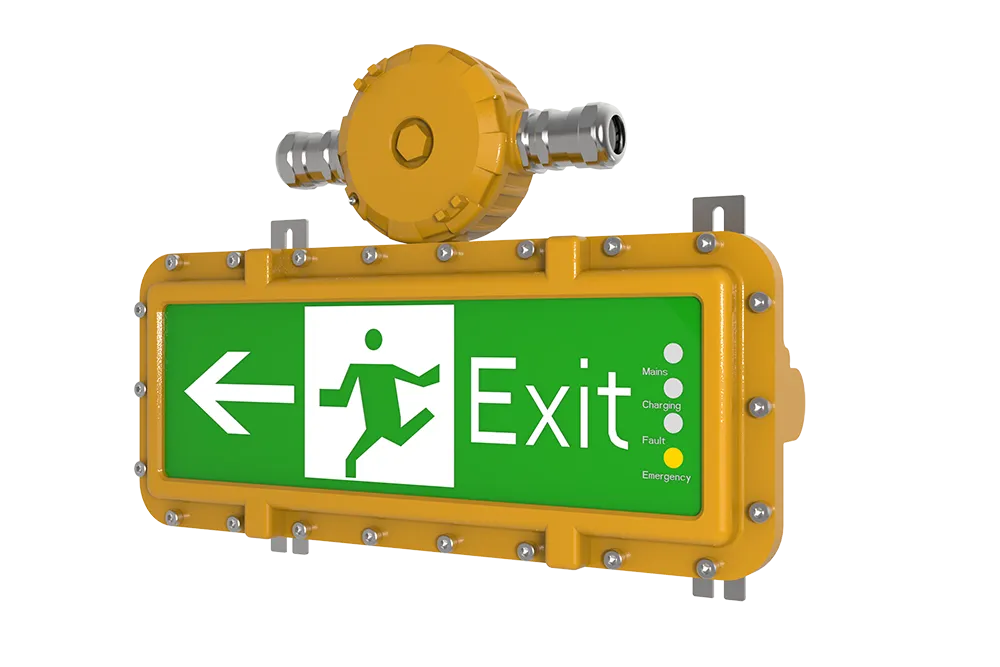
ATEX: Ex II 2G Ex db IIB T6 GbEx II 2D Ex tb IIIC T80°C Db IECEx Ex db IIB T6 Gb;Ex tb IIIC T80°C Db Feature: ● For Zone 1,2 and Zone 21,22● Flameproof type, the strongest Application: Oil and gas, marine, Chemical, pharmaceutical, semiconductor,mining,military industry, paint booth,power plant ETC hazardous area. Technical Specifications:…
View details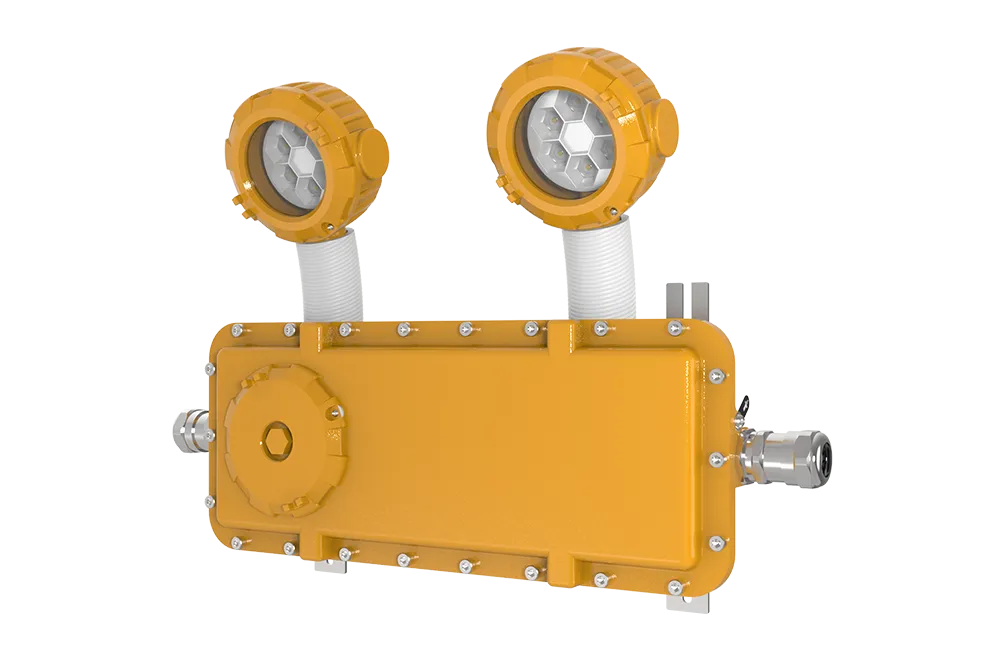
ATEX: Ex II 2G Ex db IIB T6 GbEx II 2D Ex tb IIIC T80°C Db IECEx Ex db IIB T6 Gb;Ex tb IIIC T80°C Db Feature: ● For Zone 1,2 and Zone 21,22● Flameproof type, the strongest Application: Oil and gas, marine, Chemical, pharmaceutical, semiconductor,mining,military industry, paint booth,power plant ETC hazardous area. Technical Specifications:…
View details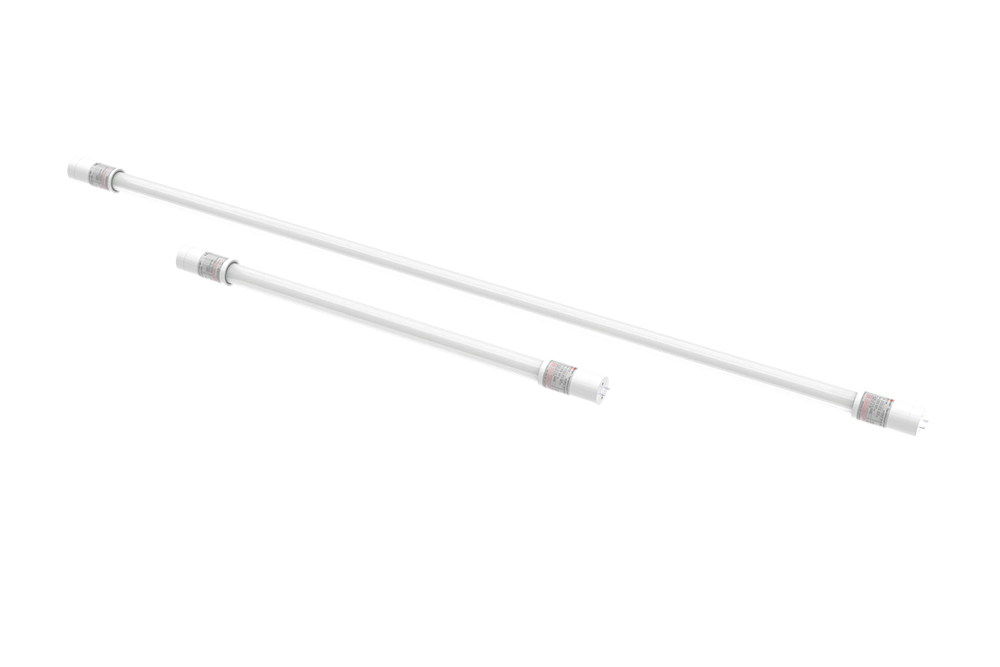
ATEX: Ex II 2G Ex d e IIB T6 Gb ATEX: Ex d e IIB T6 Gb; Feature: ● For Zone 1,2● 9W can replace 18W fluorescent lamps,50% Energy saving Application: Oil and gas, marine, Chemical, pharmaceutical, semiconductor,mining,military industry, paint booth,power plant ETC hazardous area. Technical Specifications: Standards:60079-0, 60079-1, 60079…
View details
Are LED street lights low voltage safe to touch? This article explains real-world safety risks, wiring facts, and what low voltage actually means in street lighting.
View details
What wattage for outdoor LED flood lights is actually needed? A practical guide based on outdoor use, not lab numbers.
View details
Are LED light bars street legal for public roads? Learn how regulations work, when they are allowed, and how proper LED street lights like SEEKINGLED STA Series stay compliant.
View details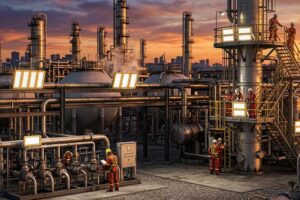
Discover how hazardous location LED lights improve safety, reduce maintenance costs, and meet ATEX, IECEx, and UL requirements for explosive industrial environments.
View details