 Seeking LED
Industrial Explosion Proof Lighting: Real Safety and Performance Guide
0Industrial explosion proof lighting explained with real certifications, lumens, and field insights. Learn how SEEKINGLED ensures safety in hazardous environments.
View detailsSearch the whole station
ATEX light fittings are certified lighting fixtures designed for hazardous areas where flammable gases, vapors, dust, or combustible particles may be present. Properly selected ATEX light fittings help prevent ignition risks while providing reliable illumination in industries such as oil and gas, chemical processing, mining, and marine facilities.
There is a moment that tends to repeat itself across industrial sites.
It may happen at a refinery in Texas. A fuel storage terminal in Rotterdam. A chemical blending facility somewhere outside Manchester.
A maintenance engineer stands beneath a floodlight mounted fifteen meters above grade. Production is still running. Pumps are humming. Vapors are present somewhere within the process area.
The question is never:
“How bright is this fixture?”
The question is:
“Can we trust it here?”
That distinction matters.
Because in hazardous locations, lighting is not primarily an illumination product. It is a safety component.
After spending years around classified industrial environments and reviewing hundreds of hazardous-area lighting projects, I’ve noticed that the best engineers rarely begin with lumens. They begin with risk classification.
And that is exactly where the conversation about ATEX light fittings should start.
ATEX light fittings are lighting fixtures certified for use in potentially explosive atmospheres under the European Union’s ATEX framework.
The term “ATEX” originates from the French phrase:
ATmosphères EXplosibles
The certification system is governed primarily by:
Official source:
European Commission
https://single-market-economy.ec.europa.eu
Unlike conventional industrial luminaires, ATEX-certified fixtures are designed to prevent electrical equipment from becoming an ignition source.
That sounds simple.
In reality, achieving that certification is anything but simple.
Every component—from cable entries to housing materials, gaskets, thermal management systems, drivers, and optical assemblies—must be evaluated under specific hazardous-area protection concepts.
Explosions in industrial facilities are rare.
Yet when they happen, the consequences are severe.
According to the U.S. Chemical Safety and Hazard Investigation Board (CSB), industrial explosions and fires continue to cause fatalities, injuries, and substantial property losses across manufacturing, chemical, and energy sectors.
Source:
U.S. Chemical Safety Board (CSB)
Most incidents involve three ingredients:
| Element | Requirement |
|---|---|
| Fuel | Gas, vapor, dust |
| Oxygen | Atmospheric air |
| Ignition Source | Heat, spark, arc |
Lighting equipment can potentially provide the third element.
The role of ATEX light fittings is straightforward:
Prevent the lighting fixture from becoming an ignition source.
Simple objective.
Extremely demanding engineering.
One of the biggest misconceptions I encounter involves Zone classifications.
Many buyers focus on product specifications first.
Experienced engineers do the opposite.
They identify the zone before they select the luminaire.
| Zone | Description |
|---|---|
| Zone 0 | Explosive atmosphere continuously present |
| Zone 1 | Likely during normal operation |
| Zone 2 | Unlikely and short duration only |
| Zone | Description |
|---|---|
| Zone 20 | Continuous dust presence |
| Zone 21 | Dust likely during operation |
| Zone 22 | Dust unlikely and infrequent |
Source:
IEC Explosive Atmospheres Standards
A fitting approved for Zone 2 may not be suitable for Zone 1.
Likewise, a Zone 21 dust-rated luminaire may require different protection methods than a gas-rated fixture.
The distinction sounds technical.
It becomes very practical when equipment approval is reviewed during an inspection.
Not all hazardous-area lighting fixtures serve the same purpose.
Walk through a large petrochemical facility and you’ll usually find multiple categories operating simultaneously.
Used for:
Their job is simple.
Cover large outdoor spaces with uniform illumination.
Yet the environmental conditions can be brutal.
Salt spray.
Wind-driven rain.
Extreme temperatures.
Vibration.
Sometimes all during the same shift.
Frequently installed in:
These fixtures emphasize visibility and consistency rather than extreme output.
Typically found inside:
Mounting heights often exceed 10 meters.
Optics become increasingly important at those elevations.
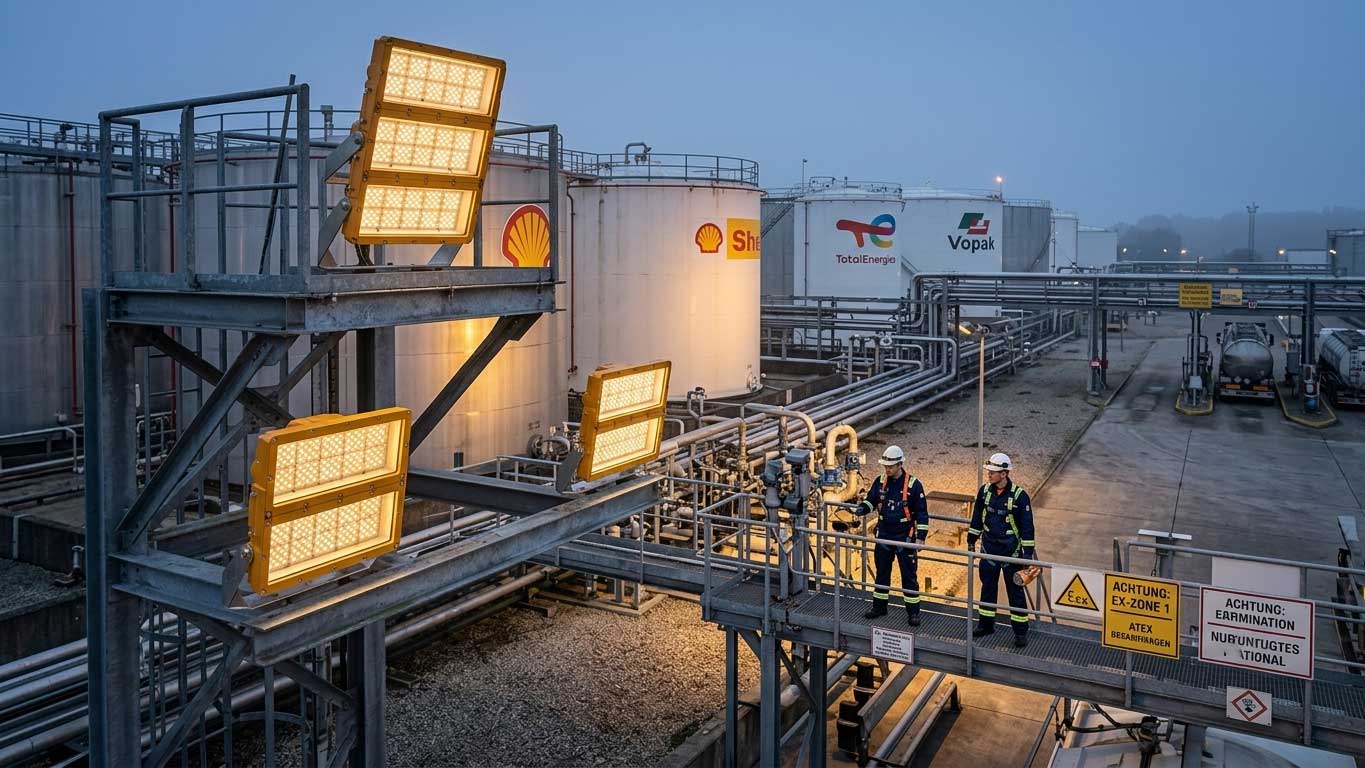
At first glance, they may look similar.
That’s often where purchasing mistakes begin.
A standard industrial fixture may have:
Yet still be completely unsuitable for a hazardous area.
Why?
Because ATEX certification evaluates far more than environmental protection.
Common protection methods include:
| Protection Method | Marking |
|---|---|
| Flameproof Enclosure | Ex d |
| Increased Safety | Ex e |
| Intrinsic Safety | Ex i |
| Encapsulation | Ex m |
| Pressurization | Ex p |
Each method addresses ignition prevention differently.
Some contain explosions.
Others prevent sparks from occurring in the first place.
Many hazardous substances have surprisingly low ignition temperatures.
For example:
| Temperature Class | Maximum Surface Temperature |
|---|---|
| T1 | 450°C |
| T2 | 300°C |
| T3 | 200°C |
| T4 | 135°C |
| T5 | 100°C |
| T6 | 85°C |
Source:
IEC 60079 Standards
This means fixture surface temperature matters just as much as electrical performance.
A fixture can be mechanically perfect.
If it exceeds allowable temperature limits, it may still be unsuitable.
Ten years ago, many hazardous locations still relied heavily on:
Today, LED dominates new installations.
The reasons go beyond energy savings.
One offshore engineer once described maintenance this way:
“The safest worker is the one who doesn’t have to climb the tower.”
He wasn’t joking.
Every maintenance event introduces:
LED systems significantly reduce relamping frequency.
The U.S. Department of Energy reports that LED technology can dramatically reduce maintenance requirements while improving energy efficiency compared with legacy lighting technologies.
Source:
U.S. Department of Energy
Older technologies often produced excess spill light.
Modern ATEX LED optics allow:
That flexibility becomes valuable in congested industrial facilities where equipment density is high.
This is where many projects become unnecessarily expensive.
Engineers sometimes over-specify.
Others under-specify.
Neither outcome is ideal.
Before evaluating any fixture, answer five questions.
Determine:
Without this information, product comparisons are meaningless.
Outdoor installations introduce additional variables:
The housing material suddenly matters much more.
A 6-meter mounting height requires a very different optical approach than a 20-meter installation.
This detail is often overlooked.
Yet it directly affects visibility and energy consumption.
Many hazardous locations experience:
Fixture thermal design becomes critical.
A light mounted above a processing skid may be difficult to access for years.
Choosing higher-grade components upfront often produces lower lifetime costs.
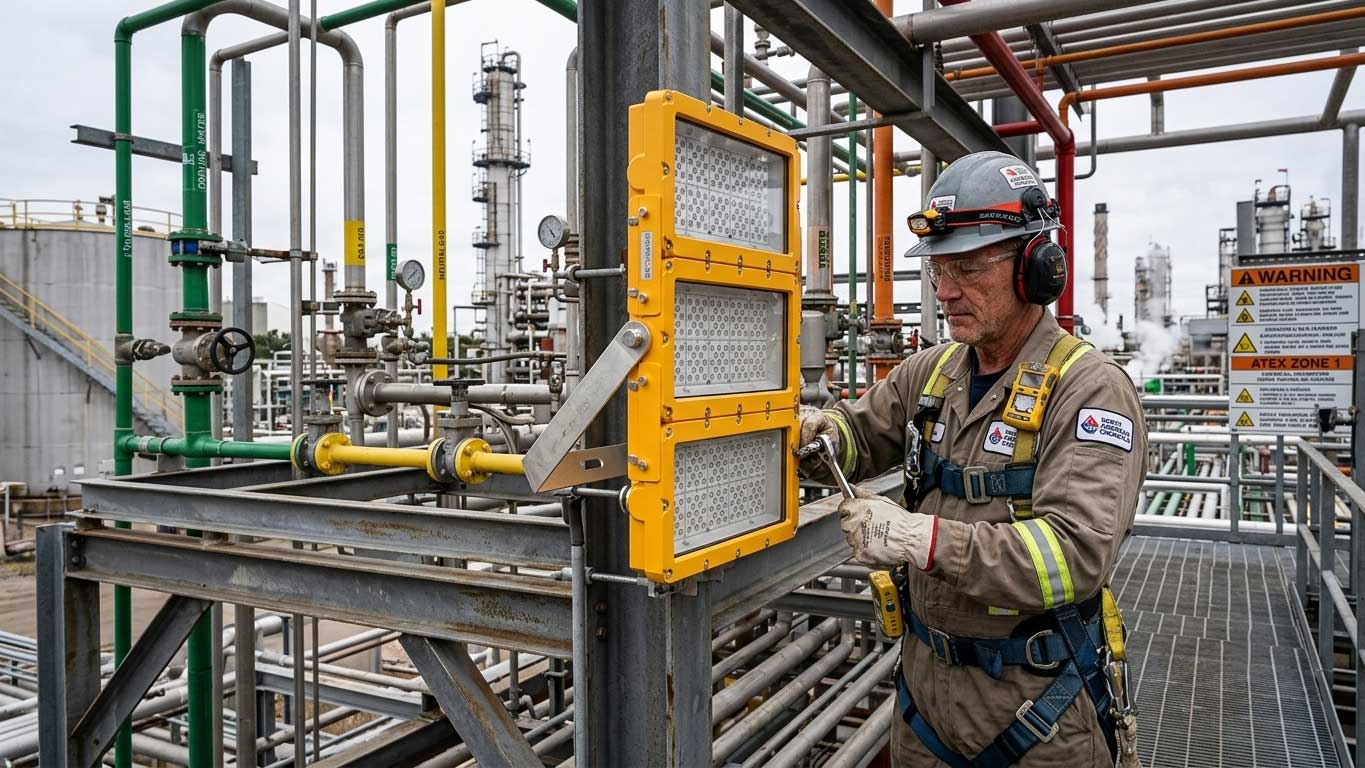
I’ve lost count of how many times I’ve seen a purchasing department compare fixtures based only on wattage and price.
Then somebody sends over an ATEX label.
Silence.
The marking looks like a string of random letters and numbers.
It isn’t.
It’s actually a compressed engineering summary.
Consider an example:
II 2G Ex db IIC T4 Gb
To someone unfamiliar with hazardous-area equipment, that line looks cryptic.
To an inspector, it tells a complete story.
| Marking Element | Meaning |
|---|---|
| II | Non-mining equipment |
| 2G | Category 2 Gas |
| Ex | Explosion protected |
| db | Flameproof protection |
| IIC | Hydrogen and acetylene group |
| T4 | Maximum surface temperature 135°C |
| Gb | High protection level |
The ability to read these markings quickly can prevent expensive specification errors.
One project I reviewed involved a contractor who purchased Zone 2 fixtures for a Zone 1 loading terminal.
The fixtures looked identical.
The labels were not.
The replacement cost exceeded the original lighting budget.
Not all explosive gases behave the same way.
Hydrogen is not propane.
Acetylene is not methane.
The ignition characteristics vary dramatically.
This is why ATEX classifications include gas groups.
| Group | Typical Substance |
|---|---|
| IIA | Propane |
| IIB | Ethylene |
| IIC | Hydrogen, Acetylene |
According to IEC 60079 standards, IIC represents the most demanding gas group because hydrogen and acetylene can ignite more easily and require stricter protection methods.
Source:
International Electrotechnical Commission (IEC)
A fixture approved for IIC can generally be used in IIB and IIA environments.
The reverse is not true.
That’s an expensive lesson if discovered after installation.
When people hear “explosive atmosphere,” they usually imagine fuel vapors.
Reality is messier.
Much messier.
Some of the most devastating industrial explosions in modern history involved dust.
Grain dust.
Sugar dust.
Wood dust.
Coal dust.
Metal dust.
The U.S. Chemical Safety Board has repeatedly documented dust explosions across manufacturing industries.
Source:
U.S. Chemical Safety Board
The danger comes from suspension.
A thin layer of dust sitting quietly on a beam may appear harmless.
Disturb it.
Create a cloud.
Add an ignition source.
Everything changes.
| Zone | Dust Presence |
|---|---|
| Zone 20 | Continuous |
| Zone 21 | Likely |
| Zone 22 | Unlikely |
Food facilities are especially interesting.
I’ve walked through facilities producing flour, starch, milk powder, and sugar.
Many operators focus heavily on sanitation.
Less attention sometimes goes toward hazardous-area classification.
Yet airborne combustible dust remains a genuine concern.
This question appears in almost every industrial lighting project.
The answer depends on location.
Not preference.
Location.
Offshore platforms punish equipment.
Salt spray reaches everything.
Even equipment mounted well above sea level eventually shows evidence of exposure.
In these environments, stainless steel frequently provides advantages.
Benefits include:
The tradeoff?
Weight.
Cost.
Installation complexity.
Many ATEX light fittings utilize marine-grade aluminum.
When properly coated, aluminum provides:
Some of the longest-running hazardous-area lighting systems I’ve encountered used aluminum housings that remained operational after more than a decade outdoors.
The secret wasn’t the material alone.
It was proper coating quality.
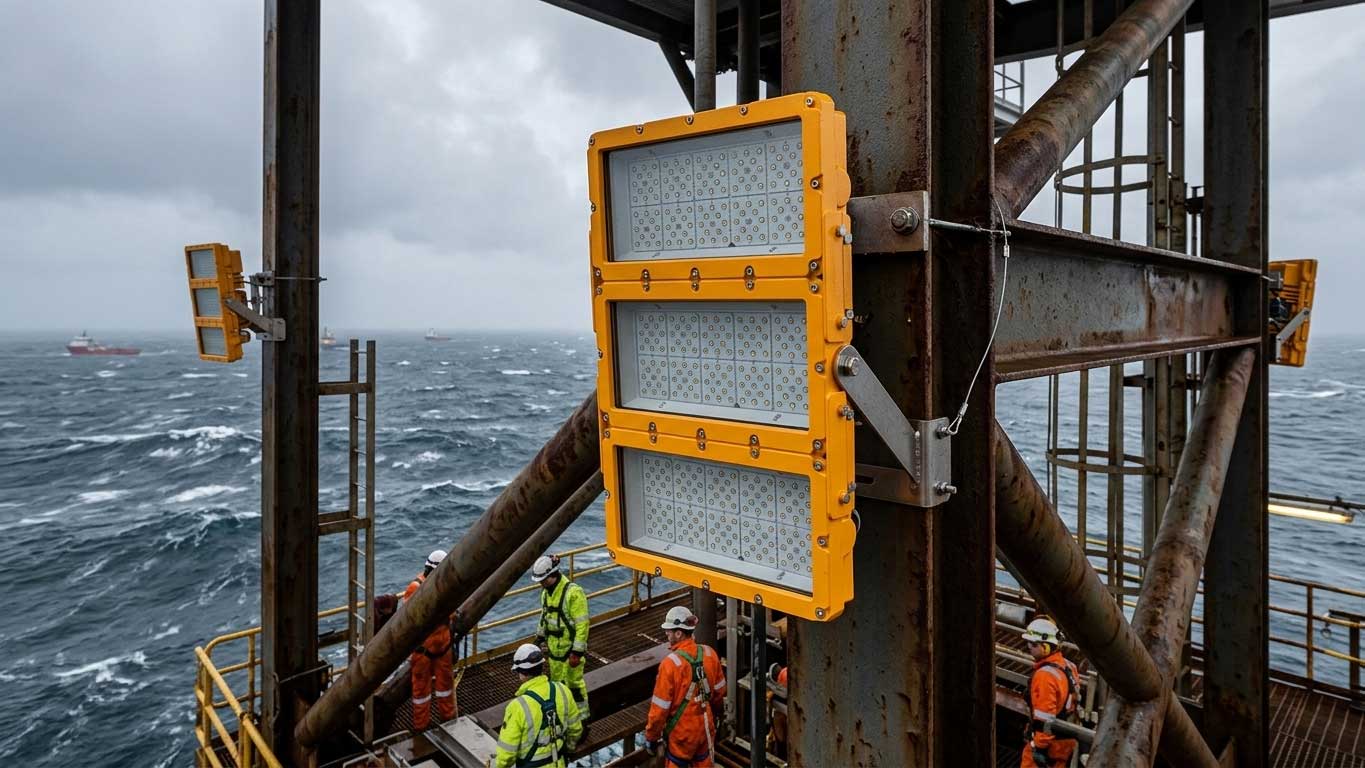
Many buyers compare fixtures incorrectly.
They compare invoices.
Experienced facility managers compare operating costs.
There is a difference.
A large difference.
Consider a loading terminal operating 24 hours per day.
An inexpensive fixture may save money initially.
But what happens when:
The original savings disappear.
Fast.
According to the U.S. Department of Energy, LED systems can reduce lighting energy consumption substantially compared with legacy technologies while lowering maintenance requirements.
Source:
U.S. Department of Energy
Energy savings matter.
Maintenance savings often matter more.
This comparison appears frequently in international projects.
The short answer:
Neither system replaces the other.
They serve different regulatory frameworks.
Typically associated with:
Official source:
European Commission
https://single-market-economy.ec.europa.eu
Typically associated with:
Official source:
IECEx
Many high-end hazardous-area luminaires today carry both certifications.
That dual-certification approach simplifies multinational projects.
After reviewing industrial lighting specifications for years, several mistakes appear repeatedly.
Brightness alone means little if certification requirements are wrong.
A fixture rated for moderate climates may struggle in desert environments.
Refineries and offshore facilities create vastly different challenges.
Certification may be similar.
Component quality often isn’t.
The cheapest fixture can become the most expensive fixture once labor costs are considered.
Before issuing a purchase order, verify:
✓ Hazard classification
✓ Zone classification
✓ Gas group
✓ Dust group
✓ Temperature class
✓ Mounting height
✓ Beam angle
✓ Ambient temperature rating
✓ Corrosion resistance
✓ Certification documentation
✓ Warranty coverage
✓ Spare parts availability
A surprisingly large number of lighting problems begin because one item on this list was skipped.
The trend is visible across almost every sector.
Refineries.
Tank terminals.
Chemical plants.
Marine facilities.
Mining operations.
The move toward LED has accelerated because operators increasingly prioritize:
The conversation has evolved.
Ten years ago buyers asked:
“How much power does it consume?”
Today they often ask:
“How many years can we avoid touching it?”
That shift tells you everything.
ATEX light fittings are used in hazardous locations where flammable gases, vapors, or combustible dust may be present, including oil and gas facilities, chemical plants, offshore platforms, pharmaceutical factories, and grain processing sites.
In European hazardous-area environments covered by ATEX regulations, certified equipment is generally required when explosive atmospheres may occur.
Source:
European Commission
https://single-market-economy.ec.europa.eu
Yes. Many ATEX-certified luminaires are specifically designed for outdoor applications such as tank farms, marine terminals, and offshore platforms.
Quality industrial LED fixtures commonly achieve L70 lifetimes of 50,000 to 100,000 operating hours depending on thermal management, driver quality, and environmental conditions.
Source:
U.S. Department of Energy
Neither is universally better. ATEX primarily serves European regulatory requirements, while IECEx facilitates international acceptance. Many premium hazardous-area fixtures carry both certifications.
Direct access to product page:ATEX Explosion proof light
The best ATEX light fittings are rarely identified by their wattage, housing shape, or marketing brochure.
They’re identified by what happens years after installation.
No unexpected failures.
No corrosion surprises.
No certification concerns during inspections.
No maintenance crew climbing a structure at 2 a.m. because a fixture stopped working.
That’s the benchmark experienced operators care about.
At SEEKINGLED, we’ve found that successful hazardous-area lighting projects begin long before fixture selection. They begin with understanding the environment, the risks, and the certification requirements. Once those fundamentals are right, the lighting decision becomes far easier.
And that is ultimately the purpose of properly specified ATEX light fittings: dependable illumination in places where reliability is not merely convenient—it is essential.
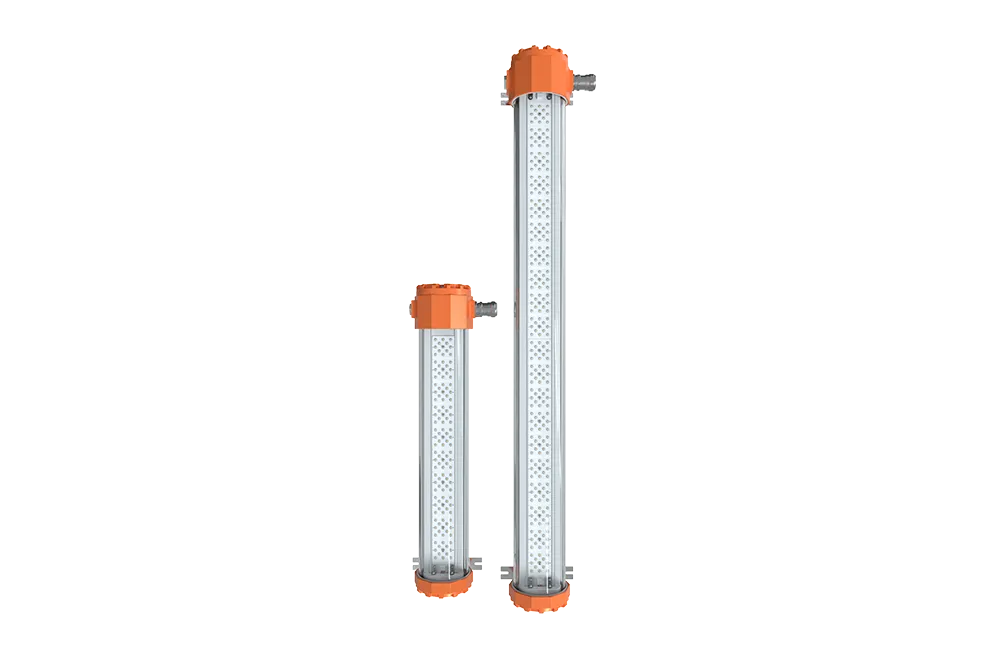
SEEKINGLED LED Linear Explosion Proof Light and Explosion Proof lighting is ATEX and IECEx certified for Zone 1, Zone 2, Zone 21 and Zone 22 hazardous locations, built for long-term industrial use.
View details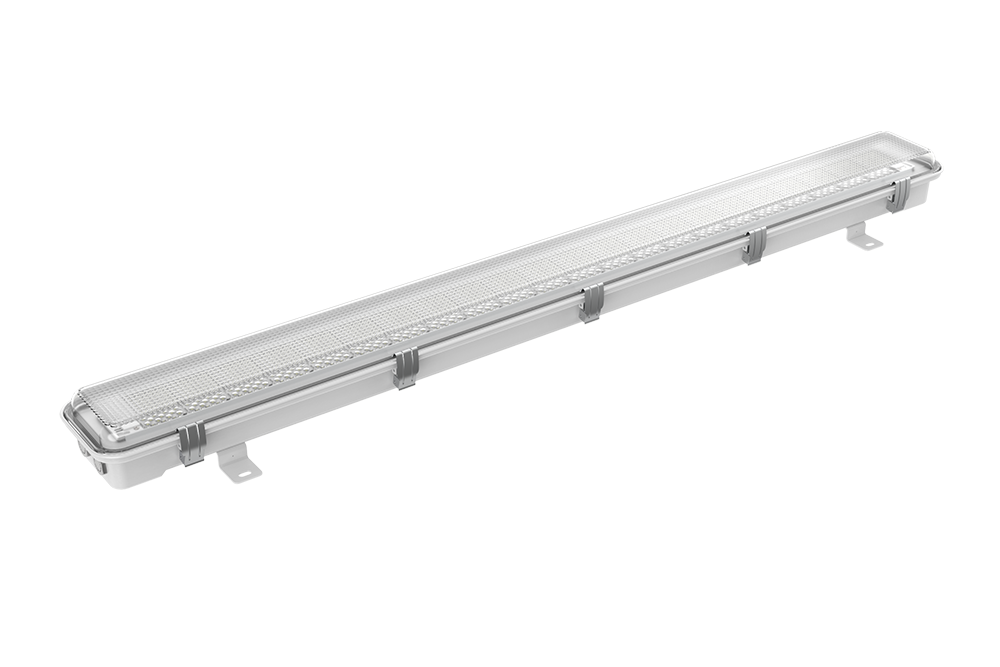
LED Linear Explosion Proof Lights and EX Proof lights for Zone 1, Zone 2, Zone 21 and Zone 22 hazardous areas. ATEX & IECEx certified explosion proof LED linear lighting with emergency function, adjustable power and IP67 protection by SEEKINGLED.
View details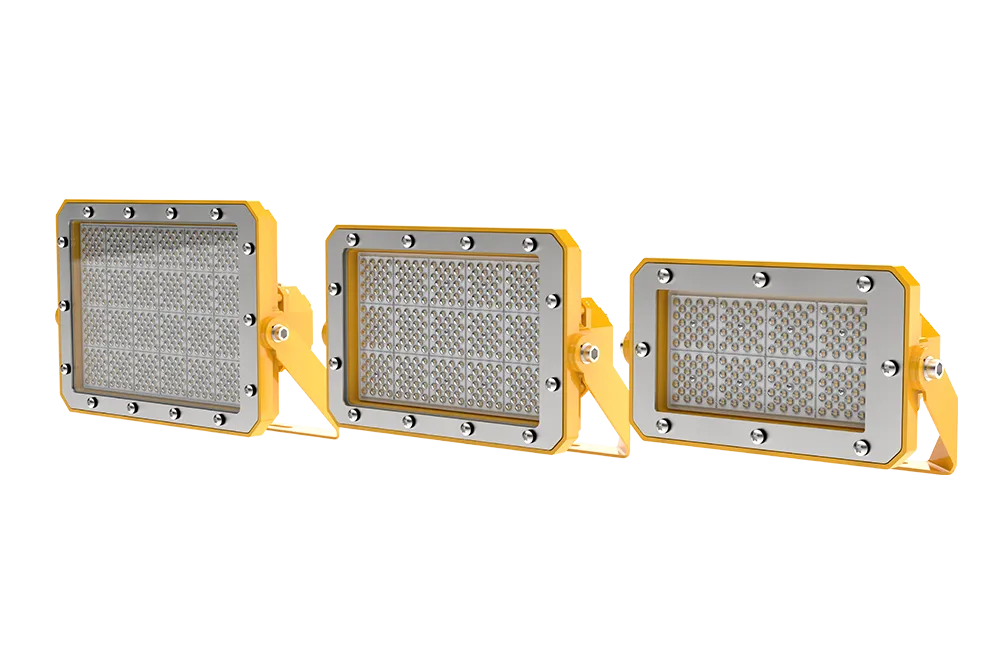
SEEKINGLED LED Explosion Proof Flood Lights are ATEX certified for Zone 2 and Zone 22 hazardous areas, offering high efficiency, adjustable power and integrated junction box.
View details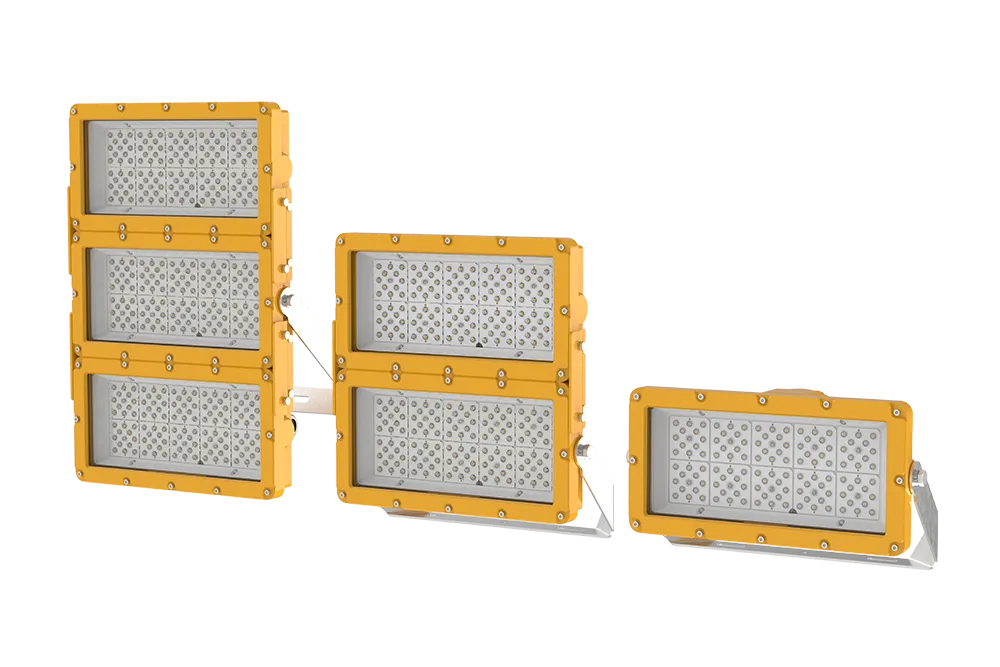
SEEKINGLED LED Explosion Proof Flood Lights are flameproof ATEX and IECEx certified for Zone 1 and Zone 2 hazardous areas, offering high power, adjustable output and long service life.
View details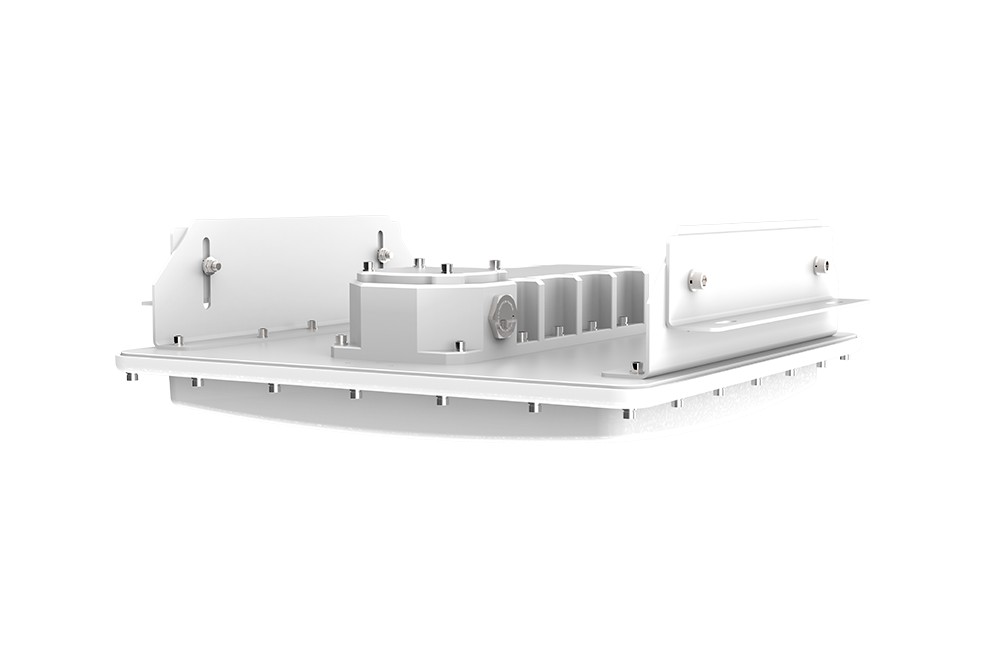
SEEKINGLED LED Gas Station Canopy Lights are ATEX certified for Zone 2 and Zone 22 hazardous areas, featuring adjustable power and built-in explosion-proof junction box.
View details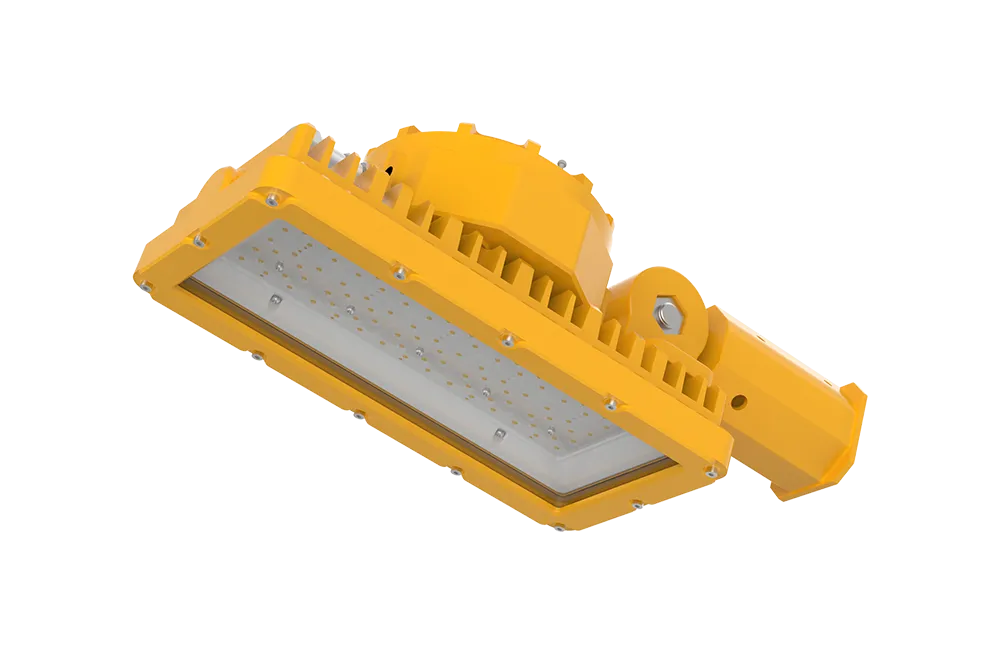
ATEX: Ex II 2G Ex db IIB T6/T5 GbEx II 2D Ex tb IIIC T80°C/ T95°C Db IECEx Ex db IIB T6 Gb;Ex tb IIIC T80°C Db Feature: ● For Zone 1,2 and Zone 21,22● Flameproof type, the strongest● 100W can replace 250W HID,energy saving● Power:60W,80W,100W Application: Oil and gas, marine, Chemical, pharmaceutical, semiconductor,mining,military industr…
View details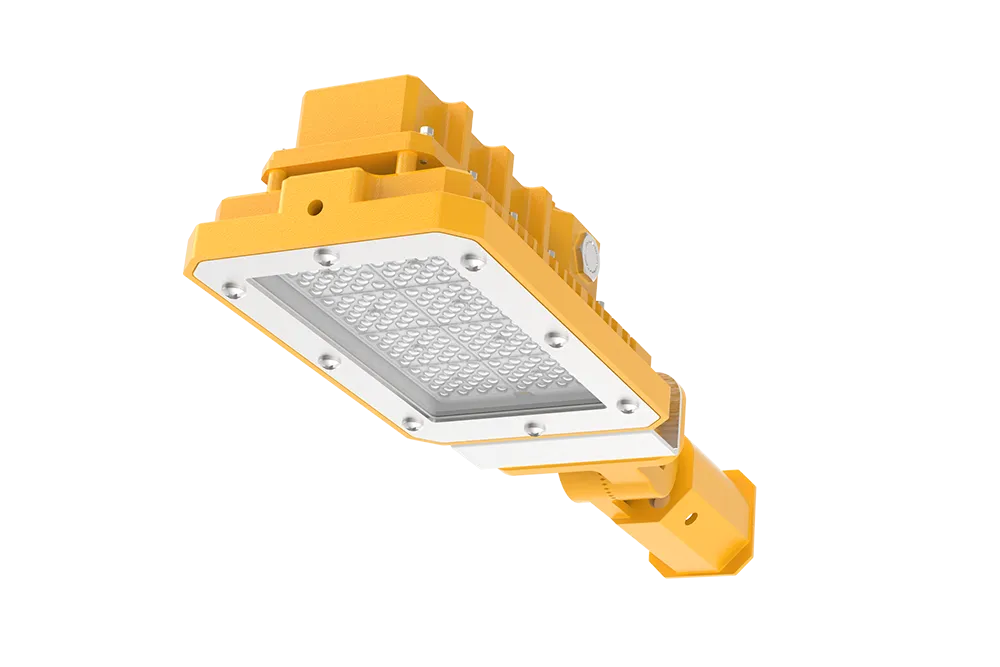
ATEX: II 3G Ex nR ⅡC T5/T6 GcII 3D Ex tc ⅢC T80℃/T95℃Dc ATEX Certificate NO: TÜV CY 26 ATEX 0207611 X Feature: ● For Zone 2 and Zone 22● 150W can replace 250W HID lamps,Energy saving● Power:50W,75W,100W,150W,200W Application: Oil and gas, marine, Chemical, pharmaceutical, semiconductor,mining,military industry, paint booth,power plant ETC…
View details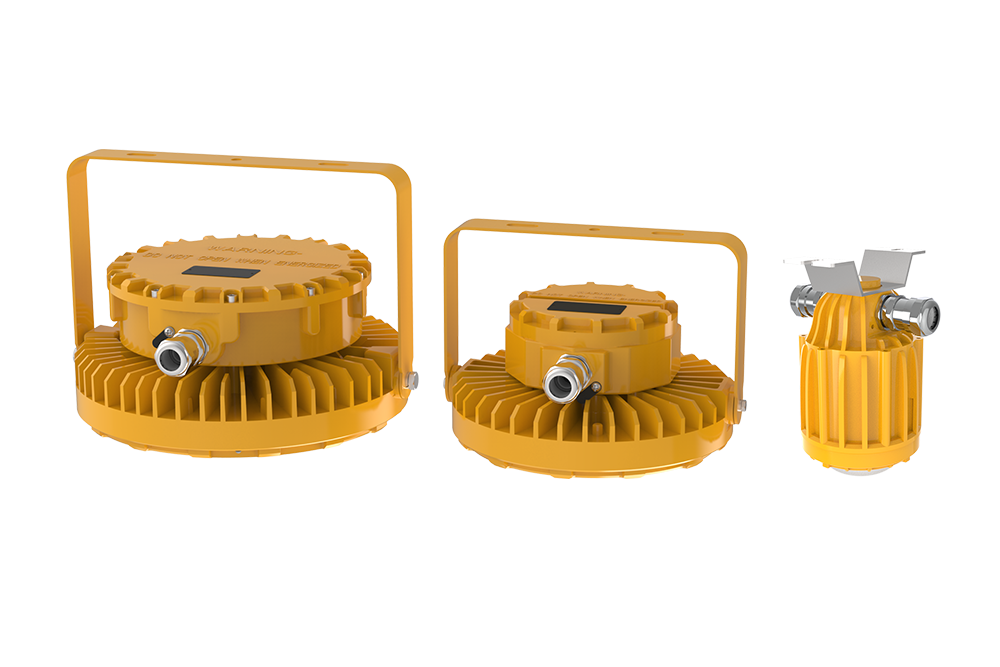
LED explosion proof high bay lights are designed for Zone 1, Zone 2, Zone 21 and Zone 22 hazardous areas. This page introduces the HB21 Series from SEEKING, including certifications, power options and real application considerations.
View details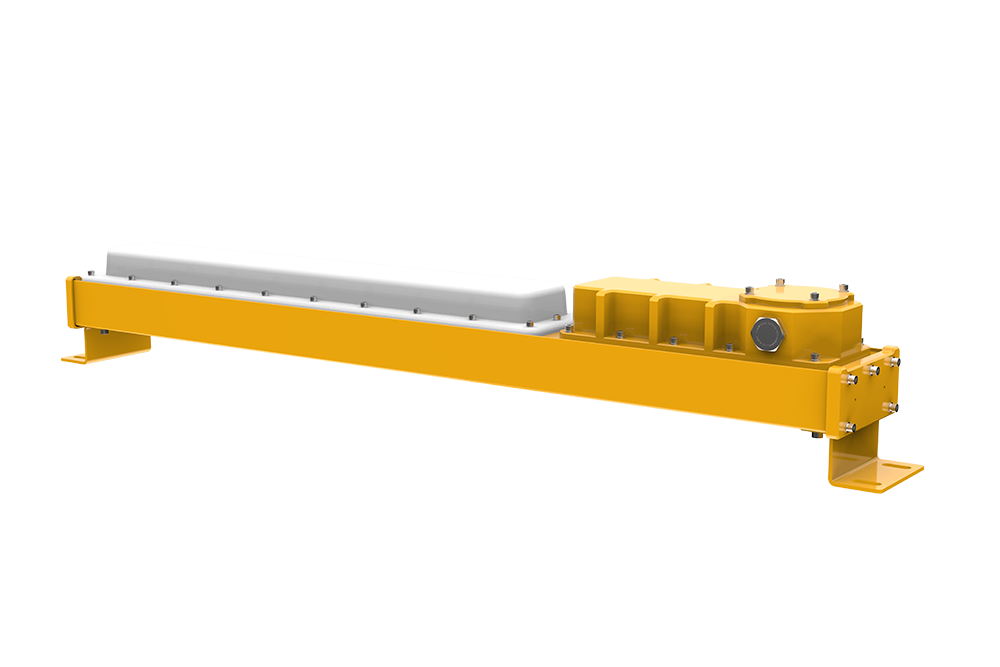
LED Linear Explosion Proof Lights from SEEKINGLED. LU Series Flame Proof lights ATEX-certified explosion proof LED linear lighting for Zone 2 gas and Zone 22 dust areas, IP69K, IK10, long lifetime and flexible power options.
View details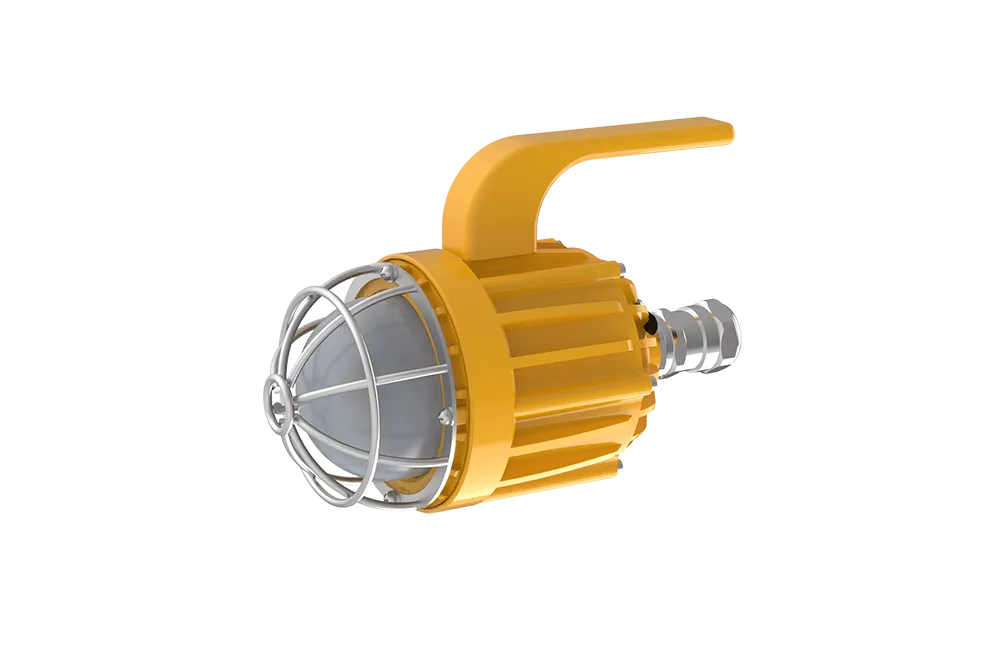
Certified explosion proof work lights for Zone 1 & 21 hazardous areas. Portable, ATEX & IECEx approved, built for oil, gas and chemical plants by SEEKINGLED.
View details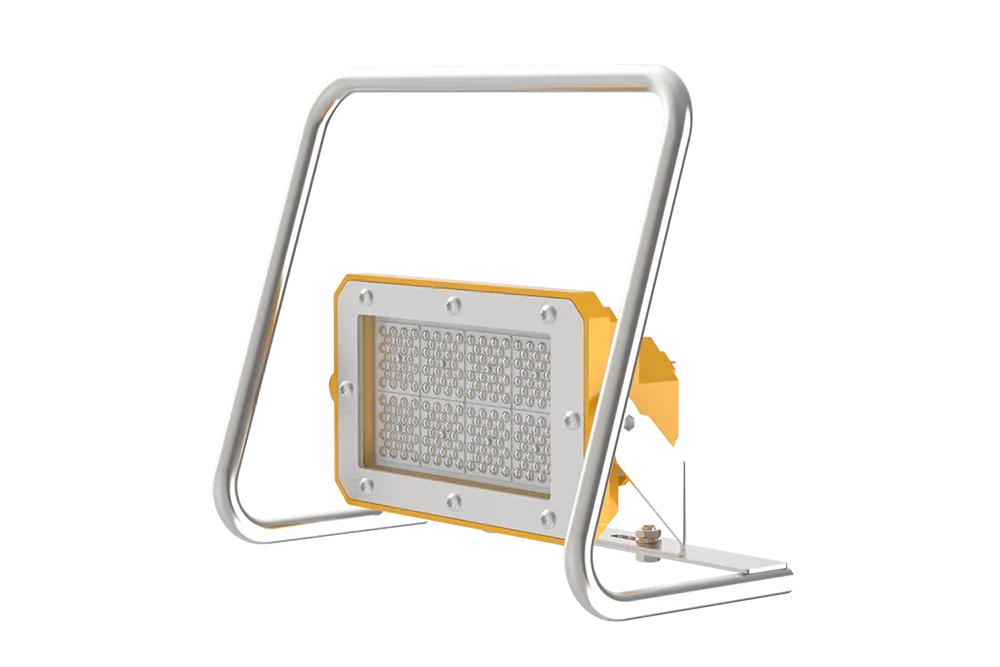
ATEX: II 3G Ex nR ⅡC T6 GcII 3D Ex tc ⅢC T80℃ Dc ATEX Certificate NO: TÜV CY 26 ATEX 0207611 X Feature: ● For Zone 2 and Zone 22● Accepts battery-powered supply● indestructible● Power:AC input:50W,75W,100WDC input:15W,25W,35W Application: Oil and gas, marine, Chemical, pharmaceutical, semiconductor,mining,military industry, paint booth,po…
View details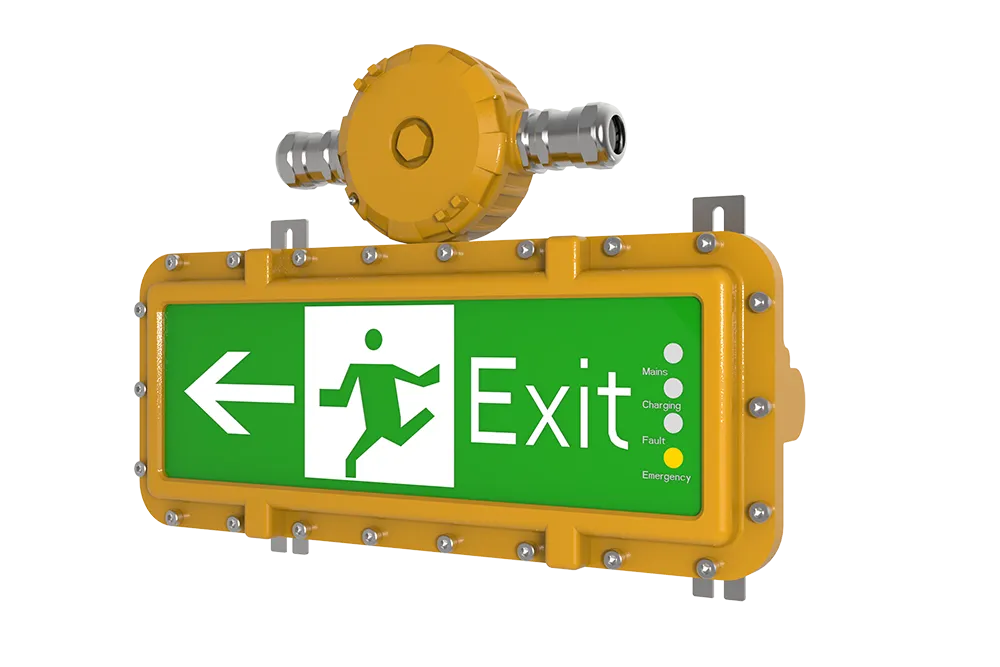
ATEX: Ex II 2G Ex db IIB T6 GbEx II 2D Ex tb IIIC T80°C Db IECEx Ex db IIB T6 Gb;Ex tb IIIC T80°C Db Feature: ● For Zone 1,2 and Zone 21,22● Flameproof type, the strongest Application: Oil and gas, marine, Chemical, pharmaceutical, semiconductor,mining,military industry, paint booth,power plant ETC hazardous area. Technical Specifications:…
View details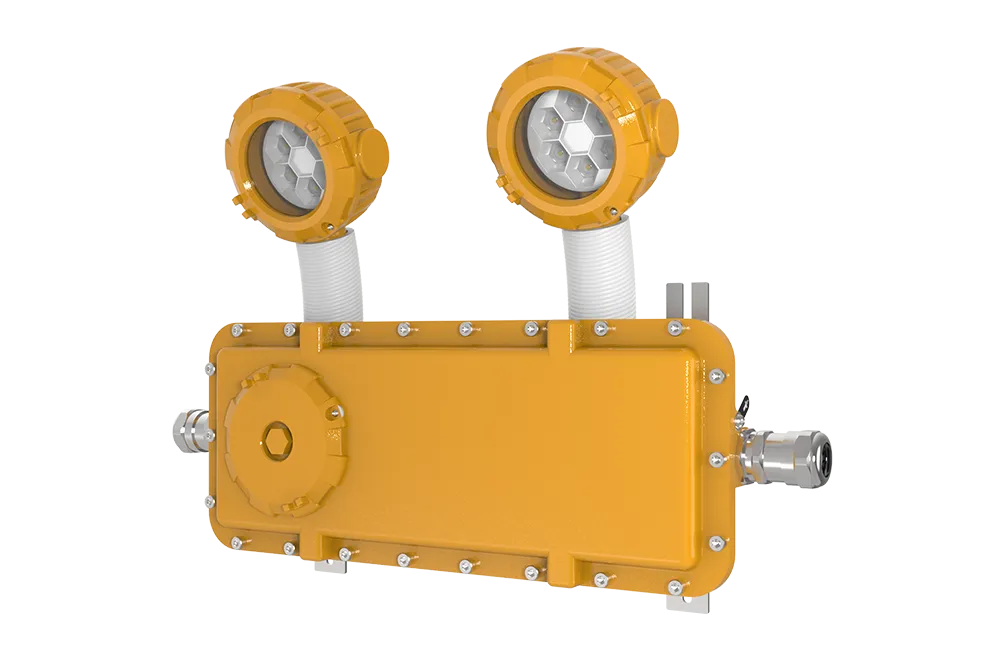
ATEX: Ex II 2G Ex db IIB T6 GbEx II 2D Ex tb IIIC T80°C Db IECEx Ex db IIB T6 Gb;Ex tb IIIC T80°C Db Feature: ● For Zone 1,2 and Zone 21,22● Flameproof type, the strongest Application: Oil and gas, marine, Chemical, pharmaceutical, semiconductor,mining,military industry, paint booth,power plant ETC hazardous area. Technical Specifications:…
View details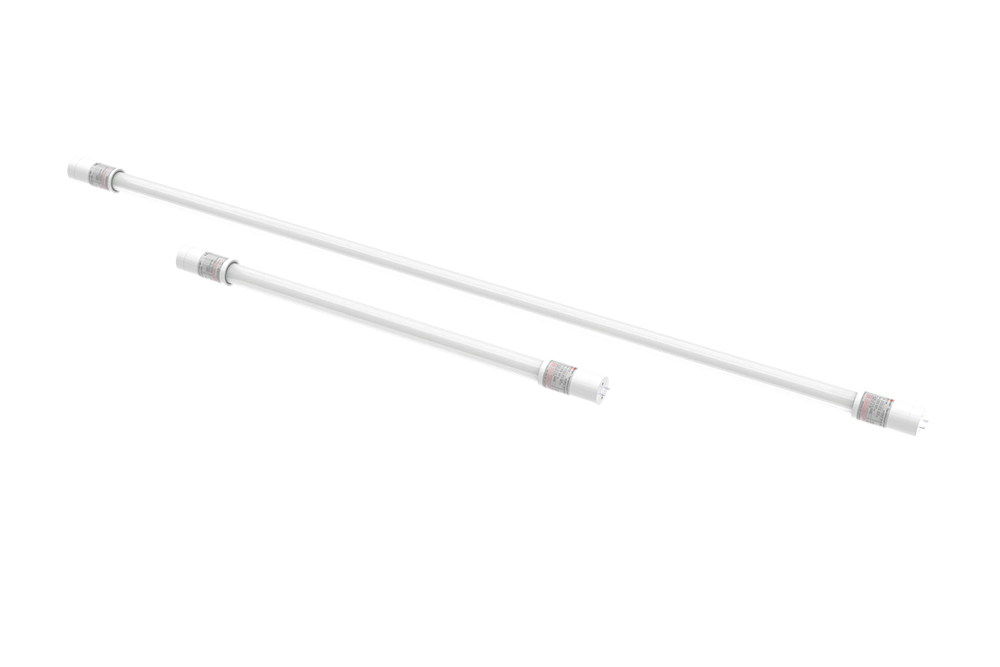
ATEX: Ex II 2G Ex d e IIB T6 Gb ATEX: Ex d e IIB T6 Gb; Feature: ● For Zone 1,2● 9W can replace 18W fluorescent lamps,50% Energy saving Application: Oil and gas, marine, Chemical, pharmaceutical, semiconductor,mining,military industry, paint booth,power plant ETC hazardous area. Technical Specifications: Standards:60079-0, 60079-1, 60079…
View details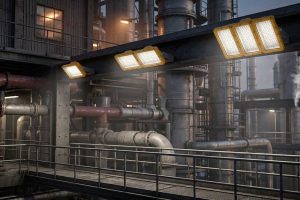
Industrial explosion proof lighting explained with real certifications, lumens, and field insights. Learn how SEEKINGLED ensures safety in hazardous environments.
View details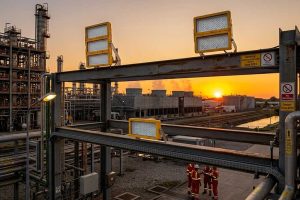
ex proof lamp by SEEKINGLED delivers ATEX & IECEx certified flameproof protection for Zone 1 & 21 hazardous areas with high efficiency and 100,000h life.
View details
How far to space high bay led lights? Learn professional LED high bay spacing methods based on mounting height, beam angle, lumens, and warehouse design.
View details
Some flood lights are dimmable, but not all. Dimming depends mainly on the LED driver, control interface, and compatible dimming method.
View details