 Seeking LED
100W LED Street Light: Is It Enough for Real Roads?
156100w led street light is a popular choice for roads and parking areas. Learn where it works best, where it fails, and how to choose correctly.
View detailsSearch the whole station
ATEX certified lighting is lighting equipment tested and approved for use in potentially explosive atmospheres where flammable gases, vapors, mists, or combustible dust may be present. Properly certified fixtures reduce ignition risks while providing reliable illumination in hazardous industrial locations.
When people first encounter the term “ATEX certified lighting,” they often assume it refers to a premium industrial lighting specification.
In reality, ATEX certification is fundamentally about safety.
I learned that lesson years ago while walking through a chemical storage terminal in Northern Europe. The facility looked ordinary. Steel pipe racks. Pumps. Storage vessels. Nothing appeared unusual.
Yet nearly every electrical device around me carried ATEX markings.
The danger wasn’t visible.
The certification existed because of what could potentially be present in the atmosphere.
That distinction matters.
A great deal.
ATEX stands for “ATmosphères EXplosibles,” derived from European directives governing equipment used in explosive atmospheres.
ATEX certification confirms that lighting equipment has been independently evaluated and approved for operation within specified hazardous areas.
The certification process examines:
Unlike conventional industrial lighting, ATEX certified lighting must demonstrate that it will not become an ignition source under defined operating conditions.
That requirement influences every part of the fixture.
The enclosure.
The driver.
The wiring.
The seals.
Even the surface temperature.
According to the European Commission, ATEX regulations apply to equipment intended for use in potentially explosive atmospheres throughout the European Economic Area.
Source: https://single-market-economy.ec.europa.eu
Industrial accidents rarely result from a single failure.
Most incidents involve a chain of contributing factors.
One link in that chain can be an ignition source.
According to the European Agency for Safety and Health at Work (EU-OSHA), explosive atmospheres can occur in numerous industrial sectors including chemical manufacturing, energy production, food processing, and waste treatment.
Source: https://osha.europa.eu
That’s why facilities handling:
often require certified lighting systems.
Without appropriate certification, even a minor electrical fault could introduce unacceptable risk.
Oil and gas operations remain among the largest users of ATEX certified lighting.
Common applications include:
I once spent several days inspecting lighting installations at a coastal fuel terminal.
What struck me wasn’t the brightness.
It was the consistency.
Every fixture had been selected according to the area’s hazardous classification.
No shortcuts.
No exceptions.
The engineering discipline was obvious.
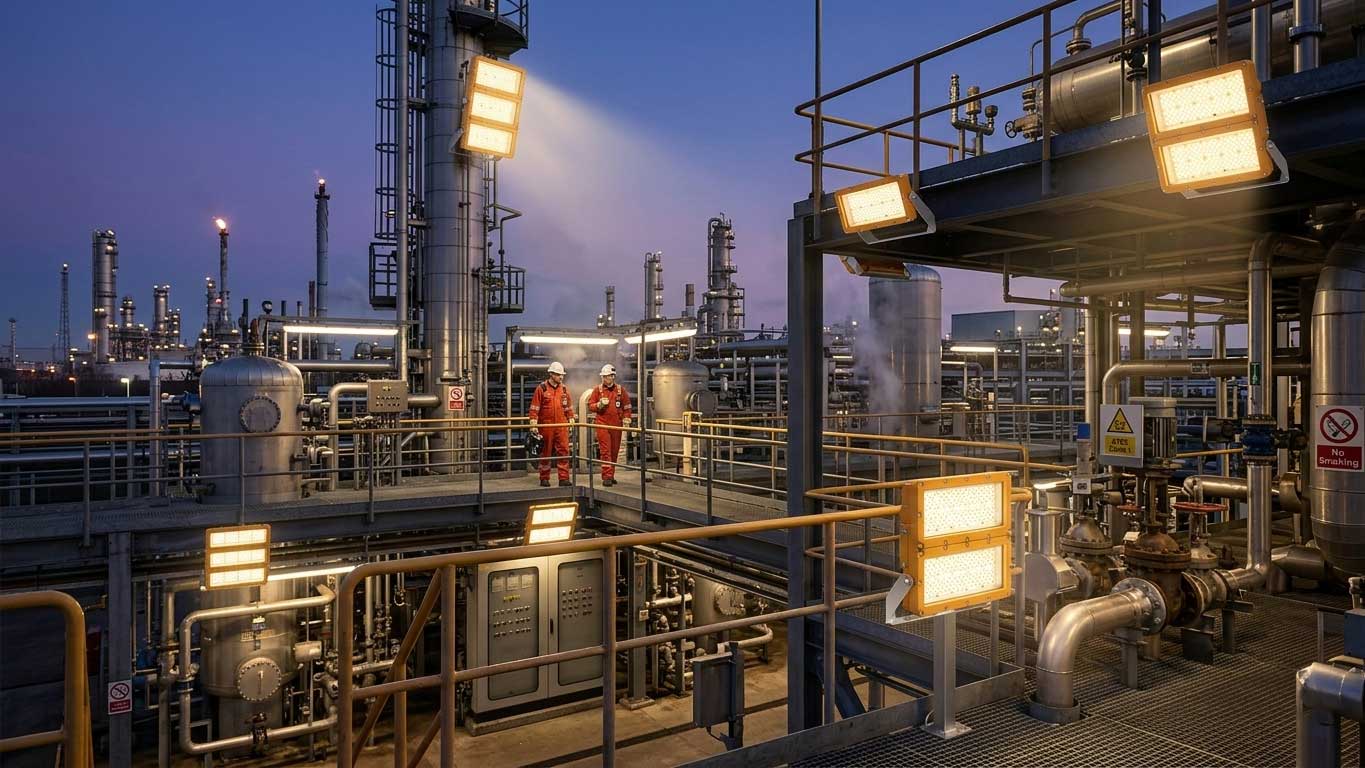
Chemical facilities create unique lighting challenges.
Corrosive vapors.
Temperature fluctuations.
Continuous operation.
Exposure to aggressive chemicals.
Over the years, I’ve noticed that the most successful projects don’t focus exclusively on certification.
They focus on long-term durability as well.
A fixture may pass certification requirements today.
The question experienced engineers ask is different:
How will it perform after eight years in a corrosive atmosphere?
That’s a more difficult question.
Many people associate hazardous locations exclusively with oil and gas.
That’s incomplete.
Combustible dust creates significant hazards too.
According to the U.S. Chemical Safety Board (CSB), combustible dust explosions have resulted in fatalities and extensive property damage across multiple industries.
Source: https://www.csb.gov
Industries commonly affected include:
Dust hazards often surprise people because the danger isn’t obvious until particles become airborne.
One of the first topics engineers evaluate is hazardous area classification.
ATEX uses a zone-based approach.
| Zone | Description |
|---|---|
| Zone 0 | Explosive gas atmosphere continuously present |
| Zone 1 | Explosive gas atmosphere likely during normal operation |
| Zone 2 | Explosive gas atmosphere unlikely and short duration |
| Zone 20 | Combustible dust continuously present |
| Zone 21 | Combustible dust likely during normal operation |
| Zone 22 | Combustible dust unlikely and short duration |
This classification directly influences lighting selection.
A fixture approved for Zone 2 may not be suitable for Zone 1.
That’s a mistake I’ve seen during specification reviews more than once.
Usually because someone focused on price before certification requirements.
Fifteen years ago, hazardous-area lighting projects often specified metal halide fixtures.
Today, LED technology dominates new installations.
The reasons are practical.
According to the U.S. Department of Energy, LED technology can significantly reduce energy consumption while delivering longer operational life compared with traditional lighting technologies.
Source: https://www.energy.gov
Benefits include:
Interestingly, maintenance reduction is often more valuable than energy savings.
At one petrochemical facility, replacing a high-mounted fixture required:
The labor cost exceeded the replacement fixture cost several times over.
That reality rarely appears in marketing brochures.
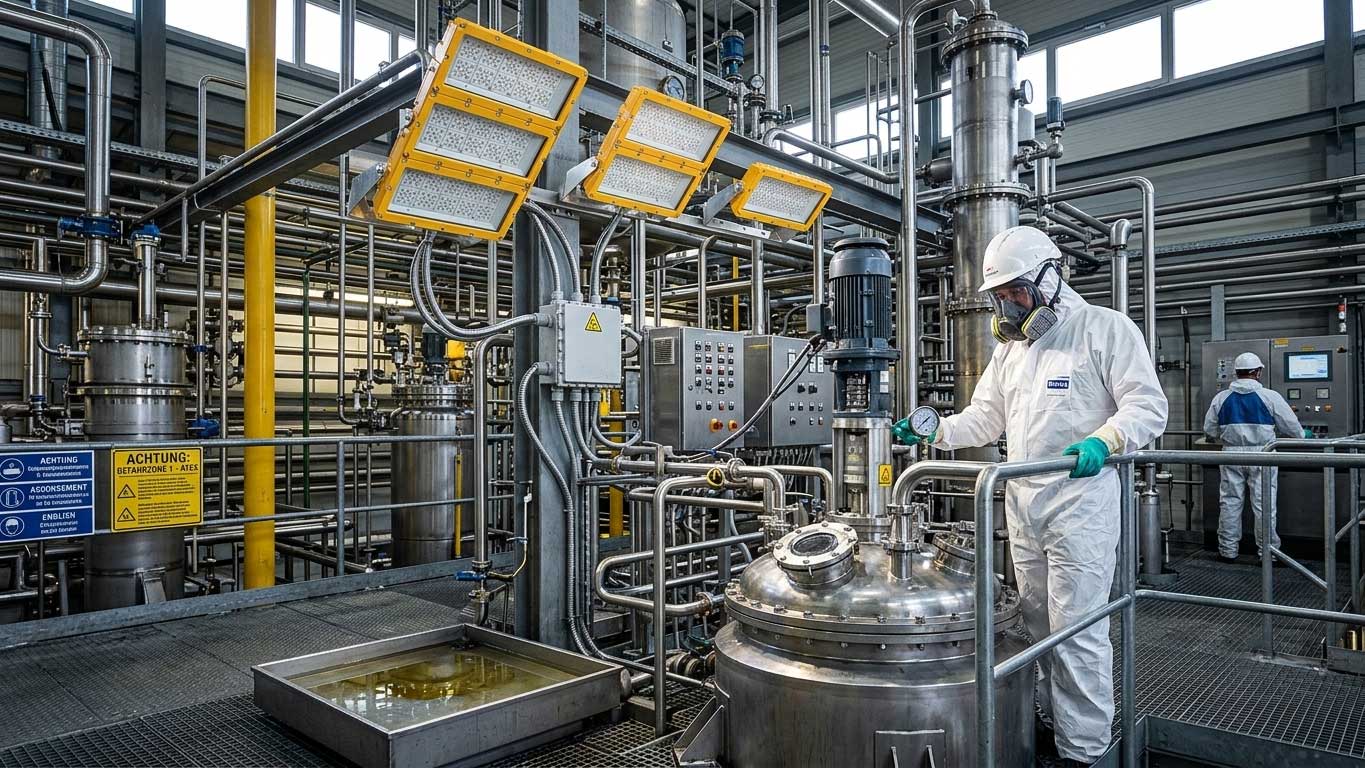
One misconception appears frequently.
Some buyers believe ATEX certification alone guarantees a good fixture.
It doesn’t.
Certification confirms suitability for specific hazardous conditions.
It doesn’t automatically guarantee long-term reliability.
When evaluating ATEX certified lighting, experienced engineers often examine:
Brightness is important.
Reliability is usually more important.
The longer a facility operates, the more obvious that becomes.
The cheapest fixture frequently becomes the most expensive fixture over time.
Particularly when maintenance access is difficult.
Certification is only part of the equation.
Marine environments, chemical exposure, and temperature extremes all influence product selection.
Always request:
Experienced procurement teams never rely solely on product labels.
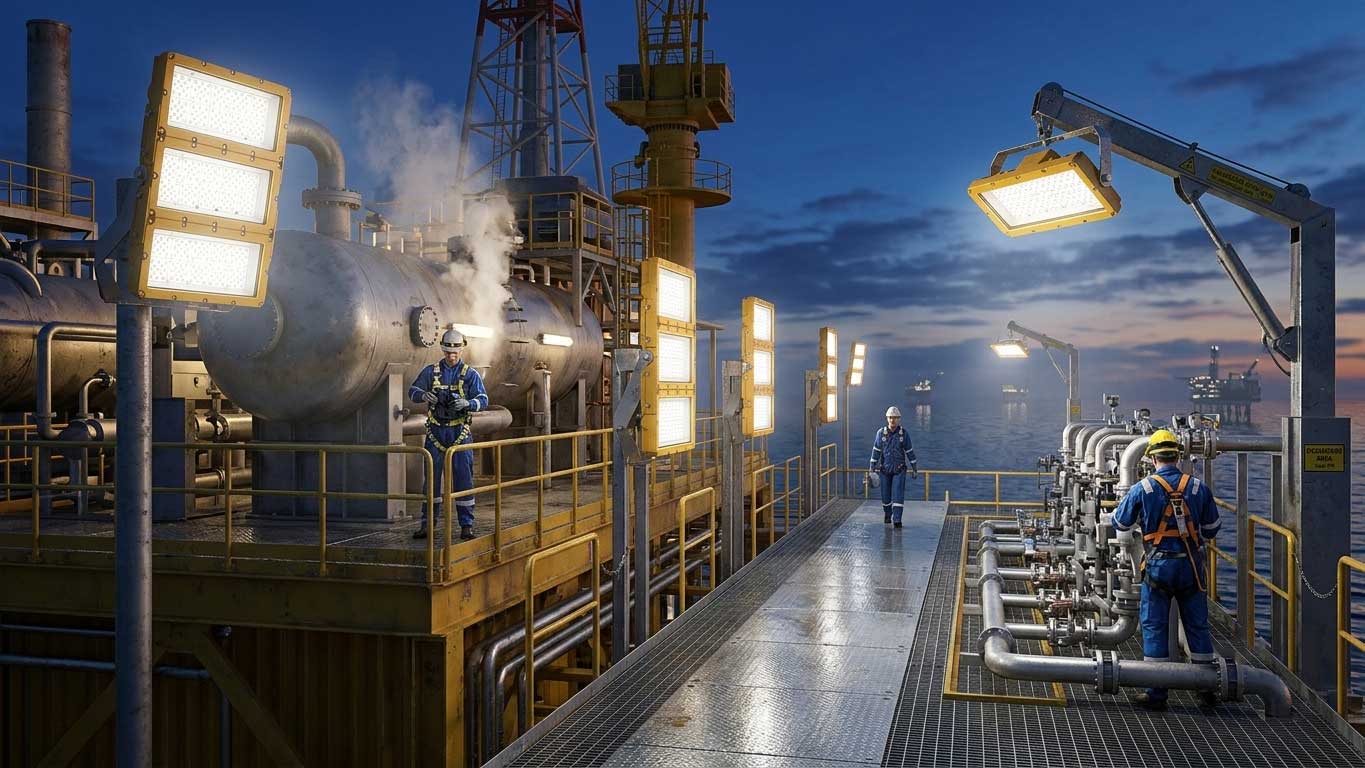
At SEEKINGLED, ATEX certified lighting is developed around actual industrial operating conditions.
Not ideal laboratory conditions.
Real environments expose weaknesses quickly.
Salt spray.
Chemical vapors.
Thermal cycling.
Continuous operation.
The facilities that operate safely for years understand something important:
Certification opens the door.
Reliability keeps the system running.
ATEX certified lighting is lighting equipment tested and approved for use in potentially explosive atmospheres containing flammable gases, vapors, mists, or combustible dust.
ATEX lighting is commonly required in oil and gas facilities, chemical plants, offshore platforms, pharmaceutical factories, fuel storage terminals, and grain processing facilities.
Not exactly. ATEX is a European regulatory framework covering equipment intended for explosive atmospheres. Explosion-proof is one of several protection methods used within hazardous-area equipment design.
Yes. Many ATEX certified fixtures are specifically designed for outdoor installations in harsh industrial environments.
High-quality industrial ATEX LED fixtures commonly achieve operational lifespans of 50,000 to 100,000 hours depending on operating conditions.
ATEX certified lighting is far more than a regulatory requirement.
It is a critical part of industrial risk management.
The best installations rarely attract attention. They simply continue operating through corrosion, temperature swings, vibration, moisture, and years of continuous use.
That’s ultimately what operators expect from ATEX certified lighting—and why ATEX certified lighting remains essential in modern hazardous industrial environments.
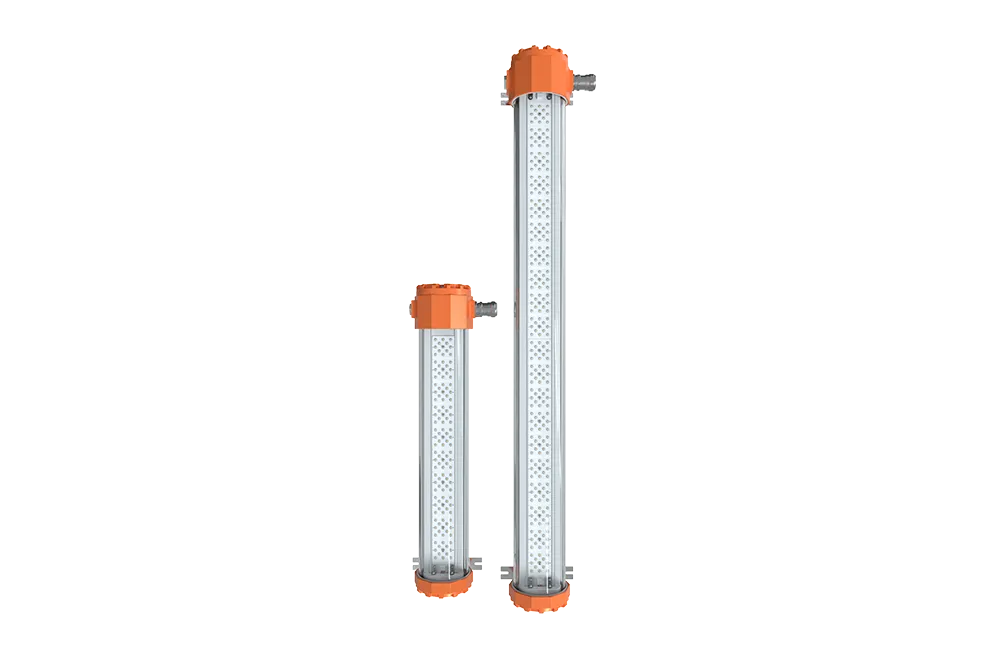
SEEKINGLED LED Linear Explosion Proof Light and Explosion Proof lighting is ATEX and IECEx certified for Zone 1, Zone 2, Zone 21 and Zone 22 hazardous locations, built for long-term industrial use.
View details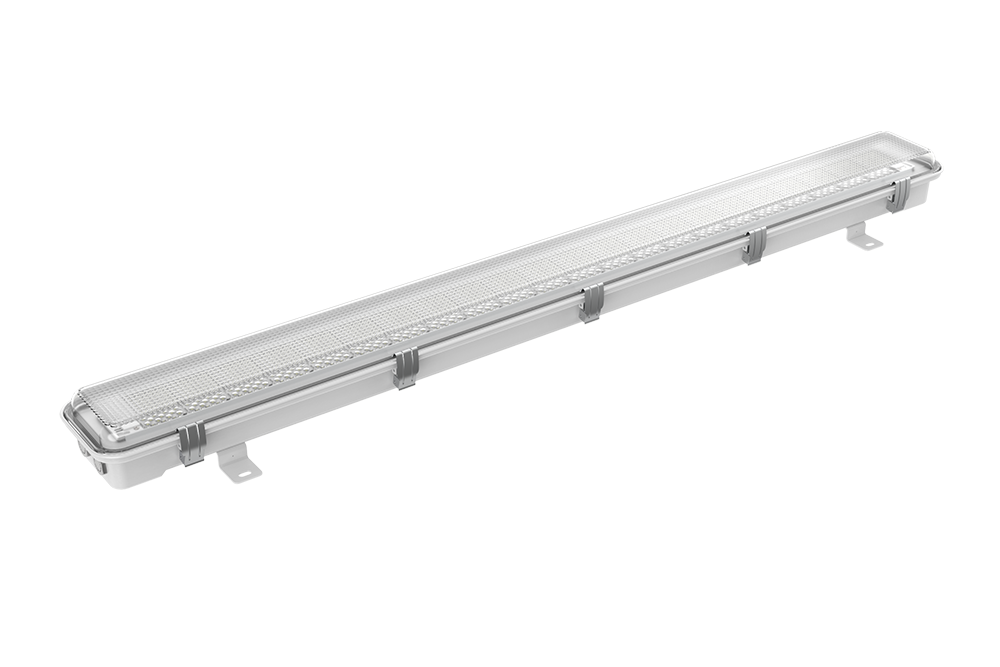
LED Linear Explosion Proof Lights and EX Proof lights for Zone 1, Zone 2, Zone 21 and Zone 22 hazardous areas. ATEX & IECEx certified explosion proof LED linear lighting with emergency function, adjustable power and IP67 protection by SEEKINGLED.
View details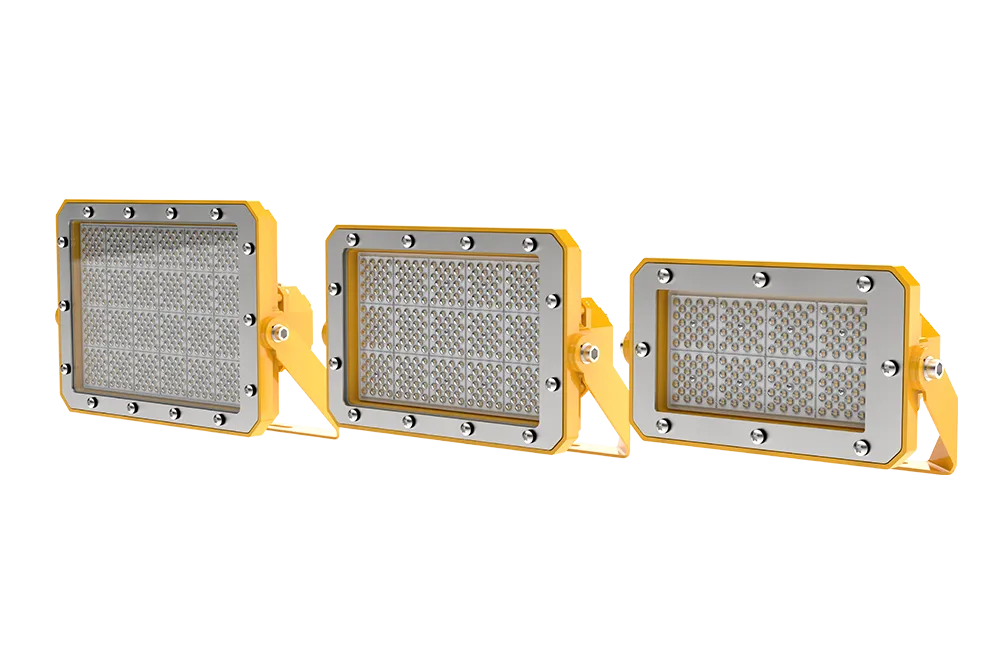
SEEKINGLED LED Explosion Proof Flood Lights are ATEX certified for Zone 2 and Zone 22 hazardous areas, offering high efficiency, adjustable power and integrated junction box.
View details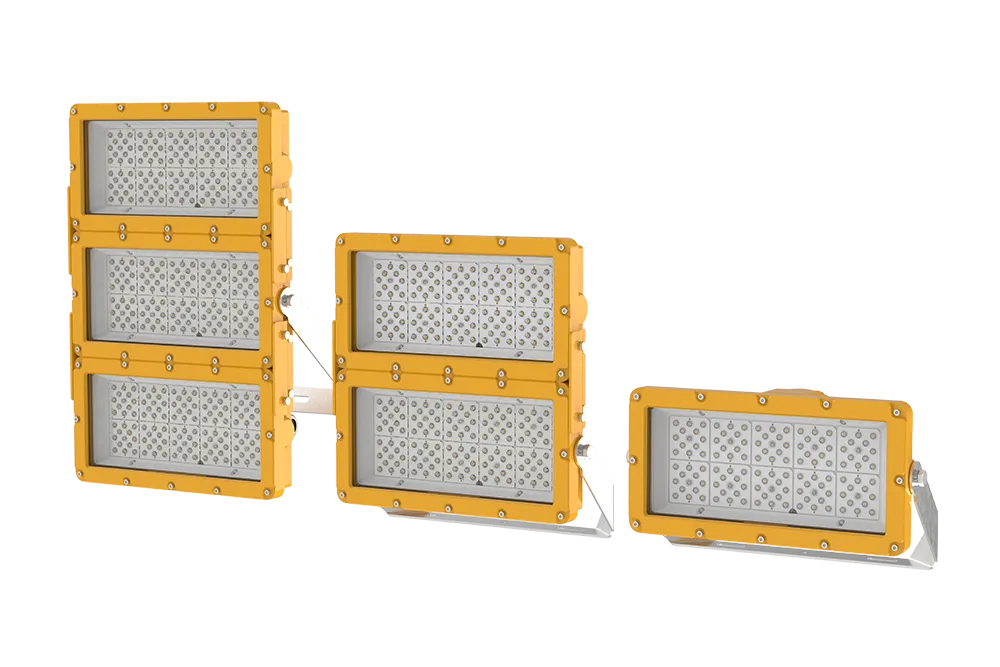
SEEKINGLED LED Explosion Proof Flood Lights are flameproof ATEX and IECEx certified for Zone 1 and Zone 2 hazardous areas, offering high power, adjustable output and long service life.
View details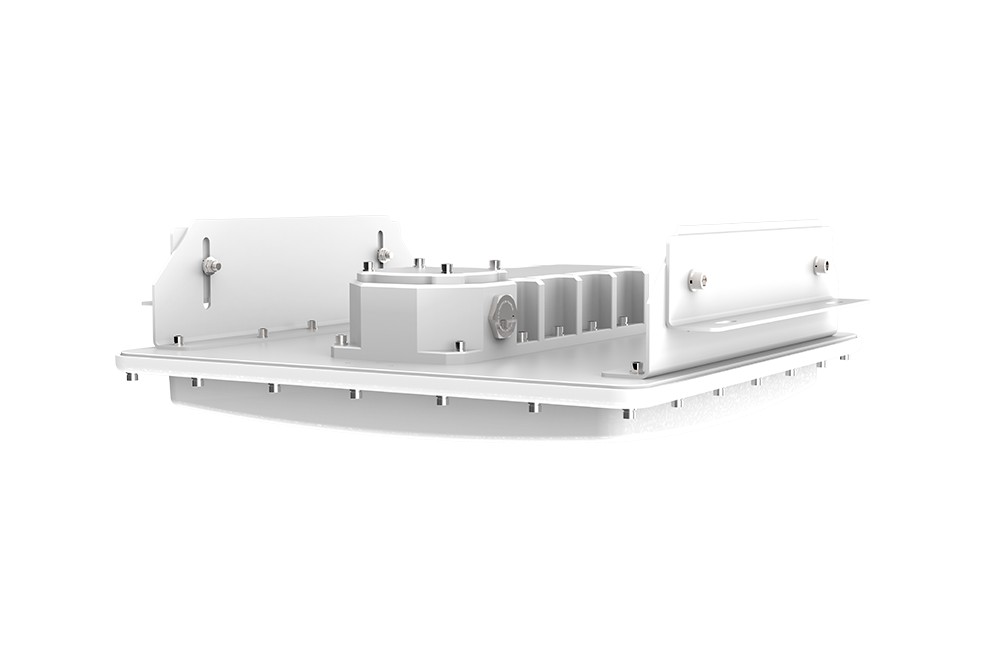
SEEKINGLED LED Gas Station Canopy Lights are ATEX certified for Zone 2 and Zone 22 hazardous areas, featuring adjustable power and built-in explosion-proof junction box.
View details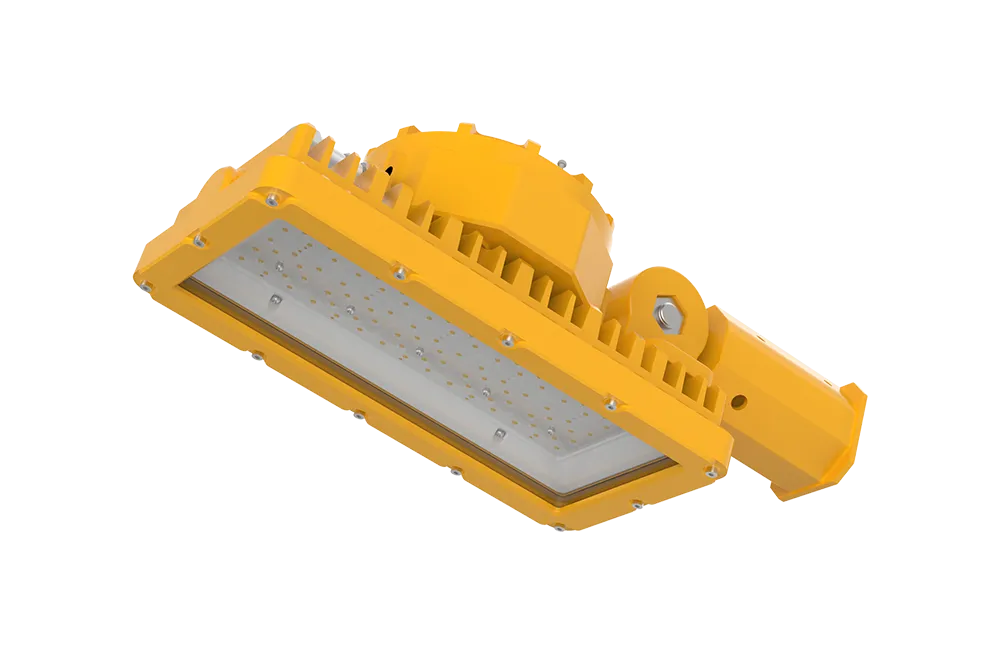
ATEX: Ex II 2G Ex db IIB T6/T5 GbEx II 2D Ex tb IIIC T80°C/ T95°C Db IECEx Ex db IIB T6 Gb;Ex tb IIIC T80°C Db Feature: ● For Zone 1,2 and Zone 21,22● Flameproof type, the strongest● 100W can replace 250W HID,energy saving● Power:60W,80W,100W Application: Oil and gas, marine, Chemical, pharmaceutical, semiconductor,mining,military industr…
View details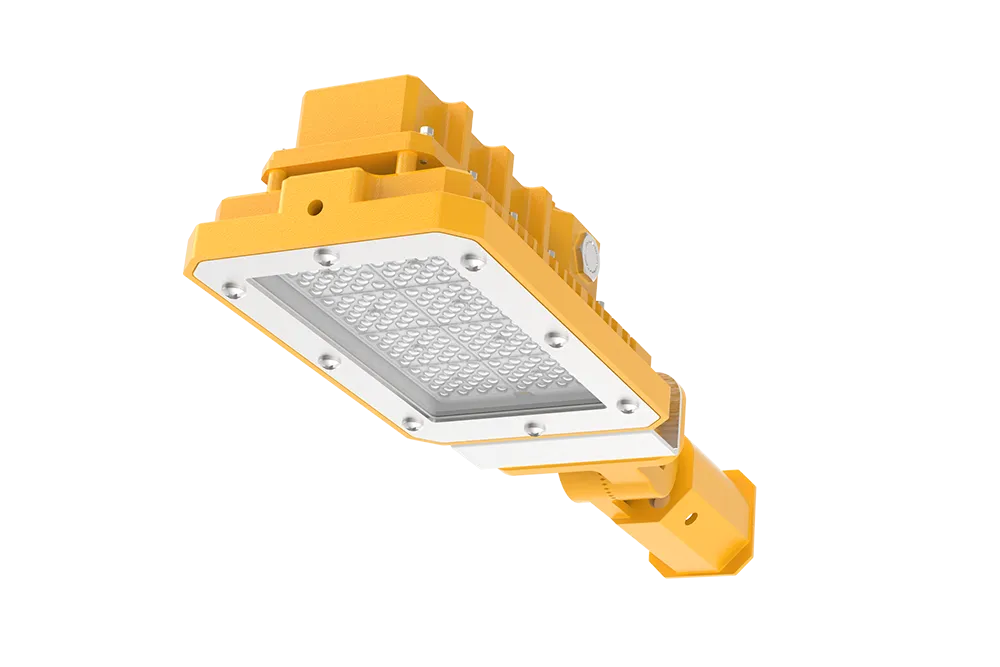
ATEX: II 3G Ex nR ⅡC T5/T6 GcII 3D Ex tc ⅢC T80℃/T95℃Dc ATEX Certificate NO: TÜV CY 26 ATEX 0207611 X Feature: ● For Zone 2 and Zone 22● 150W can replace 250W HID lamps,Energy saving● Power:50W,75W,100W,150W,200W Application: Oil and gas, marine, Chemical, pharmaceutical, semiconductor,mining,military industry, paint booth,power plant ETC…
View details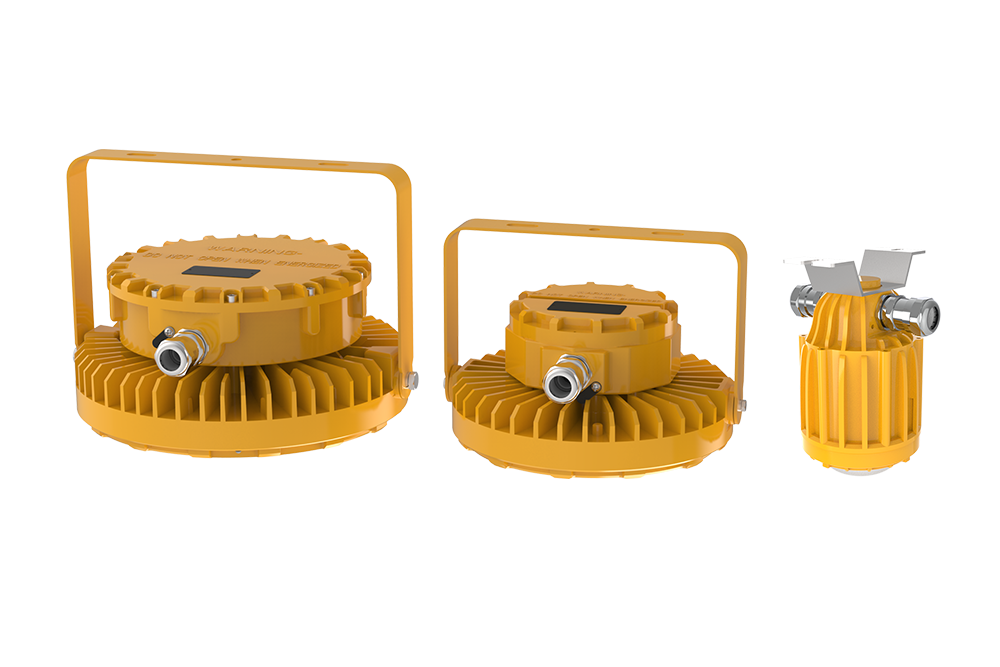
LED explosion proof high bay lights are designed for Zone 1, Zone 2, Zone 21 and Zone 22 hazardous areas. This page introduces the HB21 Series from SEEKING, including certifications, power options and real application considerations.
View details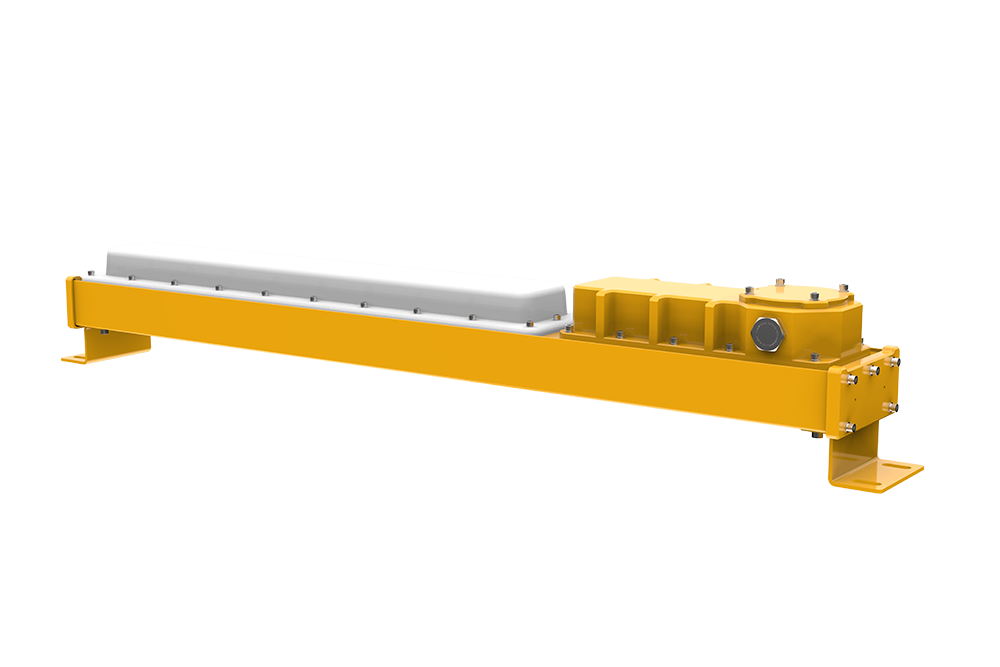
LED Linear Explosion Proof Lights from SEEKINGLED. LU Series Flame Proof lights ATEX-certified explosion proof LED linear lighting for Zone 2 gas and Zone 22 dust areas, IP69K, IK10, long lifetime and flexible power options.
View details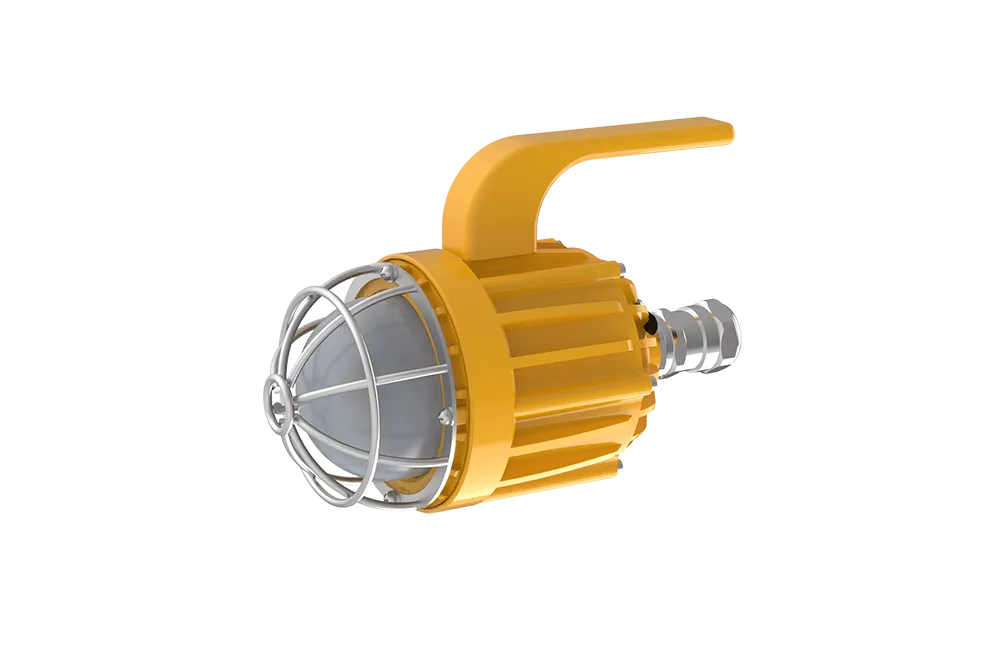
Certified explosion proof work lights for Zone 1 & 21 hazardous areas. Portable, ATEX & IECEx approved, built for oil, gas and chemical plants by SEEKINGLED.
View details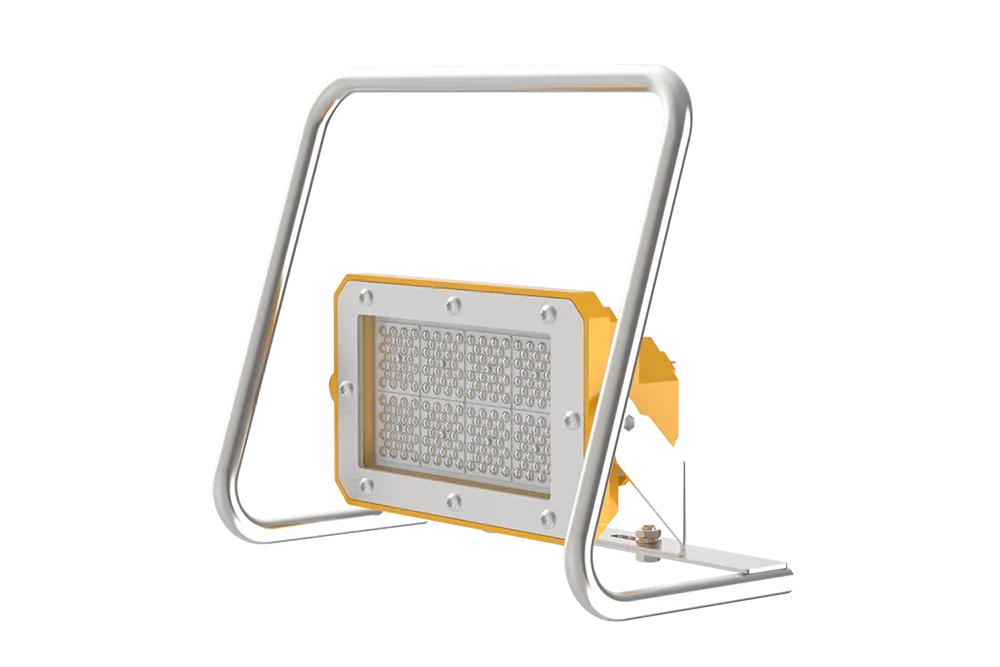
ATEX: II 3G Ex nR ⅡC T6 GcII 3D Ex tc ⅢC T80℃ Dc ATEX Certificate NO: TÜV CY 26 ATEX 0207611 X Feature: ● For Zone 2 and Zone 22● Accepts battery-powered supply● indestructible● Power:AC input:50W,75W,100WDC input:15W,25W,35W Application: Oil and gas, marine, Chemical, pharmaceutical, semiconductor,mining,military industry, paint booth,po…
View details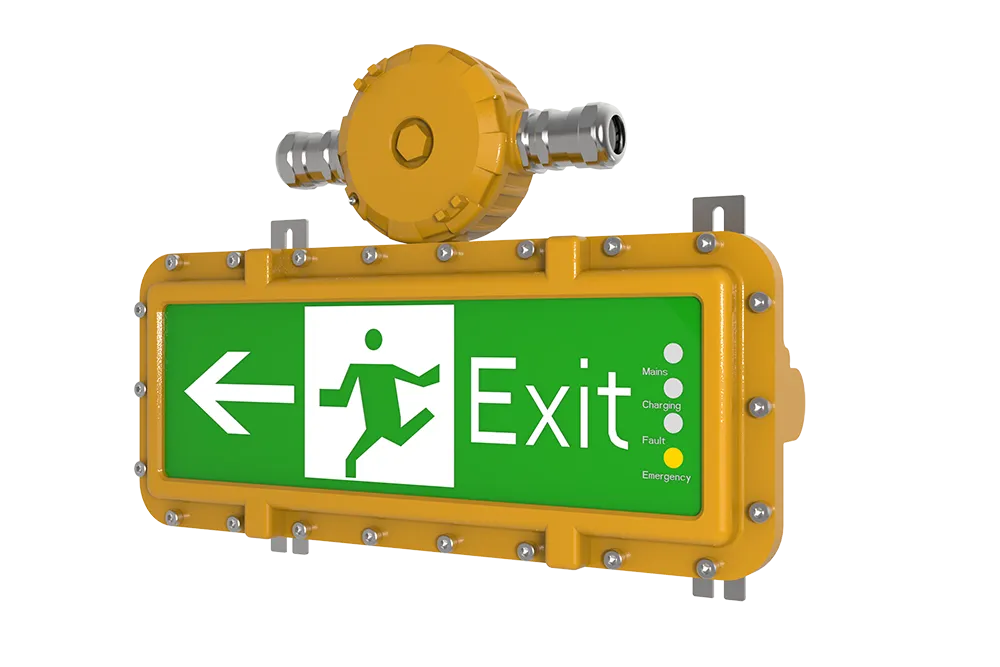
ATEX: Ex II 2G Ex db IIB T6 GbEx II 2D Ex tb IIIC T80°C Db IECEx Ex db IIB T6 Gb;Ex tb IIIC T80°C Db Feature: ● For Zone 1,2 and Zone 21,22● Flameproof type, the strongest Application: Oil and gas, marine, Chemical, pharmaceutical, semiconductor,mining,military industry, paint booth,power plant ETC hazardous area. Technical Specifications:…
View details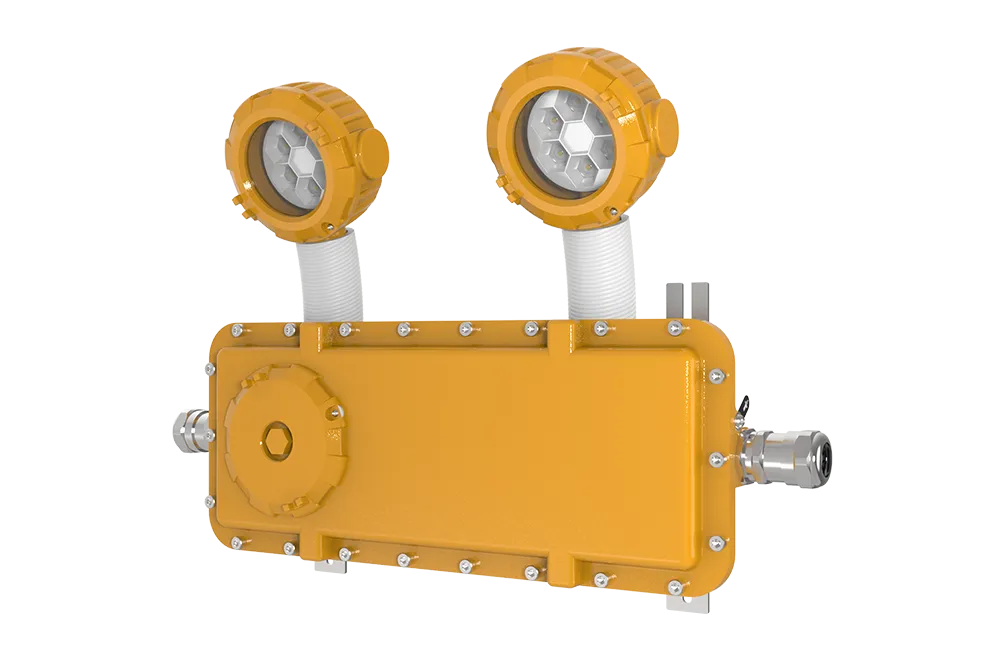
ATEX: Ex II 2G Ex db IIB T6 GbEx II 2D Ex tb IIIC T80°C Db IECEx Ex db IIB T6 Gb;Ex tb IIIC T80°C Db Feature: ● For Zone 1,2 and Zone 21,22● Flameproof type, the strongest Application: Oil and gas, marine, Chemical, pharmaceutical, semiconductor,mining,military industry, paint booth,power plant ETC hazardous area. Technical Specifications:…
View details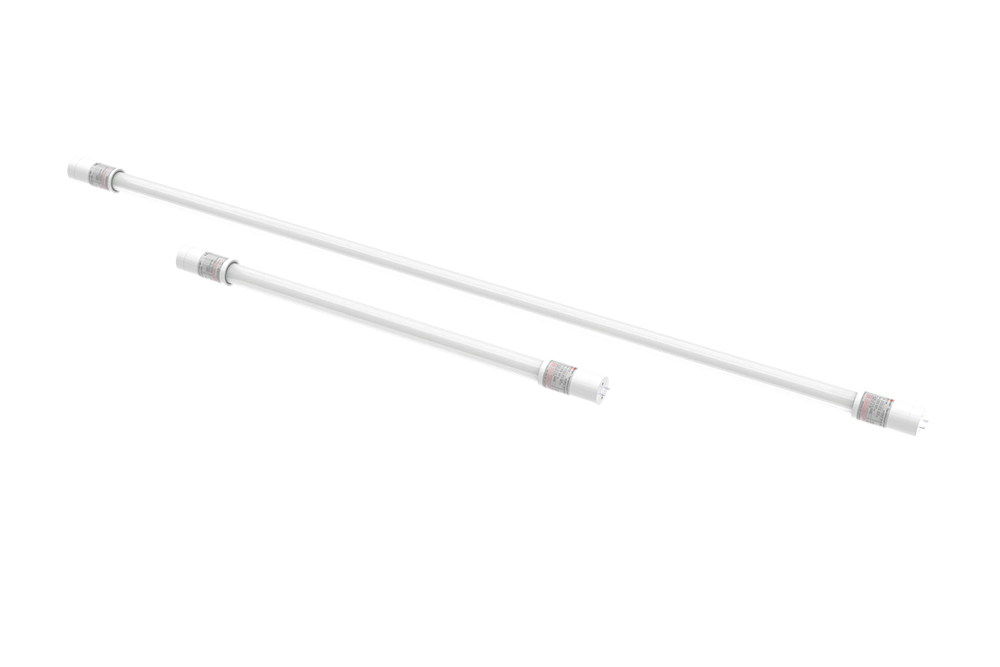
ATEX: Ex II 2G Ex d e IIB T6 Gb ATEX: Ex d e IIB T6 Gb; Feature: ● For Zone 1,2● 9W can replace 18W fluorescent lamps,50% Energy saving Application: Oil and gas, marine, Chemical, pharmaceutical, semiconductor,mining,military industry, paint booth,power plant ETC hazardous area. Technical Specifications: Standards:60079-0, 60079-1, 60079…
View details
100w led street light is a popular choice for roads and parking areas. Learn where it works best, where it fails, and how to choose correctly.
View details
how long do led tennis court lights last? Learn real lifespan, performance factors, and expert insights on maintaining efficient court lighting systems.
View details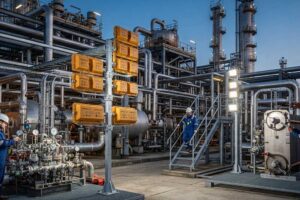
what are atex zones? Learn ATEX hazardous area classifications, zone 0, zone 1, zone 2, and how explosion-proof lighting protects industrial facilities.
View details
What Is the Lifespan of Explosion Proof Lights? Discover how LED explosion proof lights last 50,000+ hours, reduce maintenance costs, and save energy in hazardous industrial areas.
View details