 Seeking LED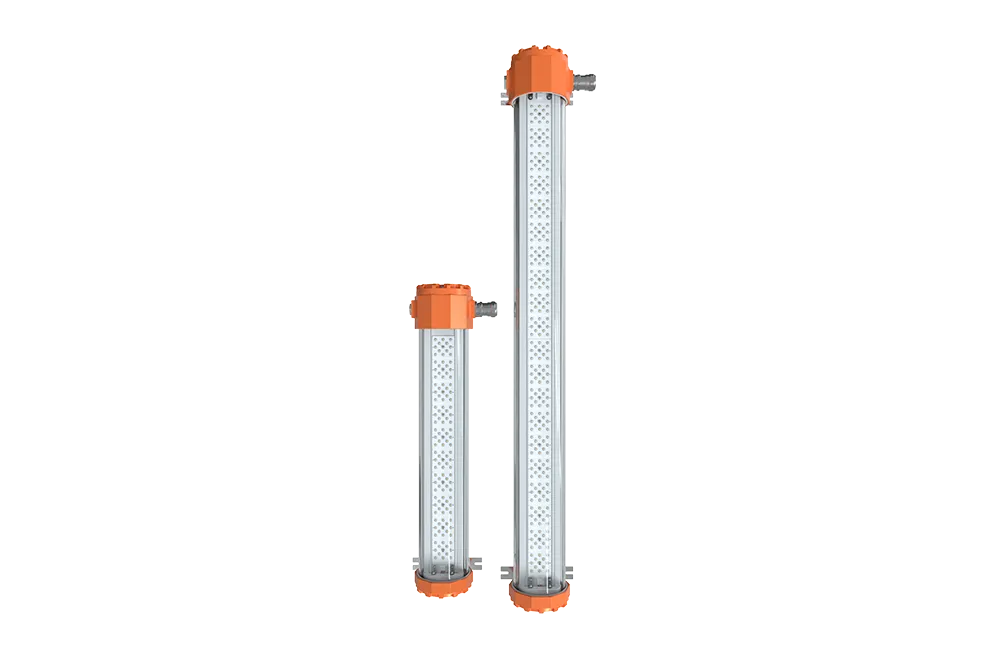
Where Can I Find a List of Explosion-Proof Lighting Manufacturers?
301Where can I find a list of explosion-proof lighting manufacturers? Learn how engineers identify certified suppliers for hazardous area lighting. By SEEKINGLED.
View detailsSearch the whole station
That question — how does explosion proof lighting work — usually comes up during inspections or retrofit meetings. Someone points at a heavy cast-aluminum fixture mounted above a pipe rack and asks if it’s really “explosion proof,” or just labeled that way.
The short answer: it doesn’t prevent explosions from happening in the air around it. It prevents itself from causing one.
But that simple sentence hides a lot of engineering.
It works by containing and controlling ignition sources.
In refineries, offshore platforms, and chemical plants, flammable gases or vapors may be present. If a lighting fixture produces a spark, arc, or excessive heat, it can ignite that atmosphere.
Explosion proof lighting is designed so that:
The standards governing this are primarily defined by the International Electrotechnical Commission under the IEC 60079 series. In Europe, ATEX aligns with these requirements. In North America, hazardous location classifications are structured under NEC rules overseen by the National Fire Protection Association.
In other words, this isn’t marketing language. It’s testable physics.
When people ask, “how does explosion proof lighting work in oil and gas environments,” they often assume it’s about sealing everything completely. That’s not accurate.
In Ex d (flameproof) design, the principle is controlled containment.
If an internal ignition occurs inside the fixture:
I’ve seen these flame path measurements inspected under magnification during certification audits. Clearances are tight. Fractions of millimeters matter.
That’s the working principle — not preventing sparks, but ensuring sparks can’t ignite the external atmosphere.
Yes, but not in the way many assume.
LED reduces heat compared to metal halide or high-pressure sodium. According to the U.S. Department of Energy, industrial LED systems can reduce energy use by 50–70%. Lower energy input usually means lower heat output.
However — and this is important — LED drivers inside sealed housings still generate heat. In high ambient environments (45–55°C), thermal buildup becomes serious.
At SEEKINGLED, we run continuous high-temperature aging tests because I’ve personally seen fixtures pass initial checks but fail after long exposure cycles. The diode survives. The driver overheats.
So how does explosion proof lighting work reliably with LED? Through disciplined thermal management. Heat sinks, housing mass, and driver selection must be engineered together.
When someone asks how does explosion proof lighting work in Zone 1 versus Zone 2, the difference lies in probability of explosive atmosphere presence.
Design requirements vary slightly, but temperature control and enclosure strength remain critical. The same logic applies in Class 1 Division 2 systems in North America.
In one petrochemical retrofit I worked on, older fixtures had no clear temperature class marking. That delayed project approval. Documentation and labeling are part of how explosion proof lighting works — because safety must be verifiable, not assumed.
Rarely the LED chip.
More often:
On an offshore platform, salt spray eats at everything. I remember climbing a ladder to inspect a fixture installed only four years earlier. Mechanically sound. Electrically fine. But the gasket compression had degraded just enough to allow moisture ingress.
That’s when you realize how explosion proof lighting works in theory versus in practice. Engineering is one part. Installation discipline is another.
Because not all housings are machined equally. Not all certifications are current. Not all suppliers maintain batch traceability.
At SEEKINGLED, our approach is simple: certification first, marketing second. We coordinate testing according to IEC 60079 requirements and verify temperature rise under worst-case conditions.
When someone asks me directly, “how does explosion proof lighting work,” I don’t give a sales answer. I explain containment, cooling, temperature class, and documentation. If those four elements are controlled, the fixture works safely.
If one is weak, risk appears.
So, how does explosion proof lighting work?
It works by containing ignition, controlling temperature, and complying with certified design standards. It does not eliminate explosive atmospheres. It ensures the fixture cannot ignite them.
That’s the difference. And in oil and gas, that difference matters every day.
Related products
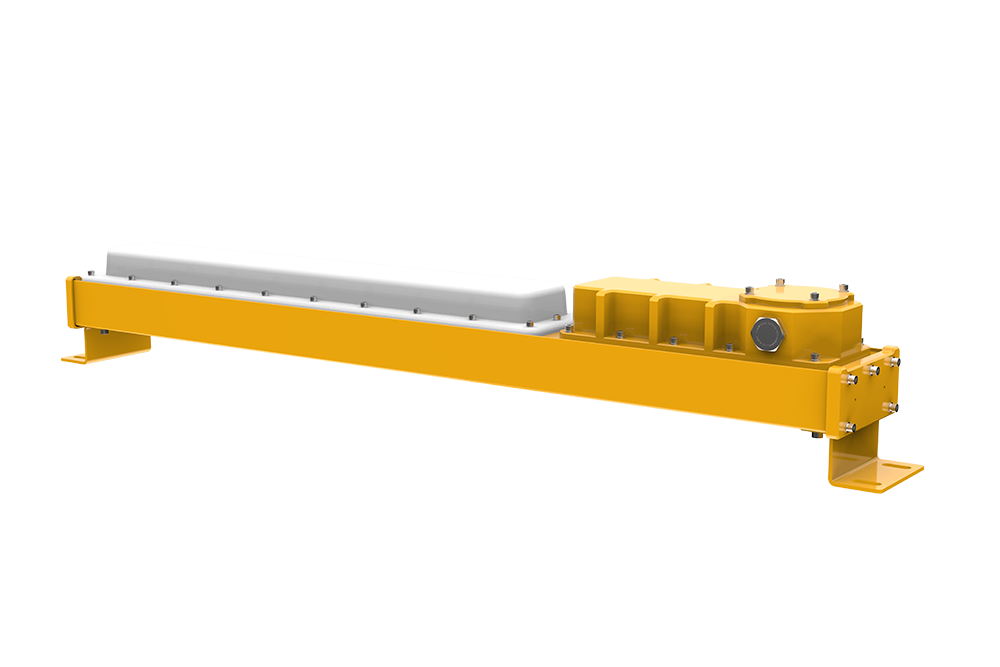
SEEKINGLED LED Linear Explosion Proof Light and Explosion Proof lighting is ATEX and IECEx certified for Zone 1, Zone 2, Zone 21 and Zone 22 hazardous locations, built for long-term industrial use.
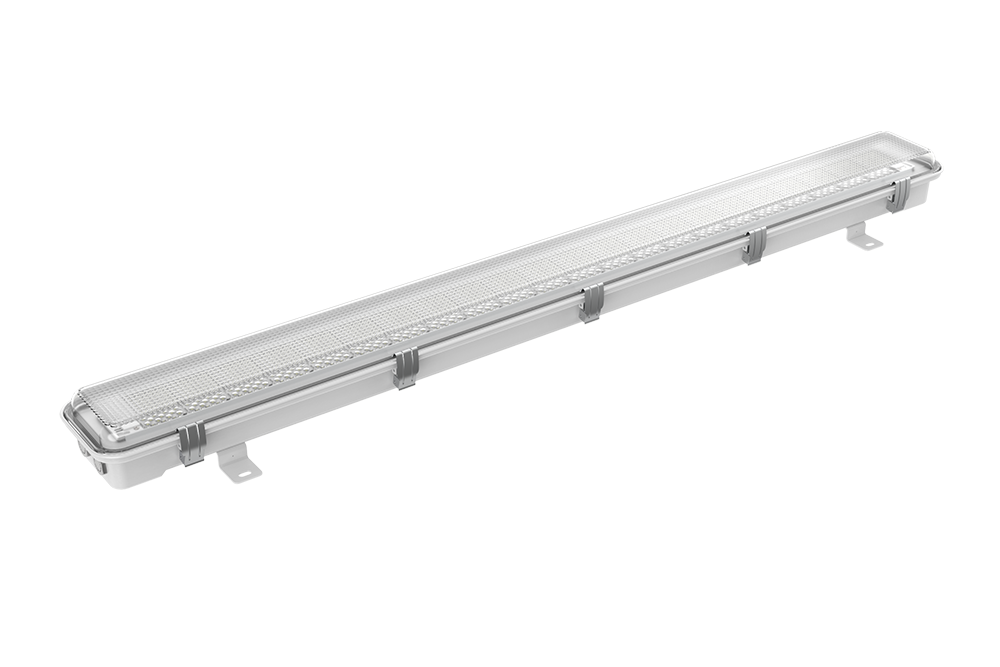
LED Linear Explosion Proof Lights and EX Proof lights for Zone 1, Zone 2, Zone 21 and Zone 22 hazardous areas. ATEX & IECEx certified explosion proof LED linear lighting with emergency function, adjustable power and IP67 protection by SEEKINGLED.
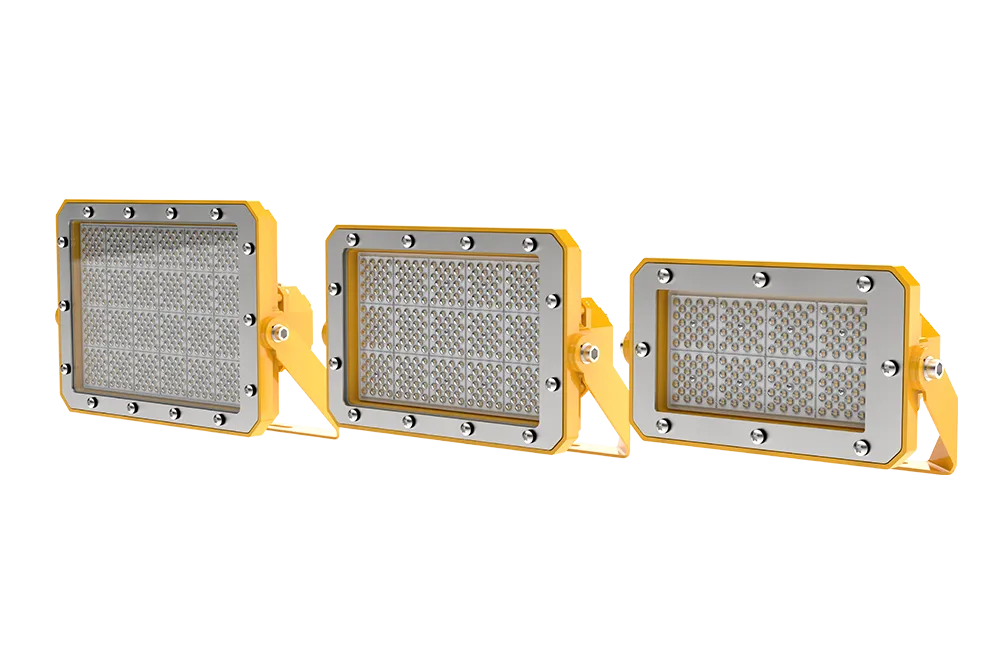
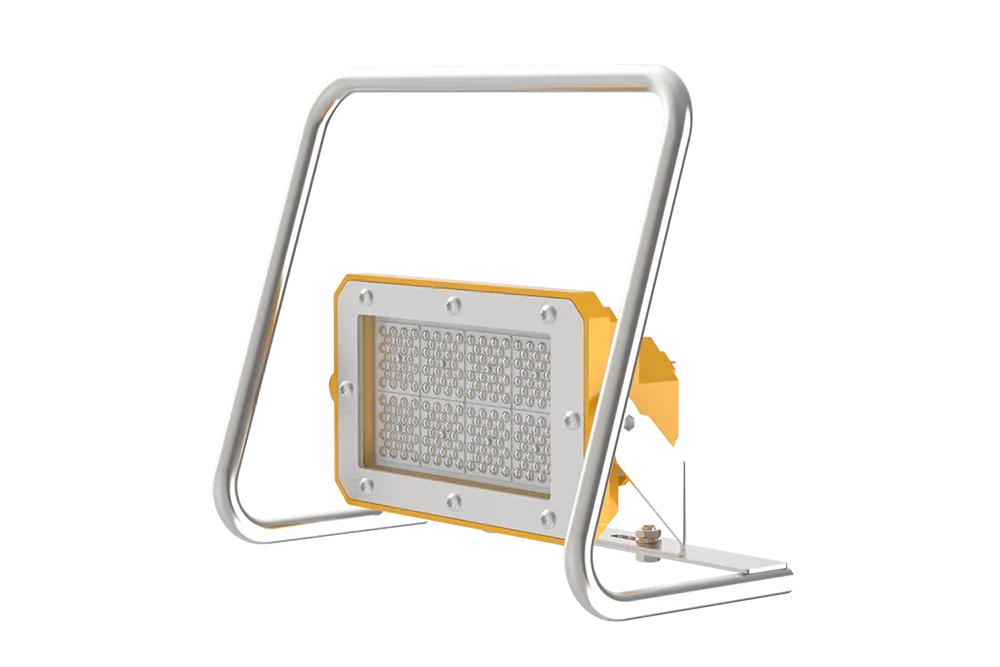
SEEKINGLED LED Explosion Proof Flood Lights are ATEX certified for Zone 2 and Zone 22 hazardous areas, offering high efficiency, adjustable power and integrated junction box.
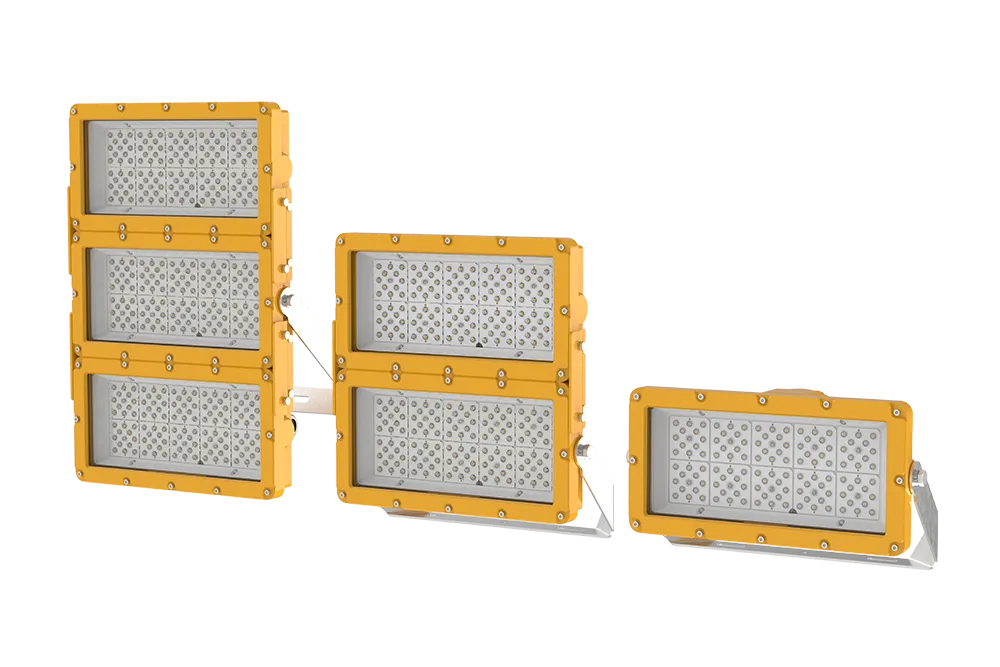
SEEKINGLED LED Explosion Proof Flood Lights are flameproof ATEX and IECEx certified for Zone 1 and Zone 2 hazardous areas, offering high power, adjustable output and long service life.
SEEKINGLED LED Gas Station Canopy Lights are ATEX certified for Zone 2 and Zone 22 hazardous areas, featuring adjustable power and built-in explosion-proof junction box.
ATEX: Ex II 2G Ex db IIB T6/T5 GbEx II 2D Ex tb IIIC T80°C/ T95°C Db IECEx Ex db IIB T6 Gb;Ex tb IIIC T80°C Db Feature: ● For Zone 1,2 and Zone 21,22● Flameproof type, the strongest● 100W can replace 250W HID,energy saving● Power:60W,80W,10…
ATEX: II 3G Ex nR ⅡC T5/T6 GcII 3D Ex tc ⅢC T80℃/T95℃Dc ATEX Certificate NO: TÜV CY 26 ATEX 0207611 X Feature: ● For Zone 2 and Zone 22● 150W can replace 250W HID lamps,Energy saving● Power:50W,75W,100W,150W,200W Application: Oil and gas, m…
LED explosion proof high bay lights are designed for Zone 1, Zone 2, Zone 21 and Zone 22 hazardous areas. This page introduces the HB21 Series from SEEKING, including certifications, power options and real application considerations.
LED Linear Explosion Proof Lights from SEEKINGLED. LU Series Flame Proof lights ATEX-certified explosion proof LED linear lighting for Zone 2 gas and Zone 22 dust areas, IP69K, IK10, long lifetime and flexible power options.
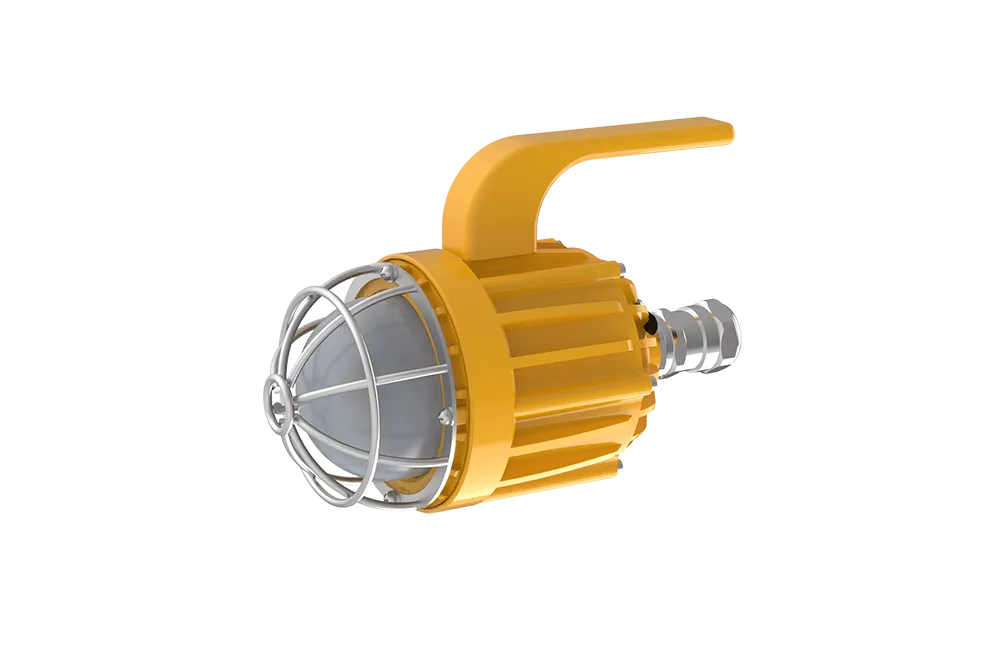
Certified explosion proof work lights for Zone 1 & 21 hazardous areas. Portable, ATEX & IECEx approved, built for oil, gas and chemical plants by SEEKINGLED.
ATEX: II 3G Ex nR ⅡC T6 GcII 3D Ex tc ⅢC T80℃ Dc ATEX Certificate NO: TÜV CY 26 ATEX 0207611 X Feature: ● For Zone 2 and Zone 22● Accepts battery-powered supply● indestructible● Power:AC input:50W,75W,100WDC input:15W,25W,35W Application: O…
ATEX: Ex II 2G Ex db IIB T6 GbEx II 2D Ex tb IIIC T80°C Db IECEx Ex db IIB T6 Gb;Ex tb IIIC T80°C Db Feature: ● For Zone 1,2 and Zone 21,22● Flameproof type, the strongest Application: Oil and gas, marine, Chemical, pharmaceutical, semicondu…
ATEX: Ex II 2G Ex db IIB T6 GbEx II 2D Ex tb IIIC T80°C Db IECEx Ex db IIB T6 Gb;Ex tb IIIC T80°C Db Feature: ● For Zone 1,2 and Zone 21,22● Flameproof type, the strongest Application: Oil and gas, marine, Chemical, pharmaceutical, semicondu…
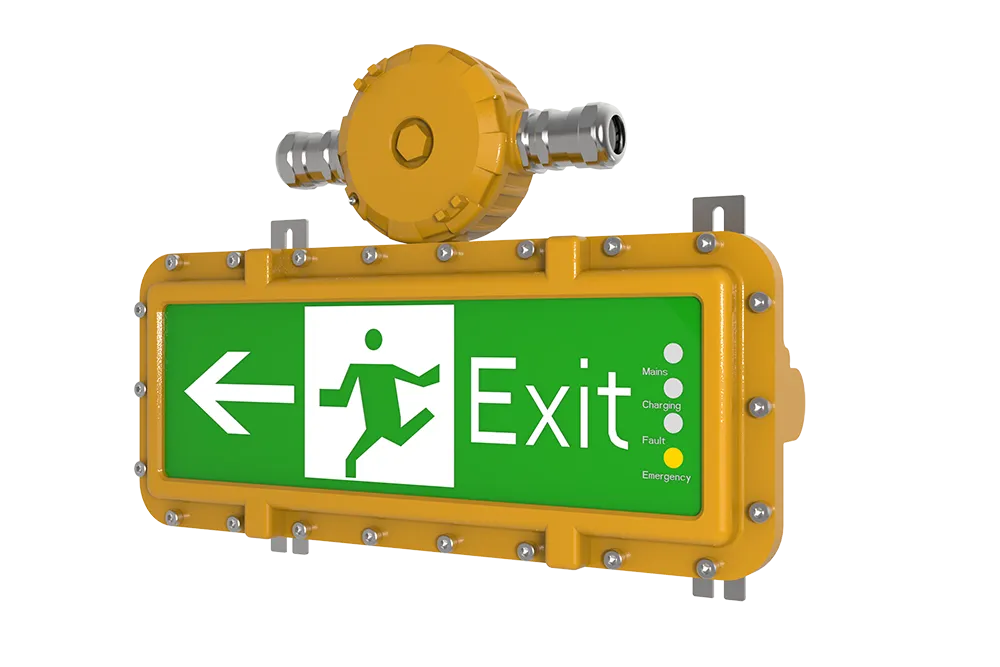
ATEX: Ex II 2G Ex d e IIB T6 Gb ATEX: Ex d e IIB T6 Gb; Feature: ● For Zone 1,2● 9W can replace 18W fluorescent lamps,50% Energy saving Application: Oil and gas, marine, Chemical, pharmaceutical, semiconductor,mining,military industry, pain…
loading…
This is the last post!
Where can I find a list of explosion-proof lighting manufacturers? Learn how engineers identify certified suppliers for hazardous area lighting. By SEEKINGLED.
View details
What does Ex mean in Ex lighting? Learn the meaning of Ex markings, hazardous area classifications, ATEX certifications, and why Ex lighting is essential for industrial safety.
View details
How Bright Is 10W LED Flood Light? Learn lumen output, coverage, and real use cases. Discover if a 10W LED flood light is enough for your space.
View details
1.Main housing material: 2.Light-transmitting surface material: 3.Mounting bracket: 4.Screws:
View details