 Seeking LED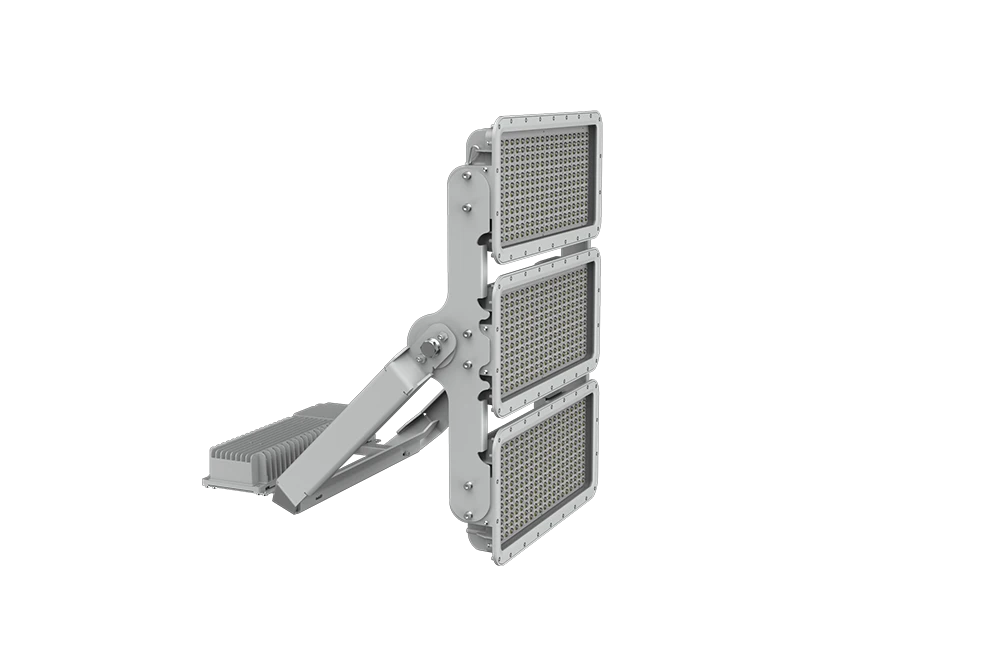
explosion proof led linear lighting
0Explosion proof LED linear lighting ensures safe, uniform illumination in hazardous areas. Learn certifications, design, and real-world applications with SEEKINGLED.
View detailsSearch the whole station
A lot of people search online wondering how to make led flood light at home. Sometimes it’s curiosity. Sometimes it’s a small DIY project for a garage, garden shed, or workshop.
To be honest, building a basic LED flood light yourself is possible. The design isn’t extremely complicated. But there are a few practical details you quickly learn once you try it the first time.
Heat management matters.
Power supply matters.
Waterproofing matters even more.
And if any of those are ignored, the light may work for a few days… then fail.
Still, as a simple experiment or learning project, making a homemade flood light can be interesting. Let’s walk through the basics.
Before building anything, it helps to know what separates a flood light from a normal LED lamp.
A flood light typically has three core elements:
The LED produces the light.
The driver regulates voltage and current.
The housing removes heat.
Commercial manufacturers such as SEEKINGLED spend a lot of time optimizing these three components. That’s why professional fixtures last tens of thousands of hours.
A DIY version usually simplifies this structure.
If you’re trying how to make led flood light at home, start with these parts.
Essential materials
You’ll also need simple tools: screwdriver, soldering iron, and possibly a drill.
Nothing extremely specialized.
Still, quality parts make a huge difference. Cheap drivers are the most common failure point.
High-power LEDs generate heat quickly. Without cooling, they burn out fast.
Spread a thin layer of thermal paste between the LED chip and the aluminum heat sink. Then screw or clamp the LED firmly onto the metal surface.
This step alone determines how long the light survives.
Many beginners skip proper heat transfer. That mistake usually shows up within hours.
Next, wire the LED chip to the constant-current driver.
Most drivers have two output wires:
Connect them directly to the LED terminals.
Then connect the driver input wires to your power source. This could be standard AC household power if the driver supports it.
Always double-check voltage ratings before switching on.
Flood lights don’t just emit raw light. They shape it.
A reflector or lens spreads the beam outward so the light covers a larger area.
Without this, your DIY project becomes more like a spotlight.
Commercial lighting brands — including SEEKINGLED — use specialized optical lenses designed to control beam angles precisely.
In a home project, a simple reflector is usually enough.
Outdoor lighting needs protection from moisture.
Place the LED assembly and driver inside a metal or waterproof box. Drill holes for mounting brackets if needed.
Make sure:
A surprising number of homemade lights fail simply because condensation forms inside the housing.
Now comes the moment everyone waits for.
Turn the power on.
If everything is wired correctly, the LED should illuminate instantly.
A 30W LED chip will already produce a strong beam — bright enough for a small yard or garage workspace.
Let it run for 10–15 minutes during the first test and check the heat sink temperature.
If it becomes extremely hot, the cooling system needs improvement.
People researching how to make led flood light at home often discover a few issues quickly.
Heat buildup
LED chips fail without proper cooling.
Driver failure
Cheap drivers flicker or stop working early.
Waterproofing problems
Outdoor installations require proper sealing.
This is why professionally manufactured lights exist. Companies like SEEKINGLED engineer housings, optics, and electronics to work together reliably.
DIY lights are great for experimentation, but they rarely match industrial durability.
Building your own flood light can be useful for:
But for long-term outdoor lighting — like security lights or yard illumination — professionally built fixtures usually perform better and last much longer.
They’re designed for heat management, weather resistance, and consistent brightness.
So, how to make led flood light at home?
The process itself is fairly simple: mount a high-power LED on a heat sink, connect a driver, add a reflector, and protect everything in a weather-resistant housing.
The challenge isn’t making the light turn on.
The real challenge is making it last.
DIY projects can teach a lot about lighting technology. But if you need reliable outdoor performance, purpose-built products — such as those developed by SEEKINGLED — remain the more practical solution.
Either way, understanding how these lights work gives you a whole new appreciation for the engineering behind modern LED flood lighting.
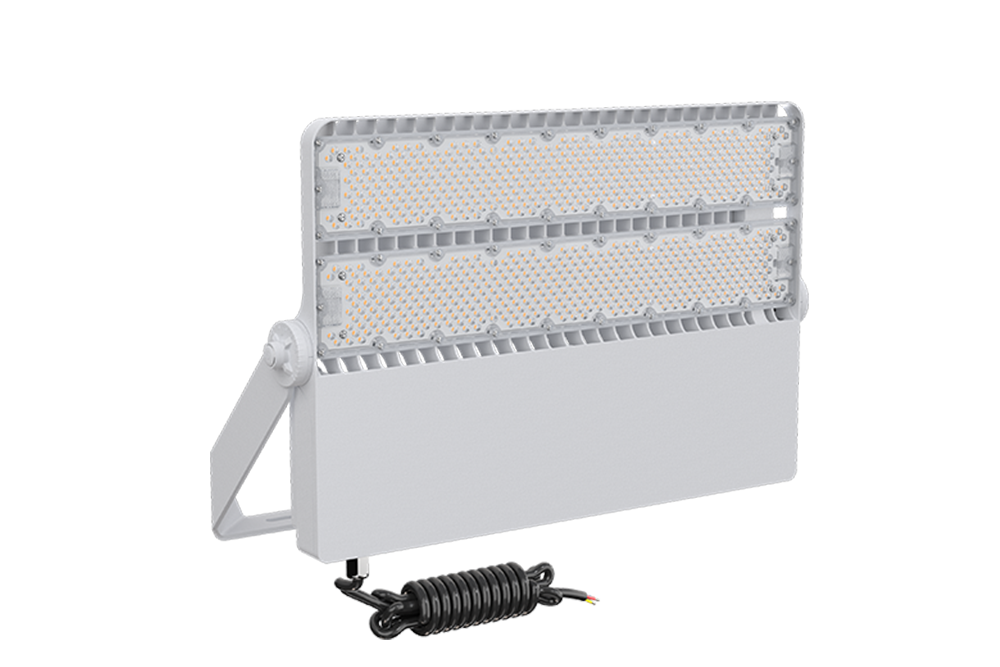
Sports Stadium LED Lighting by SEEKINGLED delivers high mast illumination, precise beam control, and EN 12193 compliant performance for professional venues.
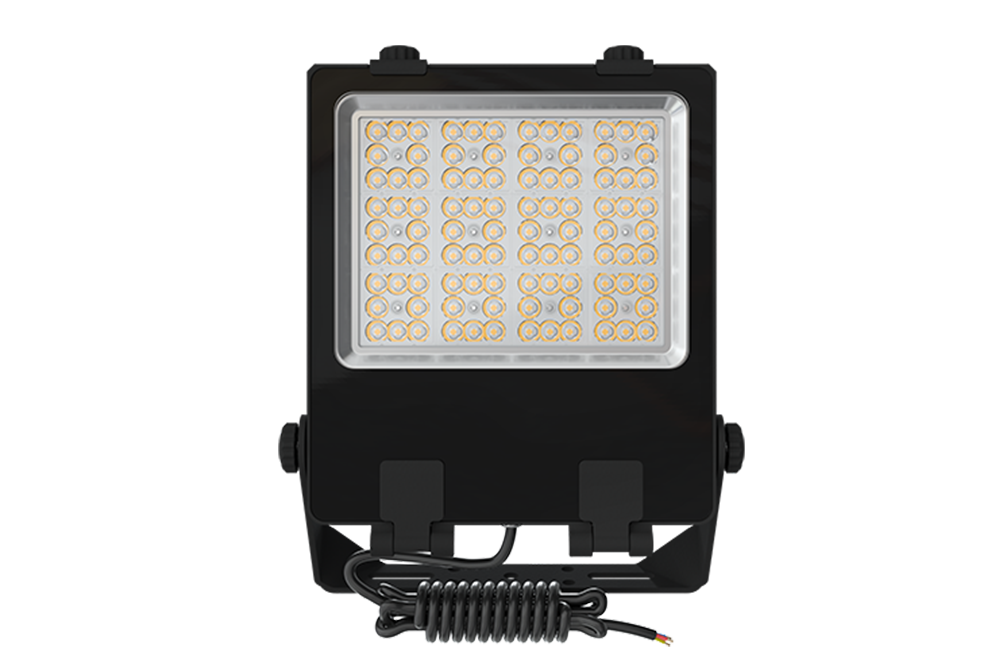
SEEKING FLX Series LED flood light outdoor for sports courts and open-area projects with 170lm/W efficiency, IP66 protection and multiple beam distributions. Designed for long-life commercial and public outdoor use.
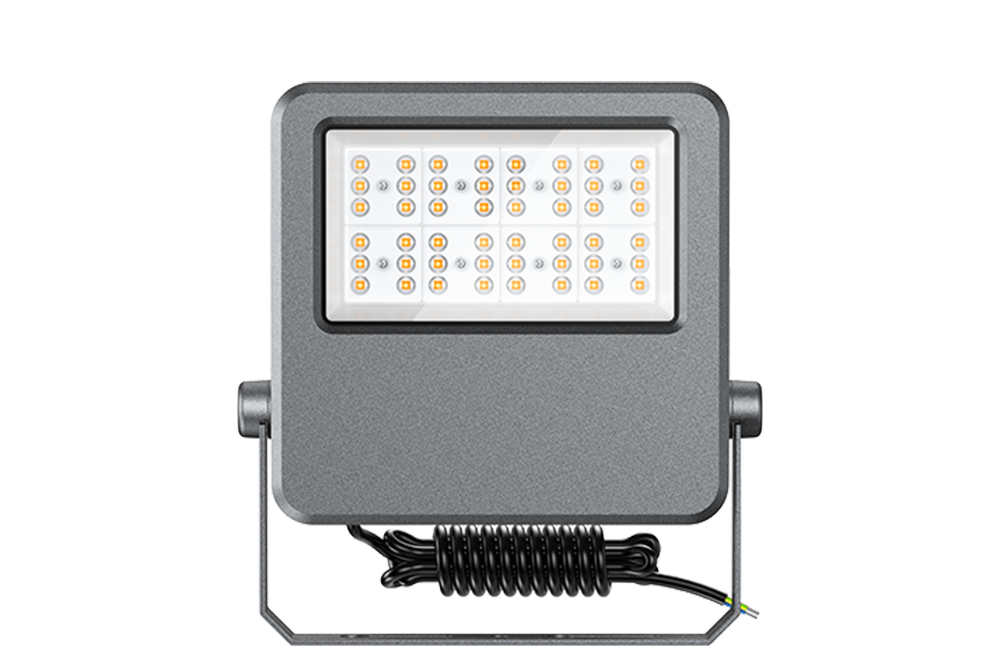
SEEKING FLE Series LED outdoor flood lights for sports grounds and open areas with multiple beam angles, IP66 protection and up to 170lm/W. Designed for long-life outdoor installations with professional driver options.
SEEKING FLD Series outdoor LED flood lights and high power led flood light deliver up to 960W with precision beam angles for sports fields, stadiums and large outdoor areas. IK08 & IP66 protection, 170lm/W efficiency and 100,000h lifetime.
loading…
This is the last post!
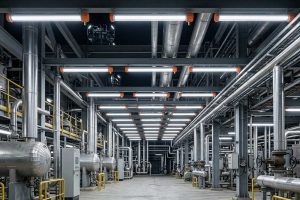
Explosion proof LED linear lighting ensures safe, uniform illumination in hazardous areas. Learn certifications, design, and real-world applications with SEEKINGLED.
View details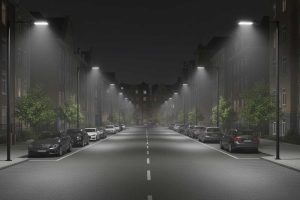
How long do LED street lights last in real outdoor projects? Learn what affects LED street light lifespan and how SEEKINGLED STB Series is designed for long-term road lighting.
View details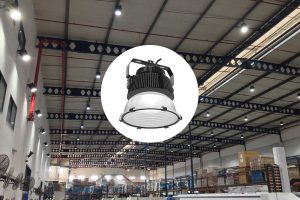
LED High Bay Lighting for Metal Warehouse projects often start from maintenance pressure rather than brightness demand. This case records how 150W LED high bay lights replaced 400W HPS lamps in an Israeli metal storage warehouse using SEEKINGLED f...
View details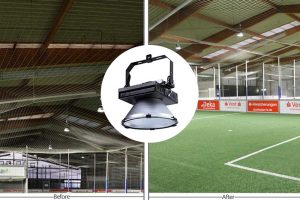
LED High Bay Lighting for Gym Spaces was required in a German gym to avoid glare and uneven light. This project note records how XJ-HBL series fixtures with frosted glass were selected and verified through Dialux calculation.
View details