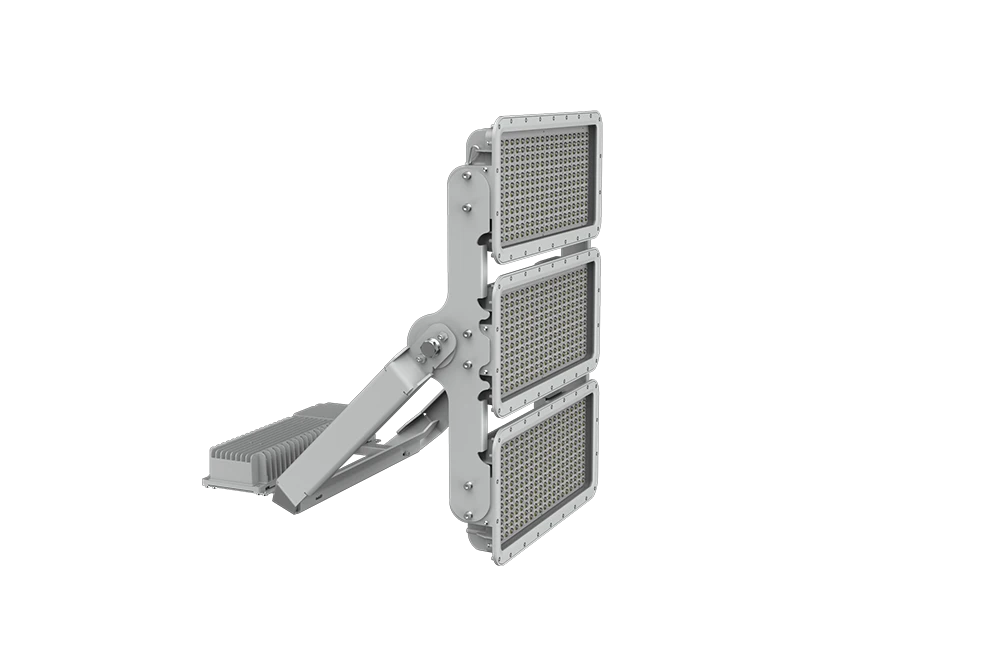
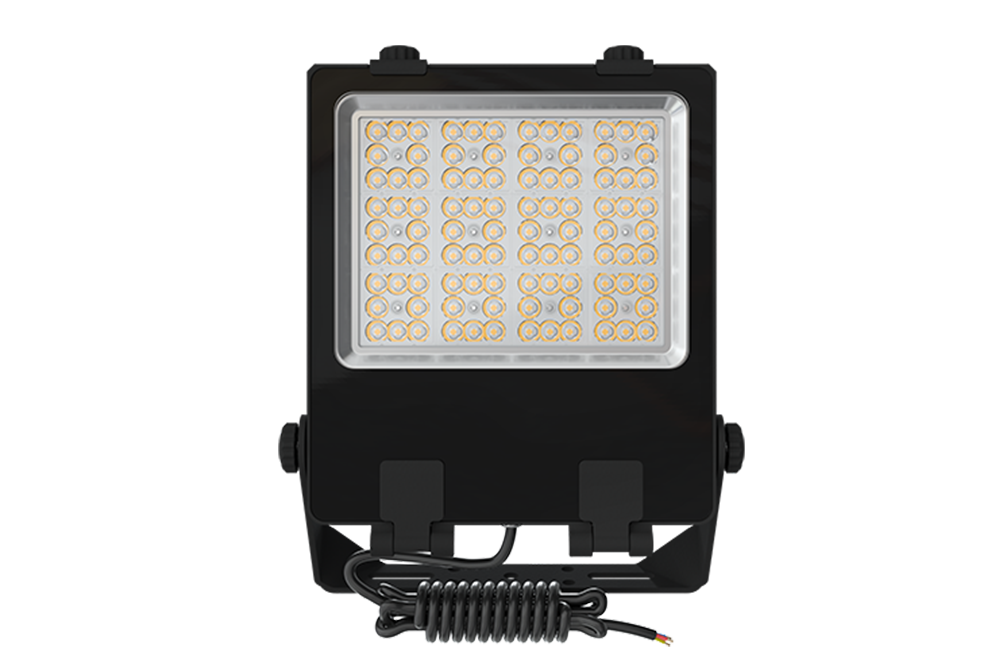
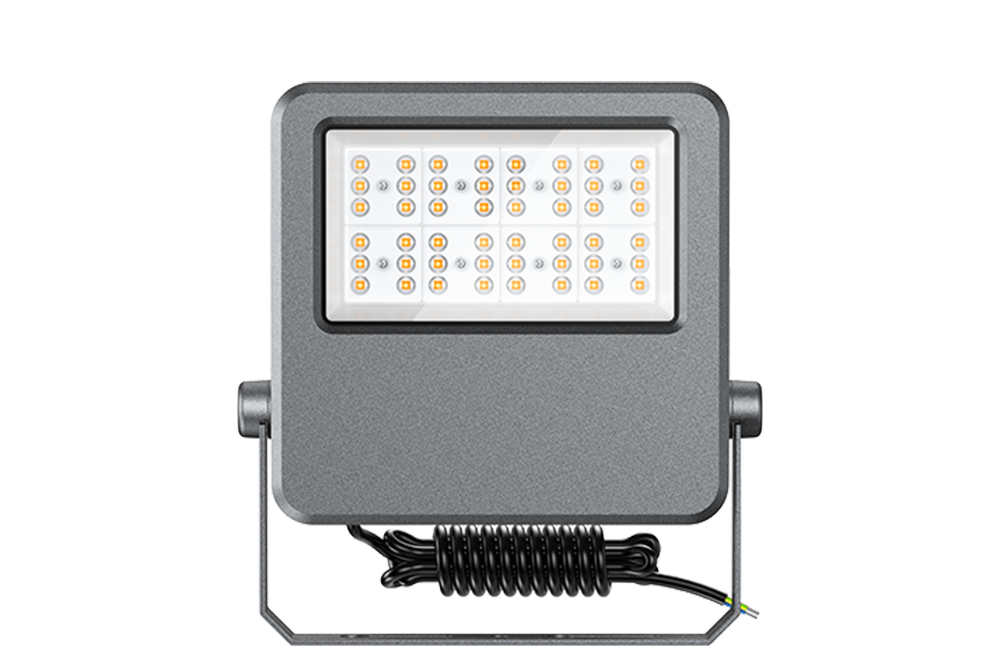
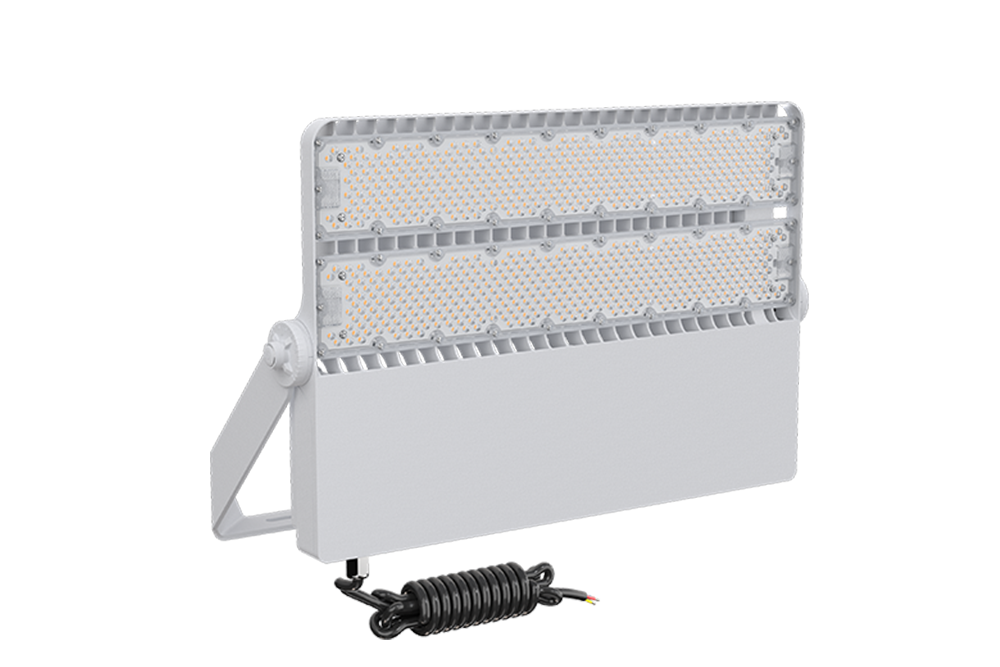
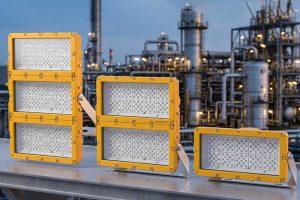
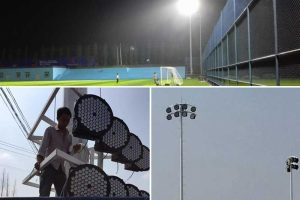
Do LED flood lights use a lot of electricity?
It’s a common concern, especially for customers planning large outdoor areas like parking lots, sports fields, building facades, or industrial yards.
The short answer is no—but the real explanation needs a bit more context.
Why LED flood lights look “powerful” but aren’t wasteful
LED flood lights are designed to cover wide areas. They look bright, sometimes extremely bright, so people assume they must consume a lot of electricity. In reality, brightness and power usage are not the same thing.
Modern LED flood lights produce more lumens per watt than older technologies. That means more usable light from less electrical input.
For example, a 200W LED flood light can often replace:
- a 400W metal halide fixture
- or even a 600W high-pressure sodium lamp
While delivering equal or better illumination.
How much electricity do LED flood lights actually use?
Electricity use depends mainly on wattage and operating hours.
If a LED flood light is rated at 150W, it will consume about:
- 0.15 kWh per hour of operation
Compared to traditional flood lights, LEDs usually cut energy consumption by 40–70%, depending on the application.
That’s why many facilities see noticeable drops in electricity bills after switching.
Are LED flood lights energy efficient over long periods?
Yes, and this is where LEDs really make sense.
LED flood lights maintain stable output over time. They don’t need warm-up periods, and they don’t suffer the same efficiency loss seen in older lamps as they age. Good thermal design and quality drivers help keep energy use consistent year after year.
In practical terms, that means:
- fewer replacements
- lower maintenance costs
- predictable power usage
Does brightness level affect electricity usage?
Absolutely.
Higher lumen output requires higher wattage, but LED technology allows better control. Beam angle, mounting height, and spacing all affect how much power is actually needed. Many projects are over-lit simply because the fixture choice wasn’t matched to the site.
This is why professional lighting layouts matter just as much as the fixture itself.
Final answer in plain terms
So, do LED flood lights use a lot of electricity?
Compared to traditional flood lighting, they use significantly less. When selected and installed correctly, LED flood lights provide strong illumination without driving up energy costs.
That balance is the main reason LEDs have become standard for outdoor and large-area lighting.
LED Flood Lights Recommendations
 Seeking LED