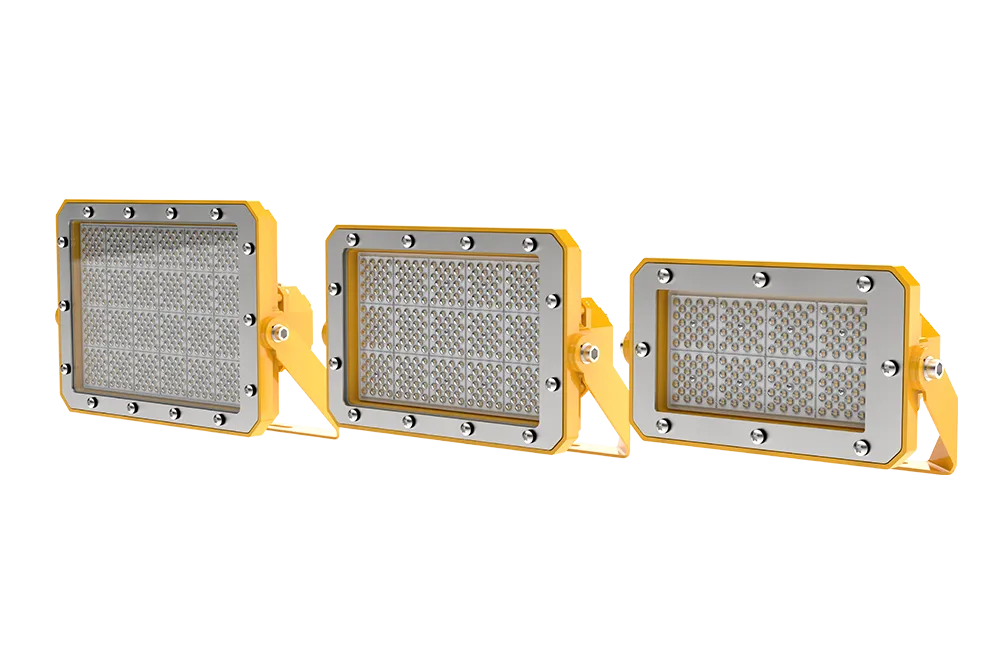
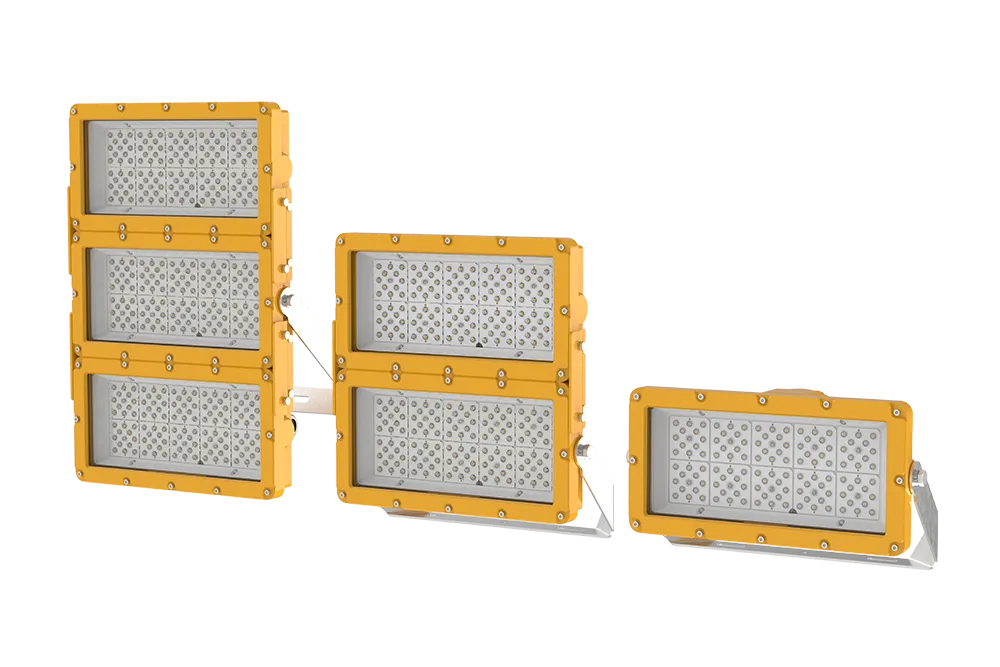
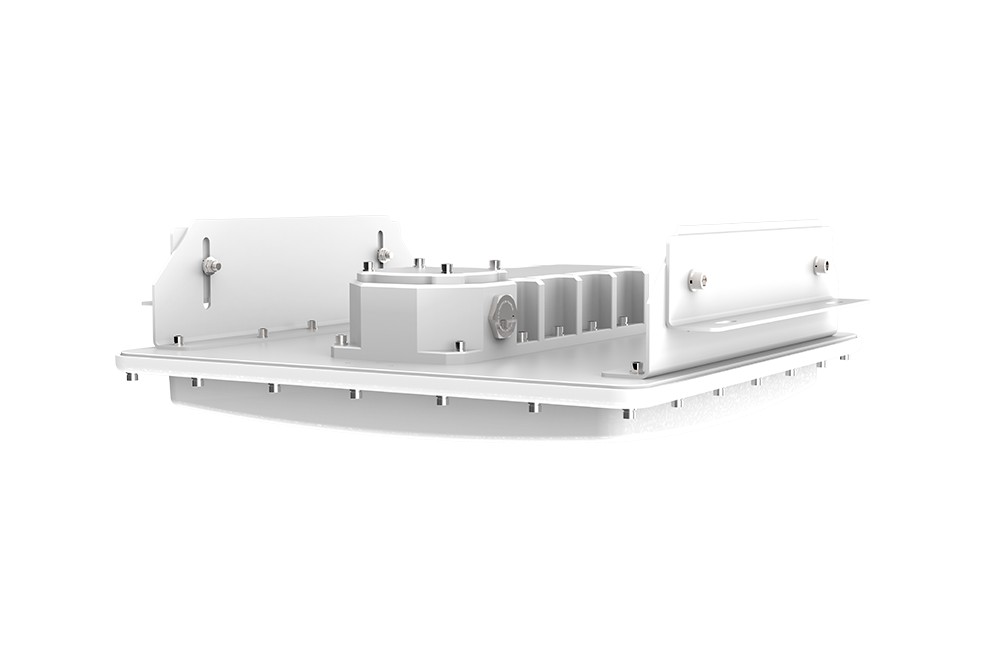
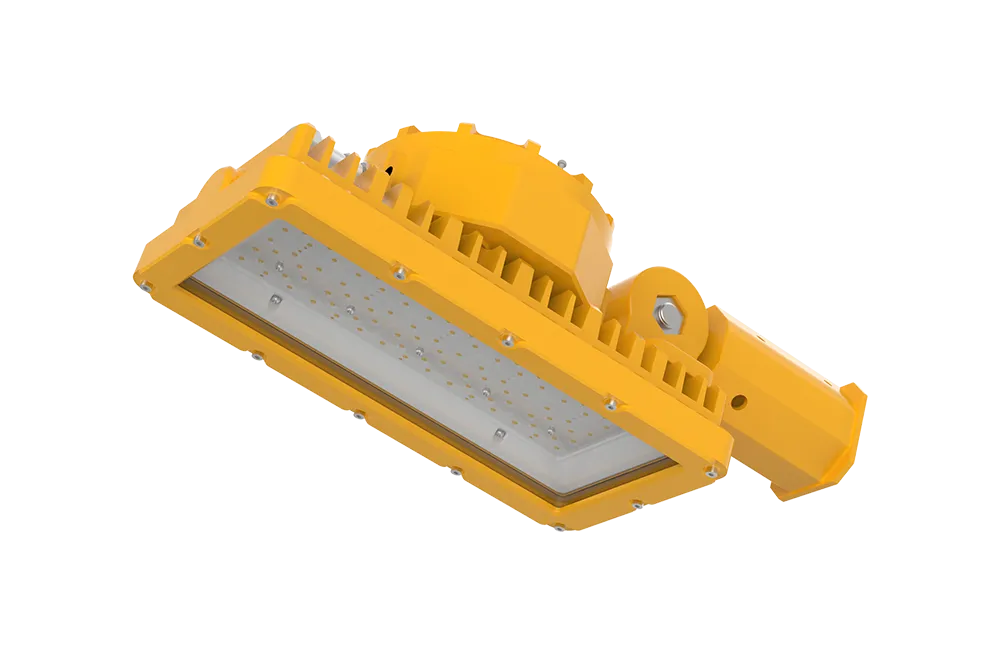
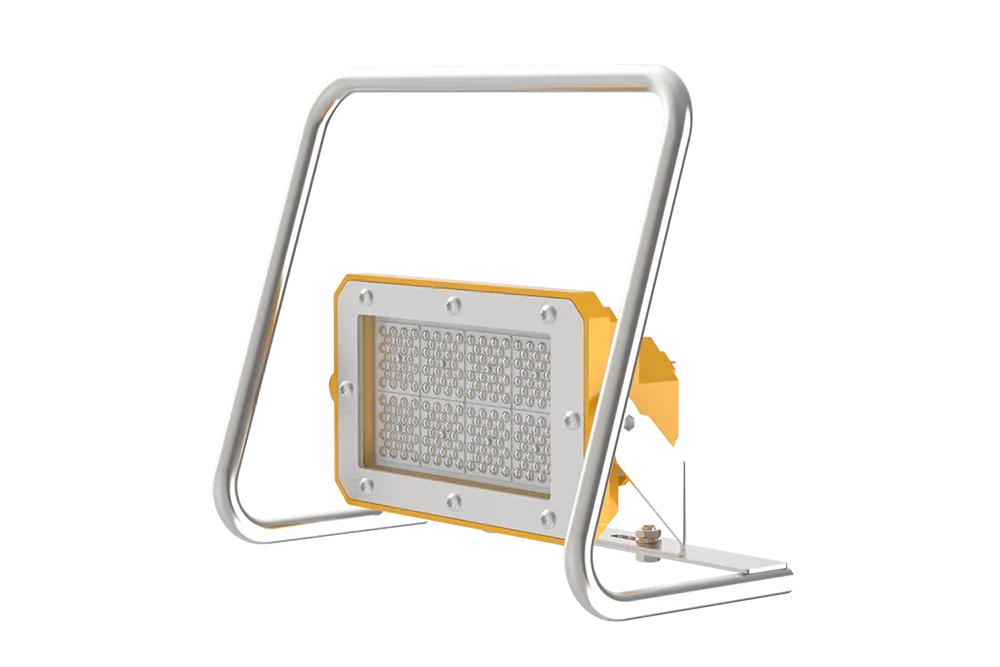
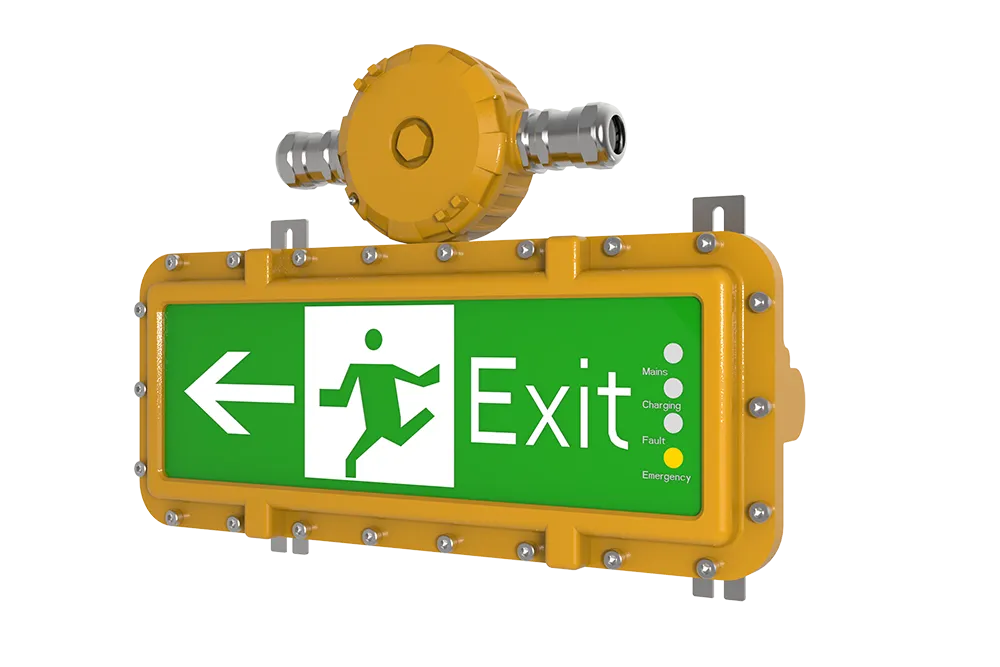
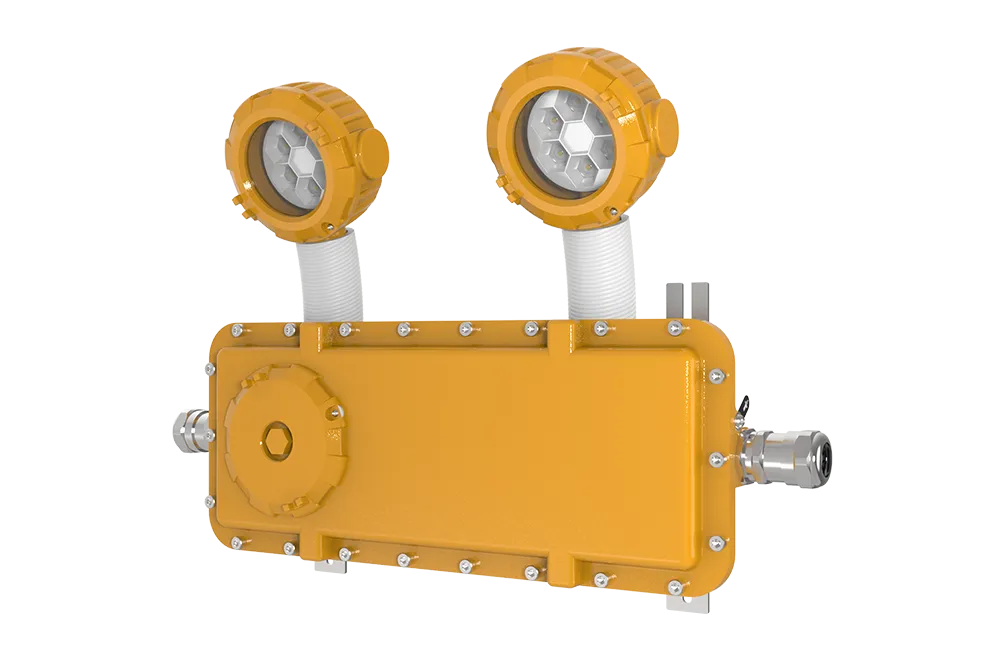
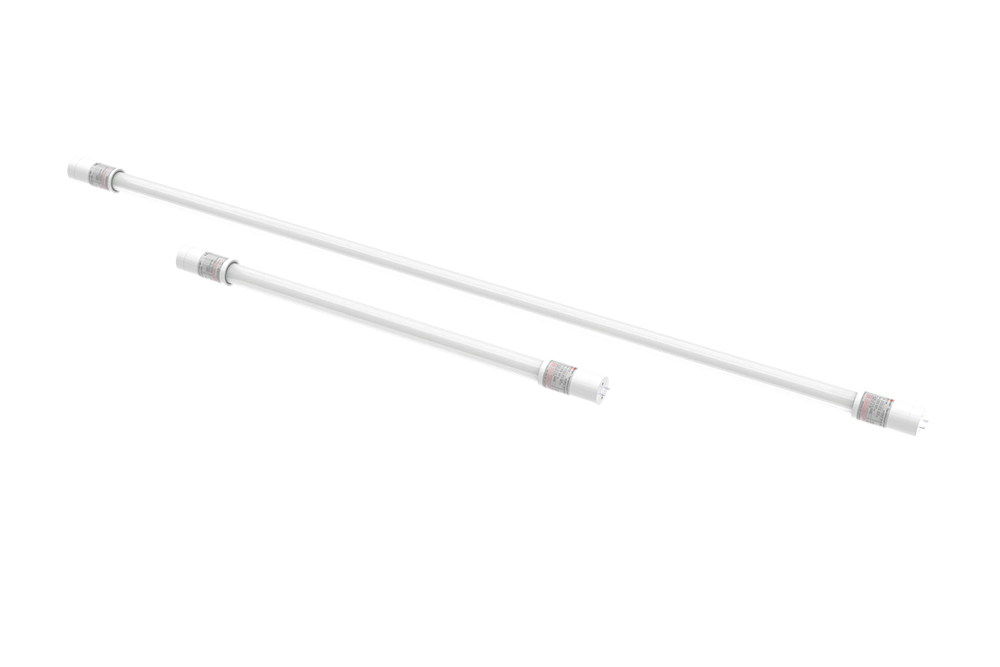
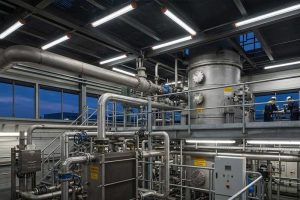
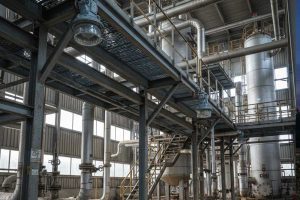
ATEX certified lighting is lighting equipment independently tested and approved for use in potentially explosive atmospheres where flammable gases, vapors, mists, or combustible dust may be present. These fixtures are designed to prevent ignition risks while providing safe, reliable illumination in hazardous industrial environments.
Most people encounter the term “ATEX” long before they fully understand what it means.
I certainly did.
More than a decade ago, during a refinery lighting upgrade project, I noticed that nearly every approved fixture carried an ATEX marking. At first glance, the luminaires looked similar to conventional industrial lights. Thick housings. Heavy brackets. Tempered glass.
But the engineers reviewing the project were not focused on brightness.
They were focused on what would happen if something went wrong.
That is the real purpose of ATEX certification.
Not better lighting.
Safer lighting.
What Does ATEX Mean?
ATEX comes from the French phrase ATmosphères EXplosibles, meaning explosive atmospheres.
It refers to a set of European regulations governing equipment used in environments where explosive gas or dust atmospheres may occur.
The current ATEX framework is based primarily on:
ATEX Directive 2014/34/EU (Equipment)
ATEX Directive 1999/92/EC (Workplace Safety)
According to the European Commission, ATEX legislation aims to ensure a high level of protection for workers and equipment operating within potentially explosive atmospheres.
Unlike ordinary industrial lighting, ATEX certified lighting must undergo testing and assessment to verify that it will not become an ignition source under specified operating conditions.
Why Is ATEX Certified Lighting Necessary?
Explosions rarely happen because of a single catastrophic event.
More often, they result from a combination of conditions occurring at the wrong moment.
An explosive atmosphere.
An ignition source.
A confined environment.
Remove one element, and the risk drops dramatically.
Lighting systems are therefore treated as critical safety equipment.
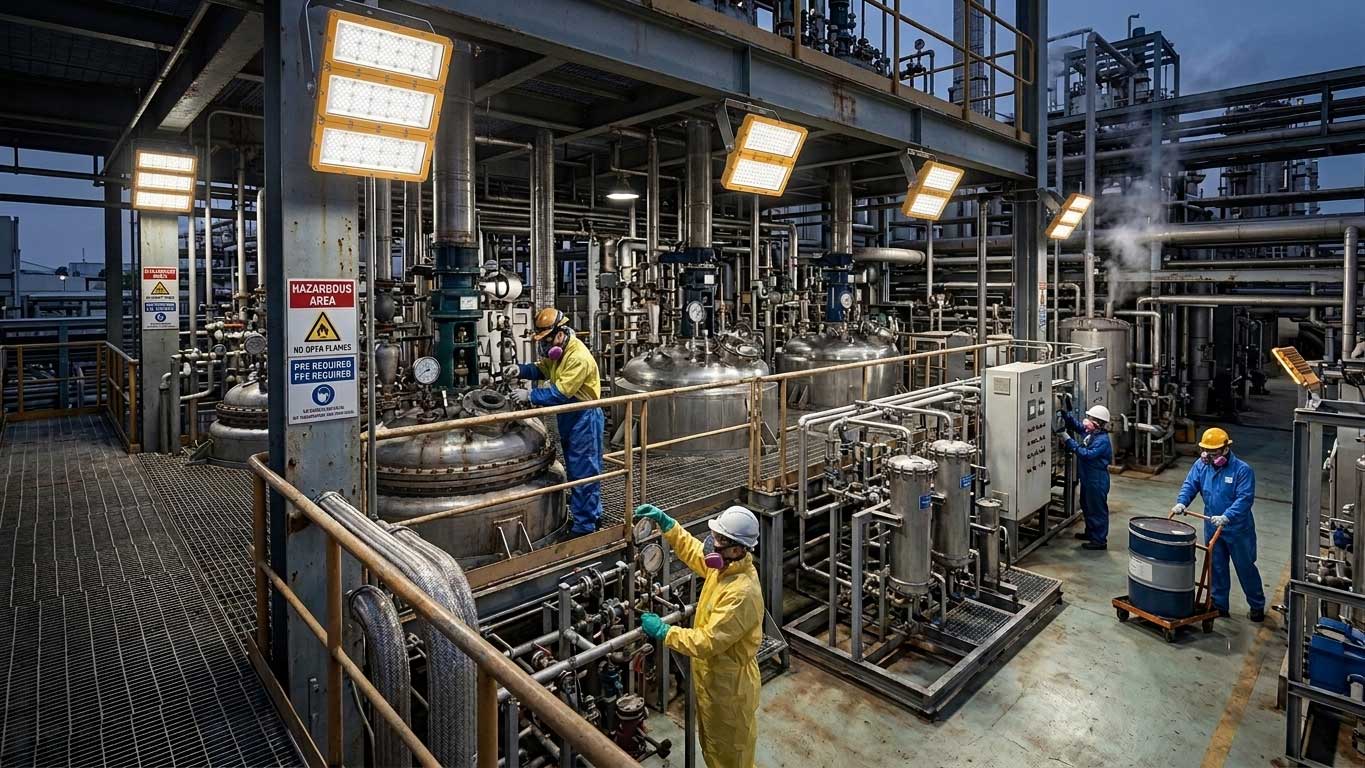
According to the European Agency for Safety and Health at Work (EU-OSHA), explosive atmospheres can occur across numerous industries including chemical production, energy processing, food manufacturing, waste treatment, and pharmaceutical operations.
Yet combustible dust can be just as dangerous as flammable gas.
Where Is ATEX Certified Lighting Used?
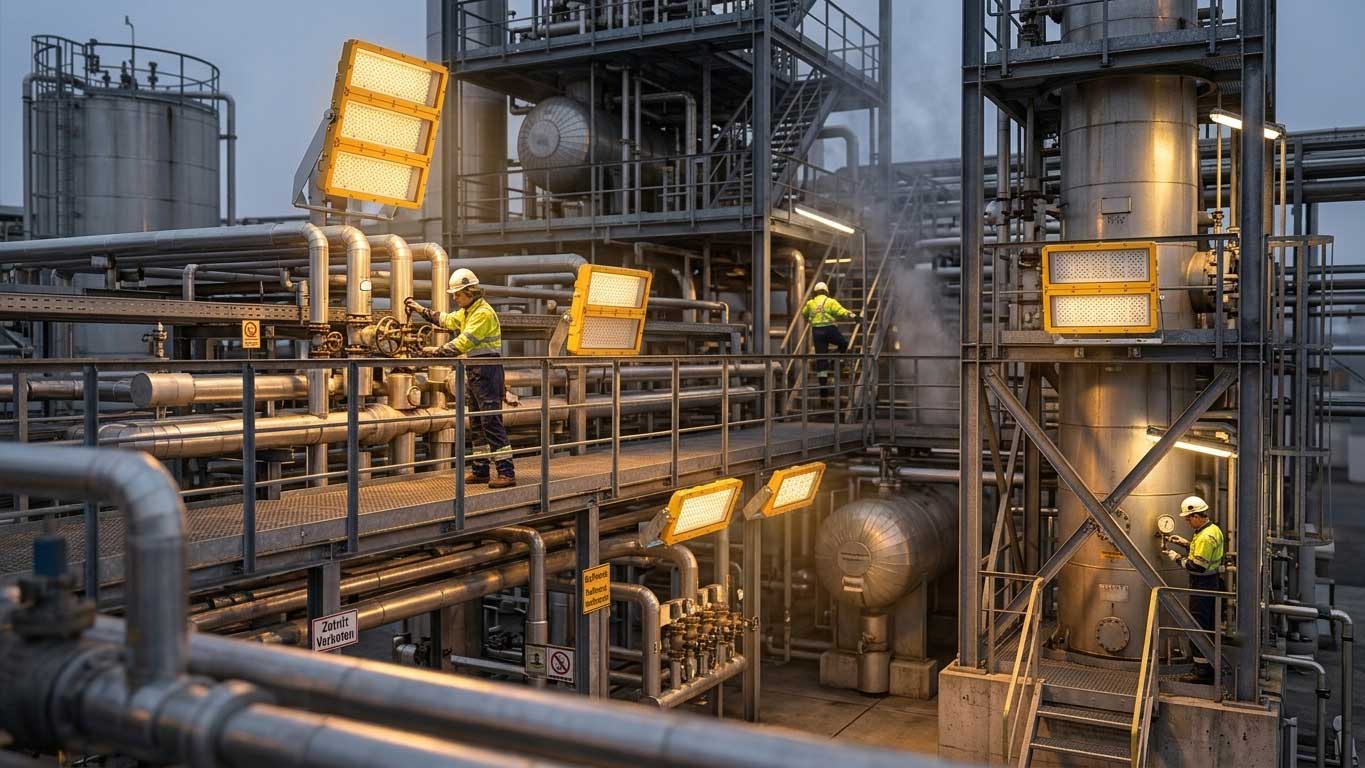
Oil and Gas Facilities
This remains the most recognizable application.
Typical installation areas include:
Refineries
LNG terminals
Tank farms
Offshore platforms
Fuel loading stations
Compressor facilities
According to the International Energy Agency (IEA), global oil demand exceeded 100 million barrels per day in recent years, requiring extensive refining and storage infrastructure worldwide.
The environment, however, had severely tested every exposed fastener and gasket.
That experience reinforced something I still tell project managers today:
Certification gets a fixture approved.
Durability keeps it operating.
Food and Grain Processing Facilities
One of the most misunderstood hazardous environments is food processing.
Facilities handling:
Flour
Grain
Sugar
Starch
Animal feed
can develop combustible dust atmospheres.
According to the U.S. Chemical Safety Board (CSB), combustible dust incidents have caused fatalities and major industrial damage across multiple sectors.
The same material suspended in air behaves very differently.
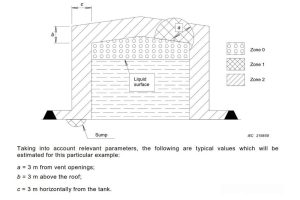
Understanding ATEX Zones
Hazardous areas are classified according to the likelihood of explosive atmospheres occurring.
The classification determines which lighting equipment may be installed.
Zone
Description
Zone 0
Explosive gas atmosphere continuously present
Zone 1
Explosive atmosphere likely during normal operation
Zone 2
Explosive atmosphere unlikely and short duration
Zone 20
Combustible dust continuously present
Zone 21
Dust atmosphere likely during operation
Zone 22
Dust atmosphere unlikely and short duration
One mistake I occasionally see during project reviews is assuming all ATEX fixtures are interchangeable.
They are not.
A fixture approved for Zone 2 may not be suitable for Zone 1.
Classification always comes first.
How Does ATEX Certified Lighting Prevent Ignition?
Different protection concepts exist, but the goal remains the same:
Prevent the fixture from igniting the surrounding atmosphere.
Methods may include:
Flameproof enclosures
Increased safety designs
Encapsulation
Pressurization
Temperature control
The engineering involved is far more complex than most buyers realize.
Surface temperature alone can determine whether a fixture is suitable for a specific environment.
That’s why certification testing is so rigorous.
Why LED Technology Has Become the Preferred Choice
Fifteen years ago, metal halide fixtures dominated many hazardous-area projects.
Today, LED technology is the industry standard.
According to the U.S. Department of Energy, LEDs can significantly reduce energy consumption while delivering much longer service life than traditional lighting technologies.
The maintenance advantage is often underestimated.
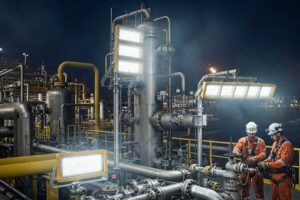
On one offshore project, replacing a floodlight required:
Work permits
Rope-access technicians
Safety supervision
Production coordination
The labor cost exceeded the fixture cost several times over.
Reducing maintenance visits quickly becomes a major economic benefit.
What Experienced Engineers Evaluate Beyond Certification
New buyers often focus on certification labels.
Experienced engineers usually ask different questions.
For example:
How does the fixture manage heat?
What alloy is used for the housing?
Is the coating system suitable for marine environments?
Are spare parts available?
What is the track record in similar facilities?
Brightness matters.
Reliability matters more.
A fixture that lasts eight years without intervention is usually worth far more than a slightly cheaper alternative.
Why SEEKINGLED Focuses on Real Industrial Conditions
At SEEKINGLED, ATEX certified lighting is developed around actual operating environments.
Not laboratory demonstrations.
Not marketing presentations.
Real industrial sites expose weaknesses quickly.
Salt spray.
Corrosive chemicals.
Thermal cycling.
Continuous vibration.
The facilities that operate safely for decades understand something important:
Certification is the starting point.
Long-term reliability is the objective.
FAQ About What Is ATEX Certified Lighting?
What is ATEX certified lighting?
ATEX certified lighting is lighting equipment tested and approved for use in potentially explosive atmospheres containing flammable gases, vapors, mists, or combustible dust.
Is ATEX certification mandatory?
For equipment installed in hazardous locations within the European Economic Area, ATEX compliance is generally required.
What industries use ATEX certified lighting?
Oil and gas, chemical processing, pharmaceuticals, food manufacturing, mining, fuel storage, and grain handling facilities commonly use ATEX certified lighting.
Is ATEX the same as explosion-proof?
Not exactly. ATEX is a regulatory certification framework. Explosion-proof is one protection method used within hazardous-area equipment design.
How long does ATEX certified LED lighting last?
High-quality industrial ATEX LED fixtures commonly achieve service lives between 50,000 and 100,000 hours depending on operating conditions.
Final Thoughts
So, what is ATEX certified lighting?
It is lighting specifically engineered, tested, and approved for environments where explosive atmospheres may exist.
The best ATEX lighting installations rarely attract attention. They simply continue operating through corrosive conditions, harsh weather, vibration, temperature changes, and years of continuous service.
That reliability is precisely why ATEX certified lighting remains a critical part of modern industrial safety systems.
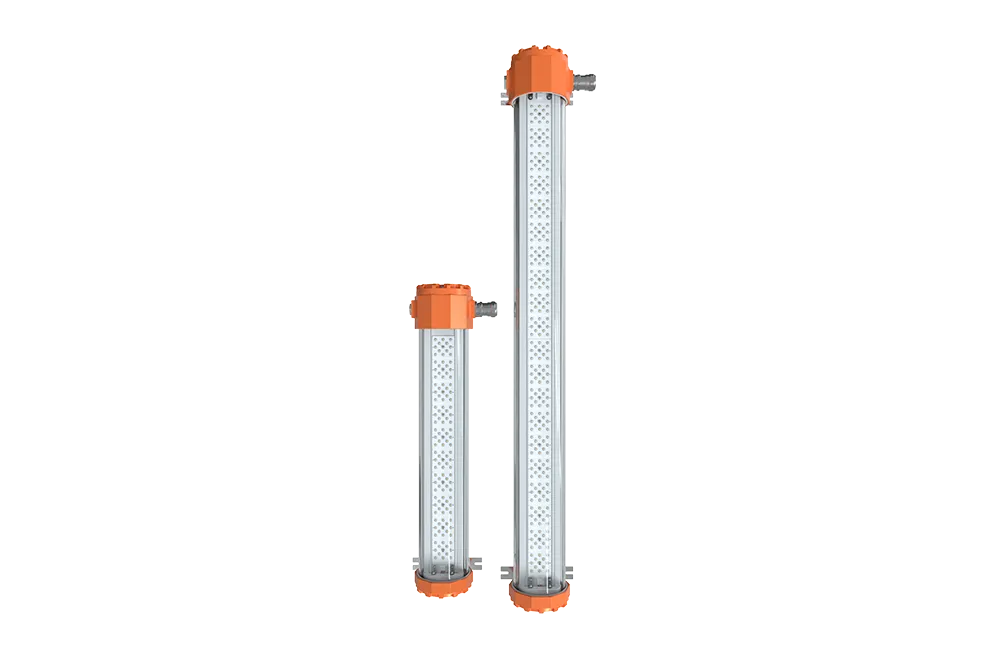
SEEKINGLED LED Linear Explosion Proof Light and Explosion Proof lighting is ATEX and IECEx certified for Zone 1, Zone 2, Zone 21 and Zone 22 hazardous locations, built for long-term industrial use.
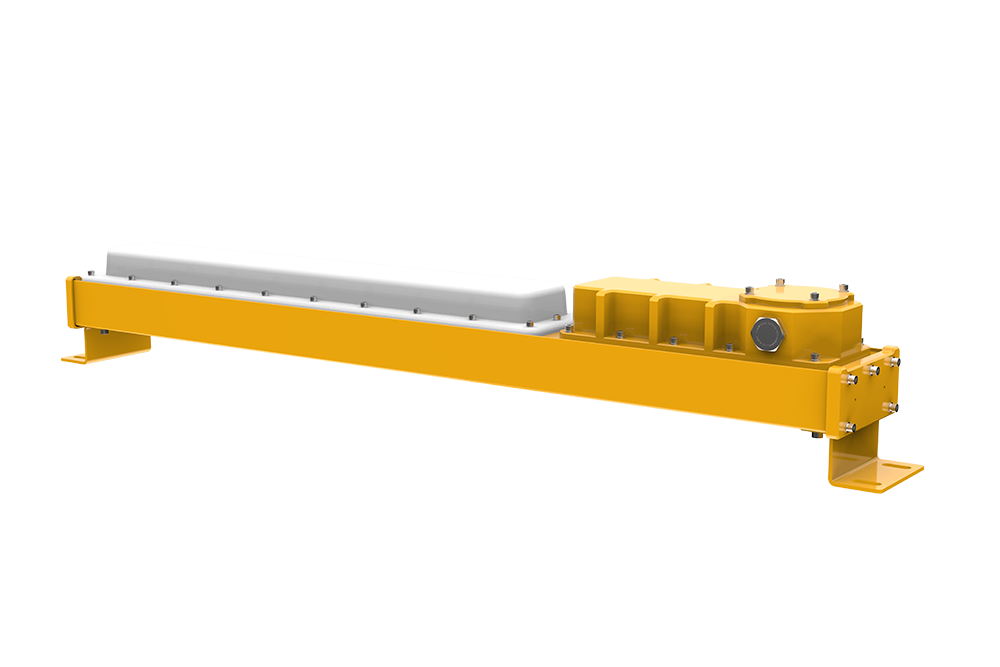
LED Linear Explosion Proof Lights and EX Proof lights for Zone 1, Zone 2, Zone 21 and Zone 22 hazardous areas. ATEX & IECEx certified explosion proof LED linear lighting with emergency function, adjustable power and IP67 protection by SEEKINGLED.
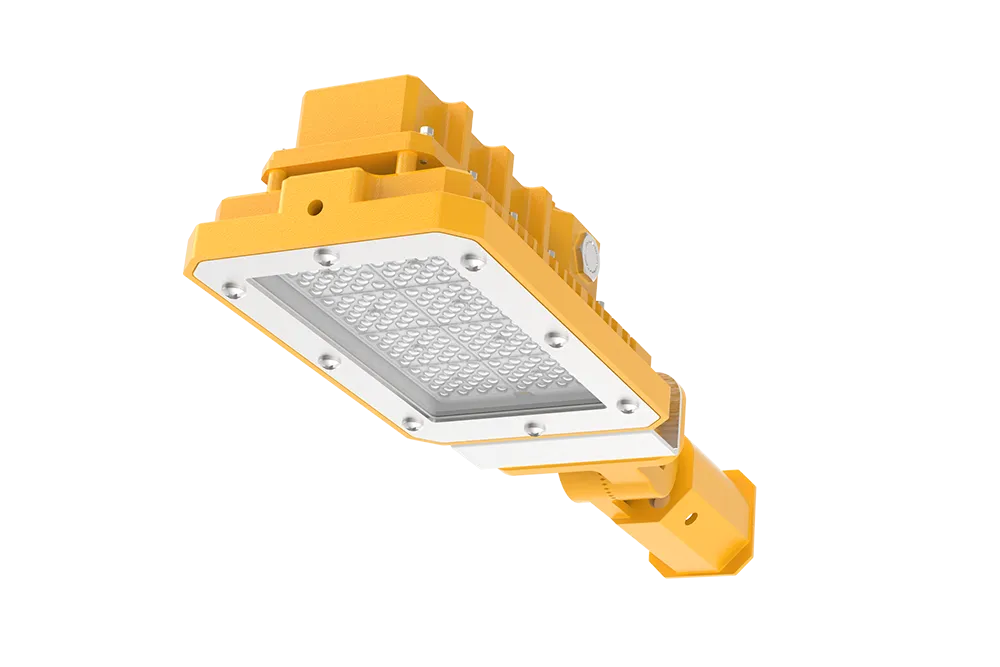
SEEKINGLED LED Explosion Proof Flood Lights are ATEX certified for Zone 2 and Zone 22 hazardous areas, offering high efficiency, adjustable power and integrated junction box.
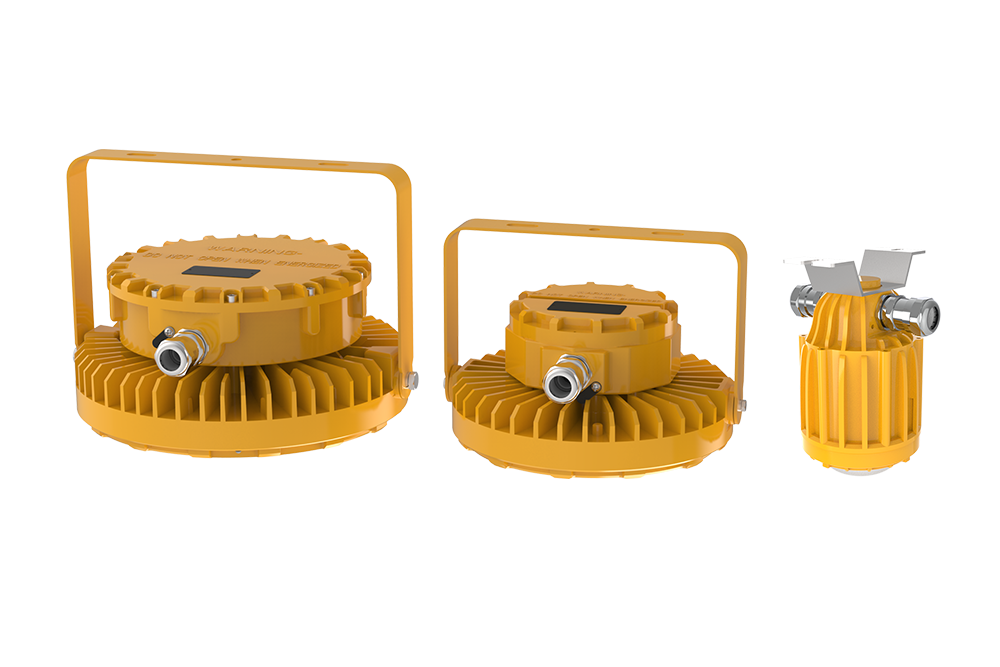
SEEKINGLED LED Explosion Proof Flood Lights are flameproof ATEX and IECEx certified for Zone 1 and Zone 2 hazardous areas, offering high power, adjustable output and long service life.
SEEKINGLED LED Gas Station Canopy Lights are ATEX certified for Zone 2 and Zone 22 hazardous areas, featuring adjustable power and built-in explosion-proof junction box.
ATEX: Ex II 2G Ex db IIB T6/T5 GbEx II 2D Ex tb IIIC T80°C/ T95°C Db IECEx Ex db IIB T6 Gb;Ex tb IIIC T80°C Db Feature: ● For Zone 1,2 and Zone 21,22● Flameproof type, the strongest● 100W can replace 250W HID,energy saving● Power:60W,80W,100W Application: Oil and gas, marine, Chemical, pharmaceutical, semiconductor,mining,military industr…
ATEX: II 3G Ex nR ⅡC T5/T6 GcII 3D Ex tc ⅢC T80℃/T95℃Dc ATEX Certificate NO: TÜV CY 26 ATEX 0207611 X Feature: ● For Zone 2 and Zone 22● 150W can replace 250W HID lamps,Energy saving● Power:50W,75W,100W,150W,200W Application: Oil and gas, marine, Chemical, pharmaceutical, semiconductor,mining,military industry, paint booth,power plant ETC…
LED explosion proof high bay lights are designed for Zone 1, Zone 2, Zone 21 and Zone 22 hazardous areas. This page introduces the HB21 Series from SEEKING, including certifications, power options and real application considerations.
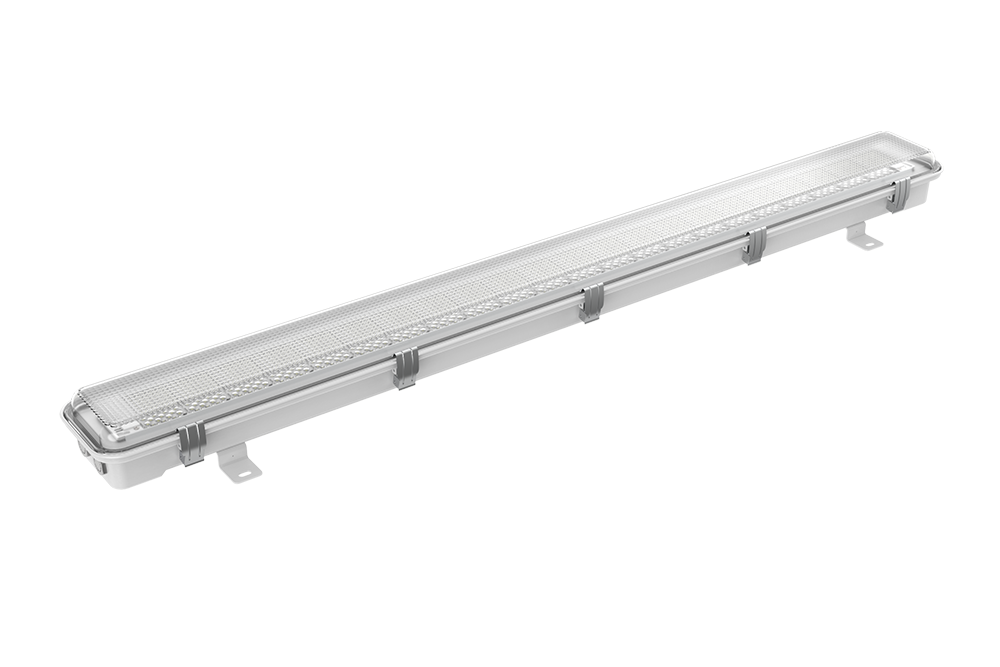
LED Linear Explosion Proof Lights from SEEKINGLED. LU Series Flame Proof lights ATEX-certified explosion proof LED linear lighting for Zone 2 gas and Zone 22 dust areas, IP69K, IK10, long lifetime and flexible power options.
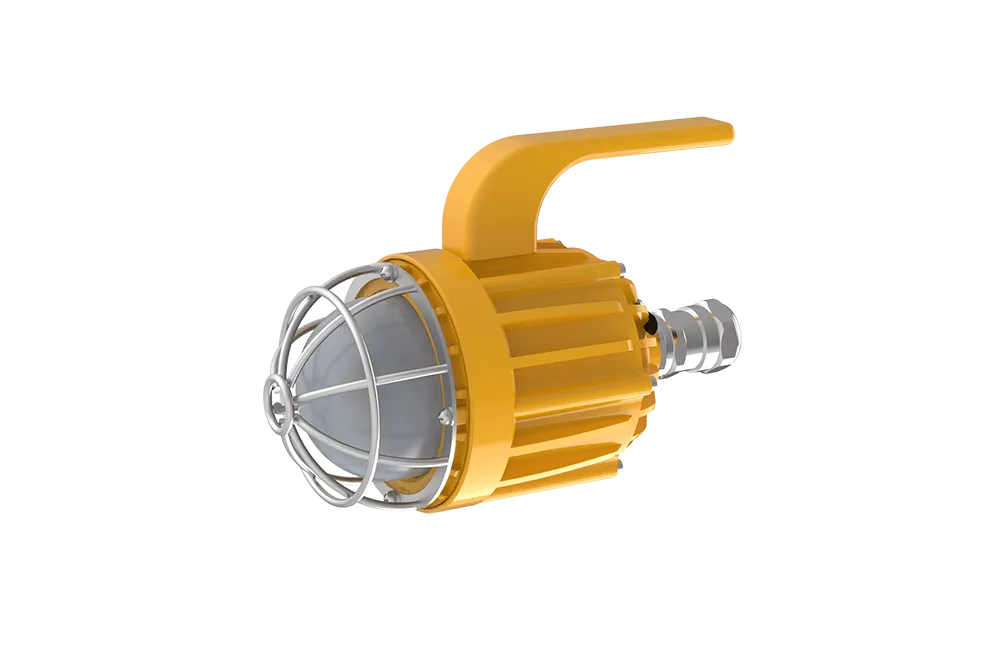
Certified explosion proof work lights for Zone 1 & 21 hazardous areas. Portable, ATEX & IECEx approved, built for oil, gas and chemical plants by SEEKINGLED.
ATEX: II 3G Ex nR ⅡC T6 GcII 3D Ex tc ⅢC T80℃ Dc ATEX Certificate NO: TÜV CY 26 ATEX 0207611 X Feature: ● For Zone 2 and Zone 22● Accepts battery-powered supply● indestructible● Power:AC input:50W,75W,100WDC input:15W,25W,35W Application: Oil and gas, marine, Chemical, pharmaceutical, semiconductor,mining,military industry, paint booth,po…
ATEX: Ex II 2G Ex db IIB T6 GbEx II 2D Ex tb IIIC T80°C Db IECEx Ex db IIB T6 Gb;Ex tb IIIC T80°C Db Feature: ● For Zone 1,2 and Zone 21,22● Flameproof type, the strongest Application: Oil and gas, marine, Chemical, pharmaceutical, semiconductor,mining,military industry, paint booth,power plant ETC hazardous area. Technical Specifications:…
ATEX: Ex II 2G Ex db IIB T6 GbEx II 2D Ex tb IIIC T80°C Db IECEx Ex db IIB T6 Gb;Ex tb IIIC T80°C Db Feature: ● For Zone 1,2 and Zone 21,22● Flameproof type, the strongest Application: Oil and gas, marine, Chemical, pharmaceutical, semiconductor,mining,military industry, paint booth,power plant ETC hazardous area. Technical Specifications:…
ATEX: Ex II 2G Ex d e IIB T6 Gb ATEX: Ex d e IIB T6 Gb; Feature: ● For Zone 1,2● 9W can replace 18W fluorescent lamps,50% Energy saving Application: Oil and gas, marine, Chemical, pharmaceutical, semiconductor,mining,military industry, paint booth,power plant ETC hazardous area. Technical Specifications: Standards:60079-0, 60079-1, 60079…
A practical overview of hazardous area classification, explosive atmosphere zones, and equipment protection levels based on IEC and ATEX standards, with clear zoning examples.
what does atex certified mean? Learn how ATEX certification works, hazardous area equipment requirements, and why certified explosion-proof lighting is essential.
 Seeking LED