 Seeking LED
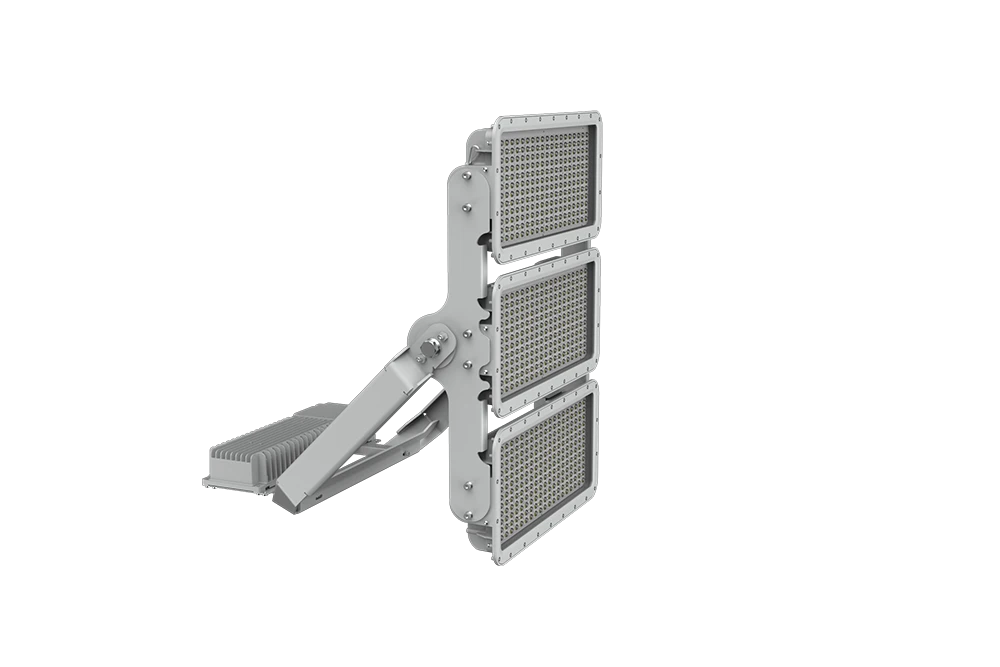
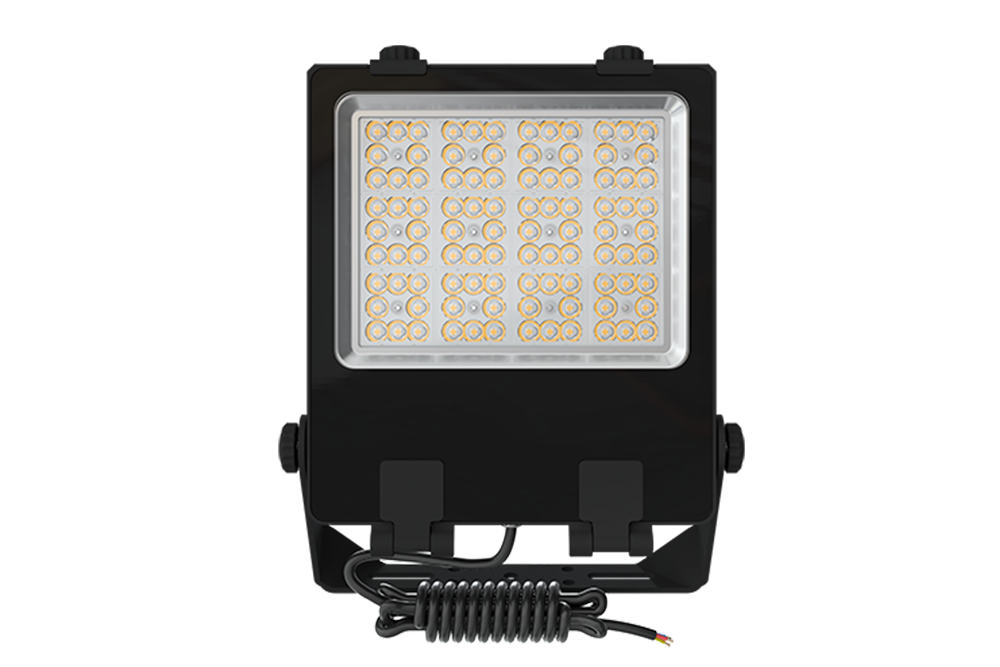
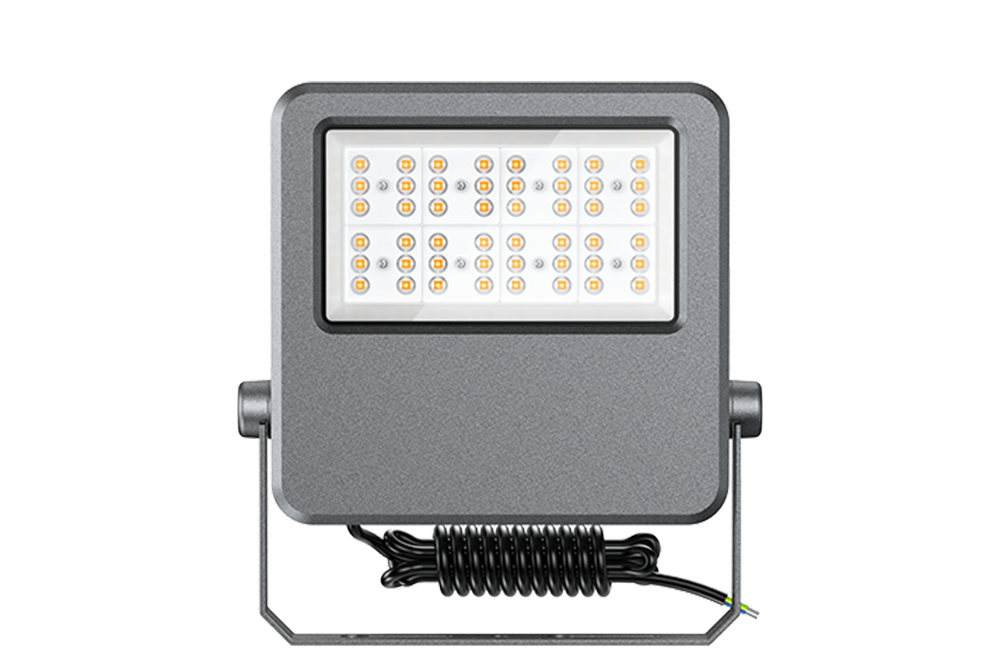
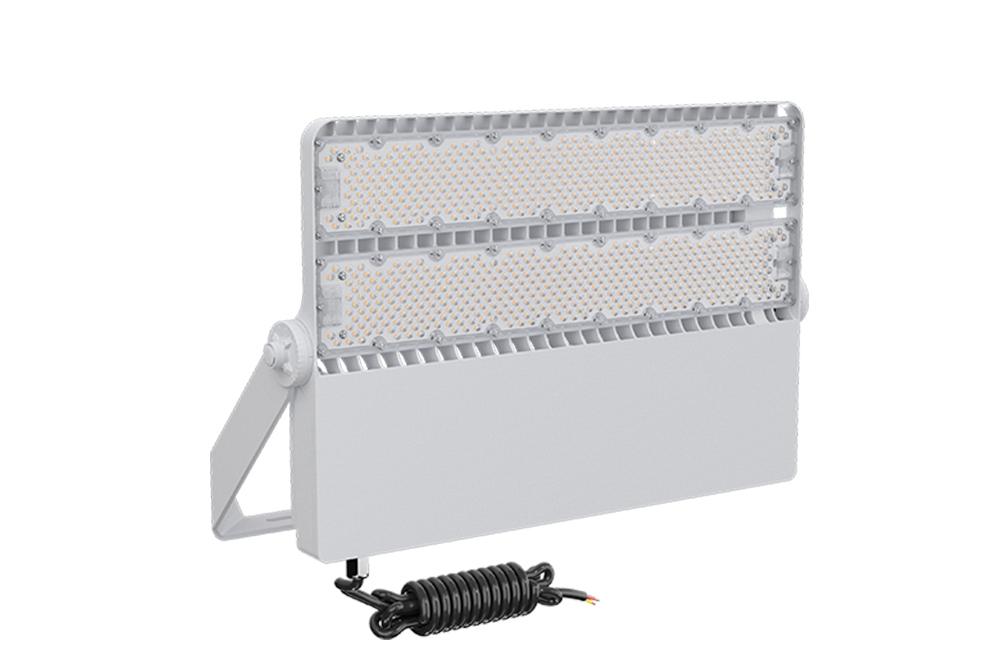
Flood vs Spot Light: What Actually Works in Real Projects?
93Flood vs spot light—what’s the real difference in use? Learn beam angles, applications, and how SEEKINGLED helps you choose the right lighting solution.
View detailsSearch the whole station
When people search for flood light dimensions, they’re usually not asking out of curiosity. They’re standing on-site, tape measure in hand, wondering if the fixture will fit — or if it’s going to cause trouble later.
Flood light dimensions typically include:
And here’s the part that’s often missed: dimensions affect more than installation. They affect how the light behaves over time.
Because space is rarely generous.
On paper, many LED floodlights look similar. On-site, small differences in LED flood light mounting dimensions can mean:
We’ve seen compact fixtures overheat because there was no breathing room. We’ve also seen oversized housings rejected simply because they “looked wrong” on a facade.
Size always sends a message — visually and technically.
No. And this is where experience matters.
Larger commercial flood light housing size often means better heat management, but it also means more weight and higher wind load. Smaller housings look clean, but they leave less room for proper thermal design.
The right flood light dimensions sit in the middle:
SEEKINGLED designs around this balance, not extremes.
Indirectly — but noticeably.
Housing depth influences optics. Width affects reflector or lens layout. Even bracket length changes how far light is pushed away from a wall.
That’s why two fixtures with the same wattage can feel very different once installed. Poorly designed dimensions force compromises in beam angle and aiming.
A proper outdoor flood light dimensions chart helps during planning, but real understanding comes from seeing how light spreads after installation.
Before signing off on any fixture, experienced installers usually check:
Ignoring these details leads to last-minute changes. Or worse, lights that technically work but never feel right.
At SEEKINGLED, flood light dimensions are treated as part of performance — not an afterthought.
Our designs consider:
When dimensions are right, installation feels smooth. No forcing. No improvising. That’s usually the sign you chose correctly.

Flood vs spot light—what’s the real difference in use? Learn beam angles, applications, and how SEEKINGLED helps you choose the right lighting solution.
View details
200W LED high bay light explained from real warehouse projects. When it works, when it fails, and how SEEKINGLED applies it in high ceilings.
View details
ATEX explosion proof lighting is essential for Zone 1 and Zone 21 hazardous areas. This article shares real engineering experience with SEEKINGLED HB21 Series LED explosion proof high bay lights, referencing IEC 60079 standards and ATEX compliance.
View details
Square High Bay Lighting for Factory Use was tested and applied in a Vietnam factory using XJ-GSL. This project record documents on-site sample testing, installation considerations, and the final deployment of 150 units.
View details