 Seeking LED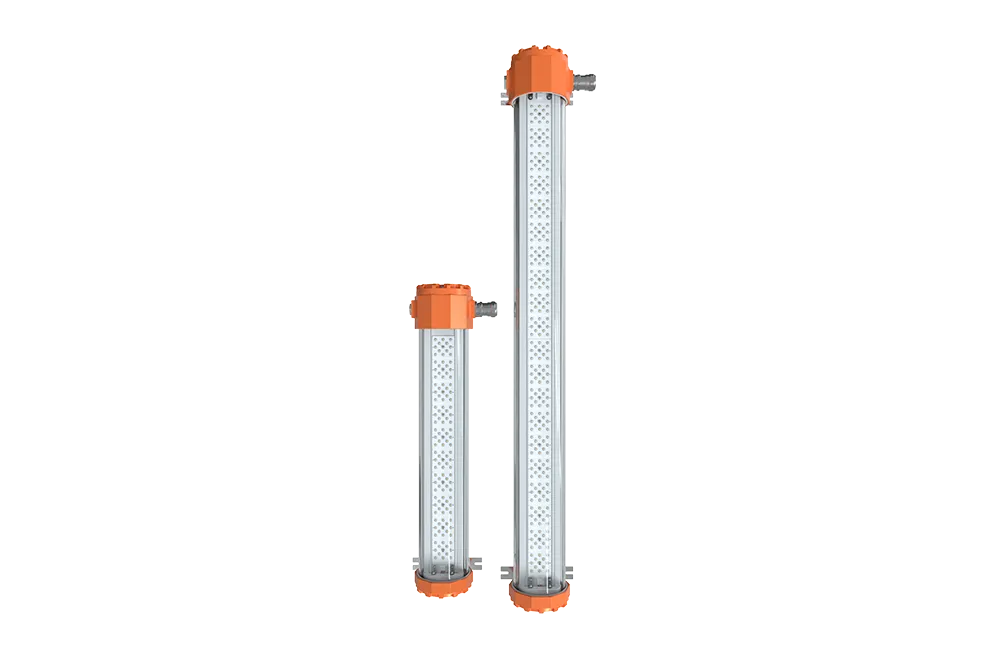
what are flood lights?
0what are flood lights? Learn how LED flood lights work, where they are used, and how to choose reliable outdoor lighting solutions with expert insights from SEEKINGLED.
View detailsSearch the whole station
When someone asks about atex led light customized, it usually means one thing — standard products didn’t quite fit.
Not completely wrong. Just… not right enough.
I’ve seen projects where the selected fixture technically met ATEX requirements, passed all documentation checks, and still ended up being replaced within a year. Not because of failure, but because it didn’t adapt well to the actual environment.
That’s where customization starts to make sense.
On paper, hazardous areas are categorized clearly — Zone 1, Zone 2, gas groups, temperature classes.
In reality, the difference often comes down to something smaller.
Mounting angle.
Ambient temperature spikes during operation.
Airflow that wasn’t considered during design.
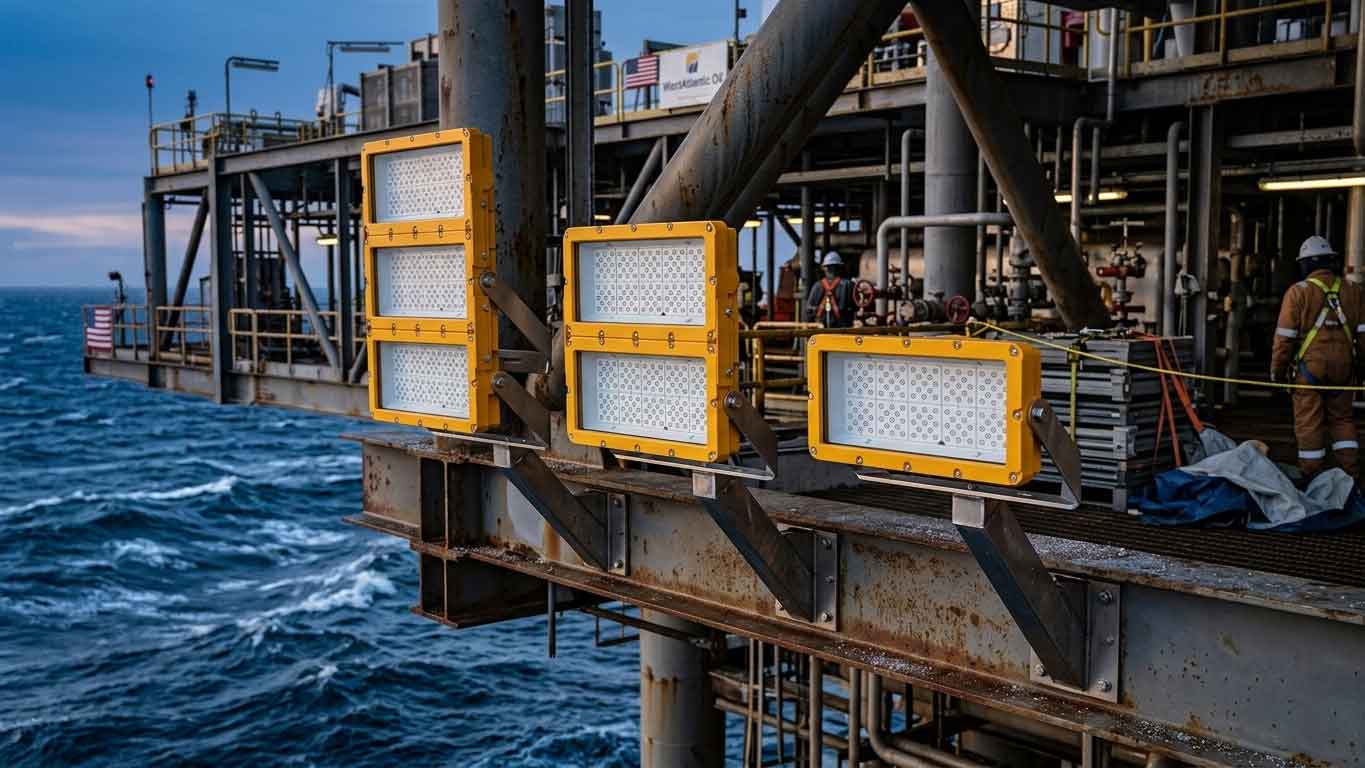
One offshore project comes to mind. The issue wasn’t brightness or certification. It was glare — operators working on elevated platforms kept complaining. The beam angle was technically correct, but not comfortable in use.
That ended up requiring a change in optics, not the entire fixture.
That’s customization, in a very practical sense.
With atex led light customized, heat is usually one of the first things that gets adjusted.
According to ATEX and IECEx requirements, surface temperature must stay below ignition limits of surrounding gases. That’s standard.
But how that’s achieved can vary.
Some environments trap heat — enclosed spaces, low airflow. Others dissipate it quickly.
So customization might involve:
SEEKINGLED often modifies internal thermal structures depending on installation conditions. It’s not visible from the outside, but it changes long-term stability.
A lot of buyers expect customization to mean visible changes — size, shape, mounting.
But in many cases, the critical adjustments are internal.
Driver selection, for example.
Industrial environments often experience voltage instability. According to IEEE data on industrial electrical systems, transient voltage fluctuations are common in heavy-duty operations.
So instead of changing the fixture externally, customization might involve:
It’s subtle. But it’s usually what determines whether the light performs consistently over time.
Customization adds another layer of complexity.
Now you’re not just asking for performance — you’re asking for repeatability.
I’ve seen projects where the first batch performed perfectly, but later deliveries showed slight variation. Same design, but small manufacturing differences.
Across a large installation, those differences show up.
That’s why reliable suppliers treat atex led light customized projects almost like controlled production runs, not standard orders.
SEEKINGLED handles customization with batch-level consistency in mind, which becomes important when scaling projects.
Not every issue comes from engineering. Some come from usage.
Glare, shadowing, uneven coverage — these show up after installation.
That’s where customization shifts toward optics:
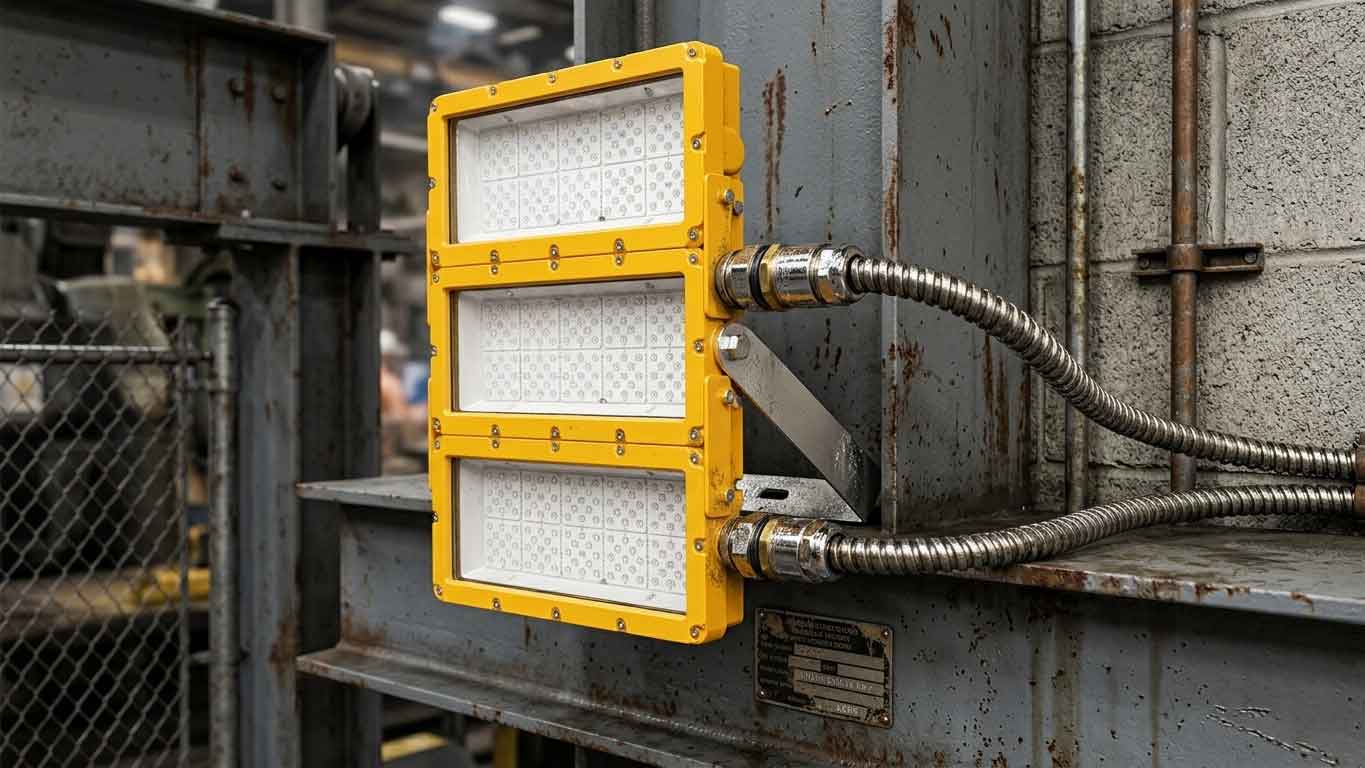
In one warehouse project, repositioning the mounting bracket by just a few degrees reduced shadow zones significantly.
It wasn’t a redesign. Just a small adjustment.
But it made a difference operators noticed immediately.
After working on multiple hazardous area projects, one pattern keeps repeating.
Standard products work — most of the time.
But when they don’t, it’s rarely because they’re “wrong.”
They’re just not adapted.
That’s the gap atex led light customized solutions are trying to fill.
SEEKINGLED approaches customization based on actual site feedback, not just theoretical requirements. That tends to reduce long-term adjustments after installation.
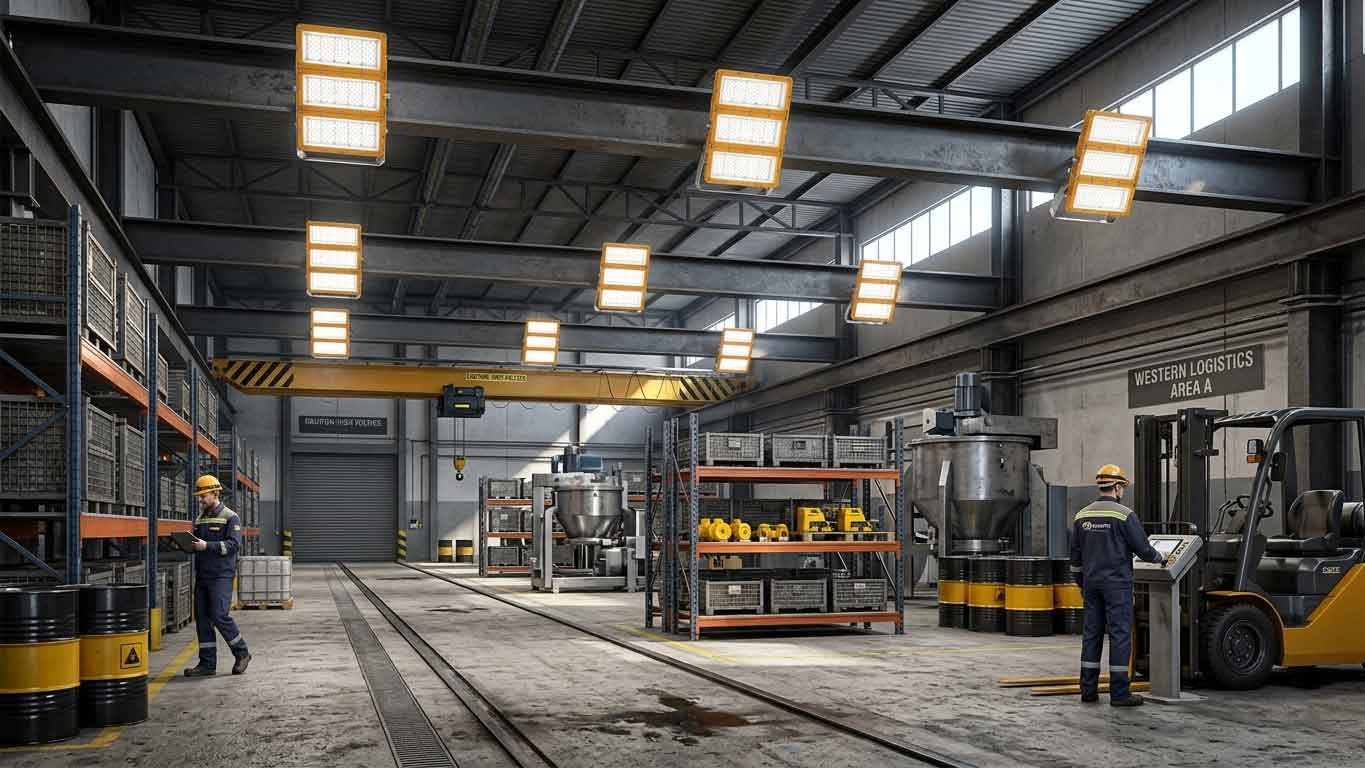
If you’re looking into atex led light customized, it usually means standard options already got you close.
Customization is what gets you the rest of the way.
Not dramatic changes — just the right ones.
Related products
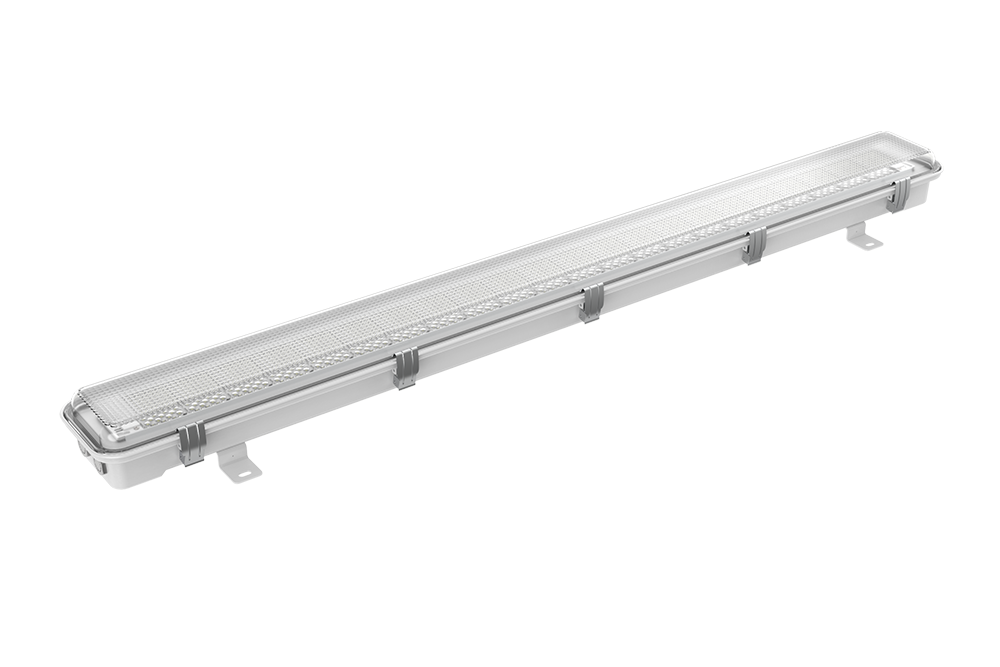
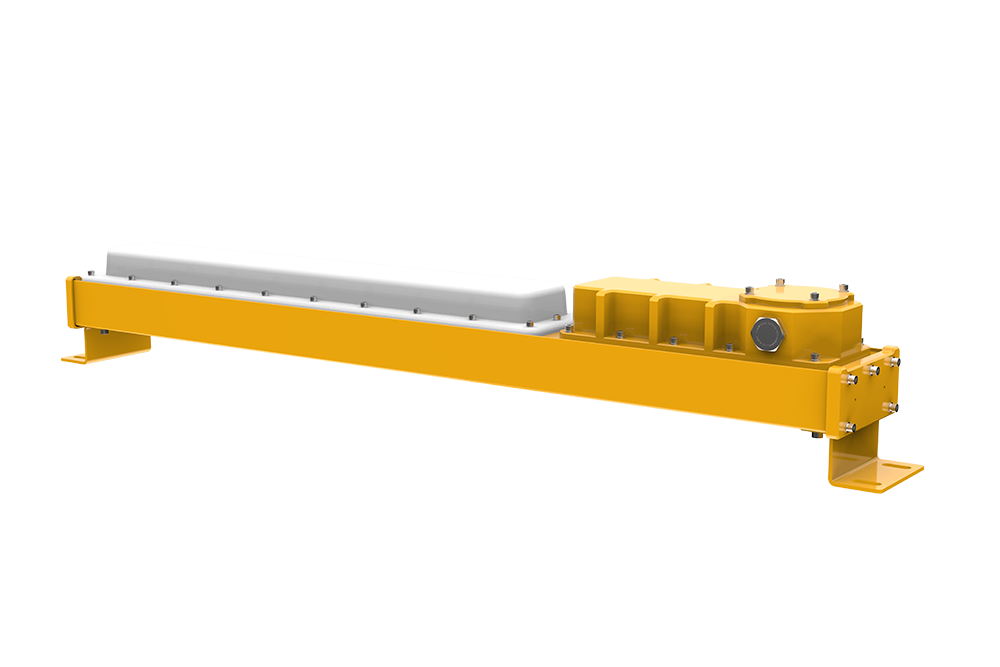
SEEKINGLED LED Linear Explosion Proof Light and Explosion Proof lighting is ATEX and IECEx certified for Zone 1, Zone 2, Zone 21 and Zone 22 hazardous locations, built for long-term industrial use.
LED Linear Explosion Proof Lights and EX Proof lights for Zone 1, Zone 2, Zone 21 and Zone 22 hazardous areas. ATEX & IECEx certified explosion proof LED linear lighting with emergency function, adjustable power and IP67 protection by SEEKINGLED.
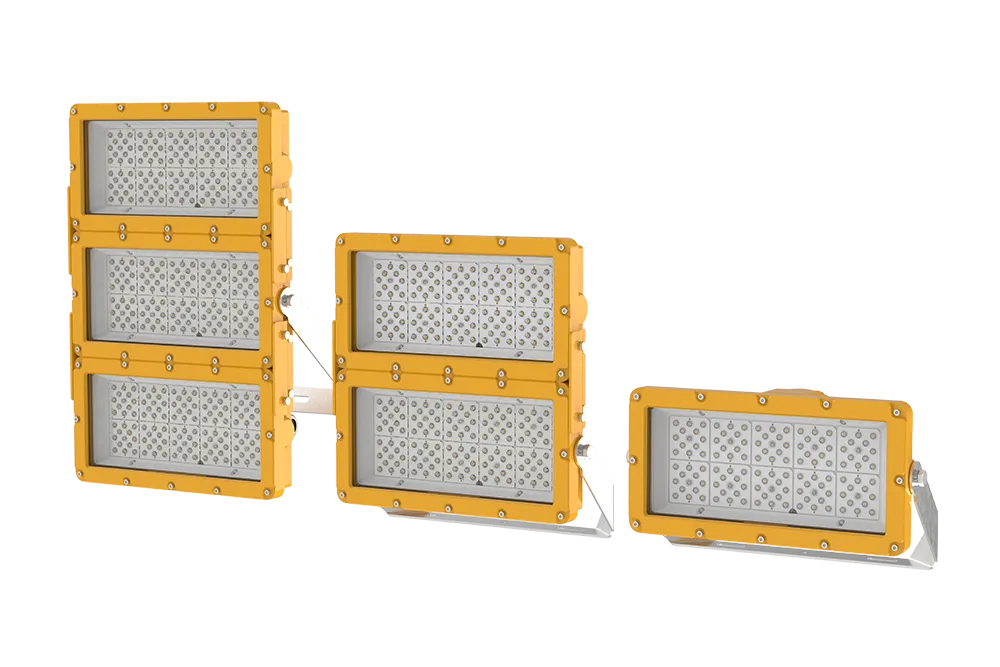
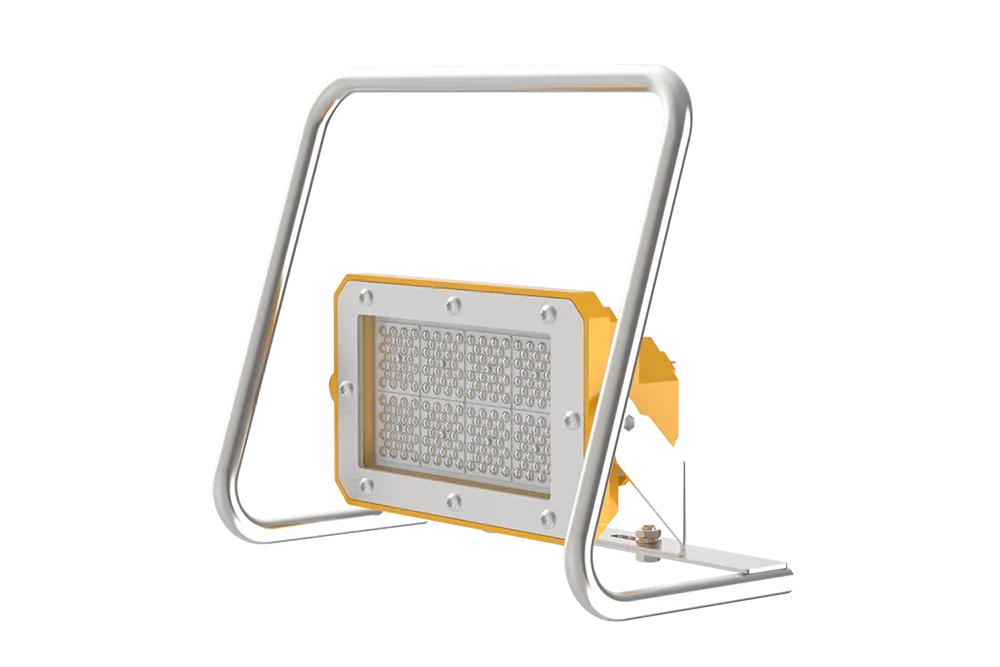
SEEKINGLED LED Explosion Proof Flood Lights are ATEX certified for Zone 2 and Zone 22 hazardous areas, offering high efficiency, adjustable power and integrated junction box.
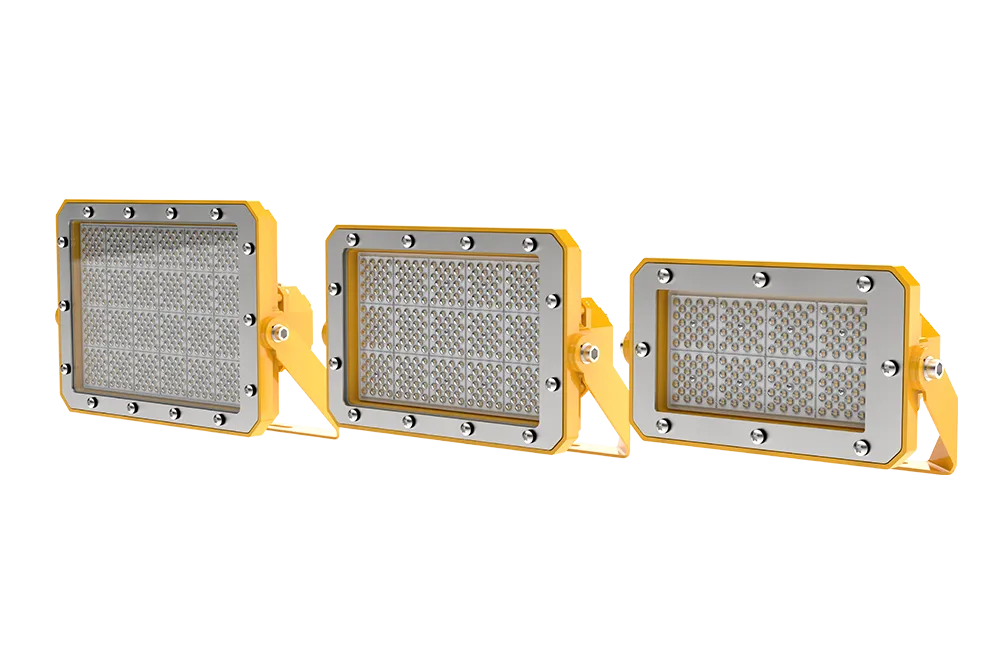
SEEKINGLED LED Explosion Proof Flood Lights are flameproof ATEX and IECEx certified for Zone 1 and Zone 2 hazardous areas, offering high power, adjustable output and long service life.
SEEKINGLED LED Gas Station Canopy Lights are ATEX certified for Zone 2 and Zone 22 hazardous areas, featuring adjustable power and built-in explosion-proof junction box.
ATEX: Ex II 2G Ex db IIB T6/T5 GbEx II 2D Ex tb IIIC T80°C/ T95°C Db IECEx Ex db IIB T6 Gb;Ex tb IIIC T80°C Db Feature: ● For Zone 1,2 and Zone 21,22● Flameproof type, the strongest● 100W can replace 250W HID,energy saving● Power:60W,80W,10…
ATEX: II 3G Ex nR ⅡC T5/T6 GcII 3D Ex tc ⅢC T80℃/T95℃Dc ATEX Certificate NO: TÜV CY 26 ATEX 0207611 X Feature: ● For Zone 2 and Zone 22● 150W can replace 250W HID lamps,Energy saving● Power:50W,75W,100W,150W,200W Application: Oil and gas, m…
LED explosion proof high bay lights are designed for Zone 1, Zone 2, Zone 21 and Zone 22 hazardous areas. This page introduces the HB21 Series from SEEKING, including certifications, power options and real application considerations.
LED Linear Explosion Proof Lights from SEEKINGLED. LU Series Flame Proof lights ATEX-certified explosion proof LED linear lighting for Zone 2 gas and Zone 22 dust areas, IP69K, IK10, long lifetime and flexible power options.
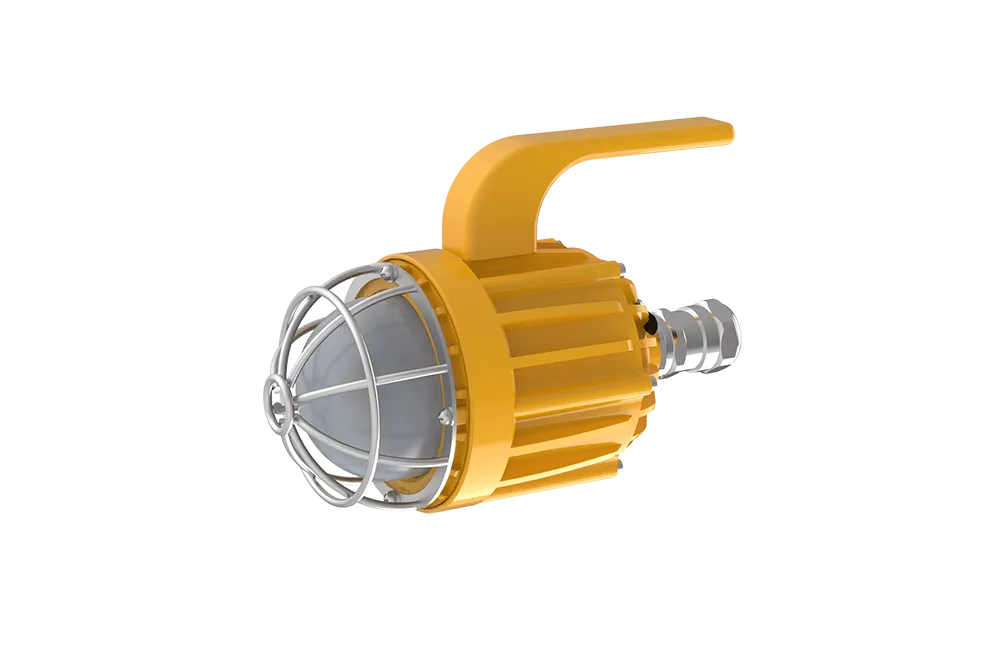
Certified explosion proof work lights for Zone 1 & 21 hazardous areas. Portable, ATEX & IECEx approved, built for oil, gas and chemical plants by SEEKINGLED.
ATEX: II 3G Ex nR ⅡC T6 GcII 3D Ex tc ⅢC T80℃ Dc ATEX Certificate NO: TÜV CY 26 ATEX 0207611 X Feature: ● For Zone 2 and Zone 22● Accepts battery-powered supply● indestructible● Power:AC input:50W,75W,100WDC input:15W,25W,35W Application: O…
ATEX: Ex II 2G Ex db IIB T6 GbEx II 2D Ex tb IIIC T80°C Db IECEx Ex db IIB T6 Gb;Ex tb IIIC T80°C Db Feature: ● For Zone 1,2 and Zone 21,22● Flameproof type, the strongest Application: Oil and gas, marine, Chemical, pharmaceutical, semicondu…
ATEX: Ex II 2G Ex db IIB T6 GbEx II 2D Ex tb IIIC T80°C Db IECEx Ex db IIB T6 Gb;Ex tb IIIC T80°C Db Feature: ● For Zone 1,2 and Zone 21,22● Flameproof type, the strongest Application: Oil and gas, marine, Chemical, pharmaceutical, semicondu…
ATEX: Ex II 2G Ex d e IIB T6 Gb ATEX: Ex d e IIB T6 Gb; Feature: ● For Zone 1,2● 9W can replace 18W fluorescent lamps,50% Energy saving Application: Oil and gas, marine, Chemical, pharmaceutical, semiconductor,mining,military industry, pain…
loading…
This is the last post!
what are flood lights? Learn how LED flood lights work, where they are used, and how to choose reliable outdoor lighting solutions with expert insights from SEEKINGLED.
View details
LED motion activated flood light improves outdoor security with instant illumination and energy savings. Learn real installation tips, sensor settings, and expert insights with SEEKINGLED.
View details
How much do LED street lights cost for roads, parking areas, and municipal projects? This guide explains price ranges, cost factors, and real-world LED street lighting choices from SEEKINGLED.
View details
explosion-proof flashlights provide safe portable lighting for hazardous environments. Learn certifications, industrial applications, and field insights from SEEKINGLED.
View details