 Seeking LED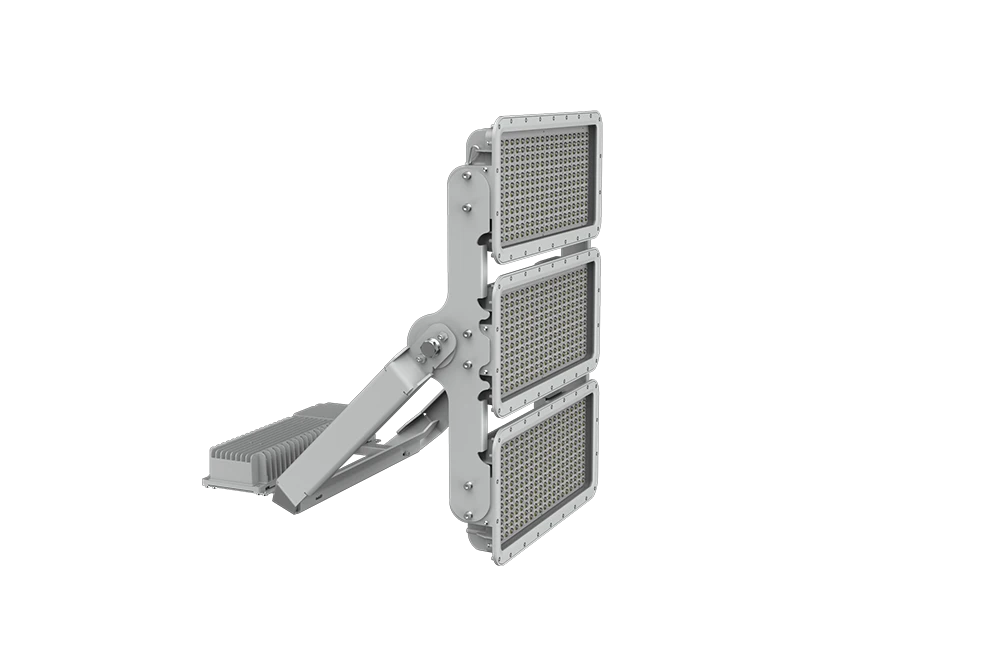
portable led flood lights: flexible lighting for real-world mobility
32portable led flood lights provide flexible, energy-efficient illumination for job sites, outdoor events, and emergency use with durable, high-performance design.
View detailsSearch the whole station
If you’re asking why is my LED flood light dim, the first thing to understand is this: LED chips rarely lose brightness suddenly. When a flood light looks weak or dull, the real reason is usually the driver, the power supply, or environmental factors affecting the fixture.
In other words, the LEDs are often innocent.
That’s something I’ve noticed repeatedly during lighting inspections. People assume the light itself is “worn out,” but the issue usually sits somewhere else in the system.
Let’s go through what actually causes dim LED flood lights.
One of the most common answers to why is my LED flood light dim is voltage drop.
Outdoor lighting circuits can be long. Sometimes very long. When the cable run is extended and the wire gauge is too small, voltage drops before it even reaches the fixture.
Less voltage means the LED driver has less electrical headroom. Some drivers compensate well, others don’t.
The result?
The flood light still works. But the brightness looks noticeably weaker.
I once checked a parking lot installation where the fixtures were fine. The problem was the cable run — nearly 90 meters from the panel. Once the wiring was corrected, brightness returned immediately.
The LED driver is the brain of the flood light.
It regulates the current flowing to the LED chips. If the driver becomes unstable or partially fails, the light output may drop even though the fixture still turns on.
Sometimes the change is subtle. The light still works, just not as bright as before.
According to reliability research from the U.S. Department of Energy Solid-State Lighting Program, driver electronics are one of the most common points of failure in LED lighting systems. Capacitors degrade over time, especially in high temperatures.
Outdoor flood lights often sit in the sun all day. Heat builds up inside the housing. Drivers suffer first.
Better fixtures manage heat properly. For example, many SEEKINGLED LED flood lights use large aluminum housings designed specifically for thermal dissipation. Cooler electronics tend to last longer and maintain stable brightness.
This one sounds too simple — but it happens constantly.
Flood lights installed outdoors collect dust, insects, and sometimes even pollen on the protective lens. Over time that layer reduces light output.
It doesn’t take much.
A thin film of dirt can noticeably soften the beam. The light hasn’t actually become weaker; it’s just partially blocked.
Cleaning the lens occasionally restores brightness surprisingly well.
Not every problem needs a screwdriver.
Sometimes the answer to why is my LED flood light dim is that the light is actually being dimmed.
Some flood lights are connected to external controllers, dimmers, or smart systems. If the control signal is incorrect — or if the fixture is not compatible with the dimmer — the output may remain permanently reduced.
This is common when LED fixtures replace older halogen flood lights without adjusting the control system.
The wiring works. The dimmer technically works.
But the driver doesn’t interpret the signal correctly.
Result: half brightness.
LEDs do lose brightness eventually. But it happens gradually, not overnight.
Most high-quality LED fixtures are rated for L80 lifetimes exceeding 50,000 hours, meaning the light output remains above 80% of original brightness for many years.
If a flood light suddenly appears dim after only a short time, LED aging is probably not the real cause.
Something else is.
This is a detail many people overlook.
Flood lights come with different beam angles. If a narrow beam fixture is installed where wide coverage is needed, the area can appear poorly lit even though the fixture itself is bright.
The opposite can happen too. A wide beam spreads light over a large area, making the illumination seem weaker.
So when someone asks why is my LED flood light dim, sometimes the answer isn’t brightness at all — it’s distribution.
So, why is my LED flood light dim?
Most of the time the explanation is straightforward: voltage drop, driver degradation, environmental buildup on the lens, or installation choices that affect performance.
LED technology itself is remarkably stable. When flood lights are designed properly — with efficient drivers, good thermal management, and solid housings — brightness remains consistent for years.
That’s why professional fixtures, including those produced by SEEKINGLED, focus heavily on driver quality and heat dissipation.
Because in outdoor lighting, brightness isn’t just about lumens on a datasheet.
It’s about how the light performs after thousands of hours in real conditions.
Sports Stadium LED Lighting by SEEKINGLED delivers high mast illumination, precise beam control, and EN 12193 compliant performance for professional venues.
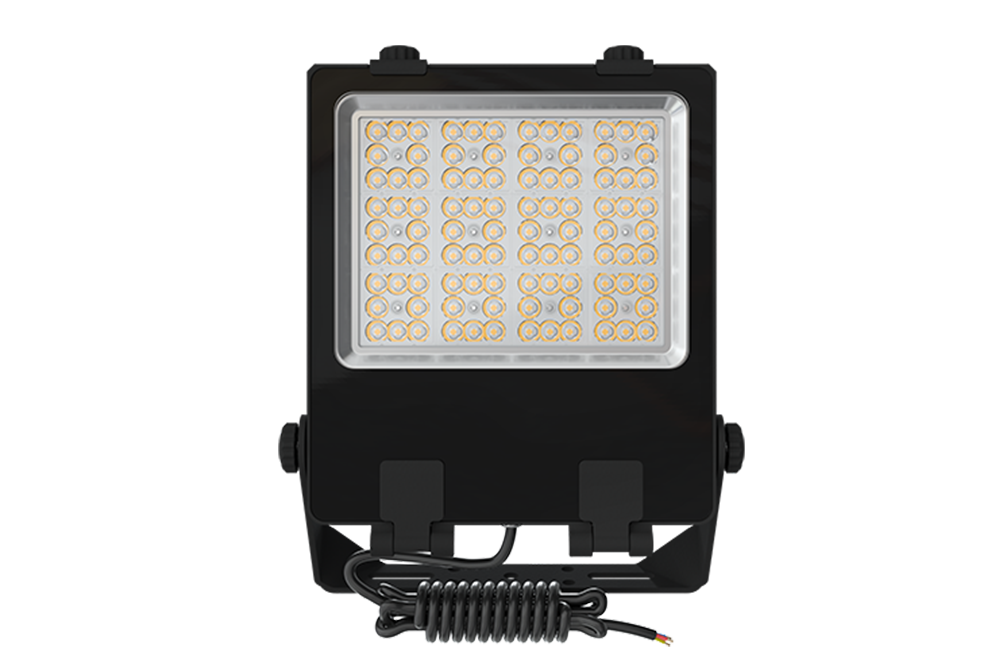
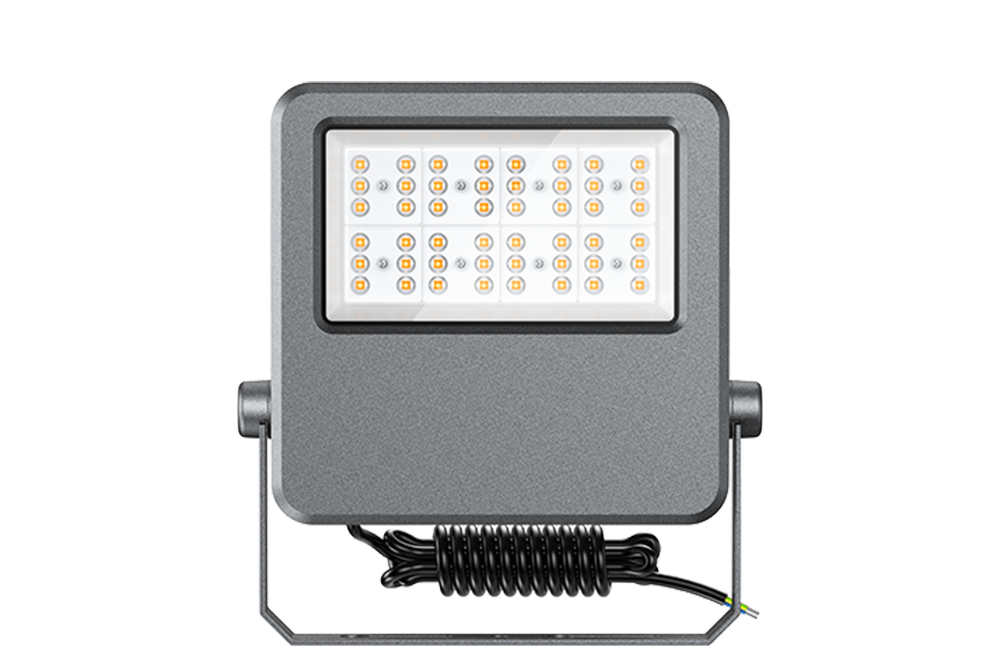
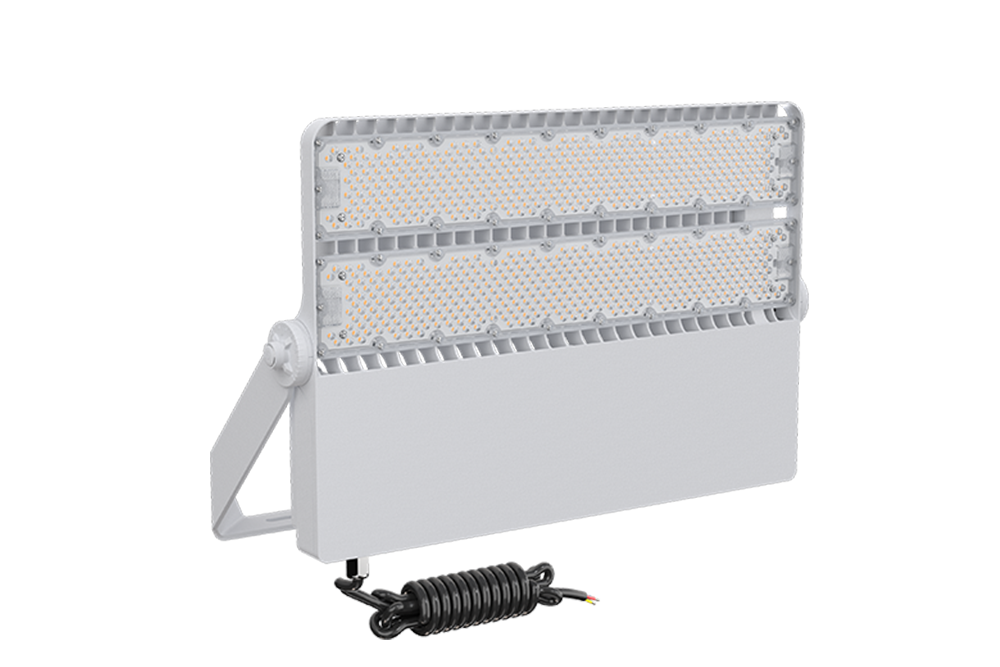
SEEKING FLX Series LED flood light outdoor for sports courts and open-area projects with 170lm/W efficiency, IP66 protection and multiple beam distributions. Designed for long-life commercial and public outdoor use.
SEEKING FLE Series LED outdoor flood lights for sports grounds and open areas with multiple beam angles, IP66 protection and up to 170lm/W. Designed for long-life outdoor installations with professional driver options.
SEEKING FLD Series outdoor LED flood lights and high power led flood light deliver up to 960W with precision beam angles for sports fields, stadiums and large outdoor areas. IK08 & IP66 protection, 170lm/W efficiency and 100,000h lifetime.
loading…
This is the last post!
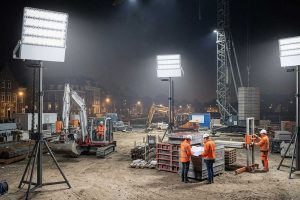
portable led flood lights provide flexible, energy-efficient illumination for job sites, outdoor events, and emergency use with durable, high-performance design.
View details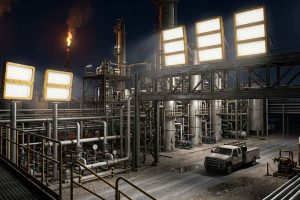
Atex led flood light supply for hazardous zones. Real project insights, certified performance, and reliable solutions from SEEKINGLED for oil, gas, and industrial sites.
View details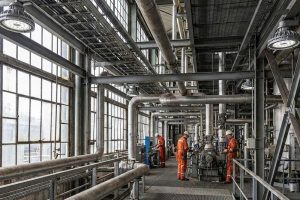
How does explosion proof lighting work in hazardous areas? Learn how certified explosion proof LED lighting contains ignition and controls temperature. Explained by SEEKINGLED.
View details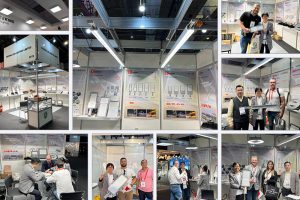
Seeking presented its latest LED Lighting solutions at Expolux 2024 in Brazil, highlighting high-efficiency LED street lights and Linear LED Light systems that received strong praise from customers and industry partners.
View details