 Seeking LED
Which Is the Best LED Street Light for Real-World Street Lighting?
341Which is the best LED street light for roads, parking areas, and industrial zones? Learn what really matters and how SEEKINGLED STA Series fits real projects.
View detailsSearch the whole station
(Engineering FAQ for Hazardous Area Lighting)
Below is a practical Q&A written from an engineering point of view. It explains how to make explosion proof light products that can actually pass ATEX or IECEx certification and work safely in real industrial environments.
When engineers talk about how to make explosion proof light, they are not describing a simple assembly process.
It means designing a lighting system that will not ignite surrounding gas or dust, even if an internal fault, spark, or high temperature occurs.
From an engineering perspective, this involves:
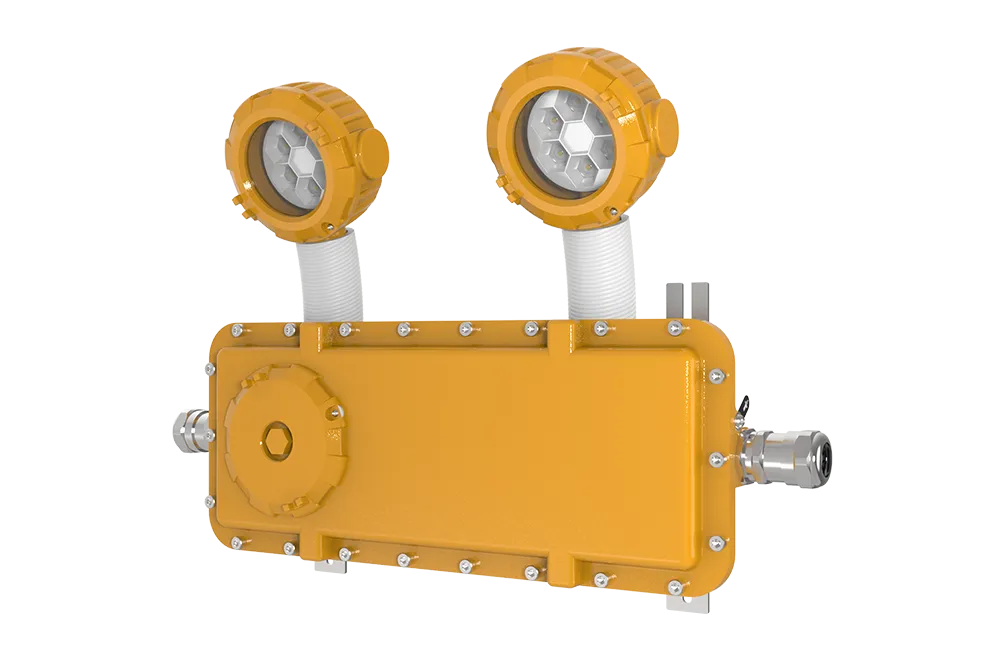
At SEEKINGLED, explosion proof lighting is treated as a safety device, not a standard luminaire with a thicker housing.
To correctly understand how to make explosion proof light, international standards are the starting point.
The most common standards include:
These standards define:
Without designing strictly around these rules, a light cannot be legally used in hazardous areas.
The enclosure is the core of how to make explosion proof light.
Depending on the protection type:
SEEKINGLED designs housings using aluminum alloy or stainless steel, with precisely machined flame paths and verified wall thickness, not decorative castings.
Even without sparks, excessive surface temperature can ignite gas or dust.
A key part of how to make explosion proof light is thermal engineering:
Explosion proof lights are rated with temperature classes (T6, T5, etc.).
At SEEKINGLED, thermal simulation and long-hour burn tests are done before certification submission.
No. This is a common misunderstanding when learning how to make explosion proof light.
Explosion proof LED drivers must:
SEEKINGLED selects and validates drivers specifically for hazardous area use, not general industrial LED drivers.
Cable entry design is often where projects fail certification.
Proper how to make explosion proof light design requires:
SEEKINGLED integrates certified junction boxes to reduce on-site wiring risk and installation errors.
Testing is a major part of how to make explosion proof light reliable.
Typical tests include:
Only after passing these can products be submitted to TÜV or CSA for ATEX / IECEx certification.
The cost difference comes from:
Understanding how to make explosion proof light explains why it is not just “a stronger lamp”, but a regulated safety product. SEEKINGLED focuses on cost-efficient design without reducing safety margins.
Yes, but within strict limits.
When engineers discuss how to make explosion proof light for projects, customization must not affect:
SEEKINGLED offers customization on power levels, optics, mounting, and beam angles while maintaining certification integrity.
Explosion proof lighting should only be produced by manufacturers with:
SEEKINGLED has specialized teams dedicated to explosion proof lighting, serving oil & gas, chemical, marine, and industrial sectors worldwide.

Which is the best LED street light for roads, parking areas, and industrial zones? Learn what really matters and how SEEKINGLED STA Series fits real projects.
View details
Why do my LED lights flicker in homes, factories, or outdoor projects? This Q&A explains common electrical and driver-related causes based on real installation experience.
View details
Discover how hazardous location LED lights improve safety, reduce maintenance costs, and meet ATEX, IECEx, and UL requirements for explosive industrial environments.
View details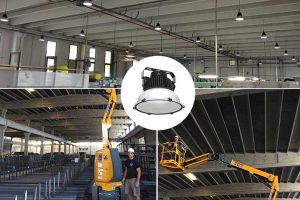
This LED High Bay Light factory project shows how SEEKINGLED upgraded factory lighting in Italy using 150W high bay fixtures to improve visibility, efficiency, and long-term energy savings.
View details