 Seeking LED
How High to Mount High Bay LED Lights?
327How high to mount high bay LED lights for proper coverage and efficiency? This guide explains mounting height ranges, spacing logic, and real-world installation tips from SEEKINGLED projects.
View detailsSearch the whole station
Class 1 Div 2 lighting is engineered for hazardous industrial locations where flammable gases or vapors are not normally present during daily operation but may appear under abnormal conditions such as leaks, equipment failure, or accidental system malfunction. These certified lighting systems help reduce ignition risk while improving visibility, reliability, and maintenance efficiency in industrial facilities.
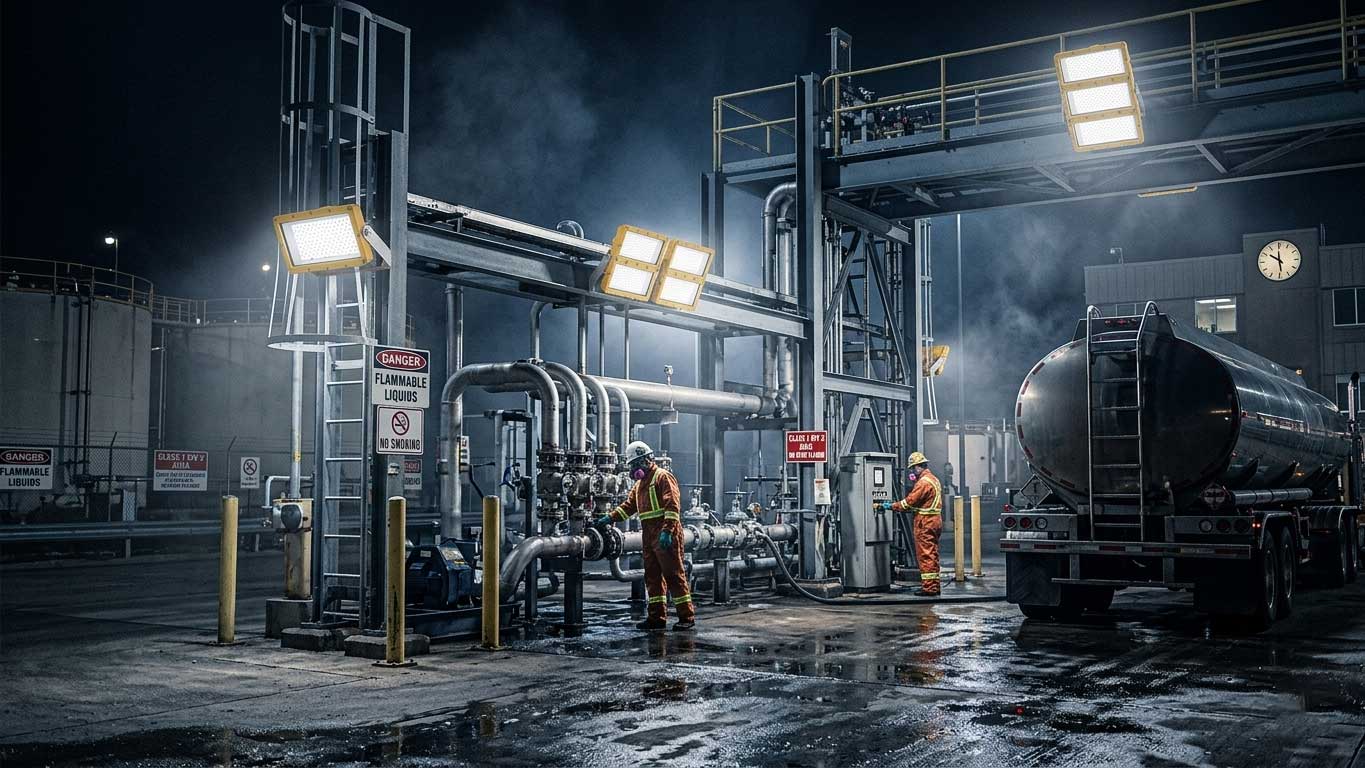
A few years ago, I walked through a petrochemical storage terminal where lighting fixtures stretched across loading bays, transfer pipelines, and maintenance corridors. The facility engineer stopped beside one fixture and explained something interesting:
“This area isn’t dangerous all day. It becomes dangerous when something goes wrong.”
That sentence perfectly describes Class 1 Division 2 environments.
The hazard is possible — not constant.
And that distinction changes the entire lighting requirement.
Class 1 Div 2 is part of the hazardous location classification system defined by the National Electrical Code (NEC).
According to the National Fire Protection Association (NFPA), Class 1 locations contain flammable gases or vapors, while Division 2 refers to areas where hazardous substances are present only under abnormal conditions.
Source: NFPA 70 National Electrical Code — https://www.nfpa.org
The Occupational Safety and Health Administration (OSHA) also identifies hazardous locations where specially approved electrical equipment is required to reduce ignition risk.
Source: OSHA Hazardous Locations — https://www.osha.gov
Typical Class 1 Div 2 areas include:
These environments may appear normal most of the time.
Until a leak happens.
That’s why certified Class 1 Div 2 lighting matters.
Ordinary industrial lighting is not designed for environments where explosive gases could unexpectedly appear.
Class 1 Div 2 lighting is engineered to:
The first time I inspected a failed low-cost hazardous fixture near a fuel transfer line, the problem wasn’t obvious externally. The housing still looked intact.
Inside, however:
The fixture still worked intermittently.
But safety margin had already disappeared.
That’s usually how industrial lighting failures begin — slowly and quietly.
Heat is one of the most overlooked hazards in industrial lighting.
Traditional HID fixtures operate at extremely high temperatures. In hazardous environments, excessive surface heat itself can create ignition risk.
According to the U.S. Department of Energy, LED lighting significantly reduces wasted thermal energy compared with conventional industrial lighting technologies.
Source: U.S. Department of Energy — https://www.energy.gov
Lower operating temperatures help:
Experienced engineers usually ask about thermal structure before discussing brightness.
New buyers often do the opposite.
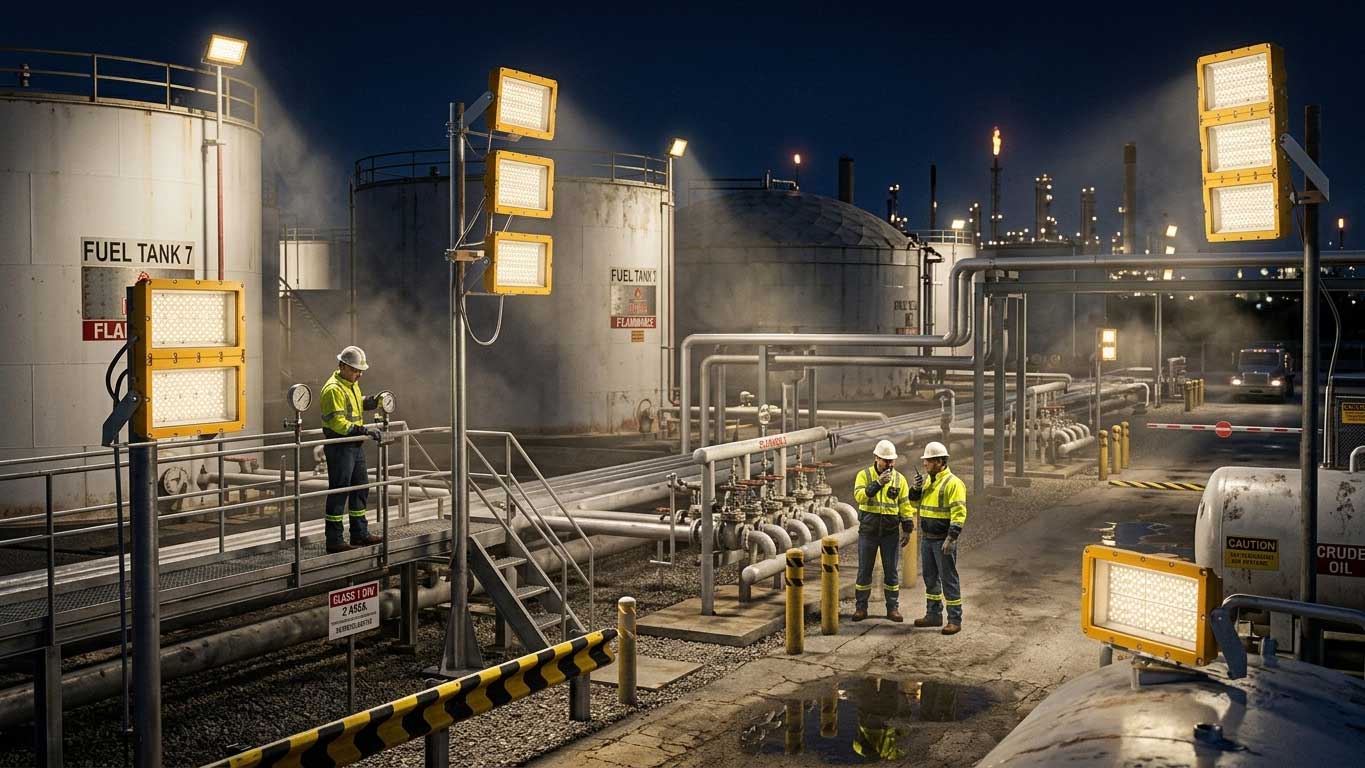
Storage terminals may not continuously contain explosive vapor clouds, but accidental release remains possible.
Lighting systems are commonly installed around:
At one coastal storage terminal, maintenance teams explained that replacing failed floodlights above loading arms required temporary operational delays and gas-monitoring procedures.
The maintenance complexity changed how management viewed fixture quality entirely.
Longer lifespan became more valuable than initial purchase cost.
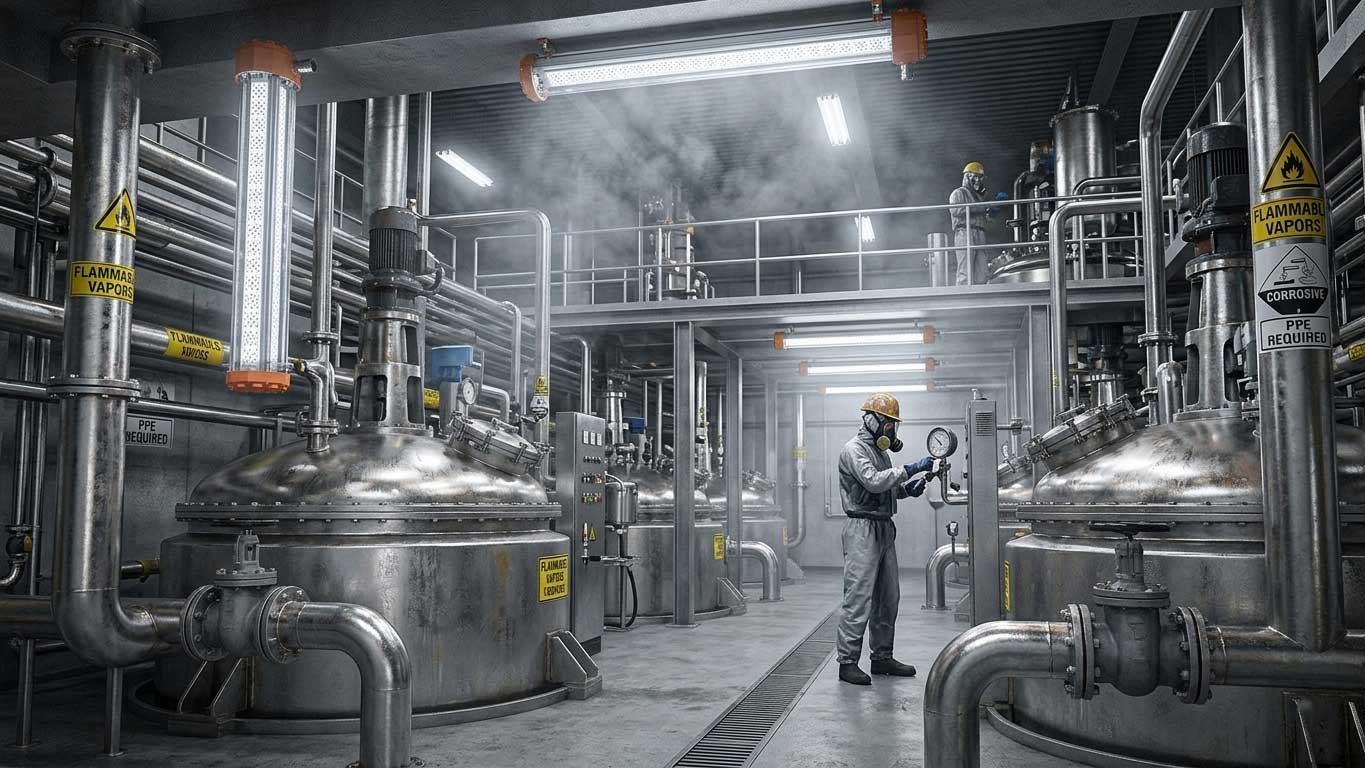
Chemical plants create difficult conditions for lighting systems:
Poorly engineered fixtures reveal weaknesses quickly.
I once inspected fixtures inside a solvent packaging facility where inexpensive housings had already developed coating degradation after only two years. Corrosion spread fastest around mounting hardware and conduit entries.
That’s where industrial environments expose shortcuts first.
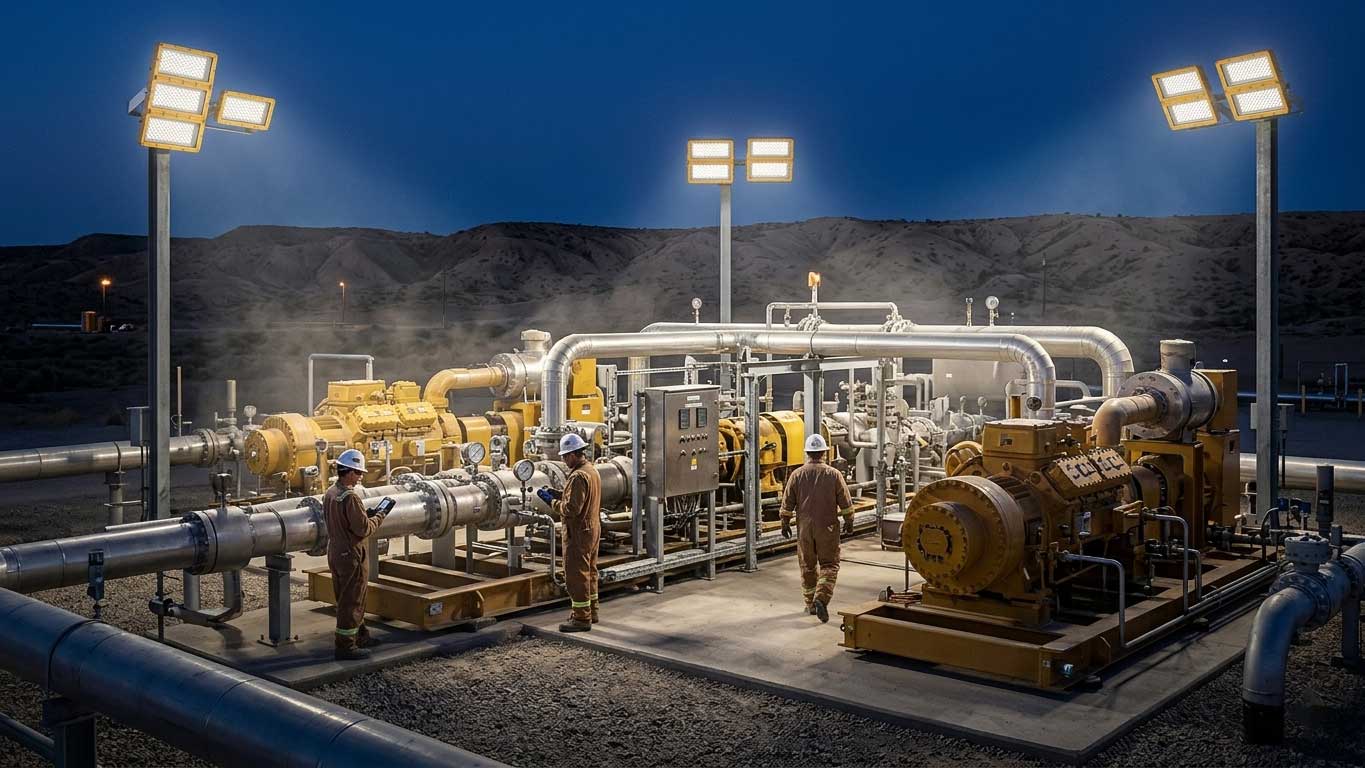
Gas compressor facilities often classify surrounding operational areas as Division 2 because leaks can occur unexpectedly during abnormal conditions.
Lighting systems must withstand:
Weak driver systems fail early under those conditions.
Usually long before the LED chips themselves fail.
This comparison confuses many buyers.
| Classification | Hazard Presence | Typical Environment |
|---|---|---|
| Class 1 Div 1 | Hazard exists during normal operation | Refinery process zones |
| Class 1 Div 2 | Hazard appears only during abnormal conditions | Fuel storage or adjacent zones |
Class 1 Div 2 environments are still hazardous.
The difference is frequency of exposure.
That distinction directly affects fixture certification requirements.
Traditional metal halide systems create several operational problems:
LED Class 1 Div 2 lighting improves multiple operational areas simultaneously.
| Factor | Traditional HID Fixtures | LED Class 1 Div 2 Fixtures |
|---|---|---|
| Heat Generation | Very High | Lower |
| Energy Efficiency | Lower | Higher |
| Startup Delay | Long | Instant |
| Maintenance Frequency | Frequent | Reduced |
| Lifespan | Shorter | Longer |
A fuel terminal operating:
…can significantly reduce electricity consumption by upgrading to 150W LED Class 1 Div 2 fixtures.
| Lighting System | Estimated Annual Consumption |
|---|---|
| 400W HID Fixtures | 771,840 kWh |
| 150W LED Class 1 Div 2 Fixtures | 289,440 kWh |
That reduction exceeds 480,000 kWh annually.
But many operators care even more about reduced maintenance shutdowns.
Because hazardous-area maintenance is rarely quick or inexpensive.
Professional buyers verify:
Real certifications are verifiable.
Cheap counterfeit labels unfortunately exist.
Industrial environments expose weak coating systems quickly.
Experienced buyers inspect:
Especially for offshore or coastal installations.
LED chips rarely fail first.
Drivers usually fail first.
Particularly under:
That’s why industrial engineers ask detailed questions about driver protection strategy.
At SEEKINGLED, Class 1 Div 2 lighting is designed around real-world industrial conditions rather than short-term laboratory performance.
Because difficult environments eventually expose every weakness:
Our discussions with contractors usually focus on practical realities:
Those are the questions that matter in industrial environments.
Not marketing slogans.
Class 1 Div 2 lighting refers to certified hazardous-location lighting designed for environments where flammable gases or vapors may appear under abnormal operating conditions.
It is commonly installed in fuel storage facilities, gas compressor stations, chemical plants, pipeline terminals, and adjacent refinery areas.
Yes. Many Class 1 Div 2 fixtures are engineered specifically for outdoor industrial environments including offshore and coastal applications.
LED systems provide lower heat generation, improved energy efficiency, longer operational lifespan, and reduced maintenance requirements.
UL844 certification, NEC compliance, and hazardous location approvals are among the most important certifications for North American Class 1 Div 2 applications.
Class 1 Div 2 lighting exists because many industrial facilities operate near potentially explosive atmospheres even if hazards are not continuously present.
The difference between ordinary industrial lighting and properly engineered hazardous-location systems usually becomes visible gradually:
That’s when engineering quality stops being marketing language and becomes operational reality.
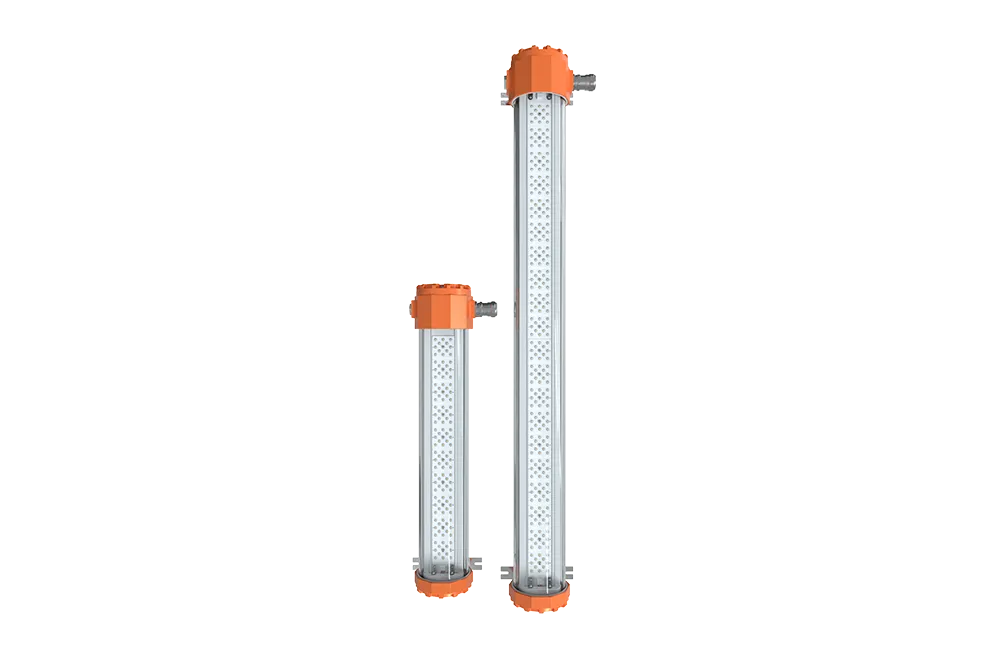
SEEKINGLED LED Linear Explosion Proof Light and Explosion Proof lighting is ATEX and IECEx certified for Zone 1, Zone 2, Zone 21 and Zone 22 hazardous locations, built for long-term industrial use.
View details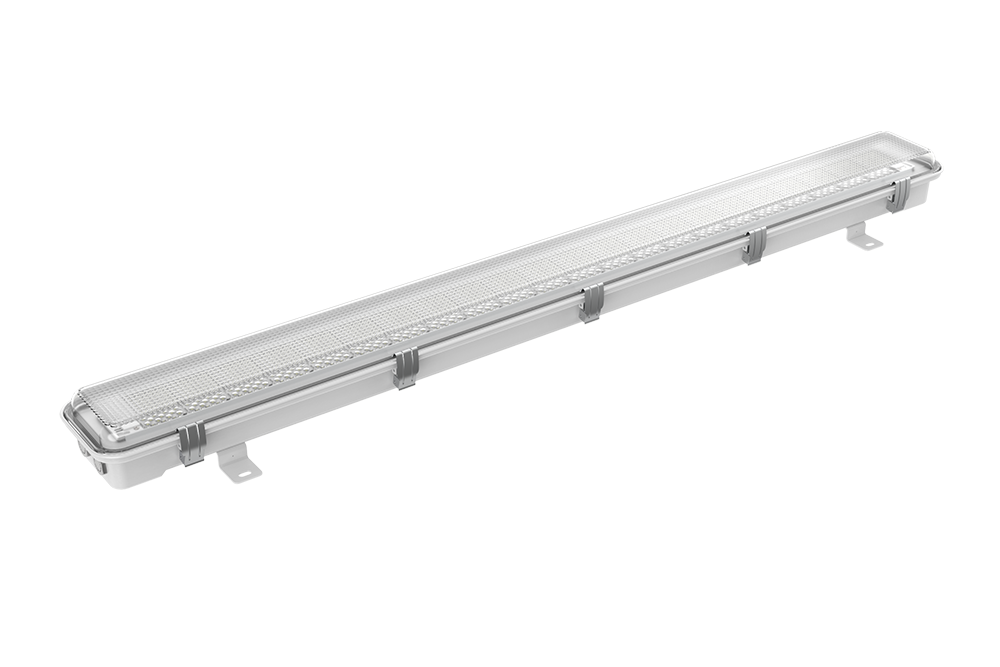
LED Linear Explosion Proof Lights and EX Proof lights for Zone 1, Zone 2, Zone 21 and Zone 22 hazardous areas. ATEX & IECEx certified explosion proof LED linear lighting with emergency function, adjustable power and IP67 protection by SEEKINGLED.
View details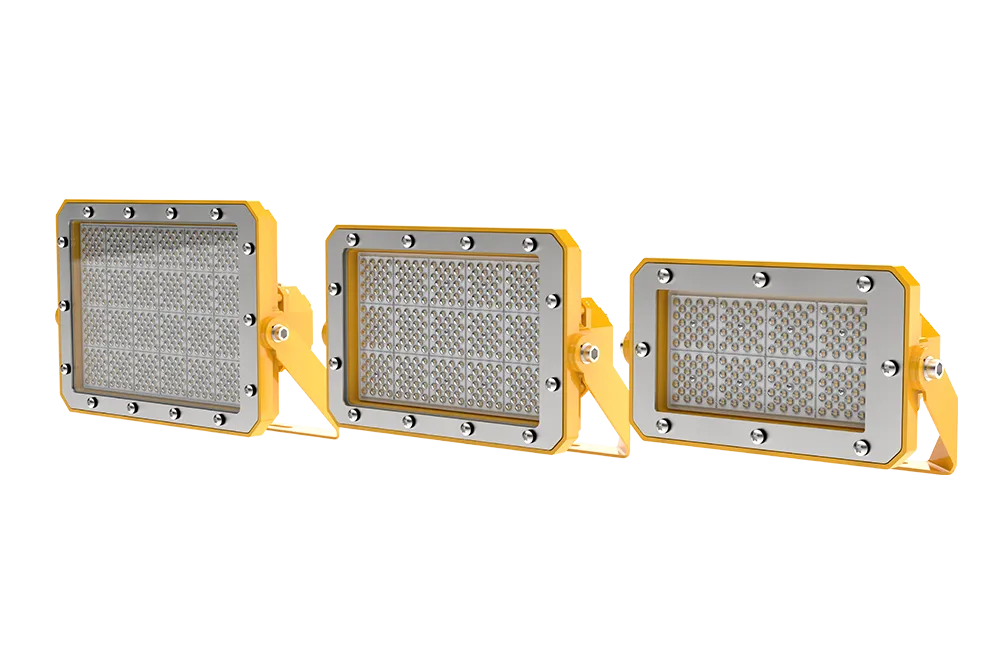
SEEKINGLED LED Explosion Proof Flood Lights are ATEX certified for Zone 2 and Zone 22 hazardous areas, offering high efficiency, adjustable power and integrated junction box.
View details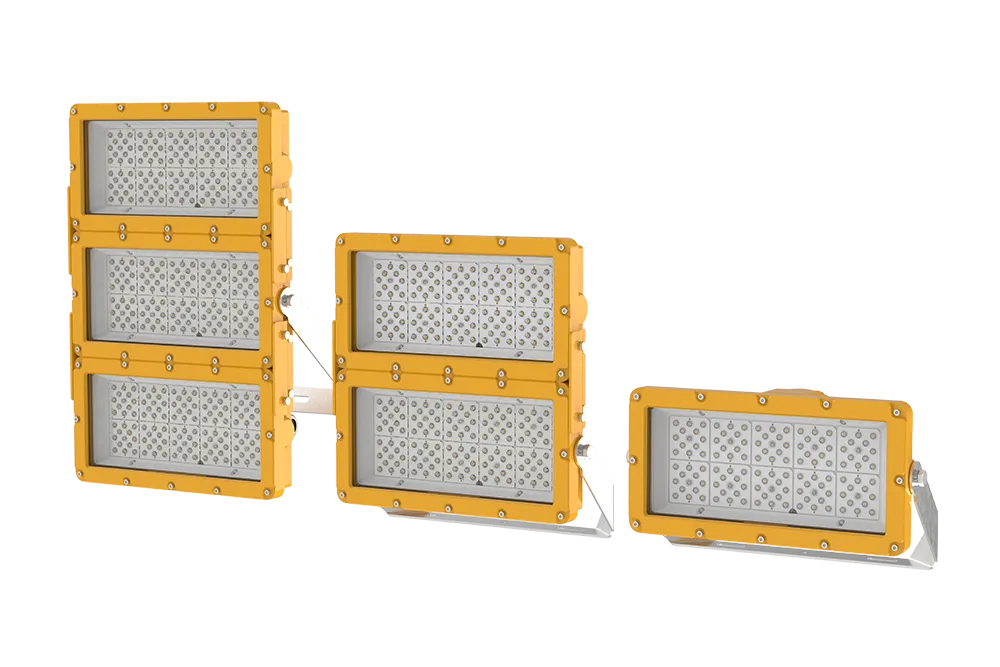
SEEKINGLED LED Explosion Proof Flood Lights are flameproof ATEX and IECEx certified for Zone 1 and Zone 2 hazardous areas, offering high power, adjustable output and long service life.
View details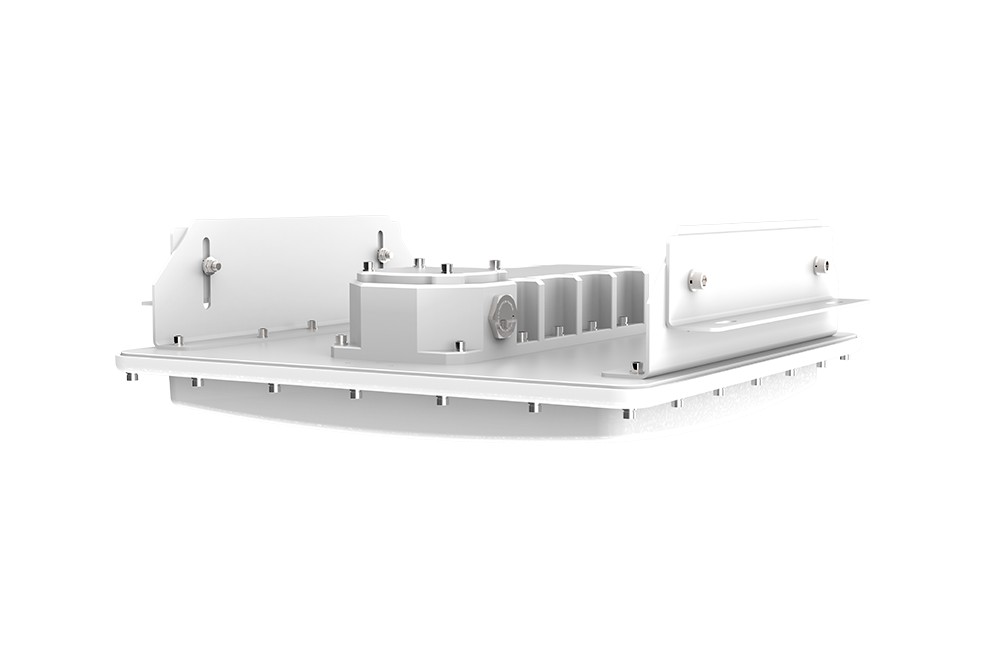
SEEKINGLED LED Gas Station Canopy Lights are ATEX certified for Zone 2 and Zone 22 hazardous areas, featuring adjustable power and built-in explosion-proof junction box.
View details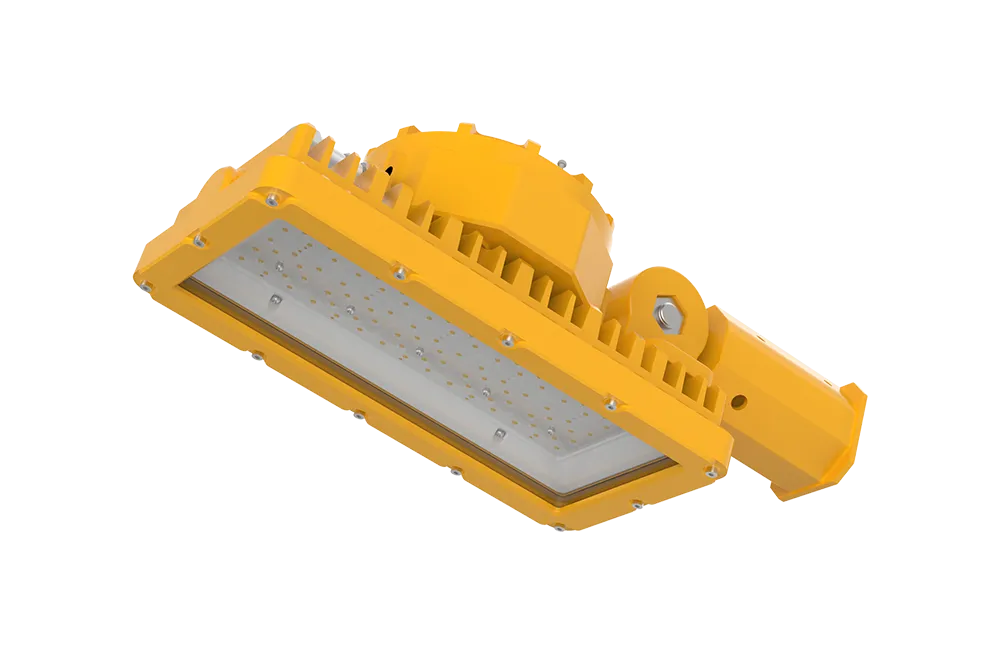
ATEX: Ex II 2G Ex db IIB T6/T5 GbEx II 2D Ex tb IIIC T80°C/ T95°C Db IECEx Ex db IIB T6 Gb;Ex tb IIIC T80°C Db Feature: ● For Zone 1,2 and Zone 21,22● Flameproof type, the strongest● 100W can replace 250W HID,energy saving● Power:60W,80W,100W Application: Oil and gas, marine, Chemical, pharmaceutical, semiconductor,mining,military industr…
View details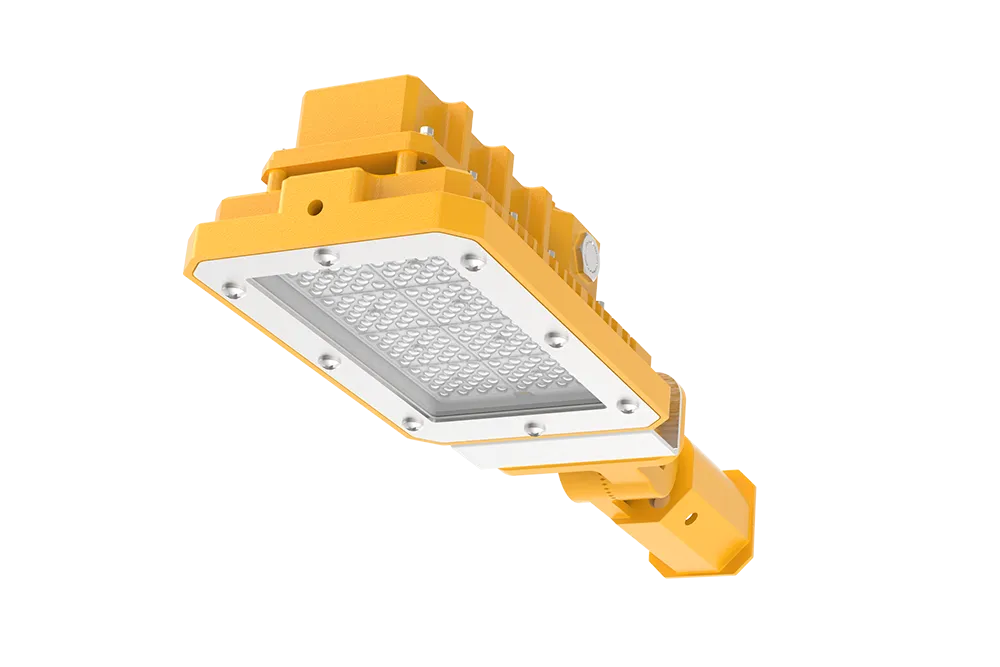
ATEX: II 3G Ex nR ⅡC T5/T6 GcII 3D Ex tc ⅢC T80℃/T95℃Dc ATEX Certificate NO: TÜV CY 26 ATEX 0207611 X Feature: ● For Zone 2 and Zone 22● 150W can replace 250W HID lamps,Energy saving● Power:50W,75W,100W,150W,200W Application: Oil and gas, marine, Chemical, pharmaceutical, semiconductor,mining,military industry, paint booth,power plant ETC…
View details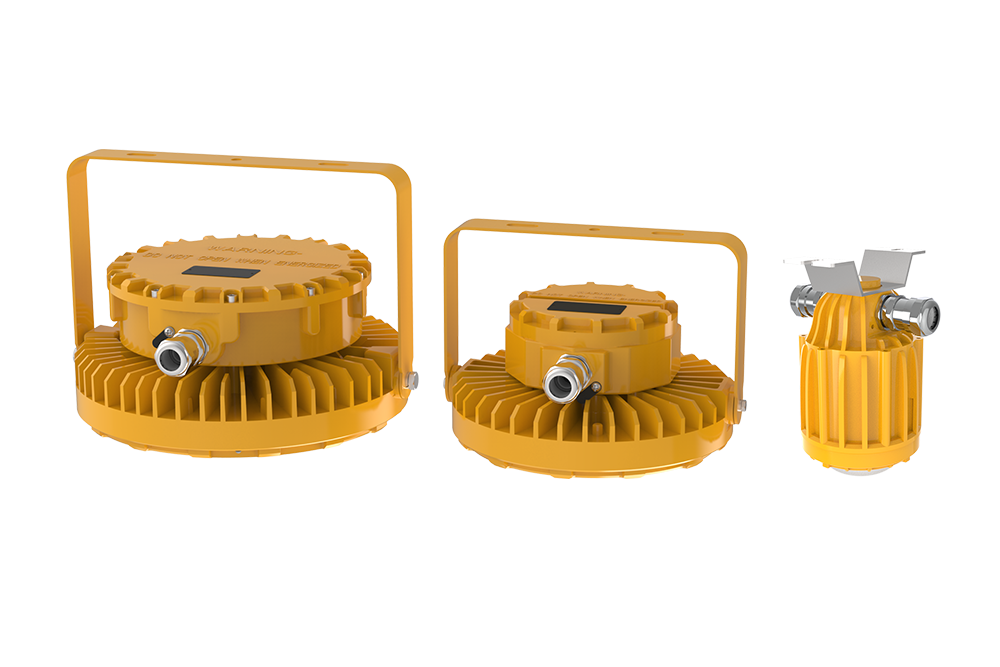
LED explosion proof high bay lights are designed for Zone 1, Zone 2, Zone 21 and Zone 22 hazardous areas. This page introduces the HB21 Series from SEEKING, including certifications, power options and real application considerations.
View details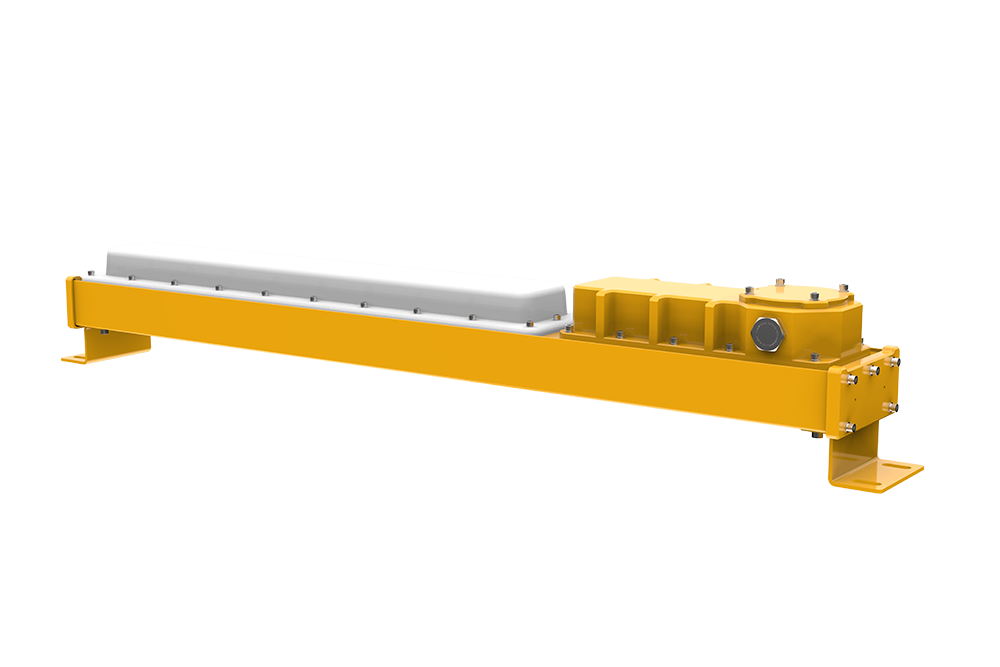
LED Linear Explosion Proof Lights from SEEKINGLED. LU Series Flame Proof lights ATEX-certified explosion proof LED linear lighting for Zone 2 gas and Zone 22 dust areas, IP69K, IK10, long lifetime and flexible power options.
View details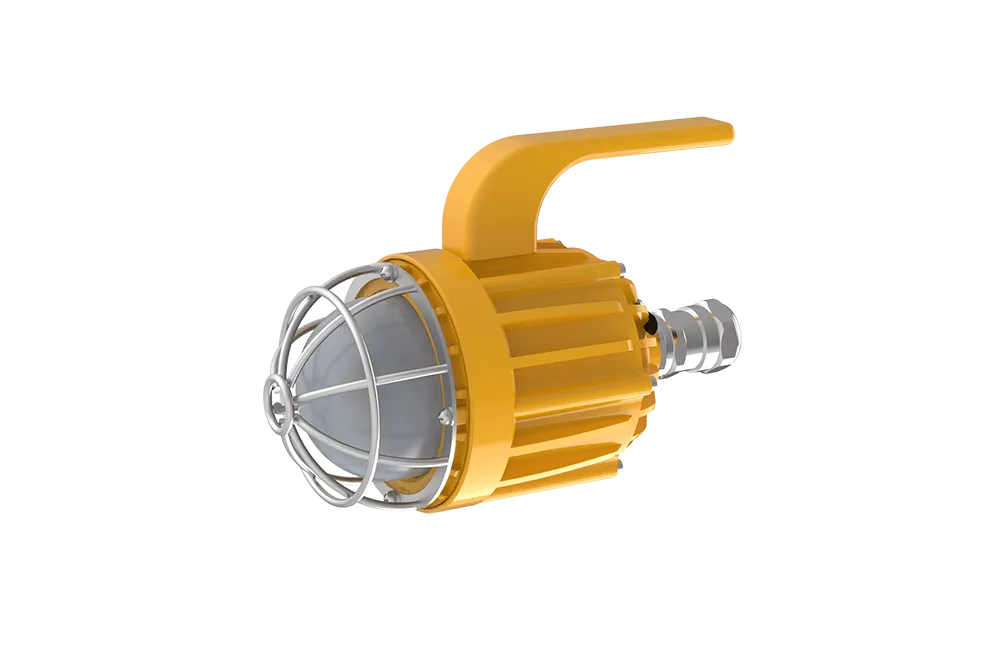
Certified explosion proof work lights for Zone 1 & 21 hazardous areas. Portable, ATEX & IECEx approved, built for oil, gas and chemical plants by SEEKINGLED.
View details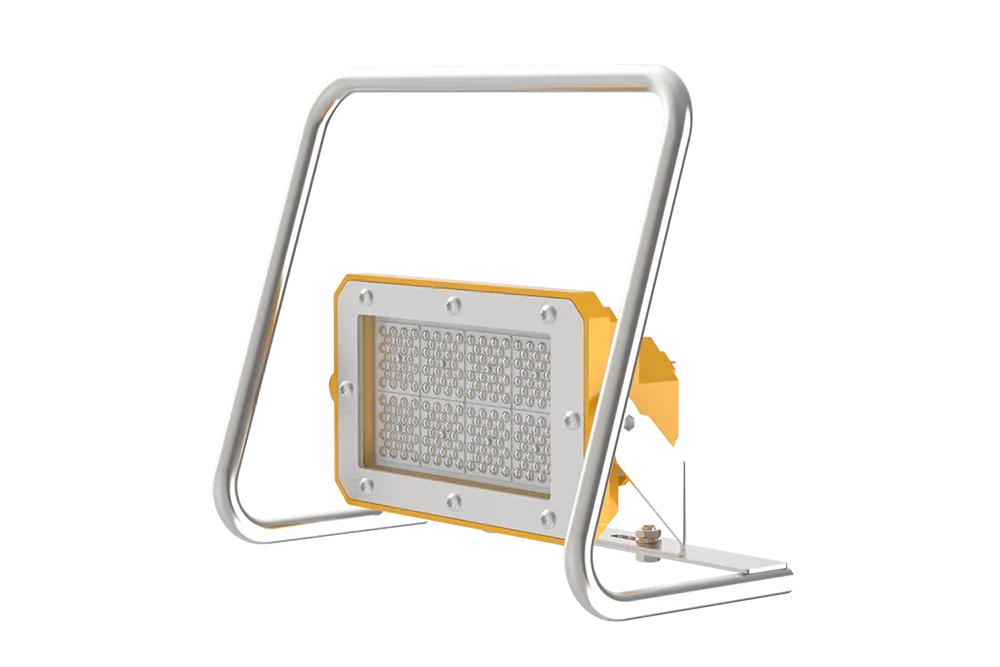
ATEX: II 3G Ex nR ⅡC T6 GcII 3D Ex tc ⅢC T80℃ Dc ATEX Certificate NO: TÜV CY 26 ATEX 0207611 X Feature: ● For Zone 2 and Zone 22● Accepts battery-powered supply● indestructible● Power:AC input:50W,75W,100WDC input:15W,25W,35W Application: Oil and gas, marine, Chemical, pharmaceutical, semiconductor,mining,military industry, paint booth,po…
View details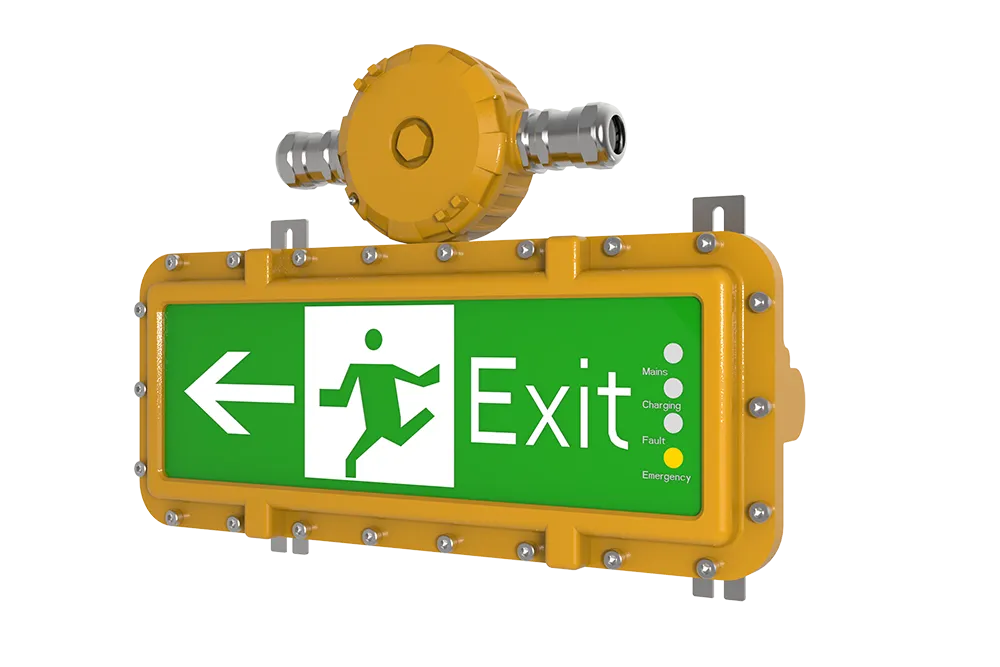
ATEX: Ex II 2G Ex db IIB T6 GbEx II 2D Ex tb IIIC T80°C Db IECEx Ex db IIB T6 Gb;Ex tb IIIC T80°C Db Feature: ● For Zone 1,2 and Zone 21,22● Flameproof type, the strongest Application: Oil and gas, marine, Chemical, pharmaceutical, semiconductor,mining,military industry, paint booth,power plant ETC hazardous area. Technical Specifications:…
View details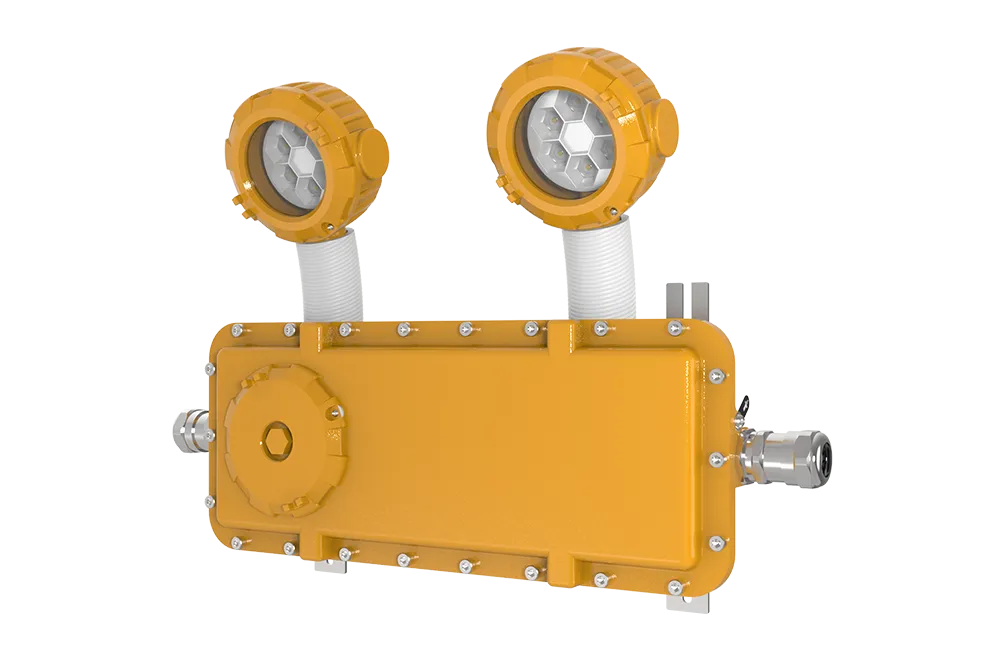
ATEX: Ex II 2G Ex db IIB T6 GbEx II 2D Ex tb IIIC T80°C Db IECEx Ex db IIB T6 Gb;Ex tb IIIC T80°C Db Feature: ● For Zone 1,2 and Zone 21,22● Flameproof type, the strongest Application: Oil and gas, marine, Chemical, pharmaceutical, semiconductor,mining,military industry, paint booth,power plant ETC hazardous area. Technical Specifications:…
View details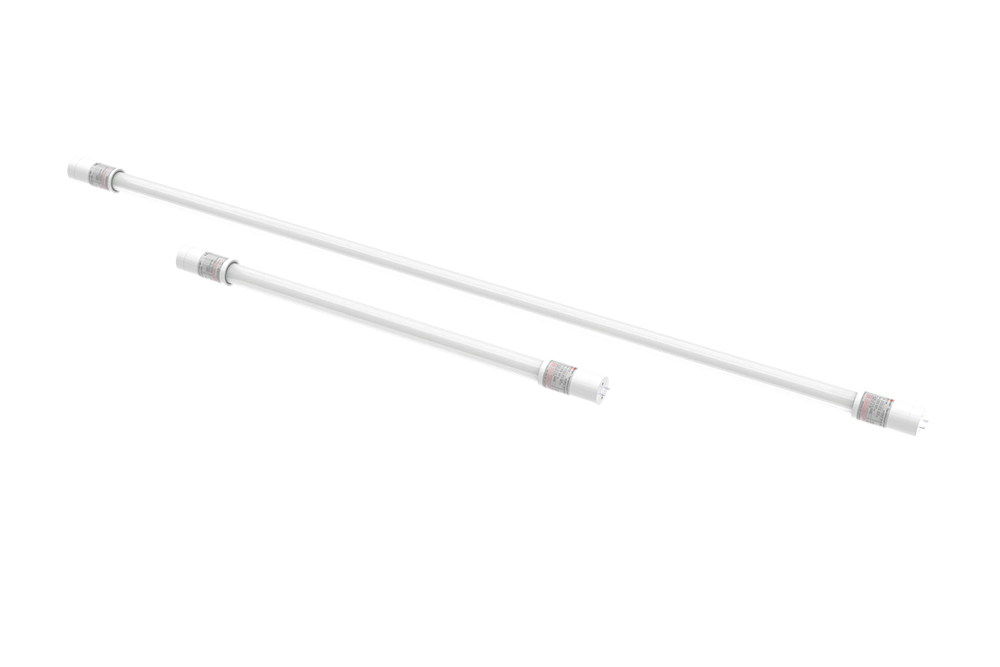
ATEX: Ex II 2G Ex d e IIB T6 Gb ATEX: Ex d e IIB T6 Gb; Feature: ● For Zone 1,2● 9W can replace 18W fluorescent lamps,50% Energy saving Application: Oil and gas, marine, Chemical, pharmaceutical, semiconductor,mining,military industry, paint booth,power plant ETC hazardous area. Technical Specifications: Standards:60079-0, 60079-1, 60079…
View details
How high to mount high bay LED lights for proper coverage and efficiency? This guide explains mounting height ranges, spacing logic, and real-world installation tips from SEEKINGLED projects.
View details
LED Stadium Lighting for High School Rugby Field requires stable illumination, beam control, and long-term reliability. This project records how 36 pcs FLD 720W LED flood lights were installed at St. Francis Xavier High School rugby field.
View details
Explosion-proof lighting is essential for gas stations under ATEX regulations. SEEKINGLED GS Series offers certified safety, high efficiency, and reliable canopy lighting.
View details
Are LED street lights cost effective over time? This guide explains real costs, savings, and when LED street lighting truly makes financial sense.
View details