 Seeking LED
atex zone 2 lighting for Areas with Occasional Explosive Gas Risk
0Explore atex zone 2 lighting designed for hazardous gas environments. Learn protection standards, industrial applications, and selection tips from SEEKINGLED.
View detailsSearch the whole station
A led flood light with lens provides directional beam control, reduces light spill, and improves usable illumination efficiency compared to standard reflector-based floodlights.
That’s the short answer. But in real installations—yards, logistics parks, even a poorly lit basketball court—the difference is not subtle. I’ve stood under both types at 9 pm, meter in hand. The lens version doesn’t just look brighter; it places light where it matters.
A traditional floodlight throws light everywhere. Some of it hits the target; a lot of it doesn’t. The optical lens—especially TIR (Total Internal Reflection) lenses—reshapes that emission into controlled angles like 30°, 60°, or asymmetric beams.
According to the U.S. Department of Energy (energy.gov), LEDs already cut energy use by up to 75% compared to conventional lighting. Add optical control, and practical system efficiency improves further because fewer watts are needed to hit the same lux target.
Without optics, lumens scatter. With a lens, they concentrate.
| Beam Angle | Typical Application | Effect |
|---|---|---|
| 30° | High mast, stadium edges | Long throw, focused |
| 60° | Warehouses, yards | Balanced coverage |
| 90°+ | General floodlighting | Wide spread |
In one warehouse retrofit I worked on, switching to a led flood light with lens (60° beam) increased floor lux from 110 lx to 185 lx—without increasing wattage. We simply stopped lighting the ceiling.
Numbers look good on paper. But glare complaints kill projects.
A lens-based system reduces UGR (Unified Glare Rating) because it shapes the beam instead of blasting it. Workers notice this immediately—less squinting, fewer shadows.
The International Commission on Illumination (cie.co.at) highlights glare control as a critical factor in workplace safety, not just comfort. In practice, that translates into fewer operator errors in industrial settings.
There’s a reason sports lighting standards—like those referenced by Illuminating Engineering Society (ies.org)—increasingly favor optical systems. Uniformity ratios matter more than raw brightness.
One mistake I see often: installers compensate poor beam design with higher wattage.
Instead:
A 200W fixture with a 30° lens can outperform a 300W wide-beam floodlight in targeted applications. That’s not marketing—it’s physics.
In urban environments, spill light regulations are getting stricter. Lens-based systems help meet those limits without redesigning entire layouts.
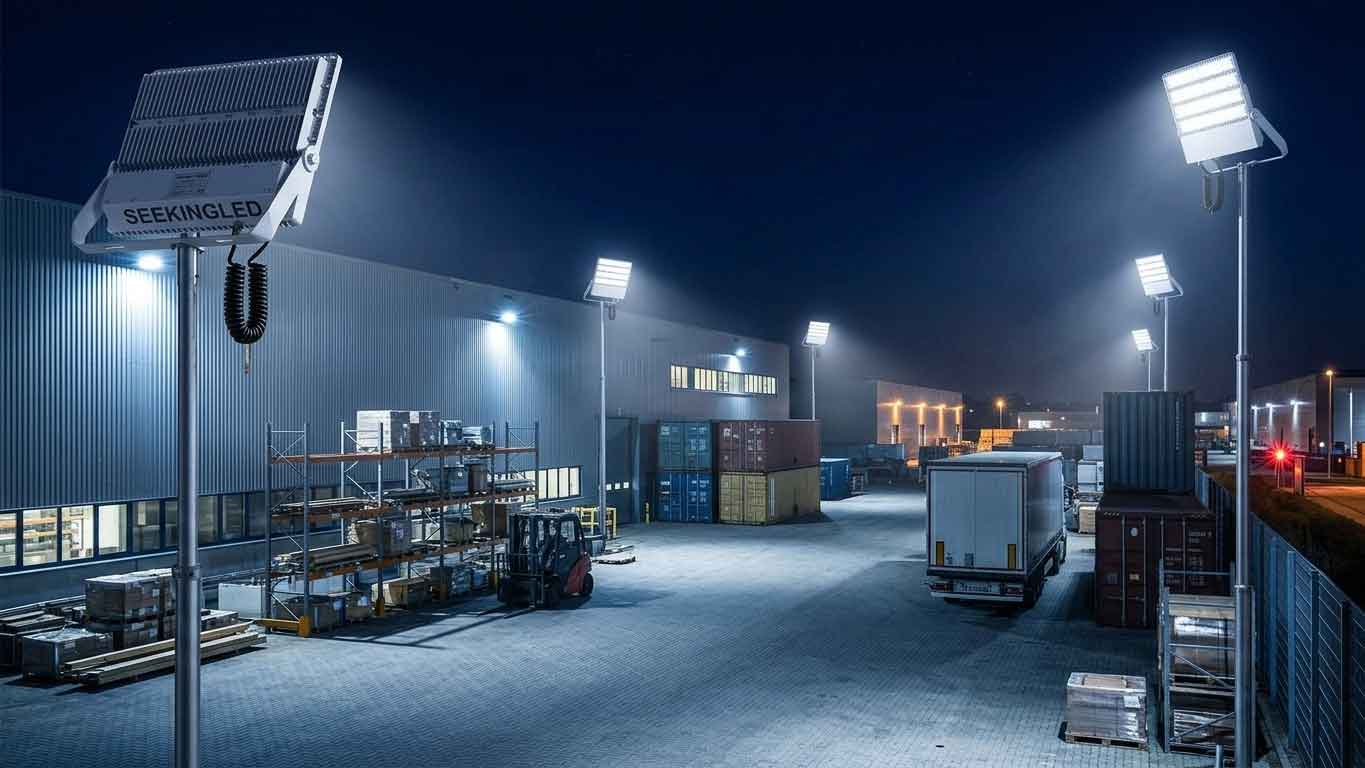
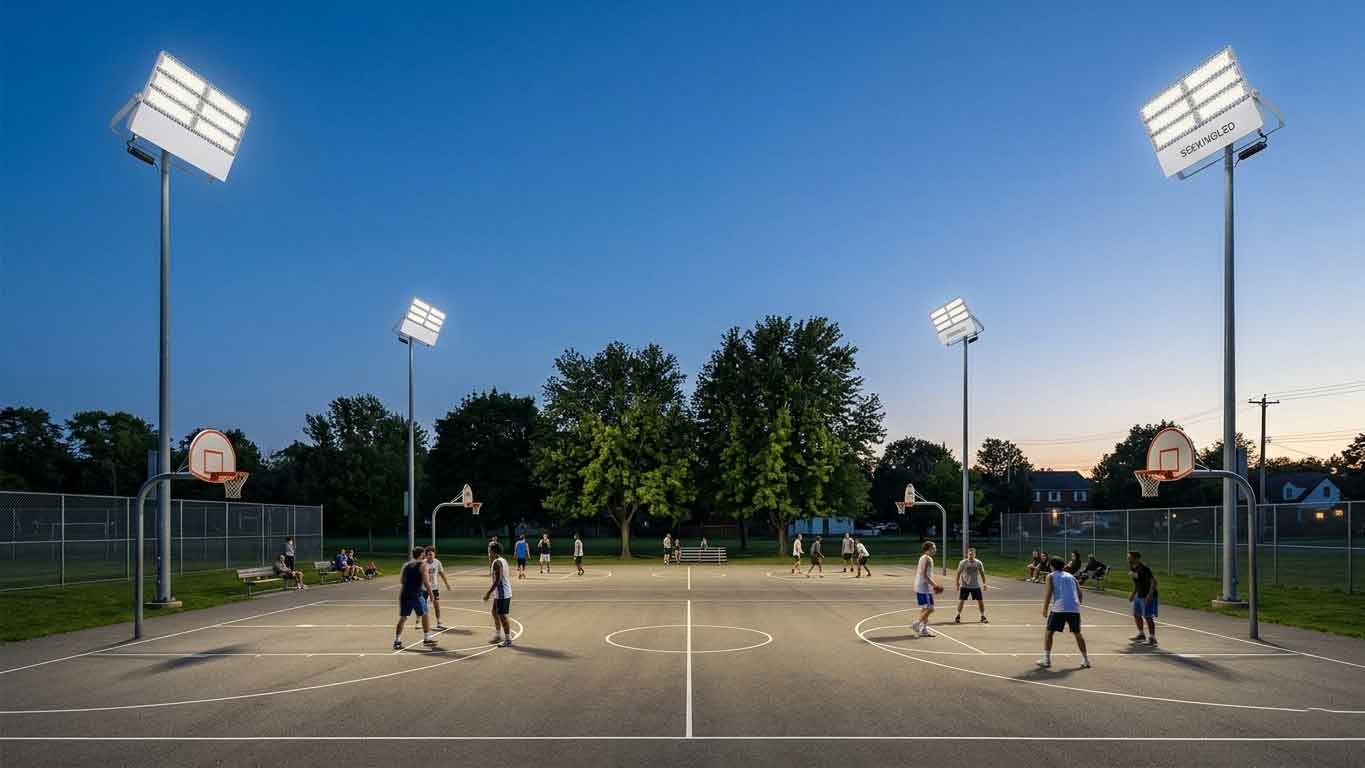
The U.S. Environmental Protection Agency (epa.gov) ENERGY STAR program suggests prioritizing efficacy and distribution together—not separately—when selecting commercial lighting.
Not always. For small residential areas, a wide reflector may be enough. But for precision and efficiency, lens-based designs win.
No. It redistributes light. You often get higher usable brightness on the target surface.
Initial cost is higher, but total system cost drops due to fewer fixtures and lower energy use.
After years working with outdoor lighting layouts, one pattern is consistent: projects that start with optical design rarely need rework. Those that don’t—usually do.
A led flood light with lens is not just a product upgrade. It’s a shift from “more light” to “right light.” And that difference shows up not in specs—but on the ground.
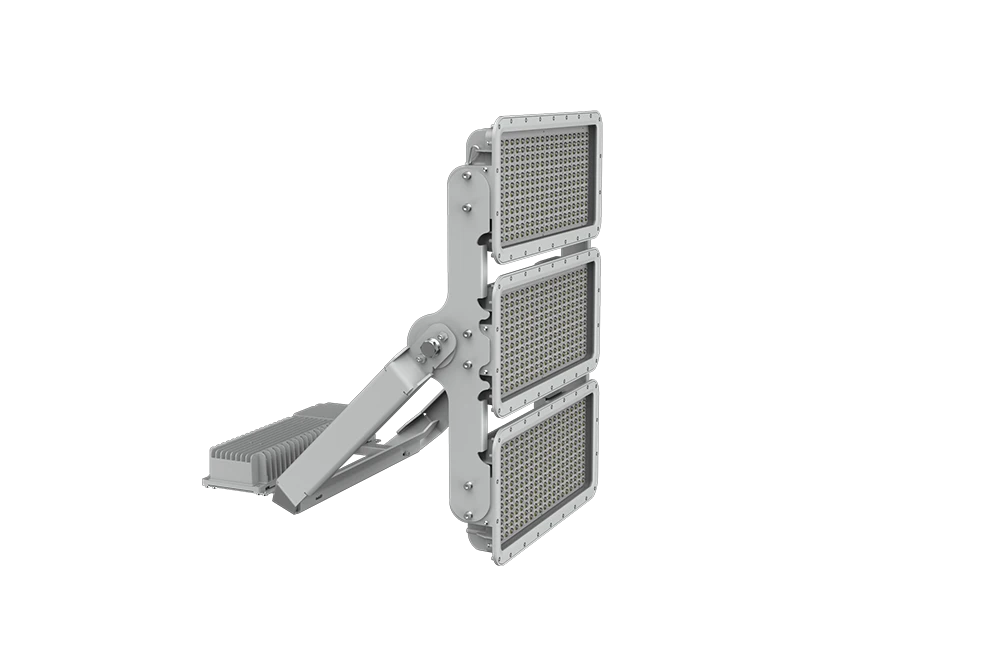
Sports Stadium LED Lighting by SEEKINGLED delivers high mast illumination, precise beam control, and EN 12193 compliant performance for professional venues.
View details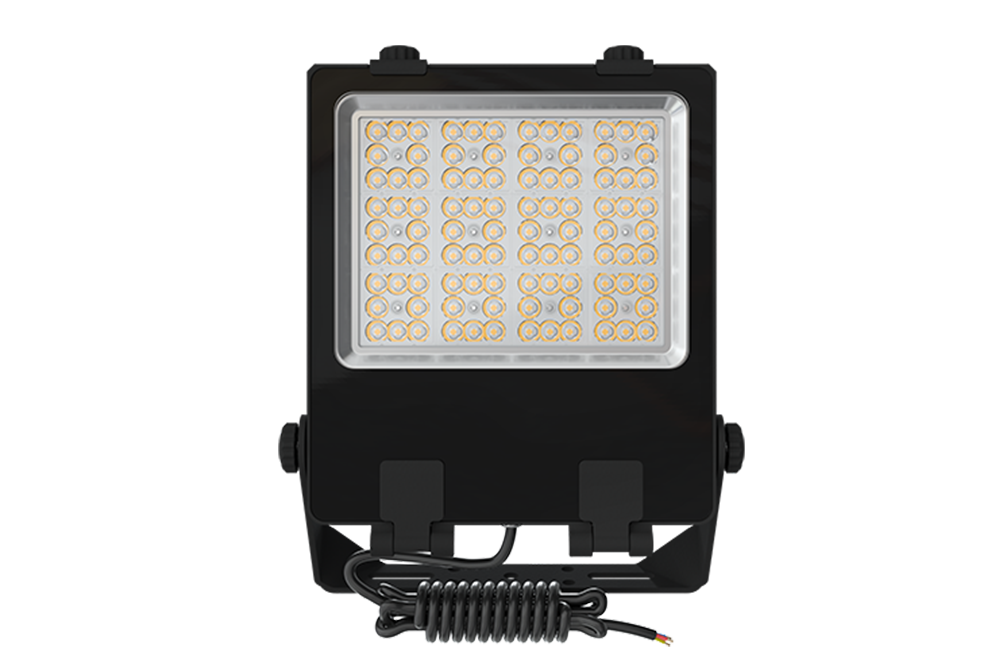
SEEKING FLX Series LED flood light outdoor for sports courts and open-area projects with 170lm/W efficiency, IP66 protection and multiple beam distributions. Designed for long-life commercial and public outdoor use.
View details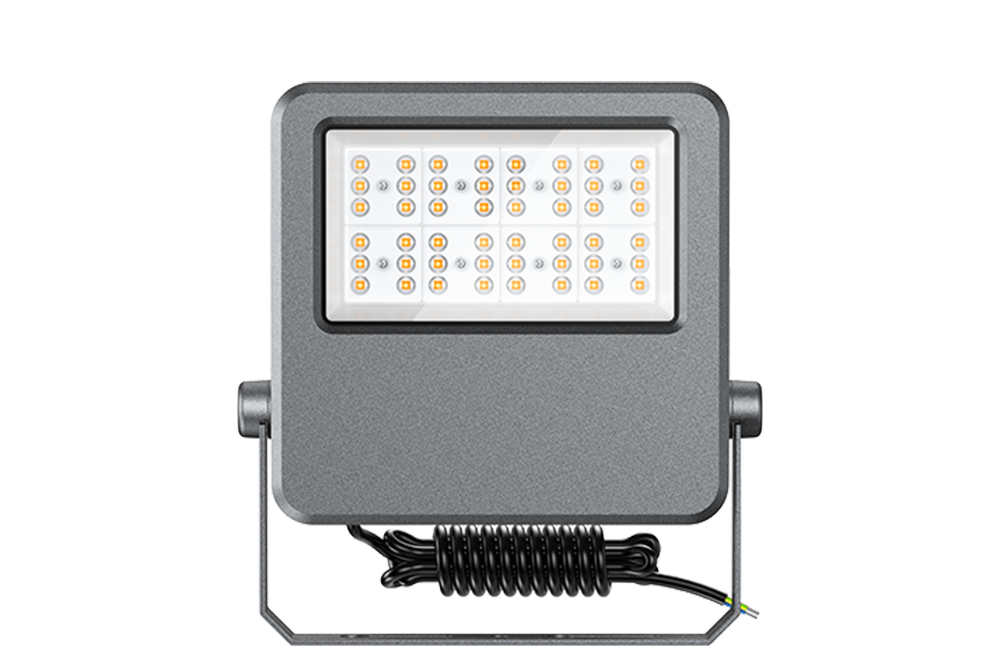
SEEKING FLE Series LED outdoor flood lights for sports grounds and open areas with multiple beam angles, IP66 protection and up to 170lm/W. Designed for long-life outdoor installations with professional driver options.
View details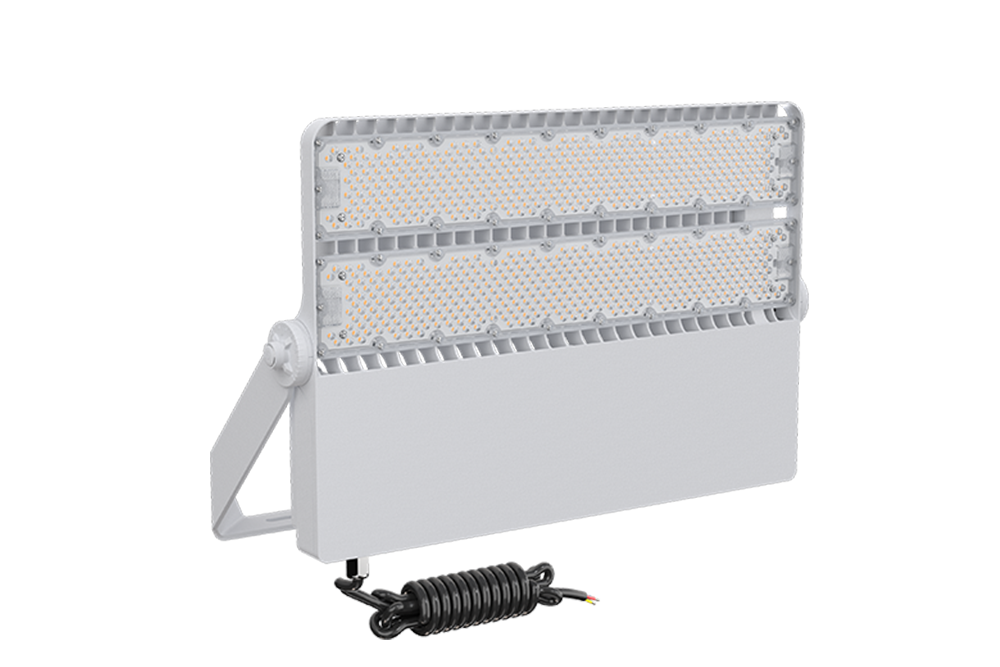
SEEKING FLD Series outdoor LED flood lights and high power led flood light deliver up to 960W with precision beam angles for sports fields, stadiums and large outdoor areas. IK08 & IP66 protection, 170lm/W efficiency and 100,000h lifetime.
View details
Explore atex zone 2 lighting designed for hazardous gas environments. Learn protection standards, industrial applications, and selection tips from SEEKINGLED.
View details
Why are some LED street lights purple instead of white? This official Q&A explains the real technical reasons, whether purple LED street lights indicate failure, and what cities should do.
View details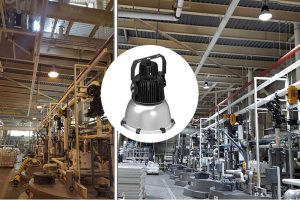
Engineering case record of XJ-HBS150W LED high bay replacing 400W metal halide lights in a USA steel factory, focusing on dust performance, heat dissipation, and energy savings.
View details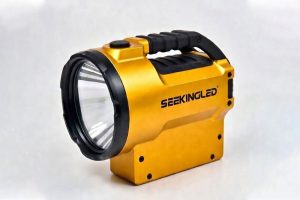
Intrinsically Safe Lighting, also known as Ex i lighting, is a type of lighting specially designed for hazardous areas. Its core principle is to strictly limit the electrical energy and thermal energy in the circuit, ensuring that the luminaire ca...
View details