 Seeking LED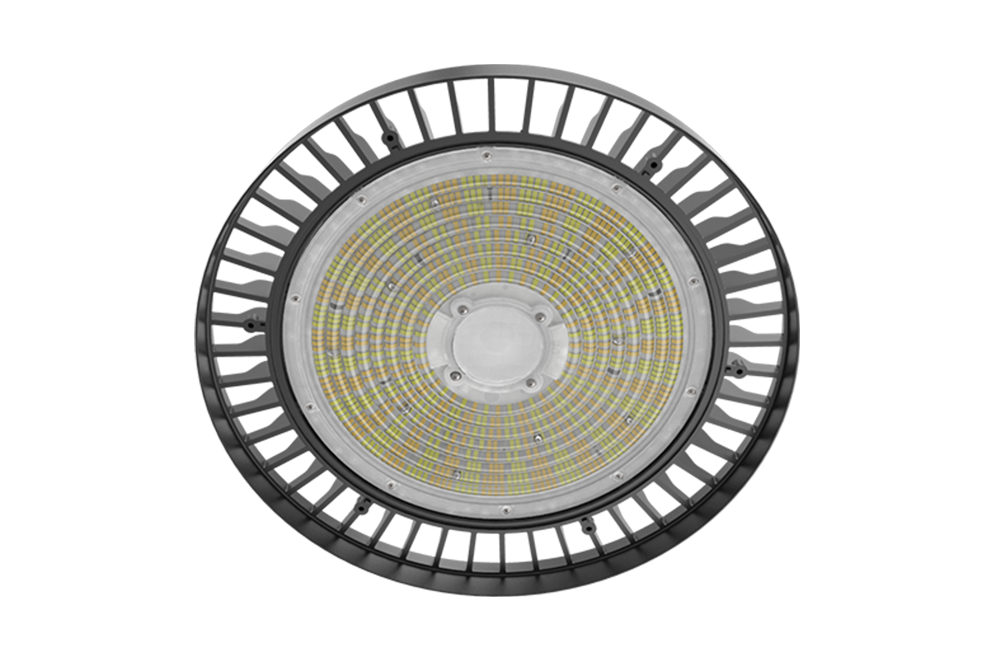
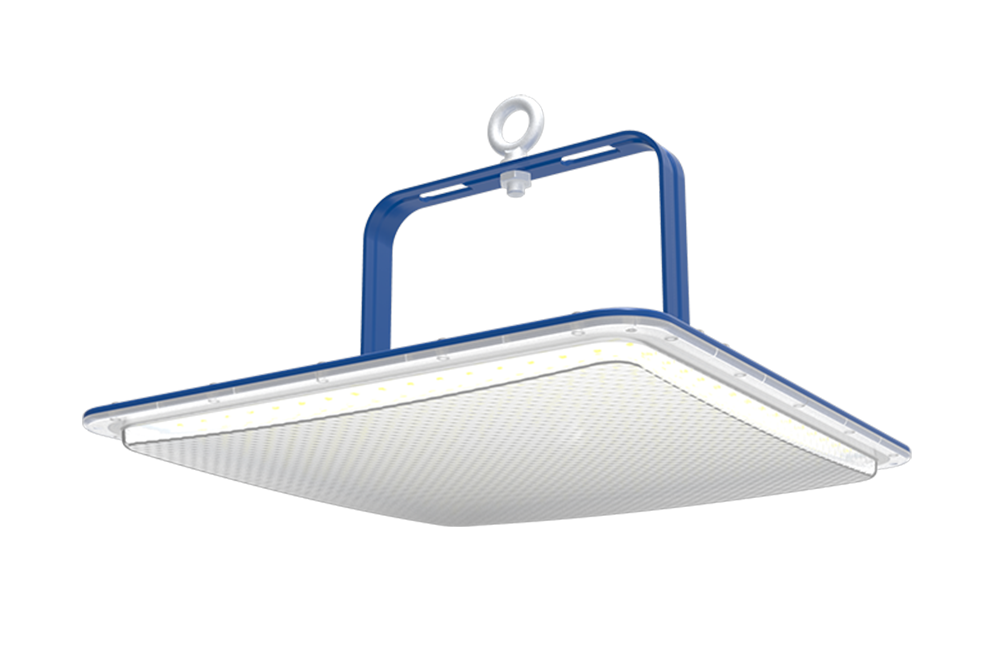
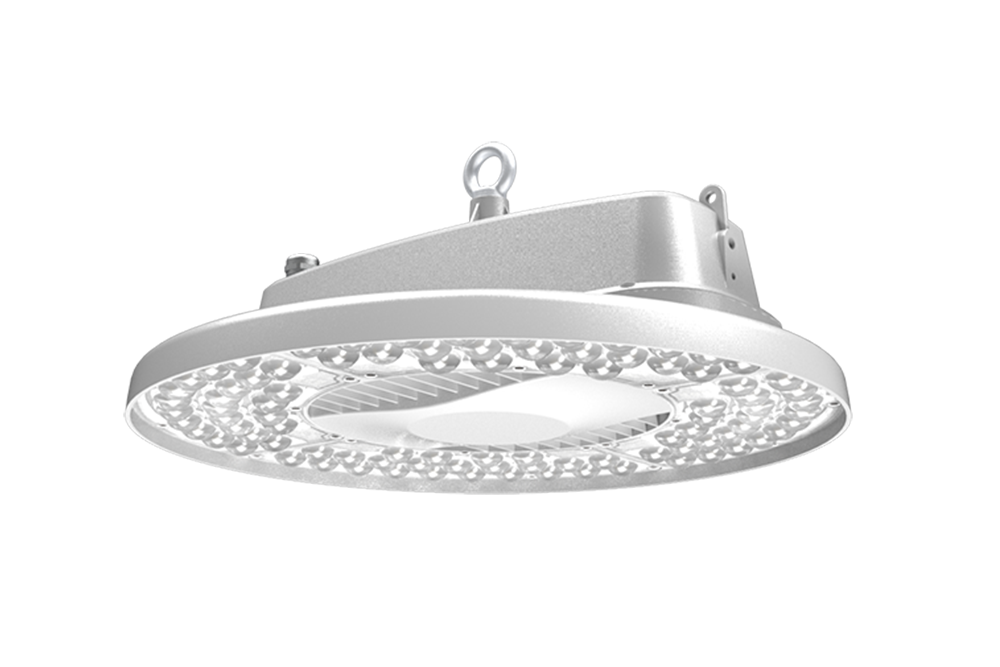
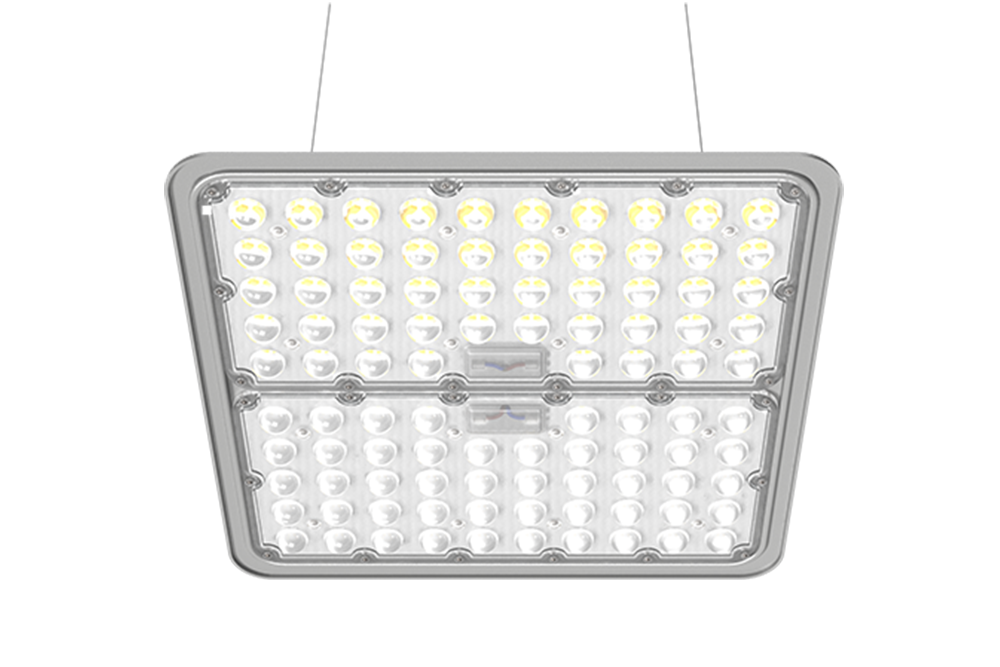
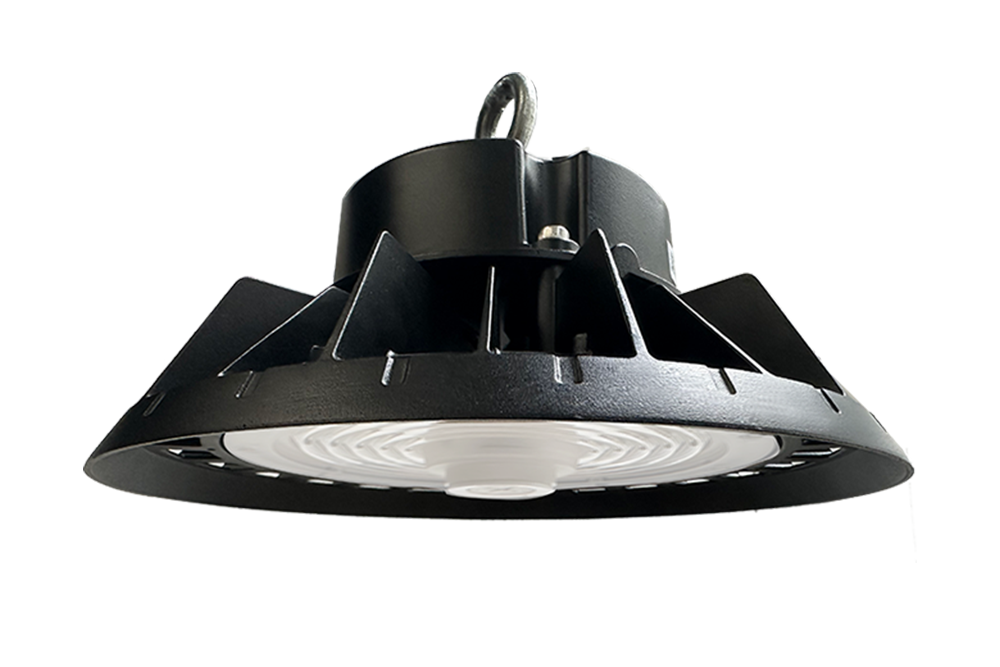
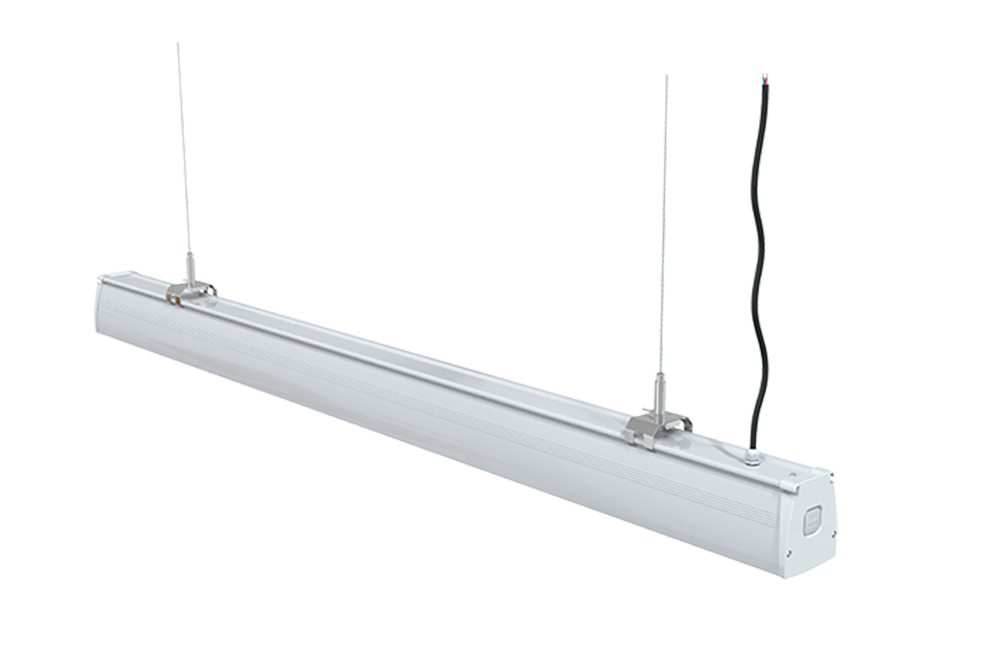
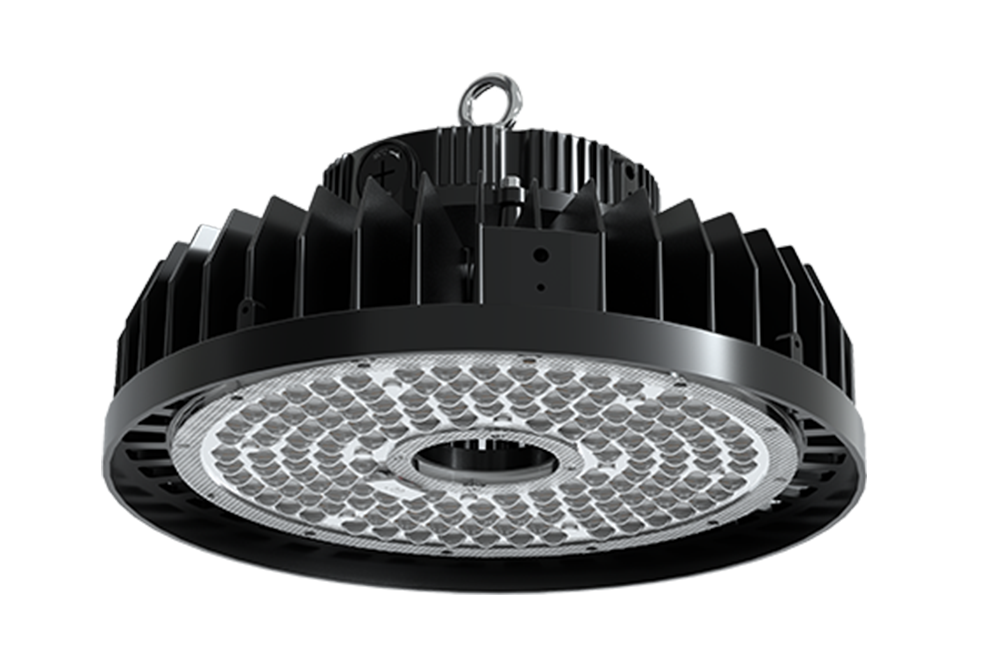
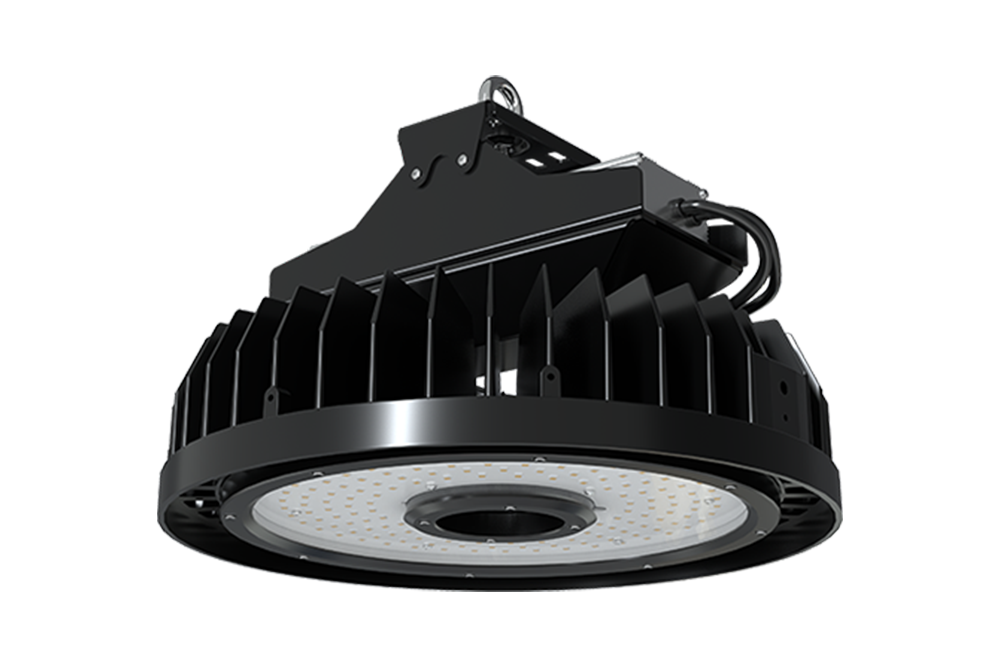
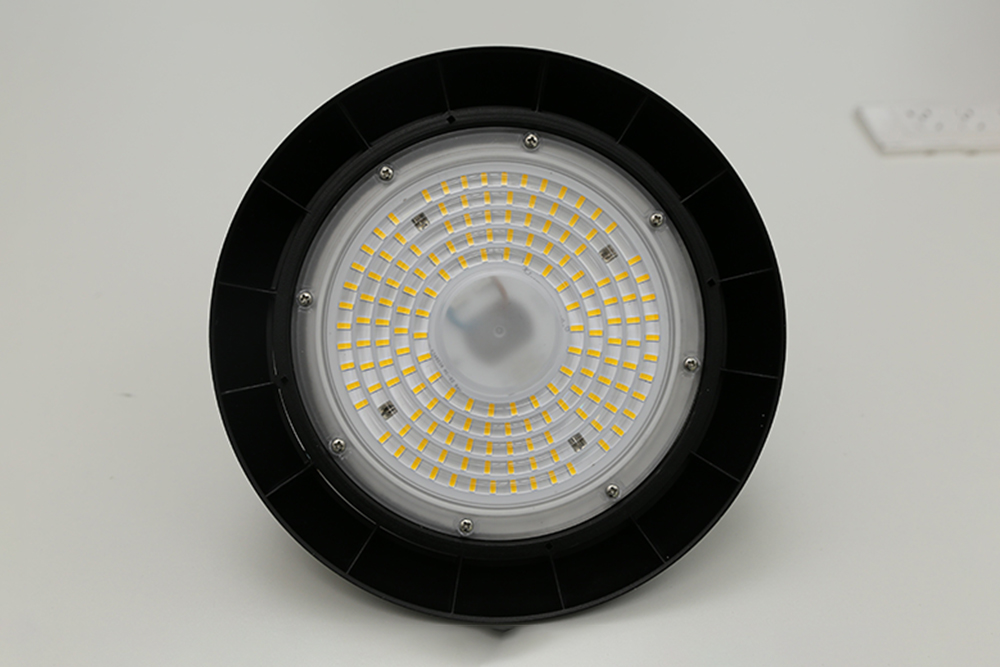
how to hang high bay lights?
0Learn how to hang high bay lights safely with professional mounting methods, installation tips, spacing advice, and industrial LED lighting solutions.
View detailsSearch the whole station
SEEKING HBI Series
In many industrial projects, lighting decisions are made under pressure. Budgets are fixed, ceilings are high, and nobody wants to climb up again after one or two years just to replace failed fixtures. This is why industrial users usually care less about marketing claims and more about one simple question: will the lights still work properly after years of continuous use?
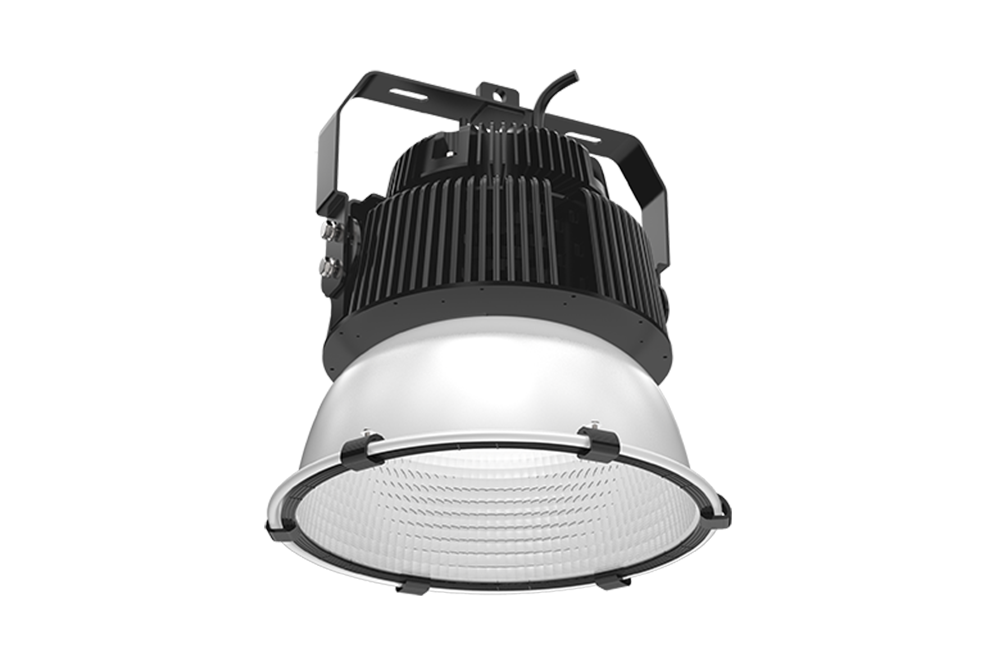
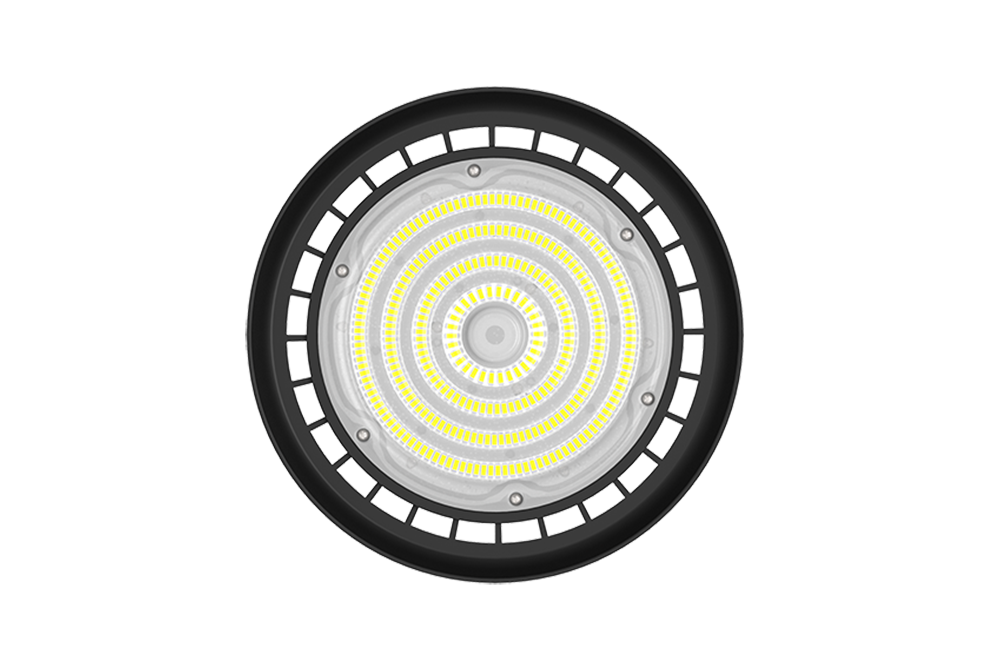
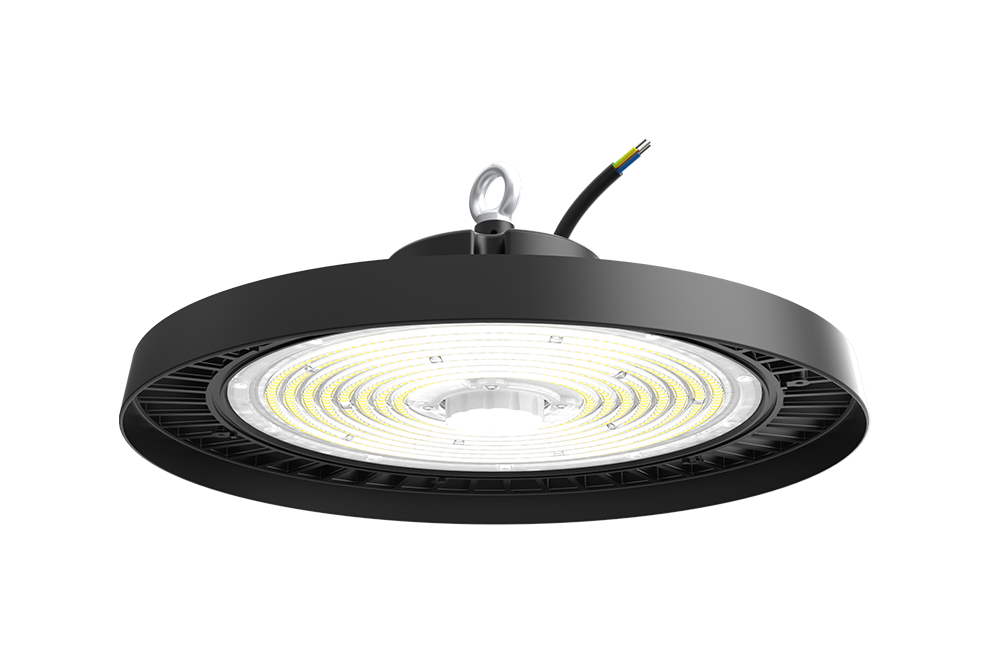
The SEEKING HBI Series industrial LED high bay lighting was developed around that question. It is not designed as a showroom product. It is designed for warehouses, factories and logistics buildings where lights stay on for long hours and maintenance is costly.
Many warehouses still operate with metal halide or mercury lamps installed years ago. On paper, these systems once met lighting requirements. In real operation, they create several long-term issues.
Energy consumption keeps rising, while actual brightness drops year by year. Warm-up time delays work after power interruptions. Maintenance teams have to plan lift access just to replace a single failed lamp. In large facilities, these small issues slowly turn into operational costs that nobody planned for.
This is usually the point where industrial operators start looking for industrial LED high bay lighting that is more predictable and easier to manage.
One reason why some LED high bay lights fail early is simple: heat. In high ceiling environments, poor heat dissipation shortens both LED and driver life.
The HBI Series uses a die-cast aluminum heat sink with wide fins. This is not a cosmetic choice. The housing is designed to move heat away from the LED board efficiently during long daily operating cycles. In warehouses running two or three shifts, this difference becomes visible after years, not weeks.
The fixture is paired with a SOSEN flicker-free driver, chosen for stability rather than aggressive cost reduction. This combination allows the light output to stay consistent even when ambient temperatures change.
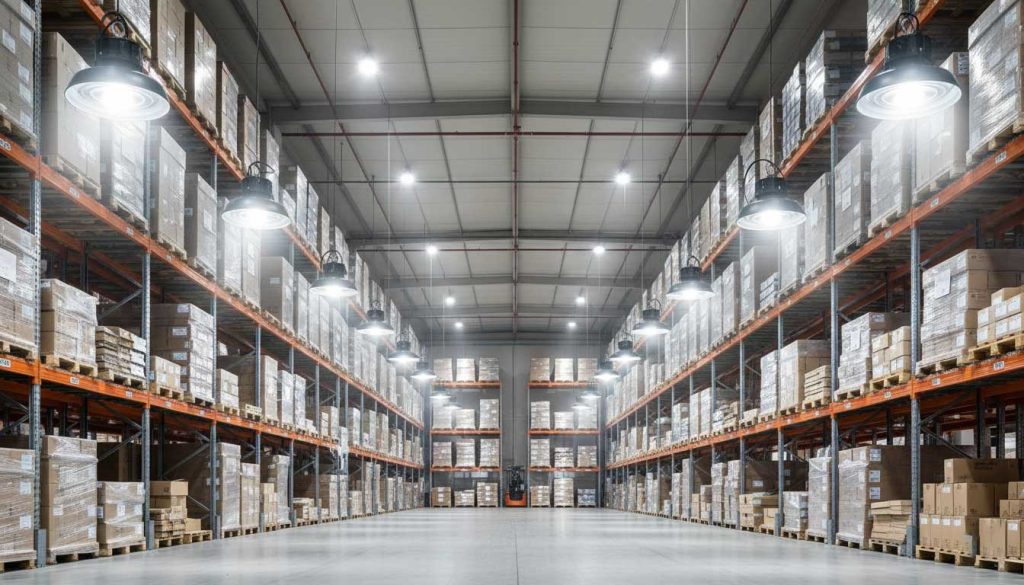
Efficiency numbers only make sense when they help reduce total system cost. With luminous efficacy reaching up to 200 lm/W, the HBI Series allows lighting designers to use fewer fixtures in many mid-to-high ceiling applications.
For warehouse operators, this usually translates into simpler layouts and lower overall installation cost. Instead of over-lighting the space to compensate for aging lamps, the lighting plan stays closer to actual requirements.
Multiple power ranges from 60 W to 240 W are available, with different lumen packages under the same housing. This flexibility is especially useful in mixed-use halls where storage, packing and transit areas exist in the same building.
Industrial spaces are dusty. Sometimes they are humid. Sometimes they are simply rough.
The HBI Series carries IP65 protection and IK08 impact resistance, which makes it suitable for production workshops, logistics depots and assembly plants. The sealed design helps prevent dust from building up on critical components, supporting long-term thermal stability.
This is the kind of detail that rarely shows in the first year, but matters over the full life cycle of the lighting system.
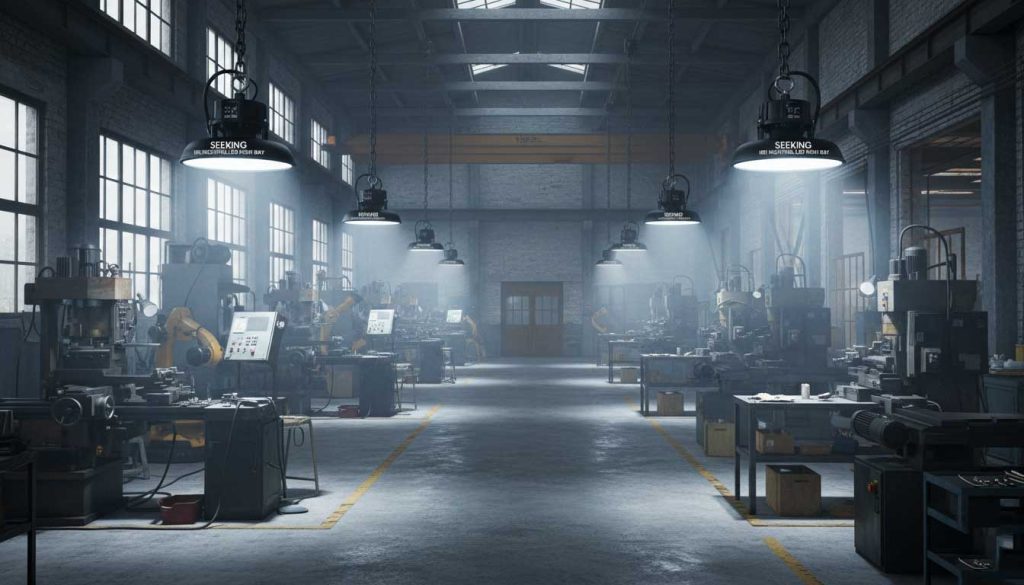
Not all warehouse areas are used continuously. Aisles and stacking zones often have periodic movement rather than constant activity.
The HBI Series includes a microwave motion sensor interface, allowing plug-and-play integration without redesigning the fixture. Lights can increase output when movement is detected and reduce power when areas are idle.
For logistics centers, this feature often becomes one of the most practical energy-saving measures over time.
Brightness alone does not define good industrial lighting. Poor color rendering and flicker can cause eye strain, especially during long shifts.
The HBI Series provides CRI >80 and offers 4000K and 5700K color temperature options. These settings work well for both production accuracy and general warehouse visibility. Flicker-free operation also makes the lights suitable for areas with cameras or inspection tasks.
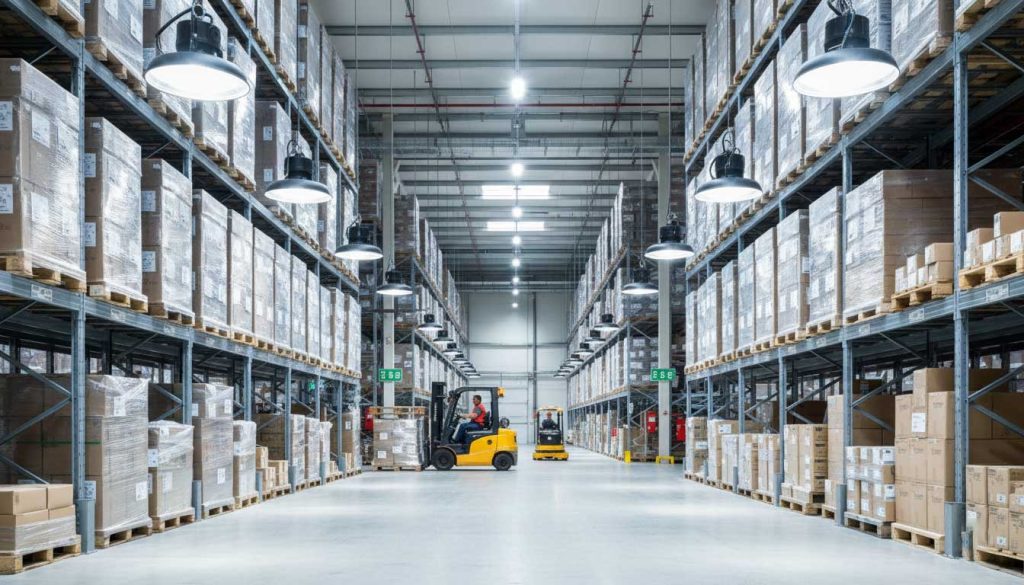
The HBI Series complies with IEC 60598-1 and 60598-2-1 standards and carries CE and CB certification, making it suitable for international industrial projects.
With a rated lifetime of L80B20 over 100,000 hours and 5-year support from SEEKING, the product is positioned for long-term deployment rather than short replacement cycles.
This industrial LED high bay lighting solution is commonly selected by:
In these cases, the decision is rarely about trends. It is about reliability and total cost over time.
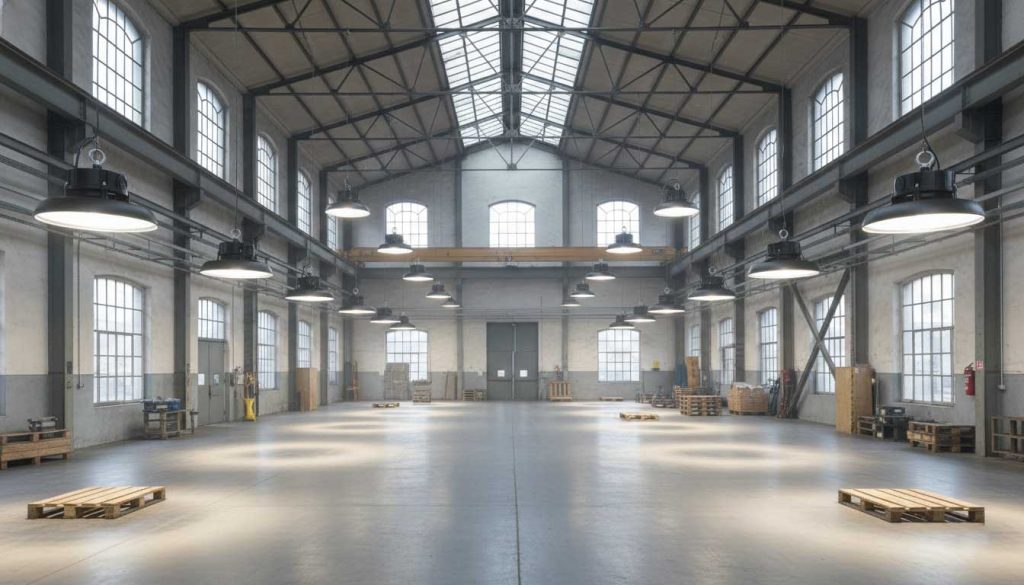
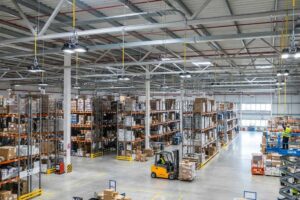
Learn how to hang high bay lights safely with professional mounting methods, installation tips, spacing advice, and industrial LED lighting solutions.
View details
12 volt dc led flood lights offer safe, efficient low-voltage lighting. Explore real-world use cases, performance data, and expert installation insights.
View details
Hazardous lighting ensures safe illumination in explosive environments. Learn standards, real applications, and how to choose reliable hazardous lighting solutions.
View details
How do temperature compensate in LED output in real lighting applications? Learn how thermal compensation works in LED drivers, why it matters for lumen stability, and how SEEKINGLED designs reliable LED lighting systems.
View details