 Seeking LED
atex lights installation for Reliable Hazardous Area Lighting
0Learn professional atex lights installation methods for hazardous areas. Explore safety requirements, certification considerations, and expert guidance from SEEKINGLED.
View detailsSearch the whole station
In many factories, lighting is expected to work quietly in the background. Nobody pays attention to it—until it starts failing. And when it fails in heavy industry, it rarely does so gently.
Most high bay LED light fixtures look similar on a product page. Same wattage range. Similar lumen numbers. Comparable certifications. On site, however, the differences appear much faster than expected, especially in places where heat never really goes away.
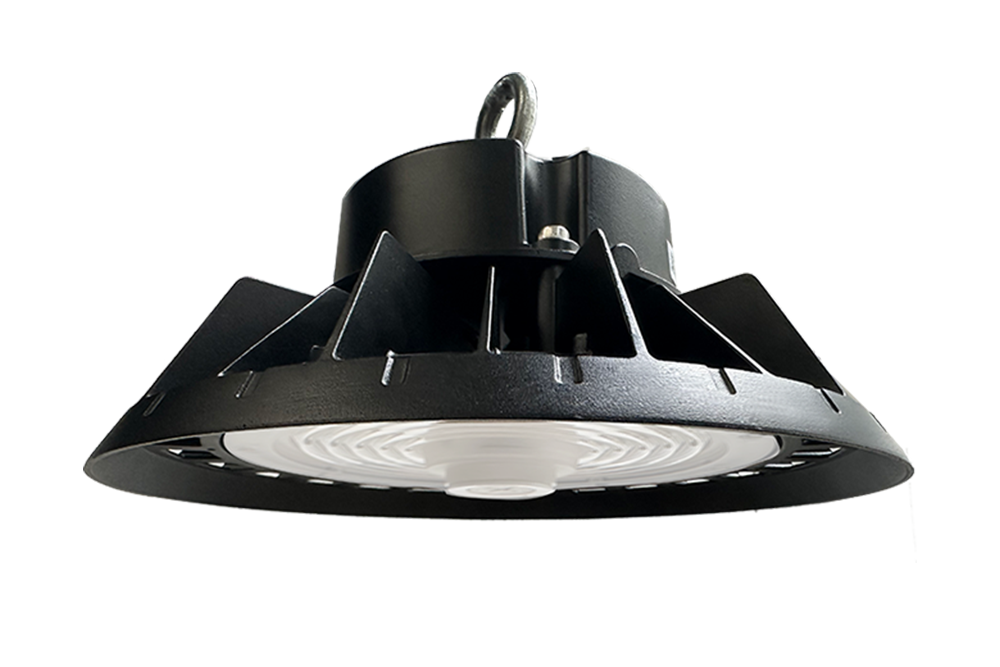
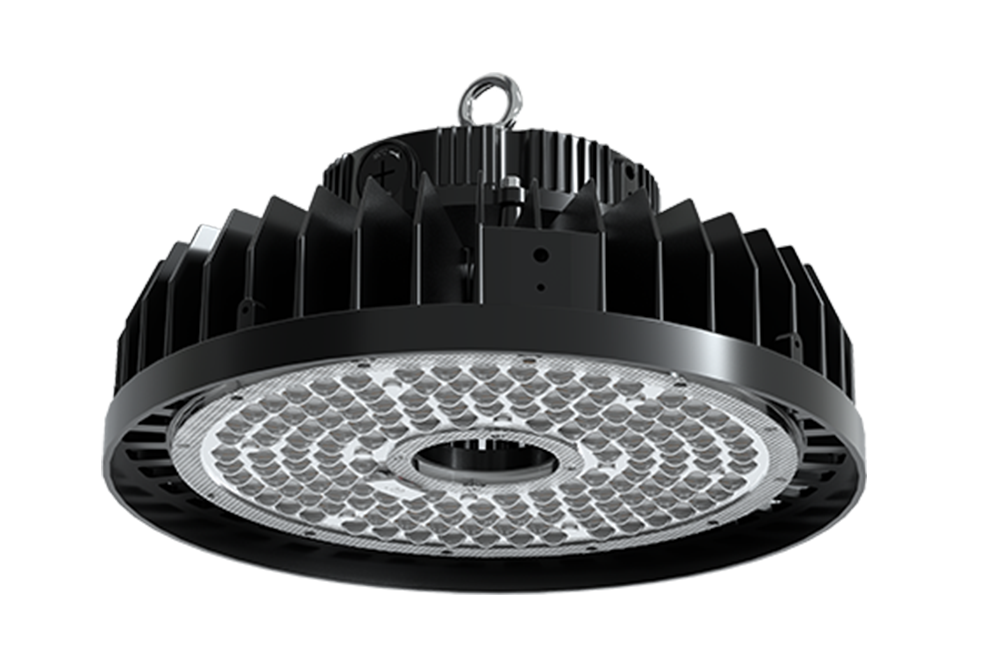
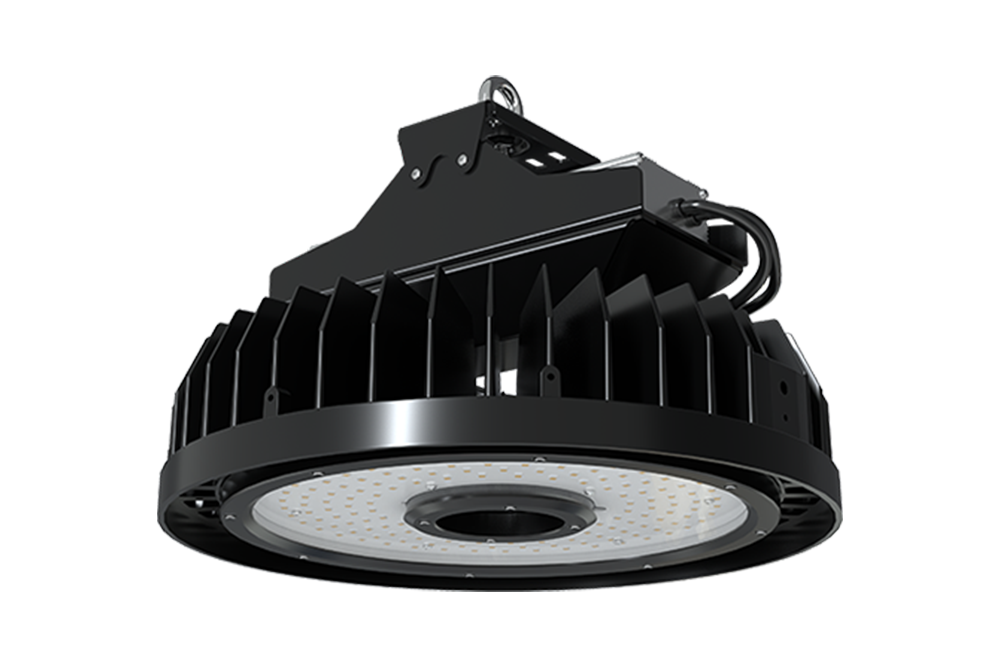
The HBK Ultua Series from SEEKING was developed for those places. Not for clean logistics warehouses. Not for showrooms. But for industrial environments where temperature, dust, and long operating hours expose every weakness in a lighting fixture.
LED technology has improved a lot, but physics has not changed.
In smelting plants, ceramics workshops, glass production lines, and thermal power facilities, ambient temperature around the luminaires often stays above 55–60°C for most of the day. Some areas go even higher. Under these conditions, many LED high bays fail long before their “rated lifetime.”
The failure rarely happens at once. It starts quietly:
At that point, the promised energy savings are already gone.
This is why many factories still keep HID lamps. Not because they are efficient, but because they survive heat.
Many LED fixtures are technically labeled as industrial, but they are designed with warehouse assumptions in mind. Moderate temperature. Occasional operation. Clean air.
Once installed in a hot production hall, the weak point usually turns out to be the driver. Electrolytic capacitors age quickly when exposed to heat. Their lifespan drops sharply with every temperature increase. After that, protection circuits start triggering more often, until the driver fails completely.
This is not a design mistake. It is a design compromise made for a different environment.
The HBK Ultua Series exists because that compromise does not work in heavy industry.
From the beginning, the HBK Ultua was designed with one basic requirement: stable operation from -40°C to +70°C.
Not for short tests. For real operation.
That single requirement affects every design decision:
Instead of focusing on maximum theoretical lm/W, the design focuses on maintaining output and reliability under stress.
In high-temperature environments, LED chips usually survive longer than their drivers. This is why SEEKING selected an Inventronics constant-current driver without electrolytic capacitors for the HBK Ultua Series.
This is not a cheap solution, and it is not chosen to impress on datasheets. It is chosen because removing electrolytic capacitors dramatically improves driver life under heat.
Combined with:
the driver ages slowly instead of failing suddenly.
For factories running lighting continuously, this difference shows up in maintenance budgets within the first few years.
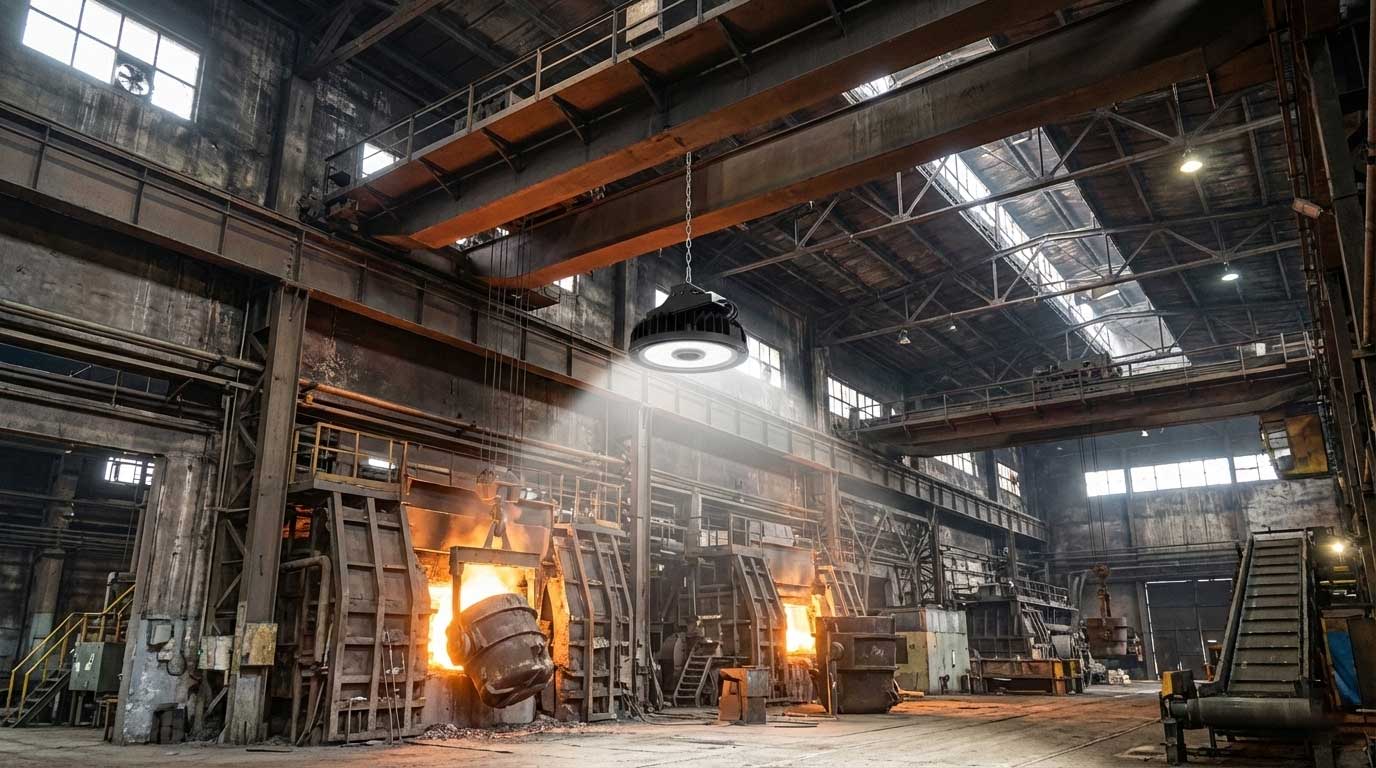
Active cooling often looks attractive on paper. In practice, fans collect dust, fail early, and introduce new maintenance points.
The HBK Ultua Series uses a chimney-effect heat sink design. Heat naturally rises through the structure, pulling cooler air from below. This creates continuous airflow without any moving components.
The result is simple:
At around 140 lm/W at 4000K Ra80, the fixture stays efficient while remaining tolerant to high ambient temperatures.
Heat is not the only challenge. In oilfields, cold storage facilities, and winter industrial operations, low temperatures introduce their own problems. Materials become brittle. Light output becomes unstable. Some LEDs struggle to start properly.
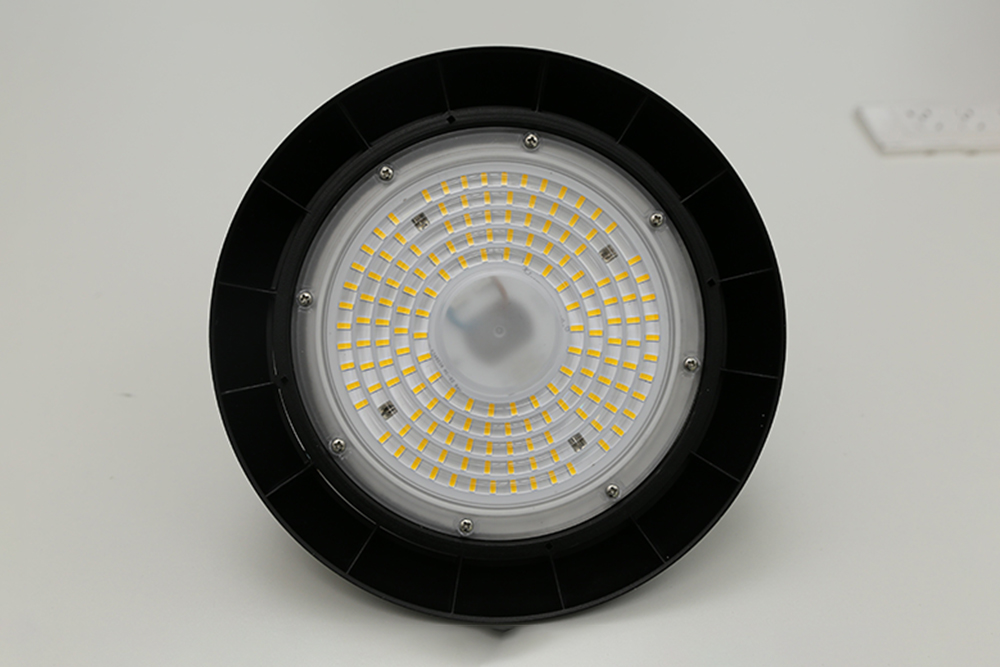
HBK Ultua uses Nichia 3030 LEDs, selected for stable performance across a wide temperature range. Combined with IP66 sealing and IK08 impact resistance, the fixture handles dust, humidity, and mechanical stress without becoming fragile.
The C3 corrosion category further supports use in chemically active industrial environments.
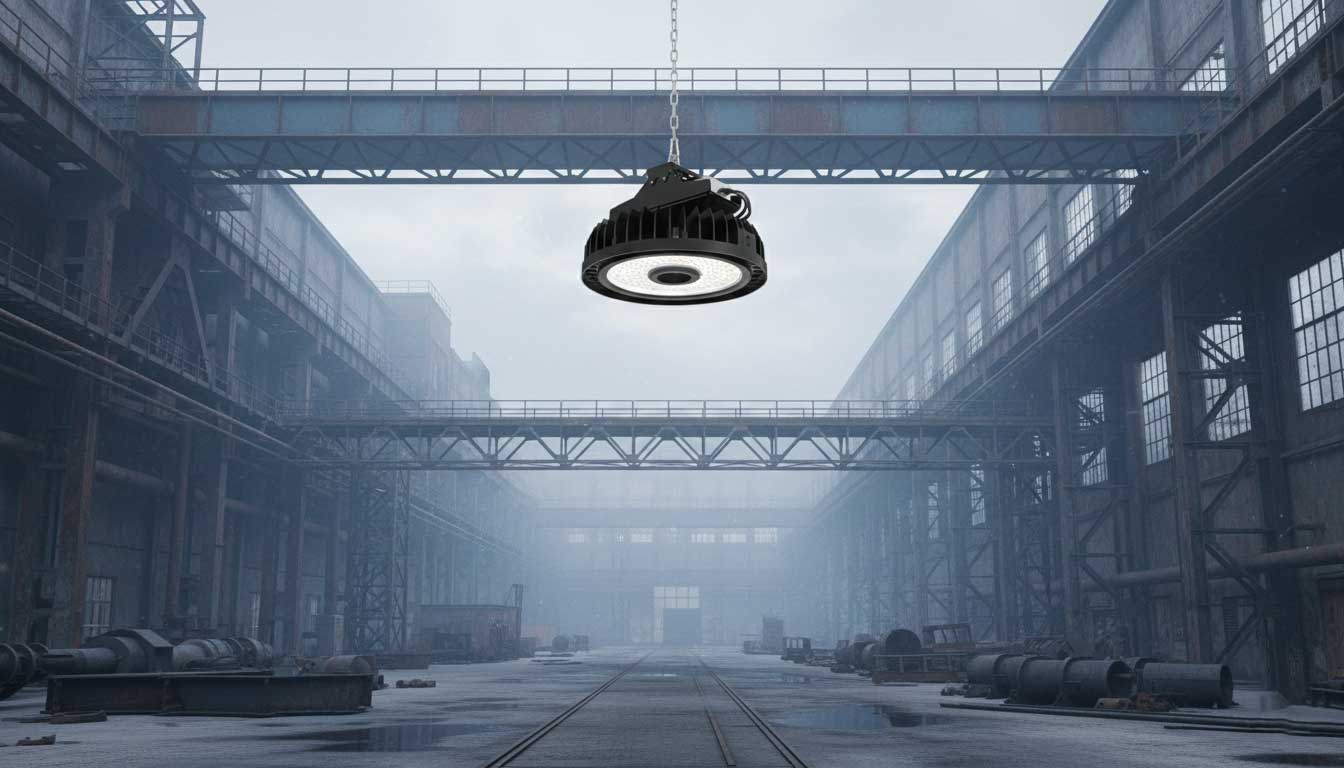
Not every project needs this level of durability.
The HBK Ultua Series is designed for:
In these environments, lighting downtime often costs more than the fixture itself.
At Ta 25°C, the fixture delivers:
These numbers are not meant to impress. They reflect a design margin intended to survive harsher real conditions.
SEEKING supports the HBK Ultua Series with a 5-year warranty, focused specifically on industrial applications.
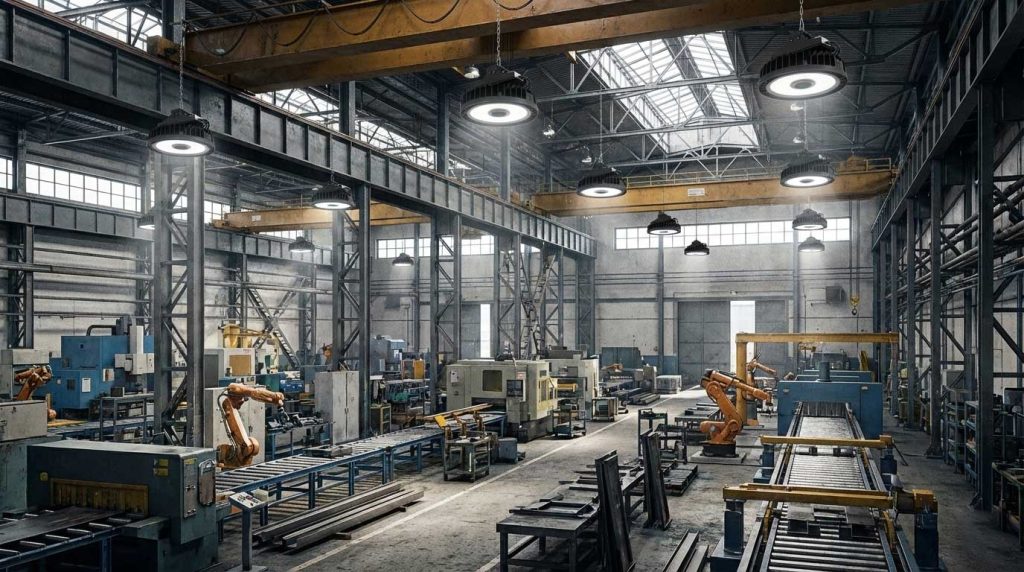
High bay LED light fixtures are often compared by wattage and lumen output. In extreme industrial environments, those numbers matter far less than stability over time.
The HBK Ultua Series was not designed to win comparisons on paper. It was designed to stay on when the environment pushes everything else to its limits.
That is the problem SEEKING set out to solve.
Learn professional atex lights installation methods for hazardous areas. Explore safety requirements, certification considerations, and expert guidance from SEEKINGLED.
View details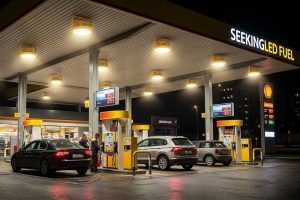
Explosion proof LED canopy lighting for hazardous fuel stations and industrial sites. Safe, low-glare, and reliable performance by SEEKINGLED.
View details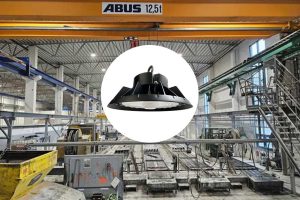
LED High Bay Lighting for Concrete Factory projects often start with reliability and maintenance concerns. This case records how HBF Series 150W high bays replaced 400W HID lamps in a concrete products factory in Sweden using SEEKINGLED fixtures.
View details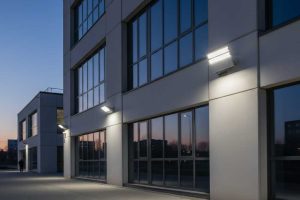
Flood light dimensions explained for outdoor and commercial LED lighting. Choose the right size, fit, and performance with SEEKINGLED solutions.
View details