 Seeking LED
What Are the Blue LED Street Lights For?
305What are the blue LED street lights for? Learn why some cities use blue street lights, whether they are intentional or a defect, and what professionals look for in real projects.
View detailsSearch the whole station
Hazardous lighting is designed to operate safely in environments containing flammable gases, vapors, or combustible dust by preventing ignition through controlled temperature, sealed structures, and certified engineering.
That’s the technical line.
On site, it feels more like this:
you’re not installing a light—you’re removing a potential ignition source from the room.
A standard LED floods a space with light.
Hazardous lighting behaves differently—it acts like a closed system:
According to IEC 60079, equipment in explosive atmospheres must eliminate ignition risks under both normal and fault conditions.
Lighting is one of the few devices that runs continuously—making it a silent risk if poorly designed.
In real industrial environments, ignition doesn’t come from obvious sparks.
It often comes from:
The U.S. Chemical Safety Board (CSB) has documented multiple combustible dust explosions where ignition sources were small and indirect—not dramatic electrical faults.
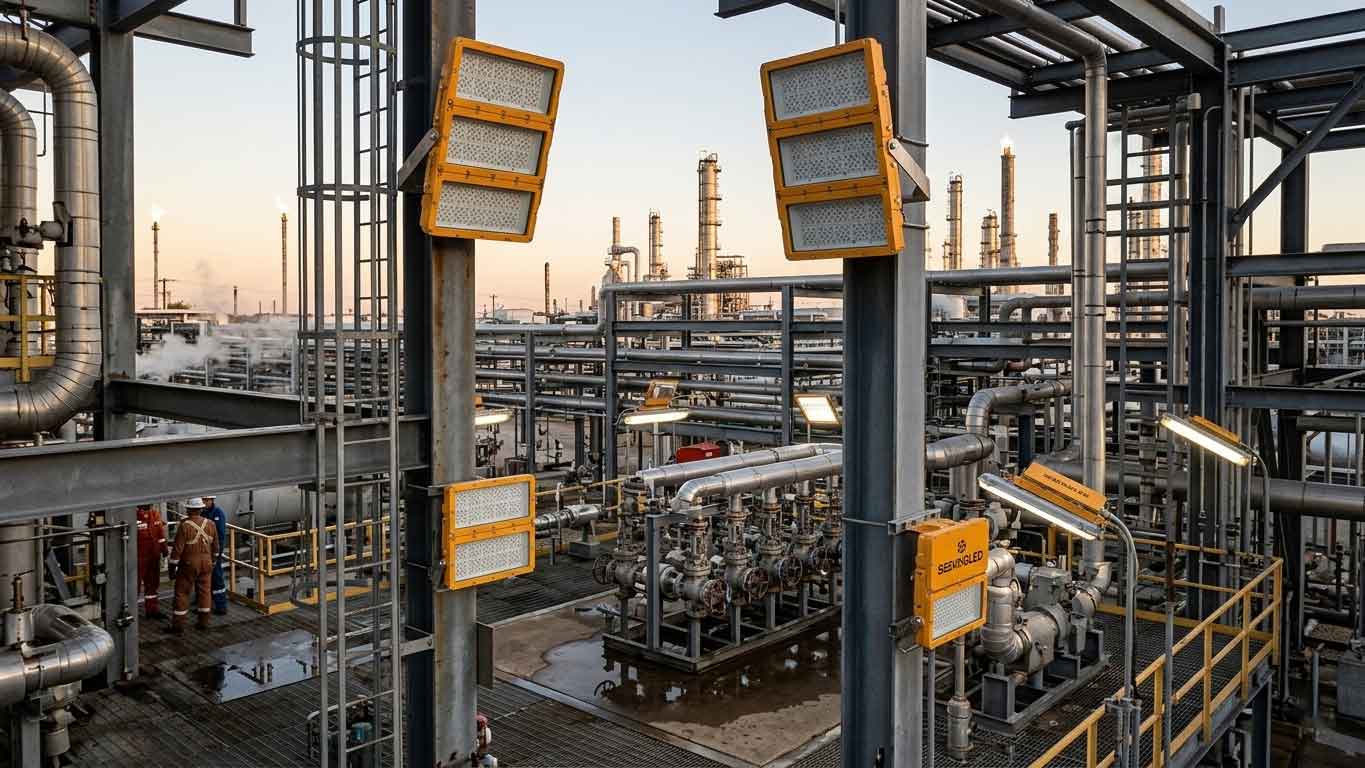
Different markets describe the same danger differently:
ATEX / IECEx (Zone system)
NEC / UL (Division system)
These classifications dictate everything:
Every hazardous lighting fixture carries a T-rating (T1–T6).
This defines maximum surface temperature.
Example:
If your fixture runs hotter than the ignition temperature of surrounding gas—
you don’t need a spark anymore.
Built like a pressure vessel:
Used in:
Designed to:
Common in less severe zones.
Often underestimated.
Fine dust behaves differently than gas:
Grain facilities are a classic example—quiet until they’re not.
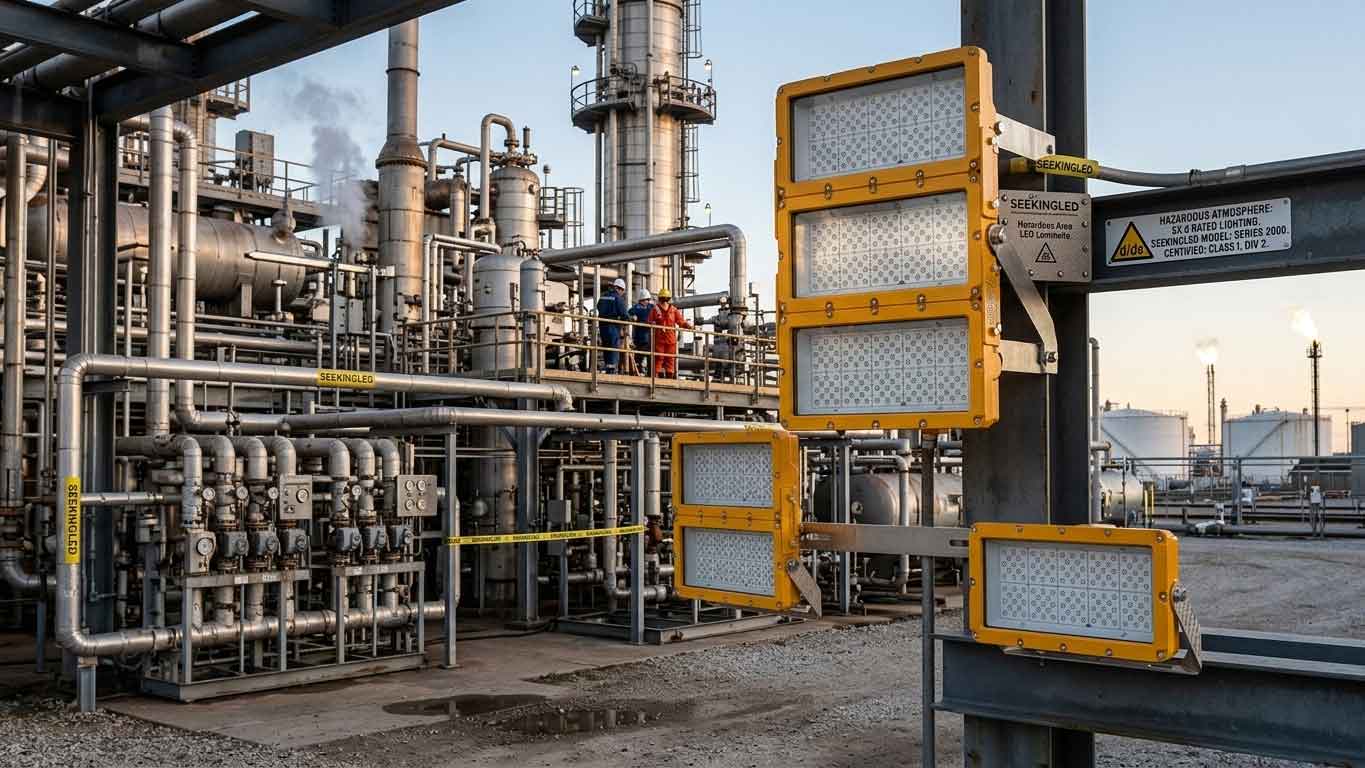
According to the U.S. Department of Energy, LED lifetime drops significantly when junction temperatures rise.
In hazardous lighting, heat is more than a lifespan issue:
That’s why you’ll see:
Most brochures highlight:
But real failures usually happen at:
In one inspection cycle I was involved in,
over 20% of fixture issues were traced back to sealing—not electronics.
Hazardous lighting doesn’t fail immediately.
It degrades slowly:
This is where cheaper fixtures quietly become dangerous.
Grain facilities are a classic example—quiet until they’re not.
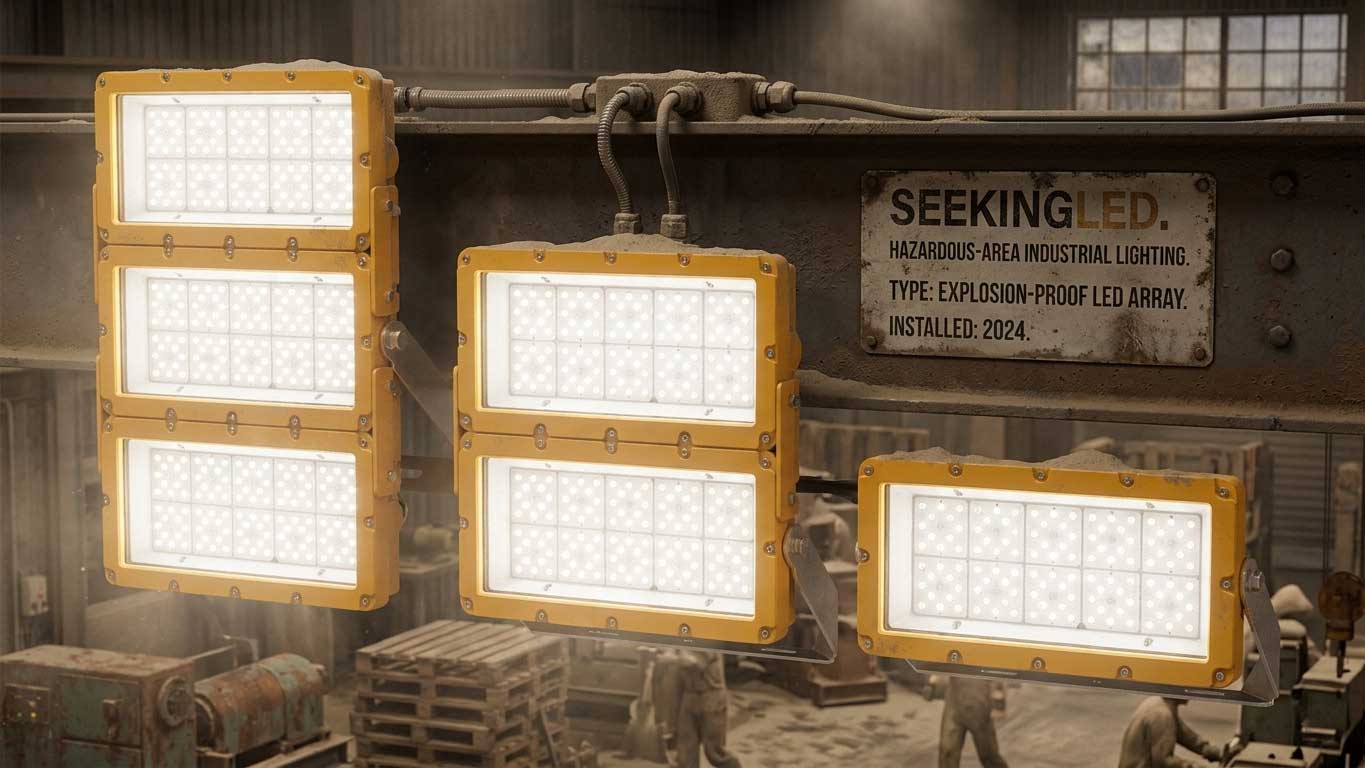
Lighting runs 24/7.
Failures here don’t just cause darkness—they trigger shutdown procedures.
Corrosive gases:
Material choice matters more than wattage.
Dust is the hidden threat.
According to CSB reports, combustible dust explosions continue to occur despite awareness campaigns.
Lighting plays a role because:
| Feature | Standard Lighting | Hazardous Lighting |
|---|---|---|
| Safety | General use | Certified for explosive areas |
| Heat Control | Basic | Strictly regulated |
| Sealing | Limited | Fully sealed |
| Certification | None | ATEX / IECEx / UL |
| Cost | Lower | Higher but critical |
At SEEKINGLED, hazardous lighting is not treated as a catalog item—it’s treated as a system component.
Key engineering approaches:
In retrofit projects:
Not because of higher lumen output—
but because of stability over time.
Lower-cost fixtures often compromise:
Not all hazardous areas are the same:
Always verify:
A mismatch here isn’t a minor issue—it’s a system failure.
Yes, in classified hazardous areas, certified lighting is mandatory.
Yes, but it’s usually unnecessary and increases cost.
Typically 50,000+ hours, depending on environment and maintenance.
This article is based on direct involvement in:
Across projects, one pattern stood out:
Most lighting failures were mechanical—not electrical.
That’s where real-world safety is decided.
Hazardous lighting is often evaluated like a normal product—
lumens, watts, price.
But in reality, it behaves more like a safety barrier.
You don’t notice it when it works.
You only notice it when it fails—and by then, it’s already too late.
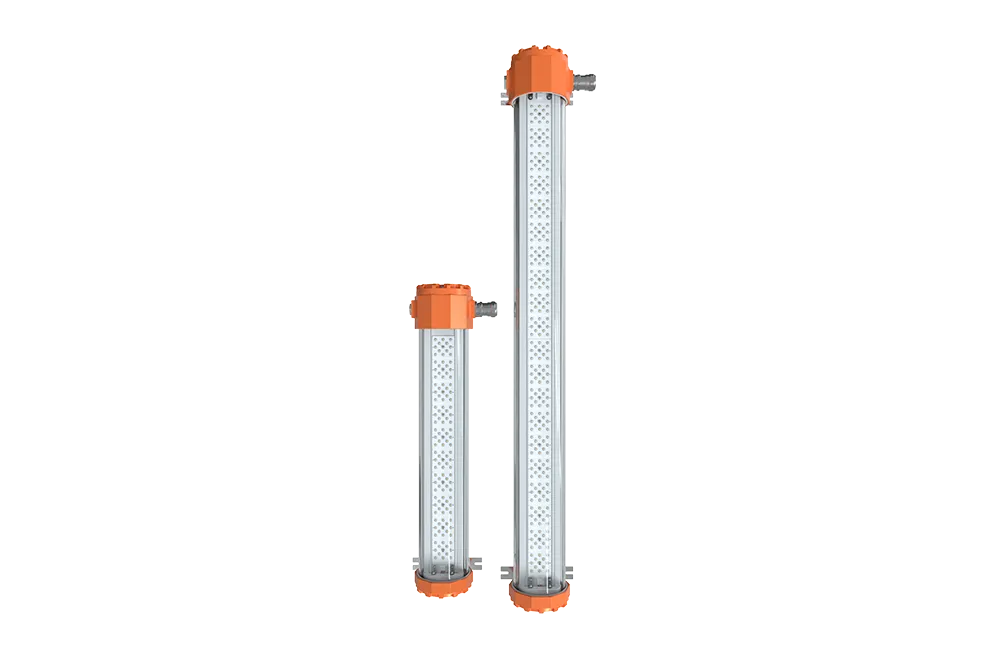
SEEKINGLED LED Linear Explosion Proof Light and Explosion Proof lighting is ATEX and IECEx certified for Zone 1, Zone 2, Zone 21 and Zone 22 hazardous locations, built for long-term industrial use.
View details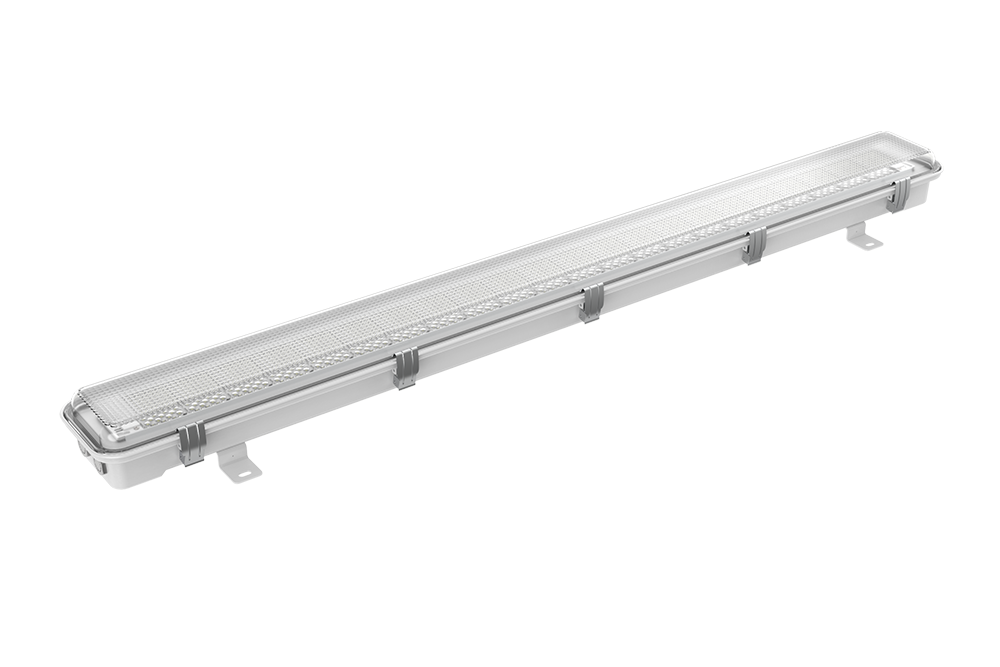
LED Linear Explosion Proof Lights and EX Proof lights for Zone 1, Zone 2, Zone 21 and Zone 22 hazardous areas. ATEX & IECEx certified explosion proof LED linear lighting with emergency function, adjustable power and IP67 protection by SEEKINGLED.
View details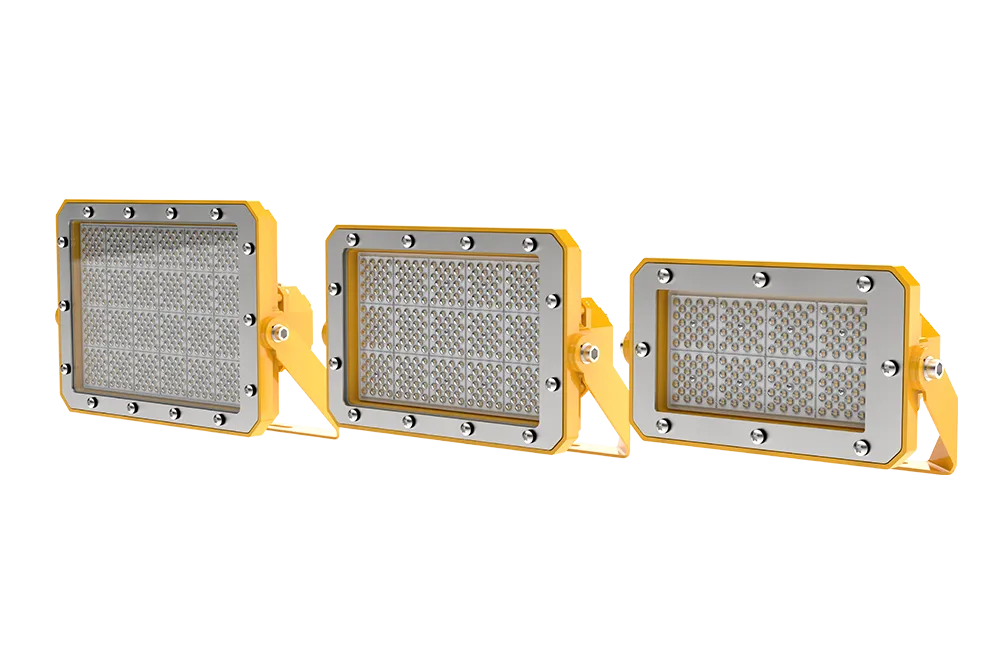
SEEKINGLED LED Explosion Proof Flood Lights are ATEX certified for Zone 2 and Zone 22 hazardous areas, offering high efficiency, adjustable power and integrated junction box.
View details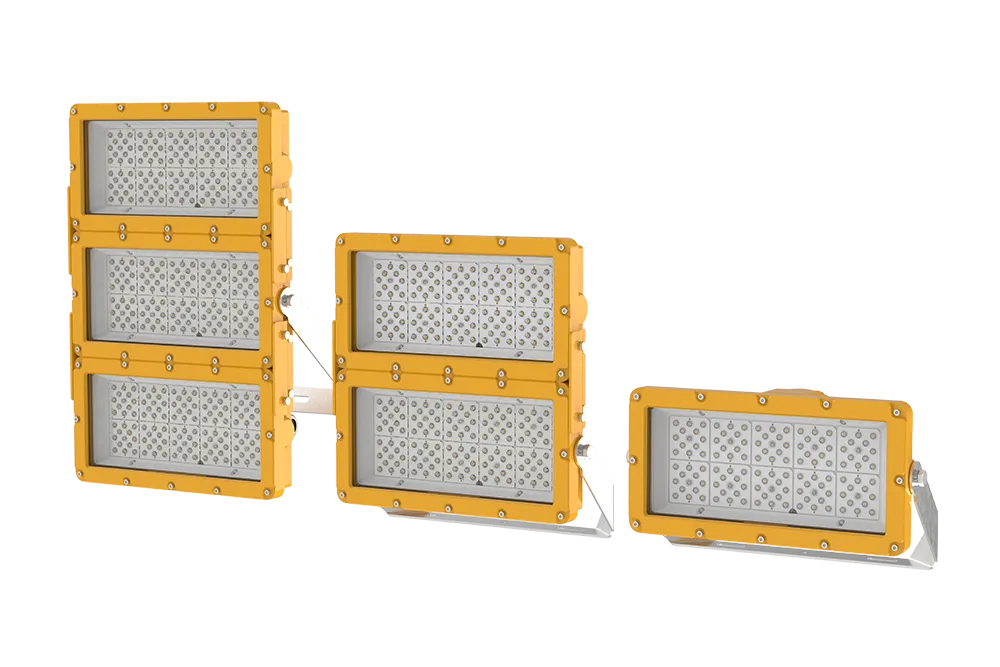
SEEKINGLED LED Explosion Proof Flood Lights are flameproof ATEX and IECEx certified for Zone 1 and Zone 2 hazardous areas, offering high power, adjustable output and long service life.
View details
SEEKINGLED LED Gas Station Canopy Lights are ATEX certified for Zone 2 and Zone 22 hazardous areas, featuring adjustable power and built-in explosion-proof junction box.
View details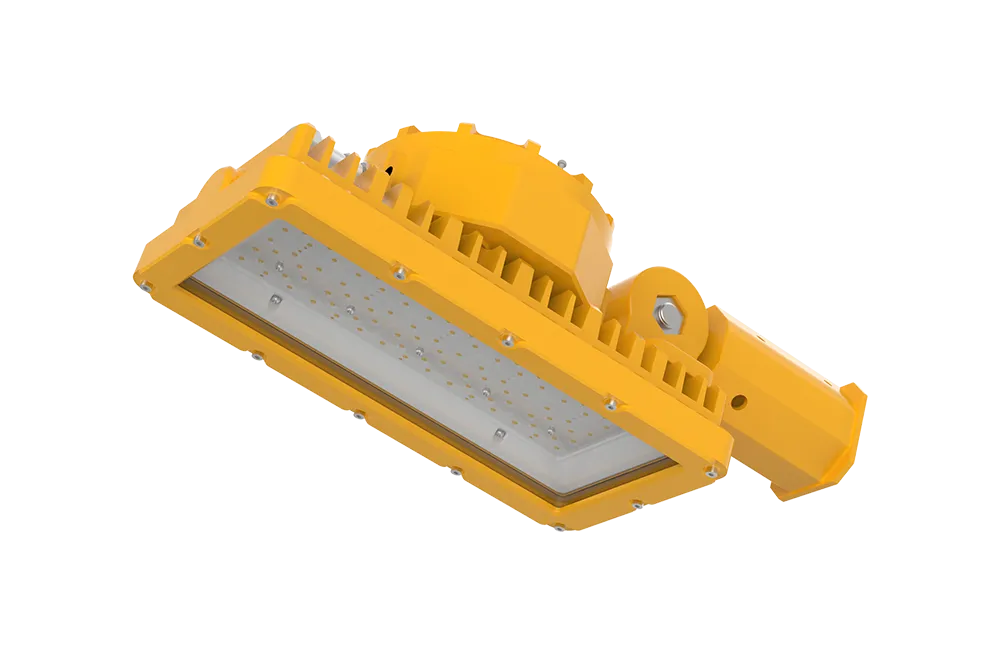
ATEX: Ex II 2G Ex db IIB T6/T5 GbEx II 2D Ex tb IIIC T80°C/ T95°C Db IECEx Ex db IIB T6 Gb;Ex tb IIIC T80°C Db Feature: ● For Zone 1,2 and Zone 21,22● Flameproof type, the strongest● 100W can replace 250W HID,energy saving● Power:60W,80W,100W Application: Oil and gas, marine, Chemical, pharmaceutical, semiconductor,mining,military industr…
View details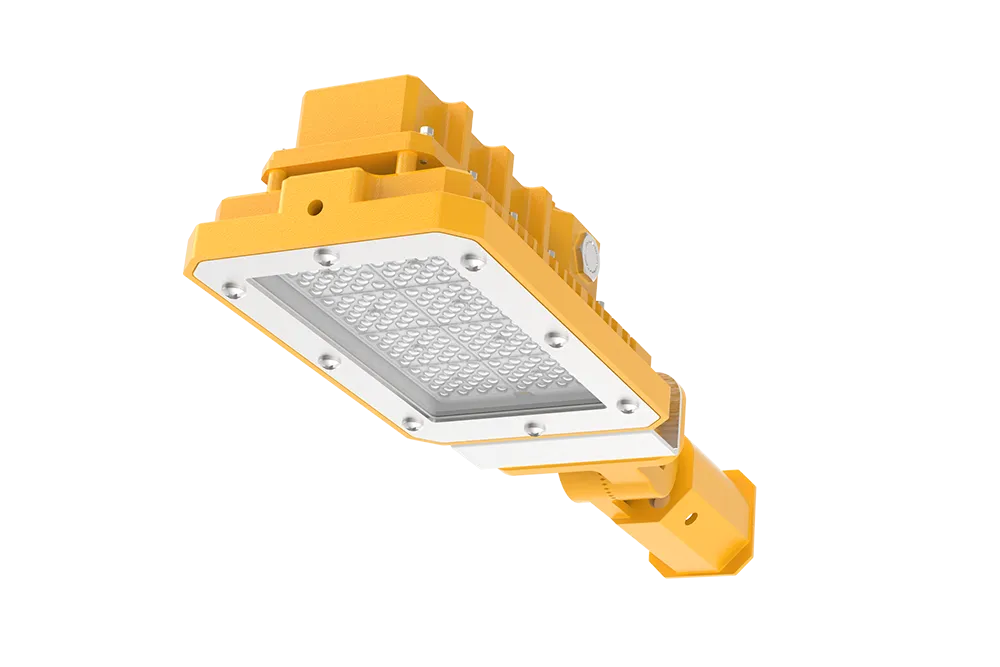
ATEX: II 3G Ex nR ⅡC T5/T6 GcII 3D Ex tc ⅢC T80℃/T95℃Dc ATEX Certificate NO: TÜV CY 26 ATEX 0207611 X Feature: ● For Zone 2 and Zone 22● 150W can replace 250W HID lamps,Energy saving● Power:50W,75W,100W,150W,200W Application: Oil and gas, marine, Chemical, pharmaceutical, semiconductor,mining,military industry, paint booth,power plant ETC…
View details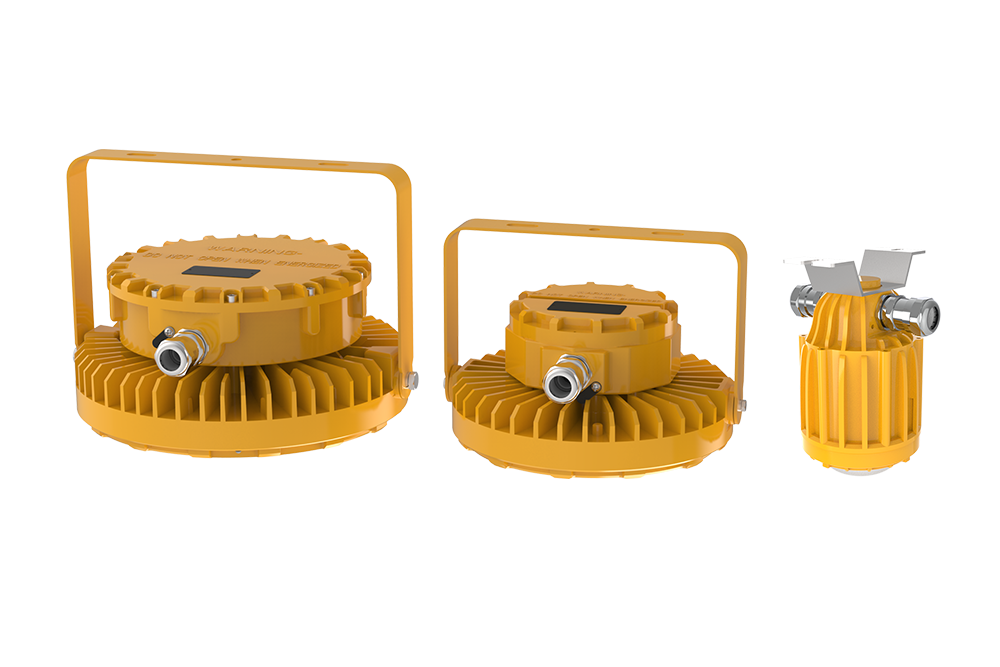
LED explosion proof high bay lights are designed for Zone 1, Zone 2, Zone 21 and Zone 22 hazardous areas. This page introduces the HB21 Series from SEEKING, including certifications, power options and real application considerations.
View details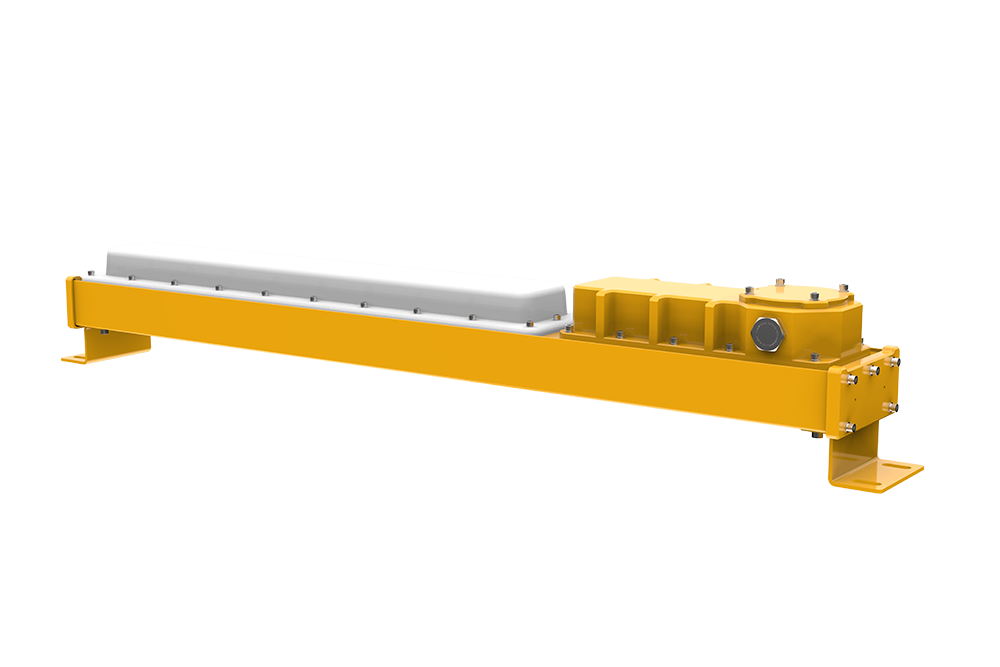
LED Linear Explosion Proof Lights from SEEKINGLED. LU Series Flame Proof lights ATEX-certified explosion proof LED linear lighting for Zone 2 gas and Zone 22 dust areas, IP69K, IK10, long lifetime and flexible power options.
View details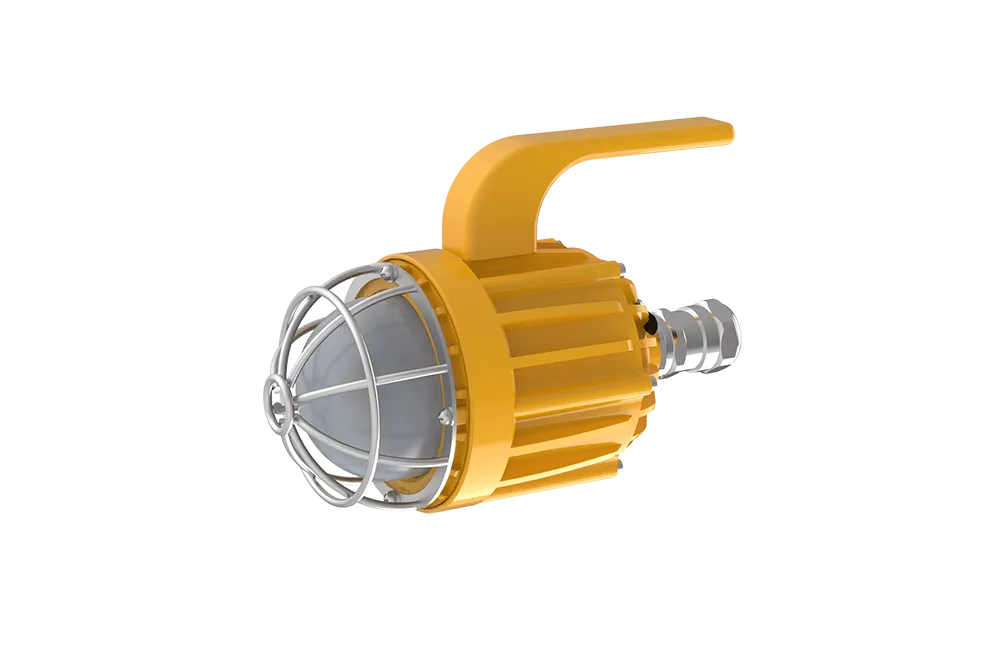
Certified explosion proof work lights for Zone 1 & 21 hazardous areas. Portable, ATEX & IECEx approved, built for oil, gas and chemical plants by SEEKINGLED.
View details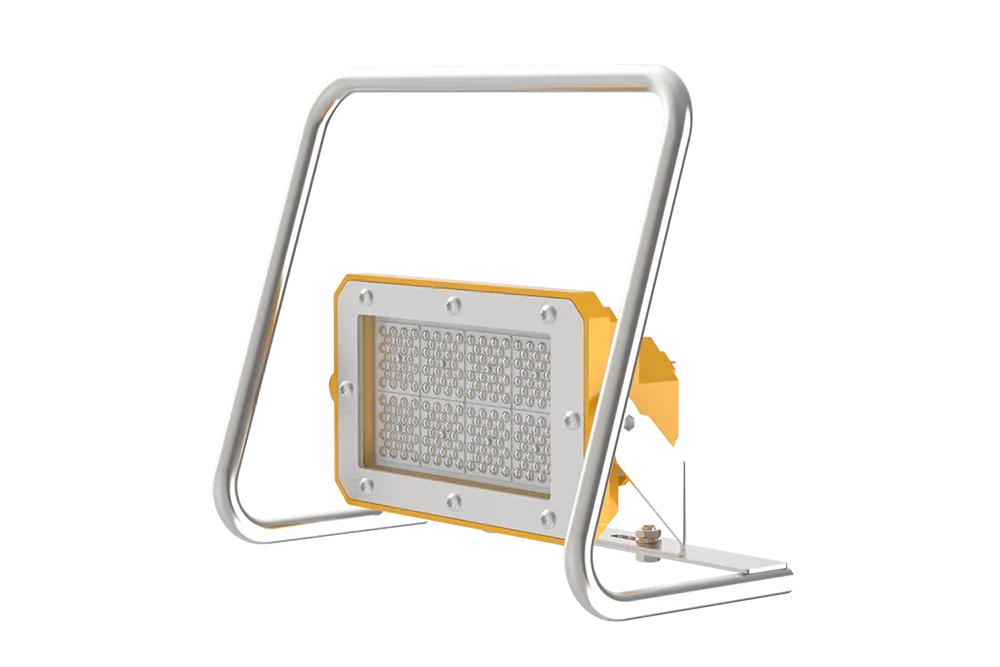
ATEX: II 3G Ex nR ⅡC T6 GcII 3D Ex tc ⅢC T80℃ Dc ATEX Certificate NO: TÜV CY 26 ATEX 0207611 X Feature: ● For Zone 2 and Zone 22● Accepts battery-powered supply● indestructible● Power:AC input:50W,75W,100WDC input:15W,25W,35W Application: Oil and gas, marine, Chemical, pharmaceutical, semiconductor,mining,military industry, paint booth,po…
View details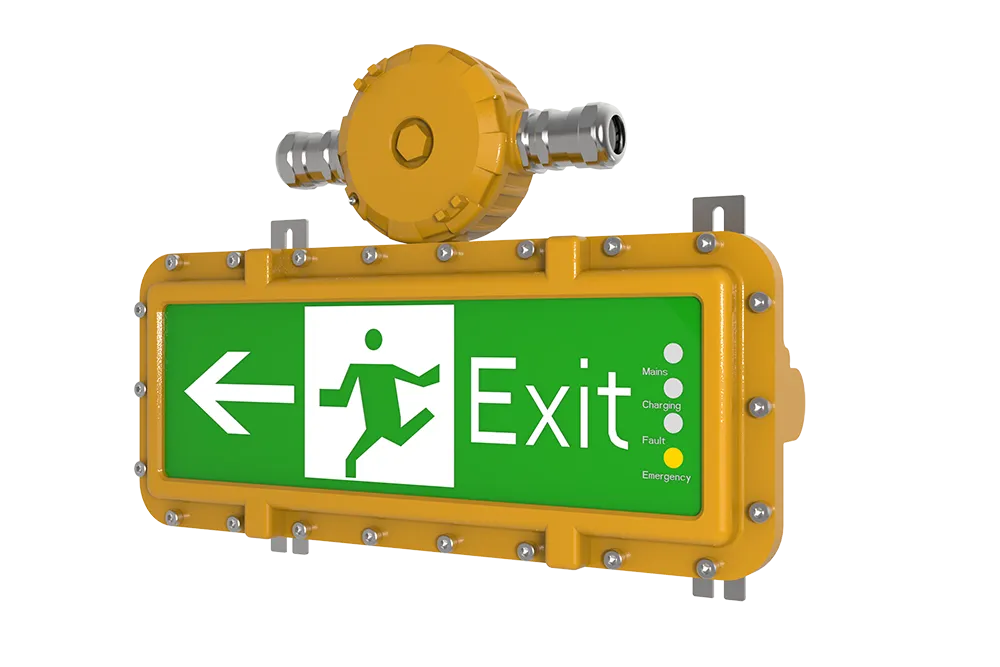
ATEX: Ex II 2G Ex db IIB T6 GbEx II 2D Ex tb IIIC T80°C Db IECEx Ex db IIB T6 Gb;Ex tb IIIC T80°C Db Feature: ● For Zone 1,2 and Zone 21,22● Flameproof type, the strongest Application: Oil and gas, marine, Chemical, pharmaceutical, semiconductor,mining,military industry, paint booth,power plant ETC hazardous area. Technical Specifications:…
View details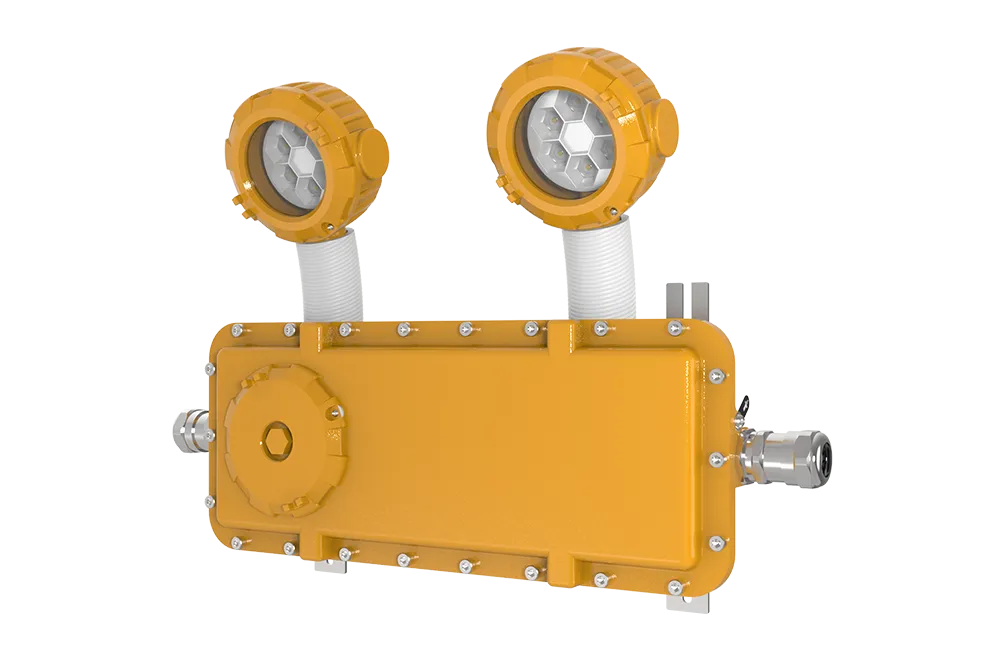
ATEX: Ex II 2G Ex db IIB T6 GbEx II 2D Ex tb IIIC T80°C Db IECEx Ex db IIB T6 Gb;Ex tb IIIC T80°C Db Feature: ● For Zone 1,2 and Zone 21,22● Flameproof type, the strongest Application: Oil and gas, marine, Chemical, pharmaceutical, semiconductor,mining,military industry, paint booth,power plant ETC hazardous area. Technical Specifications:…
View details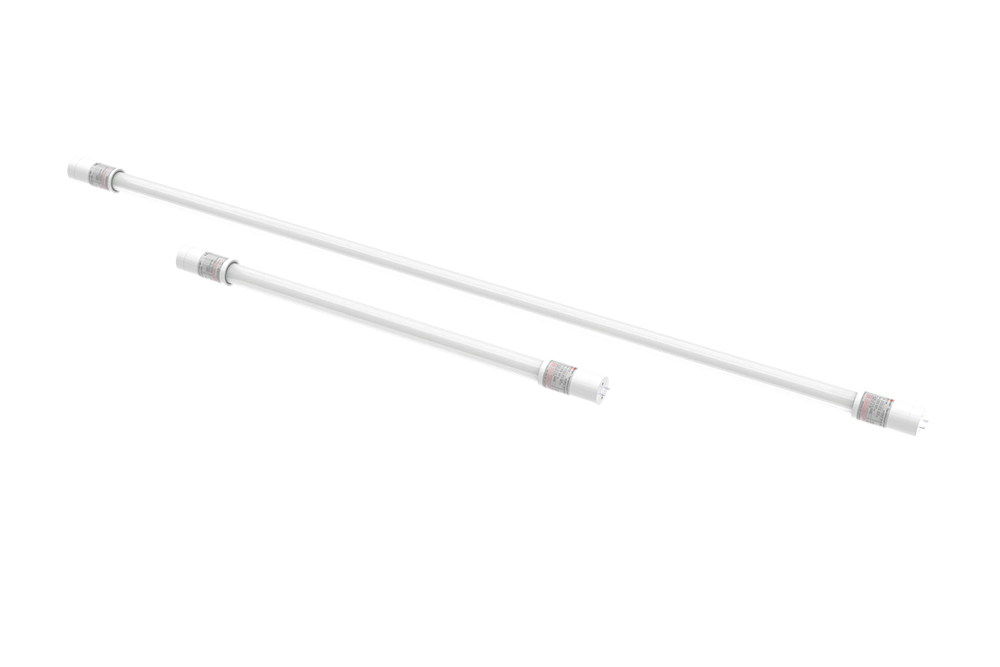
ATEX: Ex II 2G Ex d e IIB T6 Gb ATEX: Ex d e IIB T6 Gb; Feature: ● For Zone 1,2● 9W can replace 18W fluorescent lamps,50% Energy saving Application: Oil and gas, marine, Chemical, pharmaceutical, semiconductor,mining,military industry, paint booth,power plant ETC hazardous area. Technical Specifications: Standards:60079-0, 60079-1, 60079…
View details
What are the blue LED street lights for? Learn why some cities use blue street lights, whether they are intentional or a defect, and what professionals look for in real projects.
View details
High bay LED light fixtures designed for harsh industrial environments. SEEKING HBK Ultua Series supports stable lighting from -40°C to +70°C for heavy industry and high-temperature plants.
View details
Can LED flood lights be used outdoors safely and reliably? This guide explains outdoor LED flood light requirements, weather protection, and real use cases with SEEKINGLED FLD Series high-power fixtures.
View details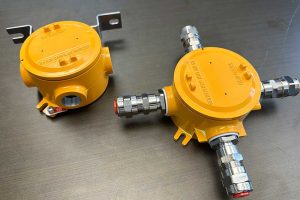
Hazardous Area Junction Box designed for Zone 1, 2, 21 and 22 hazardous locations. SEEKINGLED flameproof wiring enclosure compliant with IEC 60079-1.
View details