 Seeking LED
How to Choose LED Flood Lights?
79Wondering how to choose led flood lights for your yard, warehouse, or parking lot? Discover wattage, beam angle, and brightness tips from SEEKINGLED experts.
View detailsSearch the whole station
Sometimes yes. Sometimes no.
That’s the honest answer.
A slight flicker you barely notice? Usually not a problem.
A visible, constant flicker — especially in work environments — that’s different. I wouldn’t ignore it.
In one maintenance job, we walked into a storage area where the lights looked “off,” but not completely.
You know that feeling — like the brightness is unstable, almost pulsing.
At first, no one complained. After a few hours, workers started mentioning headaches. One guy said the shelves looked like they were “shimmering” when he moved.
That wasn’t imagination.
It was flicker.
Here’s where people underestimate the issue.
Some LED flicker happens at high frequency. You don’t consciously see it — but your eyes still process it.
According to research referenced by organizations like the U.S. Department of Energy, poorly designed LED drivers can introduce flicker due to unstable current regulation.
Even when it looks stable, it might not be.
And that’s where the “dangerous” question starts to matter.
Let’s separate it clearly.
Not ideal, but generally not dangerous.
You might notice it when:
Annoying? Yes.
Harmful? Usually no.
This is where problems start.
From experience, people exposed to this over hours report:
In industrial settings, it’s worse.
I’ve seen flicker make moving machinery look slightly distorted. Not dramatic—but enough to affect depth perception.
That’s not something you want in a factory.
This one is tricky.
You don’t see it.
But sensitive individuals still feel it.
There’s ongoing research, but the consensus is clear: lower flicker is better. Especially in workplaces.
LEDs themselves don’t flicker naturally.
The problem usually comes from the system.
This is the number one cause.
Cheap drivers fail to deliver stable current. Output fluctuates. Light follows.
Old dimmers designed for incandescent bulbs don’t always work with LEDs.
Result? Flicker at low brightness.
In some industrial sites, power isn’t perfectly stable.
Small variations can translate into visible flicker if the driver isn’t designed to handle them.
Less common, but it happens.
And when it does, flicker is often the first sign.
This is where product quality actually matters.
A well-designed LED system minimizes flicker through:
In higher-end industrial lighting—like what SEEKINGLED focuses on—flicker control is part of the design, not an afterthought.
Because in hazardous or precision environments, unstable light isn’t just annoying. It’s a risk.
We once replaced a set of low-cost LED fixtures in a workshop.
Same layout. Same wiring.
The only change was the fixtures.
Before: noticeable flicker when machines powered on.
After: completely stable light.
Nothing else changed.
That tells you where the problem was.
If you notice any of these, don’t ignore it:
At that point, it’s not just “a minor issue.”
It’s something worth fixing.
Not complicated. Just practical steps:
That last one matters more than people think.
In industrial and hazardous applications, lighting stability isn’t optional.
It affects safety, accuracy, and long-term reliability.
That’s why SEEKINGLED designs LED systems with controlled output and low flicker performance—especially for environments where inconsistency isn’t acceptable.
It’s not about making light look better.
It’s about making it behave correctly.
So, are flickering led lights dangerous?
Sometimes no.
But sometimes — especially when it’s persistent and visible — yes, they can be.
And the difference usually comes down to one thing:
Not the LED itself.
But how well the system behind it is built.
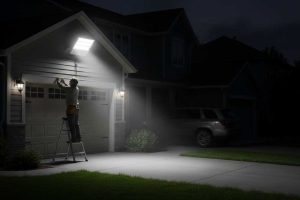
Wondering how to choose led flood lights for your yard, warehouse, or parking lot? Discover wattage, beam angle, and brightness tips from SEEKINGLED experts.
View details
Looking for a reliable 100W LED high bay light? Learn how SEEKINGLED HBF Series scales efficiency up to 200 lm/W for real industrial savings.
View details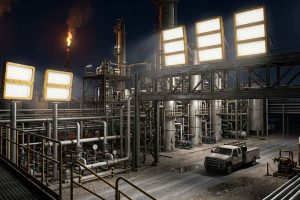
Atex led flood light supply for hazardous zones. Real project insights, certified performance, and reliable solutions from SEEKINGLED for oil, gas, and industrial sites.
View details
Learn professional atex lights installation methods for hazardous areas. Explore safety requirements, certification considerations, and expert guidance from SEEKINGLED.
View details