 Seeking LED
How to Install LED Flood Light?
258How to install LED flood light correctly for outdoor and industrial applications. Learn wiring, mounting height, safety tips, and common installation mistakes.
View detailsSearch the whole station
Hazardous area LED lighting is specifically engineered for industrial environments where flammable gases, combustible dust, or explosive vapors may be present. These certified lighting systems reduce ignition risk, improve operational reliability, and provide long-term energy-efficient illumination in refineries, chemical plants, offshore platforms, grain facilities, and other classified hazardous locations.
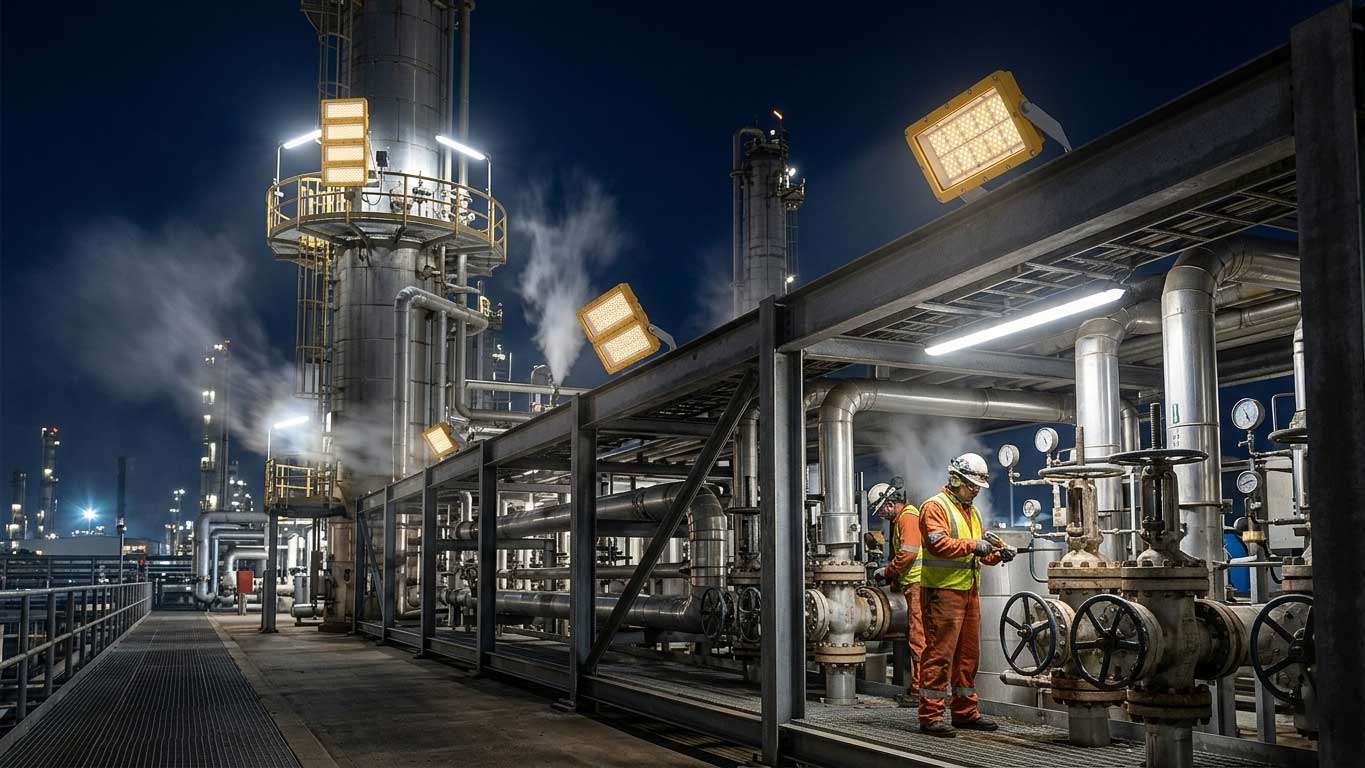
Several years ago, during a refinery turnaround project, I watched a maintenance crew spend nearly half a day replacing three failed high-pressure sodium fixtures above a pipe rack. The lights themselves weren’t expensive. The shutdown permits, gas testing procedures, elevated access equipment, and lost production time were.
That’s when hazardous area lighting stops being “just lighting.”
In dangerous industrial environments, every fixture becomes part of the facility’s safety infrastructure.
Hazardous area LED lighting refers to lighting equipment certified for environments where explosive atmospheres may exist due to:
According to the Occupational Safety and Health Administration (OSHA), hazardous locations require specially approved electrical equipment to reduce explosion and fire risk.
Source: OSHA Hazardous Locations — https://www.osha.gov
The National Fire Protection Association (NFPA) further defines hazardous location classifications under the National Electrical Code (NEC).
Source: NFPA 70 National Electrical Code — https://www.nfpa.org
In real industrial practice, this means hazardous area LED lighting must withstand:
Ordinary industrial fixtures are simply not designed for those conditions.
Traditional HID fixtures generate substantial heat.
In hazardous environments, surface temperature matters more than many buyers realize because excessive heat itself can become an ignition source.
According to the U.S. Department of Energy, LED lighting systems reduce energy loss through heat and provide significantly higher efficiency than conventional lighting technologies.
Source: U.S. Department of Energy — https://www.energy.gov
Lower operating temperatures help:
Experienced refinery engineers often discuss thermal management before they discuss brightness.
That surprises newer buyers.
A refinery manager once told me:
“The fixture cost is never the expensive part. The maintenance shutdown is.”
He was right.
Replacing failed fixtures in hazardous areas may require:
That’s why longer LED lifespan matters operationally.
High-quality hazardous area LED lighting systems commonly achieve:
In real facilities, fewer maintenance interventions often matter more than energy savings alone.
Different hazardous environments require different protection standards.
| Classification | Hazard Type | Typical Environment |
|---|---|---|
| Class 1 | Flammable gases/vapors | Refineries |
| Class 2 | Combustible dust | Grain facilities |
| Class 3 | Ignitable fibers | Textile plants |
| Division | Hazard Frequency |
|---|---|
| Division 1 | Hazard present during normal operation |
| Division 2 | Hazard present only under abnormal conditions |
| Zone | Hazard Frequency |
|---|---|
| Zone 0 | Continuous exposure |
| Zone 1 | Likely during operation |
| Zone 2 | Unlikely or short duration |
One of the biggest mistakes buyers make is confusing waterproof lighting with hazardous-area-certified lighting.
They are not remotely the same thing.
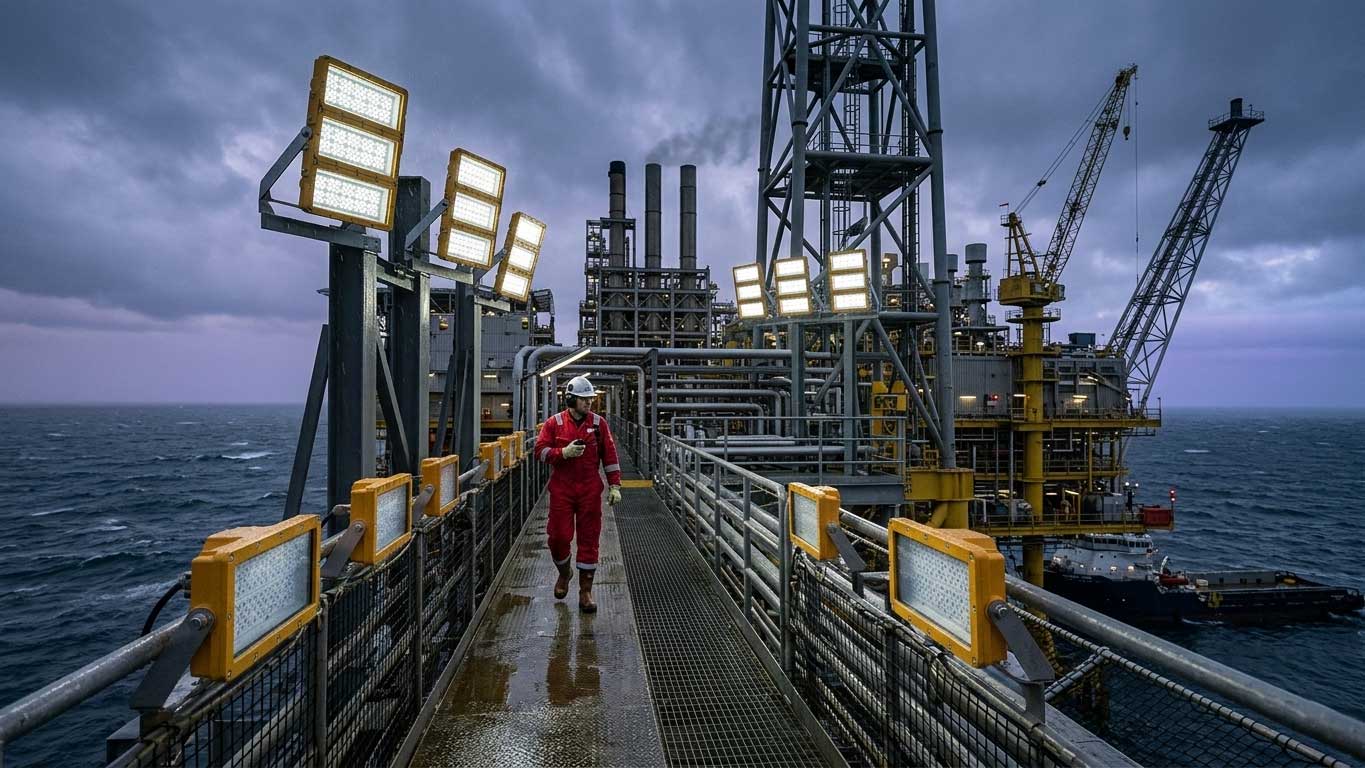
Oil and gas sites remain among the harshest operating environments for lighting systems.
Conditions include:
At one offshore terminal upgrade project I visited, maintenance teams specifically requested LED hazardous-area fixtures because accessing older HID systems required crane scheduling and temporary shutdown procedures.
The labor cost had become unreasonable.
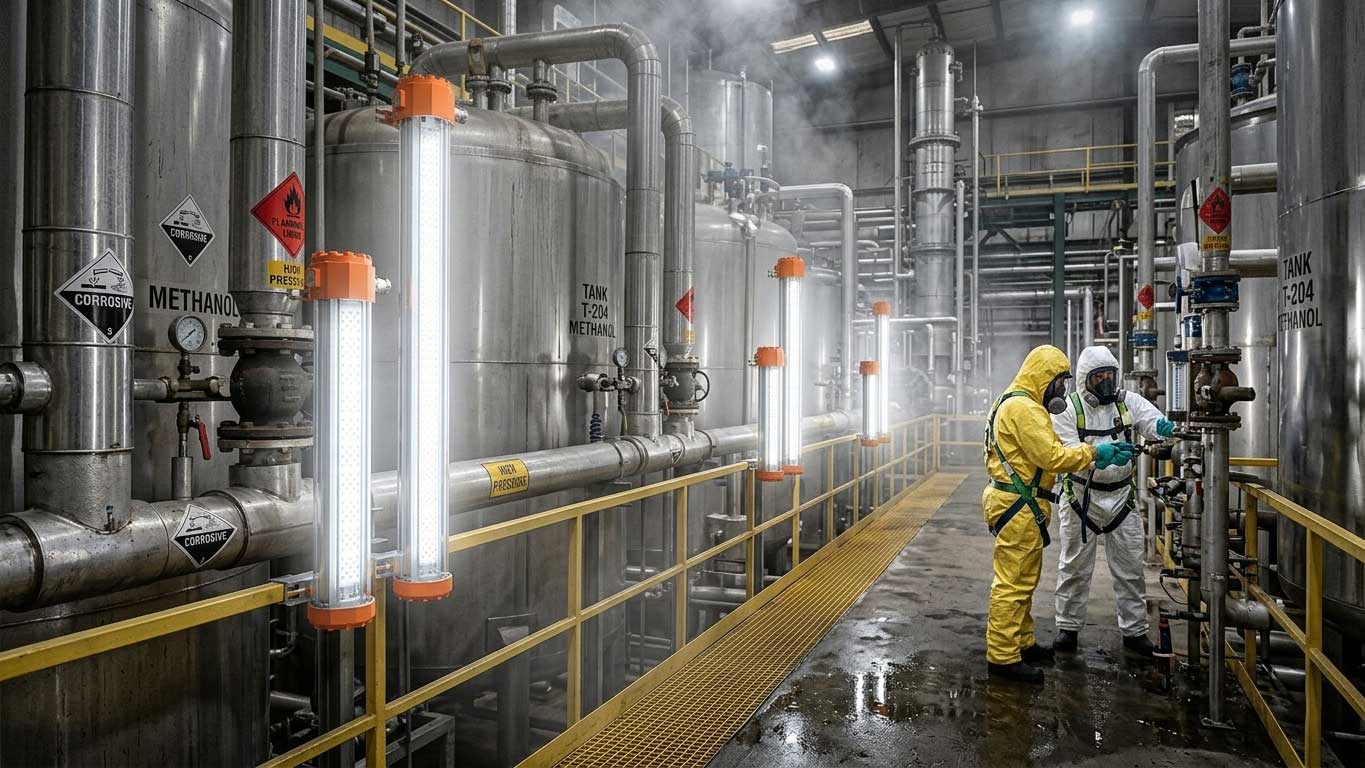
Chemical plants expose weaknesses in lighting systems quickly.
Corrosive atmosphere attacks:
I once inspected a failed low-cost fixture installed near a solvent blending line. Externally, it still looked functional. Internally, moisture had already spread around the electronics due to degraded sealing.
The fixture hadn’t completely failed yet.
But reliability was already compromised.
That’s how hazardous-area failures usually begin — quietly.
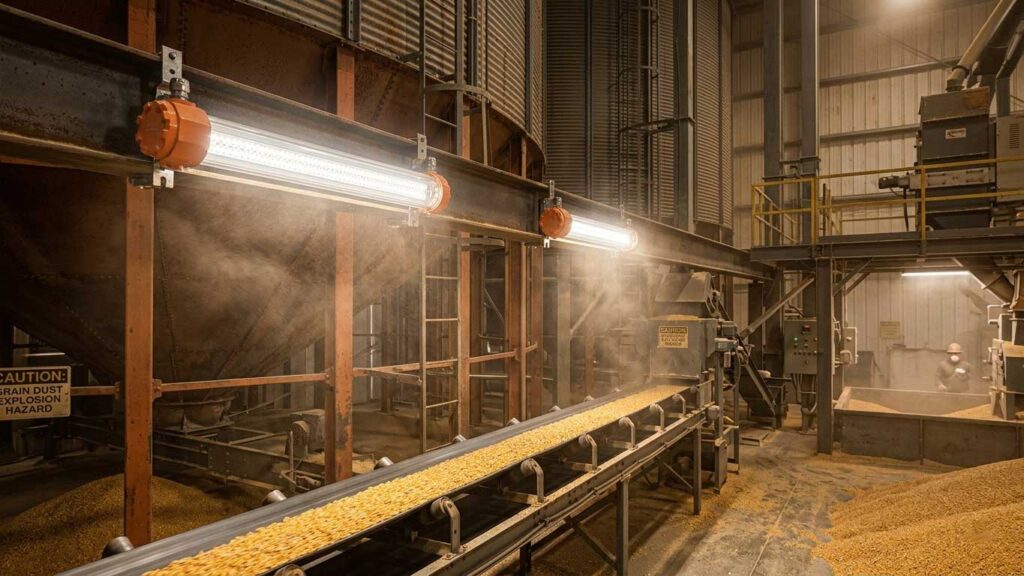
Combustible dust hazards remain underestimated globally.
According to the U.S. Chemical Safety Board (CSB), combustible dust incidents continue causing industrial explosions and injuries across manufacturing sectors.
Source: U.S. Chemical Safety Board — https://www.csb.gov
Facilities processing:
…often require dust-rated hazardous area LED lighting systems.
Fine airborne particles change everything in enclosed industrial spaces.
Traditional hazardous-location HID systems create several operational problems:
LED systems improve multiple operational areas simultaneously.
| Factor | Traditional HID Fixtures | Hazardous Area LED Lighting |
|---|---|---|
| Heat Generation | Very High | Lower |
| Energy Efficiency | Lower | Higher |
| Maintenance Frequency | Frequent | Reduced |
| Startup Time | Delayed | Instant |
| Fixture Lifespan | Shorter | Longer |
Consider a hazardous industrial facility operating:
Replacing those systems with 150W hazardous area LED fixtures significantly reduces electricity consumption.
| Lighting System | Estimated Annual Consumption |
|---|---|
| 400W HID Fixtures | 1,121,280 kWh |
| 150W Hazardous Area LED Fixtures | 420,480 kWh |
That reduction exceeds 700,000 kWh annually.
But most facility managers I’ve met focus just as heavily on maintenance reduction as energy savings.
Because maintenance inside hazardous zones is never simple.
Real hazardous-area certification matters.
Experienced buyers verify:
Not all labels are trustworthy.
Heavy fixture housings usually indicate stronger heat dissipation capability.
Thin lightweight fixtures often struggle in:
LED chips rarely fail first.
Drivers usually fail first.
Especially under:
That’s why experienced engineers ask detailed driver questions before discussing lumen output.
At SEEKINGLED, hazardous area LED lighting is engineered around real industrial operating conditions rather than short-term specification-sheet performance.
Because industrial environments eventually expose every weakness:
Our conversations with contractors usually sound practical:
Those questions matter far more than marketing slogans.
And hazardous-area lighting earns trust slowly — usually after years of surviving difficult environments.
Hazardous area LED lighting refers to certified lighting systems designed for environments containing explosive gases, combustible dust, or flammable vapors.
It is commonly used in oil refineries, offshore platforms, chemical plants, grain processing facilities, mining sites, and petrochemical operations.
Common certifications include ATEX, IECEx, UL844, Class 1 Division 1, and Class 1 Division 2 depending on regional requirements.
Yes. LED systems generally offer longer operational lifespan, lower heat generation, and reduced maintenance frequency compared with traditional HID systems.
Yes. Many certified fixtures are specifically engineered for outdoor hazardous industrial environments including offshore and marine facilities.
Hazardous area LED lighting has become essential infrastructure for modern industrial operations where explosive atmospheres, corrosive environments, and continuous operation demand reliable performance.
The difference between ordinary industrial lighting and properly engineered hazardous-area systems rarely becomes obvious immediately.
It appears gradually:
That’s when engineering quality becomes visible.
And in hazardous industrial environments, reliability is never theoretical.
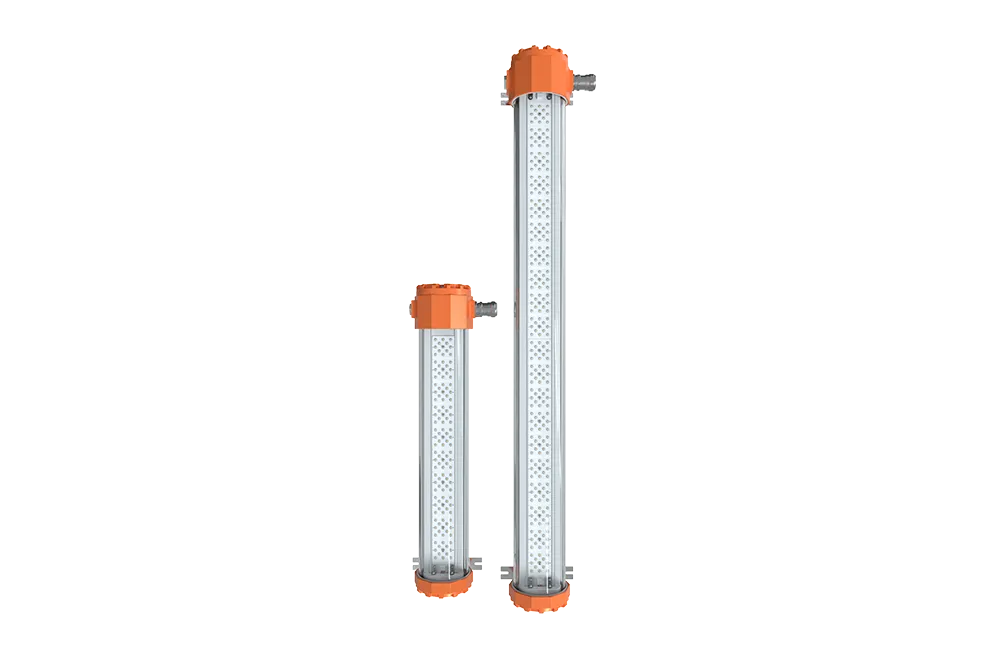
SEEKINGLED LED Linear Explosion Proof Light and Explosion Proof lighting is ATEX and IECEx certified for Zone 1, Zone 2, Zone 21 and Zone 22 hazardous locations, built for long-term industrial use.
View details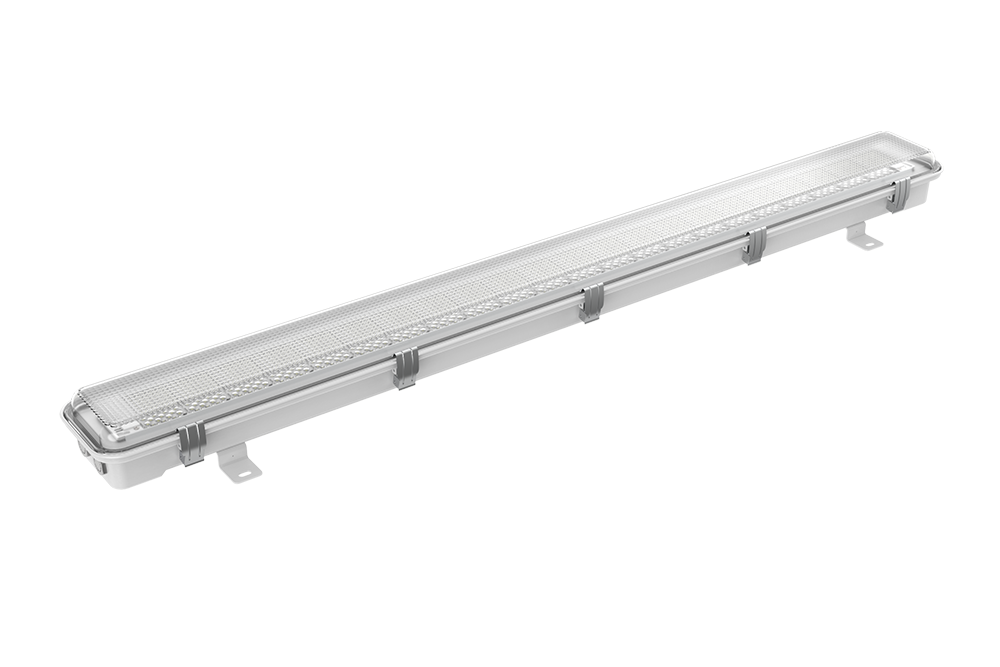
LED Linear Explosion Proof Lights and EX Proof lights for Zone 1, Zone 2, Zone 21 and Zone 22 hazardous areas. ATEX & IECEx certified explosion proof LED linear lighting with emergency function, adjustable power and IP67 protection by SEEKINGLED.
View details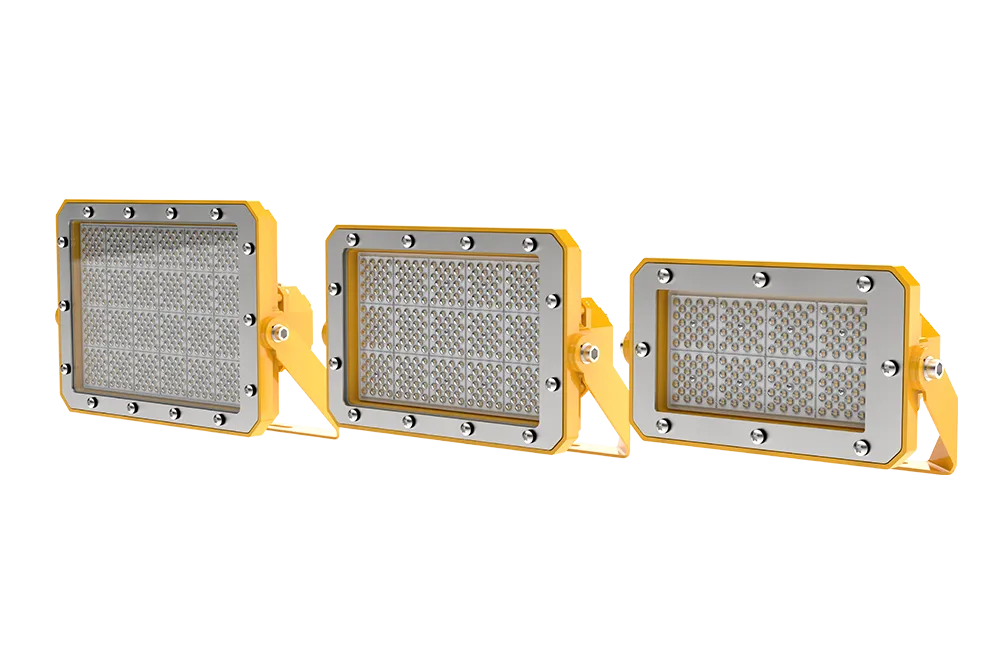
SEEKINGLED LED Explosion Proof Flood Lights are ATEX certified for Zone 2 and Zone 22 hazardous areas, offering high efficiency, adjustable power and integrated junction box.
View details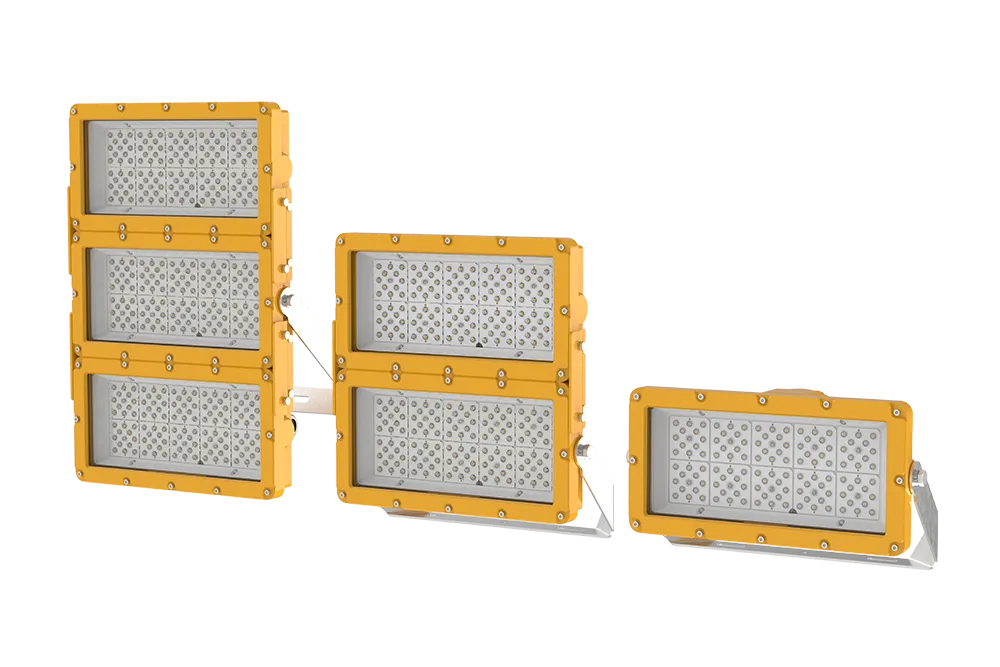
SEEKINGLED LED Explosion Proof Flood Lights are flameproof ATEX and IECEx certified for Zone 1 and Zone 2 hazardous areas, offering high power, adjustable output and long service life.
View details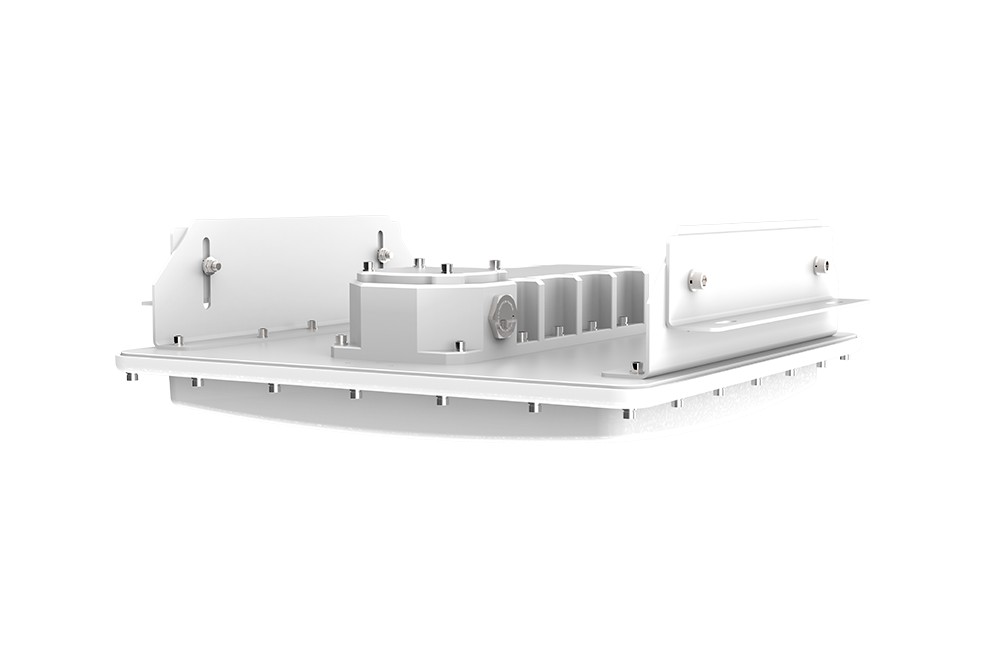
SEEKINGLED LED Gas Station Canopy Lights are ATEX certified for Zone 2 and Zone 22 hazardous areas, featuring adjustable power and built-in explosion-proof junction box.
View details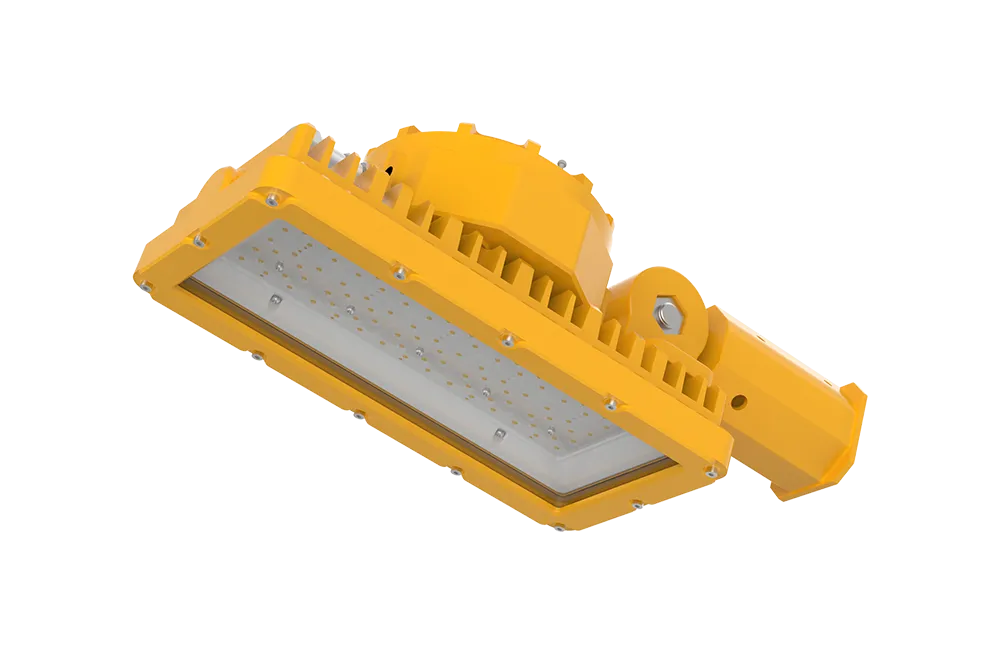
ATEX: Ex II 2G Ex db IIB T6/T5 GbEx II 2D Ex tb IIIC T80°C/ T95°C Db IECEx Ex db IIB T6 Gb;Ex tb IIIC T80°C Db Feature: ● For Zone 1,2 and Zone 21,22● Flameproof type, the strongest● 100W can replace 250W HID,energy saving● Power:60W,80W,100W Application: Oil and gas, marine, Chemical, pharmaceutical, semiconductor,mining,military industr…
View details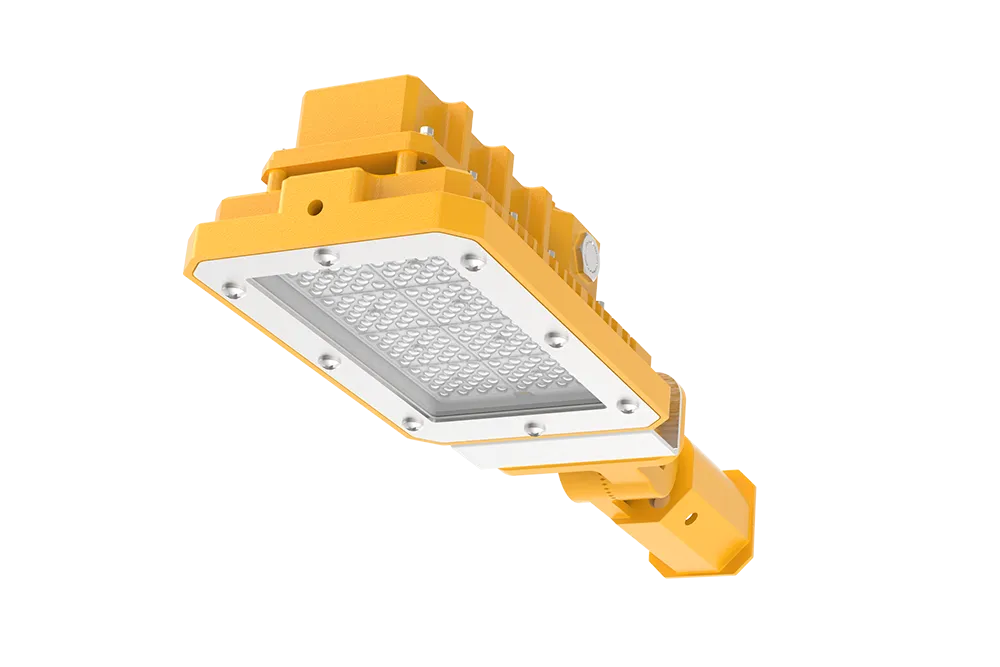
ATEX: II 3G Ex nR ⅡC T5/T6 GcII 3D Ex tc ⅢC T80℃/T95℃Dc ATEX Certificate NO: TÜV CY 26 ATEX 0207611 X Feature: ● For Zone 2 and Zone 22● 150W can replace 250W HID lamps,Energy saving● Power:50W,75W,100W,150W,200W Application: Oil and gas, marine, Chemical, pharmaceutical, semiconductor,mining,military industry, paint booth,power plant ETC…
View details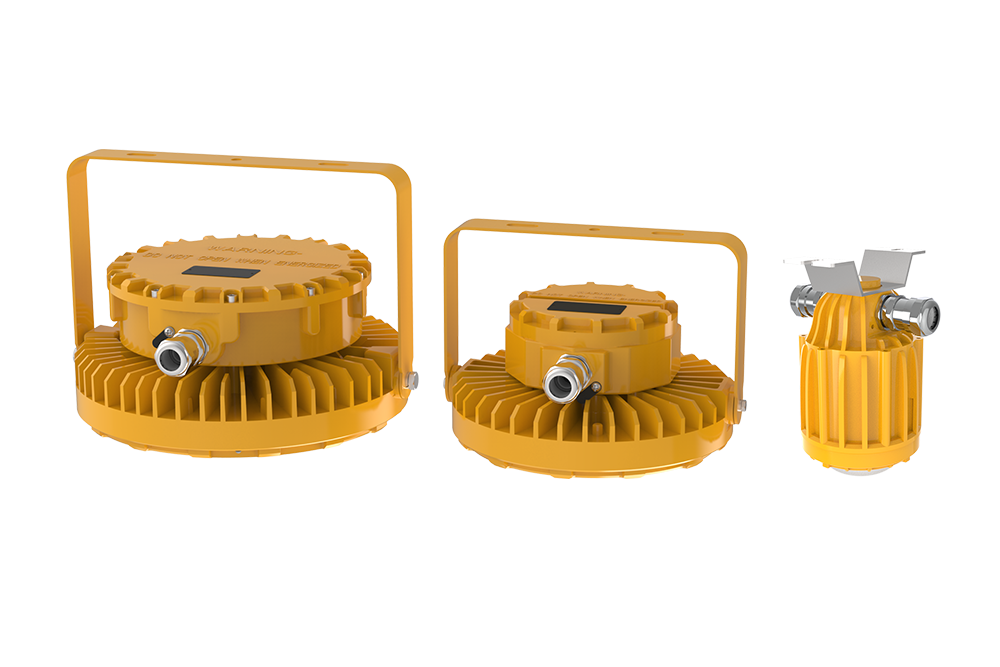
LED explosion proof high bay lights are designed for Zone 1, Zone 2, Zone 21 and Zone 22 hazardous areas. This page introduces the HB21 Series from SEEKING, including certifications, power options and real application considerations.
View details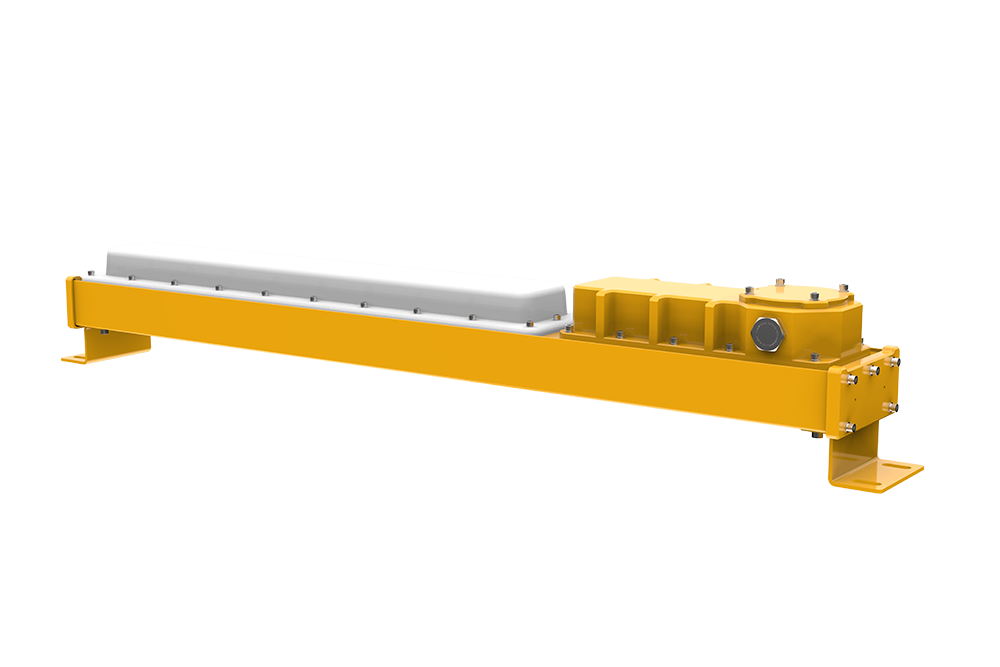
LED Linear Explosion Proof Lights from SEEKINGLED. LU Series Flame Proof lights ATEX-certified explosion proof LED linear lighting for Zone 2 gas and Zone 22 dust areas, IP69K, IK10, long lifetime and flexible power options.
View details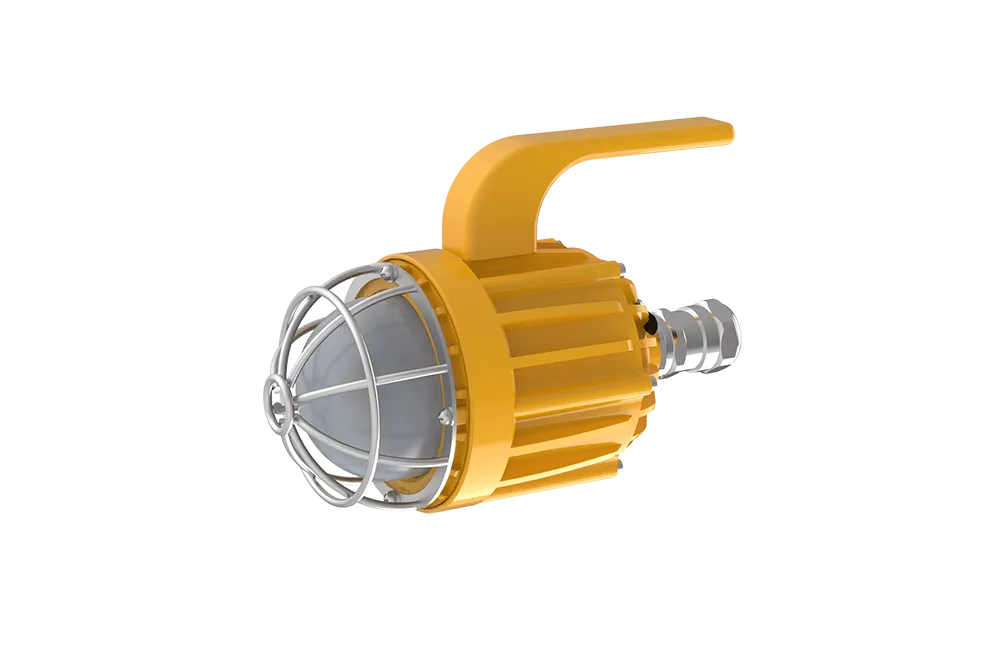
Certified explosion proof work lights for Zone 1 & 21 hazardous areas. Portable, ATEX & IECEx approved, built for oil, gas and chemical plants by SEEKINGLED.
View details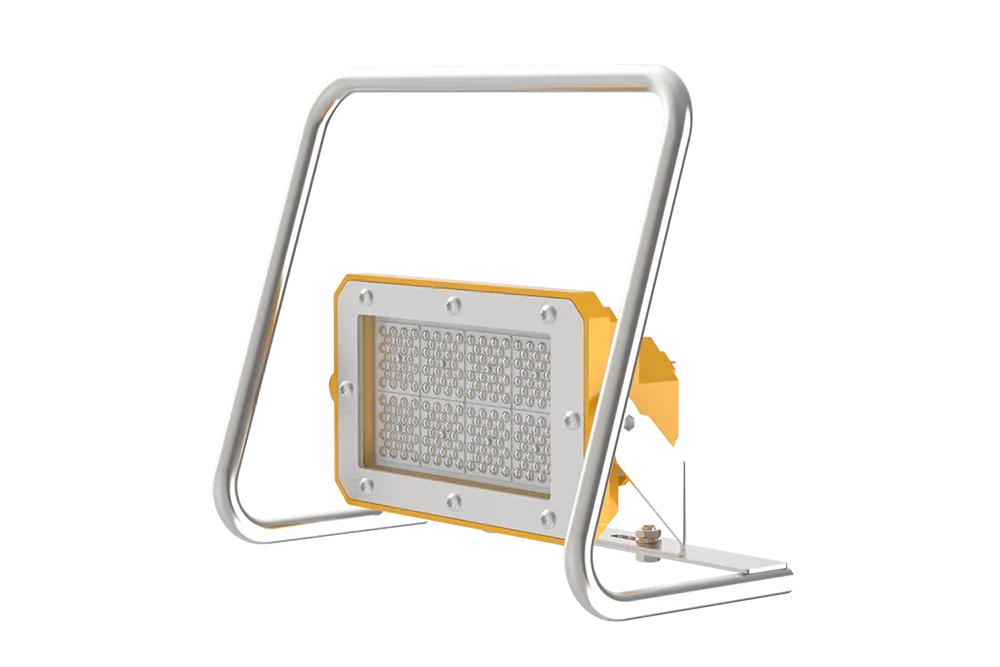
ATEX: II 3G Ex nR ⅡC T6 GcII 3D Ex tc ⅢC T80℃ Dc ATEX Certificate NO: TÜV CY 26 ATEX 0207611 X Feature: ● For Zone 2 and Zone 22● Accepts battery-powered supply● indestructible● Power:AC input:50W,75W,100WDC input:15W,25W,35W Application: Oil and gas, marine, Chemical, pharmaceutical, semiconductor,mining,military industry, paint booth,po…
View details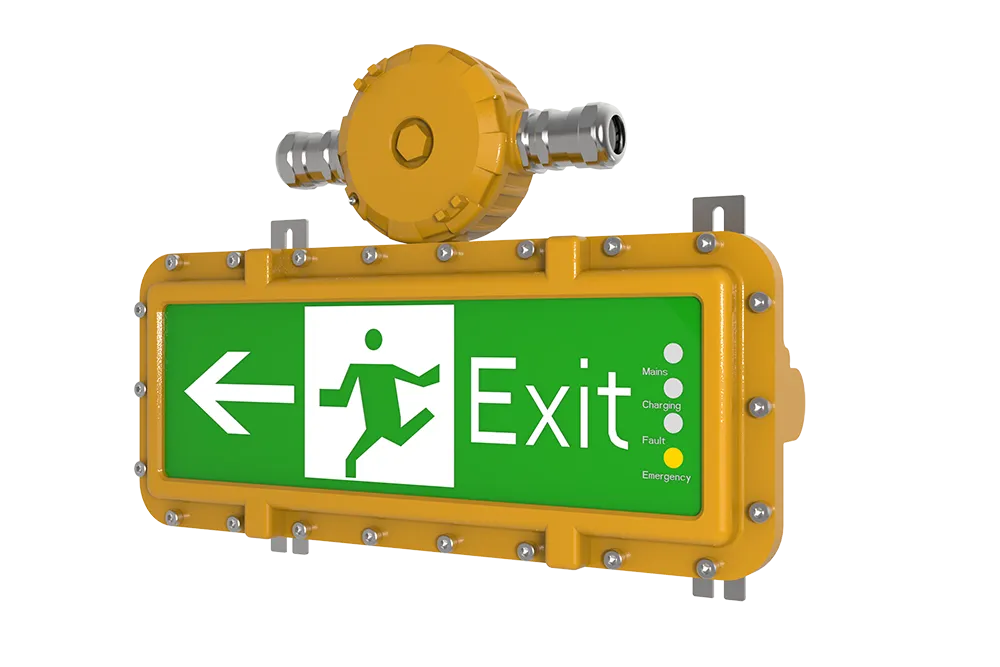
ATEX: Ex II 2G Ex db IIB T6 GbEx II 2D Ex tb IIIC T80°C Db IECEx Ex db IIB T6 Gb;Ex tb IIIC T80°C Db Feature: ● For Zone 1,2 and Zone 21,22● Flameproof type, the strongest Application: Oil and gas, marine, Chemical, pharmaceutical, semiconductor,mining,military industry, paint booth,power plant ETC hazardous area. Technical Specifications:…
View details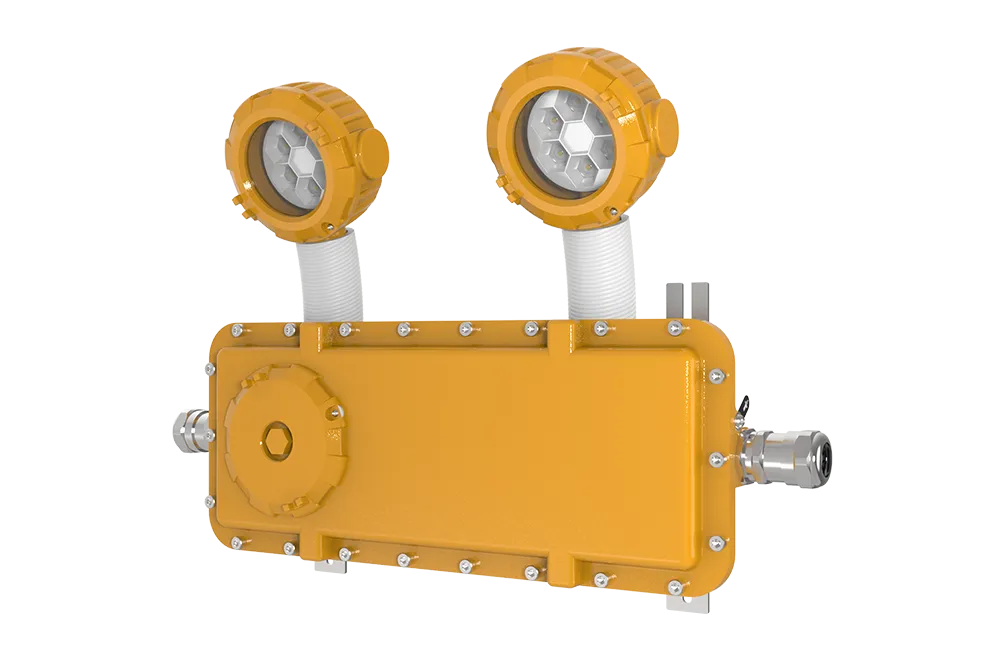
ATEX: Ex II 2G Ex db IIB T6 GbEx II 2D Ex tb IIIC T80°C Db IECEx Ex db IIB T6 Gb;Ex tb IIIC T80°C Db Feature: ● For Zone 1,2 and Zone 21,22● Flameproof type, the strongest Application: Oil and gas, marine, Chemical, pharmaceutical, semiconductor,mining,military industry, paint booth,power plant ETC hazardous area. Technical Specifications:…
View details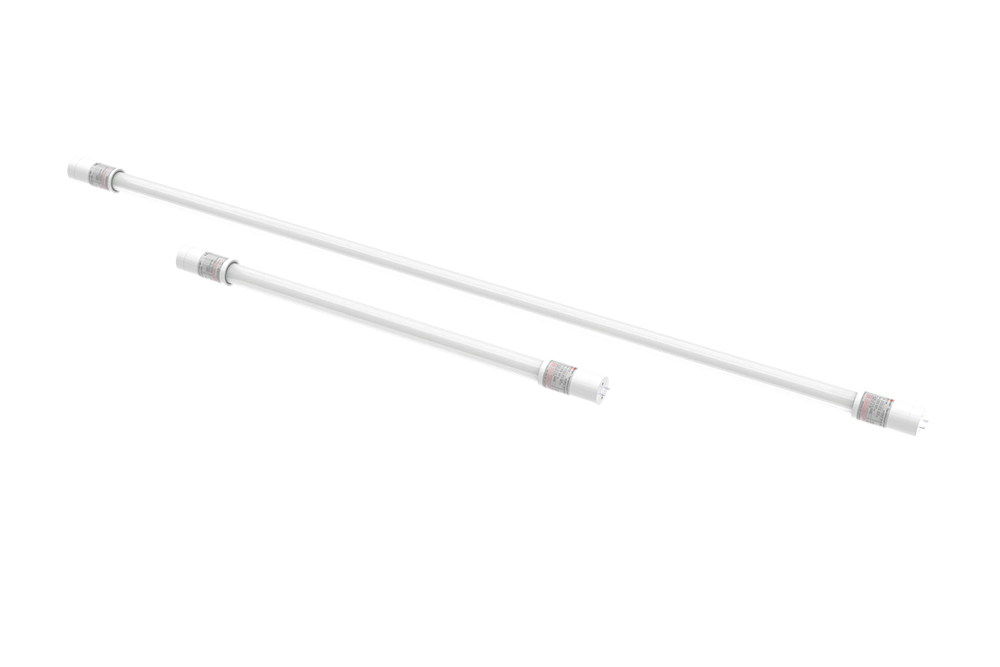
ATEX: Ex II 2G Ex d e IIB T6 Gb ATEX: Ex d e IIB T6 Gb; Feature: ● For Zone 1,2● 9W can replace 18W fluorescent lamps,50% Energy saving Application: Oil and gas, marine, Chemical, pharmaceutical, semiconductor,mining,military industry, paint booth,power plant ETC hazardous area. Technical Specifications: Standards:60079-0, 60079-1, 60079…
View details
How to install LED flood light correctly for outdoor and industrial applications. Learn wiring, mounting height, safety tips, and common installation mistakes.
View details
Ex proof led flood light engineered for hazardous oil, gas and chemical sites. Certified, durable and high-output LED solutions by SEEKINGLED.
View details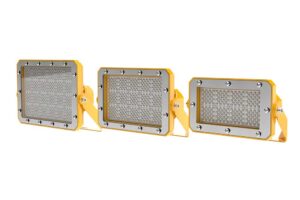
LED Explosion-Proof Lights run cooler, achieve T6 ratings, and offer superior safety over HID and fluorescent fixtures. Upgrade hazardous area protection today.
View details
How to install flood lights safely and correctly | SEEKINGLED
View details