 Seeking LED
LED Cobra Head Street Light Built for Roads That Don’t Get Second Chances
175A LED cobra head street light designed for roads and highways, offering efficient light distribution, durability, and long service life by SEEKINGLED.
View detailsSearch the whole station
Explosion-proof flood lights are specialized hazardous-area luminaires engineered to prevent surrounding flammable gases, vapors, or combustible dust from igniting. Unlike ordinary industrial lights, these fixtures are built with sealed flameproof enclosures, controlled surface temperatures, and certified protection methods designed for dangerous environments like refineries, offshore platforms, chemical plants, and fuel terminals.
People outside heavy industry often misunderstand explosion-proof lighting. They assume the fixture is designed to survive external explosions.
It isn’t.
The actual purpose is far more specific — preventing the light itself from becoming the ignition source.
I learned that lesson years ago while inspecting a corroded loading terminal near the Gulf Coast. The facility had already upgraded most process equipment, but several outdated floodlights remained installed above diesel transfer piping. Nothing looked visibly wrong. Yet thermal imaging showed one fixture operating at temperatures dangerously close to the ignition threshold of nearby vapor conditions.
That project changed how I evaluate hazardous lighting forever.
Hazardous-area explosions rarely begin with dramatic failures.
Most ignition events start small:
According to the U.S. Chemical Safety and Hazard Investigation Board (CSB), combustible vapor incidents continue to cause severe refinery and chemical plant accidents worldwide.
Source: https://www.csb.gov/
Meanwhile, the National Fire Protection Association (NFPA) requires hazardous locations to use certified equipment matching the classified environment under NEC Articles 500–516.
Source: https://www.nfpa.org/
Explosion-proof flood lights exist because standard luminaires cannot safely contain these ignition risks.
Most high-power explosion-proof flood lights use flameproof protection, also called Ex d.
The principle is surprisingly mechanical.
If an internal electrical fault ignites gas inside the luminaire:
This requires:
The housing itself becomes part of the safety system.
That’s why genuine hazardous-area floodlights feel dramatically heavier than commercial outdoor LEDs.
In many hazardous areas, surface temperature matters more than lumen output.
A fixture can ignite vapor without producing sparks.
That’s why explosion-proof flood lights carry T-ratings:
| Temperature Class | Max Surface Temperature |
|---|---|
| T1 | 450°C |
| T2 | 300°C |
| T3 | 200°C |
| T4 | 135°C |
| T5 | 100°C |
| T6 | 85°C |
Modern petrochemical projects commonly require T4 or better.
SEEKINGLED flood lighting systems are frequently engineered for low surface temperature operation in volatile industrial environments.
The oil and gas sector remains the largest hazardous-lighting market globally.
Typical applications include:
These environments combine:
Ordinary lighting fails quickly here.
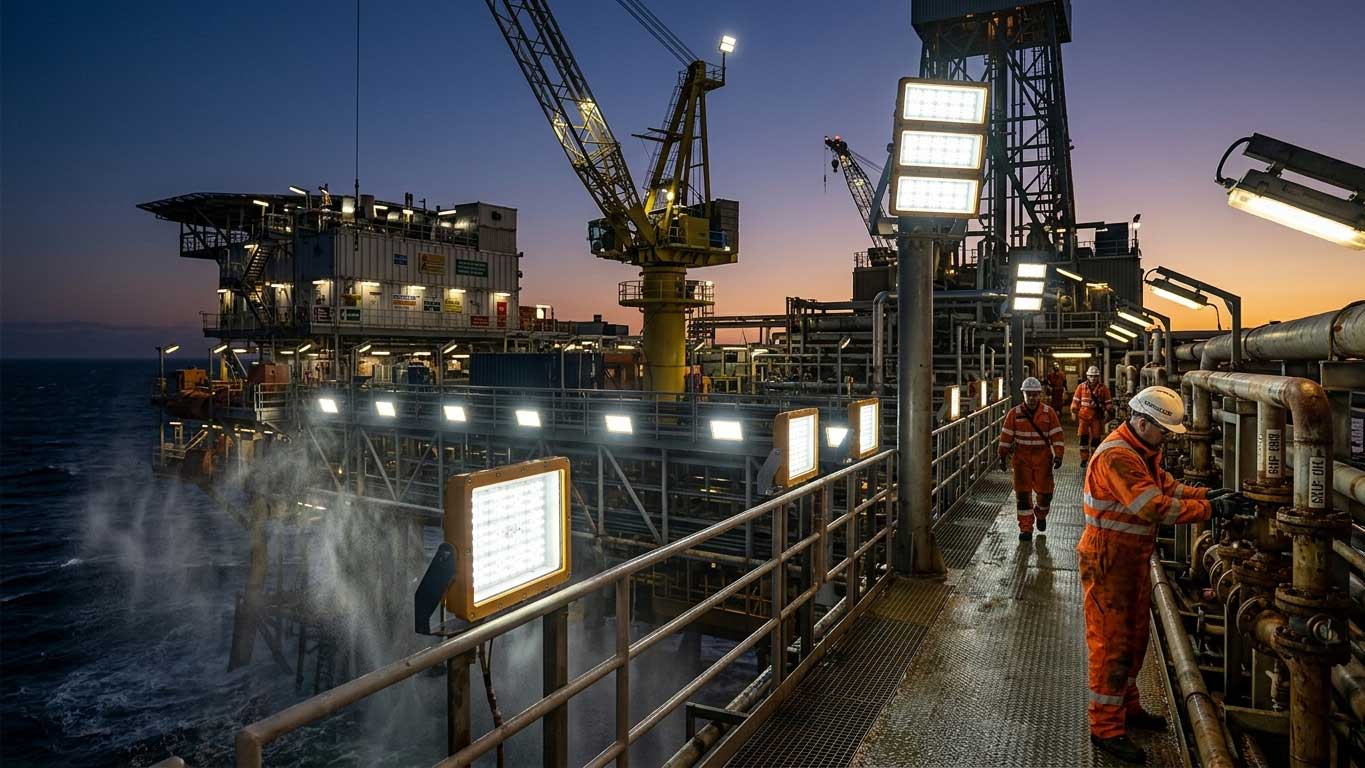
Many buyers initially compare explosion-proof flood lights only by wattage or lumen output.
That’s the wrong approach.
The real engineering differences include:
| Feature | Standard Flood Light | Explosion-Proof Flood Light |
|---|---|---|
| Hazard Certification | None | ATEX / IECEx / UL844 |
| Internal Spark Protection | No | Yes |
| Flame Containment | No | Yes |
| Surface Temperature Control | Limited | Strict |
| Corrosion Resistance | Moderate | Industrial-grade |
| Sealing | Outdoor IP Rating | Hazardous-location sealing |
A commercial LED stadium floodlight may look visually similar.
Internally, the design philosophy is completely different.
Hazardous lighting certification is not optional documentation.
It proves the fixture passed rigorous testing for:
Common certifications include:
| Certification | Region |
|---|---|
| ATEX | European Union |
| IECEx | International |
| UL844 | North America |
| CSA | Canada |
A refinery inspection team will immediately reject non-certified fixtures in classified zones.
I’ve personally seen million-dollar commissioning delays caused by uncertified replacement floodlights installed during late-stage construction.
One incorrect luminaire can halt an entire inspection sequence.
One problem rarely discussed online:
Corrosion kills more hazardous lights than explosions do.
Especially in:
Salt vapor slowly penetrates weak housings and connector systems.
Within months:
That’s why SEEKINGLED explosion-proof flood lights commonly use:
In offshore projects, corrosion resistance becomes part of the safety strategy.
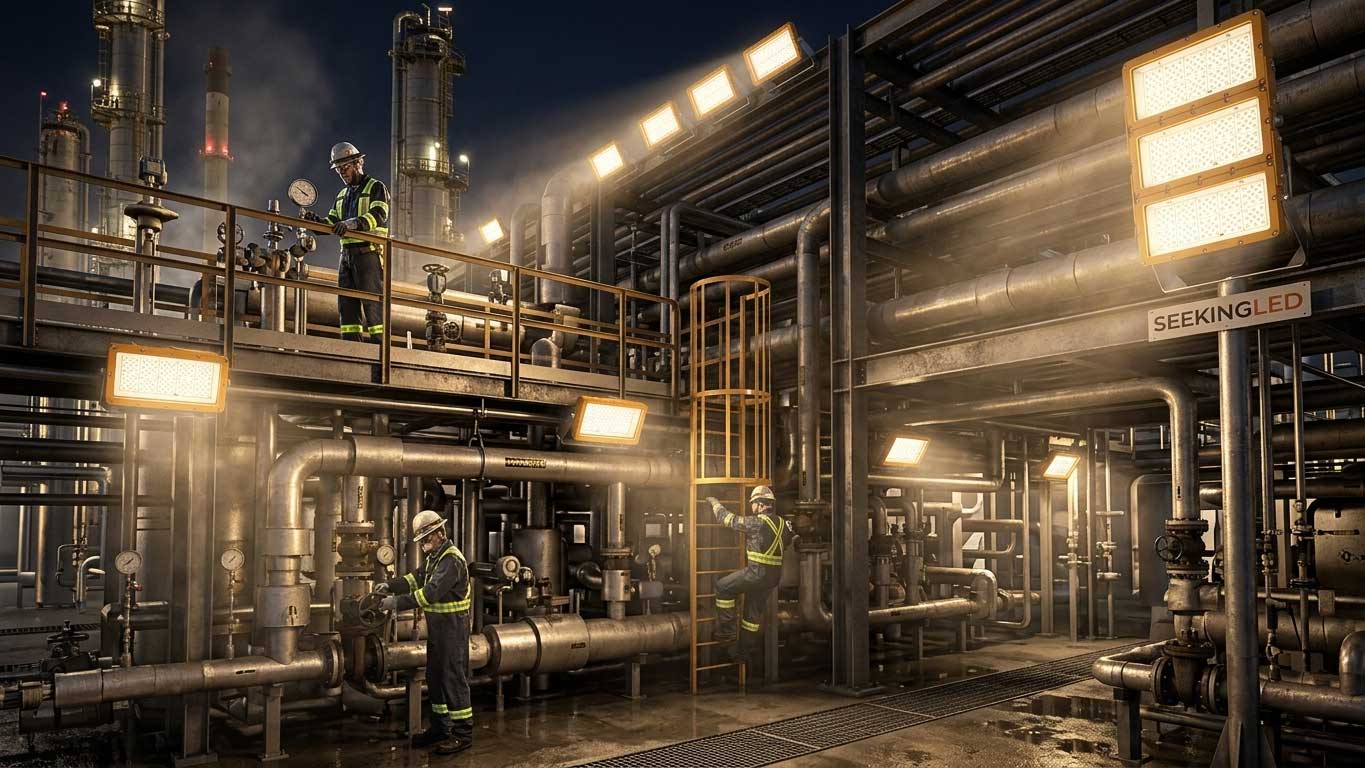
In hazardous facilities, poor visibility becomes a safety hazard itself.
Proper beam design helps operators identify:
Typical industrial beam selections include:
| Beam Type | Application |
|---|---|
| Narrow Beam | Tall towers |
| Medium Beam | Pipe racks |
| Wide Beam | Open process yards |
One common mistake is over-lighting reflective metal surfaces.
Too much glare actually reduces visibility.
Experienced hazardous-lighting engineers usually prioritize uniform illumination over raw brightness.
Older HID hazardous fixtures generated enormous heat.
LED systems changed the economics completely.
According to the U.S. Department of Energy, LED lighting can reduce energy consumption significantly compared to legacy industrial lighting technologies.
Source: https://www.energy.gov/eere/ssl/led-lighting
Real-world industrial benefits include:
On offshore platforms, maintenance reduction alone can justify LED upgrades.
Sending technicians offshore for lamp replacement is extremely expensive.
Waterproof does not mean hazardous-location certified.
IP ratings only measure ingress protection.
They do not verify ignition safety.
Explosion-proof flood lights must match the gas environment:
| Gas Group | Typical Gas |
|---|---|
| IIA | Propane |
| IIB | Ethylene |
| IIC | Hydrogen |
Hydrogen environments require the strictest protection.
I’ve seen facilities replace certified internal drivers with generic LED components.
That instantly voids hazardous certification.
Even minor internal modifications can compromise explosion protection integrity.
Dust explosions are a serious hazard in:
Many buyers underestimate how dangerous combustible dust can become.
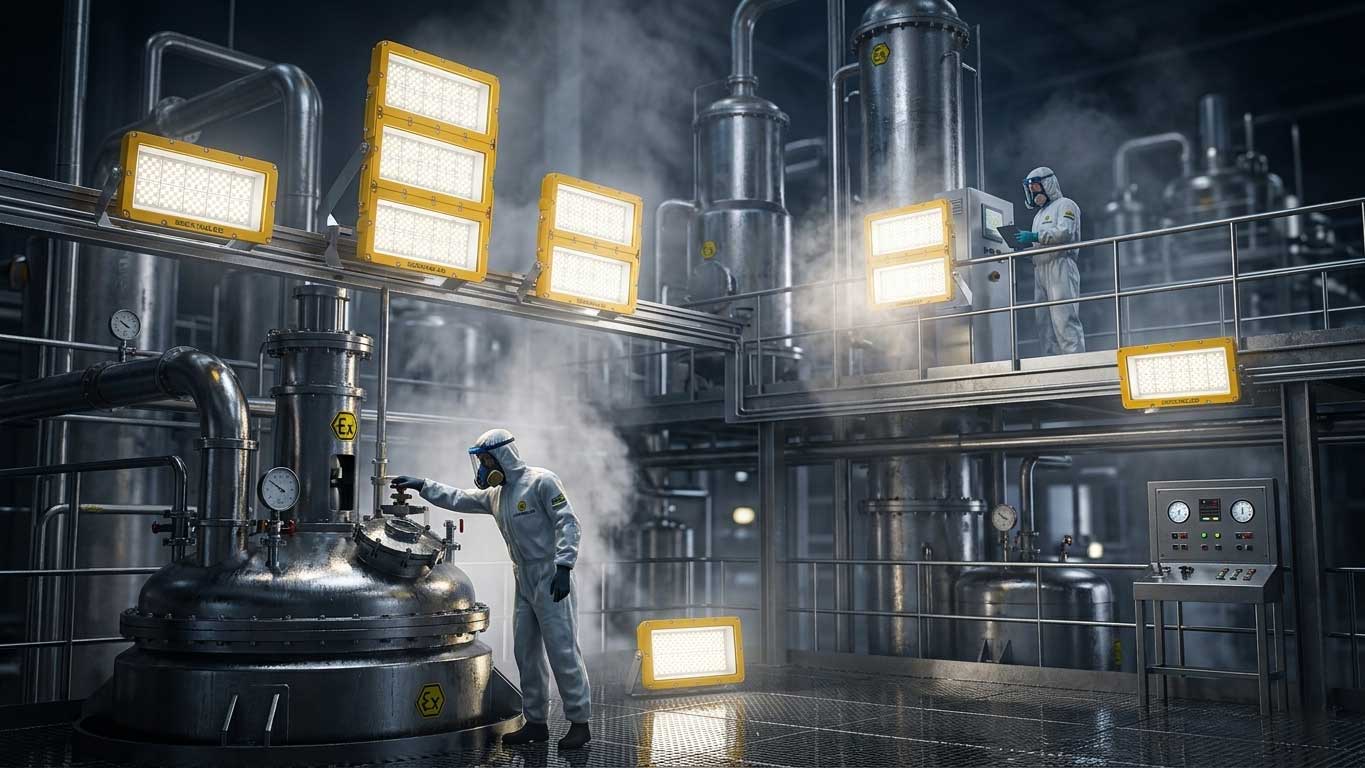
Explosion-proof flood lights are hazardous-area luminaires designed to prevent ignition of flammable gases, vapors, or combustible dust in dangerous industrial environments.
Most are highly sealed and weather-resistant, but waterproof ratings alone do not equal hazardous-location certification.
Yes. Modern hazardous lighting commonly uses LED technology because of lower heat generation and improved efficiency.
Common certifications include:
The correct certification depends on regional regulations.
Absolutely. They are commonly installed outdoors in refineries, marine terminals, offshore platforms, and chemical facilities.
SEEKINGLED hazardous lighting systems are engineered for demanding environments requiring:
Key product advantages include:
These are not decorative commercial floodlights adapted for industry.
They are engineered specifically for facilities where lighting reliability directly affects operational safety.
Author: Daweiboss
Brand: SEEKINGLED
Daweiboss specializes in explosion-proof LED lighting systems for oil & gas facilities, offshore platforms, chemical plants, marine infrastructure, and hazardous industrial environments. His experience includes hazardous-location retrofit projects, refinery lighting design, industrial compliance consulting, and ATEX-certified LED system deployment across international industrial projects.
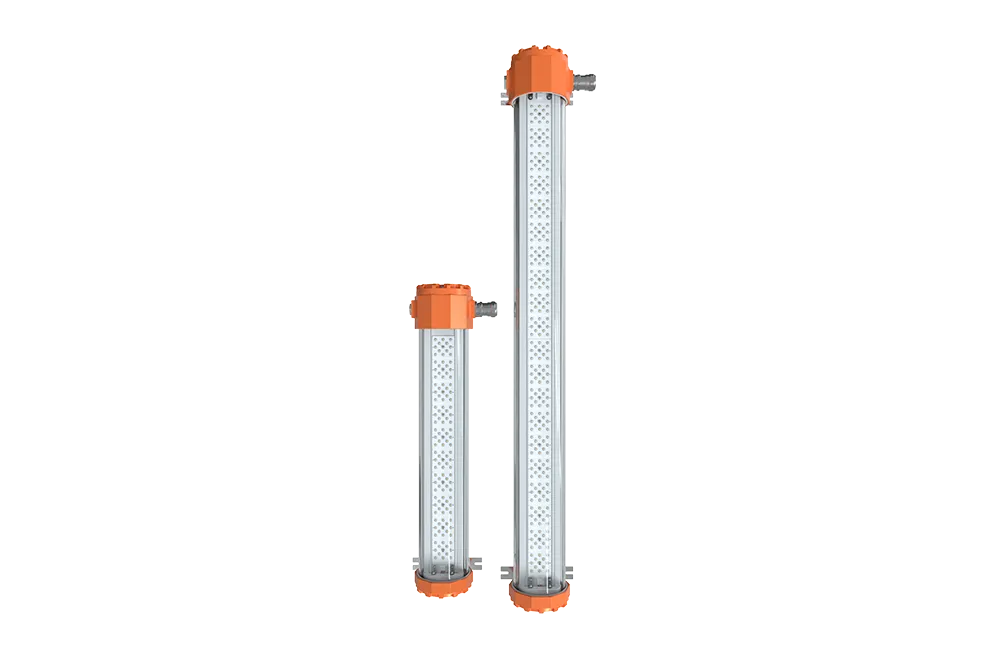
SEEKINGLED LED Linear Explosion Proof Light and Explosion Proof lighting is ATEX and IECEx certified for Zone 1, Zone 2, Zone 21 and Zone 22 hazardous locations, built for long-term industrial use.
View details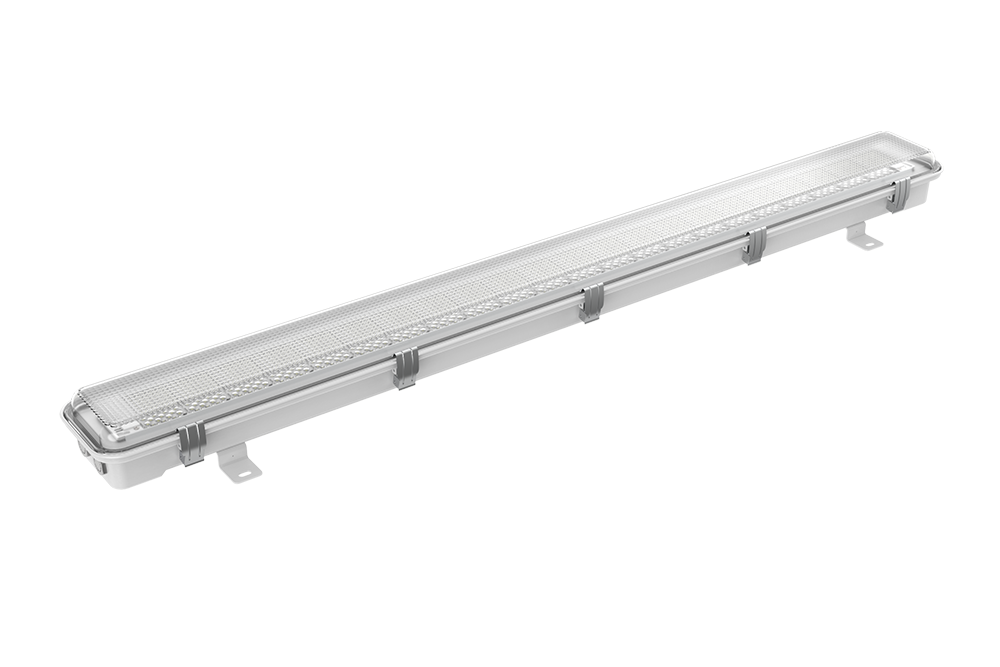
LED Linear Explosion Proof Lights and EX Proof lights for Zone 1, Zone 2, Zone 21 and Zone 22 hazardous areas. ATEX & IECEx certified explosion proof LED linear lighting with emergency function, adjustable power and IP67 protection by SEEKINGLED.
View details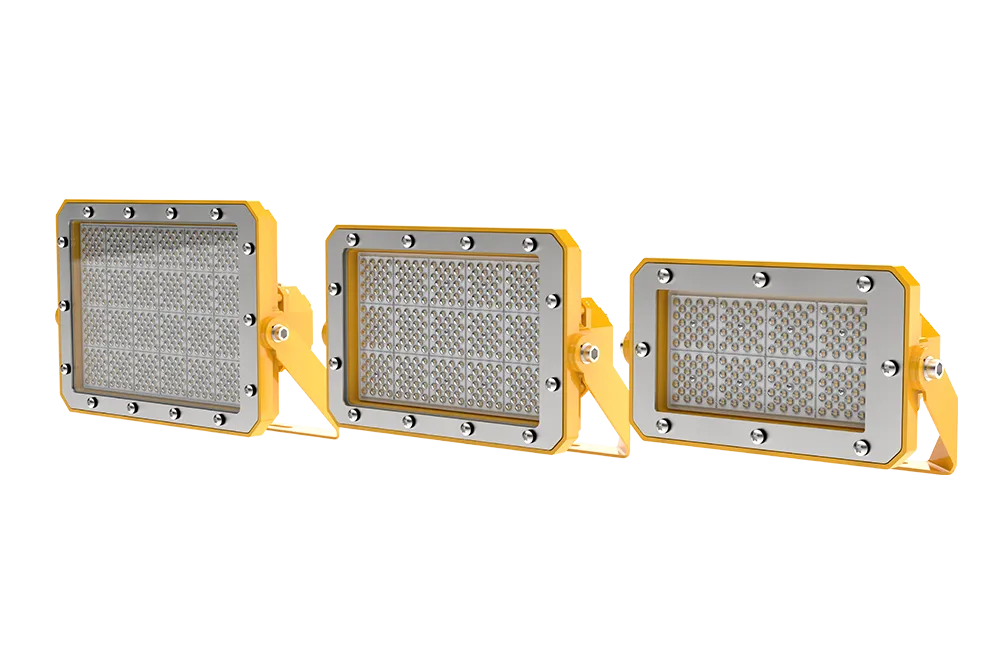
SEEKINGLED LED Explosion Proof Flood Lights are ATEX certified for Zone 2 and Zone 22 hazardous areas, offering high efficiency, adjustable power and integrated junction box.
View details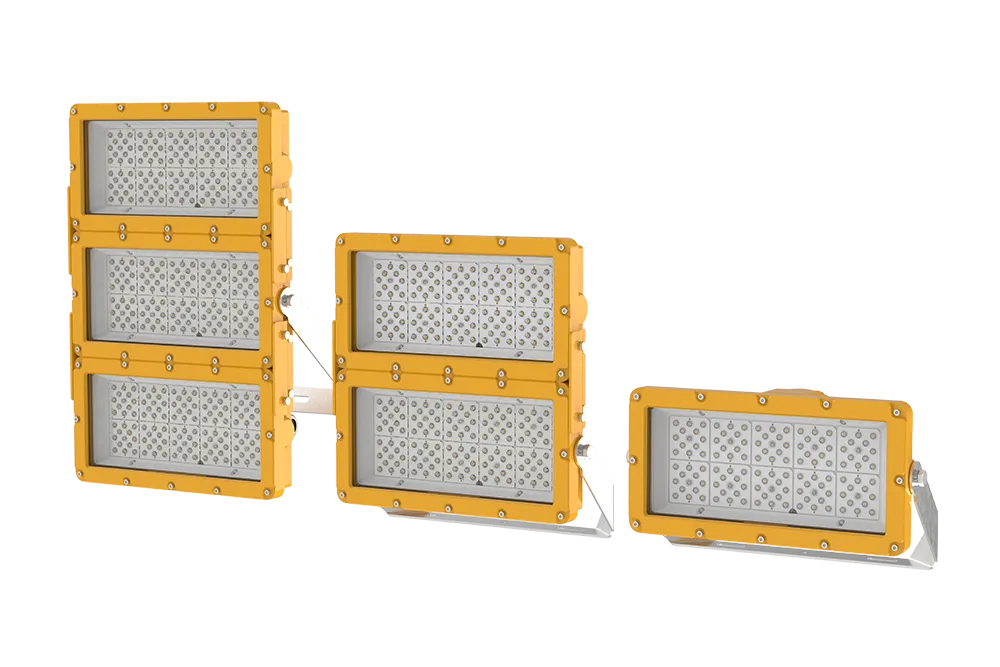
SEEKINGLED LED Explosion Proof Flood Lights are flameproof ATEX and IECEx certified for Zone 1 and Zone 2 hazardous areas, offering high power, adjustable output and long service life.
View details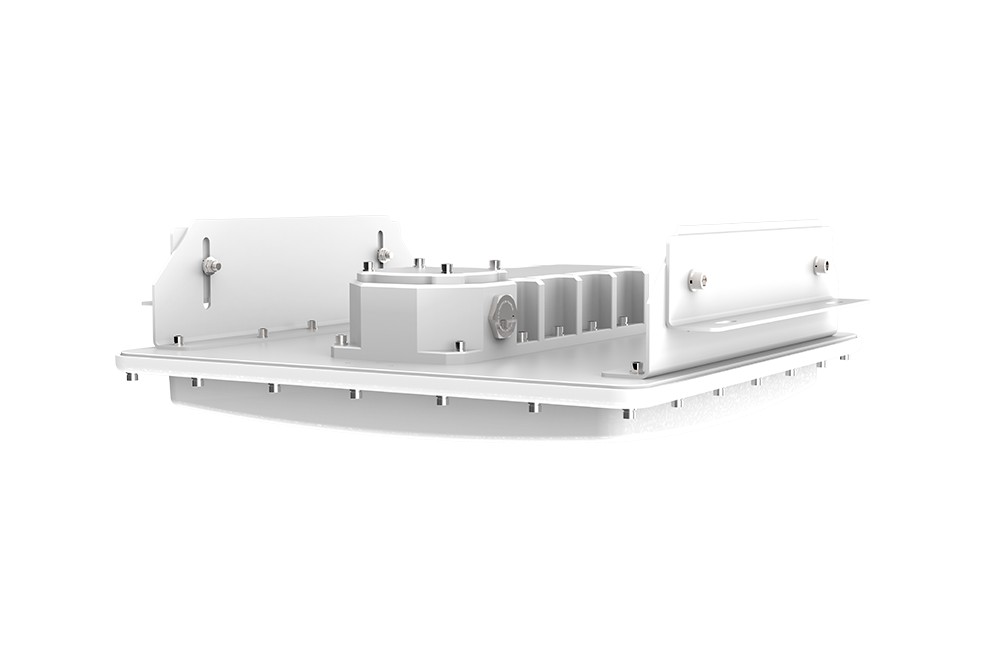
SEEKINGLED LED Gas Station Canopy Lights are ATEX certified for Zone 2 and Zone 22 hazardous areas, featuring adjustable power and built-in explosion-proof junction box.
View details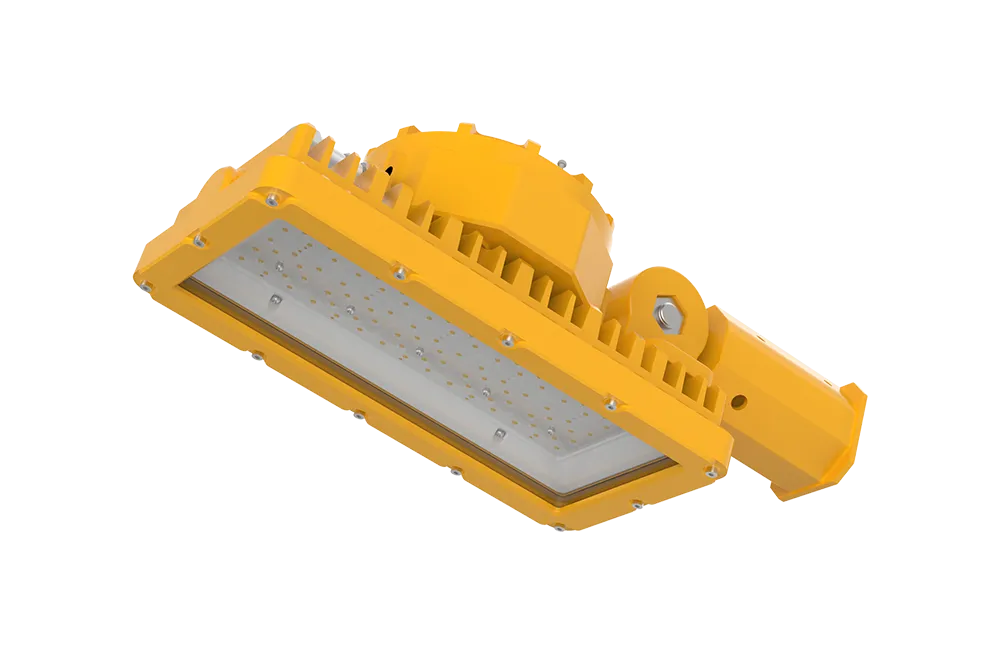
ATEX: Ex II 2G Ex db IIB T6/T5 GbEx II 2D Ex tb IIIC T80°C/ T95°C Db IECEx Ex db IIB T6 Gb;Ex tb IIIC T80°C Db Feature: ● For Zone 1,2 and Zone 21,22● Flameproof type, the strongest● 100W can replace 250W HID,energy saving● Power:60W,80W,100W Application: Oil and gas, marine, Chemical, pharmaceutical, semiconductor,mining,military industr…
View details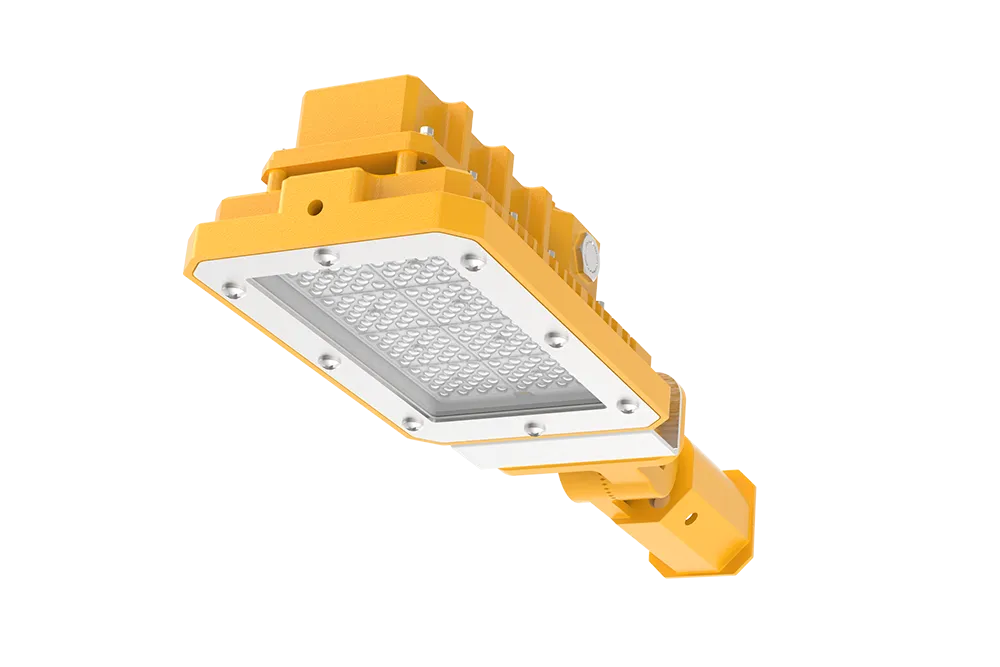
ATEX: II 3G Ex nR ⅡC T5/T6 GcII 3D Ex tc ⅢC T80℃/T95℃Dc ATEX Certificate NO: TÜV CY 26 ATEX 0207611 X Feature: ● For Zone 2 and Zone 22● 150W can replace 250W HID lamps,Energy saving● Power:50W,75W,100W,150W,200W Application: Oil and gas, marine, Chemical, pharmaceutical, semiconductor,mining,military industry, paint booth,power plant ETC…
View details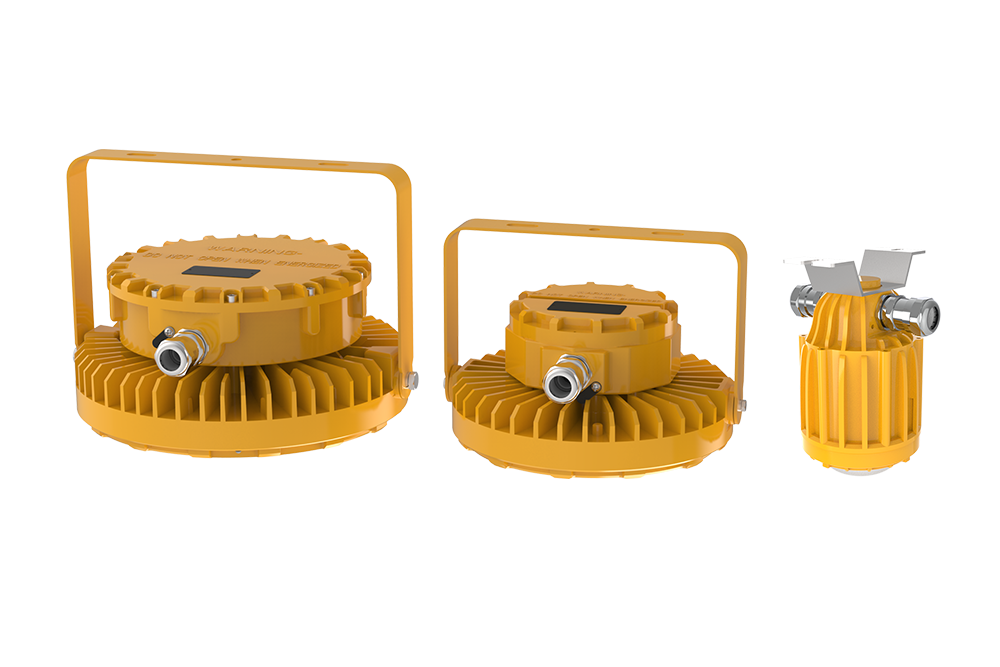
LED explosion proof high bay lights are designed for Zone 1, Zone 2, Zone 21 and Zone 22 hazardous areas. This page introduces the HB21 Series from SEEKING, including certifications, power options and real application considerations.
View details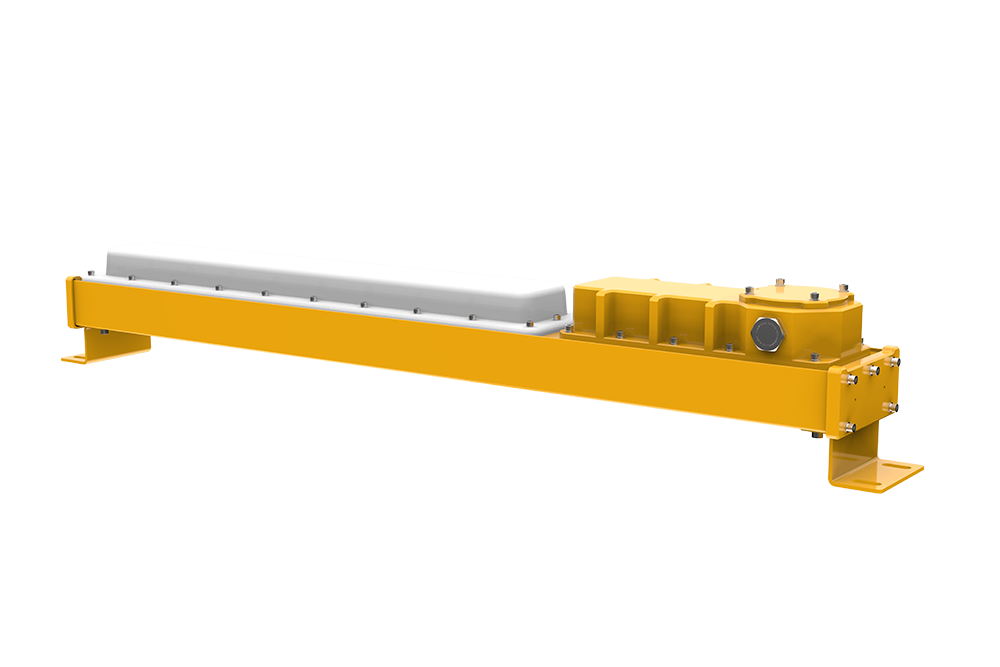
LED Linear Explosion Proof Lights from SEEKINGLED. LU Series Flame Proof lights ATEX-certified explosion proof LED linear lighting for Zone 2 gas and Zone 22 dust areas, IP69K, IK10, long lifetime and flexible power options.
View details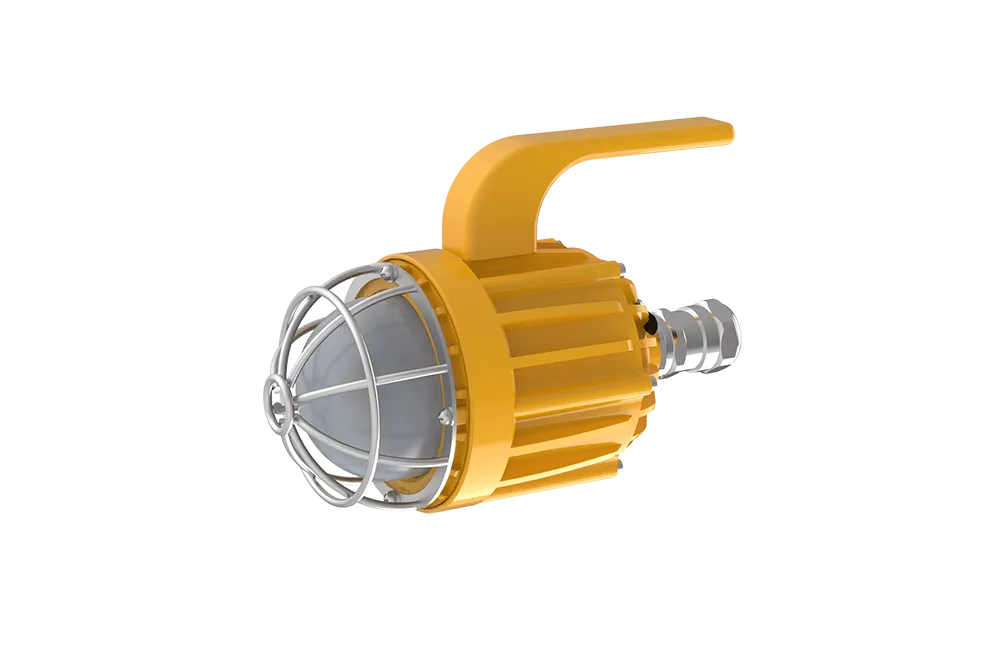
Certified explosion proof work lights for Zone 1 & 21 hazardous areas. Portable, ATEX & IECEx approved, built for oil, gas and chemical plants by SEEKINGLED.
View details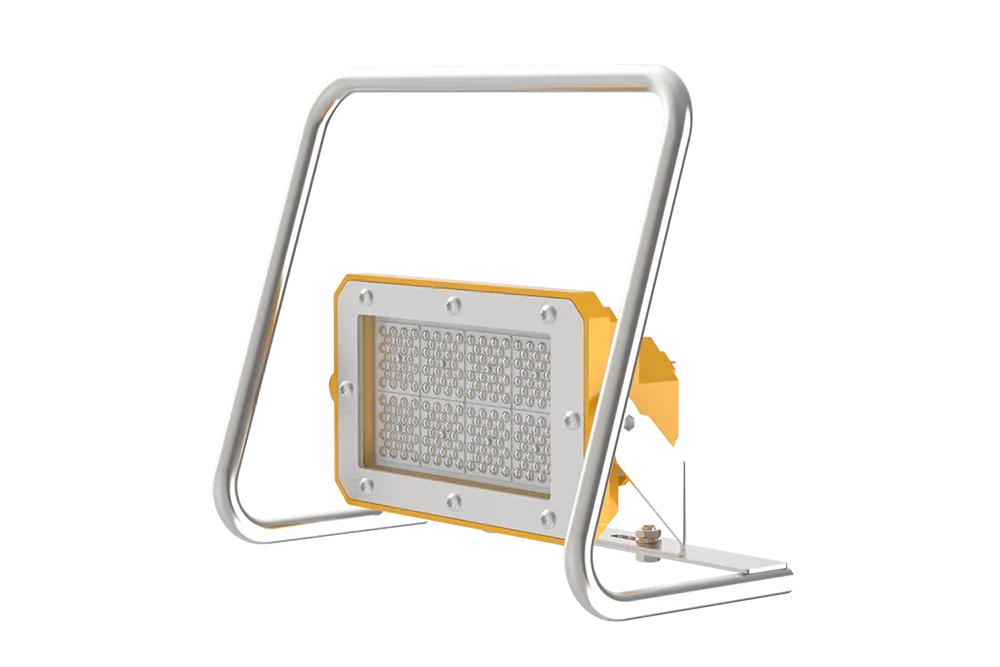
ATEX: II 3G Ex nR ⅡC T6 GcII 3D Ex tc ⅢC T80℃ Dc ATEX Certificate NO: TÜV CY 26 ATEX 0207611 X Feature: ● For Zone 2 and Zone 22● Accepts battery-powered supply● indestructible● Power:AC input:50W,75W,100WDC input:15W,25W,35W Application: Oil and gas, marine, Chemical, pharmaceutical, semiconductor,mining,military industry, paint booth,po…
View details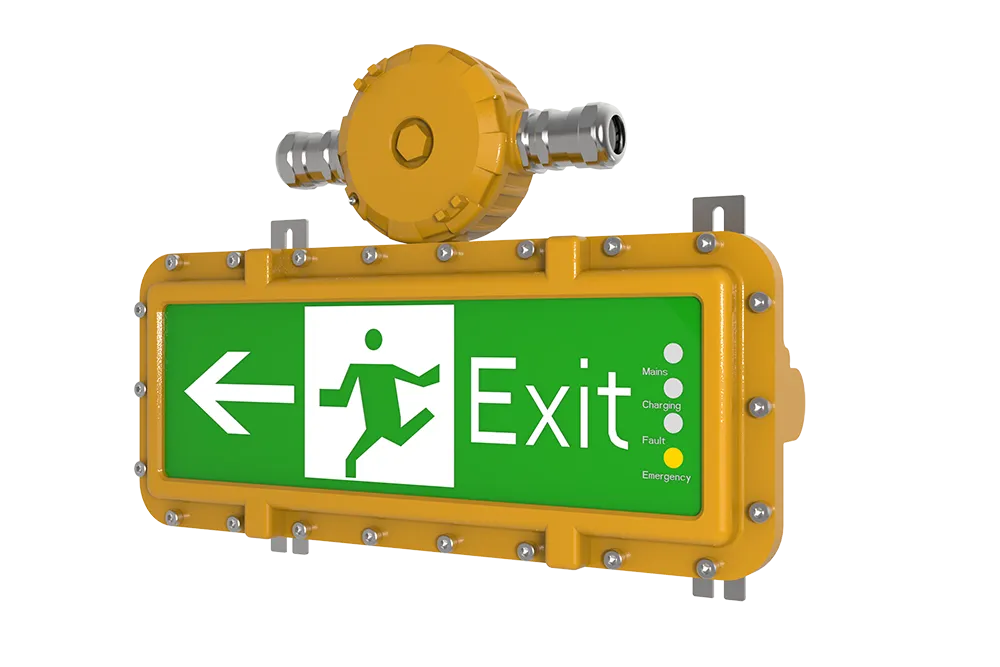
ATEX: Ex II 2G Ex db IIB T6 GbEx II 2D Ex tb IIIC T80°C Db IECEx Ex db IIB T6 Gb;Ex tb IIIC T80°C Db Feature: ● For Zone 1,2 and Zone 21,22● Flameproof type, the strongest Application: Oil and gas, marine, Chemical, pharmaceutical, semiconductor,mining,military industry, paint booth,power plant ETC hazardous area. Technical Specifications:…
View details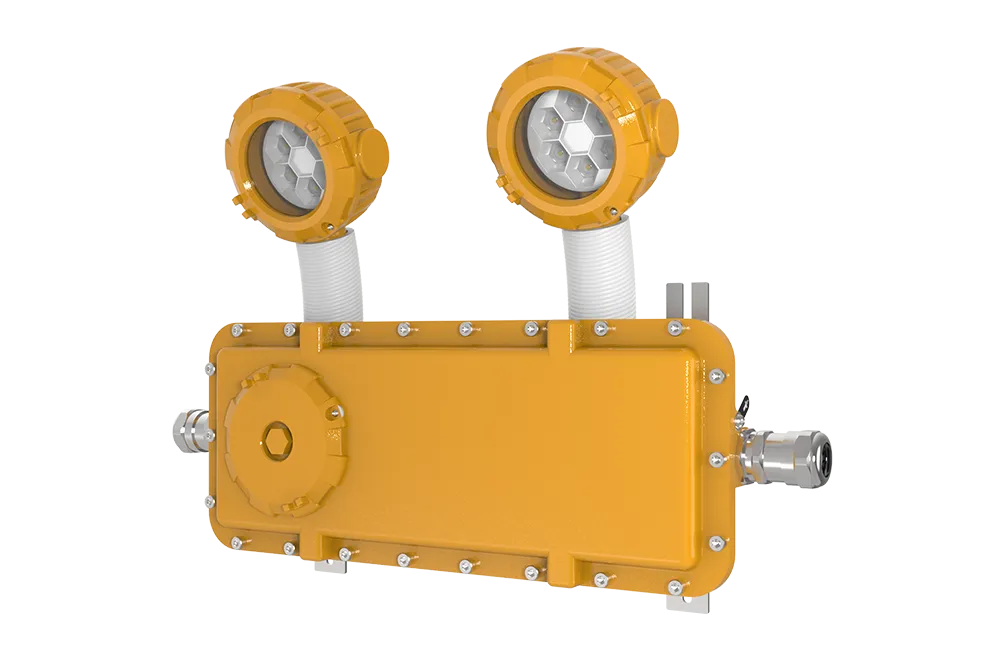
ATEX: Ex II 2G Ex db IIB T6 GbEx II 2D Ex tb IIIC T80°C Db IECEx Ex db IIB T6 Gb;Ex tb IIIC T80°C Db Feature: ● For Zone 1,2 and Zone 21,22● Flameproof type, the strongest Application: Oil and gas, marine, Chemical, pharmaceutical, semiconductor,mining,military industry, paint booth,power plant ETC hazardous area. Technical Specifications:…
View details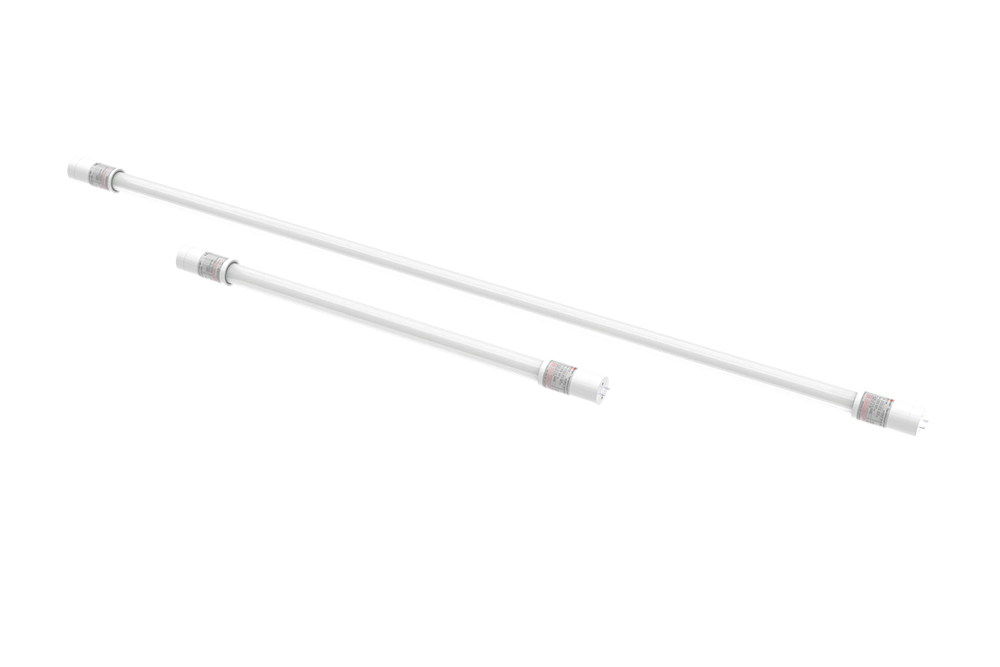
ATEX: Ex II 2G Ex d e IIB T6 Gb ATEX: Ex d e IIB T6 Gb; Feature: ● For Zone 1,2● 9W can replace 18W fluorescent lamps,50% Energy saving Application: Oil and gas, marine, Chemical, pharmaceutical, semiconductor,mining,military industry, paint booth,power plant ETC hazardous area. Technical Specifications: Standards:60079-0, 60079-1, 60079…
View details
A LED cobra head street light designed for roads and highways, offering efficient light distribution, durability, and long service life by SEEKINGLED.
View details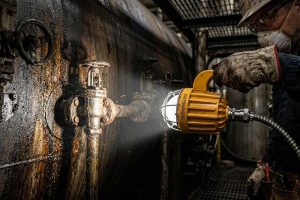
ATEX work light explained with real certifications, field insights, and safety design. Discover how SEEKINGLED ensures reliable lighting in hazardous areas.
View details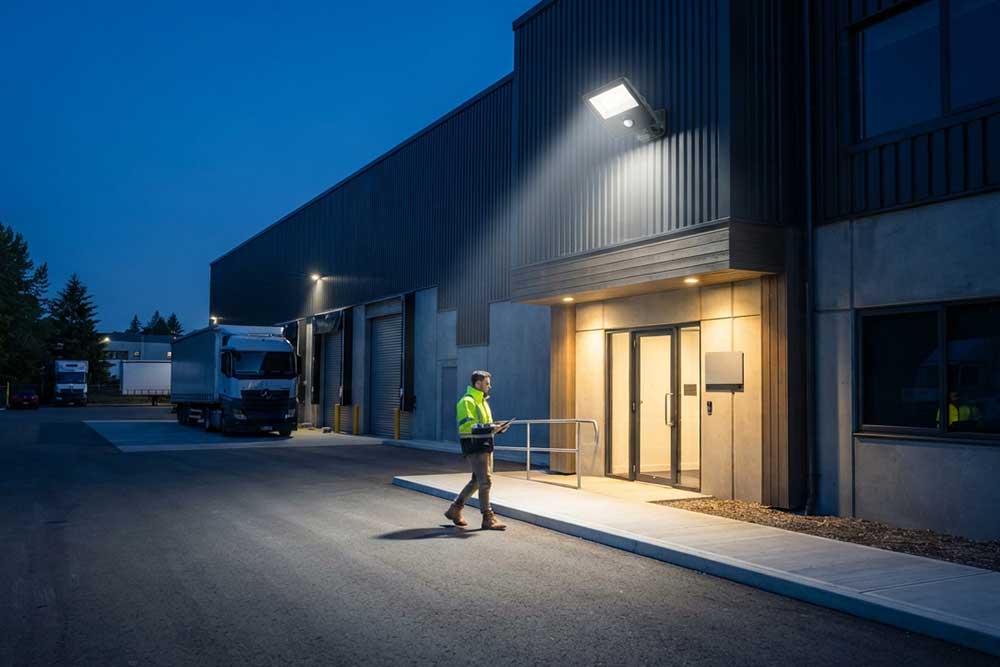
Some flood lights have motion sensors, but not all. Motion-controlled models activate when movement is detected and are useful where lighting demand is inter...
View details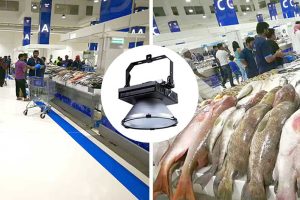
LED High Bay Lighting for Seafood Market was required in a Dubai seafood market where high floor lux was essential. This project record documents multiple Dialux calculations and on-site decision-making using XJ-HBL high bays.
View details