 Seeking LED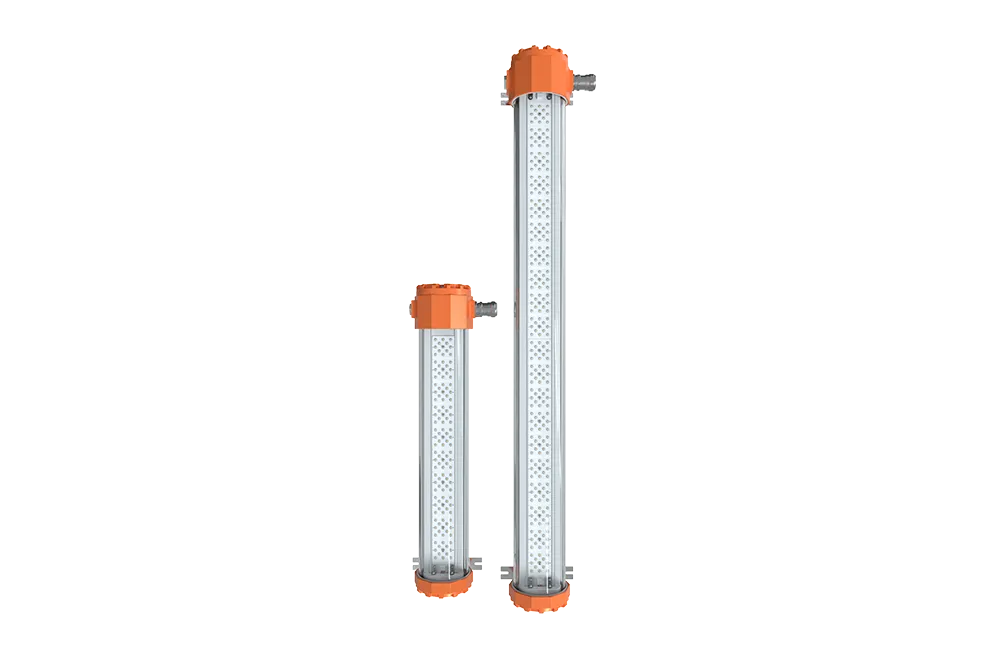

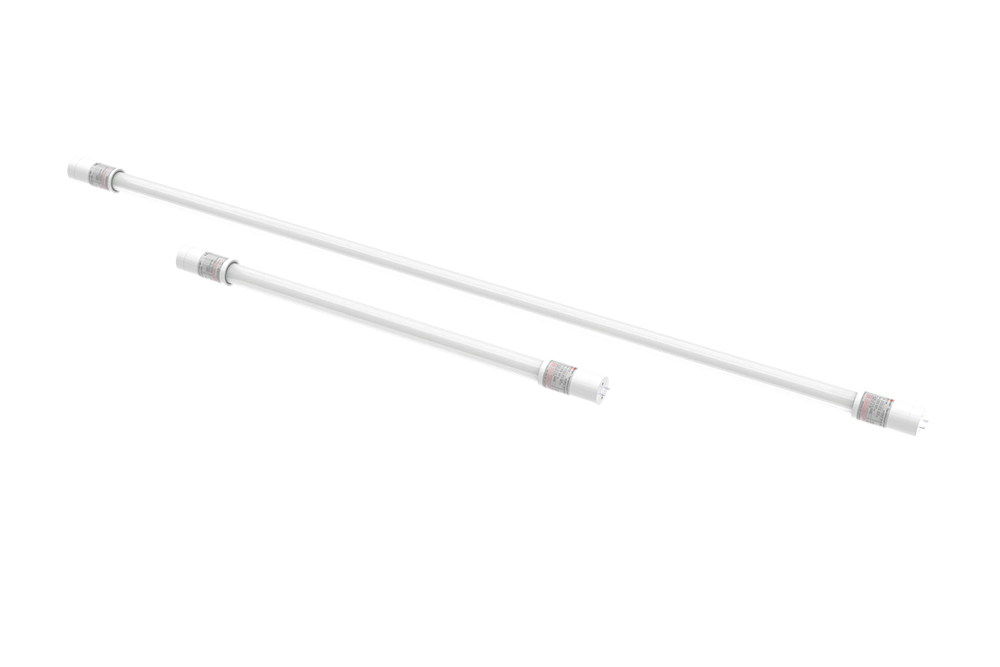
What Is the Brightest LED Flood Light?
196What is the brightest LED flood light in real projects? Learn how brightness is judged on site, not just by lumen numbers.
View detailsSearch the whole station
When someone asks about an explosion proof lamp, they’re not looking for decorative lighting.
They’re usually standing in a refinery, a chemical warehouse, maybe a fuel storage terminal — looking up at a fixture and wondering if it’s actually safe.
I’ve been on sites where the lamp was labeled “explosion resistant.” That’s not the same thing. Not even close.
So let’s be direct. If you’re selecting an explosion proof lamp, you’re dealing with risk management. And mistakes here are expensive — financially and legally.
An explosion proof lamp is designed to contain any spark or internal ignition within its housing, preventing it from igniting surrounding flammable gases or dust.
Important detail: it does not stop explosions from happening in the environment. It prevents the lamp itself from becoming the ignition source.
That distinction matters.
These lamps are commonly installed in:
In these places, even a small arc from wiring can be dangerous. Proper explosion proof led lamp for hazardous areas solutions are built with sealed enclosures, flame paths, and certified components.
If the enclosure cracks under pressure, the protection is gone. It’s that simple.
You’ll often hear “Zone 1 explosion proof lighting fixture” mentioned in specifications.
Here’s what that really means in the field:
A Zone 1 rated explosion proof lamp must handle regular exposure to hazardous gases. That requires stricter design and certification than Zone 2.
I’ve seen contractors attempt to install Zone 2 fixtures in Zone 1 areas to reduce cost. Inspectors shut that down quickly.
Correct zone classification isn’t optional. It’s foundational.
Ten years ago, HID lamps dominated hazardous areas. That’s no longer the case.
Modern explosion proof led lamp for hazardous areas designs offer:
In hazardous environments, maintenance isn’t just inconvenient. It requires shutdown procedures, safety checks, permits.
Reducing relamping frequency reduces risk.
However, not all LED drivers are equal. In high ambient temperatures — say 50°C inside certain facilities — cheap drivers fail early. When that happens, replacement costs multiply.
That’s why build quality matters more than price.
In Europe and many international markets, an ATEX certified explosion proof lamp is mandatory.
In other regions, IECEx certification may apply.
Certification markings should clearly show:
If documentation is unclear or the marking looks incomplete, that’s a red flag.
At SEEKINGLED, certification documentation accompanies every explosion proof lamp shipment. Transparency avoids project delays.
And delays in industrial projects are rarely cheap.
Not all suppliers understand hazardous environments.
A serious industrial explosion proof lamp manufacturer should provide:
For example, die-cast aluminum housing is common because it handles pressure and heat well. Plastic components in hazardous areas? Usually a bad idea.
Also check IP rating. IP66 is typical. Dust ingress in grain facilities is not hypothetical. It happens daily.
Most quality explosion proof lamp models are rated for 50,000 hours or more.
But lifespan depends heavily on:
In stable conditions, LED systems outperform older technologies significantly. In unstable power environments without surge protection, failure rates increase.
It’s not just about advertised hours. It’s about real-world conditions.
SEEKINGLED focuses on engineering-driven hazardous lighting solutions.
Our explosion proof lamp designs are built with:
We don’t claim to be the cheapest industrial explosion proof lamp manufacturer. That’s not our position.
Our position is reliability.
Because in oil, gas, and chemical facilities, lighting failure is more than inconvenience.
It’s exposure.
And exposure in hazardous zones is never acceptable.
SEEKINGLED LED Linear Explosion Proof Light and Explosion Proof lighting is ATEX and IECEx certified for Zone 1, Zone 2, Zone 21 and Zone 22 hazardous locations, built for long-term industrial use.
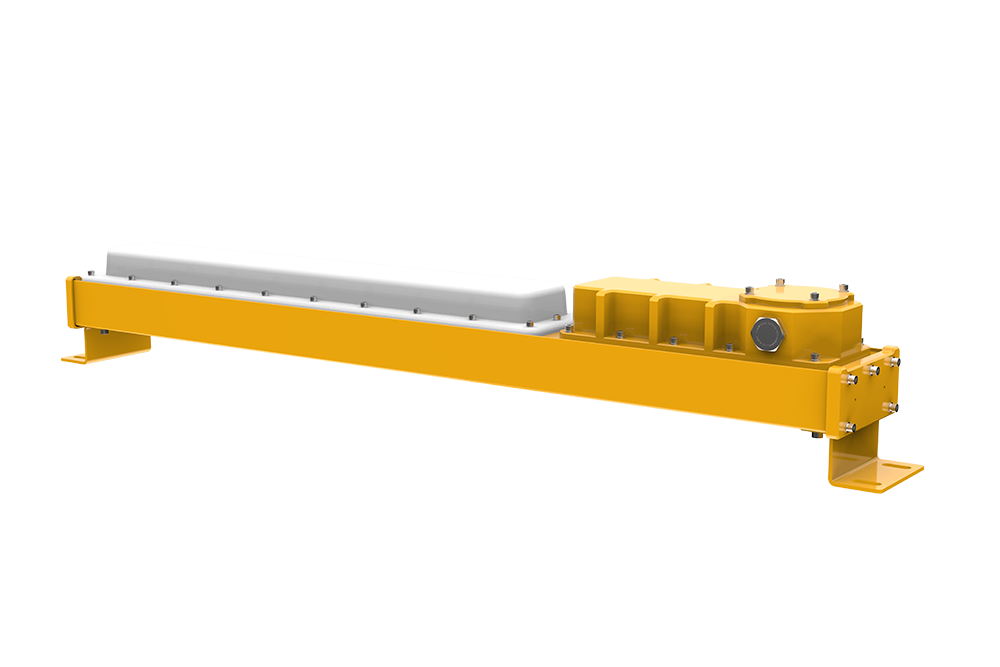
LED Linear Explosion Proof Lights and EX Proof lights for Zone 1, Zone 2, Zone 21 and Zone 22 hazardous areas. ATEX & IECEx certified explosion proof LED linear lighting with emergency function, adjustable power and IP67 protection by SEEKINGLED.
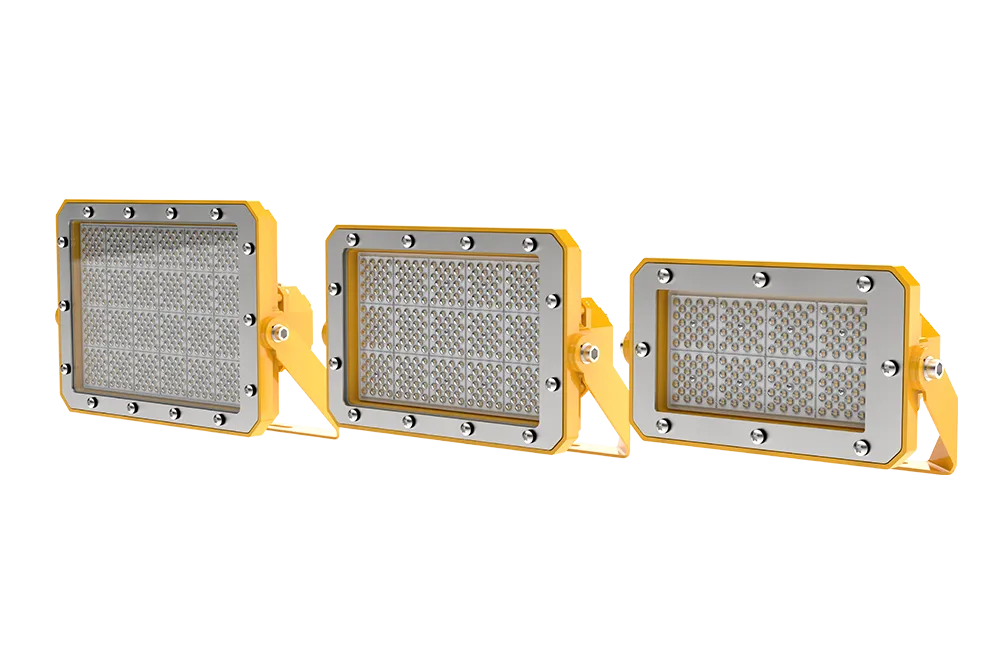
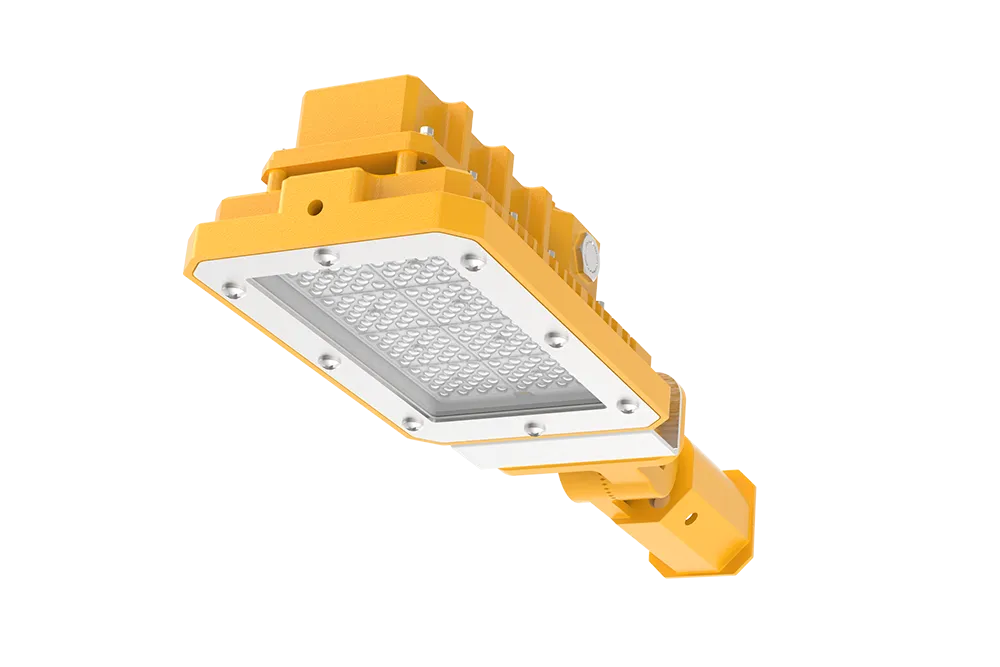
SEEKINGLED LED Explosion Proof Flood Lights are ATEX certified for Zone 2 and Zone 22 hazardous areas, offering high efficiency, adjustable power and integrated junction box.
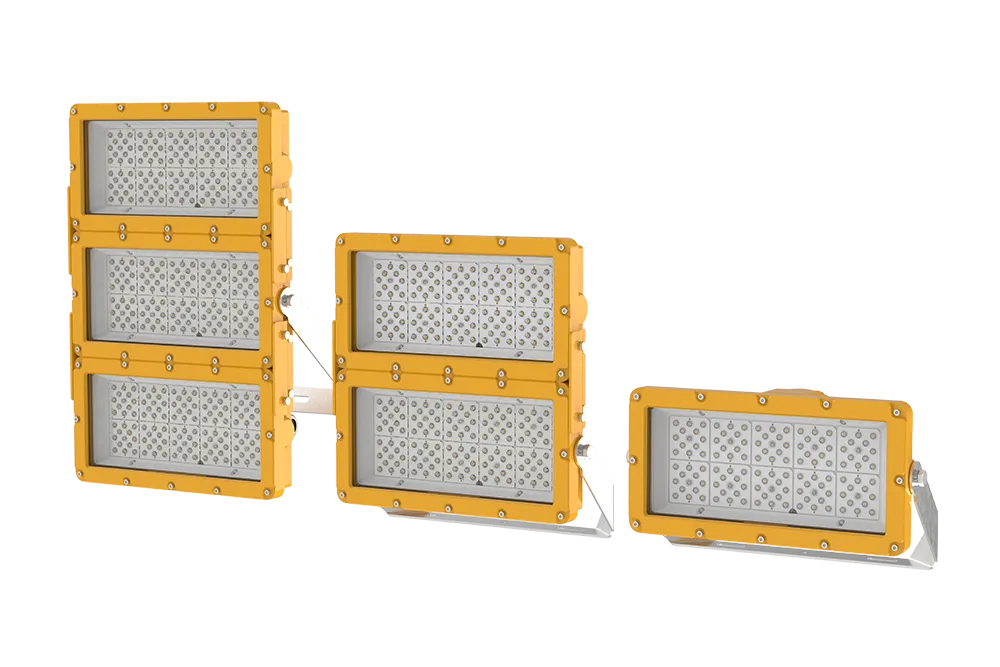
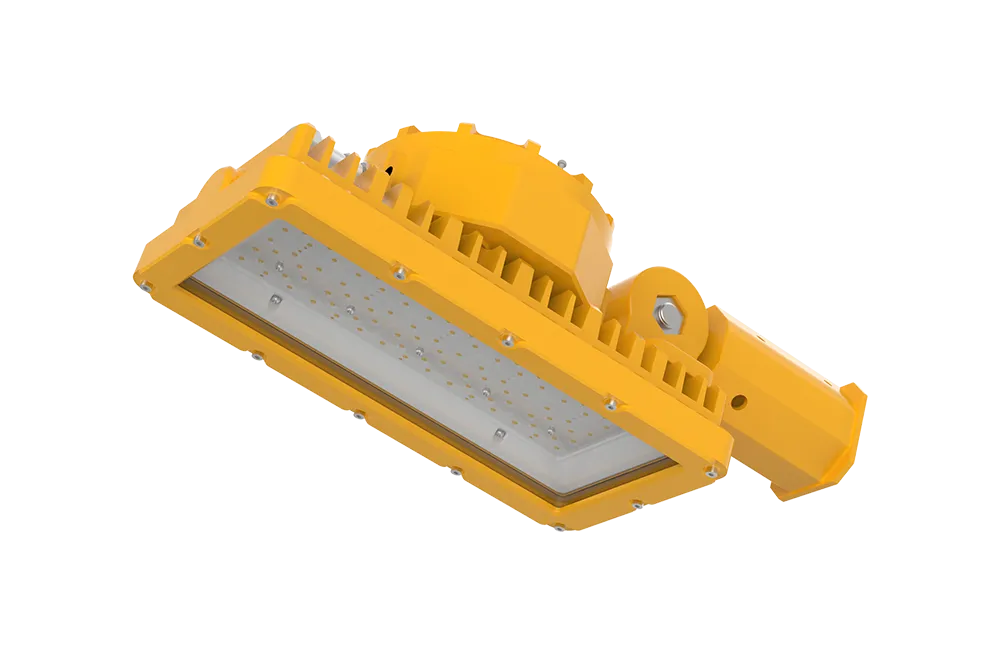
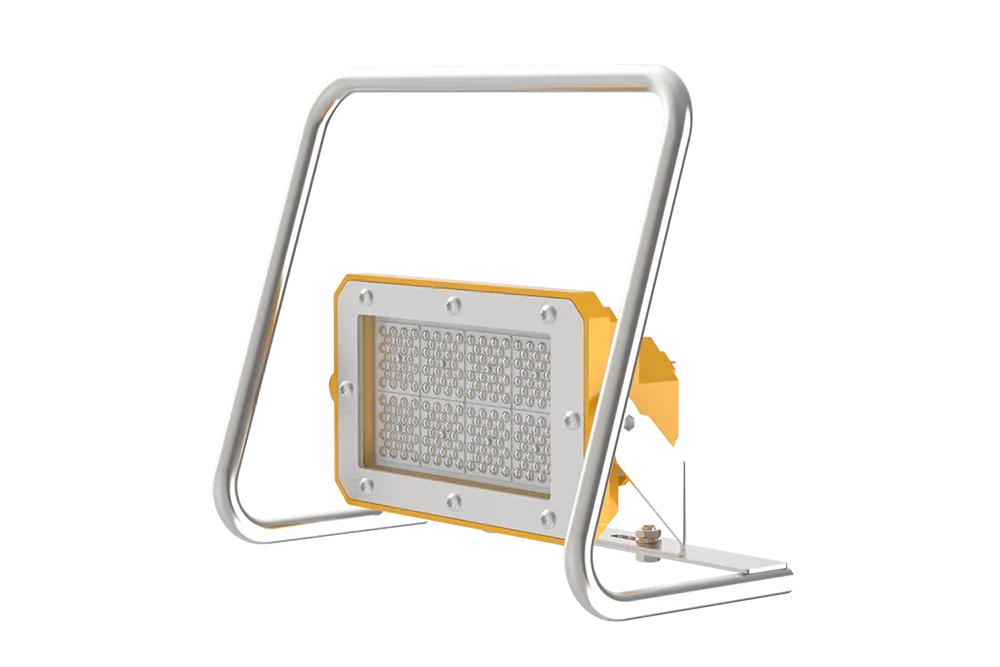
SEEKINGLED LED Explosion Proof Flood Lights are flameproof ATEX and IECEx certified for Zone 1 and Zone 2 hazardous areas, offering high power, adjustable output and long service life.
SEEKINGLED LED Gas Station Canopy Lights are ATEX certified for Zone 2 and Zone 22 hazardous areas, featuring adjustable power and built-in explosion-proof junction box.
ATEX: Ex II 2G Ex db IIB T6/T5 GbEx II 2D Ex tb IIIC T80°C/ T95°C Db IECEx Ex db IIB T6 Gb;Ex tb IIIC T80°C Db Feature: ● For Zone 1,2 and Zone 21,22● Flameproof type, the strongest● 100W can replace 250W HID,energy saving● Power:60W,80W,10…
ATEX: II 3G Ex nR ⅡC T5/T6 GcII 3D Ex tc ⅢC T80℃/T95℃Dc ATEX Certificate NO: TÜV CY 26 ATEX 0207611 X Feature: ● For Zone 2 and Zone 22● 150W can replace 250W HID lamps,Energy saving● Power:50W,75W,100W,150W,200W Application: Oil and gas, m…
LED explosion proof high bay lights are designed for Zone 1, Zone 2, Zone 21 and Zone 22 hazardous areas. This page introduces the HB21 Series from SEEKING, including certifications, power options and real application considerations.
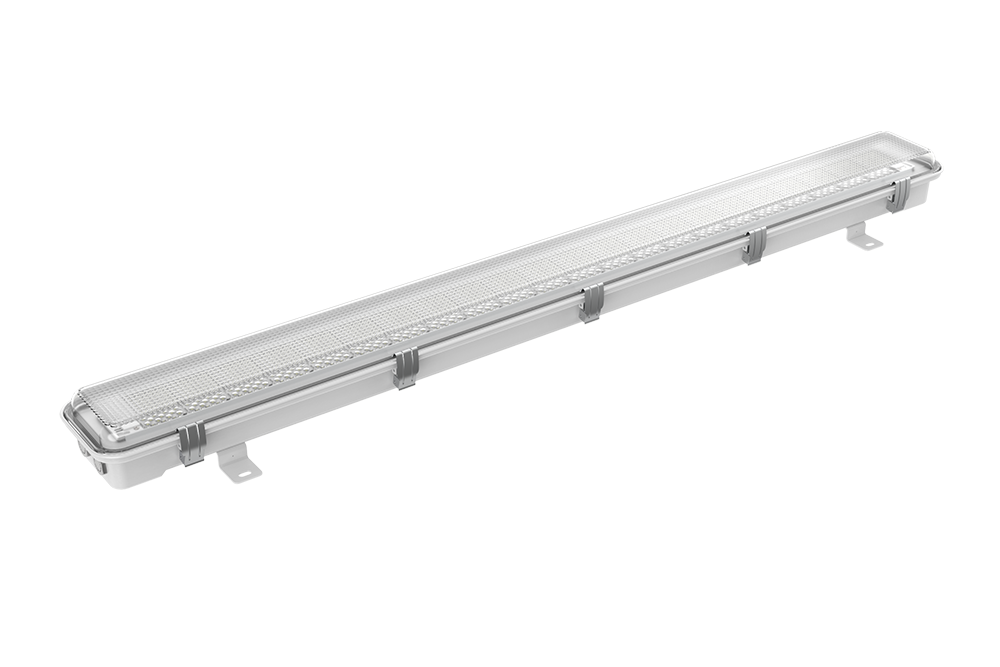
LED Linear Explosion Proof Lights from SEEKINGLED. LU Series Flame Proof lights ATEX-certified explosion proof LED linear lighting for Zone 2 gas and Zone 22 dust areas, IP69K, IK10, long lifetime and flexible power options.
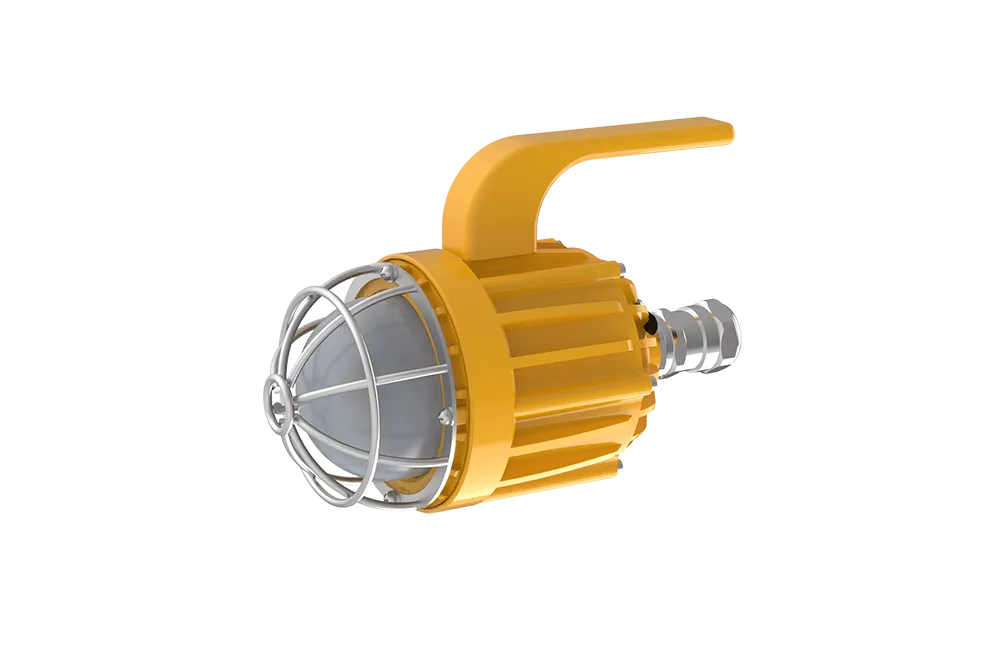
Certified explosion proof work lights for Zone 1 & 21 hazardous areas. Portable, ATEX & IECEx approved, built for oil, gas and chemical plants by SEEKINGLED.
ATEX: II 3G Ex nR ⅡC T6 GcII 3D Ex tc ⅢC T80℃ Dc ATEX Certificate NO: TÜV CY 26 ATEX 0207611 X Feature: ● For Zone 2 and Zone 22● Accepts battery-powered supply● indestructible● Power:AC input:50W,75W,100WDC input:15W,25W,35W Application: O…
ATEX: Ex II 2G Ex db IIB T6 GbEx II 2D Ex tb IIIC T80°C Db IECEx Ex db IIB T6 Gb;Ex tb IIIC T80°C Db Feature: ● For Zone 1,2 and Zone 21,22● Flameproof type, the strongest Application: Oil and gas, marine, Chemical, pharmaceutical, semicondu…
ATEX: Ex II 2G Ex db IIB T6 GbEx II 2D Ex tb IIIC T80°C Db IECEx Ex db IIB T6 Gb;Ex tb IIIC T80°C Db Feature: ● For Zone 1,2 and Zone 21,22● Flameproof type, the strongest Application: Oil and gas, marine, Chemical, pharmaceutical, semicondu…
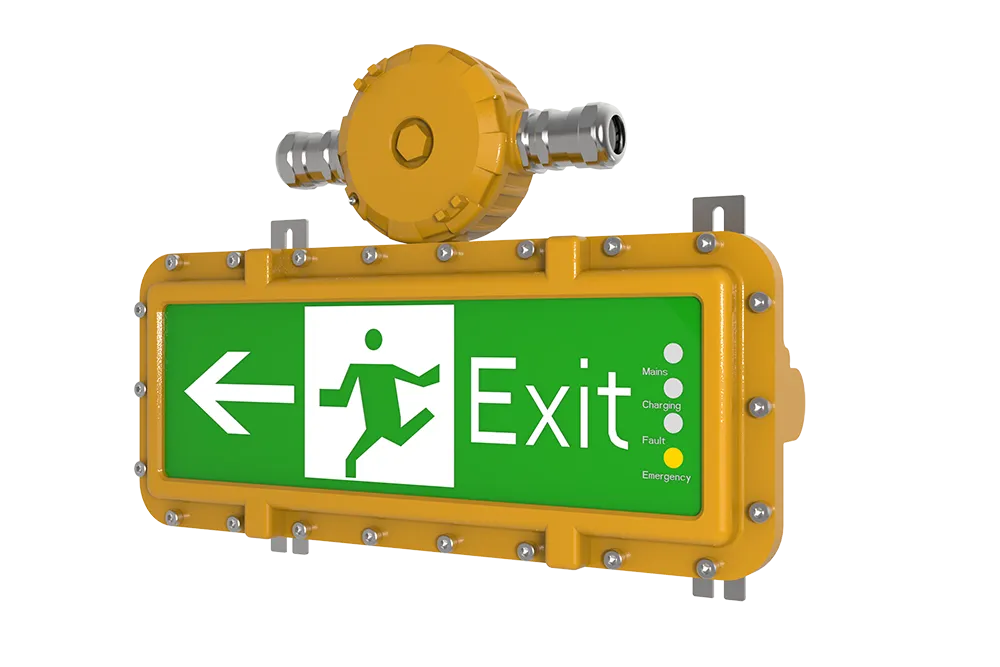
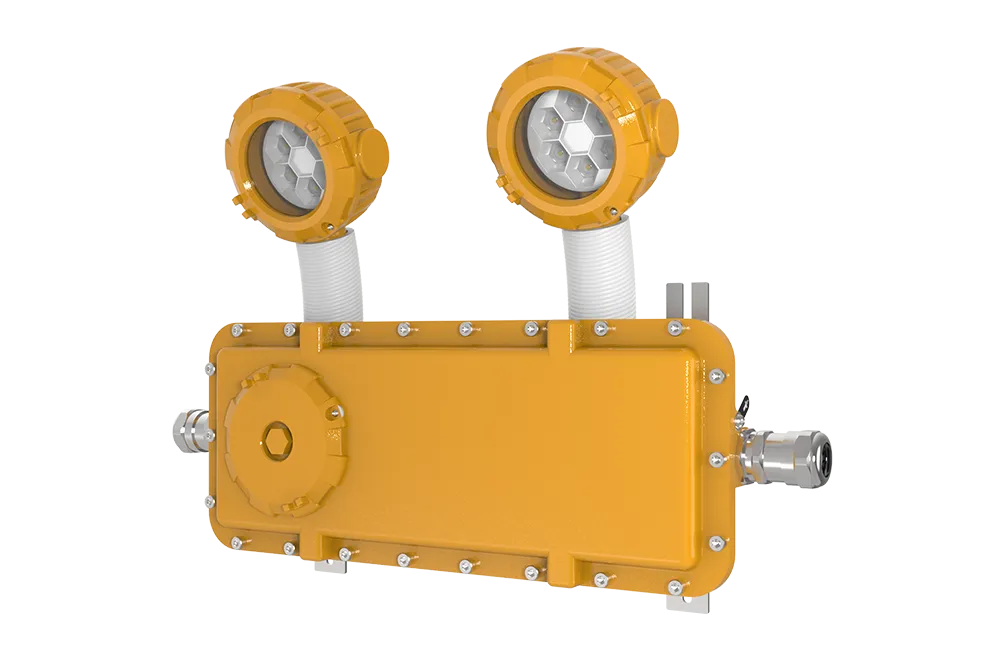
ATEX: Ex II 2G Ex d e IIB T6 Gb ATEX: Ex d e IIB T6 Gb; Feature: ● For Zone 1,2● 9W can replace 18W fluorescent lamps,50% Energy saving Application: Oil and gas, marine, Chemical, pharmaceutical, semiconductor,mining,military industry, pain…
loading…
This is the last post!
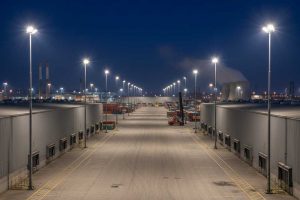
What is the brightest LED flood light in real projects? Learn how brightness is judged on site, not just by lumen numbers.
View details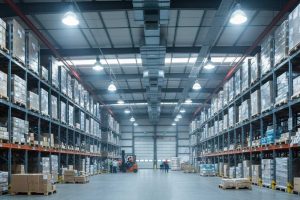
Industrial LED high bay lighting for warehouses, factories and logistics centers. SEEKING HBI Series focuses on stable efficiency, long lifetime and low maintenance for high ceiling industrial spaces.
View details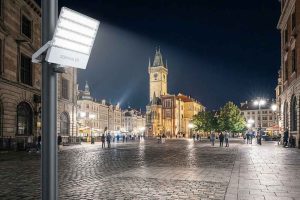
200w led flood light delivers powerful illumination with lower energy use, ideal for industrial yards, parking lots, and outdoor security lighting.
View details
Why is my LED flood light dim? Learn the real reasons like voltage issues, driver problems or aging LEDs, and how SEEKINGLED flood lights maintain stable brightness.
View details